Dead animals and dead bodies do help plants grow, but only after proper decomposition breaks them down into nutrients the soil and plant roots can actually use. A fresh carcass dropped next to a tomato plant won't do much good, and it can actively cause harm. The benefit comes from the end products of decomposition: nitrogen, phosphorus, potassium, and a range of micronutrients that become available in the soil over weeks to months, depending on conditions. The catch is that unmanaged decomposition of animal matter also brings real risks: pathogens, scavengers, odor, and nutrient burn. So yes, the chemistry works, but the way you get there matters enormously.
Do Dead Bodies Help Plants Grow? Real Science and Safer Options
Marcus Holloway
4 May 2026
What's actually happening underground: decomposition and nutrient release
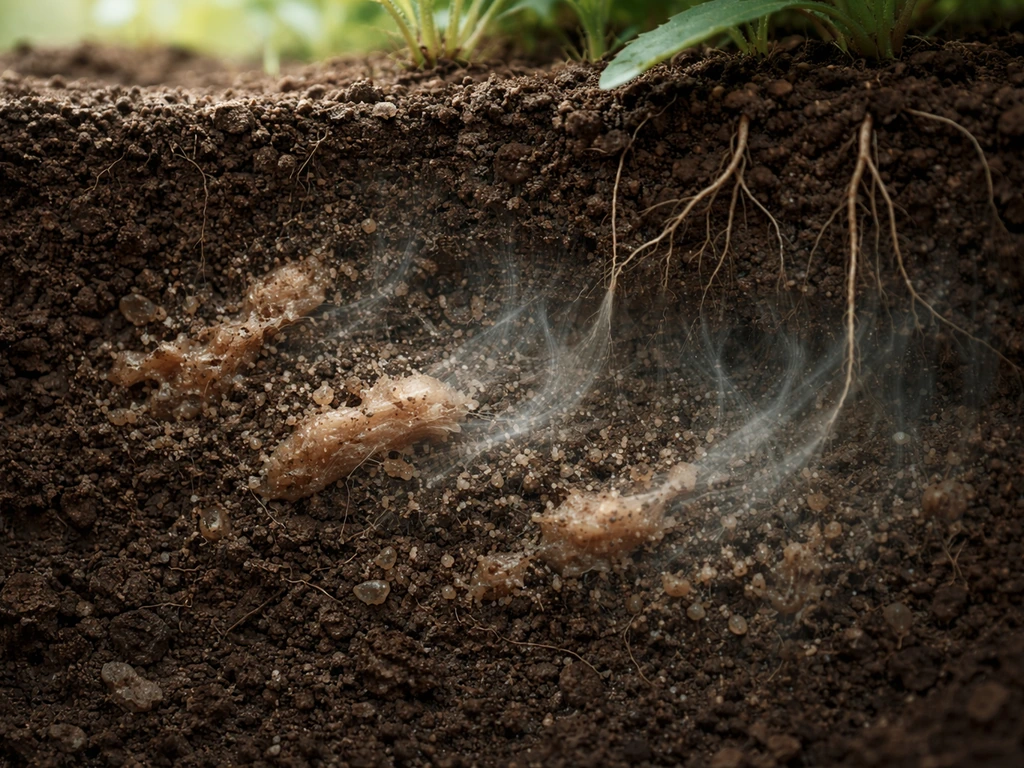
When an animal or body dies, microorganisms, fungi, and insects get to work breaking down proteins, fats, and carbohydrates into simpler compounds. Proteins break down into amino acids, which then break down further into ammonium and eventually nitrate, the form of nitrogen most plants absorb directly. Bones release phosphorus and calcium slowly as they break down. Fats decompose into fatty acids, and those eventually mineralize into forms plants can use too.
Animal tissue is genuinely nutrient-dense compared to plant matter. A mammal carcass is roughly 70% water by weight, but the dry matter is high in nitrogen-containing compounds, which is why animal-based amendments like blood meal and bone meal are such concentrated fertilizers. When decomposition happens in contact with soil, the leaching fluids, what University of Maine Extension describes as 'body fluids' released as a carcass decays, move directly into the surrounding soil and feed the microbial community. That microbial activity is part of the benefit: healthy populations of bacteria and fungi improve soil structure, aggregate formation, and long-term fertility beyond just the raw nutrients.
Dead plant matter works similarly, but with a lower nitrogen-to-carbon ratio. That's the key difference between animal and plant decomposition in the garden. Animal remains are nitrogen-rich (low C:N ratio, often around 5:1 or lower), while dry plant material is carbon-rich (high C:N ratio, sometimes 50:1 or more). Both matter in a well-functioning compost pile, but they're not interchangeable.
When it actually works, and when it doesn't
Decomposition-based nutrient release benefits plants when a few conditions are met. The organic material needs to be in contact with soil, not just resting on a hard surface. Moisture is essential because microbial activity slows dramatically in dry conditions. Aeration helps too, especially for aerobic decomposition, which is faster and less odorous than anaerobic breakdown. And critically, there has to be enough time for breakdown to actually happen before you expect plants to benefit.
A freshly buried animal carcass in moist, warm soil will start breaking down meaningfully within a few weeks in summer. But full decomposition of a large animal can take months to years depending on soil temperature, moisture, burial depth, and size of the carcass. Small animals, mice, birds, fish, break down much faster and can improve a planting area within a season. This is actually a traditional practice in some indigenous and historical farming systems, placing small fish beneath planting mounds, for example, which is where the idea has some genuine grounding.
It doesn't work well when the carcass is placed on top of soil rather than incorporated, when soil is too dry or too cold for microbial activity, when there's no time between burial and planting (nutrients aren't available yet), or when the animal is large and decomposition is uneven. Direct, uncomposted contact with plant roots can also cause problems, which brings us to the risks.
The real risks you need to take seriously
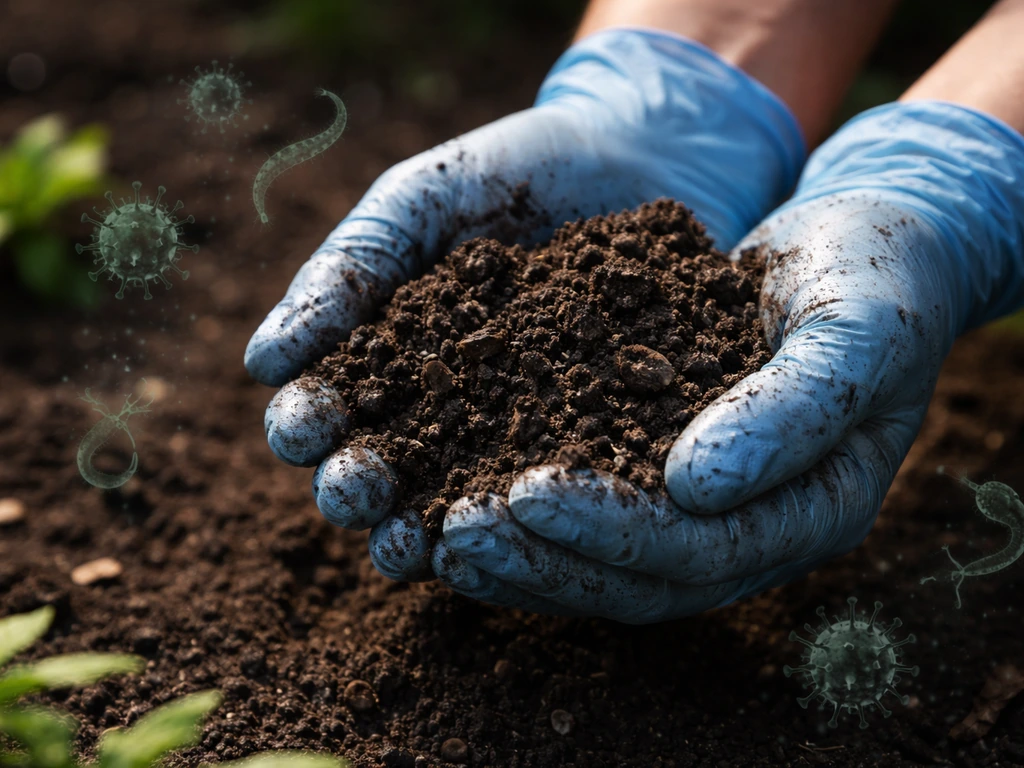
This is where the 'just bury it and it'll help your garden' advice falls apart. Animal remains carry genuine risks that are not just theoretical.
Pathogens
Animal tissue can harbor bacteria including Salmonella, E. coli O157:H7, and Listeria, as well as parasites like roundworms and tapeworms. These don't disappear automatically when an animal dies. Proper blank" rel="noopener noreferrer">hot composting at 140 to 160 degrees Fahrenheit can kill most of these pathogens, but unmanaged burial or surface decomposition provides no such guarantee. The EPA notes that composting operations need to be intensively managed to reliably produce pathogen-free material, meaning casual, unmonitored burial is not a safe substitute.
Pests and scavengers
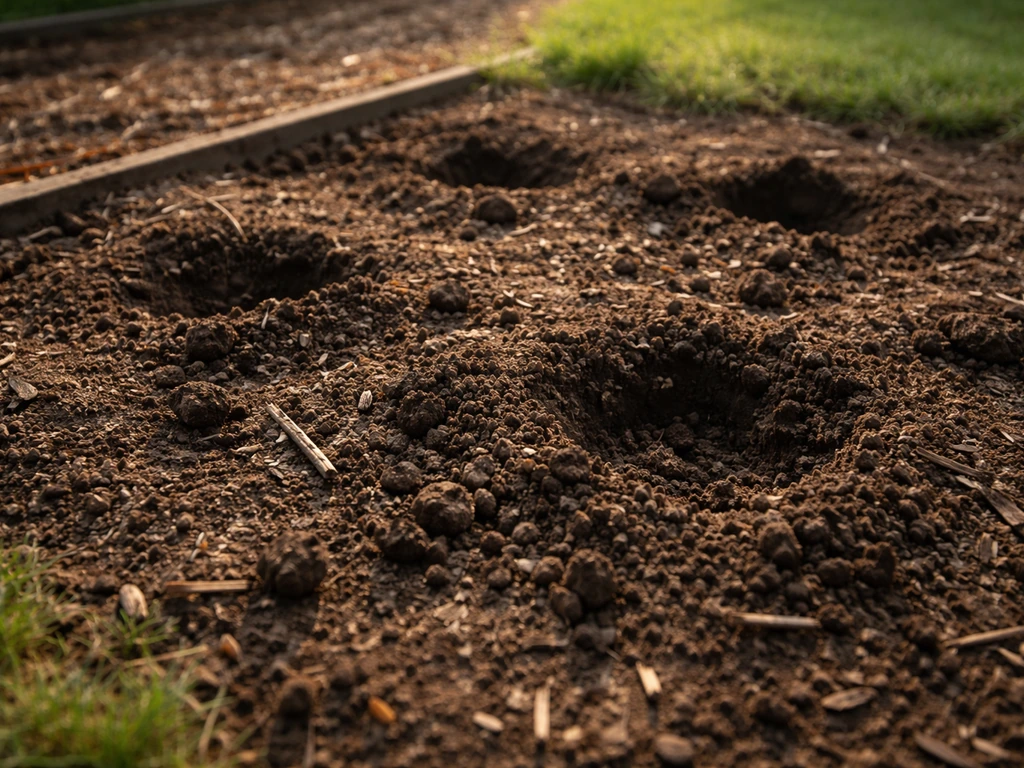
Buried carcasses attract digging animals, dogs, foxes, raccoons, and rodents, which will unearth what you've buried and create a mess in your garden. Surface decomposition is even worse for attracting pests and flies. This isn't a minor inconvenience if you're growing food.
Odor
Anaerobic decomposition, which happens when a buried carcass doesn't have enough oxygen, produces hydrogen sulfide and other compounds that smell terrible and are not especially plant-friendly at high concentrations. A properly managed compost pile containing animal matter can avoid this. A shallow-buried carcass often can't.
Nutrient burn
Fresh, uncomposted animal material placed near roots releases nitrogen rapidly and in concentrations that can burn roots. This is the same reason you don't apply raw manure directly to growing plants. Excess ammonium near roots draws water out of plant tissue, causing wilting and damage even while the underlying soil gets richer.
Legal and health considerations
In many jurisdictions, burying large animal carcasses on residential or agricultural property is regulated. For large livestock, specific rules often apply. It's worth checking your local extension guidance or municipal regulations before burying anything substantial, especially near water sources or food gardens.
Safer ways to get the same benefits right now
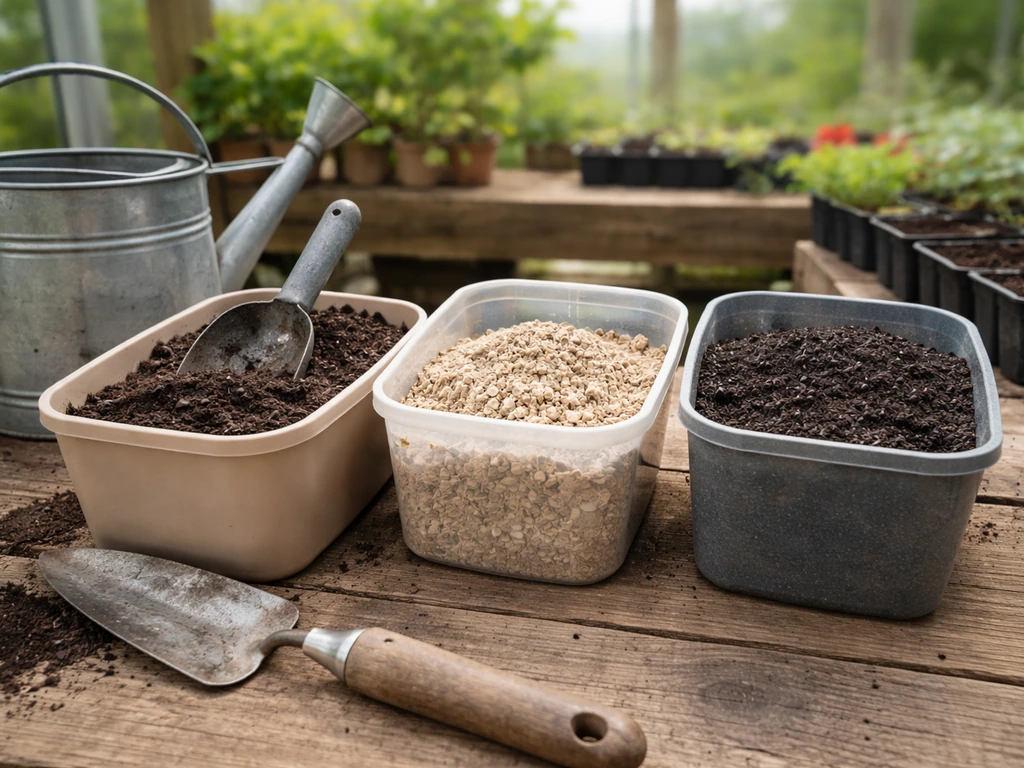
If what you want is the nitrogen, phosphorus, and microbial activity that decomposed animal matter provides, there are products and methods that give you those benefits without the pathogens, odor, and scavenger problems. These are what I'd actually recommend for your garden today.
| Amendment | Key nutrients | Best use | Risk level |
|---|---|---|---|
| Blood meal | High nitrogen (12-0-0) | Leafy greens, nitrogen boost | Low (dried, processed) |
| Bone meal | Phosphorus, calcium (3-15-0) | Root vegetables, transplants | Low (sterilized) |
| Composted manure (chicken, cow) | Balanced N-P-K + micronutrients | General soil amendment | Low when fully composted |
| Fish emulsion | Nitrogen, trace minerals | Liquid feed, foliar application | Very low |
| Finished compost with animal inputs | Full spectrum nutrients + biology | Soil building | Low if hot-composted properly |
Blood meal and bone meal are essentially the processed, dried, and sterilized versions of exactly what you'd get from a decomposed carcass, minus the waiting, the smell, and the health risks. They're available at most garden centers, the nutrients are concentrated and labeled, and you can apply them at a measured rate. For broader soil health, well-composted manure does what raw animal material does, just safely. University of Maine Extension research supports the idea that properly managed composting captures the nutrient value of organic material including animal remains, while preventing the odor and contamination issues of unmanaged decomposition.
If you're curious about the comparison to other organic inputs, composting and manure work on the same core principle: breaking down organic matter into plant-available nutrients while supporting soil microbiology. Dog waste, by contrast, is specifically one to avoid in vegetable gardens because of pathogen risk, even after apparent decomposition. Fish-based inputs, including fish emulsion and fish meal, are a well-established middle ground that delivers similar benefits to animal decomposition without the same risks. Fish-based inputs, including fish emulsion and fish meal, are a well-established middle ground that delivers similar benefits to animal decomposition without the same risks, which is part of why people ask whether does fish poop help plants grow.
How to use organic inputs safely and effectively
Here's how to actually apply this to your garden in a way that works and doesn't create problems.
- For small animal remains (birds, mice, fish): Bury 12 inches deep, away from root zones of actively growing plants, especially edibles. Do this in fall so decomposition happens over winter before spring planting. Cover with soil and firm it down to deter diggers.
- For larger carcasses: Composting is strongly preferred over direct burial. Layer the carcass in a hot compost pile with carbon-rich material (straw, wood chips, dried leaves) at a roughly 2:1 carbon-to-nitrogen ratio. Aim for pile temperatures of 140 to 160 degrees Fahrenheit to kill pathogens. University of Maine Extension supports this approach specifically for managing carcasses and offal, noting it prevents odors and leaching that unmanaged burial can't control.
- For blood meal: Apply at 1 to 3 pounds per 100 square feet and work into the top few inches of soil. Water well after application to prevent ammonium concentration at the surface. Don't apply directly onto plant stems or roots.
- For bone meal: Work into planting holes at transplant time, about 1 to 2 tablespoons per hole for most vegetables and perennials. It releases slowly and is especially good for building phosphorus levels before planting.
- For composted manure: Incorporate 2 to 4 inches into the top 6 to 8 inches of soil before planting, following Wisconsin Horticulture's recommendation to mix composted manure into the soil profile rather than leaving it on the surface. Avoid applying to soil within 120 days of harvest for crops where the edible part contacts the soil.
- For finished compost containing animal inputs: Use freely as a soil amendment or mulch, checking that it has fully decomposed (earthy smell, dark and crumbly texture, no recognizable original materials visible). University of Minnesota Extension notes that composting method and management affect safety, so only use material from piles that have been properly heat-cycled.
Myths vs. reality: separating folklore from what actually grows plants
The myth that dead things automatically help plants grow is appealing because it's partly true, and that's the most persistent kind of myth to debunk. The logic goes: dead bodies have nutrients, plants need nutrients, therefore dead bodies help plants. Each step is technically correct, but the conclusion skips over the most important part: the process of making those nutrients available safely and in the right form.
You'll see this same gap in other gardening myths. 'It's natural, so it must be good for plants' is a common thread. Raw manure is natural; it also burns roots and spreads pathogens. Unaged wood chips are natural; they can temporarily deplete soil nitrogen as they break down. A fresh carcass is natural; it can introduce E. coli and Salmonella into your vegetable bed. Natural and beneficial aren't synonyms in horticulture.
What the science actually supports is this: properly processed animal organic matter is one of the most nutrient-dense inputs you can give your soil. The decomposition process is real, the nutrient release is real, and the soil biology benefits are real. But the 'dead body magic' version of this idea, where you just bury something and your garden thrives, oversimplifies a process that requires the right conditions, the right timing, and enough breakdown before plants can access what's in there.
If you want to test this yourself in a low-risk way, bury a few small fish scraps or eggshells in a planting bed in autumn, mark the spot, and plant in that area the following spring. You'll likely see stronger growth in that zone. That's a version of the same principle, without the pathogen load, pest attraction, or odor of a full carcass.
Bottom line: the biology is real, but method is everything
Dead animals and organic remains can genuinely improve your soil and help plants grow, but only when decomposition has done its job. The nutrients in animal tissue are valuable, the microbial stimulation is real, and the soil structure benefits are well-documented. What doesn't work is expecting a fresh carcass to act like a slow-release fertilizer without the breakdown process happening first, safely, completely, and in a way that doesn't introduce pathogens to your food garden. Use composted and processed amendments if you want results today. Compost helps plants grow by breaking down organic matter into plant-available nutrients and supporting healthy soil biology Composted and processed amendments. Build your compost knowledge if you want to capture the full value of organic material over time. The biology is on your side. You just have to work with it, not around it.
FAQ
If I bury a dead animal near my vegetables, will the plants get nutrients by the end of the season? (Or is it too late?)
Not reliably. Until decomposition converts animal tissue into stable, plant-available forms (and until pests and pathogens are dealt with), the nutrients can be tied up, uneven, or concentrated enough to stress roots. If you want the benefits, use properly composted animal inputs or labeled products (for example, bone meal or blood meal) and apply based on package rates.
What conditions make “bury it and it will help” more likely to fail?
Yes, you can create problems even if you do bury it. Shallow burial, dry soil, cold soil, and insufficient time before planting all increase the chance that ammonium, foul odors, pathogens, and incomplete breakdown products affect the roots. The safest approach is to compost first, or use processed amendments that are already sterilized and dosed.
Does burying a carcass deep in the ground make it safer than leaving it on the surface?
There is a difference between burial and composting. A compost system can reach temperatures and oxygen levels that reduce pathogens, while casual burial usually does not. Even if you do not see an odor, you cannot assume material is pathogen-free after unmanaged decomposition.
If I compost animal matter at home, how do I know it is safe to use on a food garden?
Composting time matters, and so does temperature and management. If you do not control heat, airflow, and pile conditions, you may not reach levels needed to inactivate pathogens. When using compost on edible beds, aim for well-finished, properly managed compost rather than “cold” compost or half-decomposed material.
Are some plants more likely to be damaged by animal-based fertilizers than others?
Yes, certain crops are more vulnerable to fresh nitrogen and salts. Leafy greens and root crops can show burn-like symptoms when ammonium-rich material is near roots. If you use animal-derived fertilizers, time applications and keep them off direct root contact by incorporating into soil well before transplanting or sowing.
How can I use animal-derived nutrients without putting raw material directly near plant roots?
Use a soil contact approach rather than raw, direct placement. Incorporate processed amendments or finished compost into the top layer of soil, then wait the recommended interval before planting. If you are tempted to add raw scraps, do it in a test strip or bury small amounts in autumn as a low-risk trial.
Will a smaller animal carcass still attract pests and diggers?
If the material is a small, isolated animal residue, scavenging risk is lower than for larger carcasses, but it is not zero. Rodents and dogs can still dig it up, and birds can spread organics around. The practical safeguard is to avoid raw carcasses entirely in vegetable beds, or use processed, odorless inputs that do not attract wildlife.
Is burying a large carcass on my property ever illegal or restricted?
In many places, burying large animal carcasses on residential or farm property can be regulated, especially if there are water protection concerns or public health rules. Check local extension guidance or municipal requirements before doing anything substantial, and be extra cautious near wells, streams, and drainage areas.
Can I start with something small, like fish scraps or eggshells, to test the idea safely?
You can, but do it carefully. Eggshells mainly contribute calcium and work slowly, while fish scraps can provide nitrogen and minerals and may still carry localized pest attraction if not fully covered and managed. If your goal is growth without pathogens and odor, fish meal or fish emulsion products are the more controlled option.
How is “bone meal and blood meal” really different from burying an animal body?
Yes. If the fertilizer is not fully composted or sterilized, you can end up with pathogens or an incomplete nutrient release pattern. The “safer” parallel is using animal-based fertilizers that are processed and labeled, then following dosage and timing, rather than trying to replicate natural burial with raw remains.
Next Articles
Does Dog Poop Help Plants Grow? Safe Steps and Truth
Find out if dog poop really helps plants, plus safe composting steps, risks, and do not use guidance for gardens.
Why Manure Helps Plants Grow and How to Use It Safely
Why manure boosts plant growth: microbes, nutrients, and organic matter, plus safe use to avoid burn, salts, and pathoge
How Does Compost Help Plants Grow Faster and Better
Learn how compost boosts soil, water retention, and nutrients to improve plant growth speed and health, plus when it won