Yes, dirt helps plants grow, and understanding how soil helps plants to grow starts with recognizing that it is not simply a place for roots to sit. Soil does at least five specific jobs that determine whether a plant thrives or barely survives: it anchors roots physically, stores and delivers water, supplies oxygen to root cells, holds and releases nutrients, and houses billions of microbes that keep the whole system running. Get those five things right and almost any plant will reward you. Get them wrong and no amount of fertilizer, watering, or garden folklore will fix it. do worms help plants grow
How Does Dirt Help Plants Grow? Soil Functions and Fixes
Marcus Holloway
24 Mar 2026
What dirt actually does for your plants
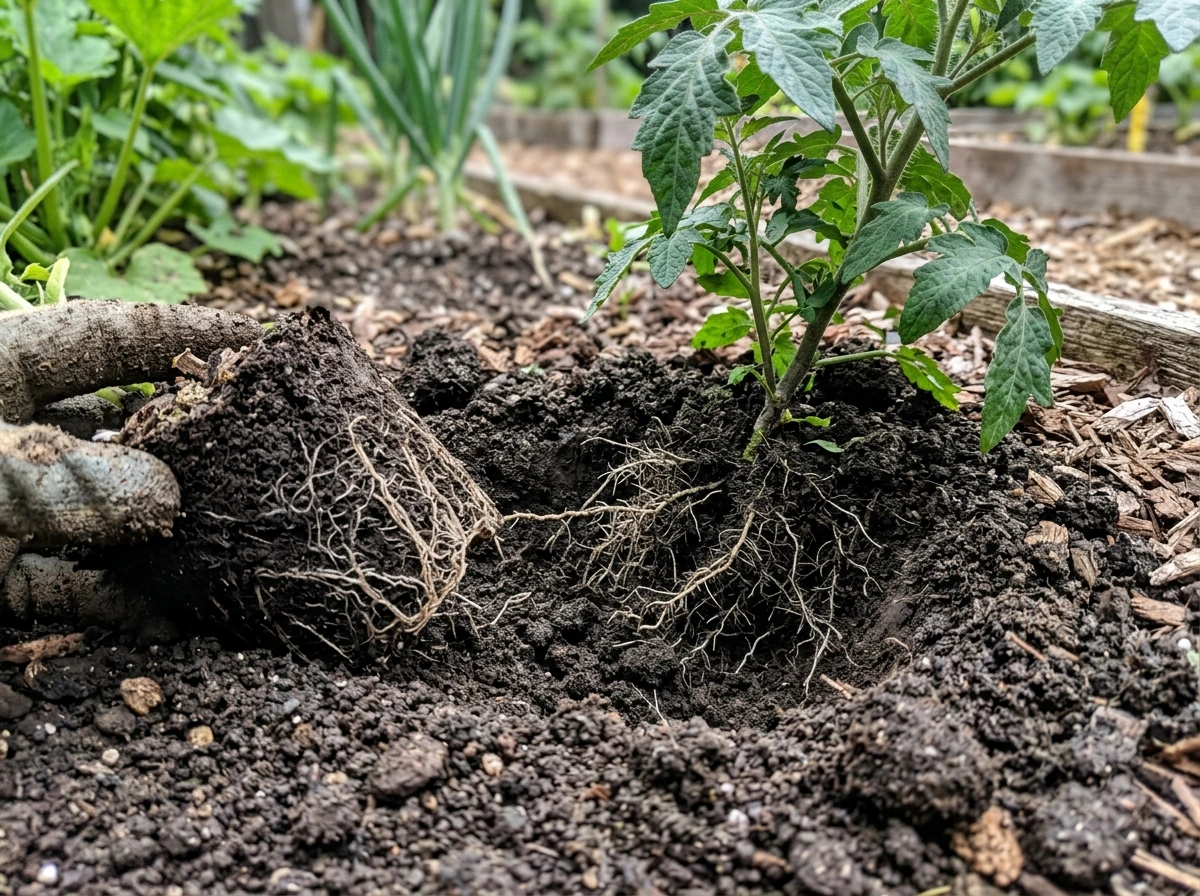
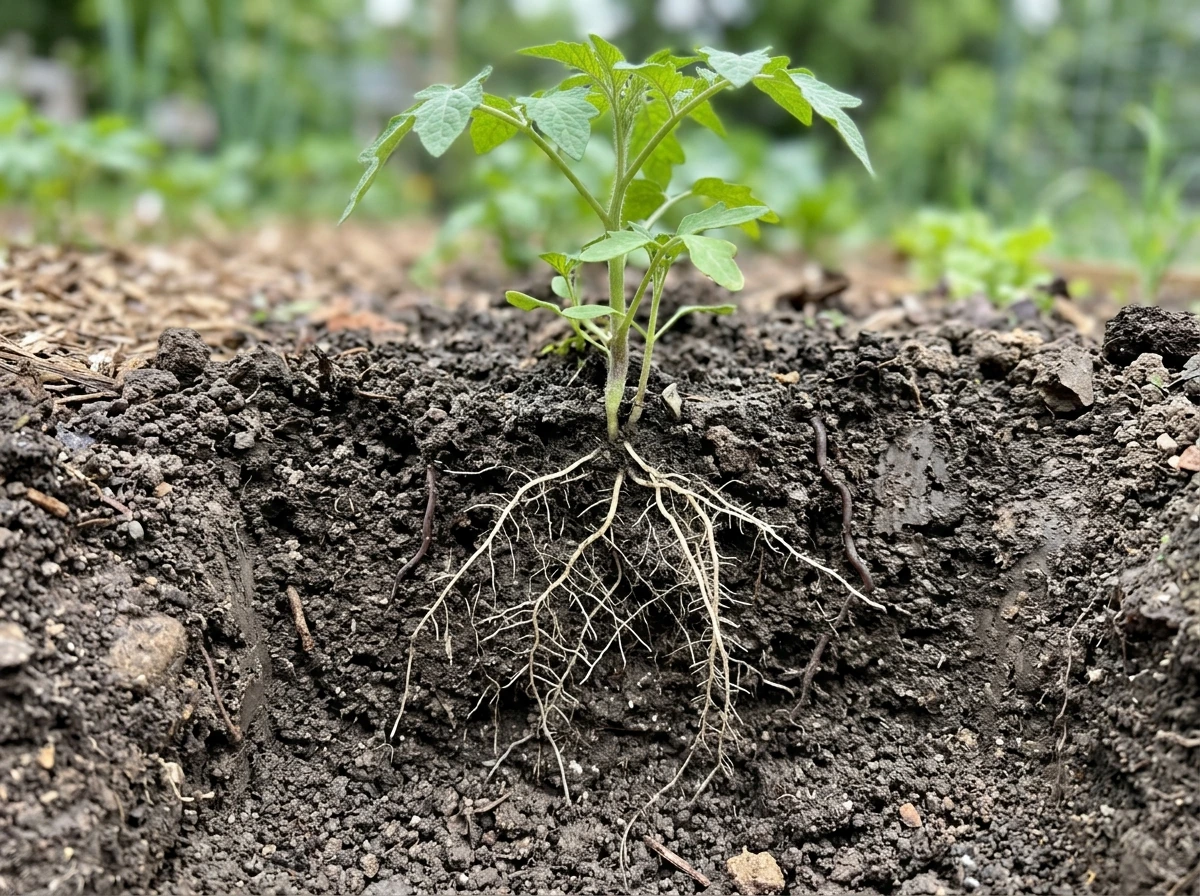
The USDA describes healthy soil as providing physical support, water, air, and nutrients for plants, and that four-part description is worth taking seriously because each item is distinct. Physical support is the obvious one: roots need something to grip so the plant stays upright and can reach outward. But water storage is where most beginner gardeners underestimate soil. Good soil does not just let water pass through or sit on top. It holds water in tiny pores between particles while simultaneously draining excess so roots are not waterlogged.
The oxygen piece surprises a lot of people. Roots breathe. They need oxygen to drive cellular respiration, and they get it from air-filled pore spaces in the soil. When soil is compacted or waterlogged, those air spaces disappear and roots essentially suffocate. Research guidelines commonly cite that when air-filled porosity drops below roughly 10 percent of soil volume, oxygen supply to roots becomes limiting and plant performance drops noticeably.
Nutrients are the fourth function, and soil handles them in a surprisingly active way. It does not just passively hold nutrients. Organic matter and clay particles carry blank" rel="noopener noreferrer">negatively charged sites that attract and hold positively charged nutrient ions like calcium, potassium, and magnesium, releasing them to root surfaces as needed. This capacity is called cation exchange capacity (CEC), and it is one of the best single indicators of how fertile a soil actually is.
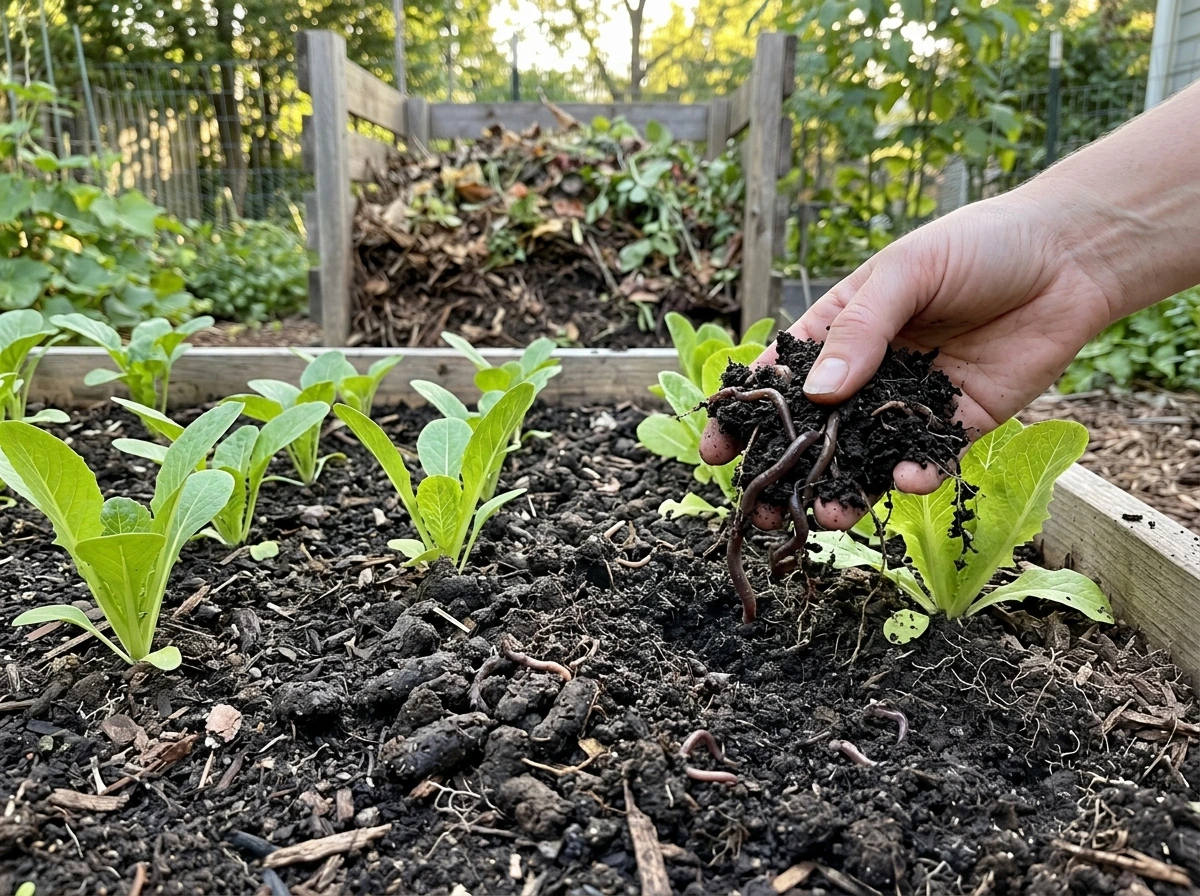
The microbial piece ties everything together. blank" rel="noopener noreferrer">A teaspoon of healthy garden soil contains more microorganisms than there are people on Earth. These bacteria and fungi break down organic matter, fix nitrogen from the air, solubilize phosphorus that would otherwise be locked up, and fight off pathogens. Worm activity alone can concentrate available nutrients significantly, which is why vermicompost has earned its reputation as a genuine growth booster rather than a gardening myth. If you want a deeper dive into what worms specifically contribute, that topic is worth exploring on its own.
Sand, silt, clay, and why pore space is everything
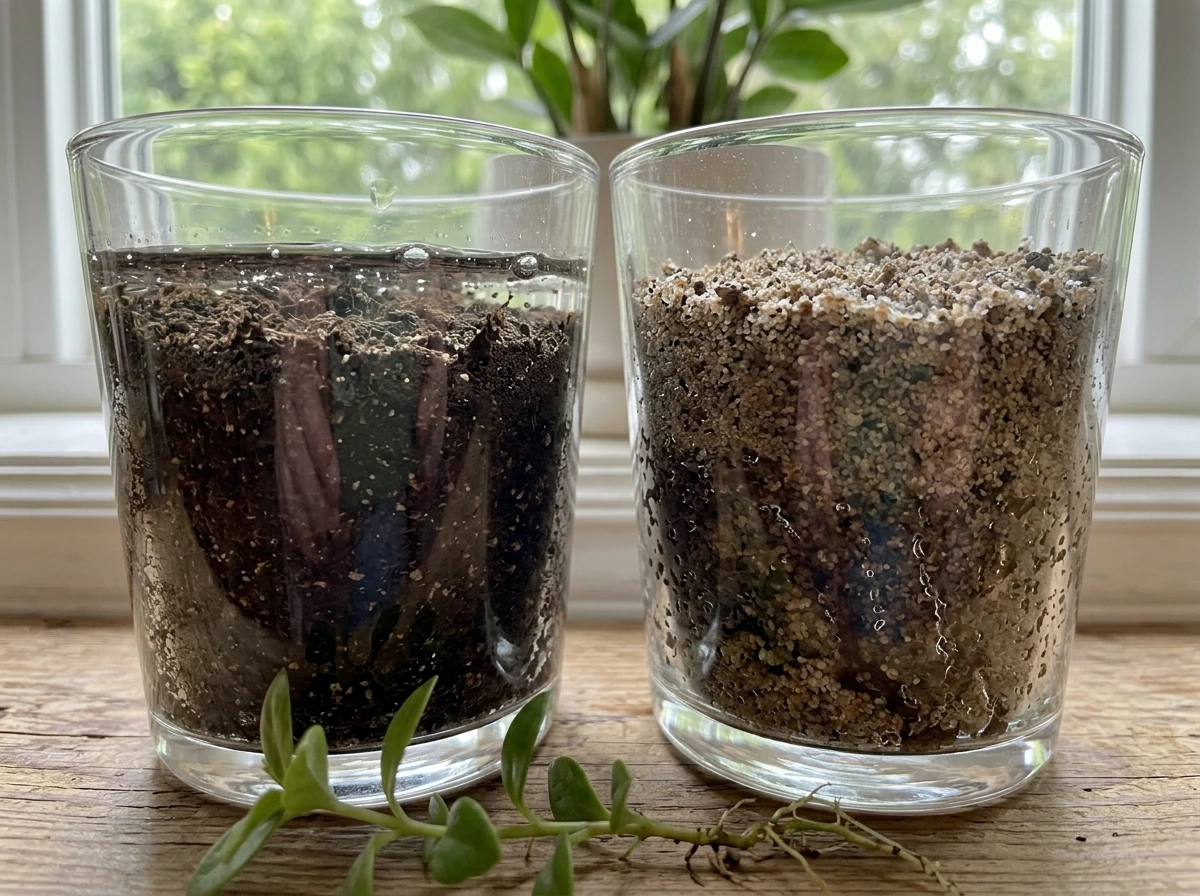
Soil texture is determined by the relative proportions of three particle sizes: sand (the largest, 0.05 to 2 mm), silt (medium, 0.002 to 0.05 mm), and clay (the smallest, under 0.002 mm). The mix of those three determines how water moves, how air is held, and how tightly roots can push through. A good loam, roughly equal parts of all three with a slight lean toward silt, produces a pore space of about 40 to 60 percent of soil volume. That pore space is split between water-filled and air-filled zones, and that balance is the sweet spot most plants want.
Sandy soil has large pores that drain fast. Water moves through quickly, which means roots get oxygen easily but dry out fast and nutrients leach away. Clay soil is the opposite: tiny particles pack tightly, pore space is minimal, water moves slowly, and after rain or heavy irrigation the soil stays wet and airless for days. Neither extreme is ideal on its own, but neither is hopeless either. Both can be improved, which I will cover shortly.
Silt is the middle child. It holds water reasonably well, has decent pore space, and drains better than clay. The problem is that it can compact easily under foot traffic or heavy rain, sealing the surface and reducing infiltration. Structure matters as much as texture. Healthy soil has aggregates, clumps of particles held together by organic matter, fungal threads, and microbial glues. These aggregates create stable pore spaces that resist compaction and maintain that critical air-water balance even after rain.
Nutrients, organic matter, and pH: the three levers
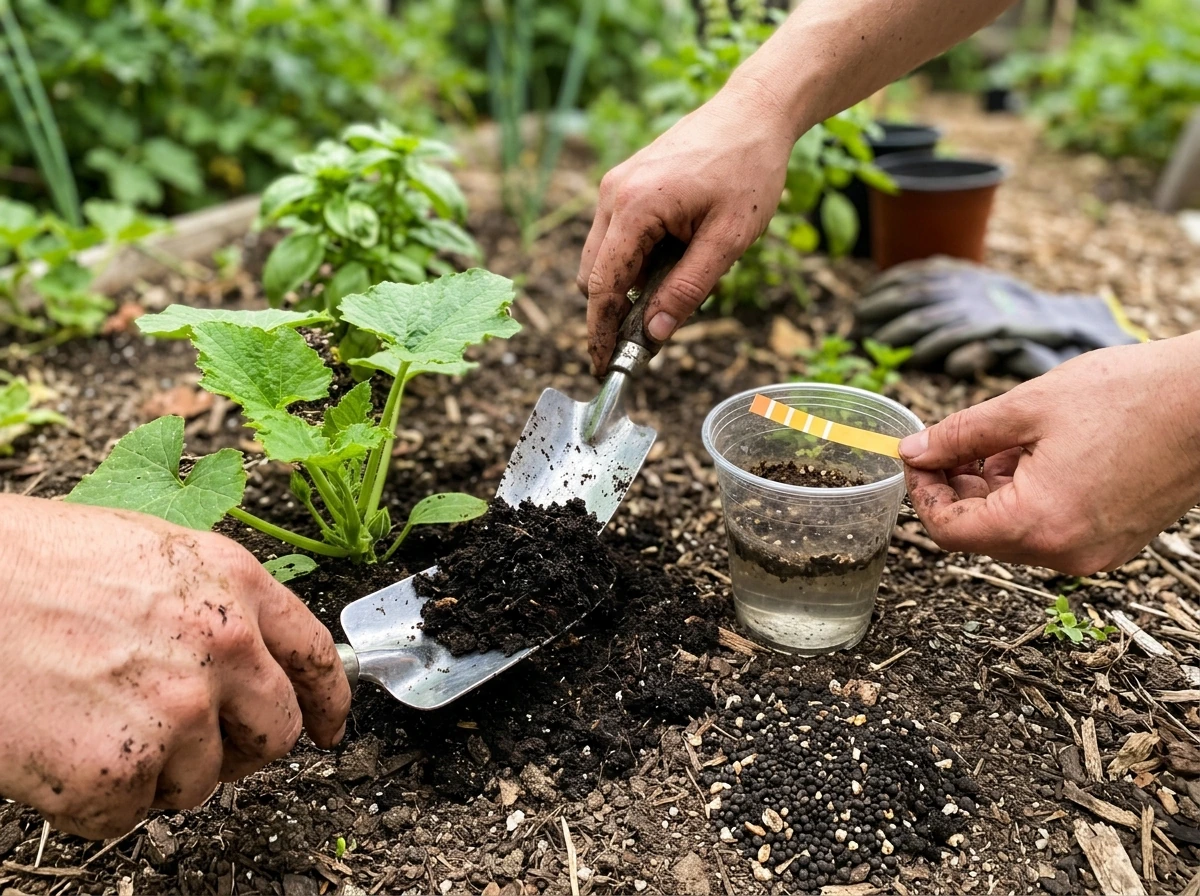
Organic matter is the most important thing you can add to almost any soil. It improves water retention in sandy soils, improves drainage and aeration in clay soils, feeds beneficial microbes, and directly raises CEC so more nutrients are held available to roots. When organic matter decomposes, nutrients cycle back into plant-available forms. This process is ongoing, which is why adding compost once and walking away is not enough. Organic matter is consumed by microbes over time and needs regular replenishment.
pH is the other major lever. The scale runs from 0 to 14, with 7 being neutral, and most vegetables and ornamentals prefer a range of about 6.0 to 7.0. Outside that window, specific nutrients become chemically unavailable even if they are physically present in the soil. Phosphorus is a clear example: at low pH, it binds with iron and aluminum oxides and forms insoluble compounds that roots simply cannot absorb. Raising pH with lime or lowering it with sulfur can unlock nutrients that were already there, which is why a soil test sometimes feels like finding money you did not know you had.
Nitrogen deserves a mention here too. It is the nutrient plants need in the largest amounts, and if you’re wondering does nitrogen help plants grow, this is why: unlike phosphorus or potassium, it does not stick to soil particles well. It leaches. It volatilizes. It cycles through organic matter, microbial activity, and plant uptake in a constant loop. This is why organic matter and a healthy soil food web are so important for sustained nitrogen supply, rather than just dumping synthetic nitrogen that washes away quickly. There is more to say about nitrogen specifically, and if you want the full picture on that particular nutrient, it is worth reading about on its own.
How to tell if your soil is helping or hurting
You do not need a laboratory to get useful information about your soil. A few simple observations and one or two at-home tests will tell you most of what you need to know.
The drainage test
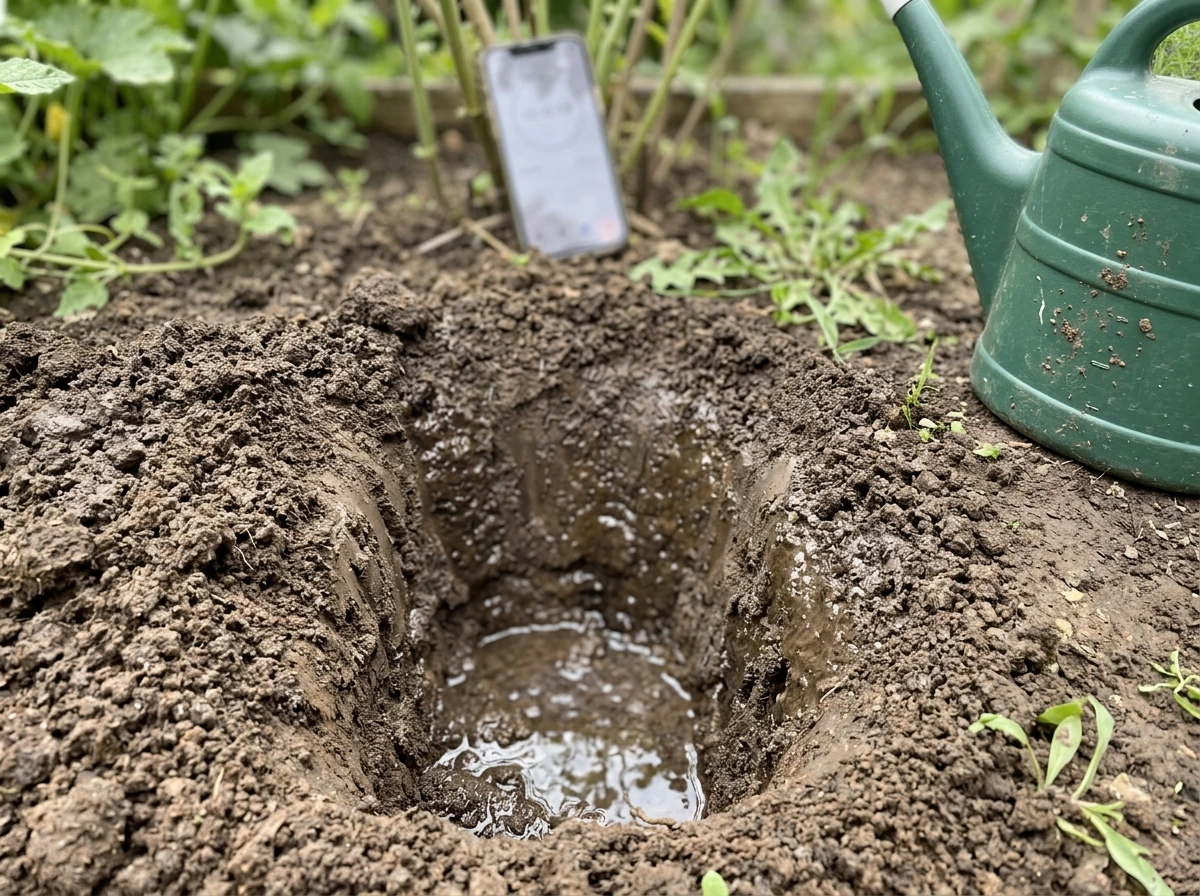
Dig a hole about 12 inches deep and 12 inches wide. Fill it with water and let it drain completely. Fill it again, then time how long it takes to drain. Well-draining soil should drop about 1 to 3 inches per hour. Faster than that and you have sandy soil that will dry out quickly and leach nutrients. Slower than 1 inch per hour and you have drainage problems, usually from clay or compaction, that will stress roots during wet periods.
The squeeze test
Grab a handful of moist (not wet, not dry) soil and squeeze it firmly, then open your hand. If it crumbles apart when you poke it, you have good loamy structure or sandy soil. If it holds a firm ribbon when you press it between thumb and forefinger and barely crumbles, you have significant clay content. If it falls apart immediately and will not hold any shape at all, it is very sandy. The squeeze test also reveals compaction risk: if the ball stays perfectly intact under light pressure, the soil is in what agronomists call a plastic state, meaning it will compact easily and should not be worked or walked on when wet.
What your plants are telling you
- Yellowing leaves from the bottom up, especially on older growth: likely nitrogen deficiency, often from poor organic matter or overly acidic soil locking up nutrients
- Purple-tinged leaves on young plants: phosphorus deficiency, often a pH problem rather than a shortage of phosphorus in the soil
- Wilting in the morning even when soil feels moist: root rot from poor drainage and low oxygen, not drought
- Crusty, cracked surface that repels water: compaction or a hydrophobic layer, common in dry potting mixes and heavy clay
- Stunted growth with no obvious pest or disease: check drainage and pH before anything else
Getting a real soil test
A basic cooperative extension soil test costs between 10 and 20 dollars in most states and returns pH, organic matter percentage, and major nutrient levels with specific amendment recommendations. It is the most useful 15 dollars you can spend in gardening. Run one every two to three years for garden beds and whenever you are establishing a new growing area.
How to actually improve your soil, starting today
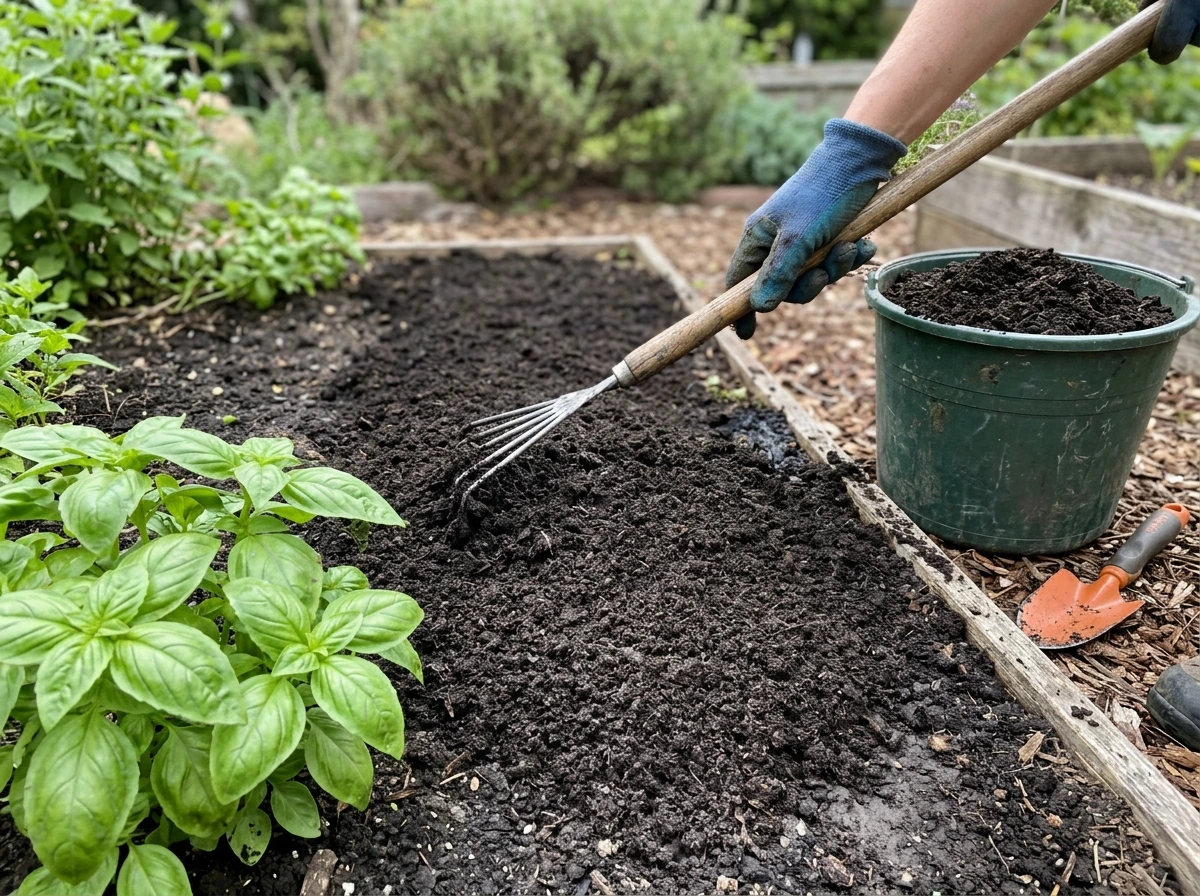
Compost is the foundation of almost every soil improvement strategy, and it is the one amendment that works on every soil type. In clay, it opens up pore space and improves drainage. In sand, it adds water-holding capacity and CEC. In both cases it feeds microbes and adds slow-release nutrients. Work 2 to 4 inches of finished compost into the top 6 to 8 inches of a new bed. For established beds, top-dress with 1 to 2 inches annually and let worms and rain incorporate it. You cannot really over-apply finished compost.
One important caveat on manure: raw or fresh manure can introduce pathogens, and extension guidance is clear that it should be composted or applied at least 90 to 120 days before harvest, depending on whether produce contacts the soil. Fresh manure on a vegetable bed right before planting is a food safety risk, not a shortcut.
Fixing clay soil
The classic mistake with clay is adding sand hoping to loosen it. Unless you add enormous quantities (enough to fundamentally change the texture ratio), adding a moderate amount of sand to clay creates something close to concrete. Add organic matter instead. Coarse compost, aged wood chips as a mulch, and cover crops with fibrous roots all gradually break up clay structure. For genuinely sodic (sodium-heavy) clay, gypsum is a well-supported amendment: calcium in gypsum displaces sodium from soil particles, improving flocculation and water infiltration. Give it time, though. Clay improvement is measured in seasons, not days.
Fixing sandy soil
Sandy soil needs organic matter and lots of it. Compost, coconut coir, and aged leaf mold all help retain moisture and hold nutrients. Mulching the surface heavily reduces evaporation and keeps the surface from crusting. Frequent, smaller irrigation applications work better than infrequent deep soaks because water moves quickly through sand.
Fixing compaction
Avoid tilling or rototilling wet soil. Oregon State University Extension research is explicit that tilling wet soil damages structure, speeds organic matter loss, and often creates a compacted layer just below the tillage depth called a hardpan. If you have compacted soil, aerate mechanically (a garden fork pushed in and rocked back works for small areas), add organic matter to the surface, and then stop walking on the planting area. Permanent raised beds with designated paths solve the compaction problem almost entirely.
Soil for pots vs. garden beds: they are not the same
Garden soil dug from your yard does not belong in containers. It compacts in pots, drains poorly, and often harbors weed seeds or pathogens. Container plants need a mix specifically designed for the confined, frequently watered environment of a pot.
Penn State Extension's standard recommendation for a basic soilless potting mix is simple: 50 percent sphagnum peat moss (or coir as a more sustainable alternative) and 50 percent perlite or vermiculite. Peat or coir holds moisture, perlite keeps air pores open and drainage fast, and together they give roots the oxygen and water balance that potted plants need. Commercial potting mixes follow this general logic, though quality varies significantly. Cheap mixes often use low-quality compost or bark that breaks down quickly and compacts.
For outdoor beds, the goal is amended native soil, not replacement. Buy compost and organic amendments to improve what is already there rather than trying to bring in topsoil by the truckload. If you are building a raised bed from scratch, a mix of about 60 percent topsoil, 30 percent compost, and 10 percent perlite or coarse sand gives you a good starting point.
When to repot vs. top-dress
Top-dressing (adding fresh compost or potting mix to the surface of a container without fully repotting) works well as an annual maintenance move for established plants that are not root-bound. Replace the top inch or two of old mix with fresh material. Repotting is necessary when roots are circling the drainage holes, when the plant is wilting quickly after watering despite the soil feeling moist (roots have displaced so much soil there is no longer enough medium to hold water), or when you see obvious salt crust on the soil surface from fertilizer buildup. Move up one pot size at a time, not dramatically larger.
Soil myths worth dropping
Coffee grounds acidify soil. This one persists because coffee is acidic in liquid form, but spent coffee grounds are close to pH neutral and their direct acidifying effect on soil is minimal. Adding large quantities can actually compact fine-textured soil and create drainage problems. Use them sparingly in compost rather than dumping them directly around acid-loving plants and expecting results.
More fertilizer means more growth. Adding nutrients beyond what a plant can use does not accelerate growth. It raises soil salt concentration, which pulls water out of root cells through osmosis, causing fertilizer burn. Excess nitrogen in particular can promote leafy growth at the expense of flowers and fruit. Feed based on what your soil test says is actually deficient, not on guesswork.
Compost alone is enough. Compost is genuinely transformative for soil, but it is not a complete fertilizer and it does not fix every problem. If your soil pH is 5.0, adding compost will not raise it enough to make phosphorus available. If you have a severe drainage problem caused by a clay hardpan two feet down, surface compost will not fix it. Use compost as the foundation, then address specific problems with targeted amendments.
Talking to plants or playing music is what makes the difference. Some researchers have looked at vibration effects on plant growth, but the scientific consensus is that any effects are small, inconsistent, and entirely secondary to the basics. If your soil drainage is off, your pH is wrong, or your organic matter is depleted, no playlist is going to compensate. Nail the soil fundamentals first. Everything else is noise.
Any dirt is better than no dirt. This one is genuinely dangerous in container gardening. Poor-quality soil, whether it is compacted, waterlogged, or heavily contaminated, can kill plants faster than no soil at all. In pots especially, starting with a quality mix matters more than most people realize. Reusing old potting mix season after season without refreshing it gradually depletes nutrients, builds up salts, and collapses structure. Start fresh or at least amend significantly each season.
Your next steps, in order
- Do the drainage test in your main growing area this week. It takes 20 minutes and immediately tells you whether water movement is your core problem.
- Do the squeeze test to get a rough sense of your soil texture and whether you are dealing with heavy clay or sandy conditions.
- If you have not had a soil test in the last two to three years, order one from your local cooperative extension. It is inexpensive and will tell you exactly what to add rather than guessing.
- Add 2 inches of finished compost to any established garden bed right now, regardless of soil type. Work it in if you are preparing a new bed; leave it on the surface for established plantings.
- If you are growing in containers, evaluate whether your current potting mix is still performing. If it is more than a year old, compacted, or showing salt crust on the surface, refresh it before the growing season.
- Stop tilling or digging your soil when it is wet. Let it dry to the point where it crumbles rather than smears before working it.
- Once you have the soil test results, address pH and specific nutrient deficiencies with targeted amendments. Do not rely on generic all-purpose fertilizer to solve structural pH problems.
FAQ
If dirt helps plants grow, what is the difference between “soil” and “topsoil” in terms of plant success?
Topsoil is just a material category (often the upper layer of ground), it is not automatically “healthy soil.” What matters is whether it has stable aggregates, enough pore space for air, workable drainage, and a living microbial community. Two bags labeled “topsoil” can behave very differently, so it is best to treat it as a base to amend, not a guaranteed growing medium.
How can I tell if my soil problems are mainly drainage, oxygen, or nutrient related?
Look at pattern and timing. If plants struggle mostly after rain or heavy irrigation, think oxygen and drainage, especially if stems look stressed while surface stays wet. If plants look pale or slow even when the soil dries appropriately, nutrient availability (often pH related) is more likely. A quick pH test plus an observation of whether the soil takes longer than about 1 inch per hour to drain usually narrows the cause faster than adding fertilizer immediately.
Does mulching count as “dirt help” even if it is not changing the soil texture directly?
Yes, mulching supports the same soil functions indirectly. A consistent mulch layer reduces evaporation, helps prevent surface crusting, and protects aggregates from breakdown by raindrop impact. Over time, it also adds organic matter at the surface, feeding microbes and improving infiltration, but it typically will not solve a deep hardpan if drainage is failing below the top few inches.
Should I aerate my yard soil if it is compacted, or is adding compost always enough?
Add compost first if compaction is mostly surface-level or mild (clumps break apart, drainage is only slightly slow). Mechanical aeration or fork-aeration is more useful when you can press on the soil and it holds too rigidly (high compaction risk) or when drainage tests show very slow infiltration. For heavily compacted spots, combine aeration with compost afterward, then stop walking on the area when it is wet.
Can I use yard soil in a raised bed and still succeed?
Usually you can, but you should assume you will need to amend and check it. Yard soil can be fine outdoors, but it may be depleted of organic matter, uneven in drainage, or bring weed seeds. If you are building a bed with native soil, mix in compost thoroughly and consider a soil test before planting so you do not guess on pH and nutrient availability.
What should I do if my soil test shows “nutrients are present” but plants still look deficient?
Nutrients can be physically present but chemically unavailable, most commonly because of pH. In that situation, focus on correcting pH first (for example, lime to raise acidic pH, sulfur to lower alkaline pH), then re-test after allowing the adjustment time. Also check drainage, because waterlogged roots can limit uptake even when the nutrient concentration is adequate.
How often should I reapply compost if compost is the foundation?
In established beds, a typical approach is annual top-dressing with about 1 to 2 inches, then letting rain and soil life incorporate it. For new beds, incorporating a deeper layer initially is more effective than relying on surface application alone. If your compost is very light or you are using a thin mulch layer, you may need more frequent replenishment to maintain organic matter.
Is worm activity always a sign of healthy soil, or can worms show up in the wrong conditions?
Worms usually indicate decent organic matter and moisture, but they can appear in conditions that are not ideal for root oxygen. If you see worms but plants still wilt after watering, check drainage and air-filled pore space, because too much water can suffocate roots even with worms present. Worms help, but they do not automatically fix compaction or hardpan.
How do I avoid fertilizer burn when my soil test suggests I need feeding?
Start by applying only what the soil test recommends, and use smaller amounts rather than one large dose. If the soil dries out poorly, fertilizer salts can build up near the root zone, increasing osmotic stress. Water-in after feeding, and if you are using organic fertilizers, remember they still contribute salts and can add too much if repeated frequently.
Is it safe to add manure to improve soil fast, especially for vegetable beds?
Only use composted manure or follow strict timing guidance for raw manure. Fresh manure can introduce pathogens and, if produce contacts soil, it becomes a bigger food safety risk. Plan to apply raw manure well before harvest (often months, depending on harvest method and crops), then monitor pH and nutrient balance so you do not overdo nitrogen.
Why does my plant struggle even though the soil seems moist and rich?
Moist does not always mean breathable. If the soil stays wet for long periods or forms a heavy surface crust, roots may not be getting enough oxygen even if nutrients and moisture are available. Perform a drainage check (drain rate from a test hole) and review compaction, then adjust irrigation frequency and add organic matter to restore pore space.
What is the safest approach if I want to start container plants but I am unsure what “good soil” means?
Use a purpose-built potting mix rather than digging soil from the yard. Containers have limited volume, higher watering frequency, and faster salt and structure problems. A common baseline mix uses a moisture-holding component (peat moss or coir) plus an aeration component (perlite or vermiculite) to keep roots oxygenated and reduce the risk of root suffocation and fertilizer salt buildup.
Next Articles
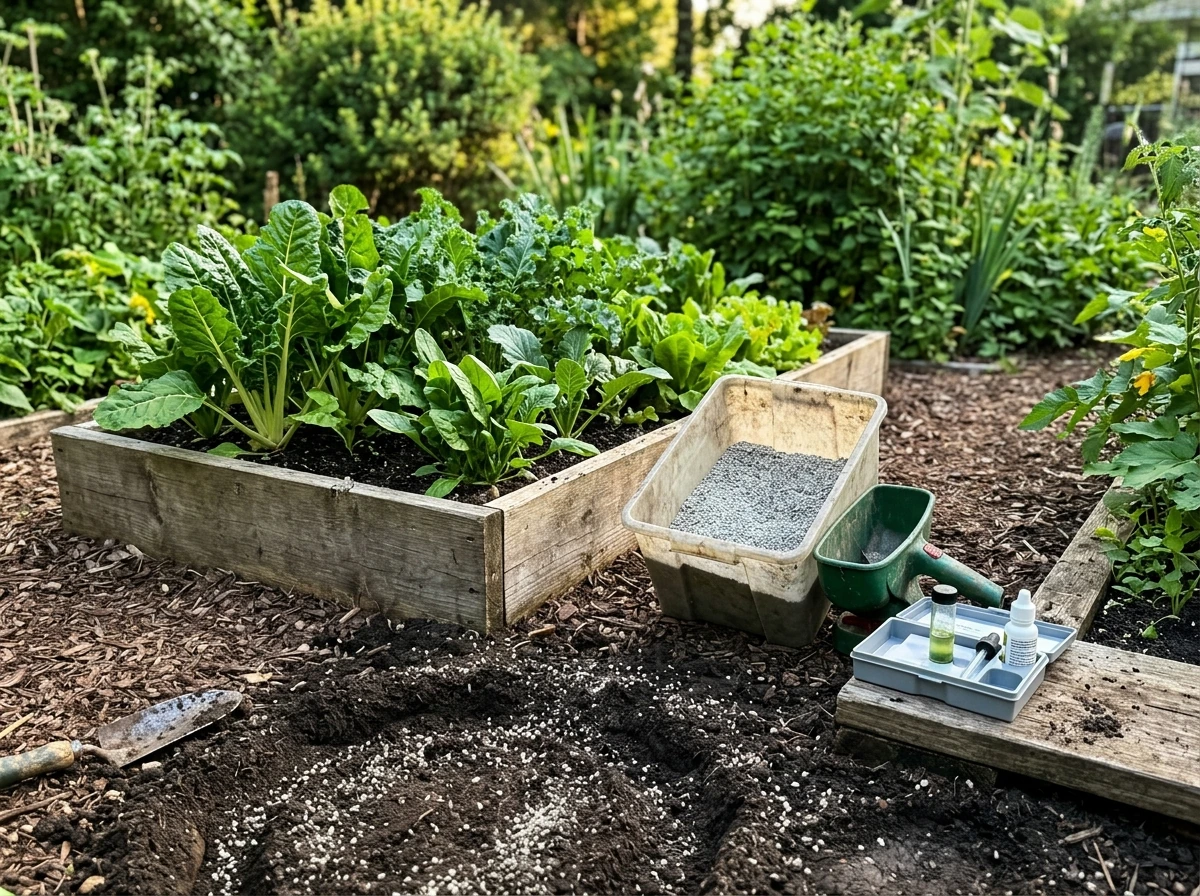
Does Nitrogen Help Plants Grow? Benefits and How to Use It
Learn how nitrogen boosts leafy growth by powering proteins and chlorophyll, and how to apply it safely.
How Does Soil Help Plants Grow and What It Does Underground
Learn how soil supports roots, balances water and nutrients, buffers pH, and grows plants through microbes and minerals.
Do Worms Help Plants Grow Faster? How and When to Use Earthworms
Learn how earthworms improve soil and plant health, when growth speeds up, and how to set up worm-friendly beds fast.