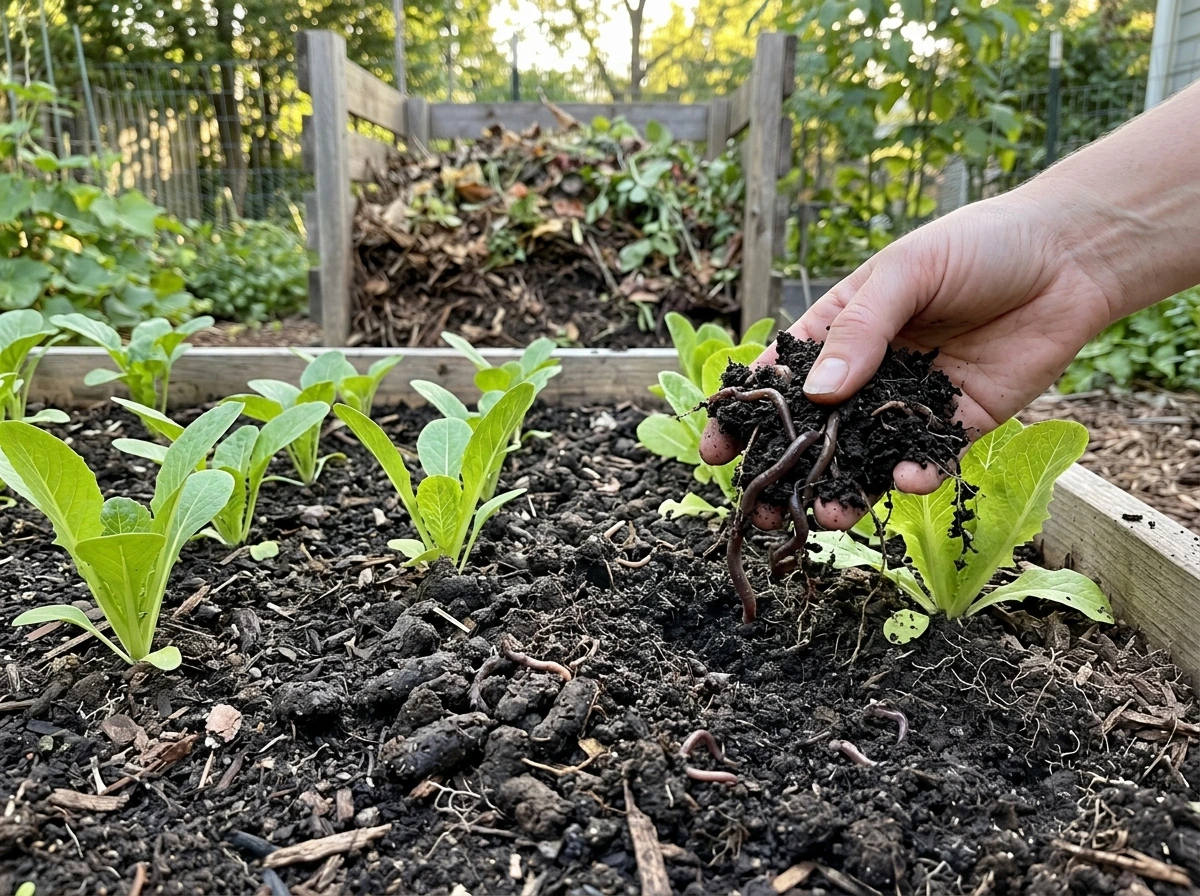
Yes, worms genuinely help plants grow, and the science behind it is solid. Yes, worms genuinely help plants grow, and the science behind it is solid. Earthworms improve soil in ways that directly translate to better nutrient availability, stronger root systems, and measurably higher plant biomass. A controlled lettuce experiment found that plants grown with earthworms produced about 37% more biomass than those without. That is not a small rounding-error difference. But, like most things in gardening, worms are not magic, and there are real conditions under which they help a lot, a little, or barely at all.
Do Worms Help Plants Grow Faster? How and When to Use Earthworms

Marcus Holloway
24 Mar 2026
What worms actually do for your plants
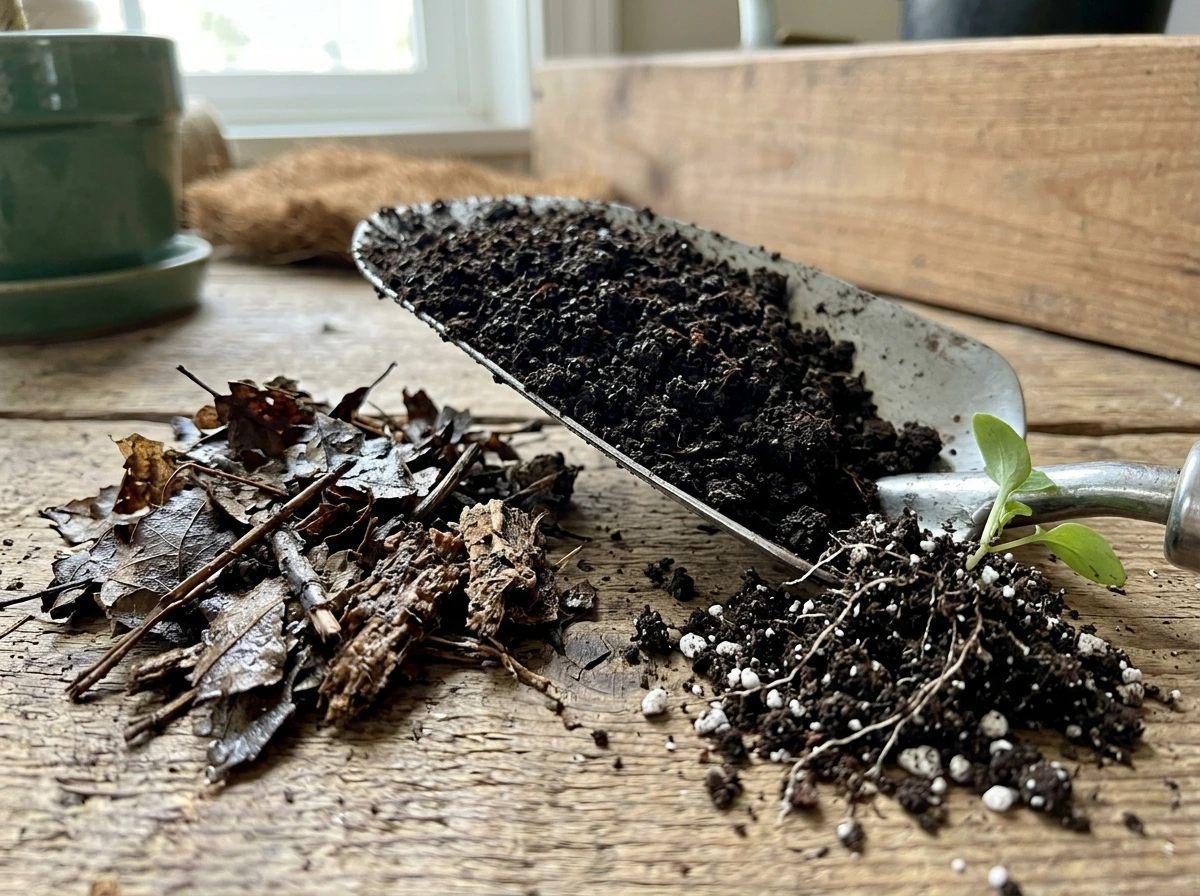
The biggest thing earthworms do is process organic matter into castings, which are essentially a slow-release fertilizer your plants can actually use. Worm castings are rich in plant-available nitrogen, phosphorus, potassium, calcium, and magnesium. FAO-reported averages for vermicompost come in around 0.6% nitrogen, 1.5% phosphorus (as P2O5), and 0.4% potassium on a dry-weight basis, along with a range of micronutrients. What makes this different from dumping synthetic fertilizer is that castings release nutrients gradually as soil microbes continue processing them, so you are far less likely to burn roots or flush nutrients past the root zone.
There is also a nitrogen cycling story here that often gets overlooked. When earthworms are present, plants pull more nitrogen from the soil's native organic pool. In the lettuce study mentioned above, soil-derived nitrogen uptake increased from about 101 mg per pot to around 170 mg per pot when earthworms were added. Worms are essentially unlocking nitrogen that was already sitting in your soil but was not yet in a form plants could grab. That is a meaningful mechanism, not just folklore.
Worm castings also increase microbial activity in the soil. A more biologically active soil breaks down organic matter faster, cycles nutrients more efficiently, and generally creates a more hospitable root environment. The worms are not doing all this work alone; they are seeding and feeding a whole ecosystem that does additional work on your plants' behalf.
How earthworms improve soil structure, not just fertility
Nutrient chemistry is only half the story. Nutrient chemistry is only half the story. Earthworms physically reshape soil in ways that matter a lot to plant roots. in ways that matter a lot to plant roots. As they burrow, they create channels called macropores that improve aeration, drainage, and water infiltration. Research shows that earthworm activity measurably increases macropore volume and the number of connected channels through soil, which is directly relevant to how well roots can explore a soil profile and how efficiently water moves through it. Research using tomography and X-ray CT approaches likewise reports that earthworm activity can increase pore connectivity and macropore formation, strengthening biopore and macrochannel networks relevant to aeration and drainage blank" rel="noopener noreferrer">earthworm activity measurably increases macropore volume and the number of connected channels through soil.
For gardeners dealing with compacted or clay-heavy soil, this is particularly valuable. Compacted soil restricts root growth, limits oxygen availability, and causes waterlogging during rain or irrigation. Earthworms essentially act as a slow biological tillage system, creating pore networks without the disruption that mechanical tilling causes. One field-scale study linked earthworm activity to meaningful differences in water infiltration rates, showing that this is not just a lab curiosity but something you can observe in real garden beds.
Better pore structure also means roots can explore more of the soil volume, which means better access to water and nutrients between waterings. The physical and chemical benefits of earthworms work together: improved drainage prevents anaerobic conditions that kill roots, and better aeration supports the aerobic microbes that help break down organic matter into plant-available nutrients.
When worms actually make a difference, and when they don't
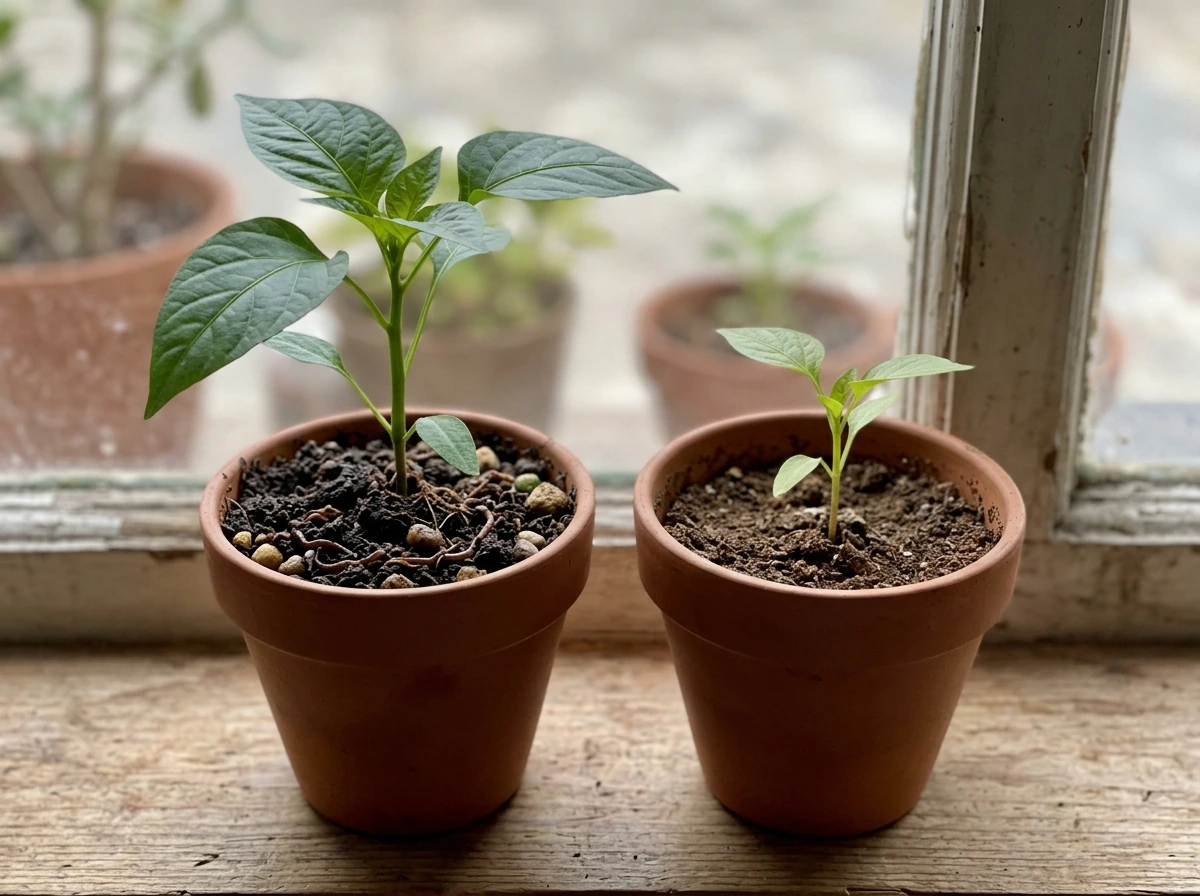
A 2014 meta-analysis pooling results across dozens of earthworm studies found a consistent positive effect on plant growth, but it also found something important: the effect declined as nitrogen application rates increased. A 2017 meta-analysis found that earthworms increased plant production on average, but the benefit declined when nitrogen application rates exceeded about 30 kg N per hectare per year A 2017 meta-analysis reported that earthworms increase plant production/biomass on average. Specifically, once nitrogen inputs exceeded around 30 kg per hectare per year, earthworm benefits started shrinking. In plain terms, if you are already heavily fertilizing with synthetic nitrogen, worms become less impactful because you have already solved the nutrient availability problem they would otherwise help with.
Worms also need organic matter to eat. In soils that are essentially sterile, sandy, or stripped of organic content, there is not much for them to process, and their benefits shrink accordingly. A worm-rich soil that is also deficient in organic inputs does not stay worm-rich for long. The worms and their benefits go together with organic matter as a package.
The other honest truth is that worm benefits are a soil-level intervention. If your plants are struggling because of inadequate light, the wrong light spectrum for the growth stage, chronic underwatering, or a severe nutrient deficiency, adding earthworms will not fix those problems. Worms improve the soil environment; they cannot compensate for a plant that is not getting enough photons or water. Think of worm benefits as amplifying a well-managed system, not rescuing a neglected one.
| Situation | Worm Benefit | Notes |
|---|---|---|
| Organic-rich, lightly fertilized soil | High | Worms unlock soil N, improve structure, drive microbial activity |
| Heavy synthetic nitrogen inputs | Low to moderate | Meta-analysis shows effect shrinks above ~30 kg N/ha/yr |
| Sandy or organic-depleted soil | Low without amendments | Worms need organic matter to feed on |
| Compacted clay soil | High (structural) | Burrowing creates macropores, improves drainage and root access |
| Light or water-limited plants | Minimal | Worms help soil, not light or water supply |
| Potted plants / containers | Moderate with management | Timing and worm species matter more in constrained environments |
How to add or encourage worms in your garden right now
If your garden already has decent organic matter and soil moisture, earthworms may already be present and multiplying. The best first step is to find out: dig up a square foot of soil about 6 inches deep and count what you find. A healthy garden soil typically has at least several worms per cubic foot. If you find almost none, you need to fix the conditions before adding worms, or any you add will simply leave or die.
- Add organic matter first. Compost, aged leaf mulch, and cover crop residue give worms something to eat and improve the soil structure they need to thrive. Work 2 to 4 inches of compost into the top 6 to 8 inches of soil, or layer it as a mulch and let worms pull it down naturally.
- Maintain consistent moisture. Earthworms need moist conditions to survive and move through soil. Research supports an optimal moisture range in the 70% to 85% range for worm activity. In practice, this means soil that feels damp but not waterlogged when you squeeze a handful. Mulching with straw or wood chips helps retain soil moisture between waterings.
- Stop tilling aggressively. Repeated deep tilling destroys worm tunnels and physically harms worms. Switching to no-till or minimal-till practices lets worm populations rebuild and persist.
- If you are adding earthworms directly, source nightcrawlers (Lumbricus terrestris) for in-ground garden beds. These are the burrowing species that create the macropore networks described above. For composting, red wigglers (Eisenia fetida) are the right choice because they work near the surface in organic-rich material.
- Introduce worms after rain or watering, in the evening or on a cloudy day, to reduce moisture stress during the transition. Place them at the soil surface near organic mulch and let them self-distribute.
- Maintain a soil pH between 6.0 and 7.0 for most earthworm species. Strongly acidic or alkaline soils reduce worm activity significantly.
Mistakes that kill worms and cancel out their benefits
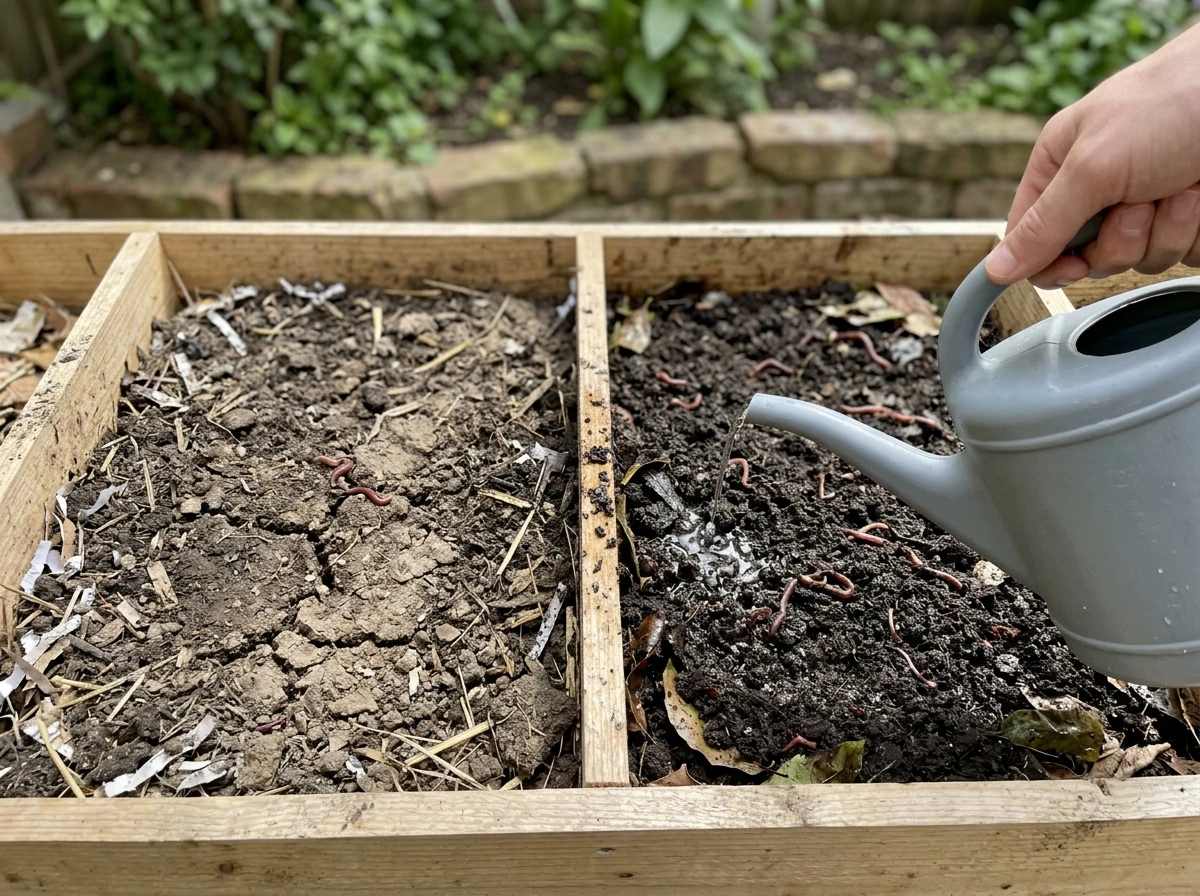
The most common way gardeners accidentally harm their earthworm populations is through pesticide use. Research has shown that even sublethal pesticide exposure, including residues from neonicotinoids and other common garden chemicals, can cause poor worm weight gain and mitochondrial DNA damage. You do not need to see dead worms to be harming your population. If you are using systemic insecticides or broad-spectrum pesticides regularly, your worm population is likely suppressed, and the benefits described above are not fully available to you.
Soil that is too dry is another silent worm killer. Worms breathe through their skin, and they cannot function when their skin dries out. If the top few inches of soil are bone dry regularly, worms will either go deeper (where they are less useful to shallow-rooted plants) or die. The fix is consistent moisture and surface mulch.
On the opposite end, waterlogged, anaerobic soil is equally harmful. Worms need oxygen. Soil that is perpetually saturated pushes worms to the surface where they become vulnerable, or kills them outright. This is where the physical drainage improvements worms create become somewhat self-reinforcing: a healthy worm population helps drainage, and good drainage keeps the worm population healthy.
- Avoid broad-spectrum insecticides and neonicotinoid-coated seeds near worm-active areas
- Do not let soil dry out completely between waterings, especially during summer
- Do not overwater to the point of standing water or prolonged saturation
- Avoid heavy synthetic nitrogen applications, which reduce the relative benefit of worm activity
- Do not till repeatedly or deeply, which destroys tunnels and injures worms
- Do not add worms to soil without first improving organic matter content if the soil is depleted
Worms work best when the basics are covered too
This is the part worth saying plainly: worm-rich soil is a genuine advantage, but it operates within the limits of everything else your plants need. If you have read other articles on this site about This is the part worth saying plainly: worm-rich soil is a genuine advantage, but it operates within the limits of everything else your plants need. If you have read other articles on this site about how soil quality affects growth, This is the part worth saying plainly: worm-rich soil is a genuine advantage, but it operates within the limits of everything else your plants need. If you have read other articles on this site about how soil quality affects growth, or how nitrogen drives plant development, you already know that no single factor works in isolation. Worms improve nutrient availability and soil structure, but your plants still need adequate light intensity and the right spectrum for their growth stage, appropriate watering frequency, and a baseline nutrient supply through compost or fertilizer., or how nitrogen drives plant development, you already know that no single factor works in isolation. Worms improve nutrient availability and soil structure, but your plants still need adequate light intensity and the right spectrum for their growth stage, appropriate watering frequency, and a baseline nutrient supply through compost or fertilizer., or how nitrogen drives plant development, you already know that no single factor works in isolation. Worms improve nutrient availability and soil structure, but your plants still need adequate light intensity and the right spectrum for their growth stage, appropriate watering frequency, and a baseline nutrient supply through compost or fertilizer.
A practical approach is to treat earthworm activity as the biological engine that makes your organic amendments work better. If you are already adding compost, earthworms help break it down faster and make those nutrients more accessible. If you are managing soil moisture intelligently, earthworms help distribute that moisture and prevent compaction. The worms amplify good practices; they do not replace them.
The 37% biomass increase from the lettuce experiment is real, but that result came from a controlled setting where other variables were managed. In a real garden where plants might also be getting suboptimal light or inconsistent water, the realized benefit will likely be smaller. That does not mean worms are not worth encouraging. It means the best results come from pairing a worm-friendly soil environment with solid fundamentals: appropriate light exposure, consistent moisture, and nutrient inputs calibrated to what your plants actually need. Get those pieces working together, and earthworms become one of the most cost-effective tools in your garden.
FAQ
How fast can I expect results if I add earthworms, and what should I measure?
Expect changes in soil function before you see big growth jumps. Within a few weeks, you may notice faster drainage, fewer hard dry crusts, or more consistent moisture. For plants, track growth over 4 to 8 weeks using a simple metric like leaf count, stem length, or fresh mass at harvest, since biomass differences are easiest to see at harvest time rather than day to day.
Do worm castings work differently from compost or store-bought fertilizers?
Yes. Castings act more like a slow, microbially supported nutrient source because nutrients are released gradually as soil microbes continue breaking material down. Unlike quick-release fertilizers, you generally get less risk of sudden nutrient spikes, but you still should avoid treating castings as your only nutrient source if your baseline soil fertility is low.
Can earthworms help plants if I do not add much organic matter?
They will help less over time. Worms need ongoing food, so if your soil is repeatedly bare, stripped, or only receives mineral fertilizer, their population will decline and their benefits shrink. A practical compromise is to add organic inputs like leaf mold, compost, or mulches on a regular schedule so worms can keep processing material.
What kinds of plants benefit most from worms, and which ones may see smaller gains?
Most leafy greens and many fruiting plants benefit because they respond strongly to improved root exploration, aeration, and steady nutrient availability. However, if a plant is primarily limited by light, cold temperature, or severe nutrient deficiency, worm benefits may be modest until those constraints are corrected.
How do I tell whether I should add worms or focus on soil fixes first?
Do a quick worm-count test first. If you find almost none in a small dug square (about 1 square foot down 6 inches), focus on moisture management, organic inputs, and avoiding harmful chemicals before adding more worms. Adding worms to hostile soil often wastes money because they either burrow too deep for your crop roots or fail to establish.
Is it better to add worms to beds with compost, or can I add them to clean soil and let them find food?
It is better to add worms where there is already a predictable food source, like compost-amended beds or areas covered with mulch. If you add worms to clean or frequently disturbed soil, there may be insufficient organic matter for their first generation, so population growth lags and benefits take longer to appear.
Do worms reduce the amount of fertilizer I should use?
They can reduce how aggressively you need to fertilize, especially with nitrogen, but do not assume you can eliminate feeding. A useful approach is to start with slightly lower nitrogen than your usual routine, observe plant color and growth, then adjust. If your system already gets high nitrogen inputs, the incremental benefit from worms may be small.
Will pesticides or herbicides definitely kill my worms, or is it more subtle than that?
It can be subtle. Some residues and systemic products can impair worm health even when you do not see dead individuals, leading to weaker reproduction and slower casting formation. If you routinely use broad-spectrum insecticides, treat worm support as part of your pesticide decision, and switch strategies to less harmful pest control for at least the growing season.
How moist should soil be for worms to thrive without causing waterlogging?
Aim for consistently moist, not soggy. A surface that dries out completely can suffocate worm skin and push worms deeper or reduce survival. On the other hand, standing water or persistently saturated beds reduce oxygen, forcing worms upward where they are exposed or causing mortality. Mulch helps stabilize moisture while you maintain drainage.
Do earthworms help in clay-heavy soils differently than in sandy soils?
They often help clay soils more with structure because burrowing creates connected pore spaces that improve aeration and infiltration. In sandy soils, the limiting factor can be retaining organic matter and moisture, so worms may still help but you usually need to build organic content and mulch to keep worms well-fed and effective near the root zone.
If worms are present already, should I still add more, or just manage conditions?
Usually manage conditions first. If your soil already has active worms, the limiting factor is often moisture, organic inputs, or chemical exposure rather than worm quantity. Instead of adding more, reduce stressors, top-dress with compost or mulch, and maintain good watering so the existing population can keep functioning.
Where do worms go, and will they stay in the root zone where my plants need them?
They move toward conditions that are suitable, so if the topsoil becomes too dry, worms often burrow deeper. If it becomes waterlogged, they can come toward the surface. That means your irrigation pattern and mulch placement determine whether worm activity stays within the soil depth your crops most rely on.
Can worms “fix” poor plant growth caused by low light or incorrect watering?
No. Worms can improve soil aeration, microbial activity, and nutrient availability, but they cannot compensate for insufficient light intensity, wrong spectrum, chronic underwatering, or severe temperature stress. Use worms to amplify a well-managed environment, and troubleshoot the limiting non-soil factor first when plants look stunted or repeatedly fail.
Next Articles
Does Poop Help Plants Grow? Safe Ways to Use Waste in Gardens
Learn if poop helps plants grow, risks of human waste, and safe composting steps plus better manure alternatives.
How Do Microorganisms Help Plants Grow: Practical Guide
Learn how microbes in the rhizosphere fix nitrogen, boost phosphorus, aid roots, suppress disease, and how to grow them.
How Does Yeast Help Plants Grow? Safe, Practical Guide
Learn how yeast boosts plant growth via soil microbes, safe dilution and timing, plus myths, limits, and troubleshooting