Yes, soil absolutely helps plants grow, and it does so in three distinct ways at once: it physically supports roots, it delivers the dissolved nutrients plants actually absorb, and it hosts a living microbial community that keeps the whole system running., and it does so in three distinct ways at once: it physically supports roots, it delivers the dissolved nutrients plants actually absorb, and it hosts a living microbial community that keeps the whole system running. If any one of those three legs is broken, your plants will show it, whether through stunted growth, yellowing leaves, or roots that never develop properly. Understanding how each piece works is what separates a gardener who guesses from one who actually fixes problems.
How Does Soil Help Plants Grow and What It Does Underground

Marcus Holloway
24 Mar 2026
Does soil help plants grow? The short answer
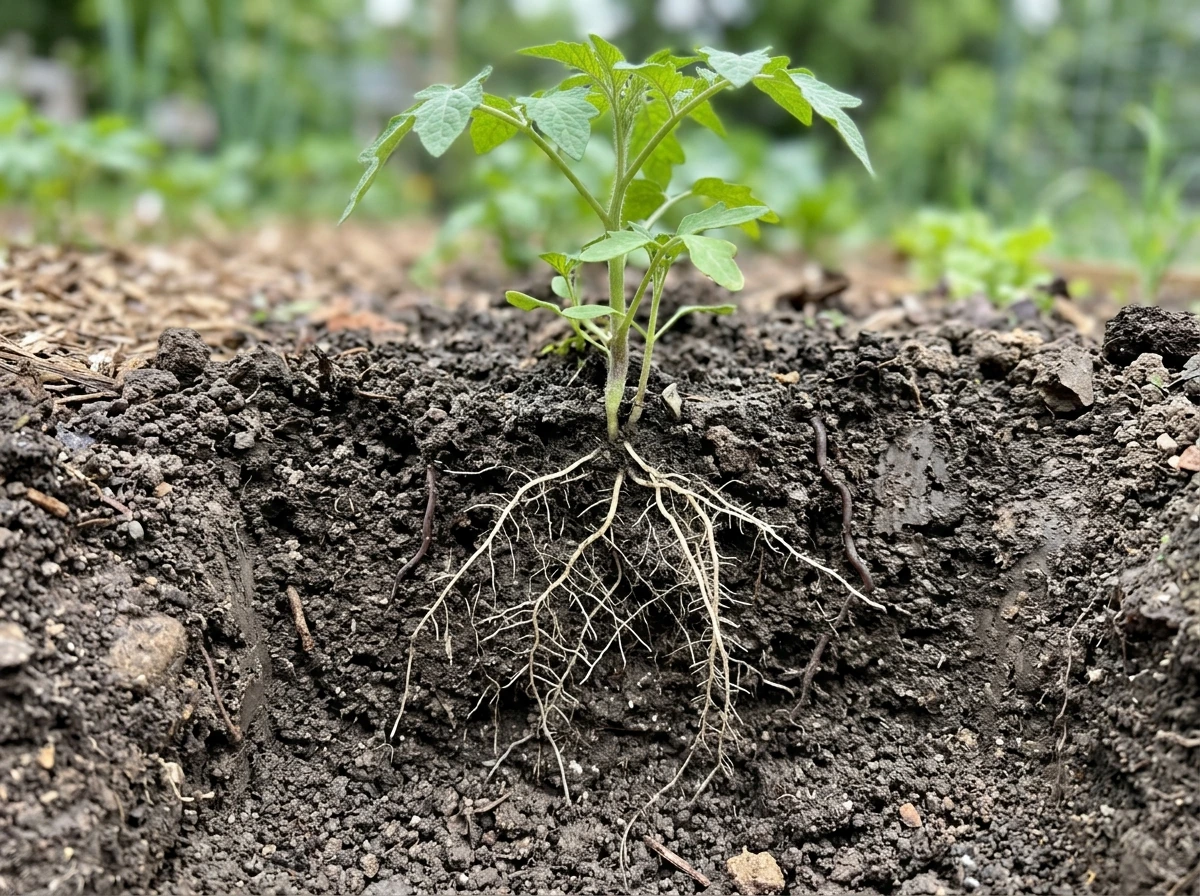
Soil is the foundation of almost every land-based plant's life. It anchors the plant physically, stores and delivers water, provides the mineral ions that build leaves, stems, and roots, and shelters the microorganisms that convert raw organic matter into nutrients plants can actually use. Take away good soil and you take away all of that at once. You can grow plants hydroponically without soil, but only by replacing every single one of those functions artificially, which tells you exactly how much soil is doing in a normal garden.
One thing worth clearing up immediately: plants do not eat soil. They absorb dissolved ions from the water held in soil pores. The solid particles in soil are essentially a reservoir and a slow-release mechanism, not a food source itself. Keeping that distinction in mind makes everything else about soil nutrition much easier to understand.
What's actually in soil that plants use
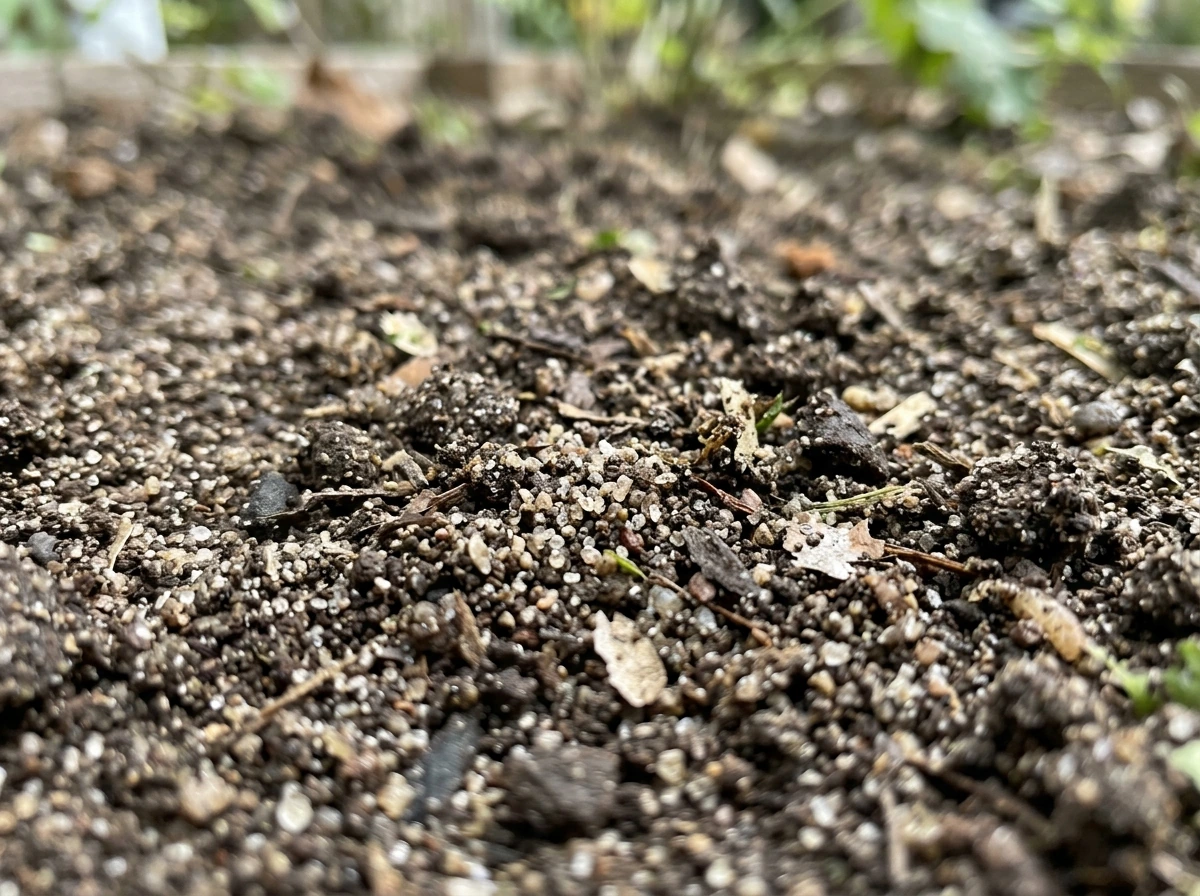
Healthy soil is a mix of mineral particles (sand, silt, and clay), organic matter at various stages of decomposition, water, air, and living organisms. Each of those components contributes something specific to plant growth.
Water
Soil stores water in the pore spaces between particles and releases it gradually to roots. Nutrients travel to root surfaces dissolved in that water, so without adequate soil moisture, nutrient uptake slows even when the nutrients are technically present. Organic matter plays a big role here: it dramatically improves a soil's water-holding capacity, which is why compost is one of the most universally recommended soil amendments.
Minerals and nutrients
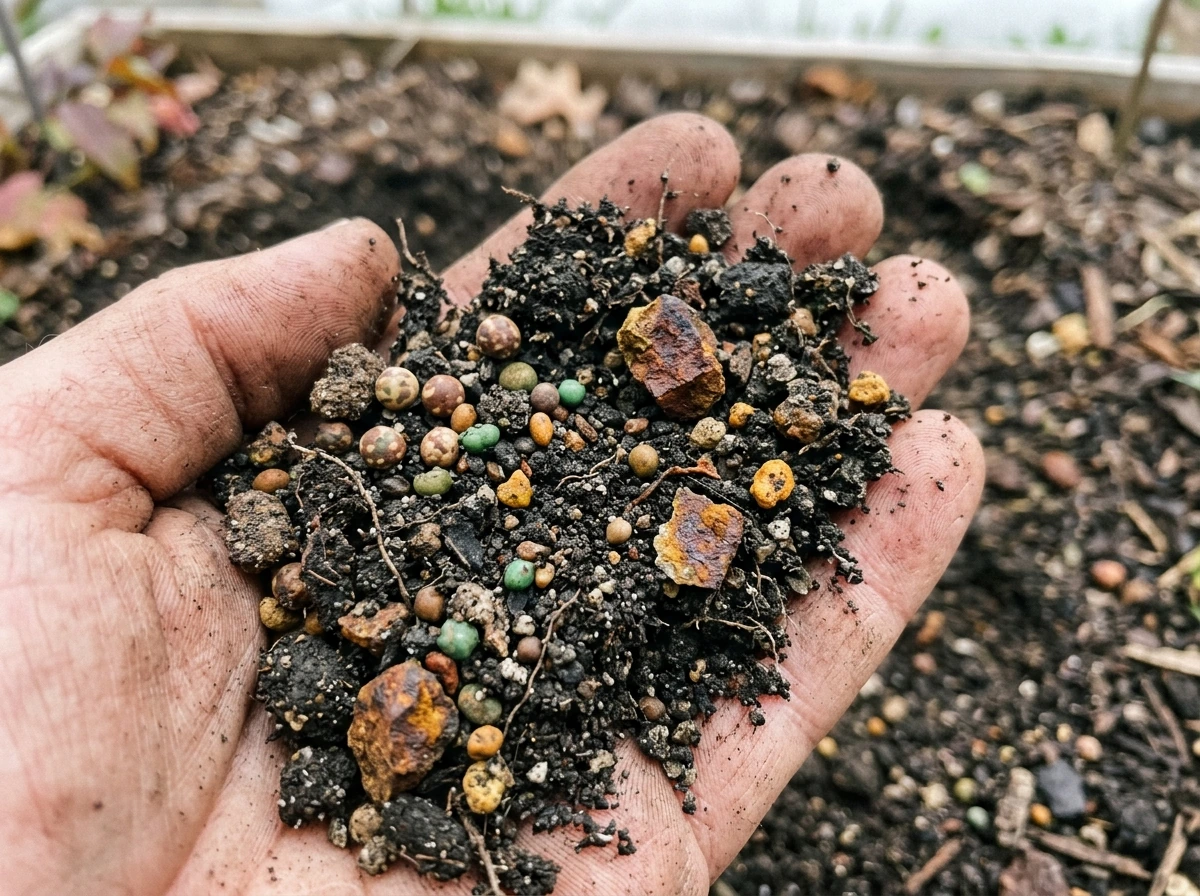
Mineral particles weathered from rock release calcium, magnesium, potassium, iron, and other elements over time. These exist in soil in two main pools: adsorbed onto particle surfaces (especially clay and organic matter) and dissolved in soil water as ions. Plants take up the dissolved forms. The adsorbed pool acts as a replenishment reservoir, releasing ions back into solution as roots draw them down. Nitrogen, for example, helps plants grow by being taken up primarily as nitrate (NO3-) or ammonium (NH4+). Phosphorus is absorbed mainly as hydrogen phosphate (HPO4²-). These are the actual chemical forms roots interact with, not the bulk elemental forms you see listed on a fertilizer bag.
Organic matter
Organic matter is decomposed plant and animal material, and it punches well above its weight, helping soil-dwelling worms contribute to structure. Even at relatively low percentages by volume, it increases biological activity, improves soil structure and porosity, reduces surface crusting, boosts water infiltration, and increases the soil's cation exchange capacity (CEC), which is its ability to hold and release positively charged nutrient ions. More CEC means the soil can hold onto nutrients like calcium, magnesium, and potassium rather than losing them to leaching. Organic matter is also the primary food source for the microbial life that drives nutrient cycling.
Soil structure: why roots need more than just nutrients
A soil can be chemically rich and still produce struggling plants if its physical structure is wrong. Roots need three things from soil structure: oxygen in the pore spaces, free movement of water, and physical room to actually grow through the matrix.
Compaction is the most common structural enemy. Soil bulk density is the standard measure of compaction, and as a practical rule of thumb, roots tend to grow well in soils with bulk densities up to about 1.4 g/cm³. Above that threshold, root penetration becomes increasingly restricted. Compacted soils also have fewer large pores, which slows water infiltration dramatically. If water is pooling on your soil surface after rain rather than soaking in, compaction or poor structure is often the cause.
On the other end, extremely sandy or loose soils drain too fast and can't hold water or nutrients long enough for roots to access them. The goal is what soil scientists call good tilth: a crumbly, aggregated structure with a balance of large pores (for drainage and air) and small pores (for water retention). Aggregate stability, which is how well those soil clumps hold together under rain or irrigation, directly affects how well a soil maintains that balance over time.
How plants actually take up nutrients from soil
This is where a lot of gardening advice breaks down, so it's worth spending a moment on the actual mechanism. Plants don't absorb nutrients directly from solid soil particles. Root hairs contact the soil solution, and dissolved ions cross into root cells through specialized membrane proteins. The key variable is whether the nutrient is present in a dissolved, plant-accessible form, and that depends heavily on soil pH.
Phosphorus is probably the clearest example. In acid soils (low pH), phosphate binds tightly with iron and aluminum, forming relatively insoluble compounds that roots can't reach. University of Minnesota Extension explains that phosphate can react with elements like calcium or aluminum to form solids, which is one reason phosphorus becomes less available [phosphate binds tightly with iron and aluminum, forming relatively insoluble compounds](https://extension. umn.
edu/phosphorus-and-potassium/understanding-phosphorus-minnesota-soils). In alkaline soils (high pH), phosphate bonds with calcium and again becomes largely unavailable. The sweet spot for phosphorus availability is roughly pH 6. 0 to 7.
0. Nitrogen availability follows similar logic: nitrification rates, which convert ammonium to the more plant-mobile nitrate form, are strongly influenced by soil pH and microbial activity. Micronutrients like iron, manganese, zinc, and copper tend to become more available as pH drops, and can actually reach toxic levels in very acidic soils.
The practical takeaway: adding more fertilizer to a soil with the wrong pH is often a waste of money. The nutrient is physically present but chemically locked up. A soil test that tells you your pH and your current nutrient levels is far more useful than guessing and adding more of everything.
The living soil: how microbes make plants grow better
Soil biology is probably the most underappreciated part of soil health in home gardening. A single teaspoon of healthy soil can contain hundreds of millions of bacteria and thousands of fungal species, all doing work that directly benefits your plants.
Plants actively feed microbes through root exudates, compounds they secrete into the surrounding soil. Those microbes, in turn, cycle nutrients at the root-soil interface that the plant can then absorb. It's a genuine exchange, not a coincidence. The NRCS describes this root zone (the rhizosphere) as a hotspot of microbial activity specifically because of those exudates, and the nutrient cycling that happens there is central to why biologically active soils support better plant growth than sterile ones. The USDA NRCS describes the rhizosphere as a narrow region immediately around a living root where roots release organic compounds like plant exudates that feed active microbes root zone (the rhizosphere) as a hotspot of microbial activity.
Arbuscular mycorrhizal fungi (AMF) are a particularly well-studied example. These fungi form symbiotic relationships with plant roots and effectively extend the root system into soil zones the roots themselves can't reach. A 2025 study in BMC Plant Biology found that AMF inoculation under low-phosphorus conditions significantly improved plant height, biomass, and leaf phosphorus content in wheat seedlings. That's not a small effect, and it comes entirely from biology, not from adding more phosphate fertilizer.
Soil microbiomes also suppress plant diseases. Research published in Nature Communications in 2023 showed that practices like crop rotation can restore a soil's ability to suppress root diseases by rebuilding the microbial community. This disease suppression is not a single-microbe effect but the result of complex microbial interactions, which is exactly why practices that support broad microbial diversity, like adding compost and avoiding over-tilling, tend to work better than any single product.
How to improve your soil today
Here's where knowing the science actually pays off in the garden. Most soil problems fall into a few categories, and each has a clear fix. The first step in every case is the same: get a soil test. A basic test from your local extension service costs very little and tells you pH, organic matter level, and major nutrient levels. Everything after that should follow from those results.
Problem: poor drainage or compaction
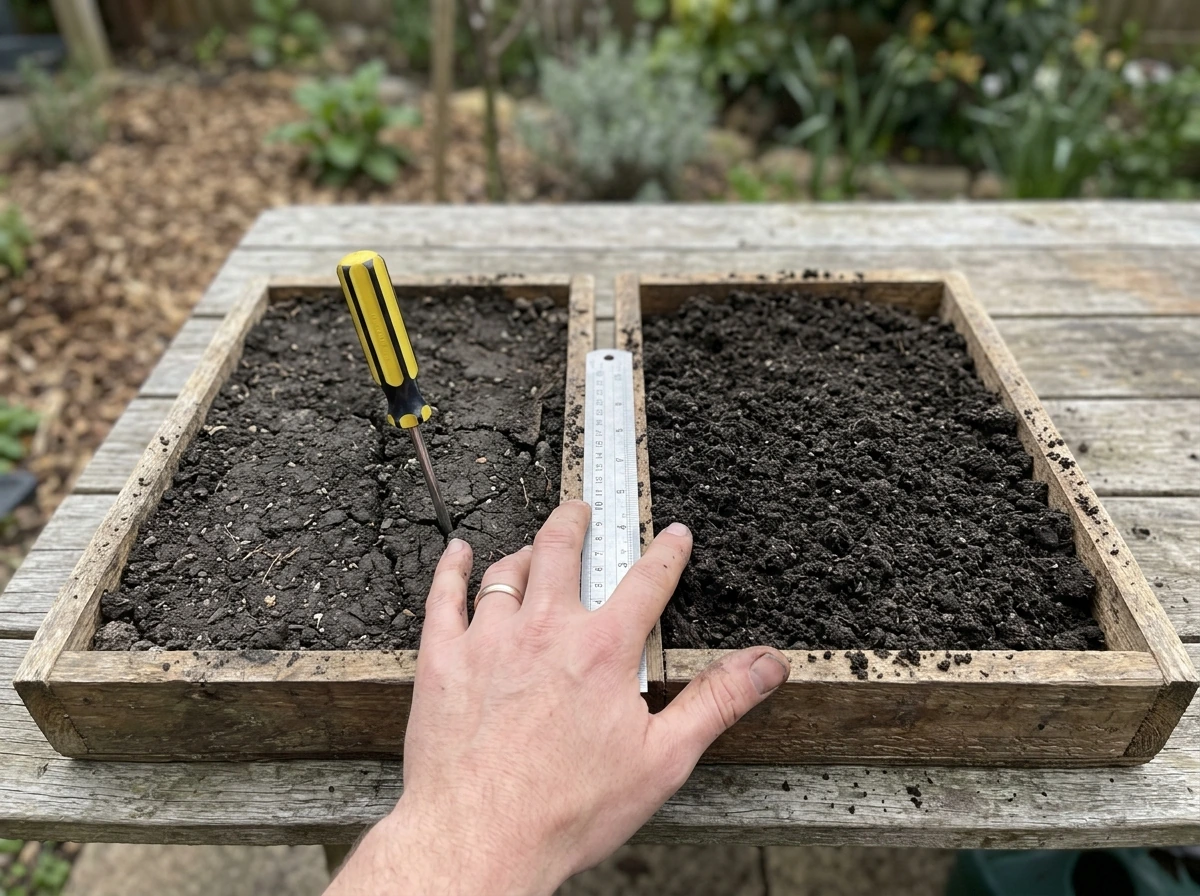
If water sits on your soil surface after rain, or you can't push a screwdriver more than a few inches into the ground, compaction is likely limiting root growth. The fix is to add organic matter (compost works well) and reduce foot traffic or mechanical pressure on the soil. Compost improves both porosity and aggregate stability, which directly improves water infiltration. Avoid tilling when the soil is wet, which destroys structure and makes compaction worse. Cover crops also help by physically breaking up compacted layers with their roots and feeding the microbial community that builds stable aggregates.
Problem: nutrient deficiencies
If your plants show yellowing, stunted growth, or poor flowering, don't reach for fertilizer first. Check pH. If it's outside the 6.0 to 7.0 range for most vegetables and ornamentals, correcting it with lime (to raise pH) or sulfur (to lower it) will unlock nutrients already in your soil. For confirmed deficiencies after pH correction, add targeted amendments based on your soil test rather than broad-spectrum fertilizers. Nitrogen, for example, should come from appropriate nitrogen-only sources if you've already built up phosphorus or potassium through heavy compost or manure use.
Problem: low organic matter
Adding compost is almost always a good move for low organic matter soils. It improves structure, water retention, nutrient holding capacity, and microbial habitat all at once. That said, more is not always better. Adding excessive compost or manure can cause nutrient imbalances, particularly building up phosphorus or potassium to levels that interfere with other nutrient uptake. If you've been adding large amounts of compost for several years, a soil test may show you already have excess phosphorus and don't need more. Work from your test results, not a blanket rule.
Problem: low biological activity
Soils that have been repeatedly tilled, treated with broad-spectrum pesticides, or kept bare tend to have depleted microbial communities. The fixes here are about habitat and food: add organic matter, keep soil covered with mulch or cover crops, minimize tillage, and reduce or eliminate practices that directly kill soil organisms. If you're growing in containers or heavily degraded soil, mycorrhizal inoculants are a legitimate tool, particularly for phosphorus-limited situations, though they work best when you've also improved the underlying conditions.
Quick comparison: common soil amendments and what they actually fix
| Amendment | Best For | What It Fixes | Watch Out For |
|---|---|---|---|
| Compost | Most garden soils | Structure, water retention, CEC, microbial habitat | Over-application can cause phosphorus/potassium excess |
| Agricultural lime | Acid soils (pH below 6.0) | Raises pH, improves phosphorus and nutrient availability | Don't apply without a soil test; can over-correct |
| Sulfur | Alkaline soils (pH above 7.5) | Lowers pH, helps with micronutrient availability | Works slowly; retest after several months |
| Nitrogen fertilizer | Nitrogen-deficient soils confirmed by test | Supports leafy growth, protein synthesis | Excess leads to leaching and environmental problems |
| Mycorrhizal inoculant | Depleted or sterile soils, phosphorus-limited plants | Extends root system reach, improves phosphorus uptake | Less effective in already phosphorus-rich soils |
| Cover crops | Compacted or biologically depleted soils | Builds structure, feeds microbes, reduces erosion | Choose species suited to your climate and timing |
What actually matters underground
Soil helps plants grow by doing several jobs simultaneously: physically anchoring and guiding roots, storing and releasing water and dissolved nutrients, and sustaining the microbial life that keeps nutrients cycling. No single factor works in isolation. You can have perfect nutrient levels but still get poor growth if compaction prevents root penetration. You can have great structure but lock up nutrients with the wrong pH. And you can have both of those right but still underperform if biological activity is suppressed.
The gardening world is full of shortcuts and folklore, but soil improvement isn't really one of those areas where shortcuts pay off. Start with a soil test, address pH first, add organic matter consistently, minimize practices that damage soil structure and biology, and let the system build over time. If you want to go deeper on specific factors like If you want to go deeper on specific factors like how soil-dwelling worms contribute to structure or how nitrogen specifically affects growth, those individual topics are worth exploring, but the foundation is always the same: healthy soil structure, the right chemistry, and a thriving microbial community working together. or how nitrogen specifically affects growth, those individual topics are worth exploring, but the foundation is always the same: healthy soil structure, the right chemistry, and a thriving microbial community working together.
FAQ
If nutrients are in the soil, why don’t plants just absorb them from the solid particles?
Yes, but the process is indirect. Roots take up dissolved nutrient ions from the soil water that sits in pore spaces. So “fertilizer in soil” only helps if those nutrients remain in plant-accessible solution form, which depends on soil moisture, pH, and how tightly nutrients are held on particle surfaces.
How can I tell whether my slow growth is from poor soil nutrients or from not enough soil moisture?
Check soil moisture and rooting limits before increasing feeding. If water is low, nutrients cannot move to root hairs, so fertilizing just concentrates salts and can stress roots. A simple test is whether soil is evenly moist through the root zone, not just wet on the surface.
Why do some plants seem to respond poorly even after I add fertilizer?
Broad-spectrum fertilizer can backfire when pH is off or when the soil already has high phosphorus or potassium. If you keep adding “more,” you can push nutrient imbalances and create secondary deficiencies (for example, excess phosphorus can reduce micronutrient availability). A soil test helps you choose the right amendment rate and which nutrient to target, if any.
What pH range should I target, and should I amend nutrients before or after adjusting pH?
For most vegetables and ornamentals, aiming for about pH 6.0 to 7.0 is a practical target because many nutrients are most available there. If your soil test shows you are far outside that range, correct pH first, then wait and recheck, since nutrient availability can lag behind the pH change.
Is tilling always bad for plant growth, or is there a “safe” way to till?
Excessive tilling can reduce aggregate stability and disrupt fungal networks, which lowers infiltration and biological activity over time. In many gardens, the practical compromise is to avoid working the soil when it is wet, limit tillage frequency, and use compost plus mulch to build structure rather than repeatedly turning the soil.
How can I avoid misdiagnosing nutrient problems when leaves yellow or growth is stunted?
Look at symptoms at the right scale. Yellowing, for example, can come from low nitrogen, poor root oxygen due to compaction, or nutrient lock-up from pH. The quickest decision aid is a soil test (pH and nutrient levels) plus a quick root check (are roots restricted or brown and underdeveloped?).
Can soil amendments like compost or manure ever hurt plants?
Yes, especially in the wrong conditions. Nutrient toxicity can happen when pH is very low (some micronutrients become overly available) or when compost and manure have accumulated phosphorus or salts. Use a soil test to confirm levels before adding more amendments, not just based on plant appearance.
Does soil help plants the same way in containers as it does in the ground?
In containers, soil behavior changes because water and nutrients move through a smaller volume and dry out faster. Soil pH can drift more quickly, and nutrients can leach sooner, so testing and careful feeding schedules matter more than in-ground planting.
When should I consider mycorrhizal inoculants, and when won’t they make much difference?
You can. Mycorrhizal fungi often help most when phosphorus is limiting and when soil conditions support the fungi (good structure, living roots, and minimal disruption). If you repeatedly sterilize the medium or over-till/over-disturb, inoculants may underperform.
How do I know if soil disease resistance is improving, and what practices actually rebuild it?
Yes, at least partly. Healthy microbial communities improve nutrient cycling and can reduce some soil-borne disease pressure. Practices that rebuild biology, like cover crops, compost, crop rotation, and avoiding unnecessary pesticide use, usually outperform single-ingredient “fixes.”
Next Articles
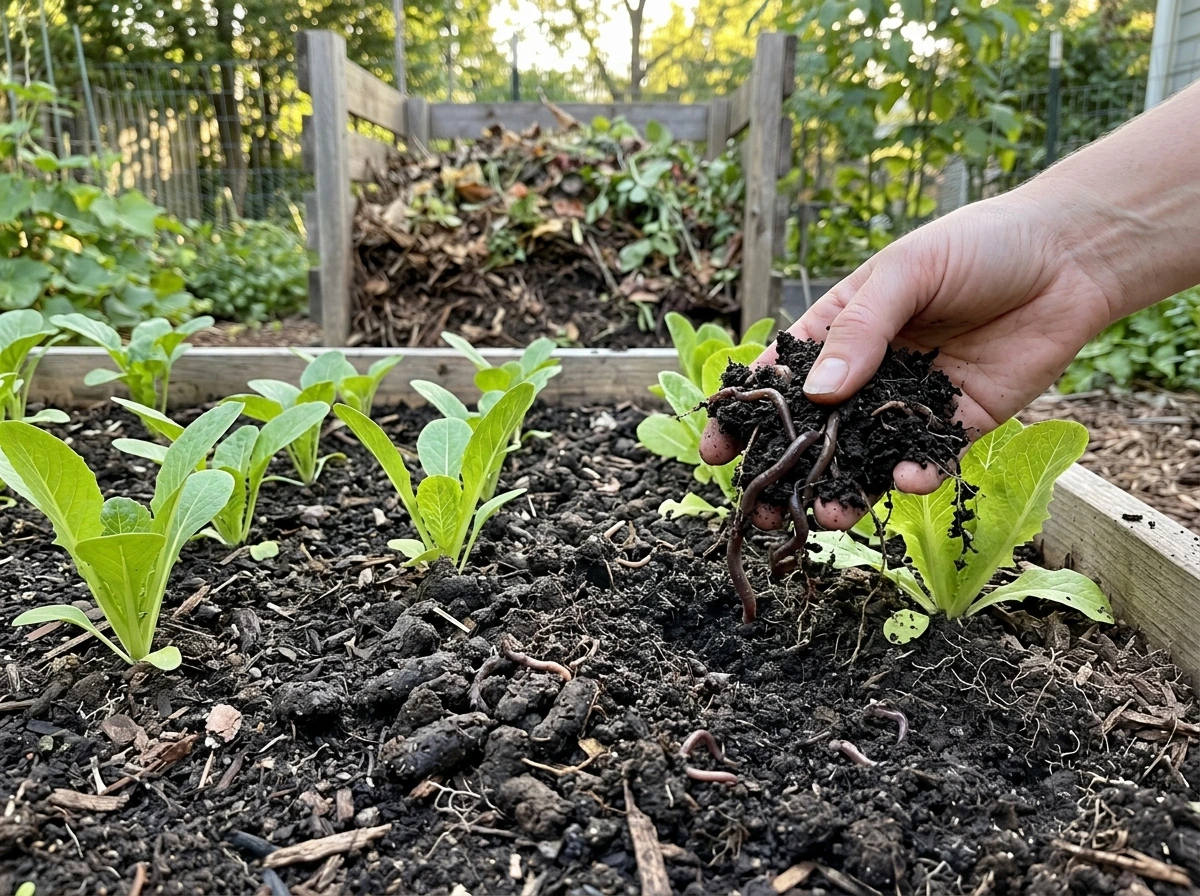
Do Worms Help Plants Grow Faster? How and When to Use Earthworms
Learn how earthworms improve soil and plant health, when growth speeds up, and how to set up worm-friendly beds fast.
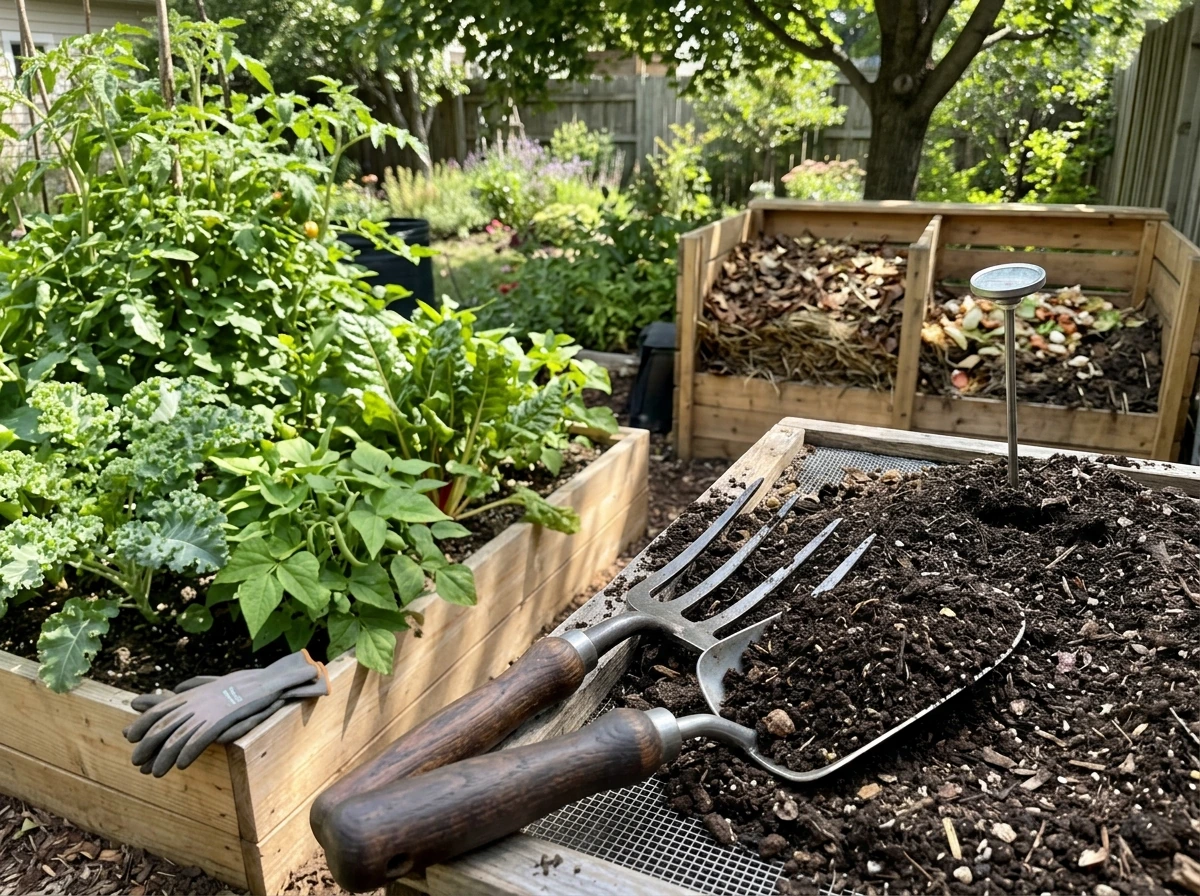
Does Poop Help Plants Grow? Safe Ways to Use Waste in Gardens
Learn if poop helps plants grow, risks of human waste, and safe composting steps plus better manure alternatives.
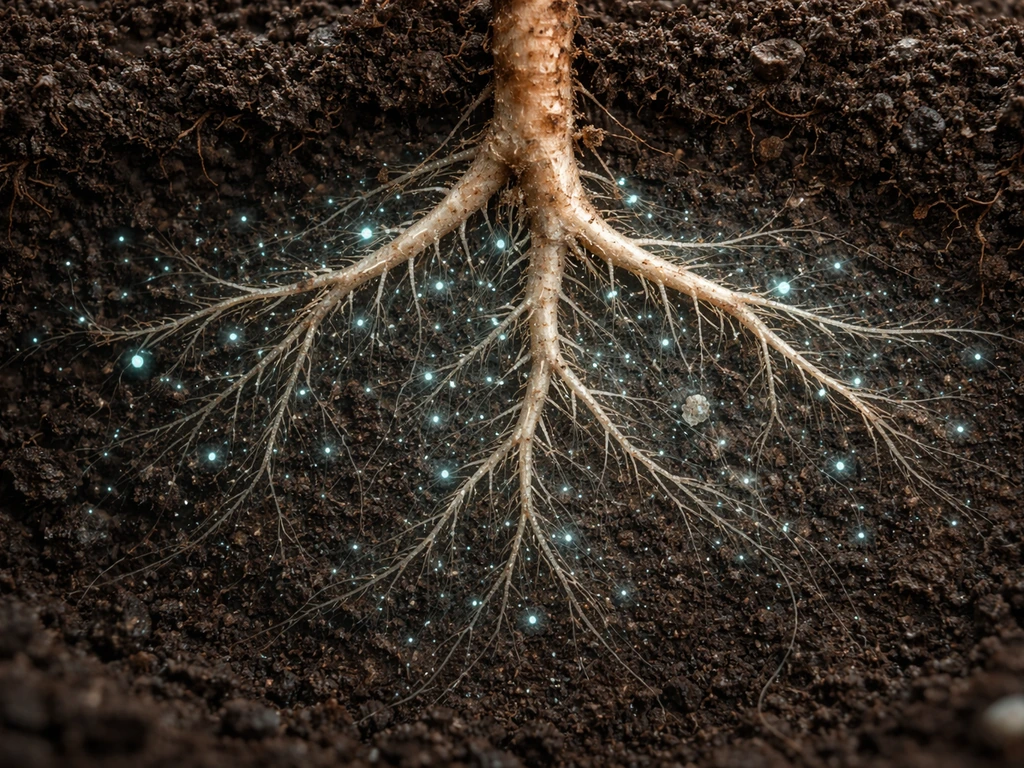
How Do Microorganisms Help Plants Grow: Practical Guide
Learn how microbes in the rhizosphere fix nitrogen, boost phosphorus, aid roots, suppress disease, and how to grow them.