Yes, nitrogen genuinely helps plants grow, and it's not even close. It's one of the most important nutrients a plant can get, and the effects show up fast and visibly. If you've ever added a nitrogen-rich fertilizer to a struggling plant and watched it green up and shoot new leaves within a week or two, you've seen the biology in action. But nitrogen is also one of the easiest things to get wrong, both in the too-little and too-much directions. This guide walks through exactly what nitrogen does inside a plant, why it drives the green leafy growth you see, and how to use it correctly so you're actually helping rather than creating new problems.
Does Nitrogen Help Plants Grow? Benefits and How to Use It

Marcus Holloway
24 Mar 2026
What nitrogen actually does inside a plant
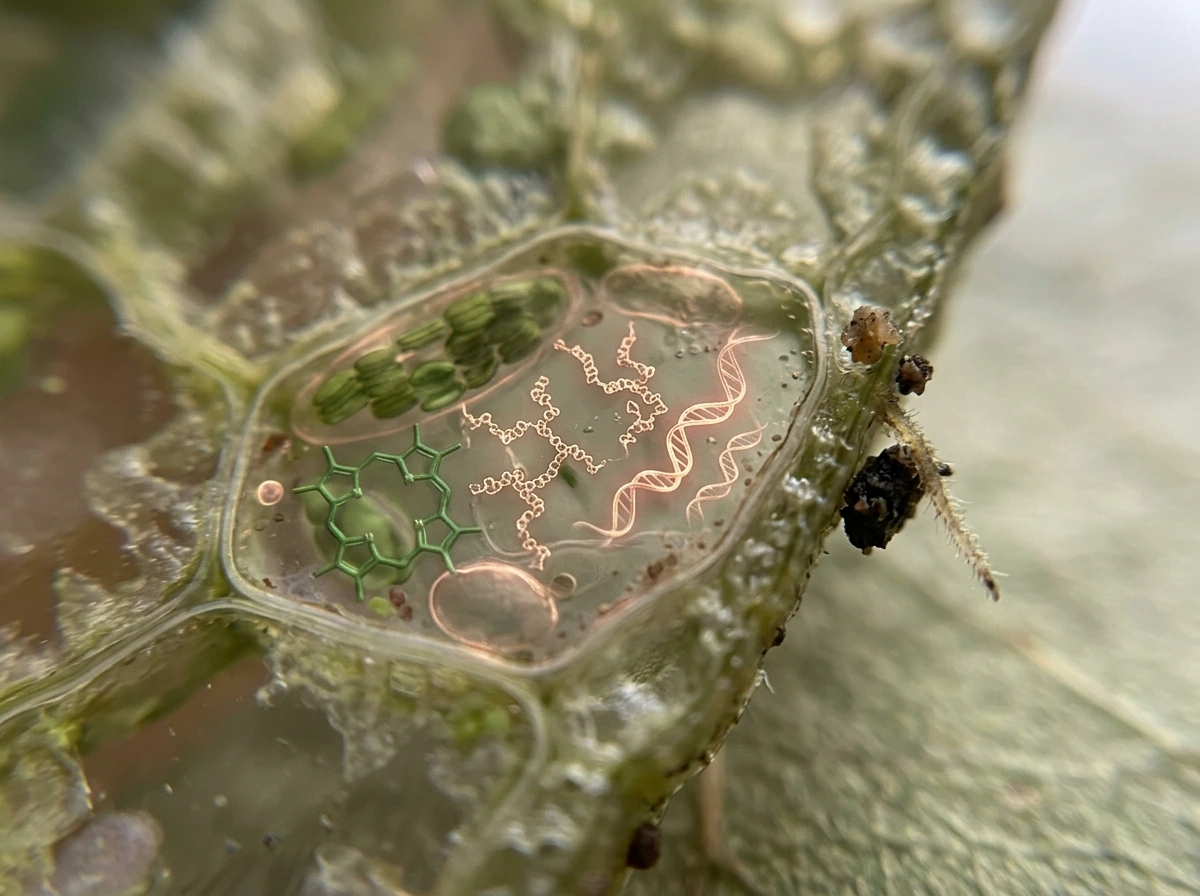
Nitrogen is a core building block of proteins, chlorophyll, and nucleic acids inside every plant cell. That's not just trivia. Proteins run nearly every chemical process in a plant, from moving water through membranes to catalyzing photosynthesis. Chlorophyll is the green pigment that captures light energy to drive growth. Nucleic acids (DNA and RNA) carry the genetic instructions for building new tissue. Without enough nitrogen, a plant can't make enough of any of these, and everything slows down: growth stalls, leaves stay small, and the whole plant looks tired.
Plants pick up nitrogen from the soil in ionic forms: ammonium (NH4+), nitrite (NO2-), and nitrate (NO3-). Of these, nitrate is the form most commonly taken up because soil microorganisms convert ammonium to nitrate through a process called nitrification. That conversion works best under specific conditions: a soil pH around 7, soil moisture at roughly 50% of water-holding capacity, and soil temperatures near 80 degrees Fahrenheit.
Nitrification rates are fastest around neutral soil pH and decrease as pH moves away from that range a soil pH around 7.
This is why nitrogen availability isn't just about what you apply. It's about whether your soil conditions are set up for those microbes to do their job. Cold, waterlogged, or highly acidic soil slows nitrification and can leave nitrogen sitting in forms plants can't easily use.
Why nitrogen shows up as green, leafy growth
The connection between nitrogen and lush green growth comes straight from chlorophyll. Every chlorophyll molecule contains nitrogen in its structure. More nitrogen available means a plant can build more chlorophyll, which means darker green leaves and more photosynthetic capacity. More photosynthesis drives more carbohydrate production, which fuels cell division and expansion, which you see as new shoots, bigger leaves, and faster top growth. It's a cascade, and nitrogen is the trigger.
This is also why nitrogen deficiency shows up as yellowing rather than some other symptom. When a plant is running low on nitrogen, it pulls the nutrient out of older, lower leaves and redirects it to new growth at the tips, because new growth has higher priority. So the first sign you'll notice is uniform yellowing of the older foliage while the newer leaves at the top still look relatively green. That pattern, older leaves yellowing first, is actually useful diagnostic information that I'll come back to in the troubleshooting section.
Nitrogen versus the other nutrients: what it fixes and what it doesn't
It's tempting to treat nitrogen as a growth cure-all, but it has a specific job. Nitrogen drives green, vegetative growth. Worm activity can also boost how well plants access nutrients like nitrogen, which is one reason people ask whether worms help plants grow Nitrogen drives green, vegetative growth. .
It won't fix a calcium deficiency causing blossom end rot, it won't help with the interveinal chlorosis caused by iron or magnesium problems, and it certainly won't substitute for adequate light or water. Different nutrient deficiencies produce distinct symptoms: potassium deficiency typically shows as marginal leaf scorch; magnesium deficiency produces interveinal chlorosis (yellowing between the leaf veins while the veins stay green); iron deficiency shows up as yellowing in new growth first, not old.
Nitrogen deficiency, by contrast, is that uniform pale yellow-green on older leaves.
The practical takeaway here is that throwing nitrogen at a struggling plant without knowing why it's struggling can make things worse or simply waste your time and money. This is why a soil test matters so much. If you're curious about how soil itself supports plant health beyond nutrients, that's a topic worth exploring on its own, because the physical and biological properties of soil affect how well any fertilizer you add actually reaches the plant.
How nitrogen fertilizer actually helps (and which forms to know about)
Nitrogen fertilizers come in a few basic forms, and the form matters because it affects how quickly nitrogen becomes available to your plants and how easily it can be lost before the plant uses it.
Organic sources like compost, aged manure, and decomposing mulch release nitrogen slowly as microbes break them down. This is gentle and low-risk, but it means you're waiting weeks to months for meaningful availability. Inorganic sources like ammonium nitrate or ammonium sulfate are faster-acting because the nitrogen is already in a plant-accessible form.
Urea is one of the most common synthetic nitrogen fertilizers and is relatively concentrated, but it requires conversion in the soil before plants can use it, and it's vulnerable to ammonia volatilization (nitrogen gas escaping into the air) if left sitting on dry soil or not incorporated after application. Nitrate-based fertilizers are immediately available but are prone to leaching, especially in sandy soils where water moves through quickly.
Ammonium, by contrast, binds to soil particles and resists leaching, which makes it more stable in the soil between applications.
Timing matters as much as form. The principle that extension horticulturists hammer on consistently is to match your fertilizer applications to the plant's active growth periods. Applying nitrogen when a plant is actively growing and taking up nutrients means more of it gets used rather than lost. Split applications, meaning smaller doses applied at multiple points during the growing season rather than one heavy dump, are consistently more effective.
They reduce leaching risk, reduce burn risk, and keep nitrogen available across the whole growth window instead of front-loading it. For most garden beds and containers, thinking in terms of a light application at the start of the growing season and a follow-up application six to eight weeks later is a reasonable baseline to work from.
How to apply nitrogen safely without burning plants
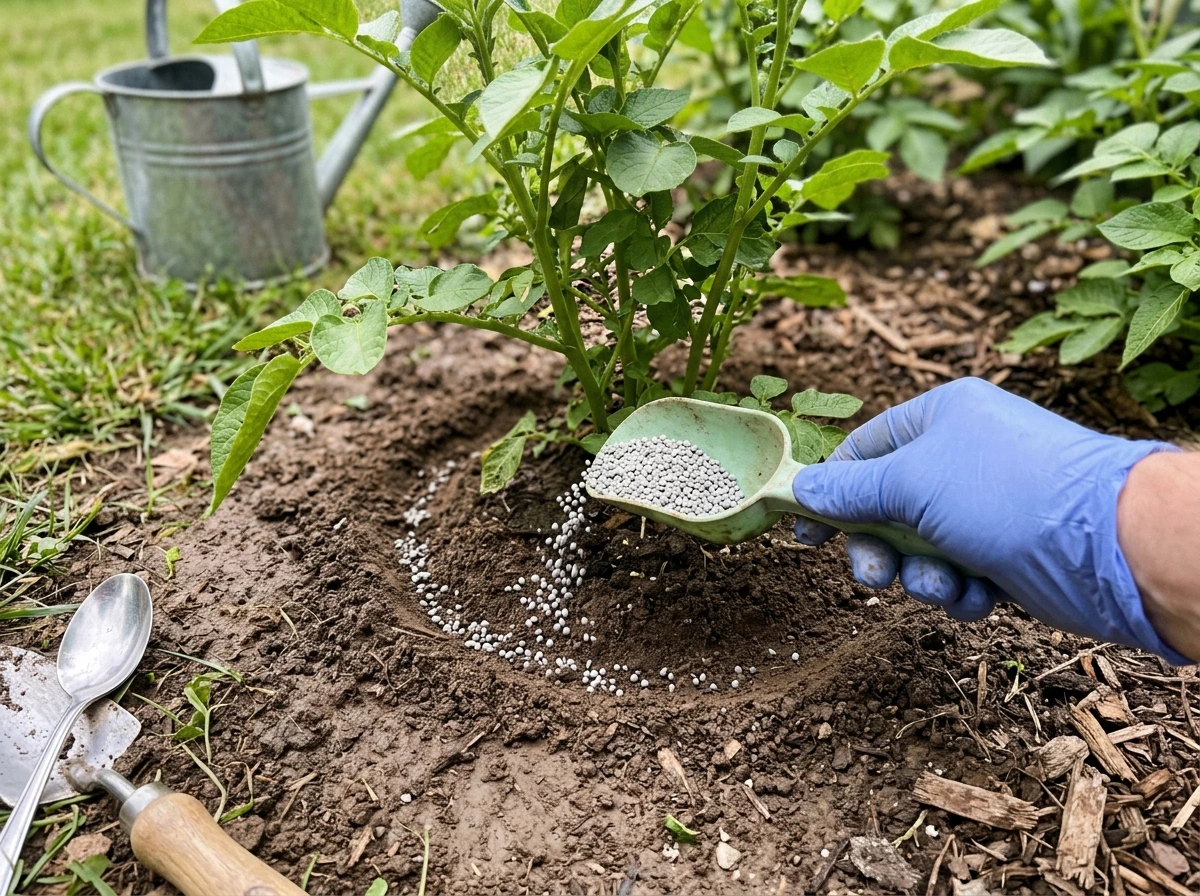
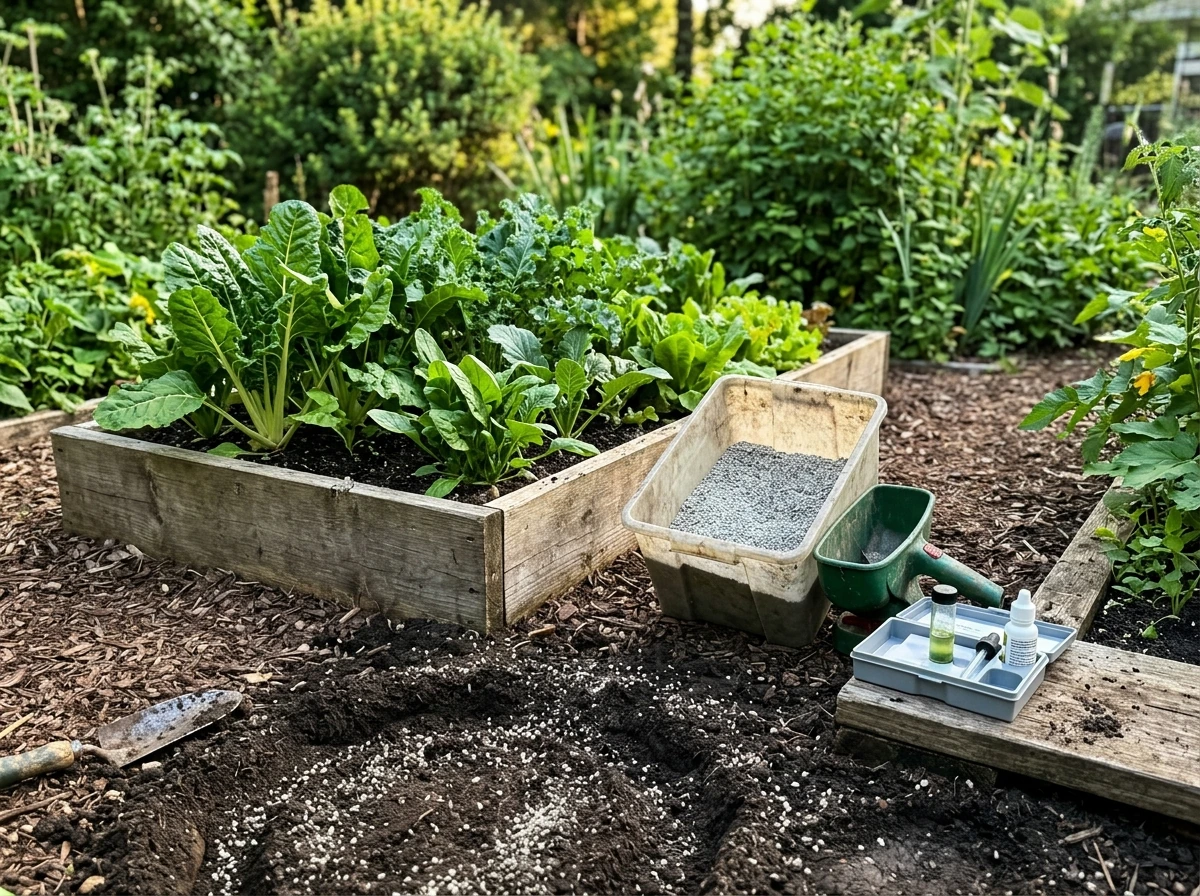
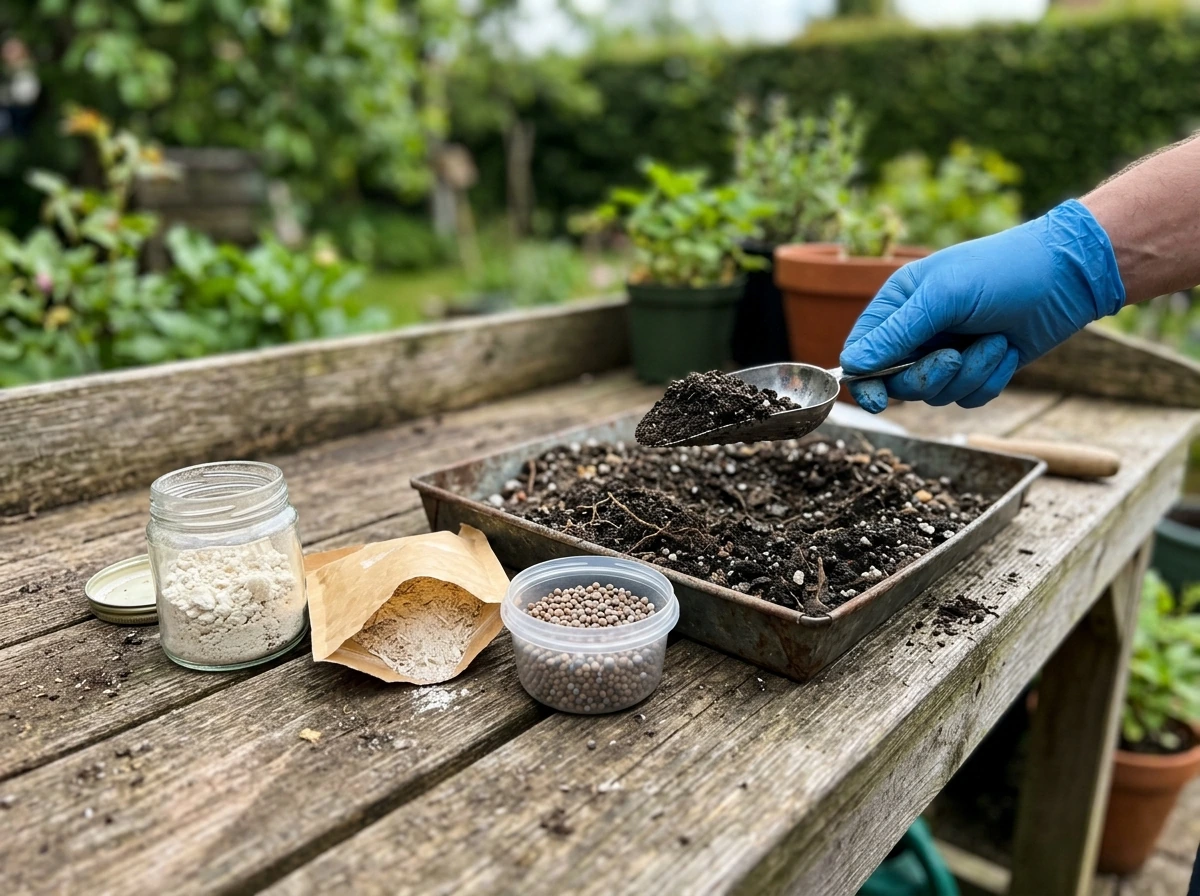
The starting point for any nitrogen decision should be a soil test. Soil nitrogen levels can vary significantly year to year depending on rainfall, organic matter breakdown, and previous fertilization. Testing before you apply tells you whether you actually have a deficiency or whether the soil already has adequate nitrogen. Over-applying nitrogen wastes money, risks burning plants, and creates environmental concerns as excess nitrate leaches into groundwater. Most extension programs have soil testing services for a modest fee, and the results will tell you what you actually need rather than what you guess you need.
When you do apply, follow these practical steps to keep things safe and effective.
- Get a soil test first, especially if you haven't tested in two or more years, or if you're seeing symptoms you can't immediately explain.
- Follow label rates, and when in doubt, apply at the lower end of the recommended range. You can always add more; you can't take it back.
- Water in granular fertilizers after application to move them into the soil and away from direct contact with leaves and stems, which is where burn happens.
- Avoid applying to dry, stressed plants. A plant that's already drought-stressed and then gets a concentrated nitrogen hit around the roots is a recipe for fertilizer burn.
- For urea specifically, incorporate it into the soil or water it in quickly to minimize the ammonia volatilization loss.
- In sandy soils, split your total nitrogen application into smaller doses applied more frequently, since nitrate leaches easily through sand.
- Time applications to active growing periods, not dormant ones. Fertilizing in late fall when plants are shutting down for winter feeds the soil more than the plant.
Spotting nitrogen deficiency versus nitrogen excess
Knowing what to look for is the difference between diagnosing correctly and throwing product at a plant hoping something works. Here's how deficiency and excess look in practice.
| Condition | Visual Signs | What to Do |
|---|---|---|
| Nitrogen Deficiency | Uniform yellowing of older/lower leaves first; small or thin leaves; stunted growth; early leaf drop; restricted lateral shoot growth | Soil test to confirm, then apply a balanced nitrogen source appropriate to your crop; organic sources for slow release, inorganic for faster correction |
| Nitrogen Excess | Abnormally dark green foliage; lush but soft, weak growth; brown or yellow leaf tips and margins (necrotic edges); plants may be more susceptible to pests and disease | Stop nitrogen applications; flush with water if in containers; let soil microbes and leaching reduce levels over time; avoid adding any more nitrogen until symptoms resolve |
| Healthy Nitrogen Range | Medium green, firm leaves; steady growth at a normal pace; good stem strength | Maintain with split applications timed to growth periods; retest soil every one to two years |
One thing worth flagging: the symptoms of different nutrient deficiencies can overlap and sometimes look similar, as the University of Maryland Extension notes. A uniform pale yellow on older leaves is a strong signal for nitrogen, but if you're unsure, a soil test is the most reliable way to confirm before treating. Magnesium deficiency, for example, also shows up as yellowing on older leaves but is interveinal (the veins stay green), not the uniform bleach-out you see with nitrogen deficiency.
Your practical next steps right now
Here's how I'd approach this if I were standing in my garden today trying to figure out whether nitrogen is the issue and what to do about it. Soil also supports plant growth by providing the physical structure and living microbes that help nutrients become available and water stay accessible to roots Soil helps plants grow.
- Look at your plants now. Check the older, lower leaves first. Uniform yellowing on those leaves while newer growth still looks okay points strongly to nitrogen deficiency.
- Check your soil conditions. If your soil is cold (well below 80°F), waterlogged, or very acidic, nitrogen availability is probably being limited by soil conditions, not just nitrogen quantity. Fixing drainage or adjusting pH may help more than adding fertilizer.
- Get a soil test if you haven't done one recently, or if you're not sure what your baseline nutrient levels look like. This is the single most useful $15 to $20 you'll spend on your garden.
- If you're confident in a nitrogen deficiency and want to act now, a water-soluble inorganic nitrogen fertilizer will show results faster than an organic option. Apply at the lower end of the label rate, water it in well, and reassess in two weeks.
- If you've been fertilizing heavily and your plants look abnormally dark green with browning leaf edges, hold off on any more nitrogen. Let the soil work through what's there.
- Plan for split applications going forward. Instead of one large dose at the start of the season, split the same total amount into two or three smaller applications spaced through the active growing window.
- Keep nitrogen in context. It's one important factor among several. Light, water, and overall soil health (including the biology of your soil, which connects to topics like organic matter and soil structure) all work alongside nitrogen to drive real growth.
Nitrogen absolutely helps plants grow, and when you use it correctly it's one of the most reliable levers you have for improving plant health and output. The key is approaching it like a targeted tool with specific inputs and predictable outputs, not as a general-purpose plant booster you apply whenever something looks off. Diagnose first, test when in doubt, apply thoughtfully, and you'll get the green, healthy growth you're after without the burn and waste that comes from guessing.
Dirt helps plants grow by providing essential nutrients and creating conditions that let roots take those nutrients up. Worms can also help by improving soil structure and boosting nutrient availability, which is one reason do worms help plants grow. how does soil help plants to grow
FAQ
If my plants look yellow, should I just add nitrogen to green them up?
Nitrogen can make plants look temporarily greener, but it does not fix underlying limits like insufficient light, drought stress, or missing micronutrients. If growth is still stunted, evaluate those factors first, because adding nitrogen when plants cannot use it often leads to soft, weak foliage that is more prone to pests and breakage.
What happens if I apply too much nitrogen?
Yes, but the safest approach is to match the dose to your soil test and use small, split applications. Even when nitrogen is needed, heavy single doses raise the chance of leaf burn, excessive top growth, and nitrogen loss through leaching or volatilization before the plant can absorb it.
Does nitrogen help all types of plants equally?
Nitrogen can help some plants more than others. Heavy nitrogen feeding usually benefits leafy, fast-growing crops (like lettuce and many grasses), while fruiting plants often need moderate nitrogen, then shift toward adequate potassium and phosphorus for flowering and fruit set.
How can I tell nitrogen deficiency from magnesium or iron issues?
In many cases, yes, especially for pale yellow older leaves. However, first confirm by looking for the pattern, because other deficiencies can look similar. Magnesium deficiency typically yellows older leaves but keeps veins greener (interveinal pattern), and iron deficiency often starts in new growth.
Is there a bad time to apply nitrogen during the season?
Avoid applying nitrogen when the soil is cold, waterlogged, or extremely dry and crusted. Those conditions slow microbial conversion and uptake, increasing the odds of loss or an uneven response. When conditions improve, plants can then utilize the nutrient more effectively.
How should I apply urea to reduce nitrogen loss?
If you are using urea, you generally need incorporation into the soil or quick watering-in after application, especially on dry soil. Without that, volatilization can cause noticeable loss of nitrogen, so you pay for fertilizer you cannot recover.
What are early warning signs that nitrogen is going too far?
Watch for signs of “too much” growth rather than just greener color, like very lush soft leaves, delayed flowering or fruiting, and leaf scorch on older leaves. If you suspect excess, pause fertilizing and focus on consistent watering and balanced nutrition while the plant recovers.
Does nitrogen behave differently in pots and raised beds than in the ground?
In containers, nitrogen issues can be more intense because nutrients wash out faster and soil volume is small. Use smaller, split doses and do not rely on slow-release alone if your plant is rapidly growing, but also avoid chasing yellowing without checking for pH problems and root stress.
Can soil pH affect whether nitrogen helps my plants?
Yes. If soil pH is too low or too high, nitrogen can still be present but less effectively available to plants, and microbial nitrification may slow. Adjusting pH is often a prerequisite for getting consistent nitrogen performance from the same fertilizer.
How often should I soil test before adjusting nitrogen?
A good rule is to do a baseline soil test before starting, then repeat when you change fertilizer sources, rotate crops, or see recurring problems. Many gardens also benefit from re-testing every couple of years, because rainfall and organic matter changes can shift nitrogen availability.
Next Articles
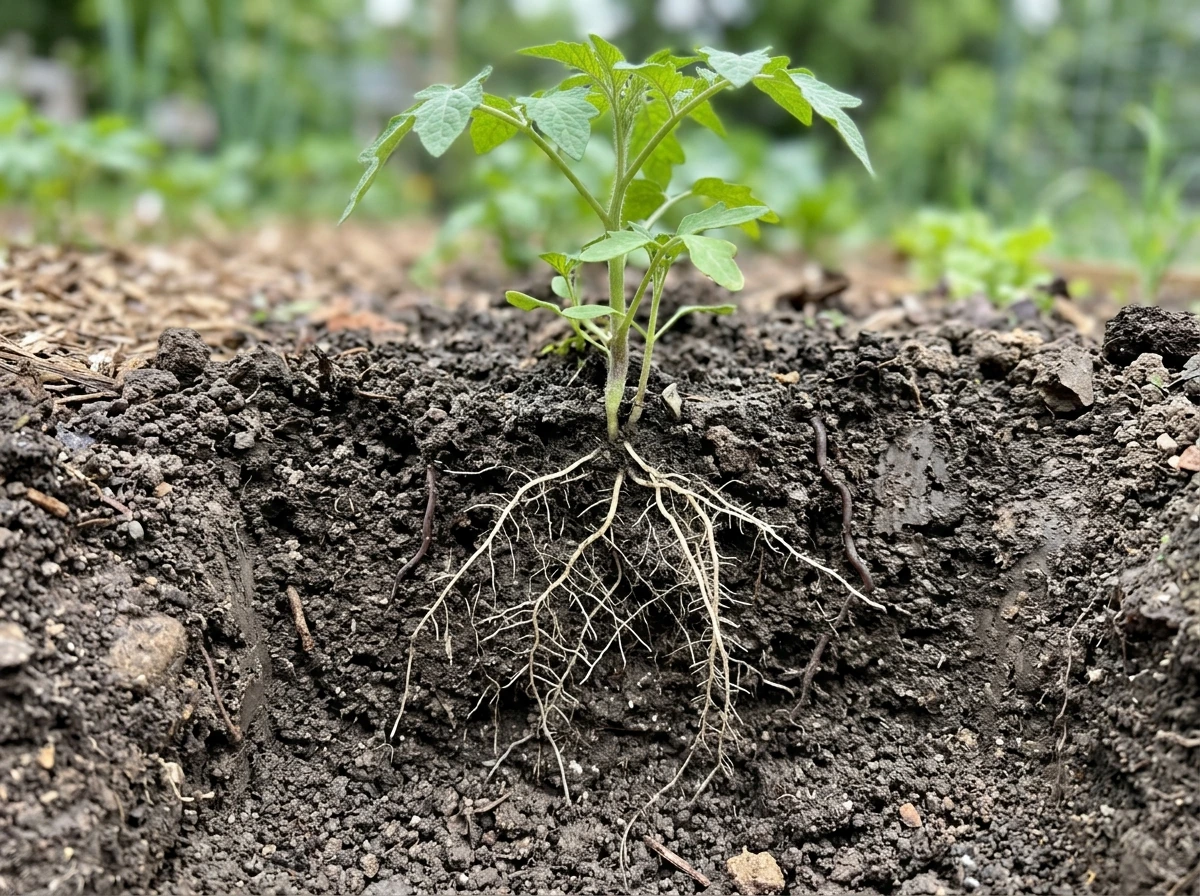
How Does Soil Help Plants Grow and What It Does Underground
Learn how soil supports roots, balances water and nutrients, buffers pH, and grows plants through microbes and minerals.
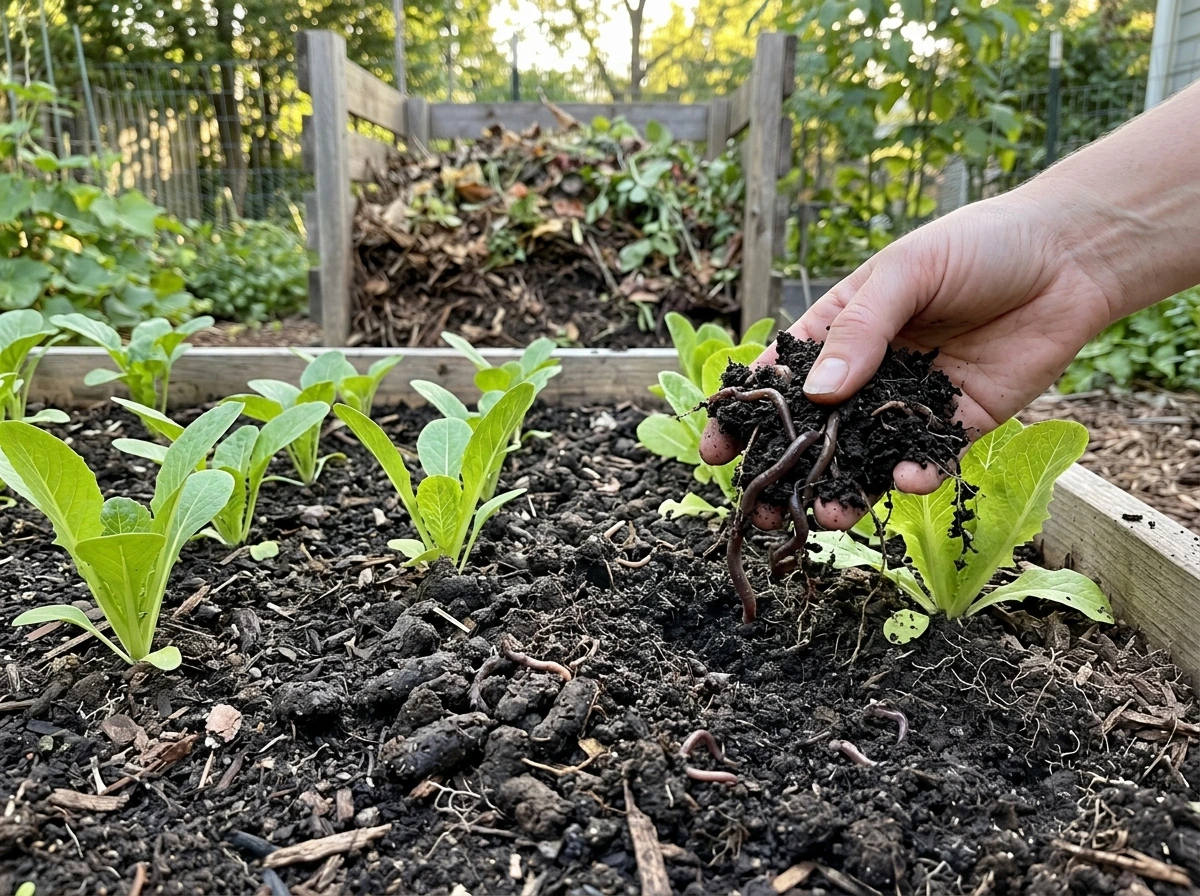
Do Worms Help Plants Grow Faster? How and When to Use Earthworms
Learn how earthworms improve soil and plant health, when growth speeds up, and how to set up worm-friendly beds fast.
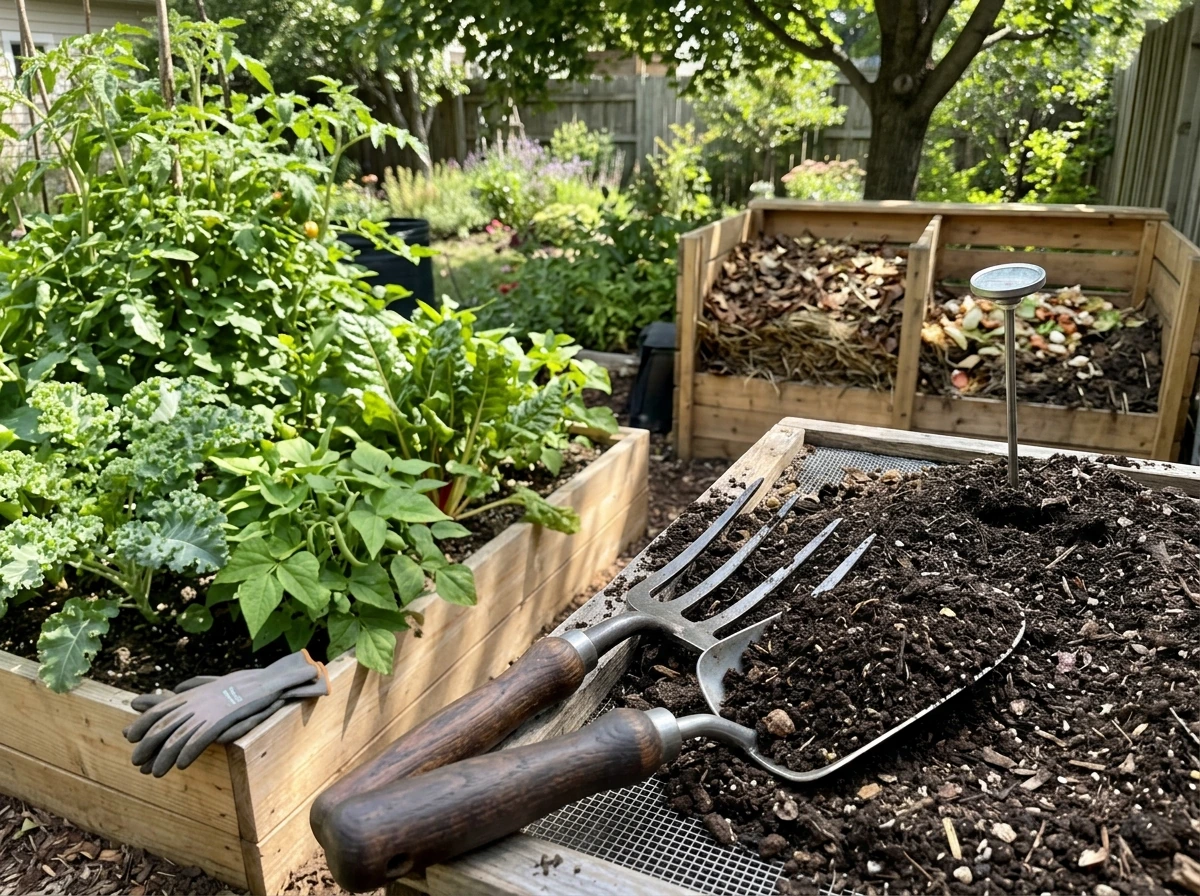
Does Poop Help Plants Grow? Safe Ways to Use Waste in Gardens
Learn if poop helps plants grow, risks of human waste, and safe composting steps plus better manure alternatives.