Yes, algae-based products can genuinely help plants grow, but the answer depends almost entirely on what form of algae you're using and how you're using it. Processed seaweed and kelp extracts, algae powders, and composted macroalgae have real science behind them. WSU (Linda Chalker-Scott) provides a research review on kelp and seaweed products marketed to gardeners as biostimulants, fertilizers, soil conditioners, disease suppressants, and stress reducers, with a focus on effectiveness in home gardens and landscape contexts. The green scum floating on your fish tank or backyard pond? That's a different story, and it can actually cause problems if you apply it carelessly.
Does Algae Help Plants Grow? When It Works and When It Hurts

Marcus Holloway
24 May 2026

Algae vs seaweed vs algae extract: what you're actually dealing with
These terms get lumped together constantly, and that's where most of the confusion starts. Let me break down what each one actually is, because they do not behave the same way in your garden.
- Algae (general): A huge, diverse group of photosynthetic organisms that includes everything from single-celled pond scum to large marine kelp forests. When most people say 'algae,' they're thinking of the green film on their potting mix or pond water.
- Seaweed/macroalgae: Large, multicellular algae (like kelp and Ascophyllum nodosum) harvested from the ocean. These are the source of almost all legitimate commercial gardening products.
- Seaweed/kelp extract: A processed, concentrated liquid or powder made by extracting compounds from seaweed. This is the category with the most research support for plant growth benefits.
- Algae powder: Dried and ground algae (sometimes freshwater microalgae like Spirulina or Chlorella, sometimes macroalgae). Nutrient content and quality vary widely.
- Composted macroalgae: Seaweed that has been composted as a soil amendment. Can work well but raises contamination concerns with some sources.
- DIY algae water/tea: Pond water, aquarium water, or homemade algae brew applied to plants. This is the wildcard, with the most risk and least predictable results.
There's also a real buyer-beware issue in this category. Research has flagged that some products sold as 'seaweed biostimulants' contain only a tiny fraction of actual seaweed-derived compounds and are mostly synthetic mineral nutrients and chemicals. If you're paying for seaweed benefits, check the label carefully and look for products that specify their seaweed species (Ascophyllum nodosum is the most studied) and active compounds like alginic acid, mannitol, or cytokinin content.
How algae-based products actually help your plants
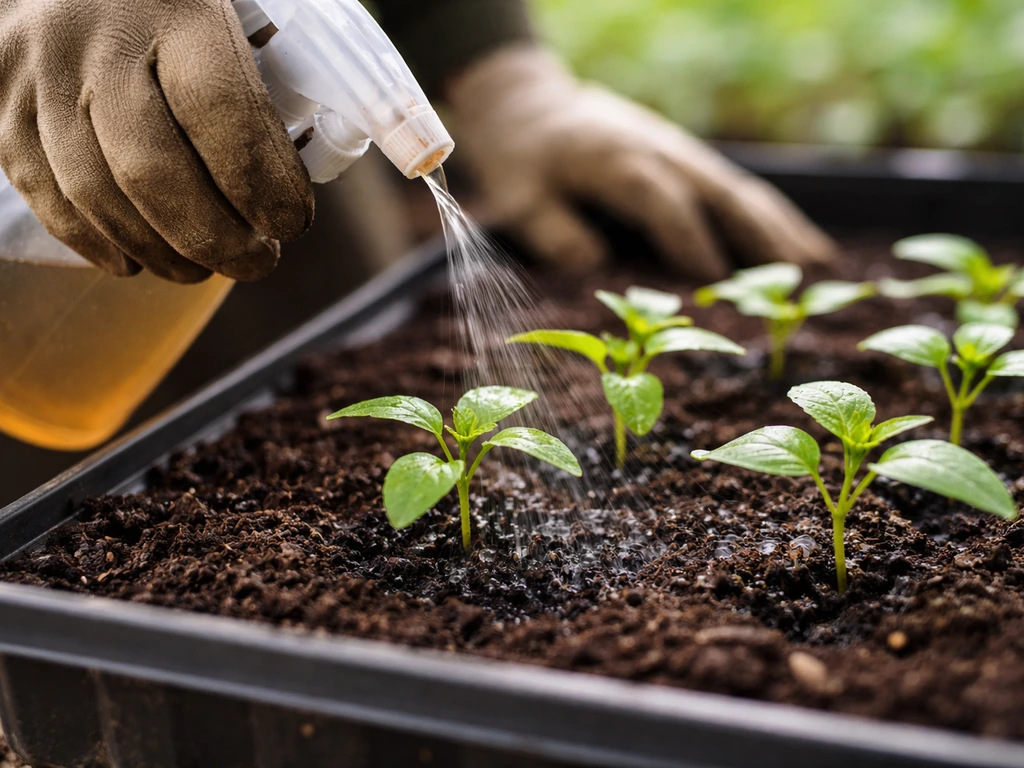
When it works, it works through several different mechanisms at once, which is actually what makes seaweed extract genuinely interesting compared to a lot of other garden amendments. It's not just a nutrient hit.
Biostimulants and plant hormones
Seaweed extracts contain small amounts of plant growth regulators, including auxins and cytokinins, that influence how plants develop roots, shoots, and stress responses. One well-studied product made from Ascophyllum nodosum was found to contain alginic acid at around 18.9%, mannitol at 4%, and cytokinin at 200 ppm. Research has linked seaweed extract applications to increased chlorophyll content and improved rooting architecture. These aren't fertilizer effects in the traditional sense. They're more like signals that encourage the plant's own systems to perform better.
Nutrients and trace elements
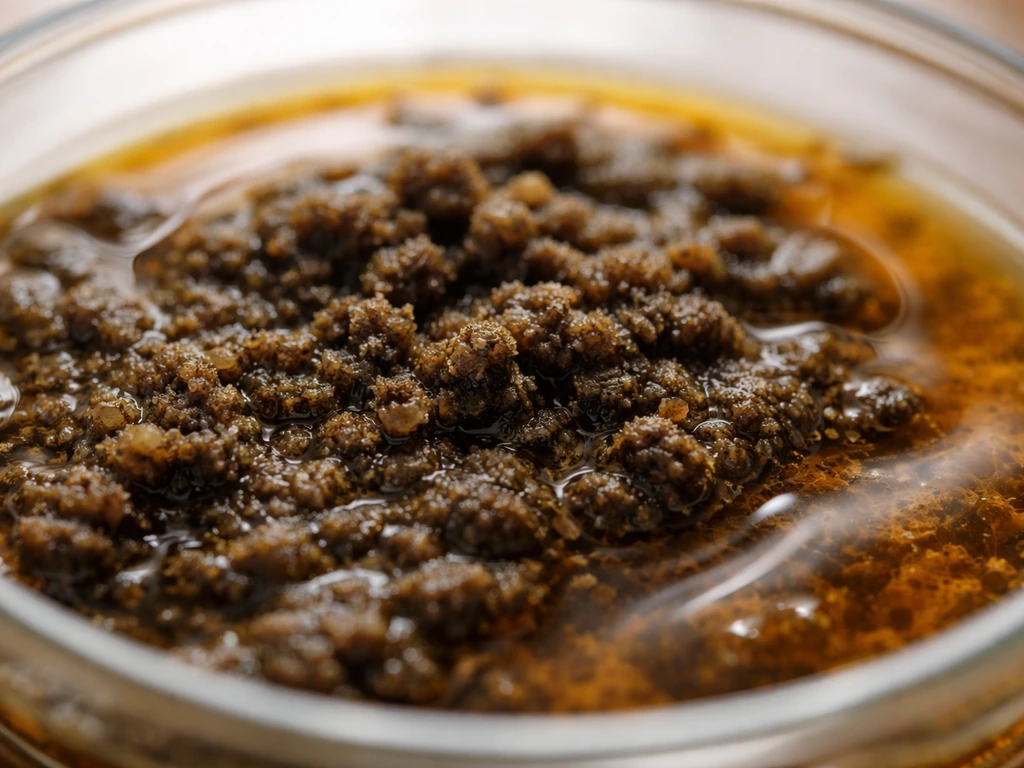
Seaweed extracts also contain minerals and trace elements, betaines, proline, polyuronides like alginates and fucoidans, and various lipid-based molecules. These contribute modest nutritional value but shouldn't be counted on as your primary fertilizer source. Think of them as a micronutrient supplement, not a replacement for a balanced feeding program.
Soil biology and stress tolerance
One of the more compelling angles in recent research is that seaweed extracts can alter the microbial communities in both the root zone (rhizosphere) and on leaf surfaces (phyllosphere). This shift in soil biology is one plausible reason why treated plants often show better stress tolerance under drought or heat. The composted forms add organic matter directly, improving water retention, aeration, and soil structure in the way that Colorado State Extension would describe as genuinely beneficial soil amendment function.
When algae hurts instead of helps
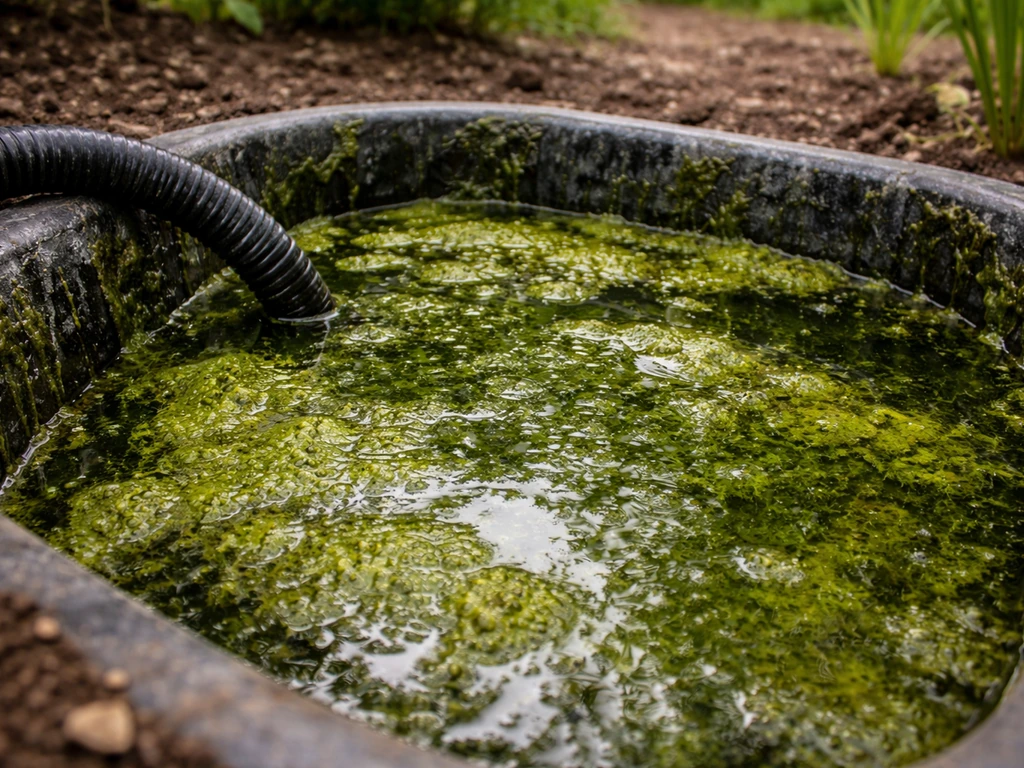
This is the part that gets skipped in a lot of garden content, so I want to be direct about it. There are real ways algae can go wrong.
- Algae blooms in water features or irrigation systems: When algae proliferate in your irrigation water or pond, they compete for dissolved oxygen. OSU Extension frames algae in greenhouse settings specifically as a management and competition problem, not a benefit.
- Surface algae crust on potting mix: A green film on the top of your potting soil looks benign but can reduce gas exchange and water infiltration over time. It's a signal your growing conditions are too wet or too bright in the wrong spectrum.
- Salt loading from seaweed products: Some seaweed-derived products, especially lower-quality ones or those applied at excessive rates, can add soluble salts to your soil. Rutgers NJAES research links elevated electrical conductivity from excess salts to root injury and plant stunting. If you're already growing in a salty or compacted environment, this risk is amplified.
- Contamination in wild or DIY sources: Seaweed harvested from coastal areas can accumulate heavy metals including arsenic, cadmium, lead, and mercury, as well as microplastics and pathogens. NOAA, EFSA, and EPA-referenced research all flag this as a real concern, particularly for composted macroalgae used directly on food crops.
- Spurious commercial products: As mentioned above, some 'algae' products are mostly synthetic nutrients with a seaweed marketing wrapper. They may work, but not for the reasons you think, and they may carry unexpected salt or chemical loads.
How to actually use it: choosing products and applying them right
If you want to try algae-based inputs in your garden today, here's how to do it without guessing.
Choosing a product
- Look for products that name the seaweed species. Ascophyllum nodosum is the most researched. If the label is vague about species or source, that's a red flag.
- Check for OMRI listing if you're gardening organically. OMRI-listed products have been reviewed against organic standards, including limits on contaminants.
- Look for quantified active ingredients. Labels that specify alginic acid percentage, mannitol content, or cytokinin levels are more trustworthy than ones with generic claims.
- Avoid products that list a surprisingly broad range of synthetic nutrients without a clear seaweed fraction. These may be mostly mineral fertilizers with a seaweed additive.
- Liquid seaweed extracts are the most versatile for home use. Dried/powdered forms work well mixed into soil or compost.
Application methods and rates
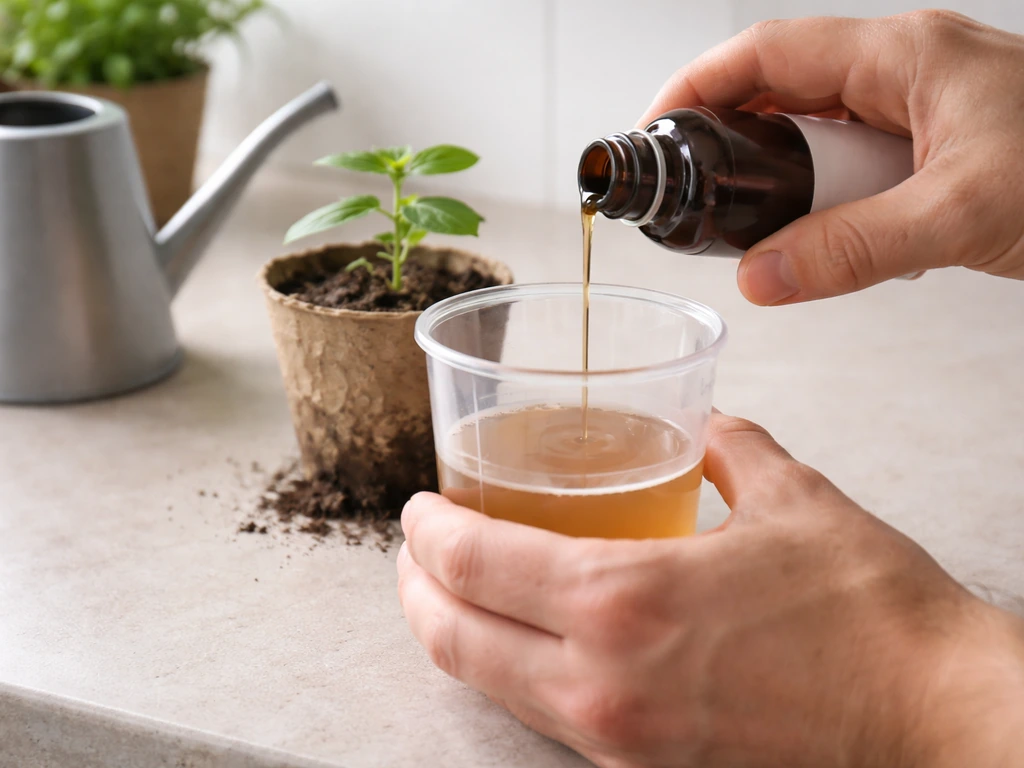
Always follow the product label first because dilution ratios vary significantly across products. One industry example for seedling and transplant production recommends 8 to 12 fl. oz. per 100 gallons of water applied weekly. Foliar applications often use much higher dilutions, sometimes 1:1500 to 1:2000. These are not interchangeable across products. If you over-apply, you risk salt stress rather than a growth benefit. Start at the lower end of the recommended range, especially on seedlings or stressed plants.
| Application Method | How to Do It | Best For |
|---|---|---|
| Soil drench | Dilute per label, water in at the root zone | Established plants, seedlings, transplants |
| Foliar spray | Dilute at 1:1500 to 1:2000 (check label), spray leaves to runoff in morning | Stressed plants, cuttings, boosting uptake quickly |
| Compost mix | Blend dried seaweed or composted macroalgae into compost at 5 to 10% by volume | Soil improvement, new beds |
| Transplant dip | Dip bare roots in diluted liquid seaweed extract before planting | Cuttings, bare-root transplants |
Where algae-based products make the biggest difference
Seaweed extract is not a miracle fertilizer that transforms average plants into spectacular ones. But in specific situations, it genuinely earns its place. Here's where I'd prioritize it:
- Seedlings and young transplants: The biostimulant compounds, especially cytokinins and auxins, support root development and establishment. This is where research shows the clearest benefit in root mass and adventitious rooting.
- Cuttings and propagation: A diluted seaweed extract dip or drench for cuttings can improve rooting rates, particularly for species that root reluctantly.
- Plants under heat, drought, or transplant stress: The stress-tolerance mechanisms are reasonably well-supported. If you're dealing with a heat wave or moving plants between environments, a foliar seaweed spray can help buffer the stress response.
- Sandy or degraded soils: Composted or dried seaweed adds organic matter that genuinely improves soil structure in poor substrates. This is a slow build rather than an instant fix.
- Established nutrient programs: Think of seaweed extract as a complement to, not a replacement for, a solid fertilization schedule. Plants that are already getting adequate NPK and micronutrients are in the best position to respond to the biostimulant compounds.
One honest note from WSU Extension: variations in plant genetics, soil conditions, and environmental factors are often larger determinants of plant health than seaweed extract applications alone. If your plants are struggling due to poor light, waterlogged soil, or a serious nutrient deficiency, seaweed extract won't fix that. It works best when the foundational conditions are already reasonable.
DIY algae water and tea: how to do it safely (and when to skip it)
This is the part where I'd normally tell you to just buy a reputable product, and honestly, for most home gardeners that's still my recommendation. But if you want to experiment with homemade algae tea or use aquarium/pond water on your plants, here's how to reduce the risk.
Aquarium water
Fresh aquarium water from a healthy, established tank is the safest DIY option. It contains dissolved nutrients (nitrates, phosphates, trace minerals) from fish waste and algae metabolism. It won't contain the same biostimulant compounds as a seaweed extract, but it's a free, mild fertilizer. Use it as a regular water replacement for potted plants or garden beds. Don't use water from tanks treated with copper-based medications, as copper is toxic to plants at elevated levels.
Pond water and collected algae
This is where I'd urge caution. Pond water from urban or agricultural runoff areas can carry herbicides, heavy metals, and pathogens. Even relatively clean ponds can harbor algae species that produce toxins (cyanobacteria/blue-green algae are a common culprit). If you collect algae from open water and brew it into a tea, you genuinely don't know what you're putting on your plants or potentially into edible crops. Cornell CALS guidance recommends using water of potable quality when making any biological tea for plant use. If your water source isn't drinkable, it's not a good base for a plant tea either.
If you make an algae or compost tea
- Start with potable water or clean rainwater collected in a sanitary container.
- If you're adding collected algae, use only algae from clean, known water sources with no chemical runoff or algal bloom activity.
- Aerate the brew if steeping for more than a few hours. Oregon State Extension notes that aeration shifts microbial communities toward oxygen-tolerant organisms, which reduces the risk of anaerobic pathogen growth.
- Use within 24 to 48 hours. Stale tea can develop anaerobic bacteria.
- Do not apply to edible crops close to harvest. University of Arizona Extension explicitly raises pathogen concerns with compost teas applied to food crops.
- Watch for odor. A strong sulfur or rotten smell means the brew has gone anaerobic. Discard it.
When to skip the DIY route entirely
If you're growing food crops, have children or pets who contact the garden, or you can't identify your algae or water source with confidence, skip homemade algae preparations and use a commercially processed, OMRI-listed seaweed extract instead. OMRI’s Products List is a publicly accessible certification list of organic-compliant inputs, which makes it useful as a quality or eligibility check when choosing seaweed or kelp-derived products OMRI-listed seaweed extract. The processing steps used in reputable products reduce contamination risks that raw algae doesn't address.
How to tell if it's working (or causing problems)
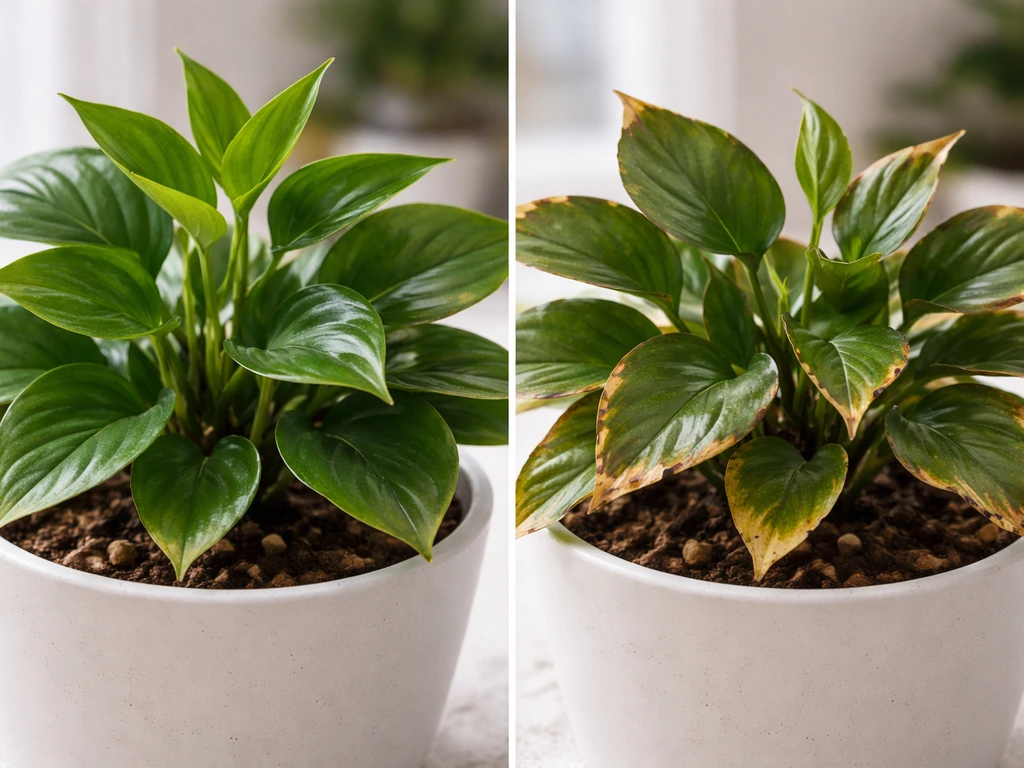
Give a seaweed extract treatment three to four weeks before evaluating. What you're looking for in a positive response: stronger root development when repotting, darker green foliage, better recovery after transplant or heat stress, and improved growth rate in seedlings. These changes are real but subtle. You won't see a dramatic transformation overnight.
Signs that something is going wrong: leaf tip burn or marginal scorch (often a salt issue, reduce rate or frequency), yellowing that worsens after application (check if you're overwatering alongside the treatment), or white crusty deposits on soil surface (salt accumulation, flush the soil and reduce product concentration). If you're seeing these, dial back the application rate significantly before abandoning the product altogether.
It's also worth putting algae-based inputs in honest perspective alongside the factors that matter more: light intensity and spectrum, consistent watering, soil structure, and a balanced nutrient program. Seaweed extract is a useful addition to a well-run garden, not a substitute for getting those fundamentals right. You might also wonder, do pennies help plants grow, and whether that folk practice has any real benefit. Other soil amendments like cardboard or compost might make a bigger difference to soil health than algae alone, depending on what your soil actually needs. In many cases, does cardboard help plants grow is more about improving soil conditions like structure and moisture retention than directly feeding plants. Algae earns its place as part of a thoughtful approach, not as a standalone fix. If you are wondering whether aluminum foil helps plants grow, it is generally not a reliable biostimulant for healthy growth.
FAQ
How should I use seaweed extract if I already have a fertilizer program? (Do I replace or supplement?)
For most garden products, you should treat it like a biostimulant, not a fertilizer replacement. If your plant is showing a true nutrient deficiency, first address the limiting macronutrient or micronutrient, then use seaweed extract as a supplemental support. A practical approach is to keep your regular feeding schedule and adjust seaweed dosing downward so salts from micronutrients and other ingredients do not stack up.
What do leaf tip burn and marginal scorch usually mean, and what should I change first?
Yes, leaf burn is often caused by over-concentration or too-frequent foliar spraying. Apply during cooler parts of the day (morning or evening), start at the lowest labeled rate, and avoid spraying right before heat spikes. If you see scorch at the leaf margins, reduce the next application rate and increase the interval rather than switching products immediately.
When is seaweed extract most likely to work, and when is it a waste of money?
You generally get more benefit when plants are under mild-to-moderate stress or during active growth, not when they are already severely declining. If the soil is waterlogged, the light is extremely low, or the plant is missing a key nutrient, the biostimulant signals will not overcome the primary problem. Think of algae inputs as “help recovery” rather than “fix root causes.”
Can I swap dilution rates between different algae products or between foliar and soil applications?
Stick to the label’s dilutions and application frequency, because products differ in potency and formulation. If the label doesn’t clearly specify your use case (seedlings vs mature plants, foliar vs soil drench), do not assume foliar and soil ratios are interchangeable. When in doubt, use the lower end of the range and re-evaluate after 3 to 4 weeks.
What should I do if I see white crusty deposits on the soil after using algae or seaweed extract?
If the soil develops a white crust, that is usually salt accumulation from repeated applications or from mineral-heavy formulas. The fix is to flush with plain water, reduce the concentration and frequency, and stop foliar spraying if salts are transferring from leaf residue. Re-test by watching new growth for 2 to 3 weeks before resuming at a lower dose.
Is homemade algae tea safe to use on vegetables or herbs?
An “algae tea” is not guaranteed safe for food crops because raw ingredients can carry contaminants (toxins, pathogens, or unwanted chemicals) and the biology can change during brewing. If you are growing edible plants, kids or pets contact the area, or you cannot confirm the exact algae and water source, use a commercially processed product with clear safety labeling instead of DIY brews.
Can I water plants with aquarium water, and what tank conditions should I avoid?
Copper-based medications in aquarium water are the big red flag because copper can accumulate and injure plants. If you are using tank water as a mild nutrient source, only use from a healthy, established tank that has not been treated with copper compounds. When you are unsure of treatments, it is better to avoid it.
Does algae help with seed starting and transplanting, or is it only for established plants?
You can, but it is usually most useful as a gentle recovery and root support tool early in propagation or after transplanting. If you already have strong starter nutrients, use algae extract at a reduced rate to avoid salt buildup. For seedlings, start low and watch for slow growth turning into yellowing or edge burn before increasing anything.
How does algae affect soil biology, and what application style tends to work best for that goal?
Yes, algae products can influence root and leaf microbial communities, but results vary by soil type, existing microbes, and how often you disturb the soil. If you are trying to improve soil biology, composted macroalgae and organic-matter-building amendments tend to complement that goal better than repeated high-rate foliar applications. Pair algae with good soil structure practices rather than expecting microbes to fix other issues.
Next Articles

Does Aluminum Foil Help Plants Grow? What Works and What Doesn’t
Find out if aluminum foil boosts plant growth or just placebo, plus safe ways to try it and better alternatives.

Do Pennies Help Plants Grow? What Copper Coins Can and Can’t Do
Myth-bust whether buried pennies help plants, explain copper needs, risks, and offer safe alternatives for micronutrient
How Do Microorganisms Help Plants Grow: Practical Guide
Learn how microbes in the rhizosphere fix nitrogen, boost phosphorus, aid roots, suppress disease, and how to grow them.