Microorganisms help plants grow by fixing atmospheric nitrogen into a usable form, unlocking phosphorus that was previously locked in the soil, breaking down organic matter into nutrients plants can absorb, and extending root reach through fungal networks that cover far more ground than roots alone ever could. They also prime plant immune systems, suppress disease-causing pathogens, and build the soil structure that holds water and air where roots need them. In short, the soil microbiome is not a nice-to-have bonus for your garden, it is the engine behind most of what keeps plants fed and healthy.
How Do Microorganisms Help Plants Grow: Practical Guide

Marcus Holloway
17 Jun 2026
How plant–microbe partnerships actually work (the rhizosphere explained)
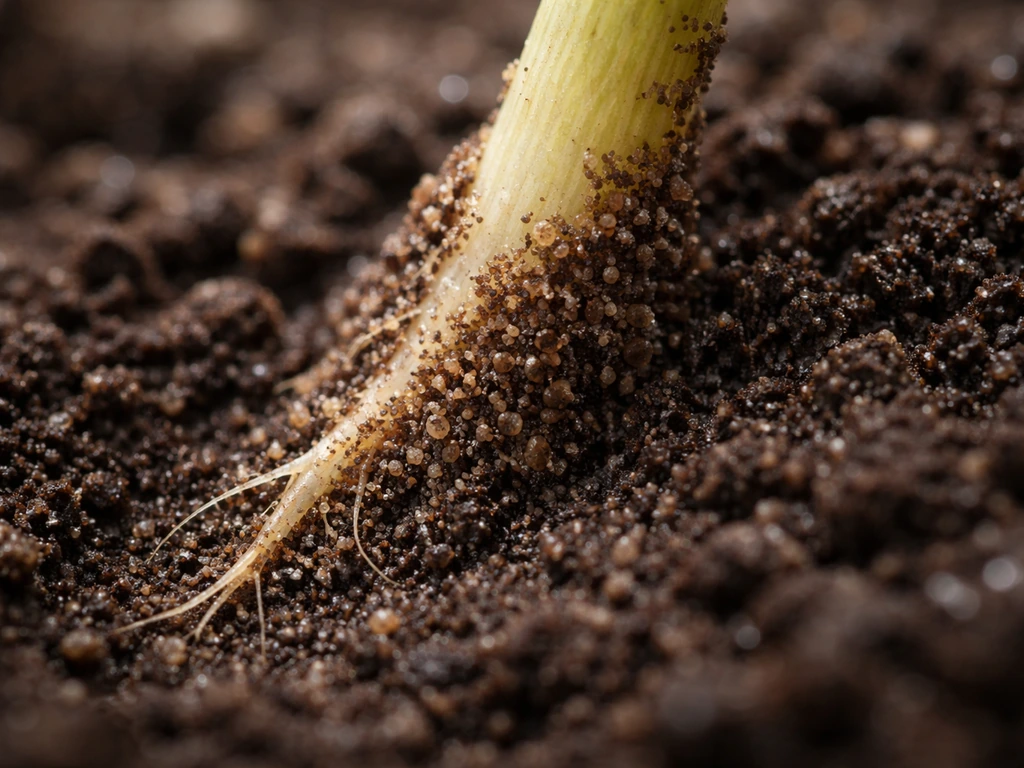
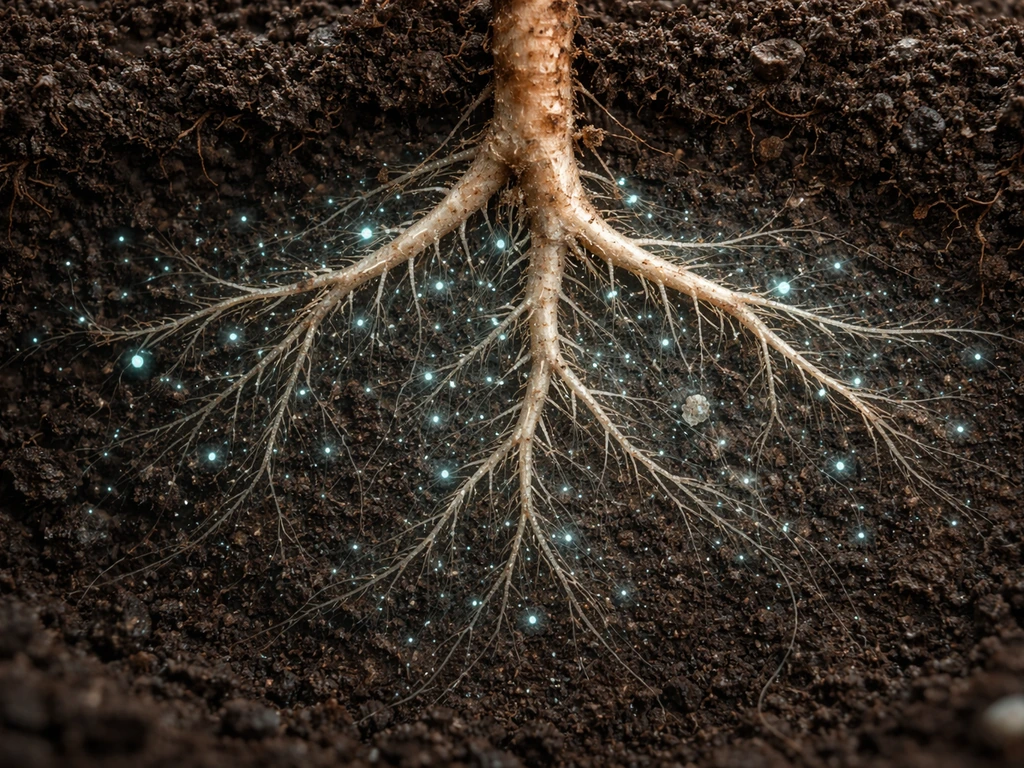
The rhizosphere is the thin band of soil immediately surrounding and influenced by plant roots, typically extending just 1 to 10 millimeters out from the root surface. That sounds tiny, but what happens in that zone is enormous. Roots actively leak a cocktail of sugars, amino acids, organic acids, and signaling compounds called root exudates. Those exudates are basically a recruitment signal, plants are feeding the microbes they want nearby, and microbial populations in the rhizosphere can be 10 to 100 times denser than in bulk soil further away.
Plants don't just passively sit there while microbes show up. They alter local soil pH, change oxygen availability, and shift the chemical environment in ways that favor specific microbial communities. The result is that each plant species (and even each plant variety) shapes its own customized microbial neighborhood. The broader soil acts as a kind of seed bank of microorganisms, and the plant recruits what it needs from that bank, or at least tries to, depending on what's actually living there. If your soil is depleted or repeatedly disturbed, that seed bank shrinks, and plants have fewer good partners to draw from.
The relationship is bidirectional. Microbes take carbon from root exudates and give back transformed nutrients, protective compounds, and structural benefits. Sharp chemical gradients can form in the rhizosphere within days of root growth, meaning this partnership is dynamic and constantly shifting as the plant grows.
Beneficial soil bacteria: nitrogen, phosphorus, and disease resistance
Two of the most practical things bacteria do for plants are fixing nitrogen and unlocking phosphorus, and both of those address the two nutrients gardeners spend the most money trying to supply through fertilizer.
Nitrogen fixation
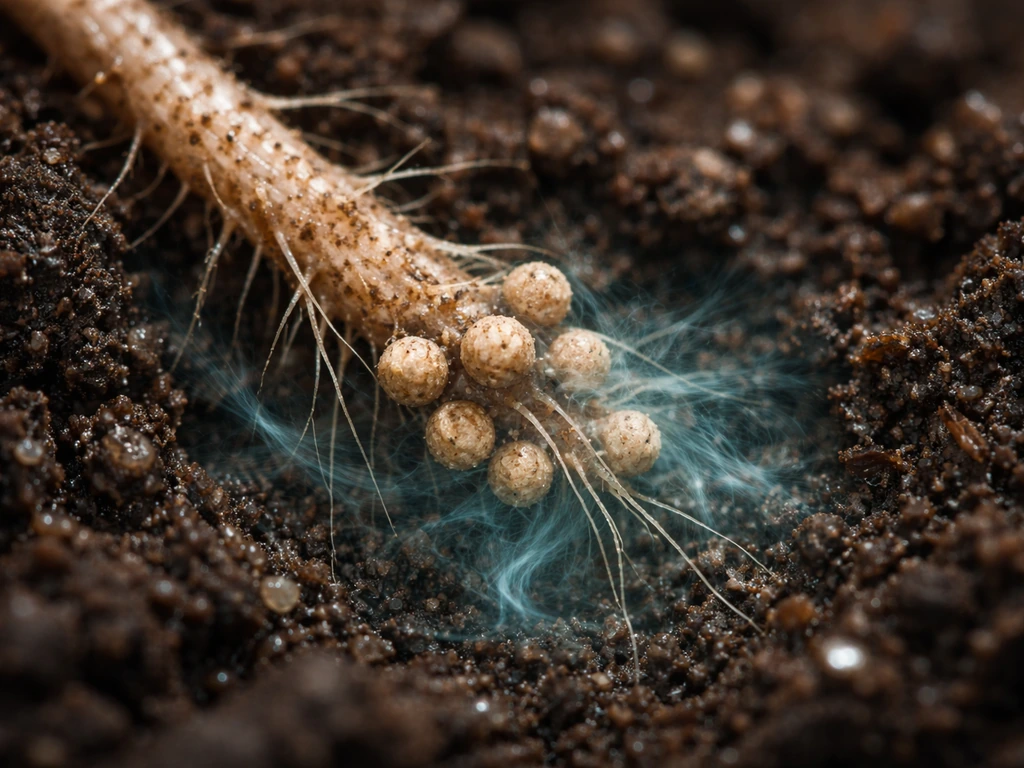
Nitrogen makes up about 78% of the air we breathe, but plants can't use it in that gaseous form. Certain bacteria, called diazotrophs, carry an enzyme called nitrogenase that converts atmospheric nitrogen (N2) into ammonia (NH3), which plants can actually absorb. Some of these bacteria work in tight symbiotic relationships inside root nodules on legumes, that's why peas, beans, and clover are classic cover crops for improving soil. Others, like Azospirillum and Azotobacter, are free-living in the rhizosphere and fix nitrogen without forming nodules, though generally at lower rates. Either way, biological nitrogen fixation is one of the most valuable free services in your garden.
Phosphorus solubilization
Phosphorus is almost never truly absent from soil, it's usually just locked up in insoluble chemical forms that roots can't access directly. Phosphate-solubilizing bacteria (and fungi) change that by producing organic acids that acidify the immediate soil environment, chelate the metal ions that phosphorus is bound to, and release enzymes like phosphatase that break down organic phosphorus compounds. Fungi can also support plants by improving nutrient access and helping roots cope with stress, which is one way to answer does fungi help plants grow. The practical upshot is that these microbes effectively expand the pool of available phosphorus for your plants without you adding any more fertilizer.
Disease suppression
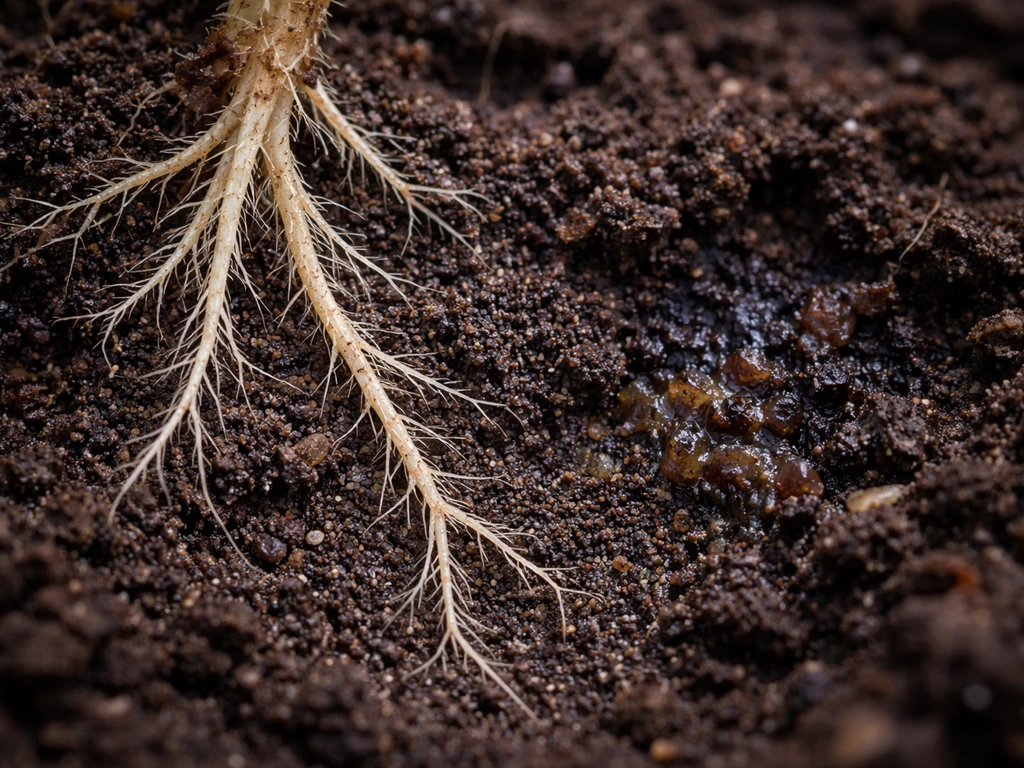
Beneficial bacteria also compete with and suppress plant pathogens. This is what researchers call disease-suppressive soil, soil where microbial communities produce antibiotics, compete for space and nutrients, or even parasitize pathogens directly. Soils with diverse, active microbial communities tend to suppress fungal root diseases, damping-off, and bacterial wilts more effectively than sterile or depleted soils. When you hear about certain garden beds that just seem to 'stay healthy,' this is often why.
Mycorrhizal fungi: the underground network that feeds and protects roots
Mycorrhizal fungi form associations with the roots of roughly 80 to 90% of all land plant species, which tells you how fundamental this partnership is. The two main types gardeners deal with are arbuscular mycorrhizal fungi (AMF), which grow inside root cells and associate with most vegetables, herbs, and ornamentals, and ectomycorrhizal fungi, which form a sheath around roots and are more relevant for trees like oaks, pines, and beeches.
The fungal hyphae extend far beyond where roots can reach, dramatically increasing the plant's effective absorptive surface area. Mycorrhizal fungi are one of the clearest examples of this help, improving nutrient uptake and supporting root health so your orchid can grow stronger. For phosphorus specifically, hyphae can grow across the phosphorus-depleted zones that naturally form around roots and into undepleted soil further away, maintaining phosphorus flow even when conditions make diffusion slow. This matters even more under drought, when dry soil pores block phosphorus movement entirely. The hyphae can cross air-filled pore spaces that roots cannot traverse.
Drought tolerance is another real benefit. AMF colonization has been linked to improved water uptake and reduced water stress through several mechanisms including better soil structure from the sticky protein glomalin (produced by AM fungi), which helps bind soil particles into aggregates that hold moisture. Plants colonized by mycorrhizal fungi often survive dry spells that stress uncolonized plants visibly.
One important caveat: high phosphorus in your soil can suppress mycorrhizal colonization. When plants sense plenty of available phosphorus, they reduce investment in the fungal partnership. This is one reason that heavy phosphorus fertilization can actually undermine your soil biology, the plant turns down its most effective long-term nutrient partner because it doesn't need it in the short term.
Microbes that break down organic matter: compost, decomposition, and the soil food web
Decomposition is where a huge portion of garden nutrition actually comes from. Fallen leaves, dead roots, compost, and organic mulch don't just disappear, they are processed by a structured succession of organisms. Soil fauna like earthworms, beetles, and millipedes physically shred material into smaller pieces, increasing surface area. Fungi and bacteria then break down complex compounds including cellulose, lignin, and proteins into simpler molecules that plants can use.
Fungi tend to lead the early stages of decomposing tough, carbon-rich materials like wood chips or straw. Actinobacteria take over for particularly resistant compounds. Other bacterial groups cycle through as chemistry changes. What you end up with, finished compost or well-decomposed organic matter, is a stabilized, humus-rich material full of slow-release nutrients and still teeming with living microorganisms.
This entire system is the soil food web. Plants sit at the foundation by providing carbon through photosynthesis and root exudates. Microbes transform nutrients. Predators like nematodes and protozoa eat bacteria and fungi, cycling nutrients back into plant-available forms as they excrete waste. The more diverse and active this web is, the more self-sufficient your garden becomes. Healthy soil food webs can reduce how much you need to fertilize, water, and intervene.
How to encourage beneficial microorganisms in your garden starting today
You don't need expensive products to build microbial life. Most of the best things you can do are subtractive (stop doing things that harm microbes) or simple additions of organic matter. Here are the most impactful steps:
- Add compost. A 1-inch layer of finished compost worked into the top few inches annually feeds soil life, improves structure, and introduces diverse microorganisms directly. This is the single most consistently effective practice for building soil biology.
- Mulch your beds. Organic mulch (wood chips, straw, shredded leaves) insulates soil temperature, retains moisture, and feeds decomposers as it breaks down. Penn State Extension describes mulch as one of the key practices for maintaining a diverse living community of beneficial soil microorganisms.
- Stop tilling more than you have to. Every time you turn soil, you shred fungal networks, disrupt bacterial microhabitats, and expose organic matter to rapid oxidation. If you're starting a new bed, the cardboard-and-compost method (lay cardboard, top with several inches of compost) lets microbes do the work while preserving soil structure underneath.
- Water deeply and less frequently. Soggy, waterlogged soil favors anaerobic bacteria and pathogens. Dry, cracked soil kills beneficial organisms. Consistent moderate moisture — soaking to depth and then letting the top inch dry before watering again — supports a healthy aerobic microbial community.
- Plant cover crops or include diversity. Different plant roots feed different microbial communities. A diverse planting, including legumes for nitrogen fixation, maintains a richer rhizosphere microbial seed bank.
- Test your soil. You can't manage what you can't measure. A basic soil test through your local extension service costs very little and tells you pH, phosphorus, potassium, and texture — the foundation for making smart amendments rather than guessing.
What to avoid: common mistakes and 'microbe' myths
A lot of gardening folklore has grown up around soil microbes, and some of it can actually do more harm than good. Let's cut through the most common ones.
Myth: one magic microbial product will fix everything
Microbial inoculant products (packaged bacteria or fungi you add to soil or seeds) are real, but their effectiveness is far more conditional than marketing suggests. Inoculants can fail if the organisms don't survive long enough in storage, if the existing indigenous microbial community is already well-established and outcompetes newcomers, or if soil conditions (temperature, pH, moisture) don't support the inoculant strains. Research on wheat, for example, found that microbial inoculants produced variable outcomes that depended heavily on conditions. Inoculants are most justified when you're working with sterile or fumigated soil, adding legumes to soil where rhizobia have never been established, or transplanting into completely new growing media.
Myth: more phosphorus fertilizer means better mycorrhizal growth
As mentioned above, the opposite is true. blank" rel="noopener noreferrer">High soil phosphorus suppresses mycorrhizal colonization. If you're routinely applying high-phosphorus fertilizers and then wondering why adding mycorrhizal inoculants doesn't seem to help, that's probably why. Get a soil test before fertilizing. Soil testing through your county extension office helps you determine your soil pH and also consider sample depth and what soil limitations may be affecting drought stress and nutrient efficiency blank" rel="noopener noreferrer">Get a soil test before fertilizing..
Myth: tilling is harmless or even helpful for soil life
Tilling destroys fungal networks that took months or years to build, and accelerates the breakdown of soil organic matter without the benefit of slow nutrient cycling. It compacts soil at the tillage layer over time and reduces the air and water pore structure that microbes and roots depend on. The evidence for minimizing disturbance is strong.
Not all microorganisms are beneficial, some cause real harm
Pythium, Fusarium, Rhizoctonia, and other pathogenic fungi and bacteria cause damping-off, root rots, wilts, and blights. Conditions that favor these include waterlogged soil, poorly aerated growing media, high humidity with poor air circulation, and soil that's been sterilized or fumigated (which wipes out beneficial competitors alongside pathogens, leaving an open playing field for whoever arrives first). Broad-spectrum fungicides applied as soil drenches can damage mycorrhizal infectivity, and fumigation kills beneficial microbes alongside pathogens. Use targeted treatments only when you have a confirmed diagnosis, not as a precaution.
Troubleshooting and choosing the right inputs
If your plants are struggling, here's how to think through what's going on and what to reach for:
| Problem | Likely Microbial/Soil Factor | Best Next Step |
|---|---|---|
| Yellowing leaves, stunted growth despite watering | Nitrogen deficiency or low microbial activity converting organic N | Soil test first; add compost; consider legume cover crop or rhizobial inoculant if planting legumes |
| Poor growth despite adding fertilizer | Low microbial activity, wrong pH blocking nutrient uptake, or compaction limiting root/microbe function | Test soil pH and adjust; reduce tillage; add compost to improve structure and biology |
| Wilting even when soil is moist, in drought conditions | Low mycorrhizal colonization or poor soil structure limiting water uptake | Reduce phosphorus inputs; use mycorrhizal inoculant only if soil is truly deficient in fungi; mulch to conserve moisture |
| Transplant shock and slow establishment | Roots disturbed, rhizosphere microbiome disrupted, mycorrhizal networks broken | Inoculate roots at transplant time with mycorrhizal product; water well but don't saturate; mulch immediately |
| Recurring root rot or damping-off | Pathogenic fungi/bacteria favored by wet conditions or low competition | Improve drainage; avoid overwatering; add compost to restore competitive microbial communities; avoid broad-spectrum soil drenches |
| Soil feels hard, compacted, won't drain well | Low soil organic matter, disrupted soil food web, few macropore-building organisms | Stop tilling; apply compost; add organic mulch; use a broadfork rather than rototiller to aerate without destroying structure |
When to use microbial inoculants and how to use them right
If you do decide to use a microbial inoculant, a few practices make or break the result. For rhizobial (legume) inoculants, store the product in the refrigerator (never freeze it), inoculate seeds just before planting, and get those seeds in the ground quickly because the bacteria start dying as soon as the seeds dry out. For mycorrhizal inoculants, apply directly to roots at transplant time or mix into the planting hole so spores contact roots immediately. Check the expiration date on any product, viability declines in storage, and an expired product adds nothing. And don't pair inoculants with fungicide seed treatments or high-phosphorus starter fertilizers that will suppress colonization right from the start.
The broader point is that inoculants work best as supplements to good soil management, not replacements for it. If your soil is genuinely alive, fed with compost, minimally disturbed, kept consistently moist, and not hammered with synthetic inputs, your plants will recruit what they need from the existing microbial community. Building that community through organic matter and reduced disturbance is the most reliable long-term strategy, and the research consistently supports it over any single purchased product.
It's also worth noting that bacteria and fungi don't operate in isolation. The relationship between specific bacteria helping plants grow, the role of fungi including mycorrhizal networks, and even lesser-discussed players like yeast in the soil ecosystem are all part of the same interconnected system. Pulling on one thread, say, understanding how bacteria fix nitrogen, eventually leads you to see how the whole web works together. The more you understand each piece, the better equipped you are to actually read what your garden is telling you and respond with something that will help.
FAQ
Can I just add microbial inoculants and skip fertilizer or compost?
Yes, but it depends on the microbe type and soil context. For legumes, rhizobia inside root nodules can drive nitrogen gains, so inoculation is most relevant when the field has never grown that legume or the soil was fumigated. For general garden crops, most benefits come from existing communities plus conditions that let them thrive (organic matter, low disturbance), so “adding microbes” is usually a supplement, not a substitute.
How can I tell if soil microbes are actually helping my plants?
A good first sign is that plants show steadier growth with fewer disease symptoms over multiple seasons, not just a short-lived boost. Also look for indirect evidence of biology, like improved soil aggregation (crumbly texture), faster infiltration after watering, and more earthworm activity. If you only see changes for a few weeks and soil structure does not improve, the inoculant alone is probably not doing the heavy lifting.
Is high phosphorus always bad for plants, and how does it change mycorrhizal benefits?
Avoid high-phosphorus “starter” products if you want mycorrhizae to establish, since abundant available phosphorus can reduce plant investment in the fungal partnership. If you need to raise phosphorus for a genuine deficiency, use a soil test to guide the lowest effective rate, and consider timing (apply away from transplanting if possible) so roots have a chance to form associations.
What watering mistakes interfere with microorganisms helping plants grow?
Microbes differ in what they prefer, but water management is consistently important. Waterlogged, poorly aerated beds suppress beneficial fungi and favor damping-off organisms, even if you added “good” microbes. Aim for consistently moist but not soggy conditions, and improve drainage if you repeatedly get anaerobic zones.
Do stressful conditions (heat, drought, transplant shock) reduce microbial benefits?
Plant exudates are influenced by plant stress and root activity. Heavy transplant shock, extreme heat, or drought can reduce the carbon “fuel” microbes depend on, making partnerships weaker. Support roots early by avoiding transplanting into very dry or very hot conditions, keeping moisture stable, and limiting fertilizer salts that can harm roots.
What happens if I fumigate or sterilize soil to fix plant disease?
Sterilizing soil removes the competitive edge that beneficial communities provide, so pathogens can rebound quickly after. If you are treating disease, prioritize targeted, diagnosis-driven interventions rather than blanket sterilization, and then rebuild biology with organic matter and reduced disturbance rather than relying only on quick inoculation.
Is yeast in soil actually useful for plant growth, or is it just “extra” microbe diversity?
Yeast can be part of the soil ecosystem and can contribute under the right conditions, but it is not a direct substitute for nitrogen fixers or mycorrhizae. Think of it as one participant in the broader microbial web, so your best outcomes still come from building diverse, active soil communities through organic matter and stable growing conditions.
Can I use fungicides and still expect mycorrhizal fungi or beneficial bacteria to work?
Don’t. Broad-spectrum fungicide drenches can reduce mycorrhizal infectivity and damage beneficial microbial competitors. If disease pressure is high, use targeted treatments only after confirming the likely cause, and follow up with soil-building practices to restore biology rather than repeated preventative drenches.
Why do inoculants sometimes “fail” even when I follow the directions?
Yes, but interpretation matters. If you inoculate into already established, living soil, newcomers may not persist, though you may still see benefits from improved conditions rather than from the added organisms themselves. Inoculants are most justified for sterile or fumigated mixes, new beds with little background biology, or when adding legumes/rhizobia where they have never been established.
Should I do a soil test before trying to improve soil microbiology?
A soil test can guide whether nitrogen, phosphorus, or potassium is limiting, and it can also reveal issues like very high phosphorus that would block mycorrhizal colonization. If you see nutrient excess, adjusting inputs often beats buying products. Use the test to set priorities, then build soil biology with compost and reduced disturbance.
Next Articles
How Does Yeast Help Plants Grow? Safe, Practical Guide
Learn how yeast boosts plant growth via soil microbes, safe dilution and timing, plus myths, limits, and troubleshooting
Do Mushrooms Help Plants Grow? Science and How to Use
Science-backed answer on whether mushrooms help plants grow, plus how to use mycorrhiza, compost, and test results.
Does Fungi Help Plants Grow? How to Boost Health and Size
Yes. Learn how mycorrhizal fungi boost plant size and health by improving nutrients, drought tolerance, and resilience,