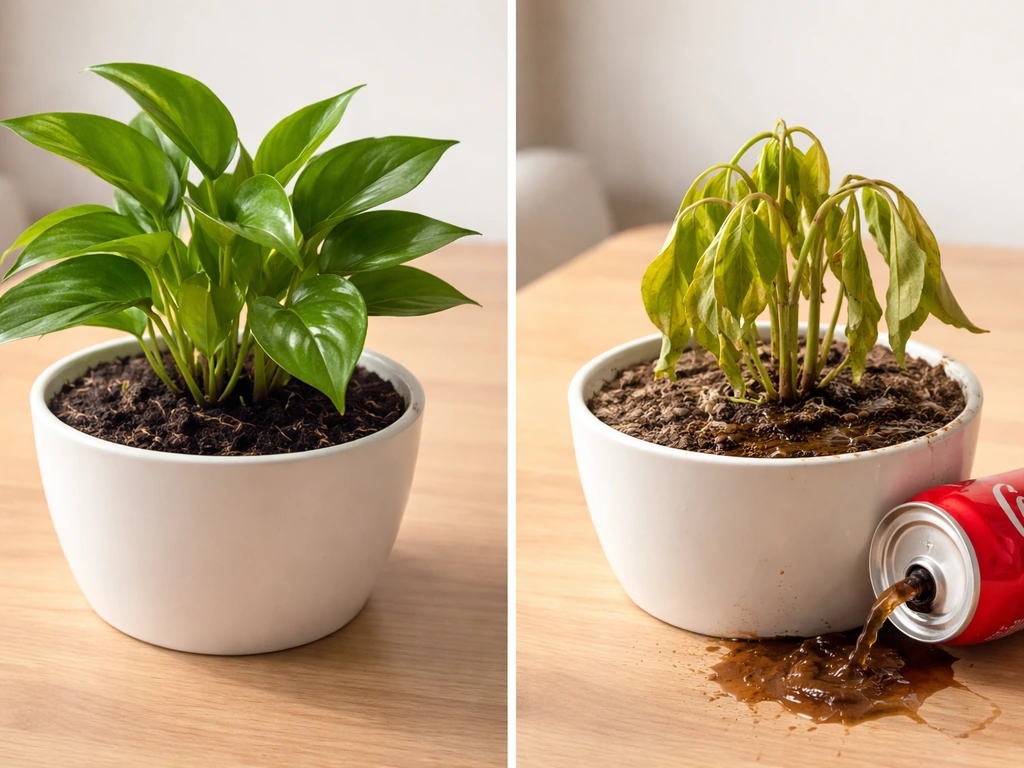
Coca-Cola does not help plants grow. Pouring it on your soil or roots is far more likely to damage or kill your plant than give it a boost. The sugar, acidity, and additives in Coke create conditions that stress roots, disrupt soil biology, and can shift your soil's pH in ways that block nutrient uptake. There is no credible botanical reason to use it as a fertilizer, growth hack, or plant tonic.
Does Coca-Cola Help Plants Grow? The Truth and Fixes

Marcus Holloway
6 May 2026
What's actually in Coca-Cola and why that matters to plants
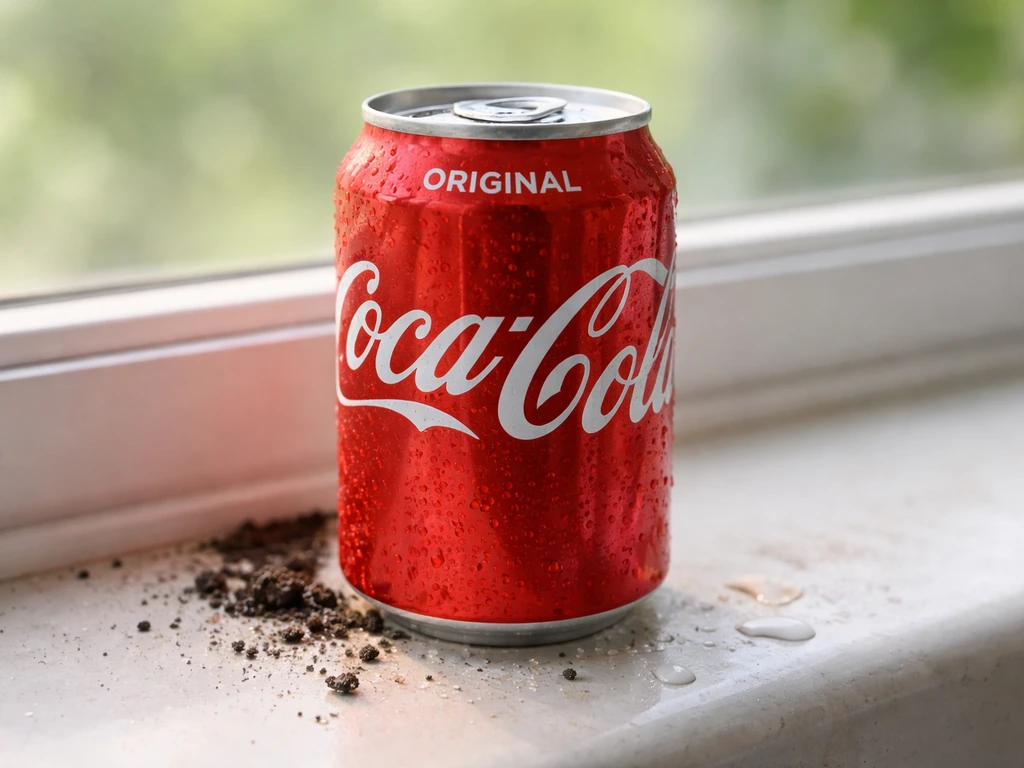
Before you pour anything on your plants, it helps to know exactly what you're dealing with. A standard 12 oz can of Coca-Cola Original contains carbonated water, cane sugar (39 grams of it), caramel color, phosphoric acid, natural flavors, and caffeine. That's it. There's no nitrogen, no potassium, no calcium, no magnesium, and no meaningful phosphorus in a plant-usable form. Basically nothing a plant actually needs.
Each of those ingredients interacts with soil and plant biology in its own way, and not one of them is genuinely beneficial at the concentrations found in a soda can. The carbonation gives off CO2 when the liquid is poured out, but any CO2 benefit to plants happens through leaves and air, not through roots. The phosphoric acid drops the liquid's pH to around 2. 5 to 3.
5, which is extremely acidic. And 39 grams of sugar in roughly 355 ml of liquid is a dense syrup compared to what soil microbes and roots are equipped to handle. Diet versions like Coca-Cola Zero Sugar swap sugar for aspartame, acesulfame potassium, and potassium benzoate, which removes the sugar problem but adds synthetic compounds whose long-term soil effects aren't well studied or desirable.
The direct answer: soda won't help, and here's the science behind that
Plants take up water through osmosis: water moves from an area of low solute concentration (the soil) into root cells where solute concentration is higher. When you drench soil with a high-sugar liquid, you flip that gradient. The soil water becomes more concentrated than the water inside root cells, and instead of absorbing water, roots actually lose it to the surrounding soil. This is osmotic stress, and it looks exactly like drought stress: wilting, leaf curl, and brown edges, even when the soil feels wet. That alone is enough reason to avoid it.
Beyond the roots, that 39 grams of sugar becomes a feast for soil microbes. Bacteria and fungi bloom rapidly when given a sugar source, and that microbial surge consumes oxygen in the root zone and competes directly with plant roots for nitrogen and other nutrients. You end up with a temporarily over-active microbial community that effectively strips the soil of the resources your plant was relying on. The plant doesn't get stronger from this; it gets weaker.
The phosphoric acid compounds things further. Most garden plants prefer a soil pH between 6. 0 and 7. 0.
A few drops of acidic soda won't dramatically shift a well-buffered soil, but regular or heavy application absolutely can, and even a modest drop toward pH 4 or 5 starts locking out nutrients like calcium, magnesium, and phosphorus, making them chemically unavailable even if they're physically present in the soil. Soil pH controls nutrient availability by affecting the chemical forms nutrients take in soil soil pH affects nutrient availability by changing the chemical forms of nutrients.
Caffeine, at higher doses, has been shown in research settings to inhibit seed germination and suppress root growth in several plant species, so that ingredient isn't benign either.
The specific risks: a closer look at sugar, acidity, carbonation, and additives
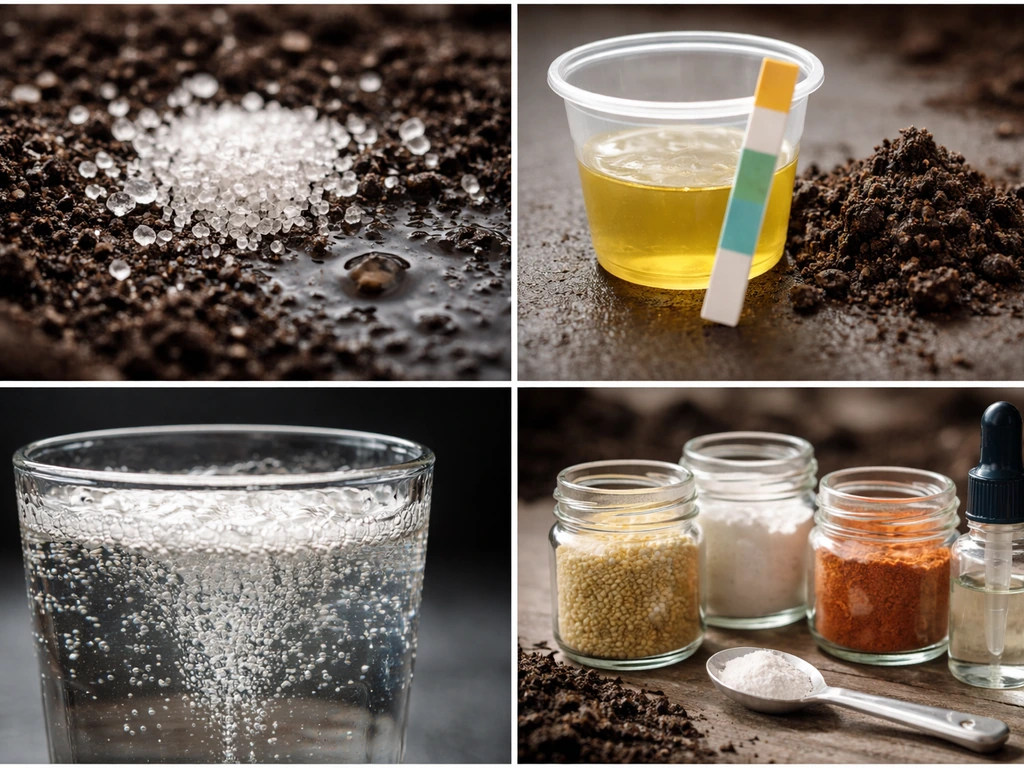
| Ingredient | What it does in soil | Risk level |
|---|---|---|
| Sugar (39g per can) | Feeds microbial blooms, causes osmotic stress on roots | High |
| Phosphoric acid (pH ~2.5-3.5) | Acidifies soil, can lock out calcium, magnesium, and phosphorus | High |
| Caffeine | Inhibits germination and root growth at sufficient concentrations | Moderate |
| Caramel color / natural flavors | No known plant benefit; introduces unnecessary compounds | Low to moderate |
| Carbonation (CO2) | Dissipates immediately on contact with soil; no root benefit | Negligible |
| Aspartame / acesulfame K (diet versions) | Unknown long-term soil effects; no plant nutrition value | Low to unknown |
The carbonation angle is worth addressing specifically because it's the most common justification people give for trying soda on plants. It's true that CO2 is essential for photosynthesis, and plants grown in CO2-enriched environments do grow faster. But plants absorb CO2 through tiny pores in their leaves called stomata, not through their roots. Pouring carbonated water into soil releases the CO2 into the air immediately and achieves nothing measurable for the plant.
If you're interested in the CO2 and plant growth connection, that's genuinely fascinating science, but it operates at the atmospheric level, not the watering-can level. It's worth noting that carbon dioxide can boost plant growth under controlled, higher-CO2 conditions, but that is different from adding CO2 by watering with soda does carbon dioxide help plants grow.
Why some people swear it worked
Every now and then someone posts about their tomato plant doing great after they poured leftover Coke on it. Here's what I think is actually happening in those cases. First, plants are resilient and often improve for unrelated reasons: better weather, a recent watering, slightly more sunlight as the season changes.
If someone pours Coke on a droopy plant and then that plant perks up over the next few days, the Coke gets the credit when in reality the plant was just responding to consistent watering or warmer temperatures. Second, a very diluted, one-time application to a large plant with healthy, well-buffered soil may not cause visible harm at all, and 'no visible harm' gets misread as 'it helped.
' Third, if the regular soil or water in that garden was already slightly deficient in something, and the tiny trace minerals in Coke happened to nudge the balance by accident, you might see a short-term response. But that's luck, not a mechanism, and it won't be repeatable or safe.
Anecdote-driven gardening is one of the most common ways myths persist. A neighbor tries something once, it seems to work, and suddenly it's a tip passed around for decades. I've seen the same thing with everything from beer on lawns to vinegar as weed killer. The intent is usually good but the interpretation of cause and effect is off. If you want to test it scientifically, you'd need two identical plants, identical conditions, and only one variable. Almost nobody does that in their backyard.
What actually makes plants grow faster and greener
If you're trying to fix a slow or sad-looking plant, here are the levers that genuinely move the needle. Most struggling plants are held back by one or two limiting factors, and once you identify and address those, the improvement is usually fast and obvious.
- Light: This is the most overlooked factor indoors. Most houseplants need far more light than a typical room provides. If your plant is near a window but not directly in the light path, that's often the whole problem. Move it closer, or supplement with a grow light that covers the red and blue spectrum ranges plants actually use for photosynthesis.
- Watering consistency: Overwatering is more common than underwatering, especially indoors. Check soil moisture 2 inches down before watering. Roots sitting in soggy soil lose their ability to absorb oxygen and nutrients, and the plant declines slowly even though you're watering it regularly.
- Soil quality and drainage: Dense, compacted, or old potting mix that no longer drains well will suffocate roots. Repotting into fresh mix with good drainage every 1 to 2 years is often all it takes to revive a stagnant houseplant.
- Correct fertilizer: A balanced NPK fertilizer (like a 10-10-10 or 20-20-20 diluted to half strength) gives plants actual nitrogen for leaf growth, phosphorus for roots and flowering, and potassium for overall health. This is the nutritional version of what people are hoping Coke does, but it actually works.
- Soil pH: Most nutrients become unavailable outside the 6.0 to 7.0 range. A simple pH test kit from any garden center tells you where you stand in five minutes. If pH is off, amending with lime (to raise) or sulfur (to lower) is cheap and effective.
- Temperature and humidity: Many tropical houseplants slow way down in dry indoor air below 40% relative humidity. A small humidifier or pebble tray with water can make a visible difference for species like pothos, peace lilies, or ferns.
It's worth noting that carbonated water, plain and unsweetened, has been looked at in a few small studies as a possible growth aid, since it does deliver a mild CO2 dose and very small amounts of minerals. Results are mixed and the effect sizes are small, but it's at least mechanistically plausible in a way that sugary soda is not. If you're curious about that specific angle, it's a separate and more interesting question from whether Coke helps. The difference between plain sparkling water and Coca-Cola is basically the 39 grams of sugar and the phosphoric acid, which are the exact things that make Coke potentially harmful.
Quick troubleshooting plan for a slow-growing plant
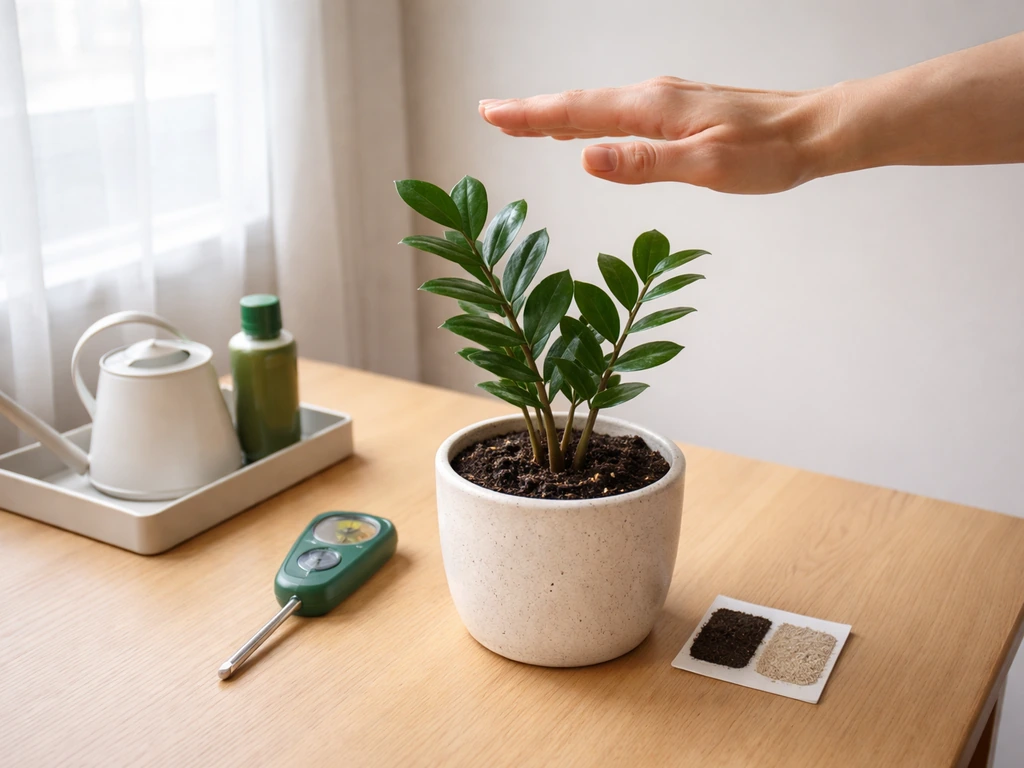
If your plant isn't thriving and you're tempted to try something unconventional, run through this checklist first. In my experience, fixing the actual limiting factor gets results within a week or two, which is faster and safer than any folk remedy.
- Check the light: Hold your hand about 12 inches above the plant in its current spot. If you see a clear, sharp shadow, the light is probably adequate. A faint or no shadow means insufficient light. Move it closer to a bright window or add a grow light.
- Check the soil moisture: Stick your finger 2 inches into the soil. If it feels wet or even cool and damp, hold off on watering. If it's dry all the way down, water thoroughly until it drains from the bottom.
- Look at the roots: If the plant is rootbound (roots circling the pot or poking out of drainage holes), repot into a container 1 to 2 inches larger with fresh mix.
- Test soil pH: Use an inexpensive soil pH meter or test strip. If you're outside the 6.0 to 7.0 range, amend accordingly before adding any fertilizer, because fertilizing at the wrong pH just wastes the product.
- Feed appropriately: If you haven't fertilized in more than two months during the growing season, apply a balanced liquid fertilizer at half the recommended rate. More is not better; over-fertilizing burns roots.
- Assess humidity and temperature: If leaves are brown at the tips and the air feels dry, boost humidity. If growth has slowed dramatically in winter, that's normal for many plants and reducing water and fertilizer until spring is the right call, not adding stimulants.
- Check for pests: Turn leaves over and look at stems for scale, spider mites, fungus gnats, or mealybugs. A pest infestation will tank a plant's health faster than almost any environmental factor, and no amount of watering or feeding will fix it until the pests are gone.
Once you've worked through that list, you'll almost certainly have found the real problem. And if you want to go deeper on any one factor, whether it's the role of CO2 in plant metabolism, how charcoal affects soil structure, or the mechanics of nutrient uptake, those subjects each have a lot more useful science behind them than anything you'd find in a soda can. If you're wondering whether charcoal helps plants grow, the key is how it changes soil structure and holds nutrients and water how charcoal affects soil structure. The short version: skip the Coke, spend five minutes on your light and watering setup, and your plant will thank you.
FAQ
Is it ever safe to water a plant with Coke if it is just a small amount or a one-time splash?
One-time, highly diluted contact may cause little visible harm, especially in a large pot with well-buffered soil. Still, even small applications can locally raise osmotic stress and feed microbes, and you cannot easily predict the impact. If you already poured it, the practical move is to stop adding soda and flush the pot with plain water to reduce sugar and acidity residues.
What if my plant is already suffering, can Coke “kick-start” it?
No. Symptoms like wilting, brown edges, and leaf curl often look like drought stress, and soda can create the same osmotic effect. If a plant is drooping, check the real causes first (soil moisture, light level, root health, drainage), because the “fix” can delay proper treatment.
Does Coca-Cola Zero Sugar help plants grow better than regular Coke?
Zero Sugar reduces the osmotic and microbe-feeding problem from sugar, but it introduces non-sugar ingredients (like artificial sweeteners and preservatives) whose long-term effects on soil biology are not clearly desirable. The acidity and phosphoric acid still remain in the same type of range that can stress roots. Plain, unsweetened options are far safer if you want any “sparkle” component.
Could the caffeine in Coke affect my plant’s growth or germination?
Potentially. Caffeine has been shown in research settings to inhibit seed germination and suppress root growth in multiple species at higher doses. In a garden, the risk depends on concentration and frequency. For seedlings and cuttings, avoid Coke completely because their roots and tissues are more sensitive.
What happens to soil after repeated Coke applications?
Repeated dosing can progressively lower pH, increase soluble sugars, and shift microbial activity toward sugar-loving organisms that compete with roots. It also increases the chance of nutrient lockout, especially for calcium and magnesium. If Coke has been used multiple times, the best corrective step is a plain-water leaching and then monitoring pH and nutrient status before doing any fertilizing.
If carbonated water might help slightly, can I use any sparkling water instead of Coke?
Plain sparkling water is much safer because it lacks sugar and the strong acids found in Coke. Even then, any growth effect is usually small and not comparable to fixing light, watering, or nutrients. Avoid any sparkling water with sweeteners, added acids, or “energy” type additives.
How can I tell if the problem is acidity or fertilizer deficiency after using Coke?
Use basic checks. Measure soil pH if you can, because a meaningful drop toward acidic levels often points to nutrient availability issues. Also look at the pattern of symptoms: widespread yellowing with slow growth can align with nutrient lockout, while droop that improves after flushing suggests osmotic stress. If you used soda recently, prioritize recovery steps (flush and pause feeding).
I poured Coke on a tomato and it improved, does that mean it worked for that plant?
It might have coincided with other changes, like better weather, improved watering consistency, or increased sunlight. Also, a single diluted event on a well-buffered, nutrient-rich setup can produce “no visible harm,” which people can misread as benefit. To treat it as evidence, you would need repeatability, which backyard anecdotes rarely provide.
What should I do instead if my plant is slow or struggling?
Start with the limiting factor checklist: verify correct light intensity, confirm drainage and not-overwatering, check soil moisture consistency, and inspect roots for rot or compaction. Then match nutrients to a real need, using a balanced fertilizer or targeted correction based on soil or tissue symptoms. In most cases, the improvement you want shows up within 1 to 2 weeks once the true constraint is fixed.
Next Articles
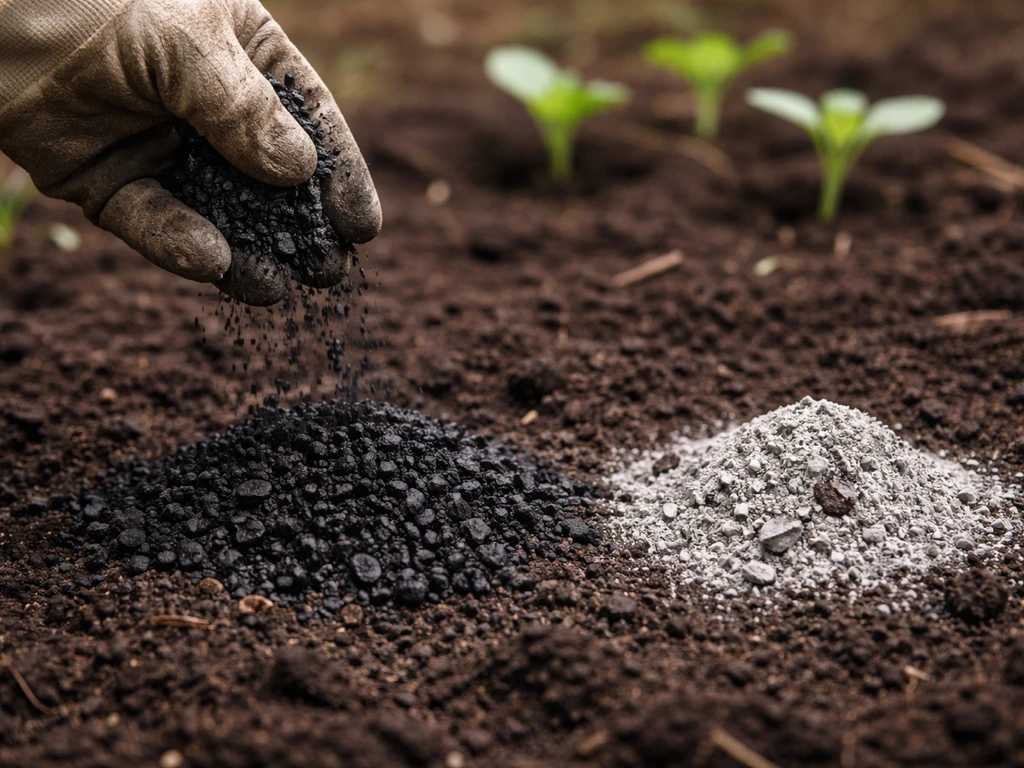
Does Charcoal Help Plants Grow? Benefits, Risks, and How to Use Charcoal Ash
Learn whether charcoal or charcoal ash boosts plant growth, how it changes soil pH and nutrients, and safe how-to dosing
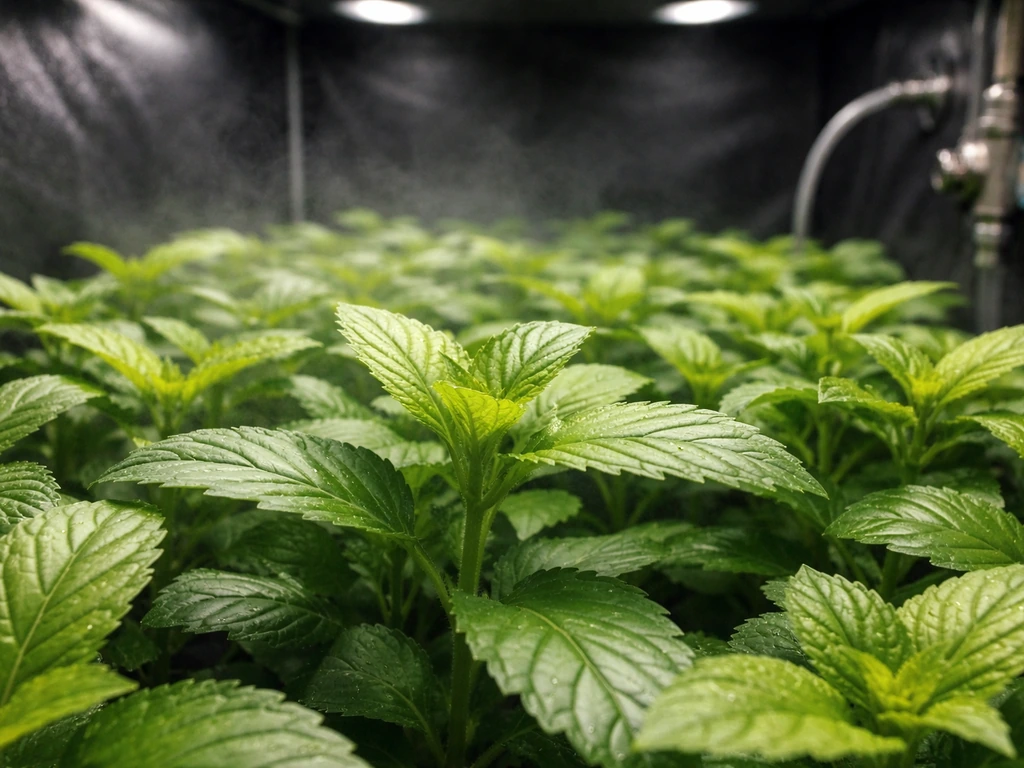
Does CO2 Help Plants Grow Faster? Practical Guide
CO2 can speed plant growth, mainly when light, temperature, and nutrients are sufficient; see when and how to use it.

Does Carbon Dioxide Help Plants Grow? What Works
Learn if extra CO2 boosts plant growth, how it works in photosynthesis, and when light, water, and nutrients limit resul