Hydrogen peroxide does not reliably make plants grow faster or bigger. What it can do is help in specific, narrow situations, mostly when you are dealing with root rot, certain fungal problems, or pathogen buildup in your water or soil. Think of it as a targeted first-aid tool, not a growth booster. If you are wondering whether wind helps plants grow, the answer is more about airflow and pollination than direct nutrient or growth boosts. If your plants are struggling because of poor light, bad soil, wrong watering habits, or nutrient deficiency, adding hydrogen peroxide to the mix will not fix any of that and could make things worse.
Does Hydrogen Peroxide Help Plants Grow? How to Use It Safely

Marcus Holloway
17 May 2026
What hydrogen peroxide actually does for plants
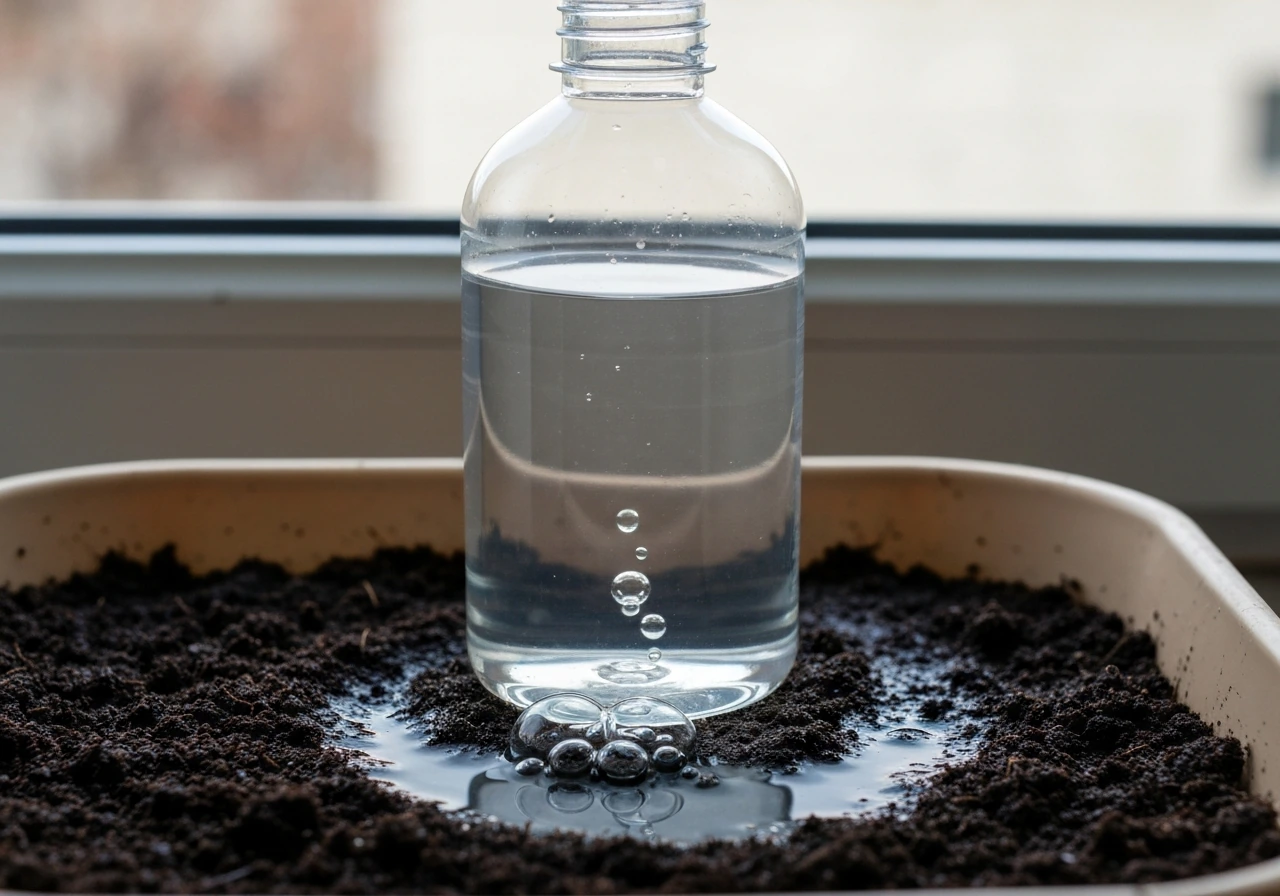
Household hydrogen peroxide is typically a 3% solution of H₂O₂ in water. When it contacts soil, roots, or leaves, it breaks down rapidly into plain water and oxygen gas. That blank" rel="noopener noreferrer">oxygen release is the core of every gardening claim made about it. Proponents argue that the extra oxygen benefits roots, especially in waterlogged or compacted soils where oxygen is depleted. In heavy clay soils, there is some real research behind this: blank" rel="noopener noreferrer">studies using 600 to 800 ppm H₂O₂ solutions added to irrigation water showed measurable changes in root-zone oxygen levels for pepper plants grown in clay-heavy lysimeters. So the mechanism is real. The question is whether it matters in your garden.
H₂O₂ is also a disinfectant. It can kill or suppress water-borne pathogens, fungal spores, and bacteria on contact. Research has looked at it for reducing Phytophthora and even for tackling powdery mildew when combined with iron in what chemists call a Fenton solution. The oxidative chemistry involved, specifically the production of reactive oxygen species, is genuinely effective at damaging pathogen cell walls. That is the second legitimate use case: sanitation, not growth promotion.
What it does not do is feed plants, improve photosynthesis, boost nutrient uptake, or trigger any growth response on its own. There is no hormone signal, no chlorophyll stimulation, no NPK contribution. If you are hoping for something that works the way fertilizer or optimized light does, peroxide is not it.
When hydrogen peroxide might actually help
There are a few specific situations where reaching for the brown bottle makes practical sense.
Root rot and overwatering damage
This is the most common legitimate use. When roots sit in waterlogged, anaerobic soil, oxygen is depleted and anaerobic pathogens thrive. A diluted peroxide drench can do two things at once: deliver a short burst of oxygen to the root zone and kill some of the bacteria and fungi causing rot. It is not a cure on its own, you still have to fix your drainage and watering schedule, but as part of an intervention it can help stop the damage from spreading while you address the root cause (literally).
Damp-off in seedlings
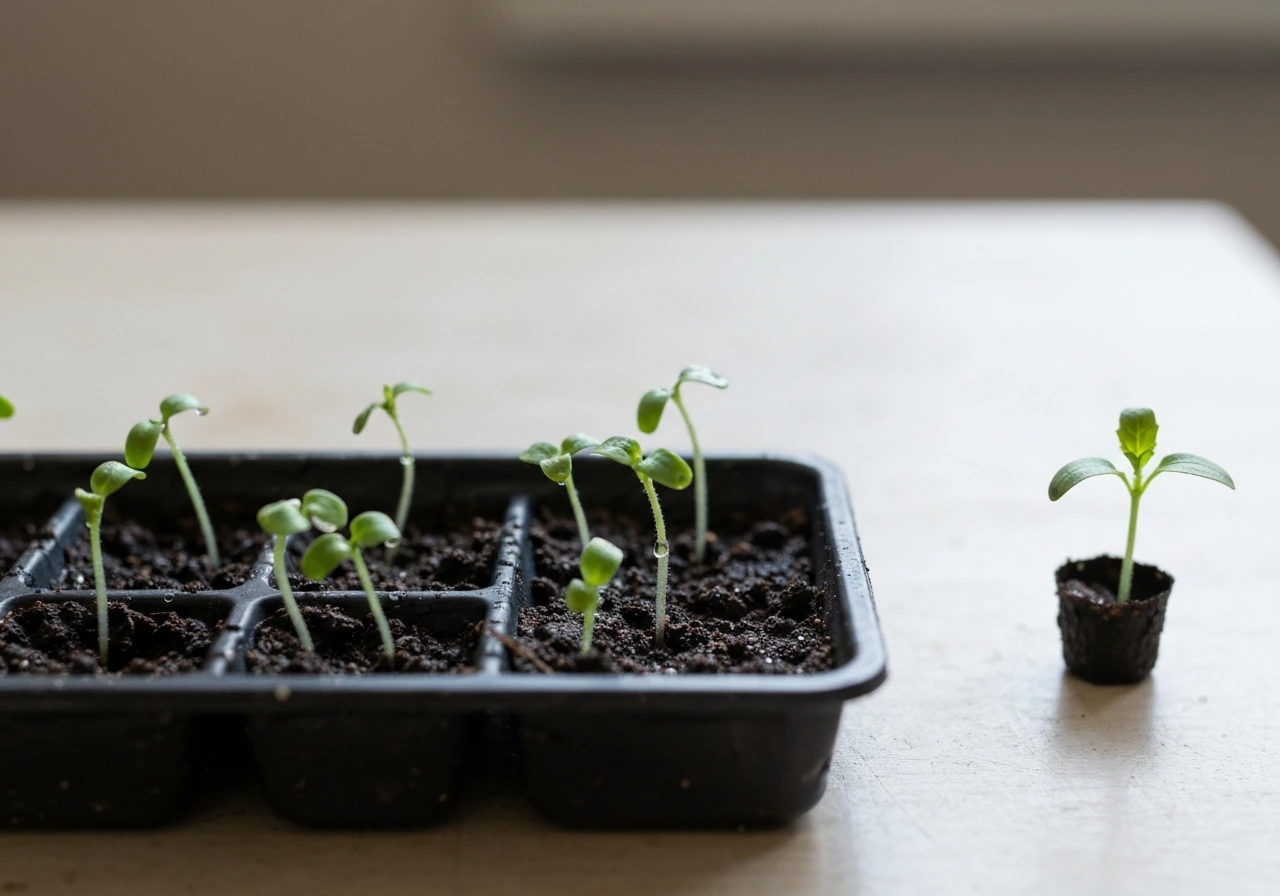
Damping-off is caused by fungal pathogens like Pythium and Fusarium that thrive in wet, poorly ventilated seed trays. A light peroxide drench at germination or just after can reduce the fungal load in the growing medium. This is one area where gardeners regularly report solid results, though keeping the surface drier and improving air circulation will do more in the long run.
Algae and biofilm in pots and reservoirs
If you are growing hydroponically or in containers that develop green algae or slimy biofilm, peroxide is an effective sanitizer. It breaks down without leaving residues, which is one reason it is used in some commercial irrigation systems. For this specific problem it works well.
Certain foliar fungal issues
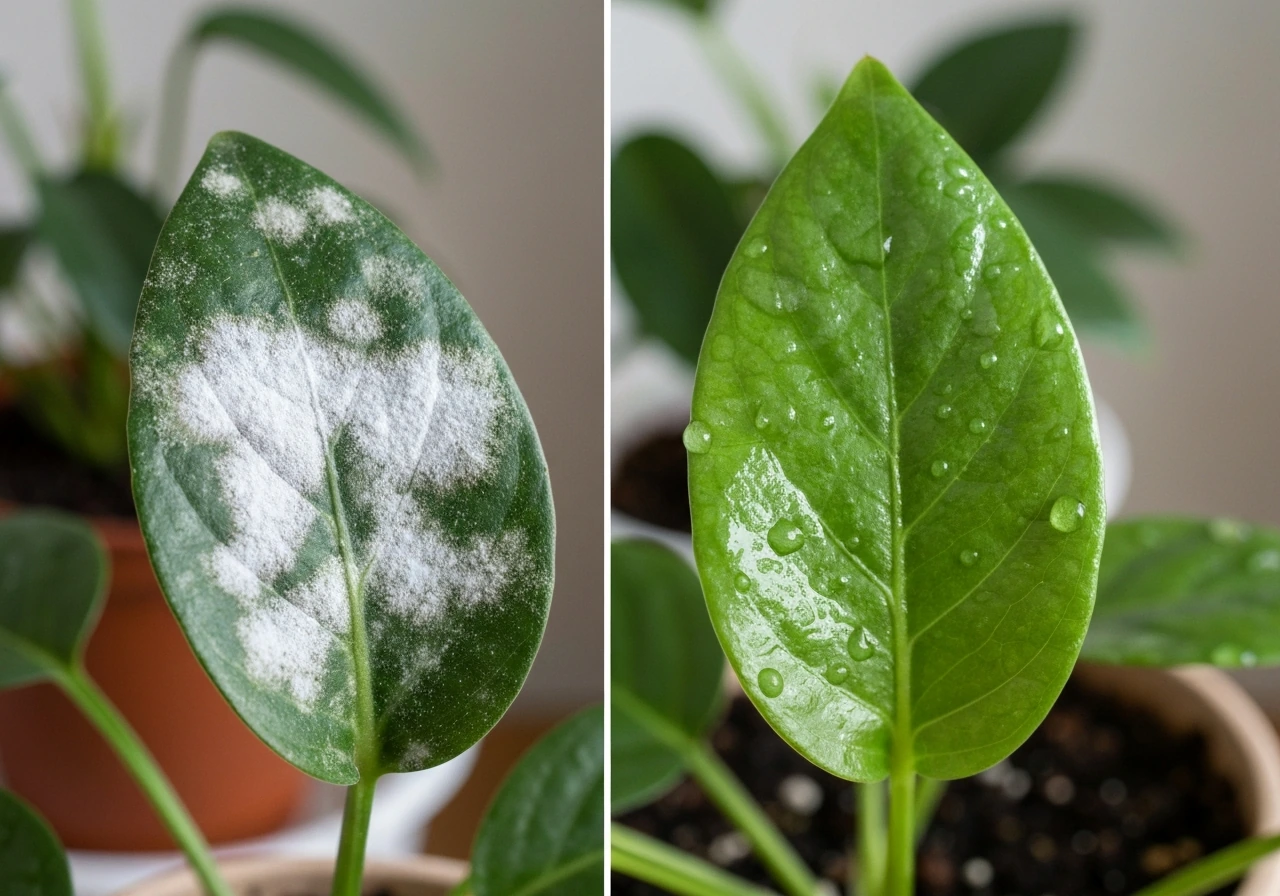
Powdery mildew is the classic example. A very dilute peroxide foliar spray can disrupt mildew colonies on leaf surfaces. Research into Fenton-based foliar sprays shows the oxidative mechanism genuinely damages fungal cells. Standard 3% peroxide diluted heavily in water (more on exact ratios below) applied to visible mildew patches can arrest spread, though neem oil or potassium bicarbonate tend to be more effective and gentler on foliage.
When it won't do anything for growth
If your plant is healthy but just not thriving the way you hoped, hydrogen peroxide is not going to change that. Slow or stunted growth almost always comes down to light intensity and spectrum, nutrient availability, soil structure, or water management. These are the levers that actually drive plant development. Photosynthesis is the engine of all plant growth, and peroxide has no effect on that process. Similarly, if a plant is yellowing because of iron deficiency or nitrogen deficiency, adding peroxide to the soil can actually make nutrient availability worse by disrupting the microbial communities that help convert organic matter into plant-usable forms.
I have seen the claim circulate that watering with diluted peroxide every week will make plants grow faster or produce more. There is no credible evidence for this. What you are likely doing in that scenario is regularly stressing your beneficial soil biology for no return. Save the peroxide for when you have a specific problem it is suited for.
How to use it safely: dilutions, methods, and timing
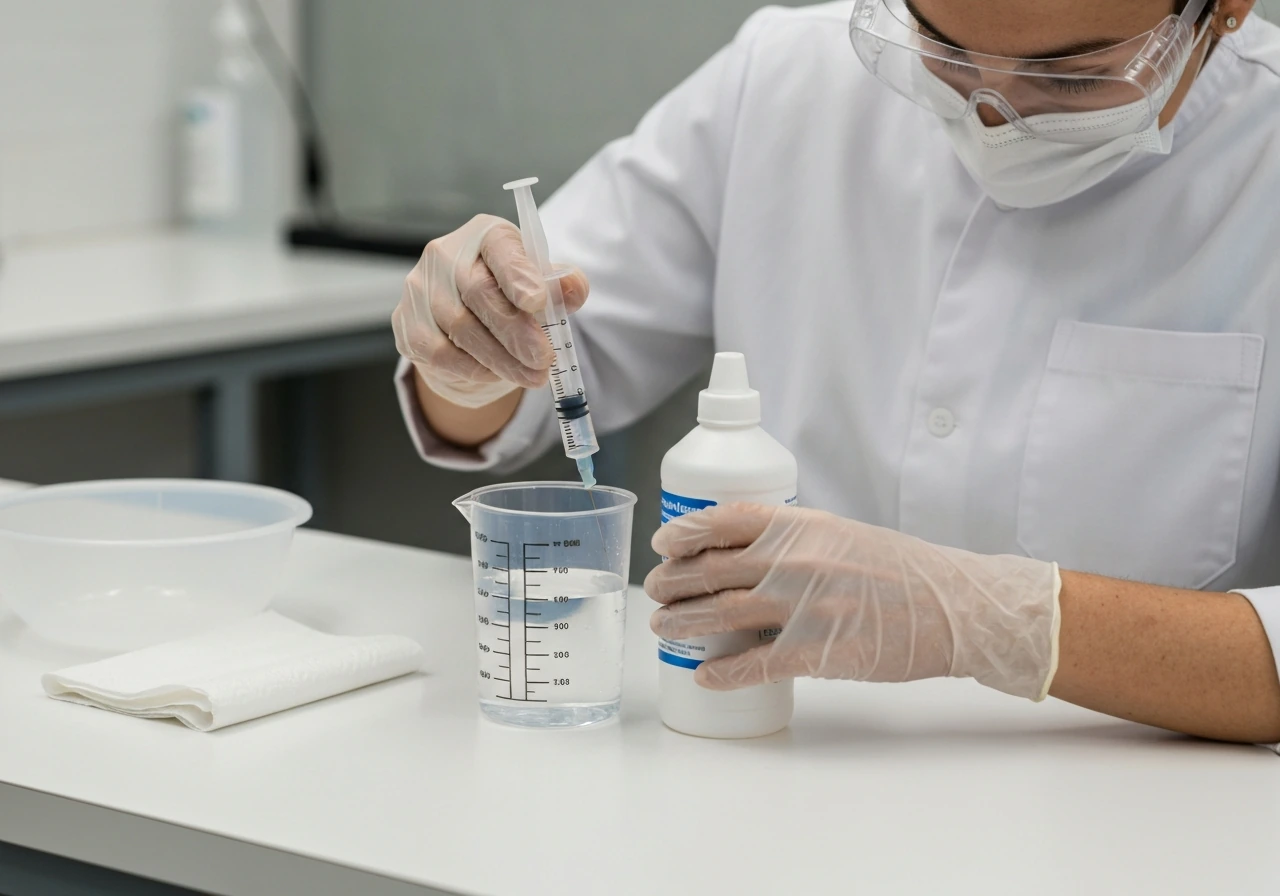
The most important number to know is concentration. You are starting with 3% hydrogen peroxide from the pharmacy. Every application method requires you to dilute this further before it touches plants.
| Application Method | Dilution (from 3% stock) | Frequency | Best Used For |
|---|---|---|---|
| Soil drench (root rot) | 1 part 3% H₂O₂ to 3 parts water (roughly 0.75% final) | Once, then reassess in 5–7 days | Root rot, anaerobic soil, damping-off |
| Foliar spray (fungal) | 1 tbsp 3% H₂O₂ per quart of water (approx. 0.05%) | Every 5–7 days, max 2–3 times | Powdery mildew, surface fungal issues |
| Seed soak | 1 tsp 3% H₂O₂ per cup of water | Once, for 30 minutes before planting | Seed sterilization, germination support |
| Reservoir/hydro sanitation | 3 ml of 3% H₂O₂ per liter of water | As needed, not ongoing | Algae, biofilm, pathogen control in reservoirs |
Apply soil drenches in the morning so roots are not sitting in wet conditions overnight. For foliar sprays, do it in the early morning or evening, never in direct midday sun. Peroxide breaks down quickly in heat and UV, so timing actually affects how long it stays active on the leaf surface. Do not spray foliage and then expose plants to full sun immediately, as even dilute concentrations can cause bleaching or scorching on some species.
Never use concentrations higher than 3% undiluted on plants. Industrial-grade peroxide (30%+) is dangerous and has no place in home gardening. Even at 3%, direct application without dilution will burn roots and leaf tissue.
Common problems people try to solve with peroxide (and what actually works better)
People reach for hydrogen peroxide when they see something wrong and want to do something. Here are the most common scenarios and honest assessments of what works.
| Problem | Does Peroxide Help? | Better Approach |
|---|---|---|
| Root rot / soggy soil | Partially, as a short-term intervention | Fix drainage, repot with well-draining mix, reduce watering frequency |
| Yellowing leaves | No | Check light, check nutrients, test pH, adjust watering |
| Powdery mildew | Mildly, as a surface treatment | Neem oil, potassium bicarbonate, improve air circulation |
| Damping-off in seedlings | Moderate preventive effect | Use sterile seed-starting mix, reduce surface moisture, improve airflow |
| Slow or stunted growth | No | Optimize light intensity/spectrum, feed with appropriate fertilizer, check roots |
| Algae in containers or reservoirs | Yes, effective sanitizer | Also cover reservoir from light, peroxide works well here |
| Gnats / fungus gnats | Mild soil drench effect | Let soil dry out more between waterings, use sticky traps, beneficial nematodes |
The real risks: what peroxide can damage
Beneficial soil microbes
This is the risk most gardeners underestimate. Healthy soil is full of bacteria, fungi, and other microorganisms that break down organic matter, fix nitrogen, improve soil structure, and protect plants from pathogens. Hydrogen peroxide does not distinguish between harmful and beneficial microbes. Regular use, even at low concentrations, can reduce microbial diversity and activity in your soil. If you are working hard to build a living, biologically active soil, peroxide is fighting against that goal.
Root burn and leaf damage
Even at 3%, undiluted or incorrectly diluted peroxide will chemically burn root cells. You will see wilting, browning root tips, and in bad cases complete root die-off. On foliage, bleached white or tan spots are the telltale sign of peroxide damage. Fine-leaved or sensitive plants like ferns, begonias, and seedlings are especially vulnerable. If you see these symptoms after application, flush the soil thoroughly with plain water immediately.
pH disruption
H₂O₂ is mildly acidic and its decomposition can temporarily shift the chemistry of your growing medium. In most cases this is minor, but in sensitive hydroponic setups or soils already at the edge of the optimal pH range, repeated applications can create instability. This is another reason to treat peroxide as an occasional, targeted tool rather than a routine additive.
How to tell if it's working, and what to do today
If you have applied a peroxide drench for root rot, here is what to watch for over the next one to two weeks. New growth emerging from the stem or crown is the clearest sign the plant is recovering. Leaves that were wilting should start to firm up within three to five days if the root zone is improving. Mushy, dark roots that you exposed during repotting should show no further spread of the rot. If things are not improving after seven days, peroxide alone is not the answer and you need to look at the soil itself.
For a foliar treatment targeting powdery mildew, you should see the white powdery patches stop spreading within five to seven days of the first application. Existing patches may not disappear completely but should not grow. If spread continues after two or three treatments, switch to potassium bicarbonate or a sulfur-based fungicide.
Here is a practical action plan you can follow today depending on what you are seeing with your plants.
- Identify the actual problem first: smell the soil (anaerobic rot has a distinct sour smell), check roots if you can, look at leaf symptoms carefully before doing anything.
- If you suspect root rot, remove the plant from its pot, cut away any black or mushy roots with clean scissors, let the roots air dry for 15 to 30 minutes, then repot in fresh, well-draining mix.
- If the root zone is very wet and smells bad but the plant is still in its pot, mix 1 part 3% hydrogen peroxide with 3 parts water and use it as a single drench. Then stop watering for at least a week.
- If you see powdery mildew on leaves, mix 1 tablespoon of 3% peroxide into 1 quart of water, spray affected leaves in the early morning, and repeat after five to seven days if needed.
- Check your watering schedule regardless. Most root problems and many fungal issues start with overwatering. Let the top inch or two of soil dry out between waterings for most houseplants and garden containers.
- If growth is just slow or the plant looks generally unwell without rot or obvious fungal symptoms, skip the peroxide entirely. Check your light levels, feed with a balanced fertilizer, and make sure the soil pH is appropriate for the plant.
- Give any peroxide treatment seven to fourteen days before deciding if it is working. Do not repeat applications more than two or three times for any one problem.
The bottom line is that hydrogen peroxide earns a place in the garden toolkit for a narrow set of problems, mostly sanitation, root rot intervention, and surface fungal issues. It is not a growth enhancer, not a fertilizer substitute, and not something to use routinely. The factors that genuinely drive plant growth, things like the quality and duration of light, nutrient availability, healthy soil biology, and appropriate watering, are where your attention and effort will pay off the most. Peroxide is first aid, not a growth strategy. Use it when the situation calls for it, use it at the right dilution, and then get back to focusing on the things that actually move the needle.
FAQ
How often should I use hydrogen peroxide on plants to boost growth?
Use it only as a rescue or sanitation step, not as a schedule. If you decide to intervene, base timing on the symptom (for example root rot or damping-off) and then stop once you see recovery. Repeated weekly use is a common mistake because it can keep disrupting beneficial microbes without fixing the underlying watering, drainage, or airflow problem.
Will hydrogen peroxide work for powdery mildew, and how do I apply it without burning leaves?
Yes, it can help with powdery mildew, but it is not the first choice in many cases because it is easier to damage foliage. If you use it, spot-treat the visible affected areas, apply in early morning or evening, and stop after 2 to 3 treatments if the patches keep spreading, then switch to gentler options like potassium bicarbonate or a sulfur-based fungicide.
Can I use industrial hydrogen peroxide (30%+) for stronger results?
Never use 30%+ or other industrial peroxide on garden plants. Home products are usually 3%, and even then you must dilute before any contact with roots or leaves. A practical rule is that the higher the concentration, the smaller the margin for error, so stick to the labeled 3% product and dilute according to the specific application type.
Does the time of day matter when spraying peroxide on leaves?
For foliar use, mix in cool conditions and avoid applying right before the hottest part of the day or during bright direct sun. Peroxide breaks down faster with heat and UV, so timing affects how long it remains active, and sunlight afterward increases the risk of bleaching or scorching.
What should I do if peroxide damages my plants after applying it?
If you see wilting, browning root tips, mushy worsening, or white/tan bleaching on foliage after application, flush the affected medium with plain water right away. Then pause peroxide and reassess the root cause, such as drainage, watering frequency, soil aeration, and airflow, before attempting any new treatment.
Will hydrogen peroxide harm beneficial microbes in living soil?
Hydrogen peroxide can temporarily disrupt microbial activity, which means it is risky to use when your goal is to maintain a biologically active soil. If you have already been relying on compost tea, mycorrhizae, or other living amendments, peroxide can blunt their effects, so treat peroxide as an occasional intervention and re-amend later if needed.
Can hydrogen peroxide replace proper hydroponic cleaning and water management?
Yes, in hydroponics it can help keep algae and slimy biofilm down because it acts as a sanitizer and breaks down without leaving residue. However, it can also stress roots if overused. Use it as an occasional cleaning step, and after treatment, verify oxygenation and nutrient solution management rather than assuming the peroxide is the main driver.
If peroxide releases oxygen, why doesn’t it reliably make plants grow faster?
Oxygen release is the main mechanism, but the “oxygen bump” is short-lived because peroxide decomposes quickly. That is why it does not fix chronic issues like low light, nutrient imbalance, or poor watering habits, even if it seems to help briefly.
How can I tell if a peroxide root drench is working?
To check whether your plant is recovering after a root-rot intervention, look for firmer leaves within a few days, and new growth emerging from the crown or stem. If you do not see improvement within about a week, peroxide alone is not sufficient, and you should examine drainage, root condition, and the medium itself.
My plant is yellowing, should I use hydrogen peroxide to fix nutrient problems?
If the issue is yellowing from nutrient deficiency, peroxide is unlikely to correct it and may worsen availability by disturbing microbial processes that help release nutrients. Instead, diagnose the likely deficiency first by considering your fertilizer regimen, water quality, and light level, then adjust those levers before using peroxide again.
Next Articles
Does Wind Help Plants Grow? What Helps and What Hurts
Wind boosts growth indirectly by improving airflow and reducing humidity, but too much dries, damages, and stunts plants
Does Smoke Help Plants Grow? What Actually Helps and Hurts
Find out if smoke helps plants grow, what it does to leaves and soil, why it often harms, and what to do today.
How Does Air Help Plants Grow? Oxygen, CO2, and Airflow Tips
Learn how oxygen, CO2, and airflow drive plant growth plus fixes for soggy soil, humidity, and indoor or outdoor air.