Water wins, and it's not close. Plants grow better with plain water than with milk in virtually every real-world scenario. Milk contains nutrients, yes, but not in the forms or ratios plants actually need, and the proteins and fats in milk create serious soil problems that outweigh any marginal benefit. If you've heard that milk is a secret plant booster, the science says otherwise, and I'll walk you through exactly why, plus what to do instead to actually get faster, healthier growth.
Do Plants Grow Better With Milk or Water? Evidence and Tests

Marcus Holloway
30 May 2026
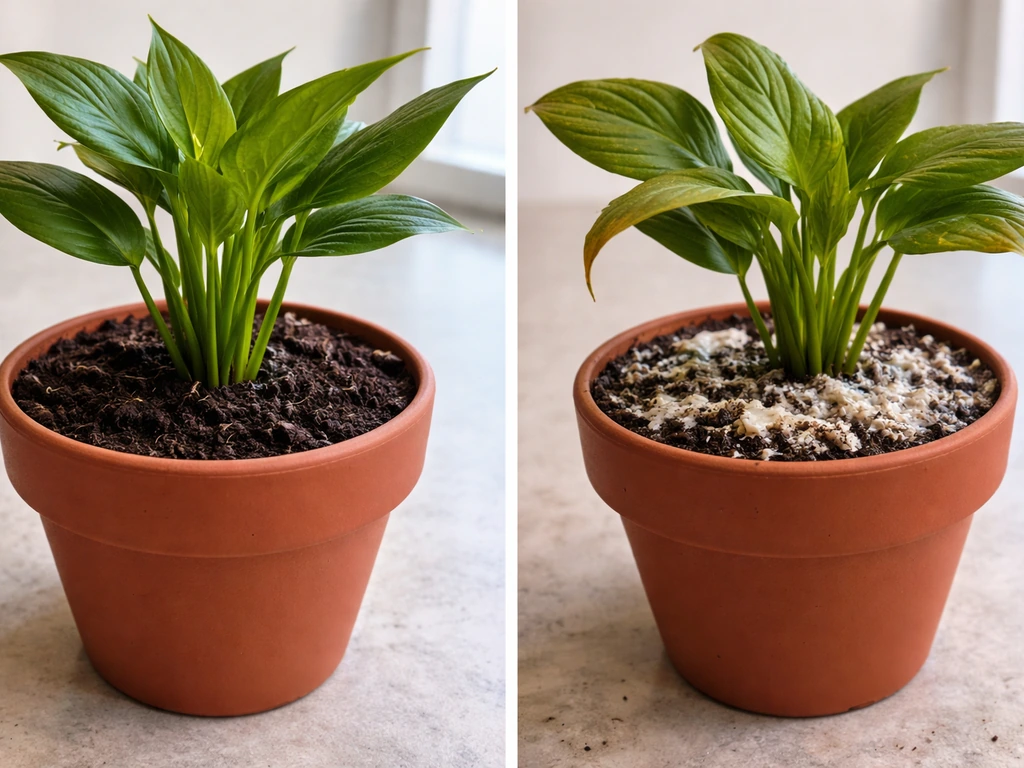
What milk actually does to your soil and roots
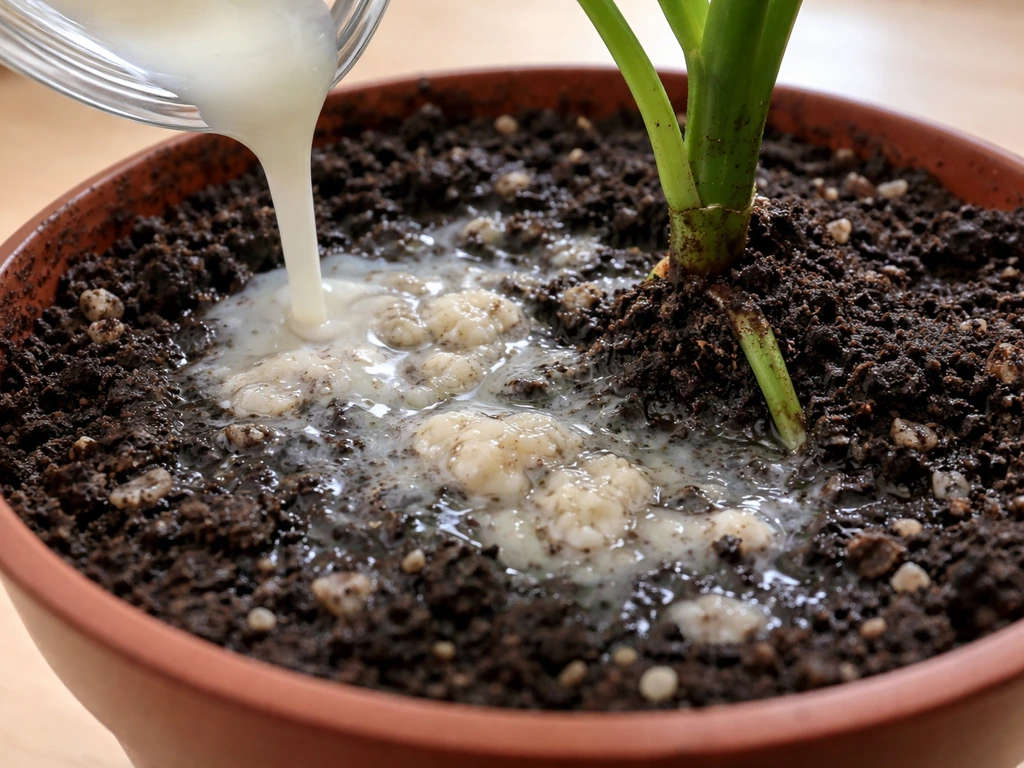
When you pour milk into soil, the proteins, fats, and sugars in it start breaking down immediately. That decomposition process consumes oxygen in the soil, oxygen that roots need to function. Anaerobic (low-oxygen) conditions stress roots, slow nutrient uptake, and in wet or compacted soils, can contribute to root rot. UGA Extension has specifically flagged this oxygen-consuming decomposition as one of the key reasons spilled milk is not treated as a straightforward fertilizer substitute.
The microbial side is just as problematic. Milk is a rich food source for bacteria, and adding it to soil triggers a microbial bloom. Some of those microbes are beneficial, but the sudden sugar-and-protein feast can crowd out the balanced microbial ecosystem your soil depends on. Once milk sours in the soil, and it will sour, you get foul-smelling byproducts, potential pathogen pressure, and an environment that's hostile to the fine root hairs responsible for water and nutrient absorption.
In containers, these effects are even more concentrated. There's no drainage buffer, no deep soil to dilute the decomposing milk, and the pot can quickly become a smelly, anaerobic mess. I've seen people ruin perfectly healthy houseplants this way, convinced they were giving them a treat.
Milk's nutrients vs. what plants actually need
Milk does contain calcium, potassium, some phosphorus, and a little protein-bound nitrogen. That sounds promising until you understand how plant nutrition actually works. Plants absorb nutrients in specific ionic forms, nitrate or ammonium for nitrogen, phosphate ions for phosphorus, and so on. UMN Extension is clear on this: the source of a nutrient doesn't matter; what matters is whether the right ions are available in the root zone. Milk's nitrogen is locked inside proteins that have to be broken down by soil bacteria before any of it becomes plant-available, and that process is slow, uneven, and comes with all the oxygen-depletion problems described above.
The fat content in milk has essentially zero nutritional value to plants. Plants make their own lipids through photosynthesis. The fats just sit in the soil, feed microbes, and contribute to the smell problem. Milk is also high in sodium relative to what most plants tolerate in quantity, and repeated applications can contribute to salt buildup, especially in containers with poor drainage.
Compare that profile to a balanced soluble fertilizer or compost, and milk looks like a very inefficient, high-risk delivery system for nutrients that are only marginally useful in the first place.
When milk seems to help (and why you shouldn't trust it)
There are a couple of specific situations where milk can produce a visible improvement, and these are probably where the myth started. Calcium deficiency in soils shows up as blossom end rot in tomatoes and peppers, or tip burn in leafy greens. A dilute milk spray or soil drench does deliver some calcium, and you might see improvement. But this is treating one specific symptom in one specific deficiency scenario, it's not evidence that milk makes plants grow better generally. A targeted calcium supplement (like calcium nitrate, which delivers calcium and nitrogen in plant-available forms simultaneously) does the same job more reliably and without the downsides.
Diluted milk sprays have also been studied as a foliar treatment for powdery mildew on roses and cucurbits, with some evidence of mild antifungal effect. Again, this is a targeted disease management application, not a growth booster. And even here, purpose-made fungicides or baking soda sprays tend to be more consistent.
The other common reason milk appears to work is coincidence or confounding. Someone starts watering with diluted milk at the same time they move a plant to better light, repot it, or just hit the right season. The plant improves, and milk gets the credit. That's how folklore spreads.
The real risks: what can go wrong
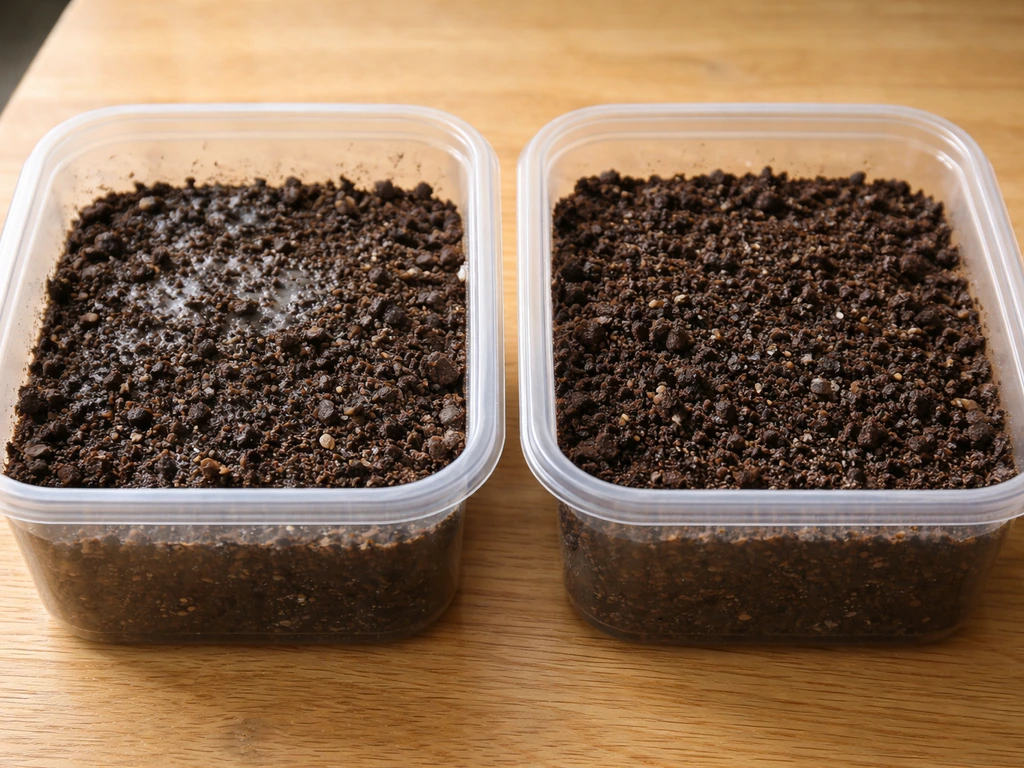
- Soil souring and foul odor from bacterial decomposition, especially in warm conditions or closed containers
- Root oxygen deprivation as decomposing milk consumes soil oxygen
- Disruption of beneficial soil microbial communities in favor of fast-growing opportunistic bacteria
- Salt and residue buildup over repeated applications, particularly in pots
- Attracting pests including fungus gnats, flies, and rodents who are drawn to rotting organic material
- Potential root burn from concentrated applications (whole milk directly on roots)
- Masking underlying nutrient deficiencies instead of fixing them properly
The common mistake I see is using undiluted milk or applying it too frequently. Even in the rare cases where someone argues for a very diluted milk drench (say, 1 part milk to 9 parts water), you're still introducing fats and proteins that complicate the soil environment. Agricultural guidance from UW Extension does acknowledge milk as an input with meaningful nutrient and organic effects, but frames it in the context of land-application rate management for crops, not casual home garden use. That context matters: what works when carefully managed at agricultural scale is not the same as pouring milk on your potted monstera.
An evidence-based watering routine that actually works
The foundation of healthy plant growth is getting water right before worrying about any amendments. If you are curious why rainwater often seems to speed growth, it comes down to how that natural water interacts with soil conditions and plant nutrient uptake why rainwater can help plants grow faster. Here's the framework I use and recommend:
- Check soil moisture before watering, not on a fixed schedule. Stick your finger 2 inches into the soil — if it's still moist, wait. Most houseplants and container vegetables want the top inch or two to dry out between waterings.
- Water deeply and less frequently rather than a little every day. Deep watering encourages roots to grow downward toward moisture, building drought resilience.
- Always ensure adequate drainage. Sitting water at pot bottoms is a bigger killer of container plants than almost any other factor. Empty saucers after watering.
- Match water volume to pot size: a 6-inch pot typically needs around 1 to 2 cups per watering; a 12-inch pot needs 4 to 6 cups. Adjust based on plant type and season.
- Use room-temperature water. Cold water can shock tropical plants. If you're on tap water with heavy chlorine, letting it sit overnight before using it is a simple and worthwhile step — more on why different water sources matter is worth exploring separately.
- In hot weather or for fast-growing plants, increase frequency before volume — more small sessions rather than drowning the plant weekly.
For fertilizing container plants, UMN Extension recommends starting regular applications somewhere between 2 and 6 weeks after planting, depending on your potting mix, how often you water, and how fast the plant is growing. A soluble balanced fertilizer (look for an NPK ratio close to 10-10-10 or 20-20-20 diluted to label instructions) delivers nutrients in plant-available ionic forms quickly, exactly what milk fails to do reliably.
Practical alternatives that actually feed your plants
Compost and compost tea
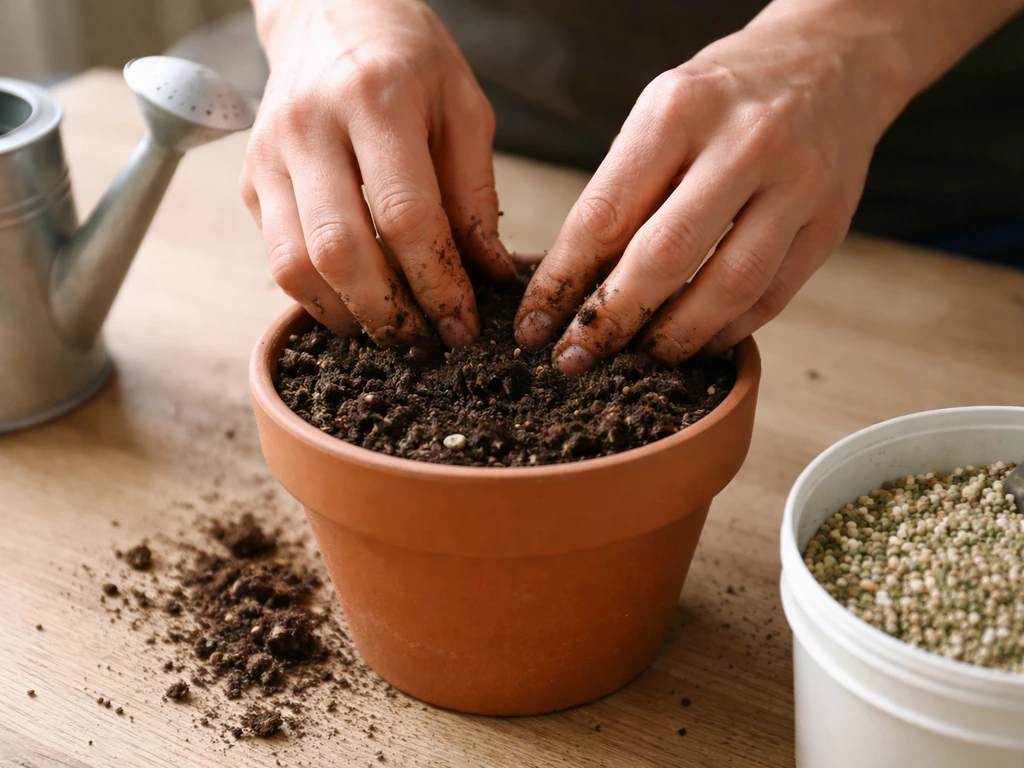
A thin layer of finished compost worked into the top inch of potting mix, or a diluted compost tea used as a soil drench every few weeks, does what milk advocates wish milk could do. It feeds beneficial microbes, improves soil structure, and slowly releases a broad spectrum of nutrients in forms plants can access. This is the closest thing to a "magic potion" that actually exists in horticulture.
Balanced soluble fertilizers
For fast results, greener leaves within a week or two, a balanced water-soluble fertilizer used at half the recommended strength, applied every two to four weeks during the growing season, is the most reliable approach. Fish emulsion is another solid option if you want something more organic, and interestingly, properly processed fish water from aquariums or fish tank water changes can also deliver a gentle nutrient boost, that's a topic with its own nuances worth understanding. Fish tank water or fish emulsion can provide some nutrients, but whether it helps plants grow depends on how it was produced and how carefully you use it fish water.
Targeted foliar feeding
If you want to experiment with foliar sprays, use a purpose-made foliar fertilizer or a dilute seaweed extract (1 to 2 ml per liter of water). Spray early in the morning so leaves dry before midday, which prevents fungal issues. This delivers micronutrients quickly and is especially useful for iron or magnesium deficiencies that show as yellowing between leaf veins.
A simple test you can run right now

If you still want to see for yourself, here's a controlled experiment worth trying. Take three identical small pots, plant the same type of seedling in each with the same potting mix, and place them in the same light. Water the first with plain tap water, the second with 10% milk diluted in water, and the third with a half-strength balanced soluble fertilizer solution.
If you want, I can also explain whether tap water specifically helps plants grow and when it might be less ideal. Keep everything else identical. Track leaf count, height, and leaf color weekly for four to six weeks. Stop the milk treatment immediately if you see wilting, yellowing, or smell anything foul from the soil.
I'd bet on the fertilizer pot pulling ahead by week three, with the plain water pot performing solidly, and the milk pot either lagging or showing soil stress.
Milk vs. water: a side-by-side comparison
| Factor | Plain Water | Milk (diluted 1:9) |
|---|---|---|
| Plant nutrient availability | Neutral carrier — depends on soil and fertilizer | Low and slow — locked in proteins/fats |
| Soil oxygen impact | None when drainage is adequate | Reduces oxygen as organic matter decomposes |
| Microbial effects | Supports balanced soil ecosystem | Triggers uneven bacterial blooms, can sour |
| Root health risk | Low with proper drainage | Moderate to high — potential burn and anaerobic stress |
| Odor and pest risk | None | High in warm conditions |
| Cost and practicality | Free, always available | Ongoing cost, messy, unreliable |
| Evidence base | Strong — foundation of plant care | Weak — limited to specific niche uses |
The verdict is straightforward. Milk has a couple of narrow legitimate uses in the garden, as a calcium source for specific deficiencies or as an experimental foliar treatment for fungal disease, but as a general growth booster or water substitute, it consistently underperforms and risks harming your plants. If you're wondering about potato water instead of milk, the evidence is also limited and the benefits depend on how you prepare and use it potato water help plants grow. Stick with clean water, good drainage, and a reliable feeding schedule, and you'll get results that no milk treatment can match.
FAQ
If milk has calcium, why does it still not make plants grow better overall?
Probably not. Milk is not a reliable source of plant-available nitrogen or phosphorus, and the fats and proteins are prone to breaking down in soil in ways that reduce oxygen and can worsen odor and root stress. If the goal is feeding, use a balanced soluble fertilizer or compost instead, and fix nutrient gaps based on what the plant is actually showing (for example, new leaf yellowing, slow growth, or blossom end rot).
Is it safe to try milk occasionally on houseplants in a small pot?
Yes, even a small amount can cause problems in pots. In containers there is little soil volume to dilute the decomposing proteins and fats, and poor drainage keeps conditions anaerobic. If you try an experiment anyway, keep it very infrequent and stop immediately if you notice sour smell, persistent soggy soil, wilting, or yellowing.
What’s the lowest dilution of milk that won’t harm plants?
The biggest variable is dilution and frequency, but even at higher dilution the key issue remains, milk still introduces fats and protein that feed microbes and can disrupt soil oxygen. If you are trying to correct a calcium deficiency, a targeted calcium product like calcium nitrate (or another labeled calcium amendment) is usually more predictable and easier to dose than milk.
Does milk work better as a foliar spray than as a soil drench?
A foliar spray is different from a soil drench. Milk poured into soil is where oxygen depletion, souring, and root-zone microbial imbalance are most likely. If any milk effect shows up, it is more plausible on leaves for specific issues like powdery mildew, but even then purpose-made foliar products or properly formulated alternatives tend to be more consistent.
If my tomatoes have blossom end rot, should I use milk right away?
Look for the deficiency pattern and match the treatment to that. Milk is sometimes discussed for blossom end rot in tomatoes and tip burn in leafy greens, both calcium-related symptoms, but they can also have other causes like irregular watering and root stress. Before changing your inputs, check your watering consistency and ensure the plant is getting enough moisture evenly.
For powdery mildew on roses or cucurbits, is milk a good substitute for fungicides?
Seaweed extract and purpose-made foliar fertilizers are more reliable for quick foliar nutrition, and they come with known nutrient forms and dosing. Milk is not standardized for nutrient ratios, and the antimicrobial byproducts are not the same as a controlled disease-control product. If powdery mildew is the problem, focus on early morning sprays, leaf spacing for airflow, and a consistent treatment plan.
How can I tell whether milk helped or it was coincidence?
Yes. Many “milk worked” stories coincide with other changes like repotting into fresher mix, moving to brighter light, seasonal temperature shifts, or switching watering habits. To avoid this, keep light, pot size, soil mix, and watering schedule constant and change only one variable at a time.
If tap water sometimes seems better than rainwater, does that change whether milk will work?
Prefer plain chlorinated tap water only if you can manage watering properly, but the article’s core point is that the choice of water is usually less important than how you water (root zone moisture, drainage, and timing). If you use an experiment, run milk, plain water, and a balanced fertilizer under identical conditions and track results weekly rather than reacting after a couple of days.
What if my plants are already pale or slow growing, will milk fix that faster than fertilizer?
Yes, and it depends on the plant. If a plant is already underfed, adding milk will not reliably correct nutrient gaps because nutrients are locked in milk forms that must be broken down first, which is slow and uneven. For fast greening, use a half-strength balanced soluble fertilizer during active growth, and adjust based on leaf color and growth rate.
Next Articles

Does Tap Water Help Plants Grow How It Impacts Growth
Tap water can help plants via hydration and nutrient transport, but chlorine hardness and pH may harm. Fix it now.

Why Does Rain Water Make Plants Grow Faster? Science and Tips
Discover why rainwater boosts plant growth: oxygen, chemistry, temperature, deeper soak, and how to replicate benefits.
Does Fish Water Help Plants Grow? Safe How to Use It
Learn if fish tank water helps plants grow and how to use fish waste safely, avoiding ammonia, salt, and algae issues.