Potato water can give plants a very small boost of minerals and feed soil microbes, but it is not a meaningful fertilizer. It is mostly water with trace amounts of potassium, phosphorus, magnesium, and some dissolved sugars. Unless you are already producing it in your kitchen and want a low-waste way to use it, it is not worth going out of your way to make. For real plant growth, your time and effort are better spent on soil quality, balanced fertilization, and consistent watering.
Does Potato Water Help Plants Grow? What Science Says

Marcus Holloway
1 Jun 2026
What is actually in potato water
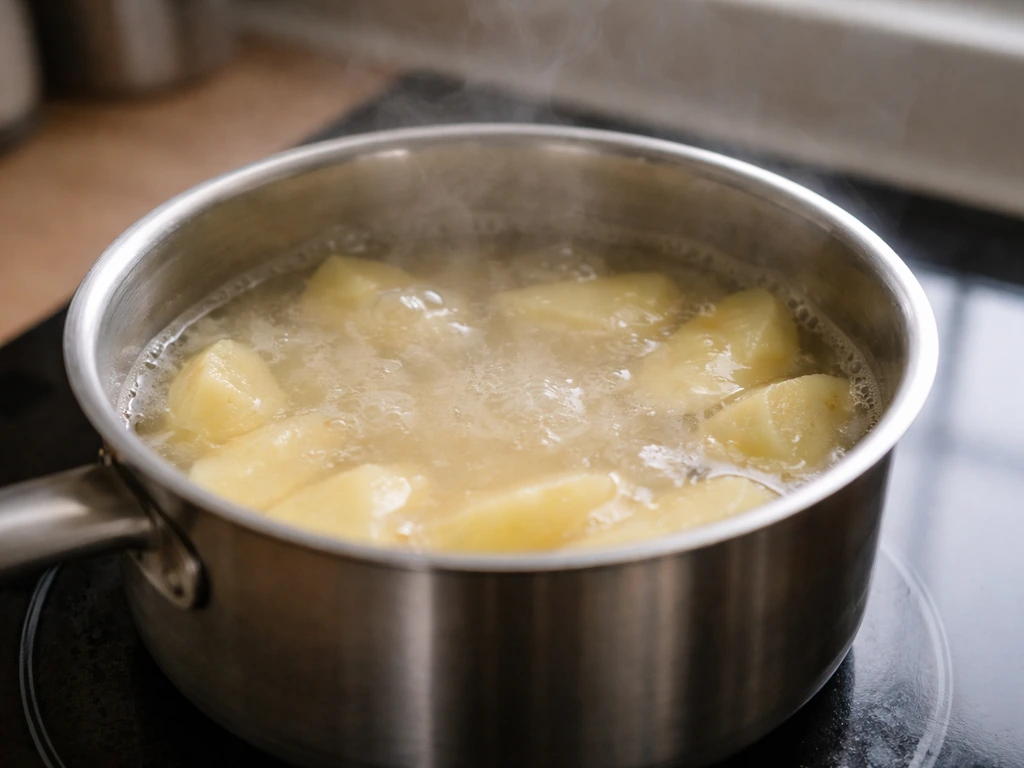
When you boil or soak potatoes, some of what is inside the tuber leaches into the water. USDA ARS research has documented that boiling potatoes causes measurable reductions in minerals inside the potato, including potassium, phosphorus, magnesium, sulfur, zinc, manganese, and iron. Those minerals go somewhere, and that somewhere is the cooking water. Potato tubers also contain soluble carbohydrates, specifically glucose, fructose, and sucrose, and some of those dissolve into the water too. The result is a weak, complex liquid that contains small amounts of several things plants actually need, plus sugars and whatever other compounds happened to leach out during cooking or soaking.
The exact concentration depends heavily on how you made it. Soaking raw potato slices produces a weaker, starchier liquid. Boiling potatoes for 20 minutes produces a more mineral-rich water because heat accelerates leaching. If you salted the water while cooking, the salt stays in the water too, which creates a real problem we will get to shortly. Unsalted boiling water is the only version that is even worth discussing for garden use.
One thing worth noting: potato water is not a starch soup in the way people often picture it. Most of the starch in a potato is bound inside cells. What ends up in the water is primarily the soluble fraction, which is still mostly water by a wide margin. Do not let the cloudy appearance fool you into thinking it is nutrient-dense.
Does it actually feed your plants
Here is where the myth needs a clear answer: potato water is not plant food in any practical sense. The Idaho Potato Commission addresses the idea that potato cooking or soaking water can be used on plants, but it is an advocacy-style page rather than controlled plant-and-soil research. Plants cannot absorb starch or complex carbohydrates through their roots. They make their own sugars through photosynthesis. The dissolved sugars in potato water are not a shortcut to plant energy; they sit in the soil until microbes break them down. The minerals are real and plants can use them, but the concentrations are low enough that potato water functions more like a very dilute, unbalanced supplement than a fertilizer.
To put it in perspective: a balanced liquid fertilizer delivers specific ratios of nitrogen, phosphorus, and potassium at known concentrations. Potato water delivers a little potassium and some trace minerals at unknown, inconsistent concentrations, with no nitrogen to speak of. Nitrogen is the nutrient plants need most for growth, and potato water essentially has none. So while the minerals in potato water are real, they are not arriving in the ratios or quantities that drive meaningful growth.
Where potato water might actually help (indirectly)
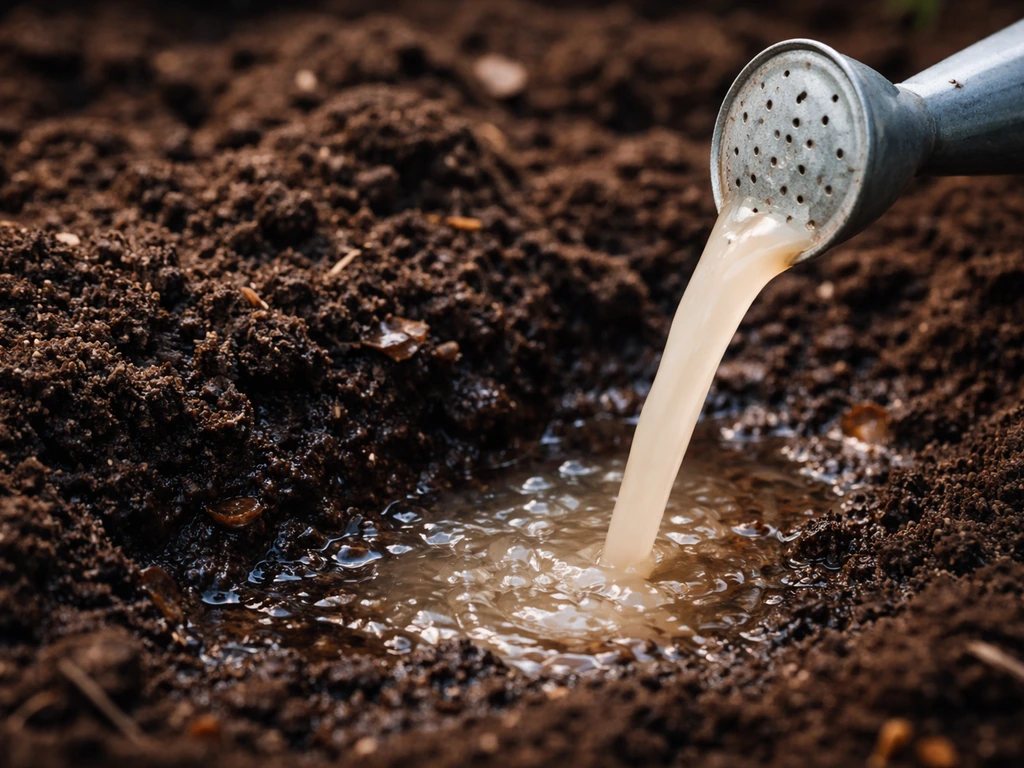
The most credible benefit of potato water is not what it does to plants directly but what it does to soil biology. The dissolved sugars and organic compounds act as a carbon source for soil microbes. A thriving microbial community breaks down organic matter, improves soil structure, and makes nutrients more available to plant roots. In that sense, a small occasional application of potato water is similar in concept to other mild organic inputs: it feeds the life in your soil, which in turn supports your plants.
If your soil is already biologically active and rich in organic matter, the effect is negligible. If you are working with degraded, compacted, or very sandy soil with low microbial activity, any organic carbon input can help incrementally. The minerals in the water, especially potassium, also have a small legitimate role. Potassium supports root development, water regulation in cells, and disease resistance. Getting a little extra from cooking water is not going to transform a plant, but it is not useless either.
The key word throughout all of this is indirect. Potato water does not directly fuel growth the way light, nitrogen, and well-draining soil do. It creates minor conditions that might modestly support plant health over time, and only if you use it correctly.
The real risks you should know before you start
This is the part most gardening folklore skips over. Potato water has a real downside profile, and for houseplants or small containers especially, the risks can outweigh the benefits.
- Salt: If you cooked your potatoes in salted water, do not use it on plants. Even a small amount of salt raises soil salinity, which draws water out of roots through osmosis and can cause leaf scorch, wilting, and over time, plant death. This is not a theoretical risk. It is chemistry.
- Mold and fungal issues: The sugars and organic compounds in potato water are food for fungi and bacteria. Applied too frequently or in excess, especially to soil that stays damp, this can encourage mold growth on the soil surface and potentially increase conditions favorable to root rot.
- Fungus gnats: Oklahoma State University Extension notes that raw potato slices are actually used as monitoring bait for fungus gnat larvae because the pests are attracted to moist potato material. Repeatedly watering soil with starchy, sugary water could create similar conditions that attract or sustain fungus gnat populations.
- Smell: Fermented or old potato water smells bad. If you store it for more than a day or two at room temperature before using it, microbial activity will make it unpleasant. Always use it fresh or refrigerated.
- Overuse and soil imbalance: Applying large amounts of any unbalanced input repeatedly can shift your soil chemistry. If you drown your plants in potato water thinking more is better, you risk waterlogged soil and the nutrient imbalances that come from adding potassium without proportional nitrogen or phosphorus.
How to use potato water safely if you want to try it
If you regularly boil potatoes and want to use the water rather than dump it, here is how to do it with minimal risk. The goal is to capture whatever small benefit exists while avoiding the downsides.
- Use only unsalted cooking water. This is non-negotiable. Salted water should go down the drain.
- Let it cool completely before applying it to any plant. Hot or warm water can stress roots and damage soil structure.
- Strain out any potato solids if present. Chunks of potato sitting on soil create a mold and pest risk fast.
- Use it as a straight replacement for one regular watering session, not as an addition on top of your normal schedule. Overwatering is already one of the most common plant killers.
- Apply it to the soil, not the leaves. Foliar application of starchy water leaves residue and can invite fungal problems.
- Limit it to once every two to four weeks at most for any given plant. More frequent use increases the risks without meaningfully increasing the benefits.
- Outdoor beds and established garden plants are better candidates than houseplants or seedlings. Outdoor soil has more biological buffer to handle irregular organic inputs safely.
The best plants to try it on are established outdoor vegetable plants, especially those that appreciate potassium like tomatoes, peppers, and root vegetables. These are forgiving plants with active root systems in living soil. Delicate seedlings, orchids, succulents, and other sensitive plants are not good candidates for any improvised water treatment.
When to skip it entirely and what to do instead
Skip potato water if your potatoes were cooked in salted water, if you are dealing with houseplants in small containers, if you have had any recent pest or fungal problems, if your soil is already waterlogged or poorly drained, or if you are trying to fix an actual nutrient deficiency. In all of those situations, potato water either makes things worse or does nothing.
For faster, more reliable results, focus on the inputs that actually drive growth. A balanced granular or liquid fertilizer with a clear N-P-K ratio will outperform potato water every single time because you know exactly what you are giving your plants. Compost improves soil biology, structure, drainage, and slow-release nutrition simultaneously, and it does all the things people hope potato water will do but far more effectively. Mulching retains moisture, suppresses weeds, and adds organic matter as it breaks down. Getting light right, especially for indoor plants, makes more difference than any water additive. And consistent, appropriate watering without overwatering or underwatering is the foundation everything else builds on. Does that mean using milk instead of water, too? In most cases, stick to clean water and focus on proven nutrients and soil care consistent, appropriate watering.
It is also worth comparing potato water to other alternative watering ideas people experiment with. Water from rinsing fish or aquariums, for example, contains actual nitrogen in the form of dissolved fish waste and ammonia, making it a meaningfully better organic supplement than potato water. Rainwater is another interesting case, being free of chlorine and often slightly acidic, which many plants prefer. Rainwater can support growth by providing clean water and sometimes a little extra acidity, but it does not act like a fertilizer. Tap water is what most of us use by default, and its suitability varies by location. If you are also wondering whether tap water helps plants grow, the key factor is usually your local water quality rather than using potato water. Potato water falls below most of these alternatives in terms of reliable plant benefit.
How to tell if it actually did anything
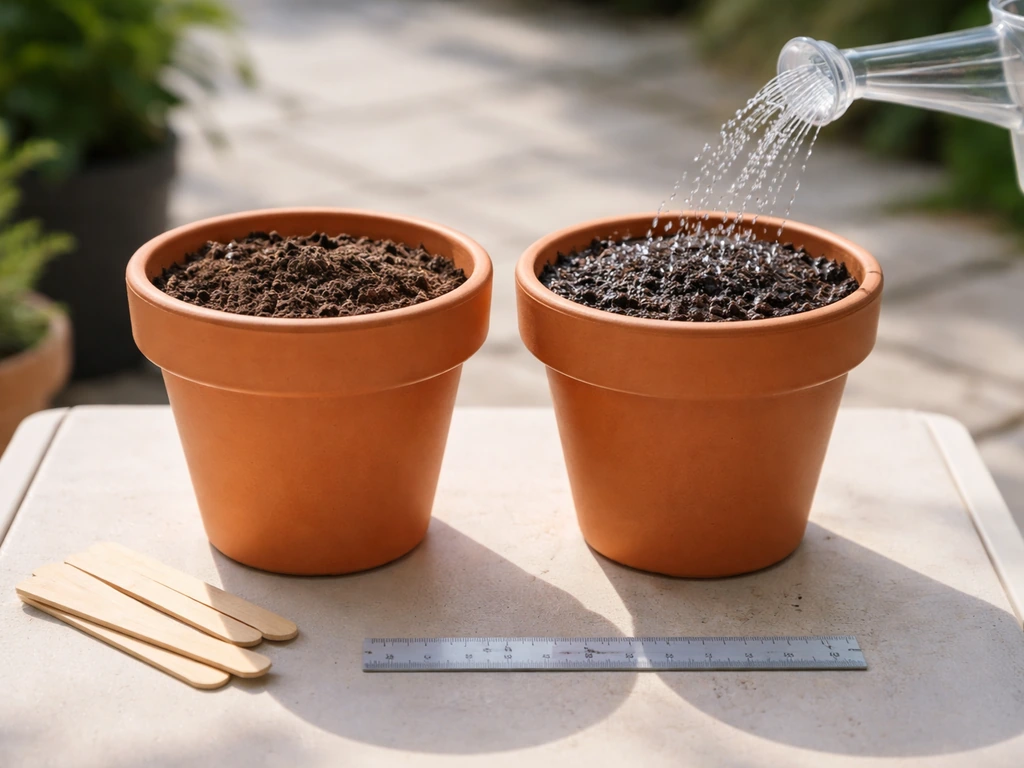
This is where gardening folklore usually falls apart: there is no easy way to isolate the effect of potato water in a real garden. Plants respond to dozens of variables simultaneously, so if your tomatoes look lush after a few potato water applications, you cannot confidently attribute that to the water rather than to recent warm weather, better light, or a previous fertilizer application finally showing up in growth.
That said, if you want to run a low-stakes test, the most honest approach is to treat two identical plants (same species, same pot size, same soil mix, same light) differently: give one plain water and one your potato water on the same schedule for four to six weeks. Look for differences in new leaf size, stem thickness, color saturation, and overall vigor. Do not read into minor day-to-day variation. Only consistent, persistent differences over weeks are meaningful. Most people who run this experiment honestly report no dramatic difference, which is consistent with what the biology predicts.
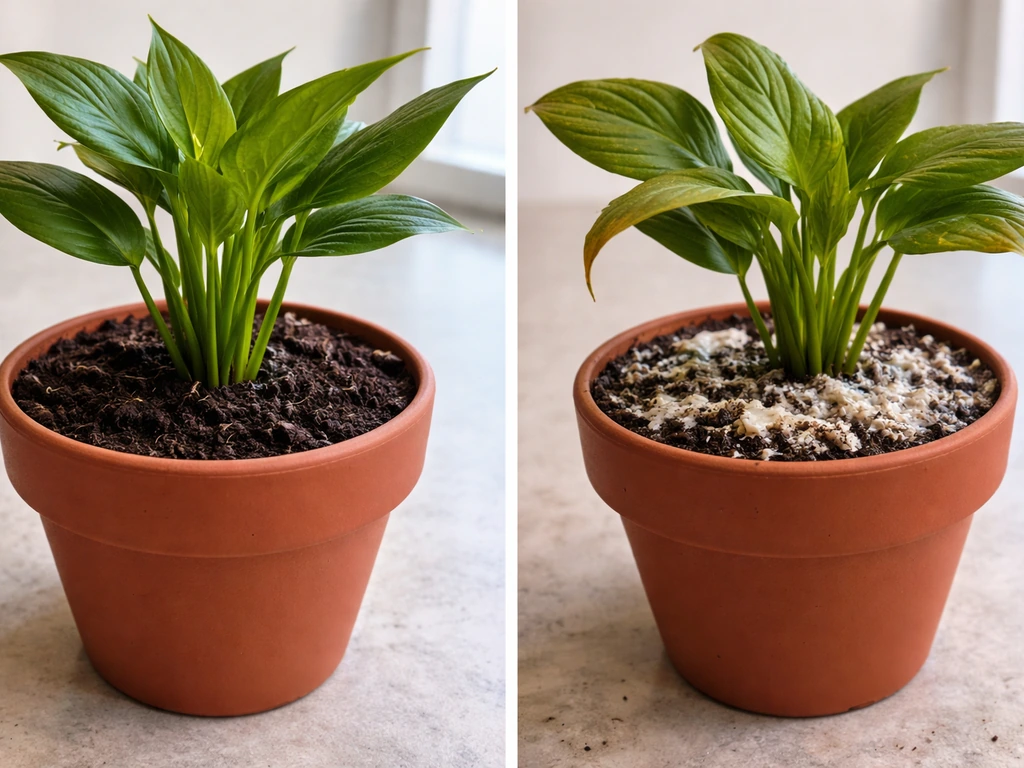
Signs that something is going wrong with potato water are actually easier to spot than signs it is helping. White mold or fuzz on the soil surface, a sour or fermented smell from the pot, increased small flies around the soil, yellowing lower leaves, or wilting despite moist soil are all warning signs to stop and go back to plain water. Healthy soil after potato water application should look and smell like normal, earthy garden soil, not like something sitting in a compost bucket.
The bottom line on potato water
Potato water is not a plant myth in the same way that, say, talking to plants is debated or playing music to seedlings is contested. The minerals are real, the microbial food source is real, and the mechanism is plausible. But the effect is minor, inconsistent, and easily overshadowed by the risks if you use it carelessly. Use it if you have it and you follow the safety steps above. Do not seek it out as a gardening strategy. And never let it replace the fundamentals: good soil, balanced nutrients, appropriate light, and water that matches your plant's actual needs.
FAQ
How much potato water should I use if I want to try it?
Use small amounts, for example a light watering that does not noticeably change how fast the soil dries. If you cannot estimate volume, start with a few tablespoons to a few ounces per plant and observe for a couple of weeks. Overdoing it increases the chance of sour smells, mold, and fungus gnat activity.
Is diluted potato water safer than straight potato water for plants?
Yes, dilution generally reduces both mineral concentration and organic compounds that can ferment in the pot. A common approach is to start with a weak mix (such as 1 part potato water to several parts plain water) and only increase if the soil stays normal in smell and appearance.
Should I use potato water right away or can I store it?
Use it soon after cooking or soaking. Storage raises the odds of fermentation and microbial shifts, which is when you are more likely to see mold, bad odors, or pest problems. If it smells fermented or looks slimy, discard it.
Does potato water help with nitrogen hungry plants or yellowing leaves?
Usually no. Potato water contains little to no nitrogen, so it is unlikely to correct true nitrogen deficiency. If lower leaves are yellow while growth is slow, prioritize a nitrogen source or compost strategy rather than relying on potato water.
Can potato water burn plants or cause salt buildup?
It can contribute to stress if you used salted cooking water or repeatedly apply it without flushing the soil. Salts accumulate in containers, so if you use any questionable batch, periodically water through with plain water to reduce salt concentration, and avoid using it at all for sensitive houseplants.
Will potato water attract fungus gnats indoors?
It can. The organic carbon can feed fungus gnat larvae in consistently moist potting media, especially in small containers. If you see tiny flies and the soil stays damp longer than usual, stop using potato water and switch back to plain water and proper drying intervals.
Is there a right way to apply it to reduce mold risk on the soil surface?
Apply it to the soil, not the foliage, and avoid getting liquid onto the surface where it can sit. Watering thoroughly helps move dissolved material down into the root zone rather than leaving a nutrient-rich film on top.
What plants should I avoid potato water on besides seedlings and orchids?
Avoid it on succulents and other drought-adapted plants, and on any plant in a very small pot with poor drainage. Slow-drying media increases the chance that sugars and compounds ferment before microbes fully process them.
Does potato water work differently for outdoor vs indoor plants?
Yes. Outdoor soil has more microbial activity and better dilution, so effects are usually smaller and less risky. Indoors, especially in containers, concentrations build up faster and you are more likely to see odors, mold, and pests.
How can I tell if potato water is helping vs if other factors caused the improvement?
Look for consistent changes over multiple weeks under identical conditions, not a quick burst after application. If you did not control for light, temperature, and recent fertilizing, you cannot confidently attribute growth to potato water, even if plants look better.
If I see white mold or fuzz after using potato water, what should I do next?
Stop applying it immediately and switch to plain water. Improve airflow, allow the top layer to dry more between waterings, and consider removing surface growth if it is extensive. If you keep getting it, flush the pot and reassess drainage and soil moisture habits.
Is potato water ever useful for composting instead of direct plant use?
Better than direct use in some cases, because compost systems handle organic inputs differently than a small pot of potting mix. However, only use it if it was unsalted and not fermented, and keep an eye on odors and moisture balance in the compost pile.
Next Articles
Do Plants Grow Better With Milk or Water? Evidence and Tests
Milk vs water for plant growth: myth-busting soil and root effects, risks, and a simple test plan with better care steps
Does Tap Water Help Plants Grow How It Impacts Growth
Tap water can help plants via hydration and nutrient transport, but chlorine hardness and pH may harm. Fix it now.
Why Does Rain Water Make Plants Grow Faster? Science and Tips
Discover why rainwater boosts plant growth: oxygen, chemistry, temperature, deeper soak, and how to replicate benefits.