The animals that most reliably help plants grow are earthworms, native bees and other pollinators, seed-dispersing birds and mammals, predatory insects like hover flies and lacewings, and ants. Each group plays a distinct, measurable role: earthworms rebuild soil structure, pollinators drive fruit and seed set, predators keep plant-damaging pests in check, and seed dispersers help plants colonize new ground. You don't need any magic or folklore here. Support those animals and your garden responds in ways you can actually see.
What Animals Help Plants Grow and How to Invite Them
Marcus Holloway
16 May 2026
The big picture: what animals actually do for plants
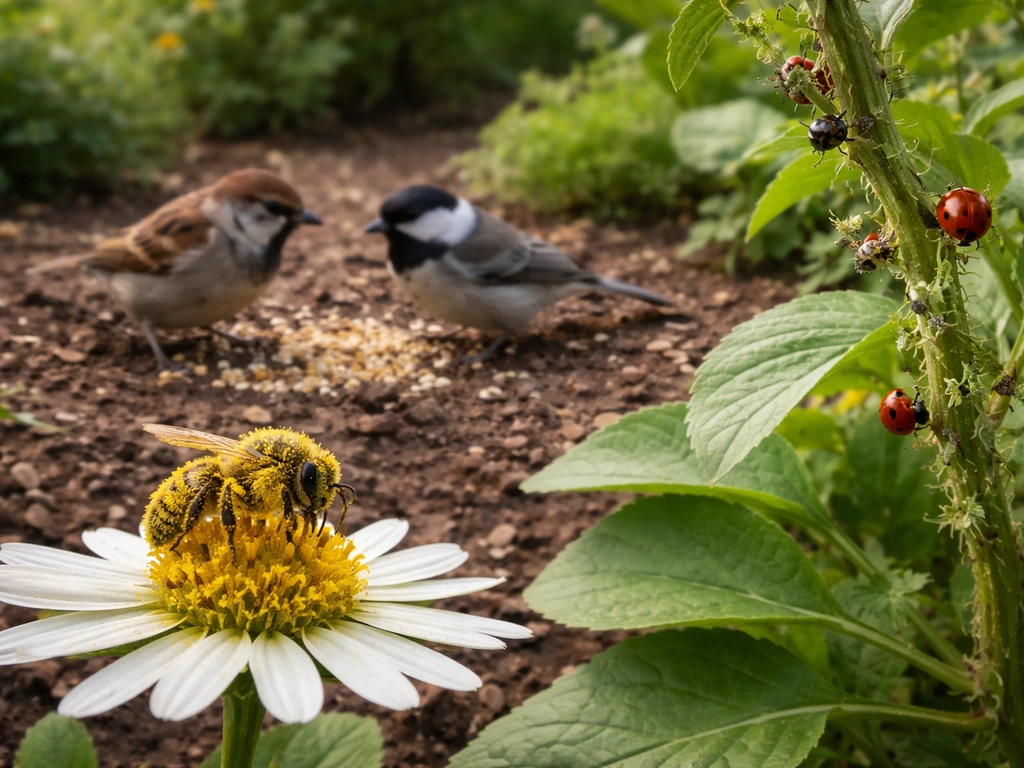
Plants and animals have been locked in mutual dependence for hundreds of millions of years, and the relationships are concrete enough to study in your own backyard. Animals help plants in four main ways: they move pollen between flowers so plants can set fruit and seed, they carry seeds to new locations so plants can spread, they break down organic matter and cycle nutrients back into the soil so roots can absorb what they need, and they eat the insects and mites that would otherwise chew through leaves and destroy yields. Lose any of those services and plant performance drops in a measurable way. Restore them and you'll notice the difference within a single growing season.
It's worth being clear about what animals don't do, because plenty of gardening myths circulate around this topic. There's no credible evidence that the mere presence of a random animal near a plant boosts growth in some vague energetic way. The benefits are specific and mechanistic, not mystical. If you want animals to help your plants, you need the right animals doing the right job in the right conditions.
Pollinators: the direct link between animal visits and your harvest
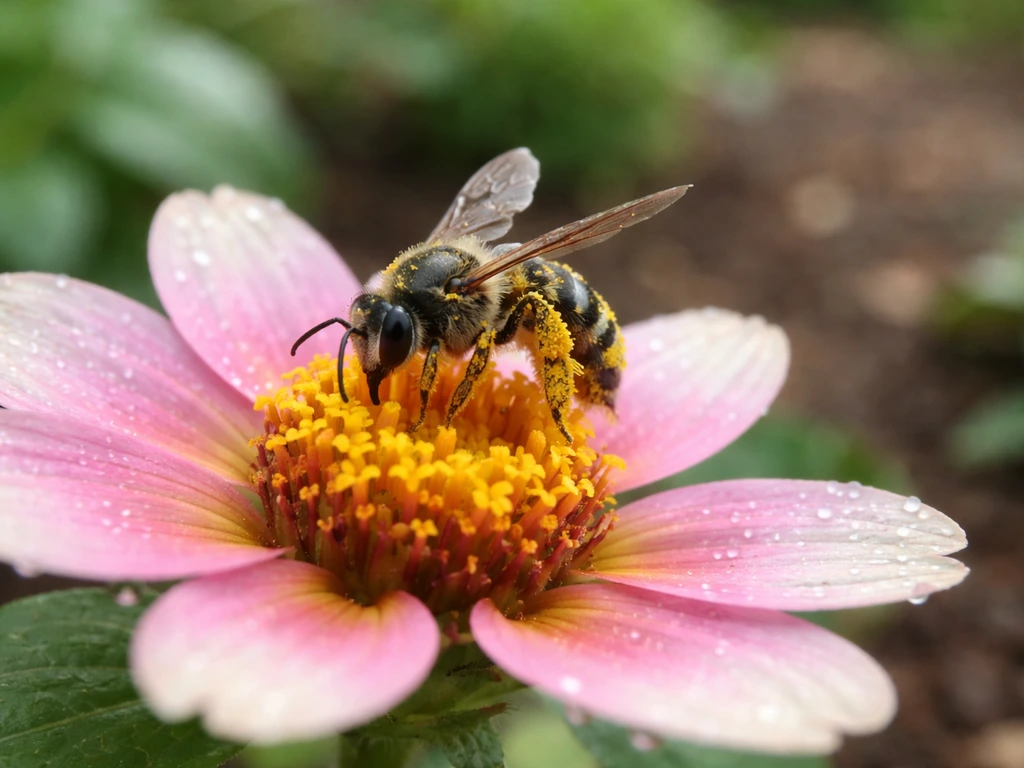
Pollination is the most direct way animals improve plant productivity. Without it, flowers on tomatoes, squash, raspberries, apples, and hundreds of other crops simply drop without forming fruit. The main pollinators are bees (both honey bees and native species like bumblebees, mason bees, and sweat bees), butterflies, moths, hummingbirds, and some flies, especially hover flies. Research on red raspberries found that just five or six honey bee visits per flower was enough to achieve adequate pollination and full fruit development. That's a useful number to keep in mind: you don't need swarms, you need consistent, regular visits from healthy pollinators.
Native bees are often more effective pollinators than honey bees for many garden crops because they vibrate flowers at just the right frequency to release pollen (a behavior called buzz pollination) and because they're active across a wider range of temperatures and weather conditions. Bumblebees in particular will forage in cool, overcast conditions that keep honey bees in the hive. Hummingbirds are the primary pollinators for many tubular red flowers and are especially important in the western United States. Butterflies and moths contribute less reliably to fruit set but play a significant role for wildflowers and native plants.
Seed dispersers: how animals help plants spread and establish
Plants can't walk. Getting their seeds somewhere new requires wind, water, or animals, and animals are the most targeted and effective delivery system for many species. Birds that eat berries deposit seeds in their droppings, sometimes miles from the parent plant, often in nutrient-rich microsites created by the digestion process itself. The gut passage of birds and other animals can actually improve germination by scarifying the seed coat or removing chemical inhibitors that prevent germination, depending on the plant species.
Ants are underrated seed dispersers. Many plants, including trilliums, bloodroot, and violets, produce seeds with a fatty, protein-rich attachment called an elaiosome that ants find irresistible. The ants carry the seed back to their nest, remove and eat the elaiosome, and discard the seed in underground chambers. Those chambers happen to be nutrient-enriched microsites with ideal conditions for germination. Research shows this process, called myrmecochory, can actually help break seed dormancy and meaningfully improve germination success compared to seeds left on the surface.
Rodents like squirrels, mice, and chipmunks cache seeds (especially acorns and other nuts) at depth in the soil. When they forget a cache or don't return to it, those buried seeds are in an excellent position to germinate. Studies on shrubs in fire-prone ecosystems found that rodent caching actually improves seed survival during heating events because the depth and clustering of the cache disrupts heat flow. In your garden, this mostly plays out as birds spreading berry seeds into unexpected corners and squirrels planting the occasional oak.
Earthworms and soil animals: the nutrient cycling crew
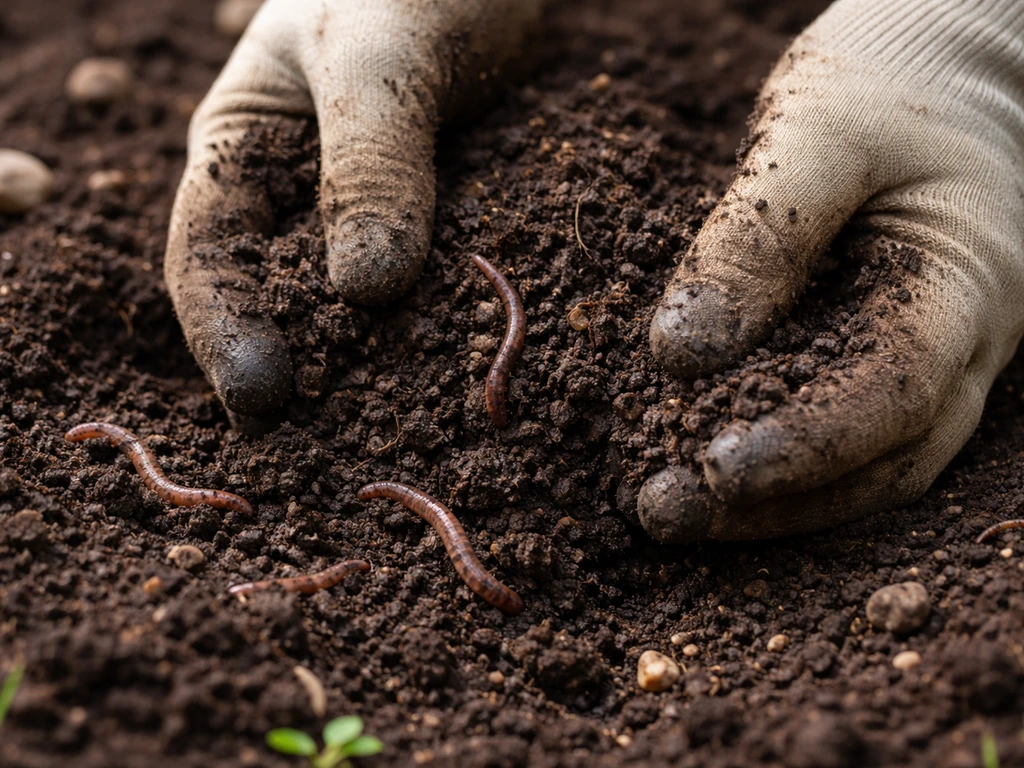
Earthworms are the single most important animal for most garden soils. The NRCS estimates that a healthy earthworm population can move and process up to 100 tons of soil per acre each year. What that translates to in practice is constant tunneling that loosens compacted soil, improves drainage, and creates the kind of pore structure that lets roots push through easily and oxygen reach the root zone. Earthworm castings (their excrement) are also concentrated in nutrients that plant roots can absorb directly. If your soil has poor earthworm populations, almost every other effort you make to improve plant growth will be working against that deficit.
Beyond earthworms, healthy soil is full of nematodes, beetles, millipedes, springtails, and other small invertebrates that break down organic matter and cycle nutrients. The NRCS describes this animal-driven biodiversity as foundational to soil health functions that directly support plant growth. Larger animals contribute too, mainly through manure. Chicken, rabbit, and cow manure are high-value organic amendments precisely because animals concentrate nutrients from the plants they eat and excrete them in a form that feeds soil microbes, which then make those nutrients available to roots.
Predators and pest controllers: animals that protect your plants
A garden without predatory insects is a garden with an aphid problem, a caterpillar problem, or a spider mite problem. Beneficial predators include hover fly larvae, lacewings, parasitic wasps, ground beetles, lady beetles, and spiders. Hover fly larvae are particularly impressive: Cornell research shows that when hover fly (syrphid) larvae are abundant, they can blank" rel="noopener noreferrer">reduce aphid populations by 70 to 100 percent. That's not a minor contribution. blank" rel="noopener noreferrer">Missouri Extension data backs this up more broadly, reporting that allowing beneficial insects to build up across the season can reduce overall pest populations by 20 to 40 percent.
Birds are also significant pest controllers. Chickadees, nuthatches, swallows, and wrens pick caterpillars, aphids, scale insects, and beetle larvae off plants and from bark. A single pair of nesting chickadees has been documented bringing 6,000 to 9,000 caterpillars to their chicks over a two-to-three week period. Bats handle night-flying moths and beetles that would otherwise lay eggs in your crops. Frogs and toads eat slugs, which are one of the most destructive soft-tissue pests in a moist garden. These animals aren't just nice to have: they're doing real pest management work that would otherwise require chemical intervention.
How to actually encourage helpful animals in your garden right now
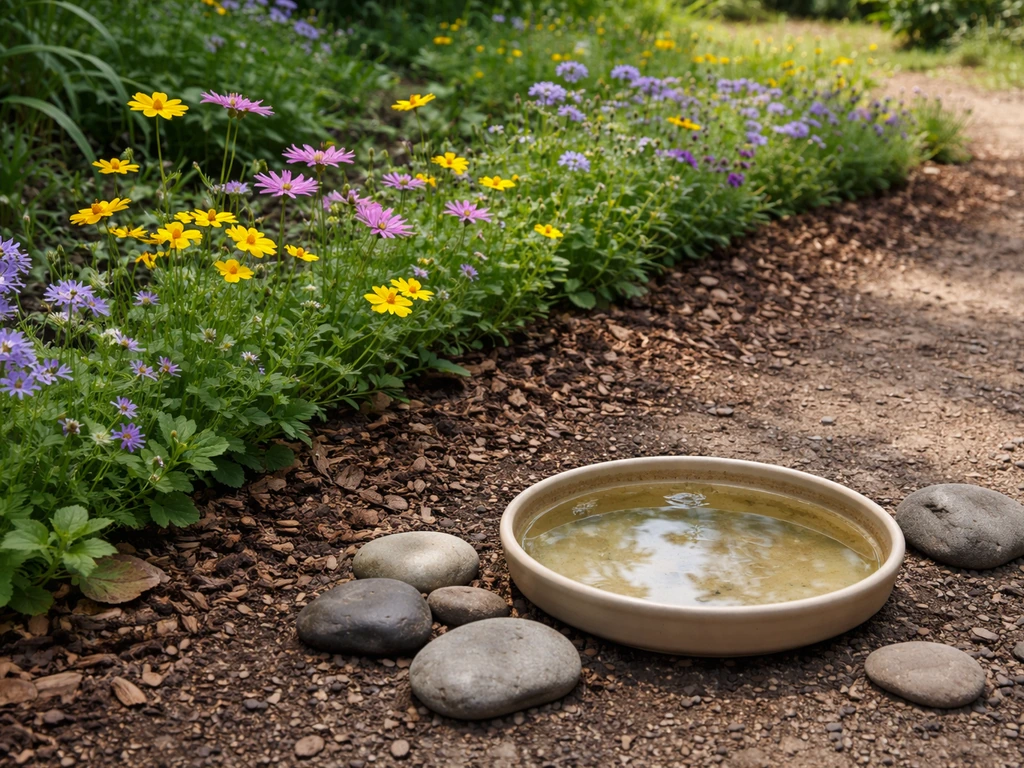
The good news is that most of what makes a garden hospitable to helpful animals costs nothing or very little. The single highest-impact action is reducing or eliminating broad-spectrum pesticides, especially during flowering. Cornell Cooperative Extension research specifically warns that insecticides applied during or near bloom are especially dangerous to pollinators, and that pesticide drift can harm pollinators even when the target plant isn't in flower. UC IPM guidance echoes this: limiting broad-spectrum pesticides is the foundation of encouraging natural enemies. If you're spraying indiscriminately, you're undoing every other habitat effort.
Beyond reducing pesticides, the most effective strategies involve habitat. The OSU Extension native pollinator guide identifies three things pollinators need: nesting sites, pollen and nectar food plants across the season, and shelter from pesticide exposure. NRCS pollinator habitat materials add that undisturbed ground (including overgrown bunch grasses and thatch) is essential for ground-nesting bumblebees, and that dead wood and cavities support wood-nesting bees like mason bees and leafcutter bees. Most gardeners are in the habit of cleaning up too aggressively in the fall, and that cleanup removes exactly the habitat these animals need to overwinter.
Practical steps you can take this season
- Stop or reduce broad-spectrum insecticide use, especially during and around flowering periods.
- Plant native flowering species that bloom in sequence from early spring through fall to feed pollinators across the whole season.
- Leave a patch of bare or loosely mulched ground (ideally south-facing) for ground-nesting bees.
- Leave dead stems, hollow canes, and a section of unmown grass over winter for overwintering native bees and beneficial insects.
- Add a shallow water source with landing spots (pebbles or corks) for bees and other beneficial insects.
- Compost kitchen scraps and garden waste to feed earthworms and soil organisms.
- Stop tilling aggressively: earthworm populations collapse under frequent deep tillage.
- Put up a nest box for cavity-nesting birds like chickadees, wrens, or bluebirds to add pest control.
- If you have a shaded, moist area, leave it for toads and frogs by providing a shallow dish of water or a simple toad house (a ceramic pot on its side).
A quick comparison: which animals help most with which plant problems
| Animal group | Primary benefit | What they need from you |
|---|---|---|
| Native bees (bumblebees, mason bees, sweat bees) | Pollination: fruit set and seed production | Native flowering plants, undisturbed ground or dead wood for nesting, no broad-spectrum pesticides |
| Honey bees | Pollination: especially for crops like raspberries, apples, and almonds | Flowering diversity, pesticide-free windows during bloom |
| Hover flies (syrphid flies) | Pest control: larvae kill aphids; adults pollinate | Umbelliferous flowers (dill, fennel, Queen Anne's lace), no insecticides |
| Ground beetles and lacewings | Pest control: eat caterpillars, aphids, mites, and eggs | Leaf litter, ground cover, undisturbed soil edges |
| Birds (chickadees, wrens, swallows, bats) | Pest control: caterpillars, insects, moths, slugs | Nest boxes, native shrubs for cover, water source |
| Earthworms | Soil structure and nutrient cycling | Organic matter (compost, mulch), no deep tillage, no harsh synthetic fertilizers |
| Ants | Seed dispersal and germination improvement for native plants | Undisturbed soil, native understory plants with elaiosome-bearing seeds |
| Birds and mammals (frugivores and seed cachers) | Seed dispersal: spreading plants to new locations | Fruiting native shrubs and trees, water, safe corridors |
Avoiding myths and common mistakes
The biggest mistake I see is treating all animals as generically beneficial. They're not. Deer eat your plants. Rabbits eat your seedlings. Slugs destroy soft foliage. The animals that help plants grow are specific ones doing specific jobs, and it's worth knowing who you're inviting before you try to attract more wildlife. Adding a bird feeder full of seed attracts house sparrows and starlings, which are aggressive nest competitors that displace cavity-nesting insectivorous birds. If you want pest-eating birds, put up the right nest boxes and plant native shrubs rather than filling feeders with millet.
Another common mistake is believing that any insect in the garden is a pest. Most insects in a garden are either neutral or beneficial. A gardener who kills every bug they see is eliminating the hover flies, parasitic wasps, and ground beetles that would otherwise do their pest control for free. If you're troubleshooting poor plant performance, ask yourself whether you might be eliminating the allies.
If your plants aren't producing well despite reasonable care, run through this checklist before assuming you have a soil problem or a light problem. Are your flowering crops getting pollinator visits? Stand near them during the morning and watch for ten minutes. If you see no bee activity, that's your first clue. Is your soil compacted or waterlogged, suggesting poor earthworm activity? Does your garden have aphid pressure without obvious predators like ladybirds or hover flies? Is there a persistent caterpillar problem with no sign of parasitic wasps or birds working the plants? Each of those gaps points to a specific animal function that's missing or suppressed, and the fix is usually habitat and reduced pesticide use rather than a purchased product.
One myth worth naming directly: the idea that attracting any animal, from a friendly garden toad to a roaming deer, will somehow generally improve plant growth through some ambient effect. It won't. The benefits are mechanistic and specific. That said, a garden that supports earthworms, pollinators, and predatory insects really does outperform one that doesn't, and you'll see that clearly in fruit set, reduced pest damage, and healthier soil over two or three seasons. The science here isn't subtle. Create the right conditions and the right animals show up and do real work.
If you're exploring related territory, the same principles apply to soil amendments and other household inputs that support plant growth, as well as to the specific role that beneficial bugs play in garden health. The theme is consistent: specific mechanisms, specific organisms, specific results. That's a much more useful frame than looking for a general answer to what makes plants grow. In other words, the key question is what help plants grow through specific animal roles and mechanisms what makes plants grow.
FAQ
How can I tell whether pollinators are actually the limiting factor for my plants?
Do a short, timed observation during peak bloom, especially mid-morning. If you see flowers opening but few or no visiting insects or hummingbirds, pollination is likely limiting. If visits are frequent but fruit still drops early, look for other issues like poor soil moisture, flower temperature stress, or nutrient imbalance rather than assuming the “wrong” animal is present.
What if I only have non-native animals in my garden, will they still help plants grow?
Some non-native animals can provide partial services, but the most dependable results usually come from local, native pollinators and predators that match your plants’ timing. If your area has few native bees or wood-nesting insects, you can’t always “substitute” with the nearest available species, because nesting habitat and seasonal activity windows matter.
Is it helpful to buy and release beneficial insects, or should I focus only on habitat?
Habitat first is usually the best foundation, because beneficial predators persist when nesting and food are available. Releases can work for quick, targeted pest suppression, but success drops if you still use broad-spectrum pesticides or if the habitat lacks overwintering sites and nectar or pollen resources for the beneficial life stages.
Do ants count as helpful for plants even if they protect aphids?
Ants can both help plants (seed dispersal for ant-attracted species) and worsen pest problems in some gardens (by tending aphids and scale). If aphids are present, manage the pest pressure directly and watch for ant activity on infested plants, rather than assuming all ant activity is beneficial.
How can I avoid harming pollinators if I need to spray for a problem?
If spraying is unavoidable, avoid applications during flowering and reduce drift by choosing the calmest conditions and using targeted spot treatment instead of blanket coverage. Also leave no residual coverage on blooms, because pollinators can contact residues even when the treated plant is not actively flowering.
What’s the easiest way to support ground-nesting bees and earthworms without making a mess?
Reduce late-season cleanup and keep some undisturbed ground cover like leaf litter, thatch, or bunch grasses. For earthworms, avoid frequent deep tilling, maintain consistent organic inputs, and focus on soil texture and drainage so worms can tunnel rather than creating a dry, compacted surface.
Can birds help even if I don’t want them eating my fruit?
Yes, but you may need to separate their “seed-spreading” role from your “crop protection” goals. Use netting or row covers during ripening for the fruit you want to keep, while planting native shrubs for birds to forage on after fruit season so they still provide pest control and seed dispersal elsewhere.
Why do my plants look healthy but have weak fruit set, even when I see bees?
Frequent visits don’t guarantee effective pollination for every crop. Cold snaps, heat stress, or mismatched timing between bloom and pollinator activity can reduce fruit set. Also check for flower quality issues (incomplete pollination, poor watering consistency) because the “animal help” may be happening, but another factor is blocking conversion of pollinated flowers into mature fruit.
What should I look for to confirm a predatory-insect problem rather than a fertilizer or light problem?
If you have visible chewing or sucking pests (aphids, caterpillars, scale, mites) and you rarely see natural enemies like hover fly adults, lacewing adults, parasitic wasps, or lady beetles, predation may be suppressed. A consistent absence of these indicators, paired with persistent pest outbreaks, points to habitat and pesticide exposure issues rather than a purely nutritional deficiency.
How do I support seed dispersers in a small yard or container garden?
You can still create “seed spread” opportunities by planting berry-producing natives and allowing some plants to go to seed, then placing containers near hedges, fences, or native plant clusters that attract birds and rodents. If you rely on decorative, sterile plants, you reduce the food source that drives dispersal behavior.
Next Articles
What Household Items Help Plants Grow: Safe, Practical Tips
Use everyday household items to boost light, water, soil, and nutrients, plus myths and quick troubleshooting tips.
How to Help Plants Grow: Light, Water, Soil, and Nutrients
Learn how to help plants grow with the right light, watering, soil, nutrients, and troubleshooting for better health.
What Helps Plants Grow: Light, Water, Soil, and Food
Get better growth with the real inputs: light, water, soil drainage, airflow, and fertilizer plus a symptom-based limite