Plants need five things to grow well: light, water, the right temperature, good soil, and nutrients. That's it. Everything else, and I mean everything, either supports one of those five things or is folklore dressed up as gardening advice. If you want your plants growing faster and healthier today, the fastest path is to figure out which of those five is the limiting factor for your specific plant right now, fix it, and watch what happens. The rest of this guide walks you through exactly how to do that.
What Helps Plants Grow: Light, Water, Soil, and Food
Marcus Holloway
17 Apr 2026
Light, water, temperature, and airflow are the foundation
Light is non-negotiable
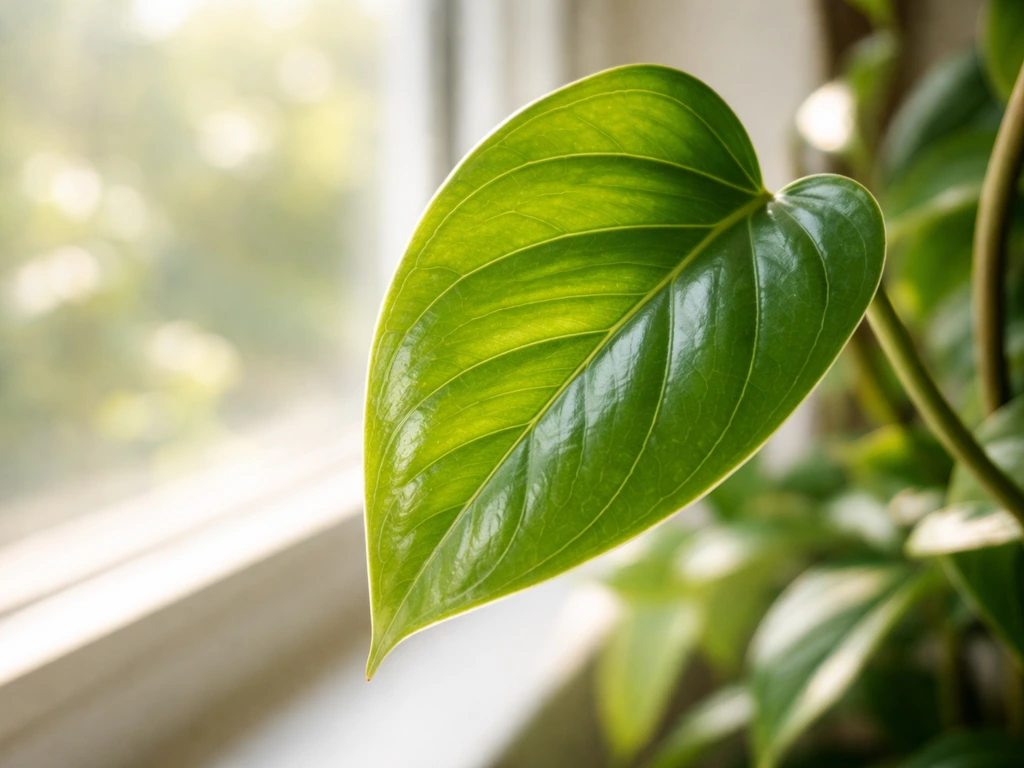
Light is the engine of plant growth. Without it, photosynthesis stalls and no amount of fertilizer or fancy soil mix can compensate. Even plants labeled as "low light" tolerant will grow noticeably better when you bump up their light levels. The catch is that you can't go from a dim corner to bright direct sun overnight. Move plants gradually, over a week or two, to avoid bleaching or burning the leaves. A plant that looked healthy in low light is still adapted to those conditions and needs time to adjust its physiology. Match the plant to the brightest spot that suits its species, and you'll see the biggest growth payoff of any single change you can make.
Watering: thorough and timed right
The single most common plant killer is incorrect watering, and it usually goes in the overwatering direction. The classic finger test is still the best low-tech diagnostic: push your finger about an inch into the potting mix. If it feels dry at that depth, water thoroughly, wetting the entire soil mass, not just the surface. Then wait until the mix dries out to about the 2-inch depth before watering again. The dry-down speed depends on pot size, light levels, temperature, and humidity, so there's no useful universal schedule. Too dry will give you wilting and grayish-green foliage. Too wet produces yellowing leaves and eventual leaf drop. Know which direction your symptoms point, and you'll fix watering problems fast.
Temperature and humidity matter more than most people realize
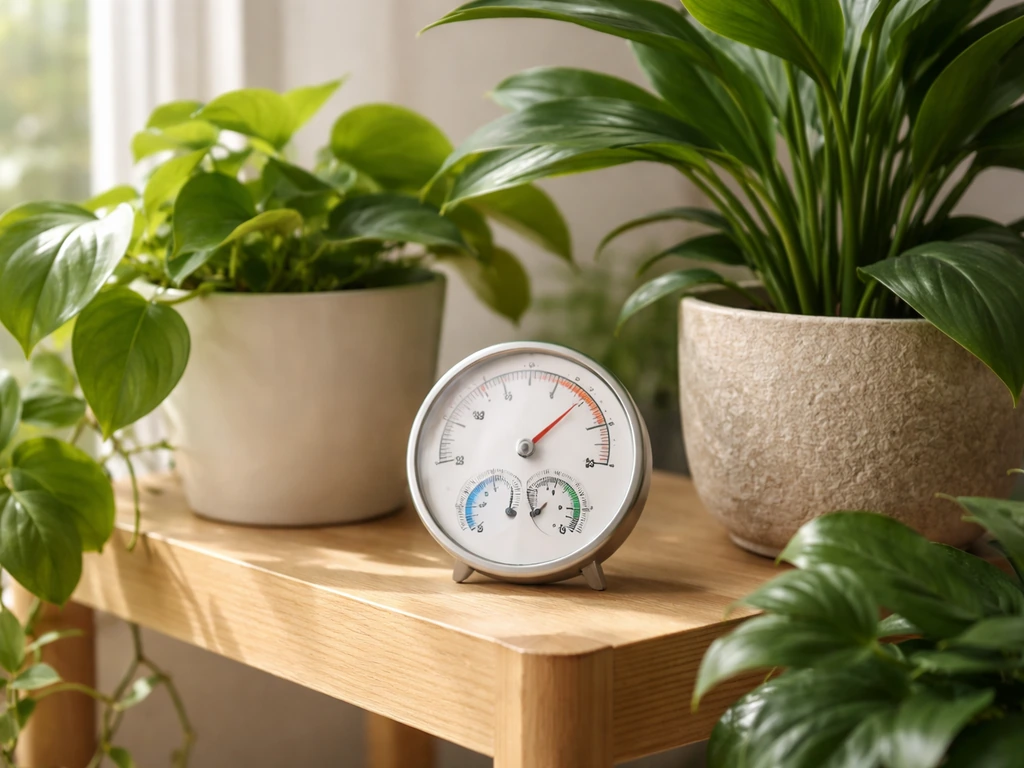
Most common houseplants do best between 65°F and 75°F during the day, dropping to around 55°F to 60°F at night. Relative humidity in the 40% to 60% range is the sweet spot. The problem is that average indoor home humidity is usually below that, especially in winter when heating systems dry the air aggressively. Low humidity speeds up water loss through leaves faster than roots can absorb it, which leads to browning leaf tips and bud drop. A small humidifier near your plants or grouping plants together so they share transpired moisture are both practical fixes. Cold drafts from windows or air conditioning vents are also a real threat, so keep sensitive plants away from those spots.
Airflow is often overlooked
Good airflow strengthens stems (plants build stronger cell walls when they flex slightly in moving air), reduces fungal disease pressure, and helps soil dry down at a healthy rate. A gentle oscillating fan set to low for a few hours a day is enough for most indoor spaces. For outdoor plants, avoid dense planting that traps humidity and encourages disease. Airflow is one of those inputs that costs almost nothing and pays back in plant health and resilience.
Soil quality and drainage: the root zone is everything
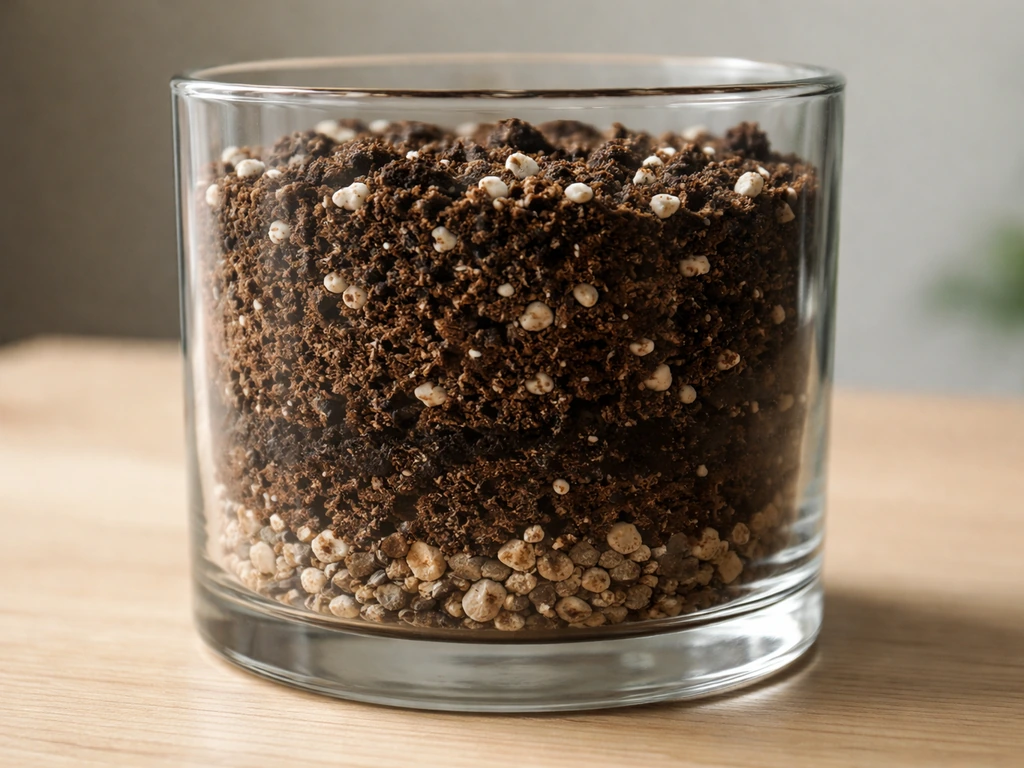
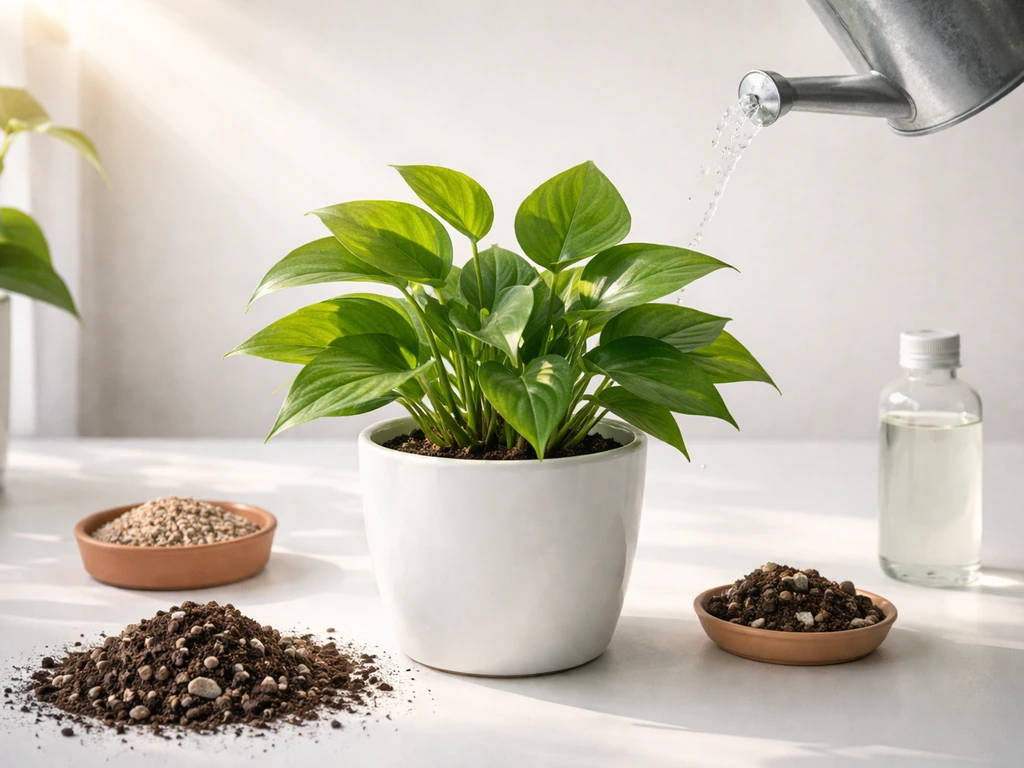
Roots need both moisture and oxygen, and your potting mix has to deliver both at the same time. A general-purpose mix that works well for many houseplants combines about three parts sphagnum peat moss with one part vermiculite and one part perlite. The peat holds moisture, the perlite and vermiculite open up the structure for drainage and aeration. Avoid adding garden soil to container mixes because it compresses over time, reduces drainage, and increases root disease risk. Heavy, fine-textured mixes that stay waterlogged are genuinely one of the fastest ways to kill a plant.
Perlite and pumice are both excellent aerating components that improve the oxygen-to-water balance in the root zone. If you pick up a bag of commercial potting mix and it feels dense and holds water like a sponge, mixing in about 20% to 30% perlite by volume will improve it significantly. Drainage holes are non-negotiable. If a pot doesn't have them, either drill some or use it only as a decorative outer sleeve around a nursery pot that does have holes.
Nutrients: what to feed, when, and how much is too much
Plants need three macronutrients in the largest quantities: nitrogen (N) for leafy, vegetative growth; phosphorus (P) for root development and flowering; and potassium (K) for overall vigor and stress resistance. Those three numbers on any fertilizer bag (N-P-K) tell you the ratio. Beyond macronutrients, plants also need secondary nutrients (calcium, magnesium, sulfur) and micronutrients (iron, manganese, zinc, and others) in smaller amounts. A balanced liquid fertilizer with a ratio like 10-10-10 or 20-20-20 covers most bases for general growth. For flowering plants, a higher middle number (phosphorus) is more appropriate during the blooming phase.
Timing matters as much as the product you choose. Don't fertilize a stressed, dry plant. Water it first, let it recover, and fertilize when the soil has dried slightly but isn't bone dry. Slow-release granular fertilizers are convenient and forgive timing mistakes. Liquid fertilizers work faster but require more attention. For liquid feeding, apply enough so that about 10% of the water leaches out the bottom of the container, which flushes accumulated salts and reduces burn risk.
Overfertilization is a real and common problem. Signs include brown leaf tips and margins, wilting even when the soil is moist, misshapen leaves, browning roots, and a white crusty buildup on the surface of the potting medium or on the outside of terra cotta pots. That crust is fertilizer salt accumulation and it tells you to back off, flush the soil with plain water thoroughly, and extend the time between feedings.
Quick inputs you can add to help plants today
If you want to give your plants something tangible right now, there are a few practical options with real track records. Compost and worm castings are both excellent organic amendments that improve soil structure, add slow-release nutrients, and support microbial life in the root zone. Work a thin layer of worm castings into the top inch of your potting mix or mix compost into garden beds at about 2 to 4 inches deep. These are forgiving, low-risk inputs that rarely cause problems and consistently improve growing conditions over time.
For container plants, a balanced water-soluble fertilizer applied every two to four weeks during the active growing season (spring through early fall) is the standard recommendation. You can also try common household items that support plant growth, like diluted banana peel water for a potassium boost or diluted fish emulsion as a nitrogen source. These work, but they're supplements to a good base routine, not replacements for it. Mycorrhizal inoculants, available as granular or liquid products, colonize plant roots and improve nutrient and water uptake, especially for plants going into new soil. They're worth using at transplanting time.
How to diagnose what's holding your plant back
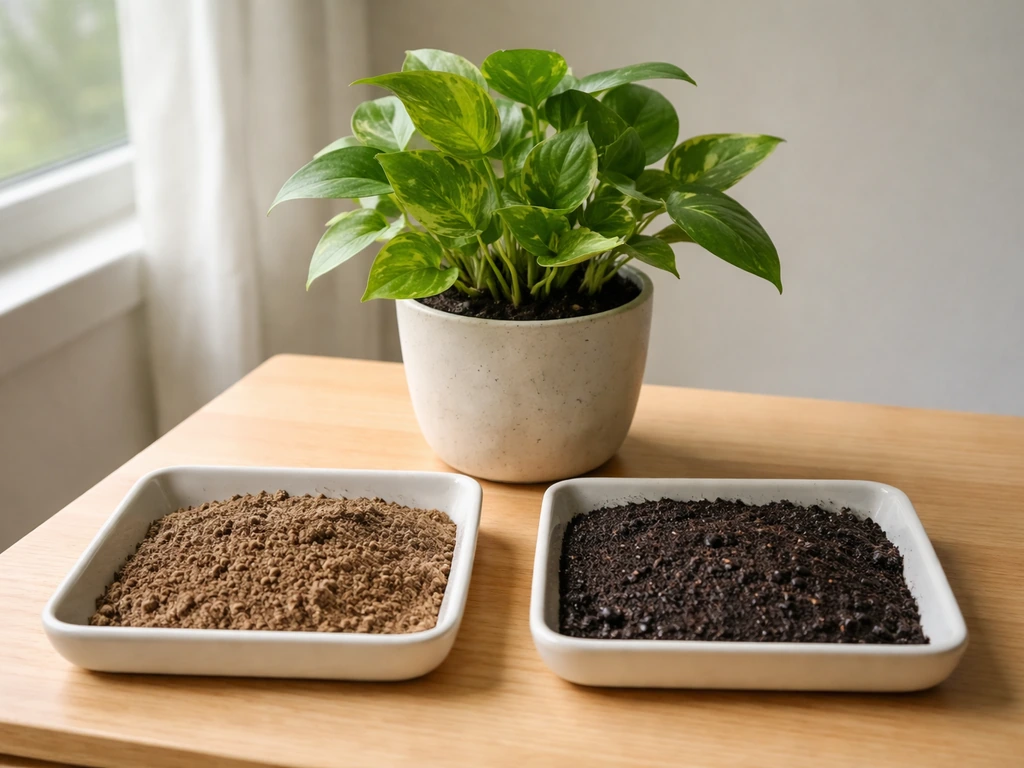
The smartest approach is to rule out the most likely problem first, which is almost always light or moisture, before you start chasing nutrient deficiencies or exotic solutions. Use this symptom guide as a starting point.
| Symptom | Most likely cause | First fix |
|---|---|---|
| Wilting, gray-green leaves | Underwatering or very low humidity | Deep water immediately, check humidity |
| Yellow leaves, leaf drop | Overwatering or waterlogged soil | Let soil dry to 2-inch depth, check drainage |
| Pale, stretched stems (etiolation) | Insufficient light | Move to brighter location gradually |
| Brown leaf tips and margins | Fertilizer salt burn or low humidity | Flush soil with water, check humidity |
| White crust on soil surface or pot | Fertilizer salt accumulation | Flush thoroughly, reduce feeding frequency |
| Stunted growth, dark green leaves | Nitrogen deficiency or pot-bound roots | Fertilize with nitrogen-forward formula or repot |
| Yellowing between leaf veins (interveinal chlorosis) | Iron or magnesium deficiency | Apply chelated iron or balanced micronutrient supplement |
| Soft, mushy stem base or dark roots | Root rot from overwatering | Remove affected roots, repot in fresh dry mix |
The diagnostic process isn't complicated, but it requires looking at roots as well as leaves. Pull the plant gently from its pot every few months. Healthy roots are white or light tan and firm. Brown, slimy, or mushy roots mean overwatering. Tightly circling or pot-bound roots mean it's time to go up one pot size. Roots tell you what leaves can only hint at.
What actually works versus what the internet tells you
There's a long list of popular "plant helpers" that don't hold up under scrutiny. Let me go through the most common ones directly.
Talking to plants and playing music
There's some scientific curiosity around sound vibrations affecting plant cells, but the practical effect in a home or garden setting is negligible. Talking to your plants might benefit you (it gets you in the habit of observing them closely), but the talking itself isn't the growth driver. The attention is. If you want to help your plants grow better, time spent checking moisture levels, adjusting light, and inspecting for pests will do infinitely more than a daily monologue.
Coffee grounds
Coffee grounds do contain a low level of nitrogen plus small amounts of calcium and magnesium. They're not useless. But they're also not a universal plant booster, and applying them directly to soil in large quantities can actually compact the surface, repel water, and create conditions for mold. They're most useful when composted first and then applied to plants that genuinely prefer acidic conditions, like blueberries or azaleas. Sprinkling them on your peace lily or pothos as a growth hack is unlikely to do anything meaningful and could cause harm.
Epsom salt
Epsom salt is magnesium sulfate, so it does provide magnesium, which plants need. The problem is that most potting mixes and fertilizers already contain enough magnesium, so adding more rarely helps and can cause real leaf scorch if sprayed on foliage at concentrations people typically use. Apply Epsom salt only if you have a confirmed magnesium deficiency (interveinal chlorosis that doesn't respond to standard feeding), not as a routine growth enhancer.
Compost tea
Compost tea is frequently overclaimed online. Research results are inconsistent at best: it sometimes showed modest benefits in specific disease suppression trials and failed to replicate in others. It's not a reliable solution to a growth problem, and depending on how it's brewed, it can carry pathogen risks if applied to edible crops. Compost itself is the reliable, evidence-backed input. Compost tea is the rumor about compost.
Ice cubes for watering
The ice cube watering trend, especially popular for orchids, trades convenience for cold root stress. Most tropical plants come from environments where root zone temperatures are consistently warm. Delivering cold water slowly via ice cubes may be easier to manage, but the temperature shock is a real downside. Room temperature water applied thoroughly and less frequently is better biology.
Beneficial insects and animals
This one is actually worth taking seriously for outdoor gardens. Beneficial insects like bees, beetles, and predatory wasps support pollination and pest control in ways that directly improve plant health and productivity. Similarly, animals that contribute to the garden ecosystem, including earthworms, birds, and even some amphibians, play real supporting roles in soil health and pest management. These aren't folklore. They're ecology working as intended.
Adjusting your approach for different plants and growth stages
There's no single universal routine because plants have genuinely different needs. A succulent and a fern sitting side by side will need almost opposite care. Here's how to think about the main categories.
- Tropical houseplants (pothos, philodendrons, peace lilies): bright indirect light, consistent moisture without waterlogging, fertilize every 3 to 4 weeks in spring and summer with a balanced liquid feed, pull back in fall and winter.
- Succulents and cacti: maximum direct light, infrequent deep watering with complete dry-out between sessions, minimal fertilizer (once or twice per growing season at half strength), coarse well-draining mix with high perlite or grit content.
- Outdoor vegetable gardens: full sun (6 to 8 hours minimum), consistent even watering at the root zone (drip irrigation is ideal), regular feeding with a higher-nitrogen fertilizer during leafy growth and a higher-phosphorus fertilizer during fruiting.
- Flowering houseplants (orchids, African violets): specific light needs per species, high humidity particularly for orchids, a bloom-focused fertilizer (higher phosphorus, lower nitrogen) during bud development.
- Seedlings and young plants: gentle, consistent moisture (not soggy), lower fertilizer concentration than mature plants (half strength to avoid root burn), bright light with some protection from intense afternoon sun.
Your quick-start action plan
- Check your light situation first. Move the plant to the brightest appropriate spot if it's been sitting in a dim area. Do it gradually over 7 to 10 days.
- Do the finger test right now. If the top inch is dry, water thoroughly until it runs from the drainage holes. If it's still moist, leave it alone.
- Look at your soil. If it smells sour, stays wet for more than a week, or the pot has no drainage holes, repot into a fresh, well-draining mix.
- Check temperature and humidity. If you're below 40% relative humidity, add a humidifier or group plants together.
- Fertilize only if the plant is actively growing and not showing stress symptoms. Use a balanced liquid fertilizer at label rate or slightly below. Skip feeding in winter.
- Use the symptom table above to identify and fix the biggest limiting factor before adding any supplements, amendments, or "helpers".
Plants are straightforward once you stop trying to solve the wrong problem. Get light, moisture, and soil right first. Add nutrients in appropriate amounts at the right time. Skip the folklore. That sequence will do more for your plants in the next two weeks than any viral gardening hack has ever delivered.
FAQ
Is there a universal watering schedule for all plants?
Yes, if you mean a “watering schedule” like every Tuesday. The better approach is to water based on root-zone dryness at the depth your roots actually occupy (about 2 inches for many pots), then wait for full re-dry. Factors like light level, pot size, and indoor humidity change how fast soil dries, so rigid calendars often cause overwatering.
My plant isn’t growing, should I just add fertilizer?
Usually it’s a sign you’re not matching the plant’s light to its current needs. If leaves are stretching and internodes are long, increase light gradually over 1 to 2 weeks. If growth is already stalled and the plant is still in low light, nutrients often won’t help because photosynthesis is the limiting step.
How can I tell if slow growth is nutrients versus watering or root problems?
Start by checking roots and soil moisture. If leaves wilt when soil is moist, or roots are brown and mushy, pause feeding and correct watering and airflow. If roots are firm and light-colored and the plant is in active growth, then consider whether nutrients are diluted or you’ve been feeding too infrequently, especially during spring through early fall.
When should I stop fertilizing for the year?
For most container plants, feeding is best during active growth (typically spring to early fall indoors, though lighting changes matter). Over winter, growth slows, so reduce or stop feeding. A practical rule is to only fertilize when you see new leaf or stem growth and the plant is not stressed.
What’s the correct way to apply liquid fertilizer without burning plants?
Don’t follow the “weakly, weekly” habit unless the label specifically supports it for your product and plant. Many issues come from overapplication. Use the labeled dilution rate, and for liquid feeding aim for runoff (about 10%) only if the pot can drain freely, then empty the saucer to prevent root saturation.
What should I do if I see white crust on the pot or soil?
If fertilizer salts crust on the soil surface or near the pot rim, flush with plain water thoroughly until clean water drains out, then wait longer between feedings. The crust means you’re accumulating salts, even if the plant looks “mostly fine,” and continued feeding can lead to root browning and leaf tip burn.
Should I fertilize right after repotting?
If you’re repotting, use fresh mix and avoid fertilizing immediately. Many gardeners wait about 2 to 4 weeks after potting because the new soil already contains some nutrients and root damage from transplanting makes extra fertilizer risky.
My leaves are yellow. How do I know if it’s overwatering or something like fertilizer burn?
Overwatering and under-airflow can look similar at first. Check the potting mix with the finger test at depth, and inspect roots if the issue persists. Yellowing plus leaf drop points toward excess moisture, while brown crispy tips that worsen after feeding can indicate salt buildup. Adjust only one major variable at a time so you can tell what fixed it.
Why do leaf tips brown in winter even though I’m watering correctly?
In many homes, that mismatch is the culprit. A plant that’s fine at 40% to 60% humidity for some time may brown at the leaf tips when winter air drops below that range. Move away from cold drafts and heating vents, add humidity near the plants, and keep airflow gentle but not blowing directly on leaves.
How do I increase light without scorching my plants?
Most plants tolerate “bright indirect” better than “low light,” but direct sun can scorch if you jump abruptly. Move plants toward more light gradually over 1 to 2 weeks, watch for leaf bleaching (fading) versus burning (spots), and prioritize the brightest spot that matches the plant’s label rather than maximizing intensity.
Should I fix soil or fertilizer first for a struggling houseplant?
It depends on the diagnosis, but a common mistake is treating a nitrogen, phosphorus, or potassium problem when the real issue is roots, light, or water. If you see fungus gnats, stale soil, or compacted mix, fix drainage and airflow first. Only then adjust feeding, because nutrients can’t help a plant that can’t photosynthesize or can’t breathe in the root zone.
How do I know whether to repot or just adjust care?
For indoor containers, pot size and root health matter. If roots are circling tightly or the plant dries out in a day or two, move up one pot size and refresh the mix. If the plant stays soggy for long periods, don’t upsize yet, switch to a lighter mix with aerating components, and improve drainage.
How much compost or worm castings is safe to add to a potted plant?
Use amendments for soil structure, not as instant “growth boosters.” Compost and worm castings are generally safe in modest amounts, but too much can still hold moisture or throw off balance. Keep additions thin (for example, working into the top inch) and plan on improvements showing over weeks, not overnight.
Are home remedies like Epsom salt or banana peel water actually worth using?
For any “help plants grow” home remedy, treat it like a supplement and only use it when you can meet the basics first. For example, Epsom salt is magnesium sulfate, it rarely helps if magnesium is already adequate, and it can scorch if applied to foliage at high concentrations. If you don’t have a clear deficiency signal, focus on light, water, and balanced feeding.
Next Articles
How Do Microorganisms Help Plants Grow: Practical Guide
Learn how microbes in the rhizosphere fix nitrogen, boost phosphorus, aid roots, suppress disease, and how to grow them.
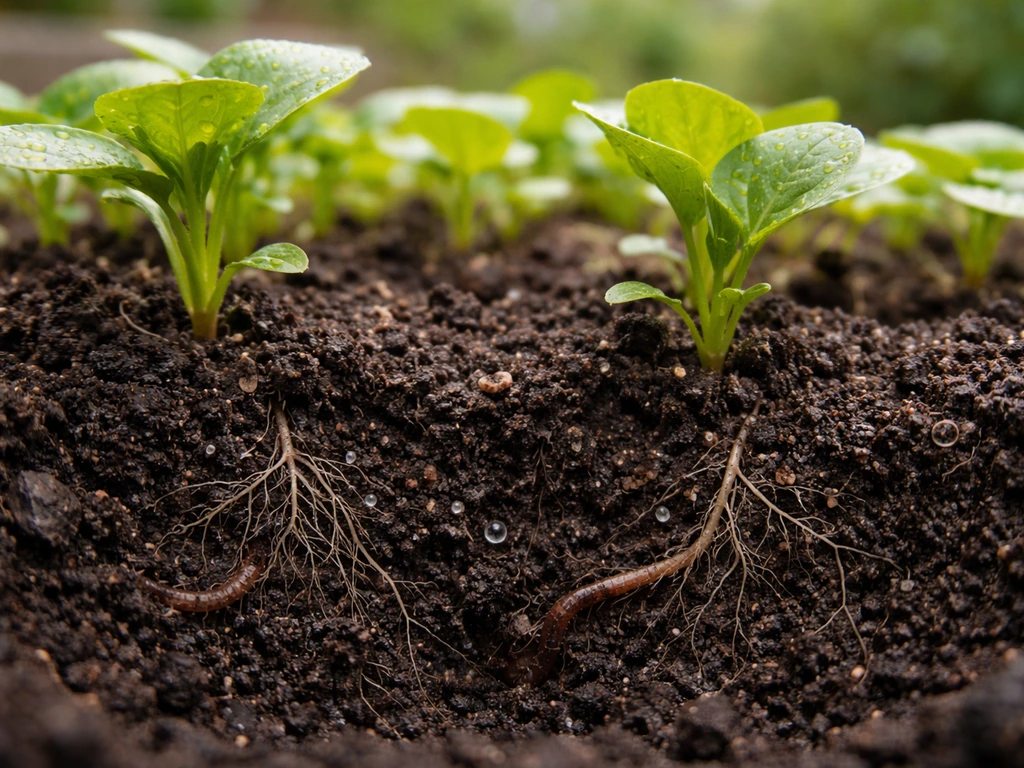
How Does Yeast Help Plants Grow? Safe, Practical Guide
Learn how yeast boosts plant growth via soil microbes, safe dilution and timing, plus myths, limits, and troubleshooting
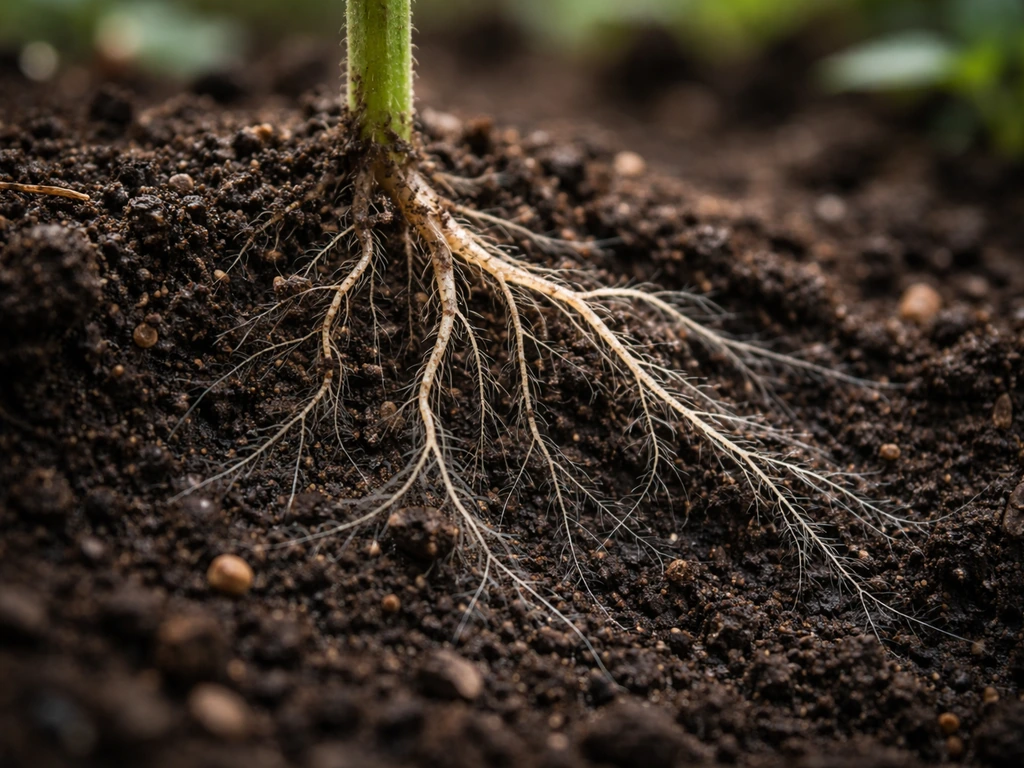
Do Mushrooms Help Plants Grow? Science and How to Use
Science-backed answer on whether mushrooms help plants grow, plus how to use mycorrhiza, compost, and test results.