Bees, ground beetles, hoverflies, lacewings, earthworms, and a handful of other small invertebrates are doing some of the most important work in your garden right now. They pollinate your vegetables and fruit, eat the aphids and caterpillars that would otherwise shred your plants, and break down organic matter into the nutrients plants actually absorb through their roots. These aren't folklore benefits, either. They're measurable, repeatable, and well-documented in field research. The short version: more beneficial insect diversity in your garden means better yields, fewer pest outbreaks, and healthier soil, all without a bag of synthetic inputs.
What Bugs Help Plants Grow: Beneficial Insects Guide

Marcus Holloway
19 May 2026
How insects help plants grow (the real jobs)
Insects contribute to plant growth through three distinct pathways, and it's worth being clear about each one so you know what you're actually trying to support. If you're also wondering what animals help plants grow, the big three to keep in mind are pollinators, biocontrol insects, and soil decomposers. The first is pollination: moving pollen between flowers so that fertilization happens, fruit sets, and seeds form. Without this, most flowering food plants produce nothing. The second is biocontrol: predatory and parasitic insects that keep pest populations low enough that plants can photosynthesize and grow without constant damage. The third is decomposition and nutrient cycling: soil-dwelling invertebrates that break down dead organic matter and release nitrogen, phosphorus, and other nutrients into forms plant roots can take up. Each pathway is distinct, and the insects involved in one don't necessarily overlap with the others.
One thing worth saying upfront: insects don't replace the basics. Soil quality, available light, water, and nutrients are still the primary drivers of how well plants grow. Beneficial insects work within that system, amplifying what's already there. A garden with great pollinators but poor drainage or compacted soil is still going to struggle. Think of insects as a force multiplier, not a substitute for getting the fundamentals right. Healthy plants also benefit from understanding overall what help plants grow, since insects are only one part of the system.
Pollinators that increase fruit and seed set
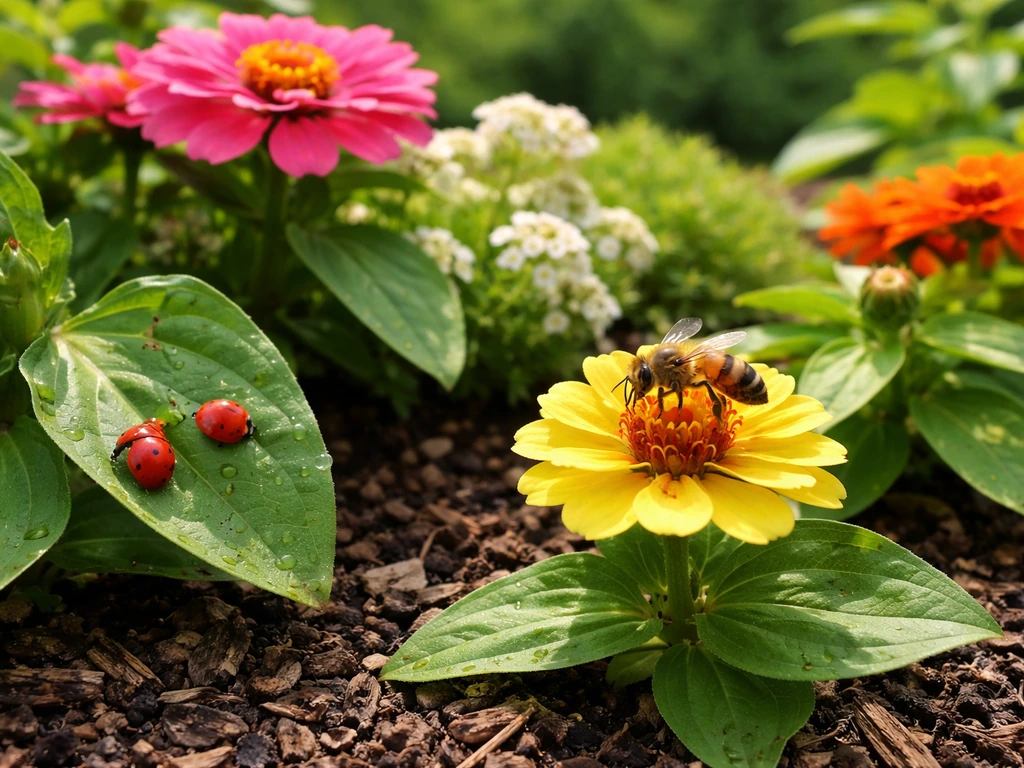
Honeybees get most of the credit for pollination, but the research tells a more interesting story. A large meta-analysis published in Nature Communications found that pollinator functional diversity, meaning a mix of different insect species and types, enhances crop pollination and yield beyond what any single species provides. And a global review indexed in PubMed showed that non-bee insects including flies, beetles, moths, butterflies, and wasps can deliver pollination services comparable to bees when you measure actual fruit set and seed set outcomes. So a garden that only attracts honeybees is leaving pollination capacity on the table.
Pollen limitation is a real, measurable problem in gardens. Research using supplemental hand-pollination trials has shown that some crops see reproductive output increase by around 34% when pollen limitation is removed, meaning when pollinators are doing their job fully. If your tomatoes are flowering but not setting fruit, or your squash flowers are dropping without producing, inadequate pollination is one of the first things to check.
Key pollinators to know
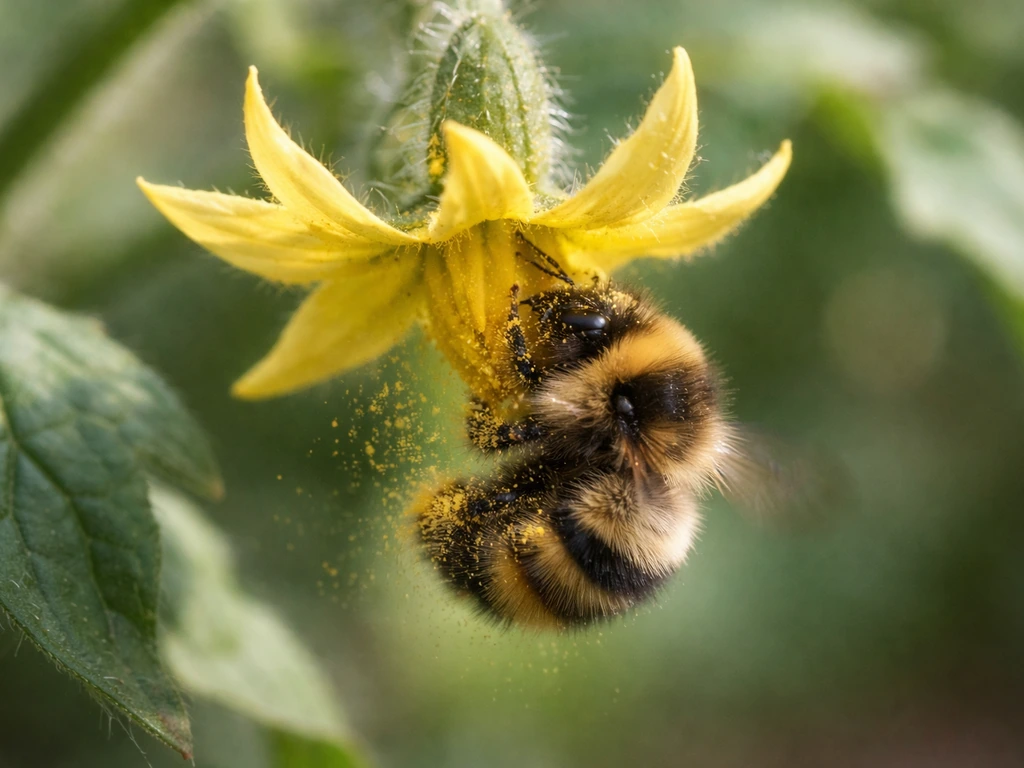
- Native bumblebees: Exceptional pollinators for tomatoes, peppers, and blueberries because they perform buzz pollination (sonication), vibrating at a frequency that releases pollen honeybees can't access.
- Mason bees and leafcutter bees: Solitary native bees that are dramatically more efficient per-visit than honeybees for many orchard crops and garden flowers.
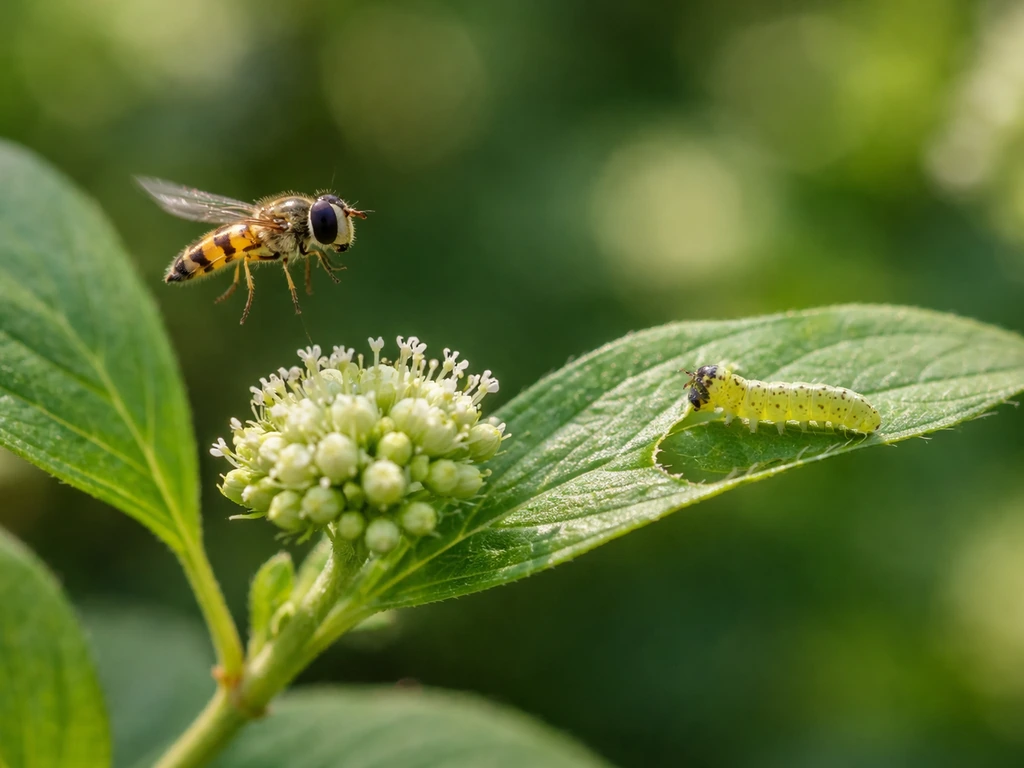
- Hoverflies (Syrphidae): Look like small striped bees or wasps but are true flies. Adults feed on nectar and pollen and are major pollinators of many vegetable crops, especially in cooler or overcast conditions when bees are less active.
- Butterflies and moths: Less efficient per-visit but important for specific crops and wildflowers, particularly those with tubular flowers or those that open at night.
- Beetles: Often overlooked, but beetles were pollinating plants long before bees evolved. They're especially relevant for magnolias, pawpaws, and some spice plants.
- Wasps: Yes, wasps pollinate. They visit flowers regularly for nectar and move pollen in the process. Fig wasps are famously the sole pollinator of figs.
Beneficial insects that control pests (biocontrol)
Pest pressure is one of the most direct ways insects affect plant health. A bad aphid infestation can stunt growth, distort new leaves, and spread plant viruses. Caterpillar damage reduces a plant's ability to photosynthesize. But if you have a healthy population of predatory insects in your garden, many of these problems regulate themselves before they become crises. This is biological control, and it's one of the most practical benefits a diverse insect community provides.
Predators: insects that eat pests directly
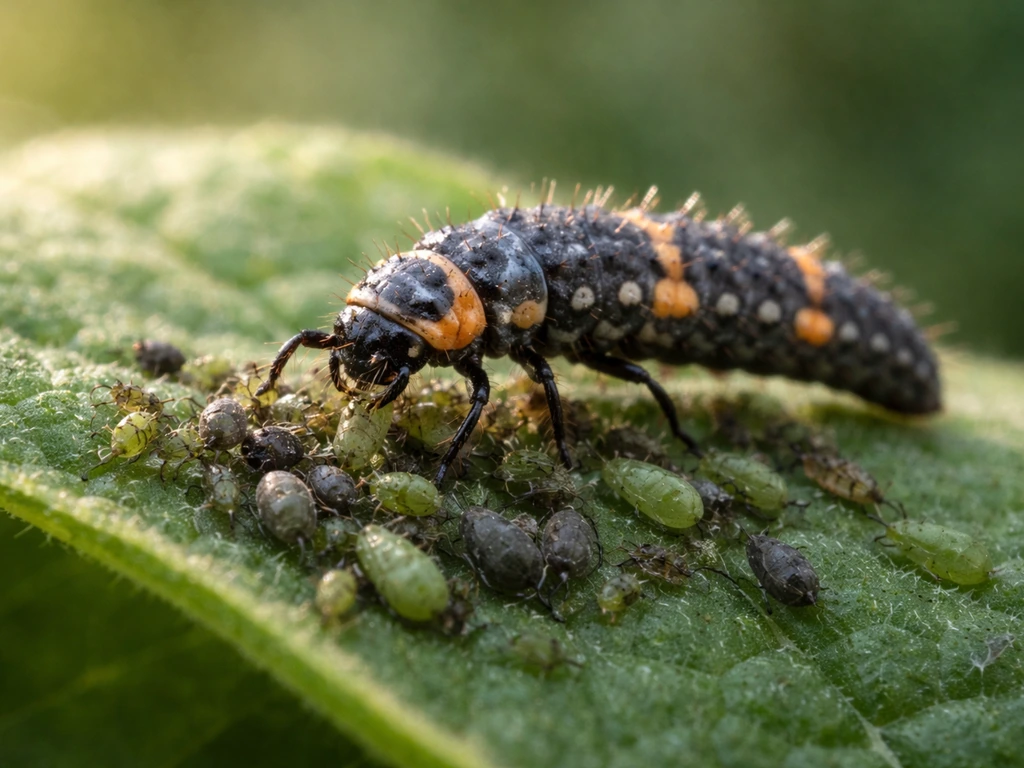
- Ladybugs (lady beetles): Both adults and larvae eat aphids voraciously. A single larva can consume 200 to 400 aphids before it pupates.
- Lacewings: The larvae, sometimes called aphid lions, eat aphids, whiteflies, small caterpillars, and thrips. Adults feed on nectar and pollen, so they need flowering plants to stay in your garden.
- Ground beetles: Large, fast-moving beetles that hunt slugs, soil-dwelling grubs, and many other pests at night. They need undisturbed soil and leaf litter to shelter during the day.
- Soldier beetles: Adults eat soft-bodied insects including aphids while also visiting flowers for nectar, making them dual-purpose beneficials.
- Predatory wasps (including yellow jackets): While they have a reputation problem, yellow jackets and paper wasps hunt caterpillars and soft-bodied insects to feed their larvae. In a vegetable garden, they're more helpful than harmful.
- Minute pirate bugs (Orius): Tiny but aggressive, these bugs attack thrips, spider mite eggs, and small caterpillars, and they're commercially available for greenhouse use.
Parasitoids: insects that use pests as hosts
Parasitoid wasps and flies are some of the most effective biocontrol agents in existence. They lay eggs inside or on pest insects, and the developing larvae consume the host. Braconid wasps parasitize tomato hornworms, aphids, and whiteflies. Trichogramma wasps target the eggs of many moth and butterfly species before they even hatch into leaf-eating caterpillars. Tachinid flies parasitize caterpillars, beetles, and stinkbugs. None of these look threatening, most are tiny and easily mistaken for gnats or small flies, but they do enormous work keeping pest populations in check. You attract them the same way you attract other beneficials: flowering plants that provide nectar and pollen for the adults.
Soil helpers: decomposers and nutrient cycling bugs
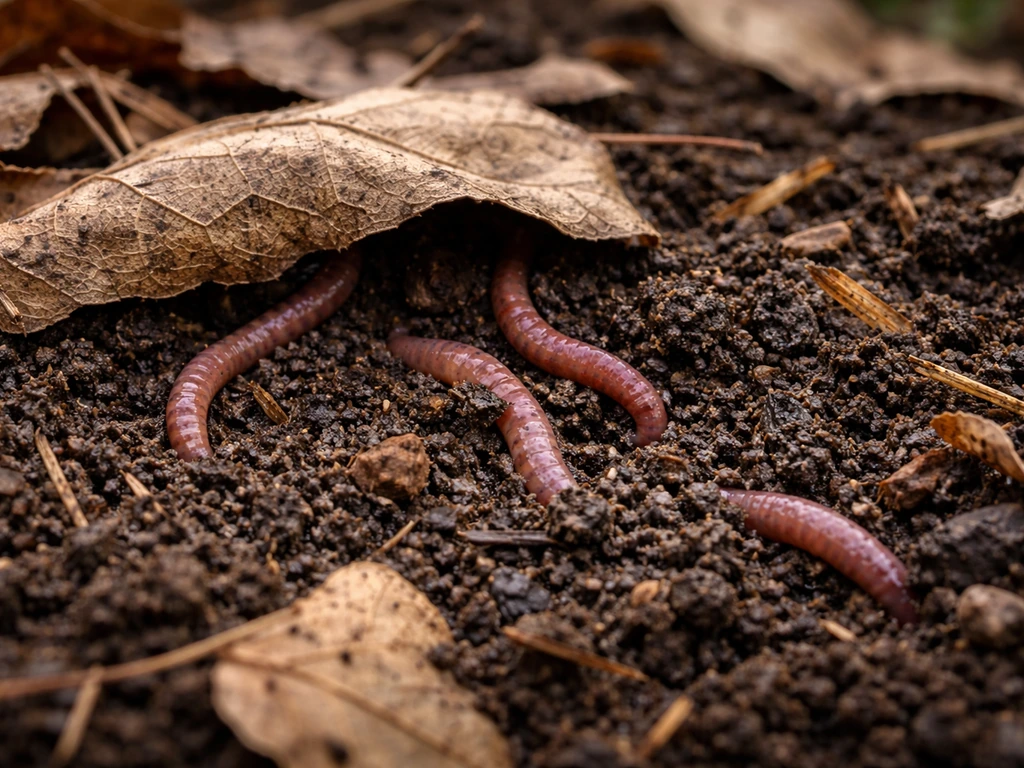
Healthy soil is not just dirt. It's a living system, and insects and other invertebrates are a critical part of what makes it work. When organic matter, dead leaves, wood, old roots, and plant debris breaks down into plant-available nutrients, invertebrates are doing much of that work alongside bacteria and fungi. Without them, nutrient cycling slows, organic matter accumulates without breaking down, and the soil structure that holds air and water degrades.
- Earthworms: Technically not insects (they're annelids), but too important to skip. Earthworms consume organic matter and soil, casting out material that is richer in nitrogen, phosphorus, and potassium than the surrounding soil. They also create channels that improve drainage and root penetration.
- Pill bugs (roly-polies) and sowbugs: Crustaceans, not insects, but they live in the soil and shred decaying plant matter into smaller pieces that bacteria and fungi can process more quickly.
- Dung beetles and carrion beetles: In gardens near lawns or where animal matter is present, these beetles accelerate the breakdown of organic waste into usable soil nutrients.
- Springtails: Tiny, jumping soil insects that consume fungi, algae, and decaying plant matter. They're among the most abundant invertebrates in healthy garden soil and play a major role in nutrient cycling.
- Millipedes: Like pill bugs, they shred dead plant material and speed up decomposition. They prefer moist, mulched environments.
- Soldier fly larvae (Hermetia illucens): Commonly found in compost bins, their larvae break down food scraps rapidly and leave behind a nutrient-rich frass that works as a soil amendment.
The practical takeaway here is that mulching, adding compost, and reducing soil disturbance all support these populations. Bare, compacted, or frequently tilled soil has dramatically fewer soil invertebrates, which means slower nutrient cycling, less organic matter breakdown, and plants that have to work harder to access what they need.
How to tell beneficial vs harmful insects
The honest answer is that most insects in your garden are either beneficial or neutral. Genuine plant pests, meaning insects that actively damage plants and reduce growth or yield, are a minority. The problem is that most gardeners are trained to see any bug as a threat and reach for a spray. That reflex wipes out the beneficials along with the pests, leaving plants more vulnerable to the next pest outbreak because the natural controls are gone.
| Insect | Beneficial or pest? | What it does | How to ID it |
|---|---|---|---|
| Ladybug adult and larva | Beneficial | Eats aphids, mites, scale insects | Adults: round, red/orange with black spots; larvae: elongated, dark with orange markings |
| Lacewing larva | Beneficial | Eats aphids, whiteflies, thrips | Pale, alligator-shaped larva with large pincers; adults are delicate green or brown with veined wings |
| Hoverfly adult | Beneficial (pollinator) | Pollinates flowers; larvae eat aphids in some species | Wasp-like stripes but only two wings; hovers in place; no waist constriction |
| Ground beetle | Beneficial | Hunts slugs, grubs, caterpillars at night | Shiny black or brown, fast-moving; flat body; found under debris |
| Aphids | Pest | Suck plant sap, transmit viruses, distort growth | Tiny (1-3mm), pear-shaped, clustered on new growth; many colors |
| Tomato hornworm | Pest (but host for parasitoids) | Defoliates tomatoes, peppers, eggplant | Large green caterpillar with white diagonal stripes and a rear horn; look for white cocoon bundles if parasitized |
| Squash vine borer | Pest | Larva tunnels inside squash stems, killing the plant | Adult is a wasp-mimic moth; larvae are white grubs found inside split stems |
| Braconid wasp | Beneficial (parasitoid) | Parasitizes aphids, hornworms, whiteflies | Tiny, 2-15mm; often seen on or near aphid clusters or emerging from caterpillar hosts |
| Thrips | Pest | Scrapes plant tissue, spreads viruses | Sliver-shaped, 1-2mm; causes silvery streaks or distorted leaves |
| Minute pirate bug | Beneficial | Predates thrips, mites, small caterpillars | Tiny oval bug, black and white; moves quickly; found on flowers and foliage |
A useful rule of thumb: if you see an insect eating another insect, it's almost certainly on your side. If you see an insect feeding directly on plant tissue, leaves, stems, or fruit, that's when you investigate further. Don't spray anything until you can actually identify what you're looking at. The University of California's IPM program and iNaturalist are both excellent free tools for identification if you're unsure.
How to attract and protect beneficial insects today
You don't need to buy insects or install complicated systems. The goal is to make your garden a place where beneficial insects want to live and reproduce, which means food, shelter, and water. Here's what actually moves the needle.
Plant flowering plants with different bloom times
Most beneficial insects need nectar and pollen as adults even if they're predatory as larvae. That means you need flowers blooming from early spring through late fall. Early bloomers like phacelia, borage, and sweet alyssum bring in beneficials before most garden plants are even in the ground. Mid-season, buckwheat, dill, fennel, and coriander left to flower support parasitoid wasps and hoverflies. Late-season asters, goldenrod, and native sunflowers are critical for insects building up fat reserves before winter. The more bloom diversity, the more insect diversity. Aim for at least three species blooming at any given time in the season.
Give them places to live
- Leave some bare, undisturbed soil in a sunny spot: About 70% of native bee species nest in the ground and need loose, dry soil to do it.
- Keep a section of leaf litter or wood chip mulch: Ground beetles, lacewings, and many other beneficials overwinter in leaf litter and debris. Bagging all your fall leaves removes their habitat.
- Install a simple bee hotel: Hollow stems or drilled wood blocks attract mason bees and other cavity-nesting species. Mount it facing south or east, 3-5 feet off the ground.
- Tolerate some 'messiness': Dead stems left standing through winter are nesting sites for native bees. Cut them back in late spring when temperatures are consistently above 50°F.
Provide water
A shallow dish of water with a few stones or corks for landing spots is enough. Insects need water and will use it. Change it every few days to prevent mosquito breeding. This is a small thing but it genuinely helps, especially in dry summers.
Stop (or sharply reduce) broad-spectrum pesticide use
This is the most impactful single change most gardeners can make. Broad-spectrum insecticides, including many organic ones like spinosad and pyrethrin, do not distinguish between a pest aphid and a beneficial lacewing. Even systemic pesticides like neonicotinoids, which are applied to soil or seeds, show up in pollen and nectar at concentrations that impair bee navigation and reproduction. If you must spray, use targeted options like insecticidal soap or neem oil, apply them in the evening when most beneficials are inactive, and spray only the affected plant, not the whole garden.
Tolerate some pest pressure
Beneficial insects need something to eat. A garden with zero aphids has no reason to keep aphid predators around. Adding the right household items can also support soil health and plant growth, which helps beneficial insects do their work in your garden. A low-level pest population is normal and healthy. The threshold for intervention should be 'this is causing meaningful damage to yield or plant health', not 'I saw one aphid.' Most minor infestations resolve themselves within a week or two once natural predators find them, if the predators haven't been killed off by pesticides first.
Use companion planting strategically
Interplanting flowering herbs and vegetables among your crops creates insect habitat right where you need it. Dill and fennel attract parasitoid wasps. Borage draws pollinators and predatory beetles. Sweet alyssum planted as a border or ground cover under brassicas provides nectar for hoverflies whose larvae then eat aphids on the same plants. This isn't gardening folklore, it's a practical application of insect ecology. The science of what household and garden inputs help plants grow is broader than most people realize, and beneficial insects fit squarely within that picture alongside soil amendments, proper watering, and the right light conditions.
The bottom line is that the insects helping your garden aren't rare or exotic. They're already there, or they will be if you give them what they need. Build in the habitat, cut back on the sprays, and plant for continuous bloom. Do those three things and you'll notice the difference in fruit set, pest levels, and overall plant vigor within a single growing season.
FAQ
How can I tell which bugs are actually helping plants grow versus just visiting my garden?
Start with what you can safely observe: if the insect is on flowers and you see movement between blooms, it is likely supporting pollination. For biocontrol, look for small predators or parasitoids near aphid or caterpillar hotspots, and note whether aphids are being consumed or parasitized. For soil roles, you usually will not “see” nutrient-cyclers directly, instead you infer them from faster mulch breakdown and more earthworm activity after adding compost and reducing tilling.
When should I intervene for pests if beneficial insects are present?
Aim to keep a low, steady pest presence long enough for natural enemies to establish, then intervene only if damage is escalating. A practical check is whether leaves are being continuously distorted, new growth is being eaten faster than it can recover, or fruit set is declining. If the plant health impact is mild and localized, wait 7 to 14 days so predators and parasitoids can catch up, but be ready to act sooner for fast-growing pests or when conditions favor outbreaks.
What’s the best way to use a pesticide without wiping out beneficial insects?
Avoid broad-spectrum sprays even when you label them as “natural.” Neem oil and insecticidal soap can still reduce non-target insects if they contact them directly. If you must treat, do it late in the day, target only the affected plant, and spot-treat rather than wet the whole bed. Re-check a day or two later so you can confirm pests are actually reduced without a sudden collapse of beneficial activity.
What if my garden has flowers, but beneficial insects still seem scarce?
If the only flowers in your garden are short-lived and concentrated, beneficials will struggle when your crop flowers finish. You want continuous bloom across the season, including early spring before vegetables flower and late fall after harvest. A simple strategy is to stagger three or more plant species so at least one is flowering at any given time, and include late-season nectar sources like asters or goldenrod to help beneficials survive winter.
Do I need to buy or release beneficial insects to see results?
Yes, but with different expectations. Some helpful species are tiny and hard to spot, and others spend most of their lives in soil litter or on plant stems. Instead of counting insects, track outcomes that matter: more consistent fruit set, fewer repeat aphid surges, and faster recovery after minor chewing damage. If you do see pests returning quickly after treatment, that is often a sign beneficials were reduced.
How do I set up a water source, and will it increase mosquitoes?
Many beneficial insects use water sources, but avoid stagnant containers. Use a shallow dish with landing spots, change the water every few days, and place it near plantings that provide nectar so beneficials do not have to travel far. If you live in a rainy climate, you may not need a dish, because natural puddling can be enough, but compacted dry areas often benefit from added water.
What soil changes help the “decomposition” pathway the most, and what should I avoid?
Over-tilling and leaving soil bare usually reduce soil invertebrates, which slows decomposition and nutrient cycling. Use a consistent mulch layer, add compost in reasonable amounts, and keep disturbance minimal, especially during the growing season when soil life is most active. If you need to plant into beds, do it with shallow disturbance and keep residues in place so decomposers have continuous food.
Do beneficial insects fix problems caused by watering or nutrient issues?
Plants that are stressed by heat, low light, or poor irrigation are more attractive to some pests and harder for plants to outgrow damage. Beneficial insects cannot compensate for chronic issues like waterlogged soil, severe nutrient shortages, or compacted roots. A good diagnostic step is to correct irrigation and drainage first, then reassess pest pressure after plants regain vigor.
Why do my pests come back quickly after I spray?
Yes. Broad-spectrum tactics often create a cycle where pests rebound because natural enemies were removed. Also, treating “the whole garden” can kill beneficials that were not causing the problem. If you notice a pest cluster, isolate the hot spot, identify the pest and the likely natural enemies, then spot-treat only when plant health is meaningfully affected.
How do I keep beneficial insects around if I frequently clean up beds and borders?
You may see fewer beneficials right after cutting flowering plants back, switching to bare beds between seasons, or removing “weeds” that are actually nectar sources. Reintroduce bloom continuity with herbs or native flowers, and keep some non-crop habitat at the edge of beds. If you remove all aphid-harboring plants plus all flowering resources, predators may not stick around long enough to regulate pests later.
Next Articles
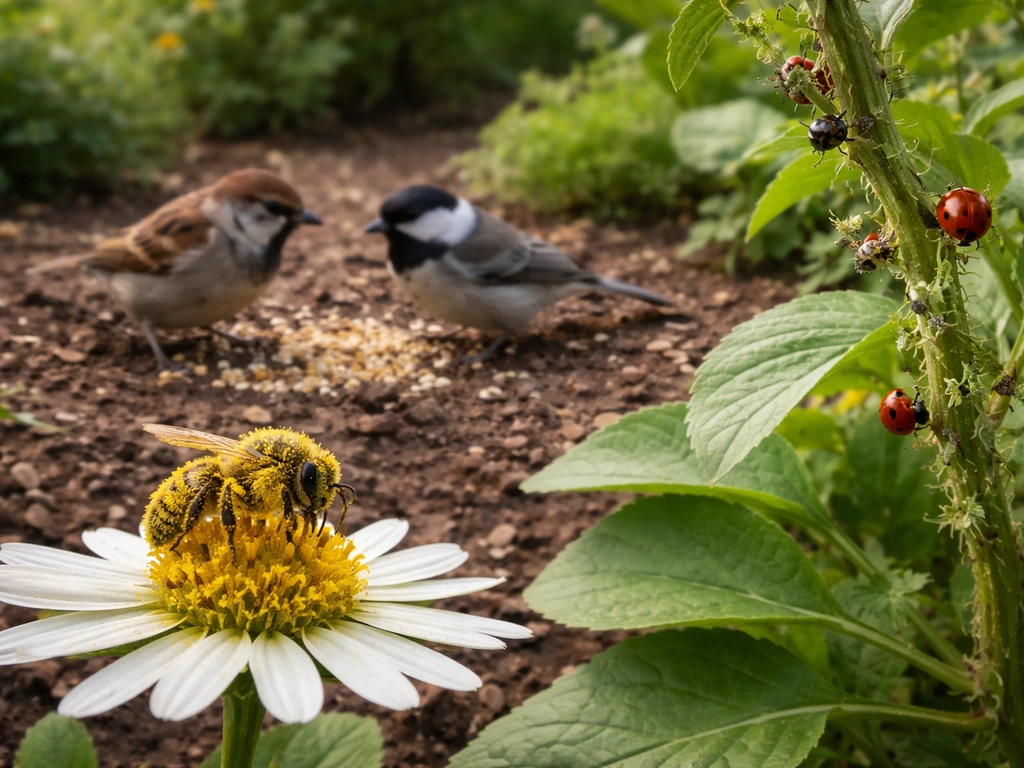
What Animals Help Plants Grow and How to Invite Them
Discover which animals boost plant growth through pollination, seed dispersal, and nutrient cycling, plus how to attract
What Household Items Help Plants Grow: Safe, Practical Tips
Use everyday household items to boost light, water, soil, and nutrients, plus myths and quick troubleshooting tips.
How to Help Plants Grow: Light, Water, Soil, and Nutrients
Learn how to help plants grow with the right light, watering, soil, nutrients, and troubleshooting for better health.