Most plants that aren't thriving are suffering from one of four problems: wrong light, wrong water, poor soil, or missing nutrients. Before you buy anything or change your entire routine, run a quick diagnosis first. Look at the leaves. Check the soil moisture with your finger. Consider where the plant is sitting and how often you've fed it. The answer is usually right in front of you, and the fix is simpler than you'd think.
How to Help Plants Grow: Light, Water, Soil, and Nutrients
Marcus Holloway
22 Apr 2026
Start here: figure out what's actually limiting your plant
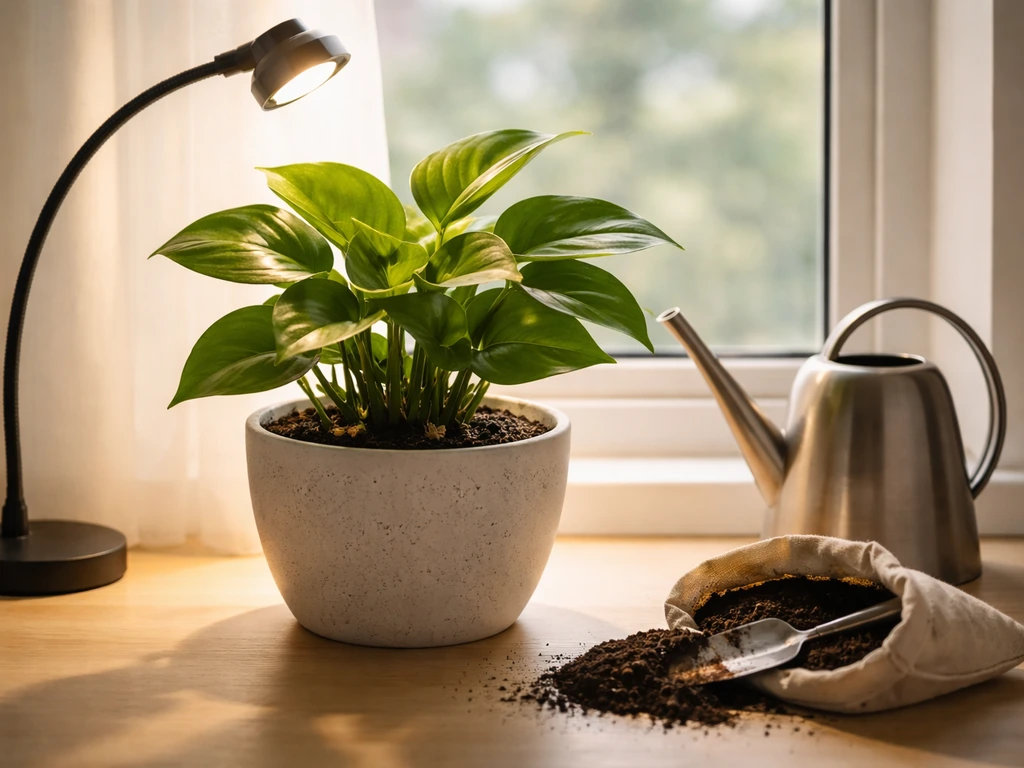
UC IPM research is clear that plant decline is most commonly linked to improper watering, improper fertilization, root diseases, poor sanitation, and adverse environmental conditions like low light or low humidity, in roughly that order. So before adjusting anything, work through these four questions.
- Light check: Is the plant getting enough brightness for its type, and is it sitting in direct sun, bright indirect light, or low light? Does the growth look pale or stretched toward a window?
- Water check: Push your finger two inches into the soil. Is it bone dry, soggy, or just right? Root rot and drought stress look surprisingly similar from the outside.
- Soil check: When did you last repot? Is water pooling on the surface or draining fast? Are roots poking out of the drainage holes?
- Nutrient check: Are the leaves yellowing in a pattern (older leaves first, or new growth first)? Is there a white crust on the pot or soil surface? Those are your clues.
One important caveat: symptoms overlap. Brown leaf tips can mean overfertilization, salt buildup, dry soil, wet soil, or too much sun. Don't diagnose from a single symptom. Look at the whole picture, including when the problem started, what recently changed, and whether pests are present. If you suspect trouble, check for common plant pests, since some insects and bugs can directly damage leaves while others help keep soil and plants healthy pests are present. More on that later.
Light: give your plant the right brightness and spectrum
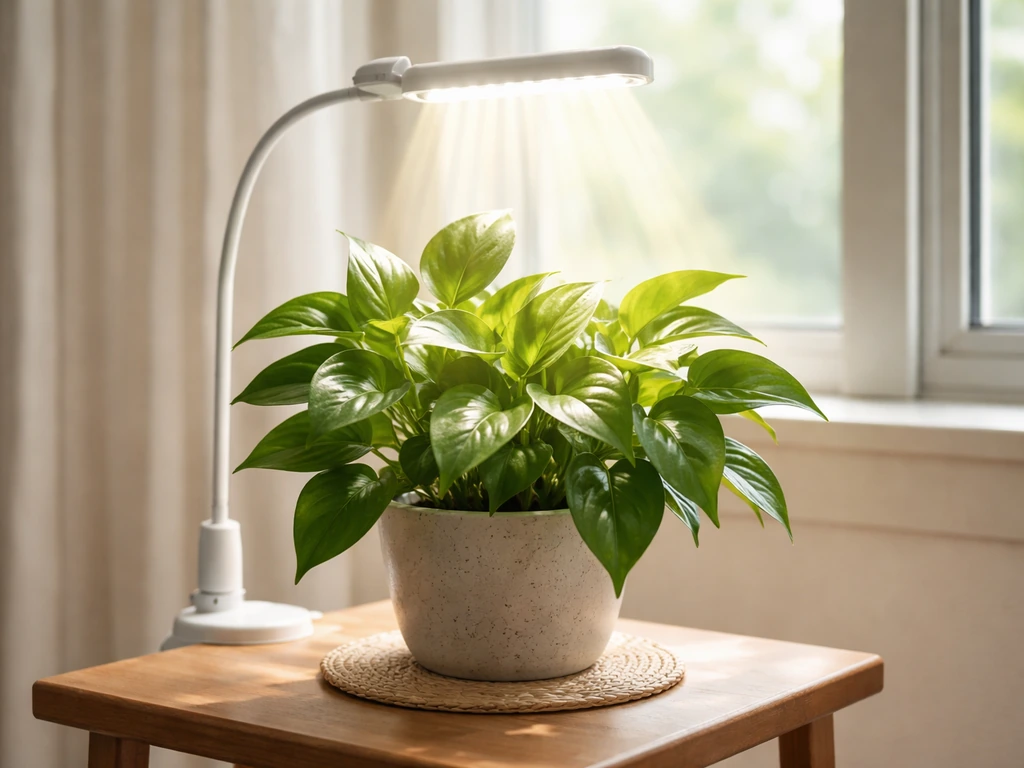
Light is the single biggest growth driver, and it's the one most people underestimate. A plant sitting six feet from a north-facing window is receiving a fraction of the light you think it is. Two practical numbers matter here: PPFD (the intensity of usable light hitting the plant) and photoperiod (how many hours per day it receives that light). Together they produce a value called the Daily Light Integral, or DLI, which is basically the plant's total light diet for the day.
Research on indoor lettuce found optimal growth at a PPFD of around 200 µmol m⁻² s⁻¹ with a 16-hour photoperiod, producing a DLI of about 11.5 mol m⁻² per day. That's a useful reference point. Most foliage houseplants like philodendrons manage well at PPFD values between 50 and 250 µmol m⁻² s⁻¹, while succulents prefer 100 to 200. Fruiting and flowering plants generally want more.
Spectrum matters too, not just intensity. Studies varying the red-to-blue light ratio in indoor growing setups found that the ratio changes plant physiology and biochemistry even when PPFD stays constant. In practical terms, this is why cheap warm-white bulbs don't perform as well as full-spectrum grow lights. If you're supplementing with artificial light, look for LEDs labeled full-spectrum or with a listed color temperature between 5000K and 6500K for vegetative growth.
Matching light to your specific plant
- Sun-lovers (tomatoes, succulents, most herbs): at least 6 hours of direct sun outdoors, or a grow light running 14 to 16 hours indoors near the canopy
- Bright indirect light plants (pothos, monsteras, fiddle-leaf figs): within 3 to 4 feet of a south- or east-facing window, no harsh midday direct sun
- Low-light tolerators (ZZ plants, snake plants, cast iron plants): can manage in dim rooms but grow slowly; these plants survive low light, they don't prefer it
- Leggy or pale growth is a clear signal the plant wants more light; move it closer to the window or add supplemental lighting before trying anything else
Watering: frequency, technique, and keeping roots healthy
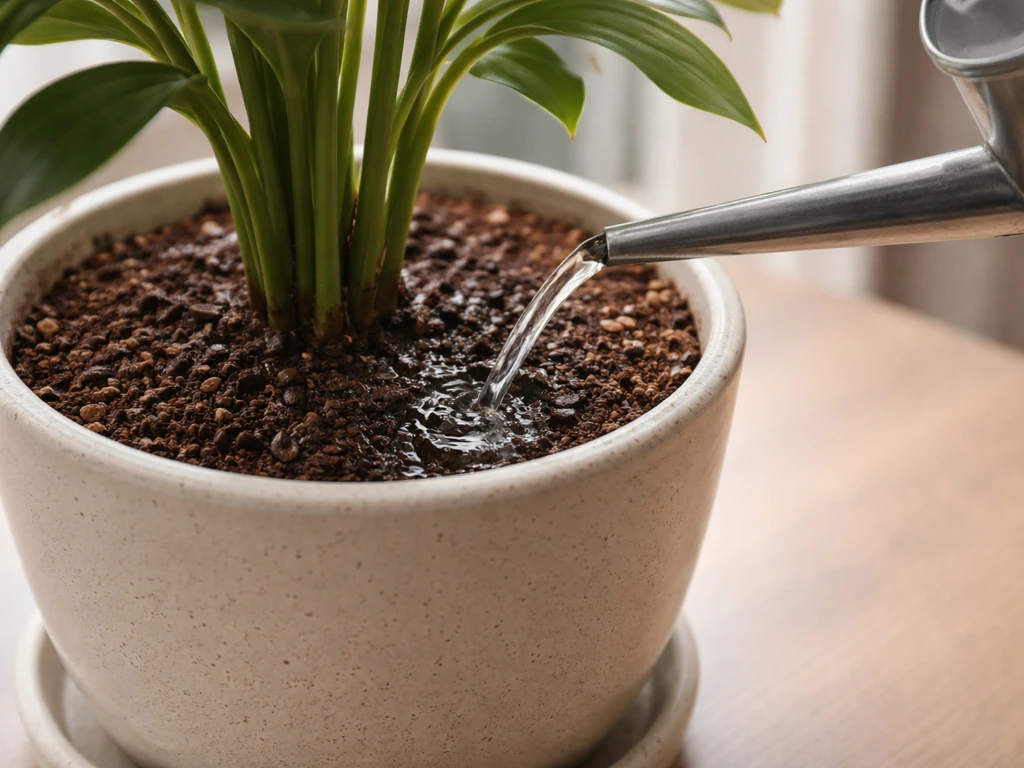
Watering on a fixed schedule is one of the most common mistakes. Every plant has a different thirst depending on its size, pot material, soil type, season, and how much light it's getting. The most reliable method is still the simplest one: push your finger about two inches into the soil. If it's dry at that depth, water. If it's still moist, wait. Illinois Extension recommends this exact technique specifically because a rigid schedule so often fails.
Missouri Extension adds that roots die when soil stays either too wet or too dry for extended periods. Overwatering is actually the leading cause of houseplant death, not underwatering. Root rot sets in when the root zone is waterlogged and oxygen-deprived. The visible signs, according to University of Maryland Extension, are root tips turning dark brown and becoming soft and mushy, which you'll only catch by pulling the plant from its pot.
Top watering vs bottom watering
Top watering is the most common method and works well for most plants. Pour water slowly at the base of the plant, not over the foliage, until it drains from the bottom of the pot. Then empty the saucer within 30 minutes so roots aren't sitting in pooled water. Bottom watering, where you set the pot in a tray of water and let the soil wick it up, is useful for plants sensitive to wet crowns (like African violets) or when you're dealing with fungus gnats, since letting the top inch of soil dry out reduces gnat breeding habitat. WSU Extension Master Gardener materials recommend adjusting your method based on the plant's specific root and soil-surface conditions rather than defaulting to one approach for everything.
Soil and drainage: building the right foundation
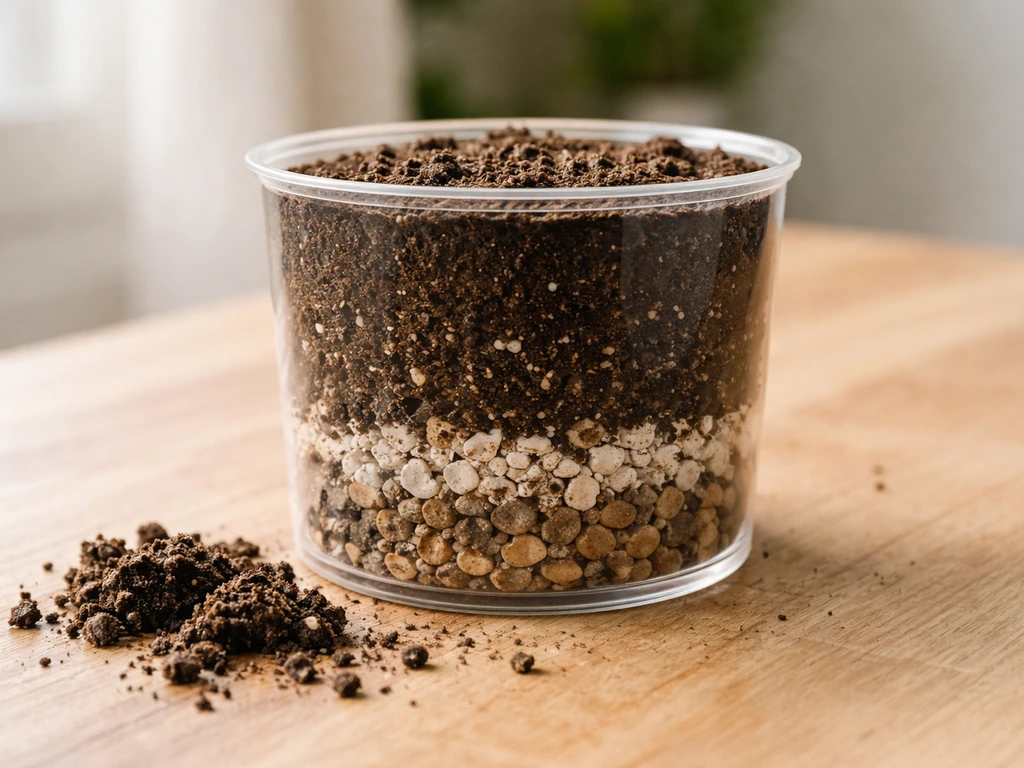
A plant can receive perfect light and water and still stall if the growing medium is wrong. Soil quality affects drainage, aeration, pH, and how well roots can access nutrients. Most bagged potting mixes work fine out of the bag, but understanding what's in them helps you customize for your plant.
Sphagnum peat moss is common in potting mixes and is quite acidic, with a pH typically ranging from about 3. Oklahoma State University Extension’s guidance on nursery container media and peat types also notes that peat or peat/softwood-bark mixes may require pH amendments such as blank" rel="noopener noreferrer">dolomitic limestone when pH is low. 8 to 4.5, according to blank" rel="noopener noreferrer">Oklahoma State University Extension. Coir (coconut fiber) is an increasingly popular peat alternative with a slightly higher pH, roughly 4.8 to 6.8 depending on the source, and similar physical properties. Perlite is the white volcanic material you see in mixes, and it does one important job: it reduces compaction and improves drainage and aeration. For most houseplants, a mix of quality potting soil plus 20 to 30 percent perlite is a solid starting point.
Container height and structure matter too. Montana State University greenhouse materials explain that a substrate's drainage and aeration performance is directly tied to how it's structured in the container, not just what it's made of. A very deep pot holds a larger saturated zone at the bottom, which is why oversized pots often lead to overwatering problems even when you're watering correctly.
When to repot and how to handle root-bound plants
If roots are circling the inside of the pot, growing out of drainage holes, or the plant dries out within a day or two of watering, it's time to repot. Illinois Extension recommends cutting and unwinding circling roots before placing the plant in fresh potting mix. This is important: circling roots left in place can eventually girdle the plant. Go up only one pot size at a time, typically 1 to 2 inches larger in diameter. Jumping to a dramatically bigger pot leads to excess wet soil around the root zone and invites rot.
Feeding your plants: nutrients, timing, and avoiding overdoing it
Plants need 17 essential nutrients to grow, but nitrogen, phosphorus, and potassium (the N-P-K on fertilizer labels) are the big three. Each deficiency produces visible patterns in the leaves that follow predictable rules based on whether a nutrient is mobile or immobile in plant tissue.
| Nutrient | Deficiency Signs | Where Symptoms Appear First |
|---|---|---|
| Nitrogen (N) | Light green to yellow leaves, slow growth | Older/lower leaves (mobile nutrient) |
| Phosphorus (P) | Reddish-purple tint on leaves or stems | Older leaves, may spread upward |
| Potassium (K) | Brown, scorched-looking leaf edges and margins | Older leaves first |
| Iron / Manganese | Yellow leaves with green veins (interveinal chlorosis) | New, younger leaves (immobile nutrients) |
That said, West Virginia University Extension and University of Arizona Extension both caution that these patterns aren't always clean. Water stress, disease, pest activity, or multiple simultaneous deficiencies can blur the picture. Don't automatically reach for fertilizer when you see yellowing. Check soil moisture and roots first.
How and when to fertilize
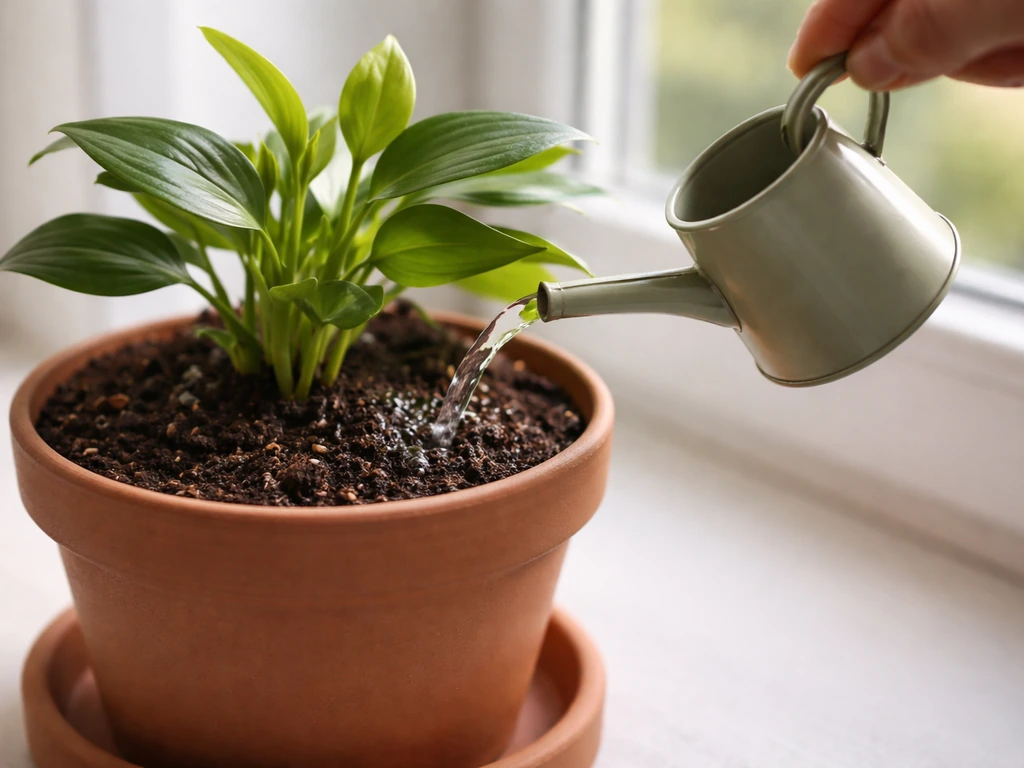
Most houseplants benefit from regular feeding during active growth, typically spring through early fall, using a dilute balanced fertilizer (something close to a 10-10-10 or 20-20-20 NPK ratio works for most foliage plants). UConn Extension advises dilute, balanced feeding rather than strong doses, which is good practical advice since most problems come from too much fertilizer, not too little.
Overfertilizing causes soluble salt buildup in the soil, and the symptoms (brown leaf tips and margins, wilting, little new growth) look a lot like underwatering. Penn State Extension recommends leaching: water the pot thoroughly and let roughly 10 percent of that water drain from the bottom to flush out excess salts. UC ANR recommends doing this periodically even without obvious symptoms if you fertilize regularly. If you see a white crust forming on the soil surface or pot rim, that's salt accumulation and it's time to leach.
During winter dormancy for most plants, back off fertilizing almost entirely. Plants that aren't actively growing can't use the nutrients, and excess salts will just accumulate.
Environment: temperature, humidity, airflow, and seasons
Oklahoma State University Extension puts the comfort zone for most houseplants at 65°F to 75°F with relative humidity around 50 to 60 percent. The average home runs drier than that, especially in winter when heating systems pull moisture from the air. University of Maryland Extension adds that temperatures outside this range cause spindly growth, leaf drop, foliage damage, or complete failure, and recommends night temperatures about 10 to 15 degrees lower than daytime temperatures for proper physiological recovery.
Humidity is genuinely tricky indoors. Penn State Extension confirms that misting, a commonly recommended trick, raises humidity only until the water evaporates, which can be just minutes. It's not a reliable fix. A small humidifier near your plant collection is far more effective. Alternatively, grouping plants together slightly raises the ambient humidity around them through transpiration, and placing pots on trays of pebbles and water (with the pot bottom above the water line) adds some localized moisture to the air.
Airflow is often overlooked. Gentle air circulation strengthens stems (a process called thigmomorphogenesis), reduces fungal disease pressure, and helps prevent pest infestations from taking hold. A small fan running on low nearby is enough. Just don't aim it directly at the plant continuously or place plants near heating and air conditioning vents, which dry out leaves quickly and cause temperature stress.
Seasons matter even indoors. As day length shortens in fall and winter, light levels drop significantly even near sunny windows. Growth slows, and that's normal. Reduce watering frequency and stop fertilizing. When spring arrives and day length increases, you'll often see a flush of new growth. That's your cue to resume regular feeding and gradually increase watering as the plant ramps back up.
When growth stops or goes wrong: common problems and simple fixes
Stalled growth, yellowing, drooping, and leggy stretching are the four distress signals you'll encounter most often. Each has a short list of likely causes.
| Symptom | Likely Cause(s) | First Fix to Try |
|---|---|---|
| Yellowing lower leaves | Nitrogen deficiency, overwatering, or root rot | Check soil moisture and roots; if healthy, apply dilute balanced fertilizer |
| Yellowing new growth with green veins | Iron or manganese deficiency (often pH-related) | Check soil pH; consider iron chelate supplement or repot into fresh mix |
| Brown leaf tips and margins | Salt buildup, underwatering, low humidity, or overfertilization | Leach the pot, check moisture levels, move away from vents |
| Leggy / stretched growth | Insufficient light | Move closer to a window or add a grow light |
| Drooping despite moist soil | Root rot from overwatering | Unpot and inspect roots; trim mushy roots, repot in fresh sterile mix |
| Stunted or no new growth in spring | Rootbound, depleted soil, or pest pressure | Check for root crowding; inspect undersides of leaves for pests |
| Stippling or tiny webbing on leaves | Spider mites | Wipe leaves with damp cloth; apply insecticidal soap; isolate plant |
Spider mites deserve a special mention because they're easy to miss until the infestation is serious. University of Alaska Fairbanks CES notes their most recognizable signs are a speckled or stippled pattern on leaves and fine webbing, particularly on leaf undersides. Colorado State Extension explains that initial infestations often come from outdoor sources or newly purchased plants, so quarantining any new plant for two weeks before placing it near others is a genuinely good habit.
Root rot management, according to University of Maryland Extension, involves removing the plant from its pot, trimming all mushy brown roots back to healthy tissue, discarding the old soggy mix, and replanting in a clean pot with fresh sterile potting medium. Don't reuse a pot that had root rot without scrubbing it with a dilute bleach solution first. If the rot is severe, take cuttings from healthy tissue and propagate rather than trying to save the original plant.
Garden myths vs what the science actually says
This site exists partly to sort useful advice from gardening folklore, so let's be direct about the claims you'll hear most often.
Talking to plants or playing music
Plants do respond to mechanical vibration, and some studies show very mild effects from sound frequencies on germination or growth in controlled settings. But the effect sizes are tiny, inconsistent, and nowhere near the impact of getting the light or water right. If you enjoy talking to your plants, great, keep doing it. But don't let it distract from the basics that actually move the needle.
Eggshells as a calcium fix
Eggshells do contain calcium, but they break down so slowly that they won't deliver meaningful calcium to plant roots on any practical timescale. North Carolina Cooperative Extension and Illinois Extension both point out that calcium deficiency disorders like blossom end rot in tomatoes are usually caused by uneven watering disrupting calcium transport, not a shortage of calcium in the soil. Adding eggshells won't fix the actual problem.
Banana peels as fertilizer
Banana peels contain potassium, but calling them a fertilizer is generous. The nutrients are locked in organic matter that breaks down slowly and inconsistently, and burying fresh peels near roots can actually cause more harm than good in the short term. This Old House lists banana peels as a garden myth for exactly this reason. If you want to add potassium, use a balanced fertilizer where you know the concentration and can control the dose.
Misting for humidity
As mentioned above, Penn State Extension confirms misting raises humidity only momentarily. It's not a reliable humidity strategy and can sometimes promote fungal issues on foliage if water sits on leaves in low-airflow conditions. A humidifier or pebble tray does the job properly.
Drainage rocks at the bottom of a pot
Putting a layer of gravel at the bottom of a pot does not improve drainage. It actually raises the saturated zone higher into the root area due to how water tension works in layered substrates. The fix for poor drainage is to use a well-aerated potting mix and a pot with actual drainage holes.
A practical plan you can act on today
Here's how to put all of this together into immediate action. Run through this in order for any plant that isn't thriving. Plants grow best when they get the right light, water, soil, and nutrients in the amounts they can use.
- Do the finger test: push two fingers two inches into the soil. Water only if it's dry at that depth. If it's wet or cool, leave it alone for now.
- Assess the light: move the plant as close to its ideal window exposure as possible, or position a grow light 6 to 12 inches above the canopy and run it 12 to 16 hours per day.
- Inspect the roots: if the plant is drooping despite moist soil, unpot it and check for root rot. Healthy roots are white to tan and firm; rotted roots are brown, soft, and may smell.
- Check for pests: flip a few leaves over and look for webbing, stippling, sticky residue, or visible insects. Treat before addressing nutrients if pests are present.
- Address the growing medium: if the mix is compacted, waterlogged, or the plant is root-bound, repot into fresh mix with added perlite. Cut circling roots before replanting.
- Start a feeding routine: if the plant is in active growth and hasn't been fertilized recently, apply a dilute balanced liquid fertilizer once every two to four weeks. Stop if you see salt crust forming, and leach the pot instead.
- Dial in temperature and humidity: keep the plant away from heating vents, air conditioners, and drafty windows. If indoor humidity is below 40 percent, add a humidifier or move plants to a bathroom or kitchen where humidity is naturally higher.
- Adjust with the seasons: reduce watering and stop fertilizing from late fall through winter. Resume in spring when you see new growth emerging.
Plants don't need a lot of intervention once the fundamentals are right. Most of what gets sold as a plant growth booster, from special sprays to kitchen scraps to sonic devices, matters a lot less than consistent light, appropriate water, well-draining soil, and occasional feeding. Nail those four things and your plants will tell you in the form of steady new growth.
If you're curious to go deeper on specific inputs, there's a lot more to explore in related territory: which household items genuinely benefit plant growth (and which don't), which insects actively support plant health through pollination or soil biology, and what animals contribute to a garden ecosystem. Some animals, like pollinators and beneficial soil creatures, help plants grow by supporting fertilization and nutrient cycling which insects actively support plant health through pollination or soil biology. The fundamentals covered here apply across all of it. Get the core conditions right first, then experiment from there.
FAQ
My plant is getting worse even though I watered and fertilized, what should I check first?
Look for the “new growth” timing and check the root zone first: if the plant is receiving the same light and you recently changed watering, the issue is often roots losing oxygen (too wet) or roots staying dry too long. If the soil dries unusually fast or the pot has no drainage holes, fix that before feeding or changing light intensity.
What’s the right way to water if I think the plant “just needs a little more”?
If the soil is dry at about two inches down, water thoroughly until drainage, then wait again rather than topping off. Topping up keeps salts and partially wets the top layer, which can worsen both drought stress and salt buildup.
How do I calculate how much light my indoor plant is actually getting?
Use DLI as a guide rather than guessing from window distance. Also confirm duration, for example 10 to 12 hours may be enough for some foliage plants, while many need closer to 14 to 16 hours to maintain growth indoors. If you can only run short photoperiods, you’ll usually need higher light intensity to compensate.
When should I fertilize, and what do I do if I suspect fertilizer burn?
For most houseplants, start with a dilute balanced fertilizer during active growth (spring to early fall) and pause in winter dormancy. If you’re seeing brown tips, wilting that mimics underwatering, or white crust on the soil rim, delay feeding and leach first rather than increasing the dose.
Should I cut off yellow leaves, and does it help the plant recover?
Don’t remove yellow leaves as a “cure.” Instead, determine whether yellowing is tied to watering timing, light level, or salt buildup. If the soil has been fertilized regularly and you see crusting, leach and then resume feeding at lower frequency once new growth looks healthy.
How can I tell when it’s time to repot, and how big should the new pot be?
Yes, but only when you can confirm the root problem: circling roots, roots coming out of drainage holes, or a plant that dries out within a day or two after watering. Go up only one pot size (about 1 to 2 inches wider), then use a fresh mix with perlite for aeration.
What are the signs of root rot versus normal leaf drop, and what should I do?
If you see dark brown, soft root tips, mushy sections, and the plant won’t bounce back after correcting watering, treat it as root rot. The practical step is to remove the plant, trim to healthy tissue, discard the old mix, replant in a clean pot with fresh medium, and do not reuse the old pot without proper scrubbing.
How do I confirm whether the problem is a pest instead of a watering or light issue?
For pests, isolate and inspect both sides of leaves, especially undersides where mites and some pests hide. If you see stippling or webbing, increase airflow and treat early, because large infestations spread quickly between plants.
Why is my humidity tray or misting not working, and can it cause problems?
Increase airflow before relying on humidity changes. Misting can briefly raise humidity but leaves can stay wet for minutes, especially in still air, which can invite fungal issues. Prefer a small humidifier near your collection or a pebble tray setup (pot bottom above the water line).
Could airflow and temperature swings be stalling my plants even if light and watering seem right?
If the plant is near a vent, you may be getting temperature and airflow swings that dry leaves and stress tissue even when the room temperature seems acceptable. Move plants away from heating or air-conditioning vents, and consider a low fan nearby rather than blowing directly on the foliage.
Next Articles
What Helps Plants Grow: Light, Water, Soil, and Food
Get better growth with the real inputs: light, water, soil drainage, airflow, and fertilizer plus a symptom-based limite
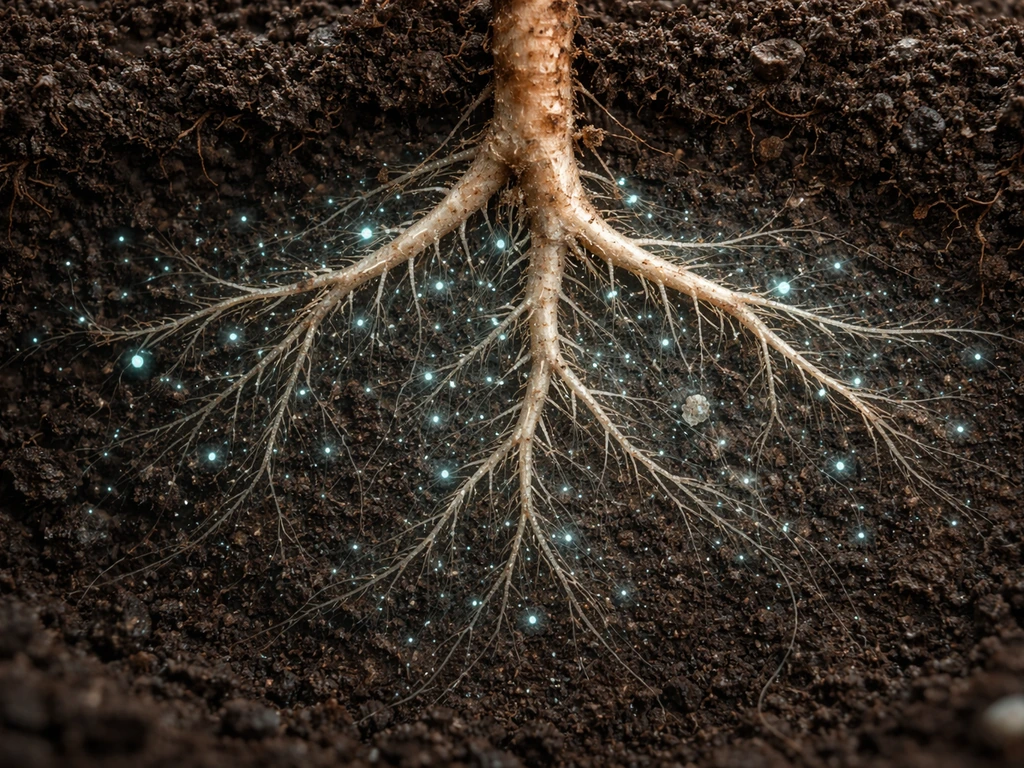
How Do Microorganisms Help Plants Grow: Practical Guide
Learn how microbes in the rhizosphere fix nitrogen, boost phosphorus, aid roots, suppress disease, and how to grow them.
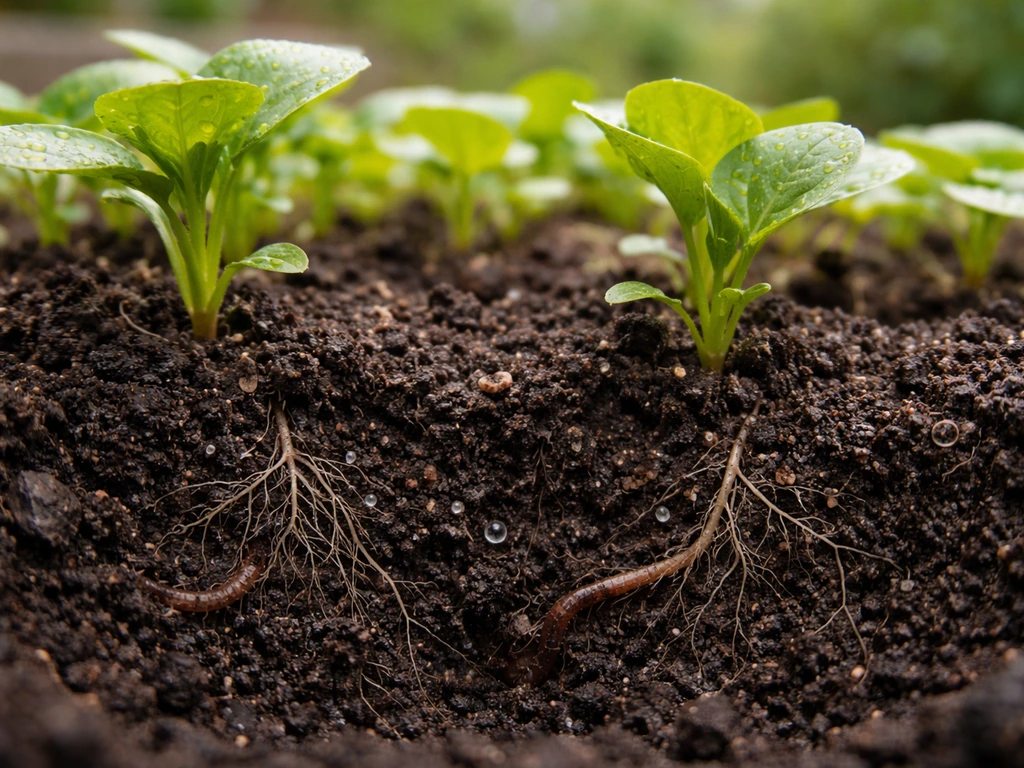
How Does Yeast Help Plants Grow? Safe, Practical Guide
Learn how yeast boosts plant growth via soil microbes, safe dilution and timing, plus myths, limits, and troubleshooting