Yes, fertilizer can absolutely help weeds grow, and in many common lawn and garden situations it does exactly that. Fertilizer adds nutrients to the soil, and weeds are plants too. They take up nitrogen, phosphorus, and potassium just as eagerly as your grass or vegetables do. If weeds are already present when you fertilize, you are feeding them. The real nuance is that fertilizer doesn't cause weeds to appear out of nowhere, but it can give existing weeds and dormant weed seeds a significant growth advantage, especially when your turf or garden plants aren't dense and vigorous enough to outcompete them.
Does Fertilizer Help Weeds Grow? Lawn Fix Steps

Marcus Holloway
28 Apr 2026
Why fertilizer often helps weeds more than your desired plants
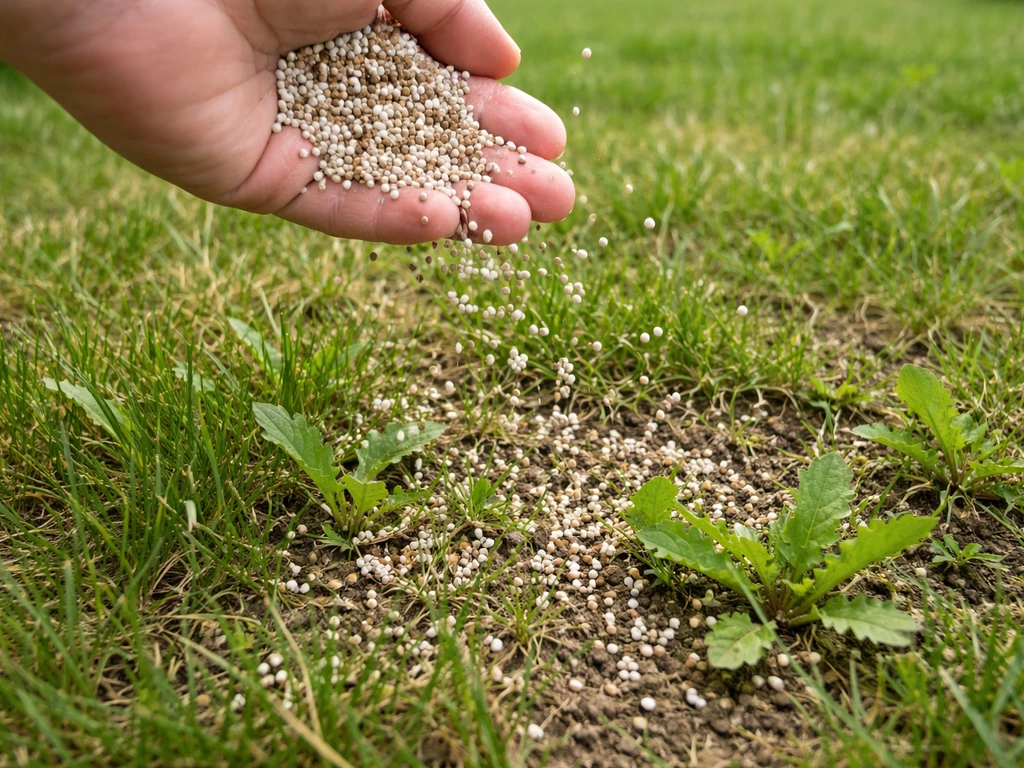
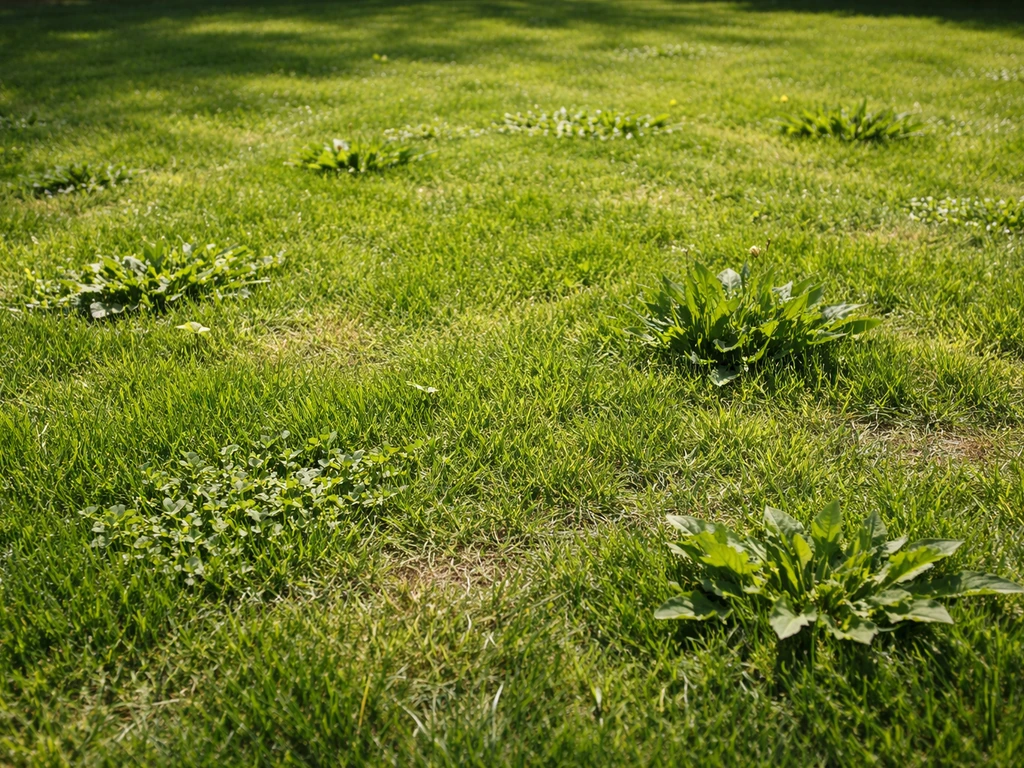
Here's the frustrating reality: weeds are opportunists, and they're often better at capitalizing on a sudden nutrient boost than the plants you actually want. When you broadcast fertilizer across a thin, stressed lawn or an open garden bed, you're essentially setting up a buffet with no bouncer at the door. University of Maryland Extension research spells this out clearly: in systems where nutrients and water are not limiting, weeds can establish and thrive rather than being suppressed. In other words, fertilizer removes one of the natural constraints that might otherwise slow weed growth down.
There's also a seed germination angle that catches a lot of gardeners off guard. The addition of nitrogen fertilizer can actually stimulate dormant weed seeds in the soil to germinate. So even if you don't see many weeds before you fertilize, a nitrogen application can trigger a new flush of them from the seed bank that's been sitting in your soil for years. That's not a reason to never fertilize, but it is a reason to fertilize strategically rather than just throwing down a bag whenever the lawn looks sad.
The form of nitrogen matters too. Water-soluble nitrogen becomes available almost immediately after watering in, rapidly stimulating growth. That quick hit of nutrients is great for your lawn when conditions favor turf, but it's equally available to any weed seeds germinating at the same time. Slow-release nitrogen products reduce that spike, which is one reason why many turf professionals prefer them for routine fertilization.
Nutrient competition: N-P-K and what weeds actually respond to
Not all fertilizer nutrients carry the same weed risk. Nitrogen gets the most attention because it drives vegetative growth in both turf and weeds, but phosphorus deserves a closer look. NDSU Extension points out specifically that fertilizer high in phosphorus favors crabgrass and other weed species. If you've been using a high-P fertilizer in hopes of strengthening roots without checking your soil first, you may be inadvertently tilting the playing field toward weeds.
Research in weed science confirms that nitrogen timing and availability influence not just weed germination but also how competitive weeds are once they're established. Spring nitrogen applications, for example, increase nutrient availability in the soil right when many annual weed seeds are primed to germinate. The exact effect depends on the weed species and environmental conditions, but the general principle holds: more available nitrogen in the soil during weed-prone windows means more competition for your desirable plants. This connects directly to the question of whether fertilizer makes plants grow faster, because the same mechanism that accelerates your lawn can accelerate the weeds in it.
| Nutrient | Effect on Weeds | Key Weed Risk |
|---|---|---|
| Nitrogen (N) | Stimulates vegetative growth and can trigger dormant seed germination | Annual weeds like crabgrass, broadleaf weeds in thin turf |
| Phosphorus (P) | Favors certain weed species, especially in excess | Crabgrass establishment, particularly with high-P fertilizers |
| Potassium (K) | Lower direct weed-promotion effect; supports overall plant health | Less direct risk; imbalance can weaken turf competitiveness |
Lawn fertilizer and weeds: what those search results actually mean
If you searched 'does lawn fertilizer make weeds grow' and landed here, you're probably weighing a very practical decision: your lawn looks rough, you're thinking about fertilizing, but you're worried you'll end up with a thicker stand of dandelions and crabgrass instead of grass. That's a legitimate concern, and the answer depends on your lawn's current condition.
Here's the key finding from multiple university extension programs: a dense, healthy lawn is your best weed defense. UC IPM and Wisconsin Extension both make this point. Adequate nitrogen fertilization, applied correctly, helps ensure a thicker lawn that resists weed invasion, including crabgrass. But low turf nitrogen can actually shift the competitive balance toward weeds. So the goal isn't to avoid fertilizing; it's to fertilize in a way that strengthens turf density faster than weeds can establish.
The problem is that most lawn fertilizer is broadcast across the entire surface, which means every weed growing in that lawn gets fed right alongside the grass. The solution isn't to withhold fertilizer indefinitely, but to address weeds first or simultaneously, so the turf captures the competitive advantage from that nutrient boost rather than the weeds. Lawn fertilizers are typically nitrogen-heavy blends, and some are formulated with weed-and-feed products that combine fertilizer with a pre- or post-emergent herbicide. Those combination products can be effective when timed right, but they require more careful application because the herbicide component has its own timing requirements.
How to fertilize correctly so your plants win, not the weeds
Get a soil test before anything else
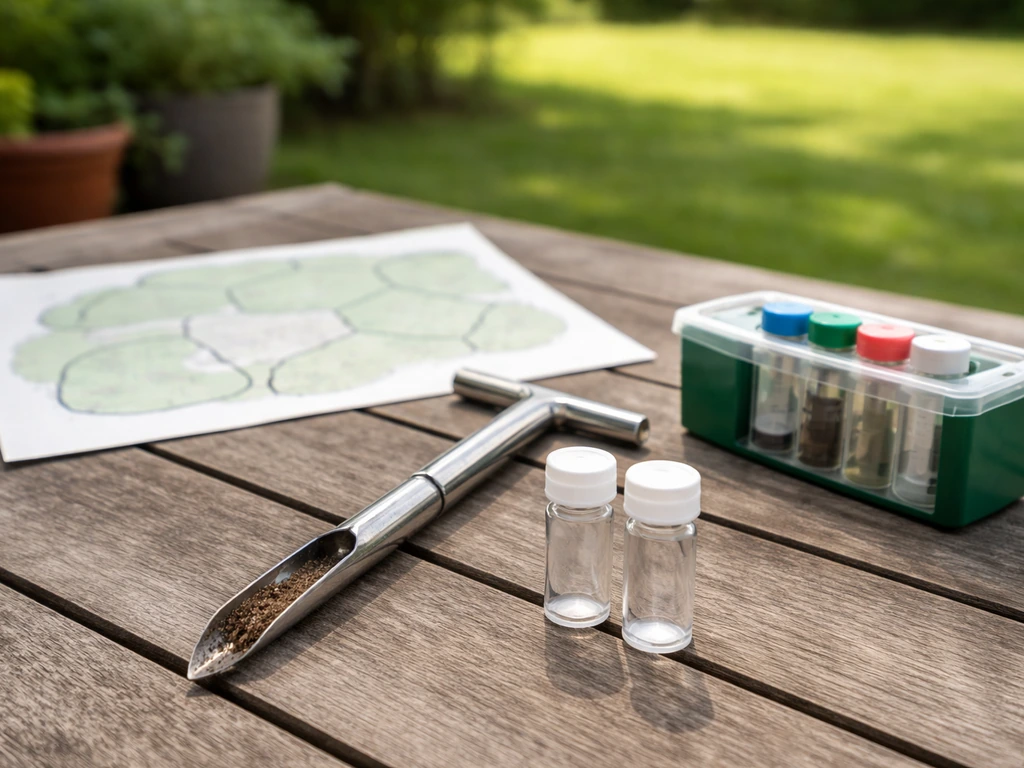
Montana State University Extension puts it plainly: a soil test helps you develop fertilizer rates specific to your garden, rather than guessing high or low. Over-fertilizing doesn't just waste money; it creates excess soluble nutrients in the soil that weeds are perfectly happy to use. A soil test tells you exactly which nutrients are actually deficient, so you're not adding phosphorus to a lawn that already has plenty of it and inadvertently boosting crabgrass.
Stick to rate limits
Purdue Turfgrass Science recommends not applying fertilizer more frequently than once monthly at a rate of 1.0 lb of nitrogen per 1,000 square feet for established lawns. UConn reinforces this with a hard cap: never apply more than 1 pound of water-soluble nitrogen per 1,000 square feet at one time. Going above these rates doesn't just risk burning your lawn; it floods the soil with nutrients that weeds can readily exploit.
Split your applications across the season
Penn State Extension recommends splitting nitrogen across the growing season into multiple smaller applications rather than one large one, with timing windows typically in mid-to-late spring, late summer, and late fall for cool-season turf. UMN Extension echoes this, noting that the number and timing of applications should match soil organic matter levels and your maintenance goals. Smaller, timed applications keep nutrient availability steadier and avoid the large pulse of soluble nitrogen that benefits weeds most.
Time fertilization to favor your turf, not weed germination windows
Spring fertilization is a common entry point for weed problems because many annual weed seeds, including crabgrass, are primed to germinate at the same time soil temperatures warm up and you're applying nitrogen. If you fertilize too early in spring on a thin lawn, you may stimulate weed germination before your turf is dense enough to shade them out. Waiting until your turf is actively growing and applying fertilizer when it's genuinely needed, rather than on a calendar reflex, helps tilt the timing advantage back toward your grass.
Weed control methods that actually work alongside fertilizing
Fertilizing correctly is necessary but not sufficient on its own. If you are wondering whether plant food helps plants grow, the same principle applies: it can boost growth, but only when it supports your desired plants and you manage weed pressure does plant food help plants grow. You need to address weeds through parallel strategies so the nutrients you apply go to work for your lawn, not against it.
Mow higher
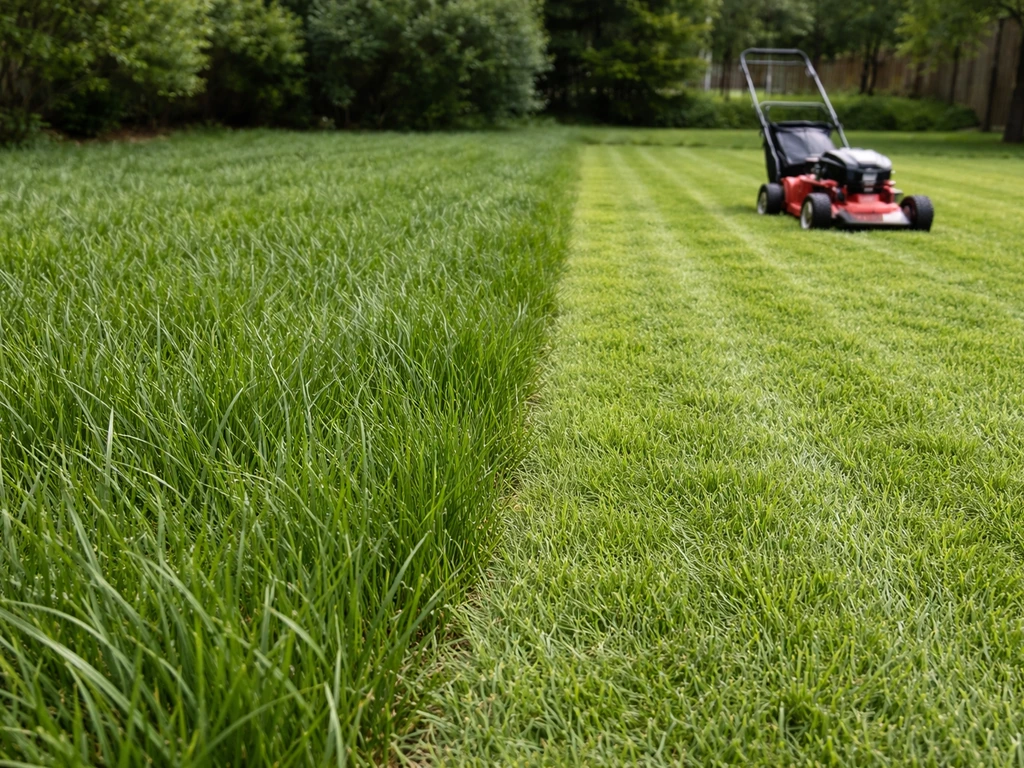
Raising your mowing height is one of the most underrated weed suppression tools available to a homeowner. Pacific Northwest Pest Management Handbooks explain that increasing mowing height reduces sunlight reaching weed seeds at the soil surface, which helps prevent germination. South Dakota State University Extension adds that higher mowing promotes deeper, more robust turf roots. A taller, denser canopy is a physical barrier against weeds that no fertilizer adjustment alone can replicate.
Use preemergence herbicide at the right time
For crabgrass and annual weed problems, preemergence herbicides are one of the most effective tools available, but timing is everything. UMN Extension notes that preemergence herbicides work by preventing weed seeds from completing germination, so they have to be applied before germination occurs. Product label timing and local soil temperature triggers (often around 50 to 55 degrees Fahrenheit at a 2-inch depth for crabgrass) are your guide. Applying too late means the seeds have already germinated and you've missed the window.
Mulch in garden beds
In garden beds, mulch does what mowing height does for lawns: it blocks light from reaching weed seeds. UMD Extension and West Virginia University Extension both identify mulch as a practical weed suppression tool that works by reducing light transmission and providing a physical barrier. Applying 2 to 3 inches of organic mulch around plants after fertilizing beds helps ensure the nutrients you've added benefit your plants rather than a new generation of weeds. Landscape fabric under mulch adds an extra layer in perennial plantings when installed before plants are established.
Fix the underlying conditions that invite weeds in the first place
blank" rel="noopener noreferrer">UMN Extension and University of Delaware Extension both point out that the root cause of most weed problems in lawns isn't a lack of herbicide; it's poor turf vigor caused by underlying conditions. UC IPM lists the usual suspects: overwatering or underwatering, mowing too low, excessive shading, and soil compaction. Fertilizer alone can't compensate for any of these. If your soil is compacted, nutrients can't reach roots efficiently, turf thins out, and weeds fill the gap. Aerating, improving drainage, adjusting irrigation, and overseeding thin areas all address the conditions that make your lawn vulnerable in the first place. The question of whether you need fertilizer at all connects closely to these underlying soil and plant health factors.
Your practical action plan for right now
- Get a soil test before fertilizing so you know exactly what nutrients are actually needed and can avoid excess phosphorus that favors weeds.
- Address visible weeds before or at the same time as fertilizing. Spot-treat existing weeds with a post-emergent herbicide or hand-pull them so your lawn captures the nutrient boost, not the weeds.
- If crabgrass or annual grass weeds are your main problem, apply a preemergence herbicide before soil temperatures hit 50 to 55 degrees Fahrenheit, then fertilize after it's down.
- Apply no more than 1 lb of water-soluble nitrogen per 1,000 sq. ft. per application, and split applications across the season rather than front-loading everything in spring.
- Raise your mowing height to the upper end of the recommended range for your grass type. This shades out germinating weed seeds and thickens turf density.
- In garden beds, mulch to 2 to 3 inches after fertilizing to block light from weed seeds and reduce competition.
- Fix compaction, drainage, and irrigation issues. Without good growing conditions, fertilizer will not give your turf a competitive edge over weeds no matter how carefully you apply it.
The bottom line is that fertilizer is not the villain here, but used carelessly it absolutely feeds weeds alongside your desirable plants. Used strategically, with the right rates, timing, and paired weed control, it helps your lawn or garden get dense and vigorous enough to crowd weeds out on its own. That's the outcome worth working toward.
FAQ
If my lawn has no visible weeds, can fertilizer still make weeds appear later?
Fertilizer does not create weeds from nothing, but it can speed up any weeds already present and help dormant seeds germinate. The biggest “it makes weeds worse” scenario is a thin or stressed turf where your grass cannot quickly use the nutrients to fill in.
Does fertilizer make weeds grow more if it has nitrogen in it?
Yes, nitrogen is the nutrient most linked to weed boosts because it drives fast leaf growth and can trigger seed germination. If you must fertilize, choose rates and timing that align with active turf growth, and avoid applying a nitrogen “spike” when the lawn is still thin.
How can I tell whether my fertilizer will have a higher weed risk (quick-release vs slow-release)?
You can’t rely on a fertilizer label alone. The weed risk depends on the amount of soluble nitrogen, how quickly it becomes available, and your watering and soil conditions. If you water in soon after applying, water-soluble sources become available quickly, which can also favor weed seedlings.
Should I worry about phosphorus specifically when choosing fertilizer for weed control?
Run a soil test first if you’ve been using higher-phosphorus products or you are dealing with crabgrass. Excess nutrients you already have, especially when paired with thin turf, can remove constraints that normally slow weeds.
What should I do first, fertilize or control weeds, if weeds are already present?
For most homeowners, the practical approach is to treat “weed first, then feed” as a timing strategy. If weeds are actively growing, handle them with the appropriate control method first, then fertilize to help turf recover, or fertilize at the same time you seed and overseed so grass can capture the nutrient advantage.
Are weed-and-feed products a safe way to fertilize without feeding weeds?
Weed-and-feed products can work, but they are easy to misuse because both the fertilizer part and the herbicide part have their own windows. If your weeds are at the wrong growth stage, you may not get the herbicide effect, yet the fertilizer still boosts the plants you wanted to suppress.
When is the worst time to fertilize if I am trying to prevent weeds like crabgrass?
Don’t fertilize purely by calendar. Cooler climates and stressed lawns need you to wait until the grass is actively growing, then apply small, planned doses rather than one large application that floods the soil with soluble nutrients.
Can too much fertilizer cause more weeds, even if my lawn looks green after feeding?
Yes, overfertilizing can increase weed pressure even if the goal is “health.” Excess nutrients often increase flushes of fast-growing plants, including weeds, and they can also worsen turf burn or disease stress, which indirectly creates more room for weeds.
Why do I still get weeds after fertilizing, what other factors matter?
If you have thin patches, consider addressing underlying issues that reduce turf density, like compaction, poor drainage, mowing too low, excessive shade, or irrigation problems. Aeration, overseeding, and fixing irrigation can make fertilizer work for turf instead of staying available for weeds.
If my lawn is thin, how do I fertilize without accelerating weeds in bare spots?
A practical way to reduce the chance that nutrients benefit weeds you see or expect is to pair fertilization with overseeding in thin areas and increase turf density (mowing higher, proper irrigation, and realistic seeding rates). This gives desirable plants a head start to capture nutrients before weed seedlings dominate.
Next Articles
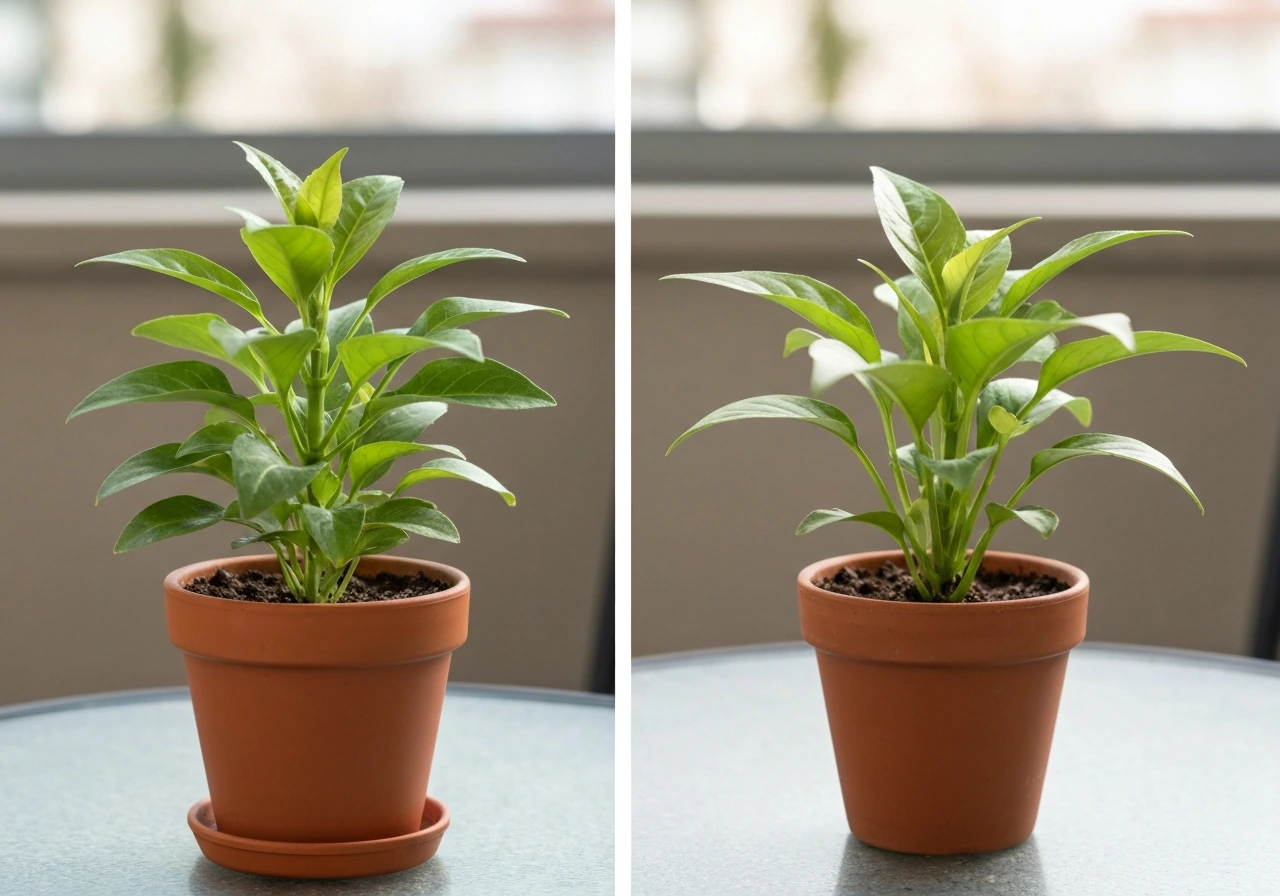
Does Fertilizer Make a Plant Grow Bigger or Taller?
Learn when fertilizer boosts plant size and height, when it fails, and how to test and apply it correctly.
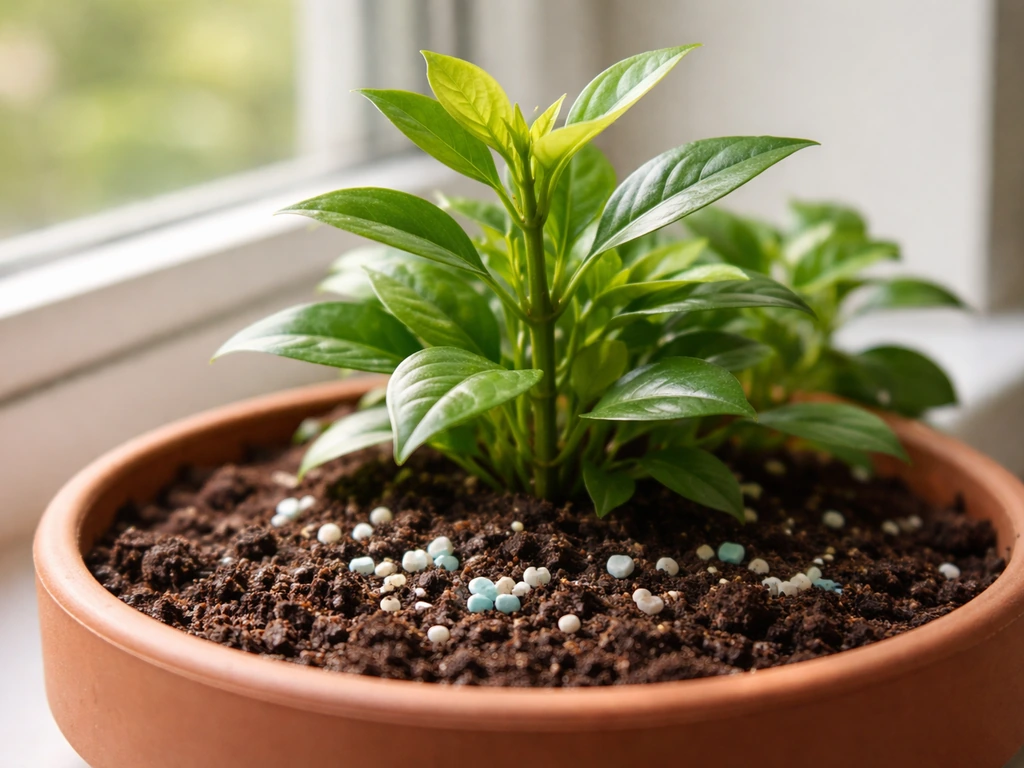
Does Fertilizer Make Plants Grow Faster? Clear Answers
See when fertilizer speeds plant growth, how NPK and timing help, and how to choose and apply without burning.
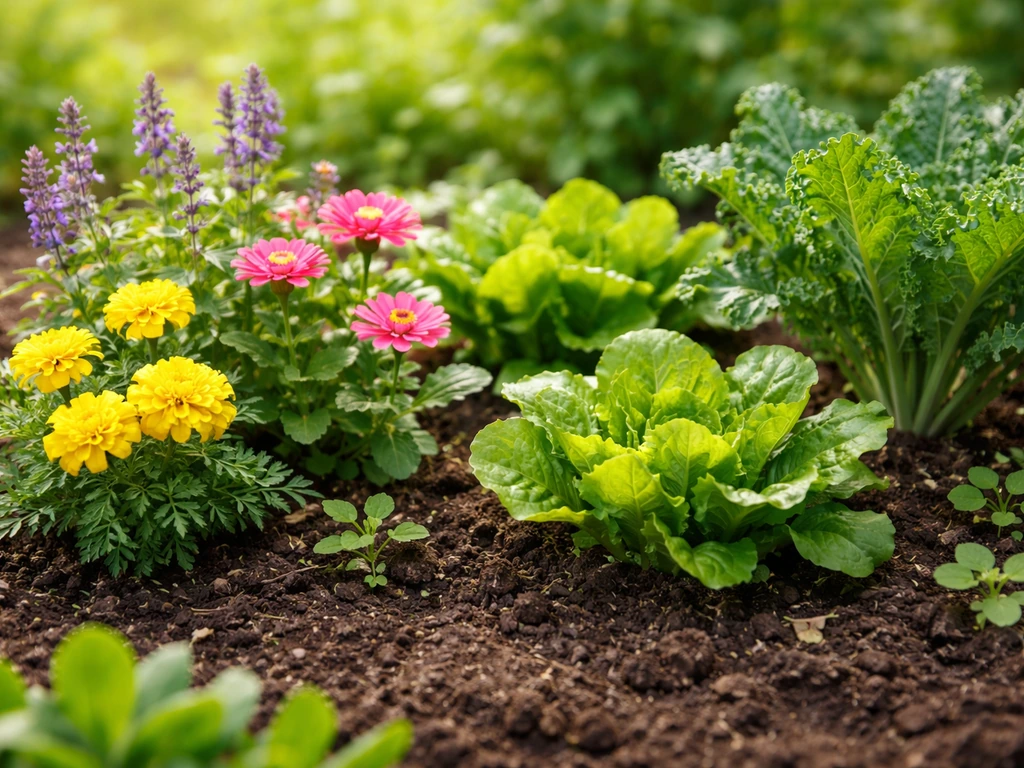
Do You Need Fertilizer to Grow Plants and Flowers?
Find out if you need fertilizer for plants and flowers, when it helps, and how to test, choose, and apply safely.