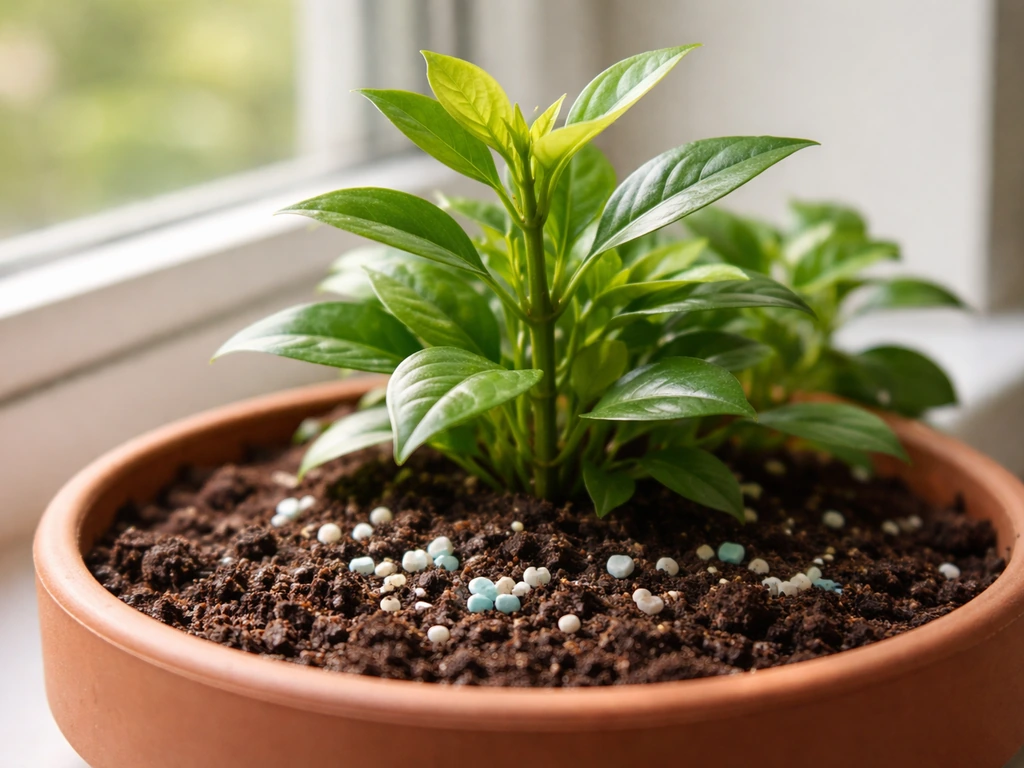
Yes, plant food genuinely helps plants grow, but only when nutrients are actually the limiting factor. This helps answer how does fertilizers help plants grow, because the added nutrients replace what the plant cannot obtain in sufficient amounts. If your soil already has what the plant needs, or if the real problem is too little light, inconsistent watering, or compacted roots, adding fertilizer won't fix anything and might actually make things worse. The key is understanding what plant food does, when to reach for it, and how to use it without burning your plants or creating a salt problem in the soil.
Does Plant Food Help Plants Grow? How to Use It Safely

Marcus Holloway
18 May 2026
What "plant food" actually is
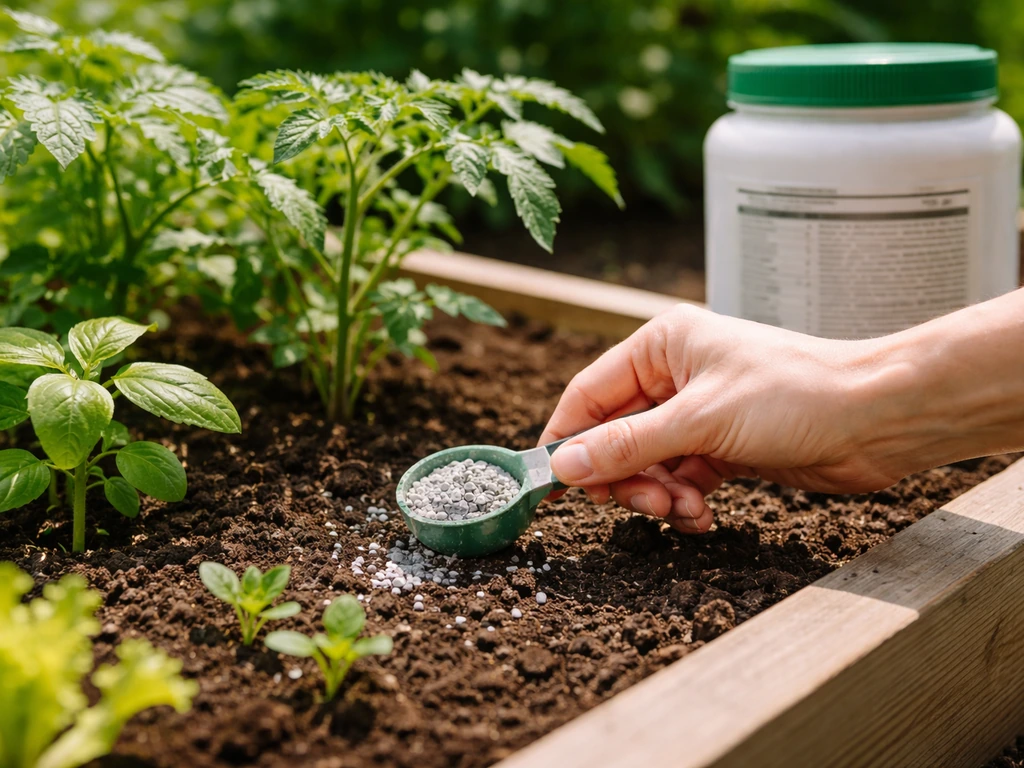
Plants make their own food through photosynthesis, which means the term "plant food" is a bit of a marketing shorthand. What we're really talking about is fertilizer: a product that supplies mineral nutrients plants need but can't always get in sufficient quantities from the soil alone. Legally and technically, a fertilizer is a soil amendment that guarantees minimum percentages of at least three nutrients: nitrogen (N), phosphate (P2O5), and potash (K2O). Those three numbers printed on every fertilizer bag or bottle are the N-P-K ratio, and they tell you the percentage of each nutrient in that order.
Plants actually need a much longer list of nutrients: the macronutrients include nitrogen, phosphorus, potassium, calcium, magnesium, and sulfur, while micronutrients like iron, manganese, zinc, copper, boron, and molybdenum are needed in smaller but still essential amounts. N, P, and K dominate because they're the ones most likely to run short in typical garden or container soil. The other products sometimes labeled as "plant food" (compost teas, kelp extracts, mycorrhizal inoculants) aren't fertilizers in the regulatory sense, though some contribute nutrients or support nutrient uptake. They can be useful, but they work differently and shouldn't be confused with a guaranteed-analysis fertilizer.
One thing worth clearing up right away: the plant doesn't care whether nutrients come from an organic or synthetic source. Plants take up nutrients as ions in soil water, and an ion is an ion regardless of its origin. The real differences between organic and synthetic fertilizers come down to nutrient concentration, how quickly those nutrients become available, and their effects on soil biology over time.
When plant food actually helps vs. when it won't
Plant food helps when nutrients are genuinely deficient. If your plants are growing in depleted soil, in containers where regular watering has flushed nutrients out, or in situations where the soil pH is locking nutrients away from roots, adding the right fertilizer will produce a visible positive response, often within days for liquid formulas. Container plants are a classic case: because you're watering frequently and drainage carries nutrients with it, plants in pots often need more regular, lower-rate fertilizer applications than those growing in garden beds.
But plant food won't help when the problem isn't nutrient availability. Fertilizer will only help if your weeds are limited by missing nutrients; otherwise it just adds salts and can make stress worse does fertilizer help weeds grow. This is where a lot of gardeners get frustrated. You add fertilizer, nothing improves, so you add more, and now you have a bigger problem than you started with.
If a plant is struggling because of insufficient light, waterlogged roots, drought stress, or soil compaction, no amount of fertilizer will compensate. UMN Extension actually advises avoiding fertilizer applications entirely when plants are under heat or drought stress, because plants can't take up nutrients efficiently when soil is dry and stressed roots can't process them. Adding fertilizer in those conditions just builds up salts in the soil.
Similarly, if your garden soil is already fertile or you've been fertilizing regularly, adding more isn't neutral: it can actively harm plants through root burn, salt toxicity, and nutrient imbalances. More fertilizer is almost never better. It's about the right amount at the right time.
How to choose the right plant food
Reading the N-P-K label
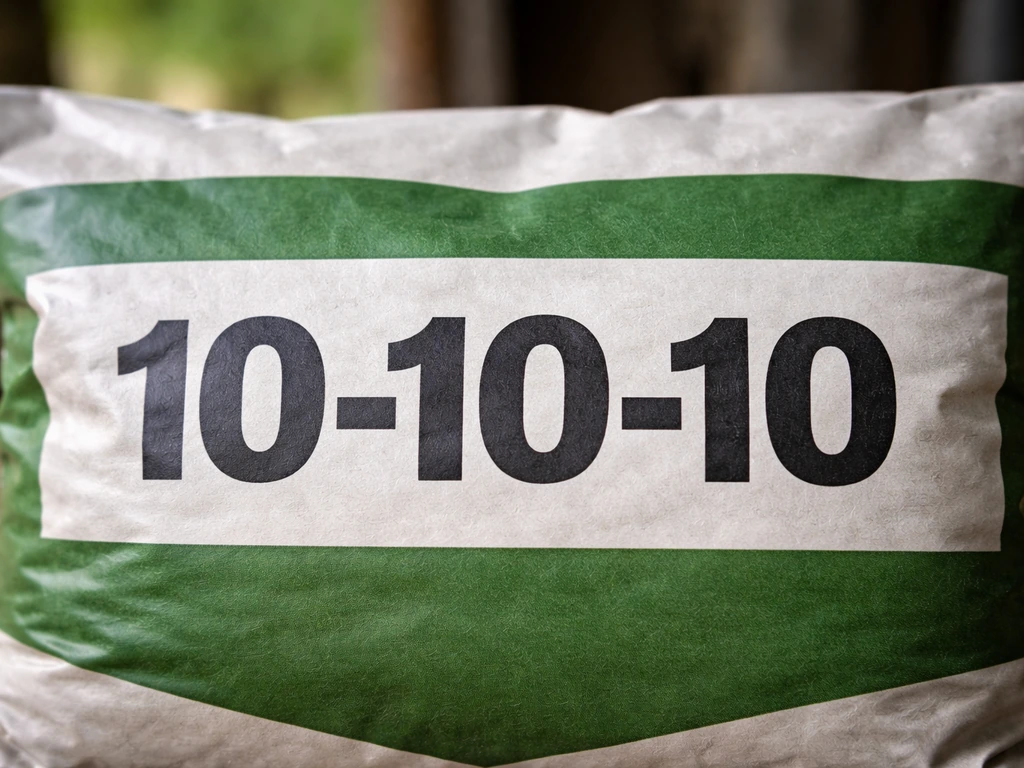
That three-number grade is your starting point. A 10-10-10 fertilizer has 10% nitrogen, 10% phosphate, and 10% potash by weight. A 24-8-16 is high in nitrogen and potassium but moderate in phosphorus. Leafy plants and lawns tend to need more nitrogen. Root development and flowering benefit from phosphorus. Potassium supports overall plant health and stress tolerance. Matching the ratio to the plant's current stage matters: seedlings and young transplants often benefit from slightly higher phosphorus for root establishment, while actively growing foliage plants need more nitrogen.
Organic vs. synthetic: what actually matters
Synthetic fertilizers deliver nutrients quickly because they're already in water-soluble form. Organic fertilizers (compost, bone meal, fish emulsion, kelp) release more slowly as soil microbes break them down. If you have a plant showing clear nitrogen deficiency right now, a soluble synthetic fertilizer will show results faster. If you're building long-term soil health or working in a garden bed, organic options often make more sense and reduce the risk of nutrient leaching.
Controlled-release fertilizers sit in the middle: they're coated to release slowly over weeks or months, which reduces salt buildup risk and is often ideal for containers. Just check the label because many commercial potting mixes already contain controlled-release fertilizer, and adding more on top can push you into burn territory.
Let a soil test guide you
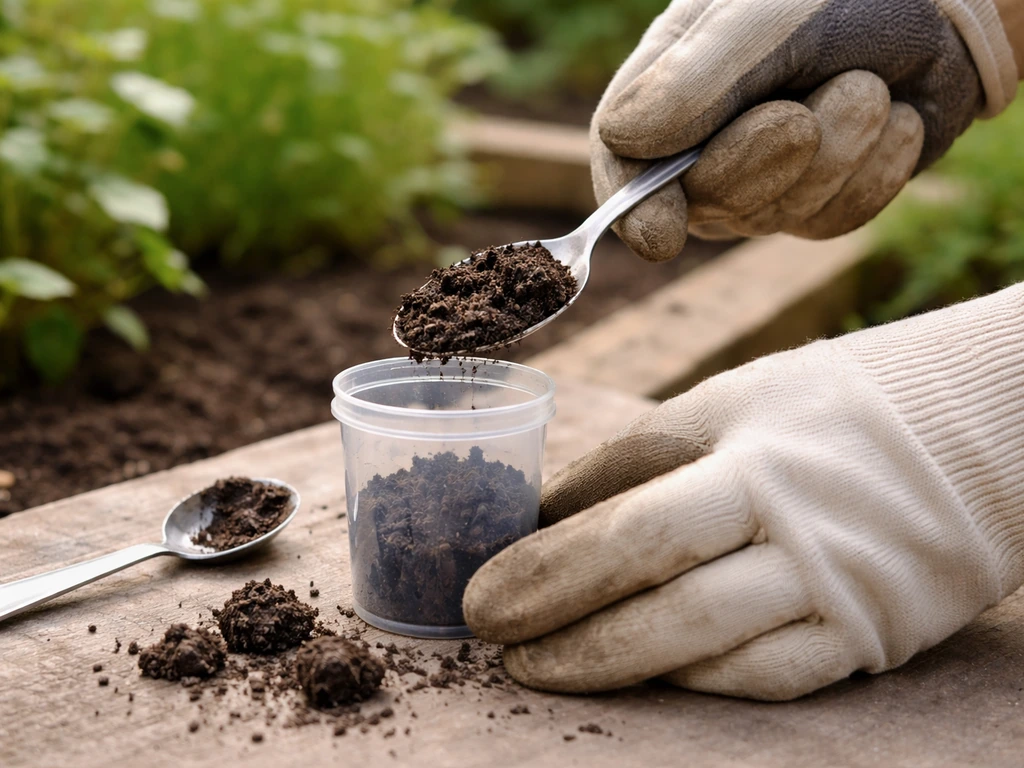
The single most useful thing you can do before buying fertilizer is get a soil test. A basic test through your state extension service will tell you pH, phosphorus, potassium, and often organic matter, which is used to estimate nitrogen availability. This takes the guesswork out of which nutrients you actually need. For garden beds, test before planting so you can incorporate any needed amendments in advance. For perennial beds, test before you establish them. Sandy soils are especially important to test because they're prone to nutrient leaching: nitrogen, potassium, and sulfur move with water and can wash below the root zone before plants can use them.
How to apply plant food correctly
Application methods
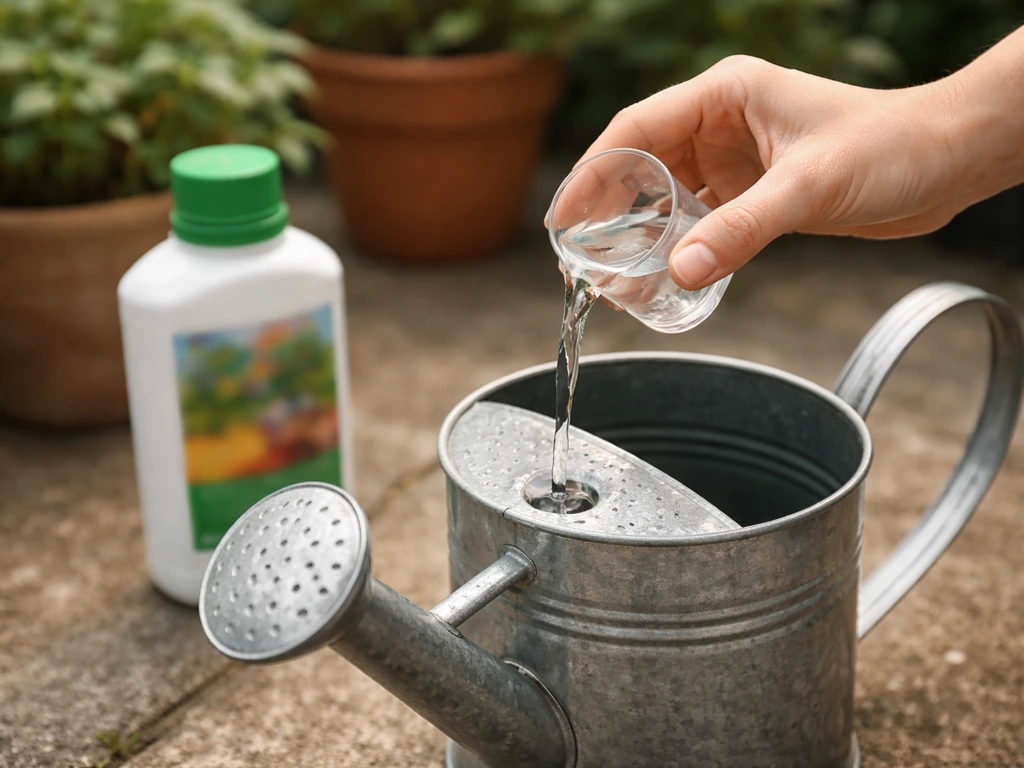
How you apply fertilizer affects both its effectiveness and its potential to cause damage. The main methods are broadcasting, side-dressing, soil drenching with liquid fertilizer, and foliar feeding. Broadcasting means spreading granules over an area before or after planting. Side-dressing means applying granules around individual plants or along rows after they're established, keeping fertilizer away from direct root contact to prevent burn.
Liquid fertilizers applied as a soil drench get nutrients to the root zone quickly and are the best choice when you need fast correction. Foliar feeding, where you spray diluted liquid fertilizer directly on leaves, can correct minor deficiencies and is particularly useful for micronutrients when soil pH is above 7 or in cool soil conditions where roots absorb nutrients more slowly.
But foliar fertilizers can burn leaves if not sufficiently diluted, so follow label directions precisely.
Dilution, frequency, and timing
Always follow the label's dilution rate. When it comes to fertilizer, less is almost always safer than more. Water your plants before applying fertilizer so nutrients move into moist soil rather than hitting dry roots. Container plants typically need more frequent applications at lower rates because drainage removes nutrients with each watering. Flush container soil with clean water every couple of months to prevent fertilizer salt buildup. In the ground, nitrogen timing matters especially: because nitrogen is mobile and moves with water, apply it when plants are actively growing and will use it quickly, not when they're dormant or heat-stressed.
| Application Method | Best Use | Key Caution |
|---|---|---|
| Granule broadcast | Beds before or after planting | Don't pile near stems or roots |
| Side-dressing | Established plants mid-season | Keep granules away from direct root contact |
| Liquid soil drench | Fast correction, containers | Always water first; don't exceed label rate |
| Controlled-release | Containers, long-term feeding | Check if potting mix already contains it |
| Foliar spray | Micronutrient rescue, cool-soil conditions | Must be diluted per label; avoid hot sun |
Signs you need plant food vs. signs you've already given too much
Deficiency signals to look for
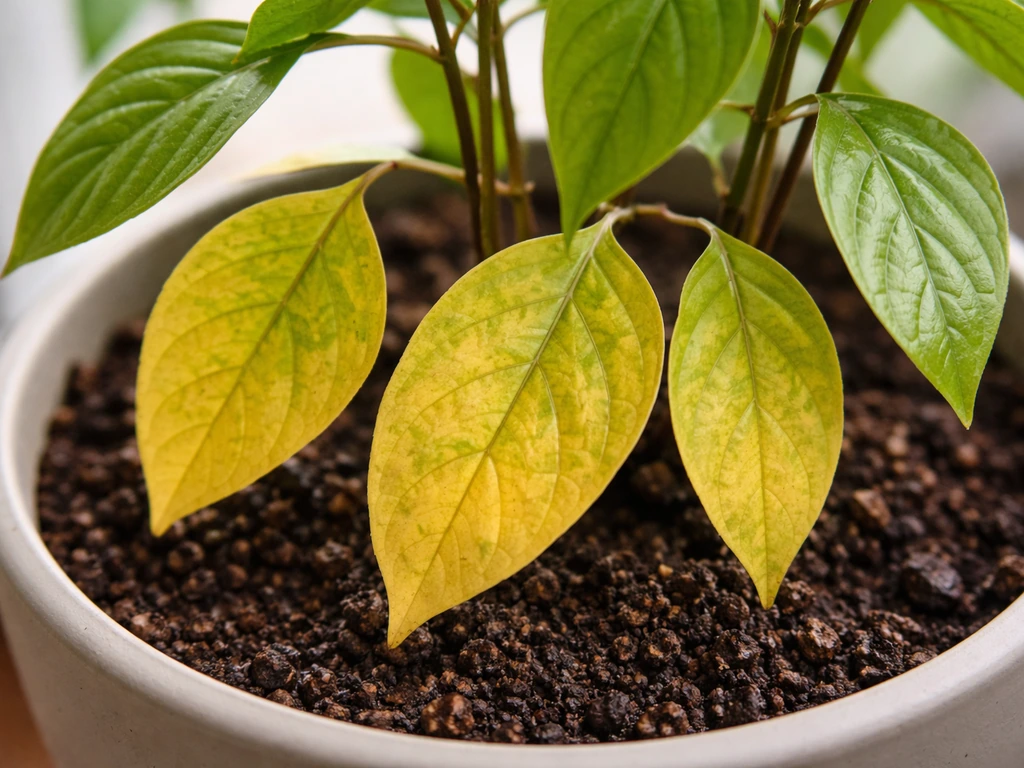
Nutrient deficiencies follow patterns, and knowing those patterns helps you diagnose correctly instead of guessing. Mobile nutrients like nitrogen and potassium move within the plant from older tissue to newer growth, so deficiency symptoms show up on the lower, older leaves first. Immobile nutrients like calcium and iron show symptoms on new growth first. Here are the most common ones to recognize:
- Nitrogen deficiency: uniform yellowing starting on the oldest (lower) leaves, slow growth, small or pale leaves. The whole leaf yellows, not just between veins.
- Phosphorus deficiency: purpling or reddening of older/lower leaves, sometimes with puckering. Leaves may look dull or dark green before the purple shows.
- Potassium deficiency: browning or scorching at the edges of older leaves, with the interior staying green longer.
- Iron deficiency: yellowing between the veins on new, young leaves (interveinal chlorosis), often linked to high soil pH rather than a true shortage of iron.
- General slow growth with no obvious leaf color change: could be any of several deficiencies, or just as likely a non-nutrient issue like light or compaction.
One warning: micronutrient deficiency symptoms often mimic each other because micronutrients interact in how plants process them. If you're seeing interveinal chlorosis, don't just assume iron. A soil test will confirm what's actually missing.
Signs you've overdone it
Overfeeding is probably more common than underfeeding among home gardeners, especially with container plants. Brown, scorched leaf margins (not from the tip in, but from the edges) that don't match a known deficiency pattern are a classic sign of fertilizer salt damage. You might also notice a white crust forming on the soil surface or on the outside of clay pots: that's salt buildup from fertilizer accumulation. In containers, if your plant is suddenly lush but weak and floppy with excess leafy growth, that's often too much nitrogen. Root systems in containers can also be burned directly if fertilizer granules come into contact with them.
If you suspect salt buildup, the fix is straightforward: apply one inch of clean water, let it drain completely, and repeat three to four times to leach excess salts through the soil. Then hold off on fertilizing until the plant looks stable. For ongoing management, reducing fertilizer concentration and frequency while maintaining thorough watering is the right approach.
Troubleshooting slow growth: where to actually start
When a plant isn't growing the way you expect, resist the urge to immediately reach for fertilizer. Run through this checklist first, in order:
- Check light first. Is the plant getting enough of the right light for its type? Low light is one of the most common growth limiters, and no fertilizer can compensate for photosynthesis that isn't happening.
- Check watering habits. Both overwatering and underwatering cause slow growth and leaf symptoms that look a lot like nutrient deficiency. Stick your finger two inches into the soil before watering.
- Inspect the roots. If the plant is in a container, check if it's rootbound. If it's in the ground, consider whether compaction or drainage issues are limiting root development. Roots can't take up nutrients they can't reach.
- Look at the leaf symptom pattern. Does it match a nutrient deficiency pattern (older leaves first? interveinal chlorosis on new growth?)? Or is it uniform, random, or concentrated near drainage or stem areas?
- Consider whether you've fertilized recently. If yes, salt stress may be more likely than deficiency.
- Do a soil test if you haven't recently. This is especially worth doing if problems persist despite adjusting light and water. A test takes the guesswork out of what to add, and often reveals pH issues that affect nutrient availability even when nutrients are technically present.
If light and water check out and a deficiency pattern is clear, that's when fertilizer earns its place. For a fast correction (like yellowing lower leaves on a tomato plant), use a soluble fertilizer applied as a soil drench after watering. For long-term soil building, work in a balanced slow-release or organic option and give it time.
It's also worth thinking about the broader nutrient picture. The question of whether you need fertilizer at all depends heavily on your baseline soil quality: some soils genuinely don't need supplemental feeding for most plants, while others are nearly inert without it. Related to that, questions like whether fertilizer makes plants grow faster or bigger come down to the same principle: it depends entirely on whether nutrients were the limiting factor to begin with. Fertilizer on an already-fertile soil won't produce bigger plants; it just creates excess salts and potential runoff. If you’re asking whether does fertilizer make a plant grow bigger, the answer depends on whether nutrients are actually limiting fertilizer at an already-fertile soil.
Once you've matched the right fertilizer to the actual need, applied it at the right rate, and confirmed the other basics are in order, most plants respond quickly and visibly. That's the honest answer to whether plant food works: yes, when used correctly, and not at all when it isn't.
FAQ
How can I tell if “plant food” is actually the missing factor before I apply it?
Look for a deficiency pattern (older leaves first for mobile nutrients like nitrogen and potassium, new growth first for immobile nutrients like iron and calcium) and confirm with a soil or container media test if possible. Also check the top non-nutrient causes first, light level, watering consistency, and whether roots have room to breathe (not waterlogged or compacted), because fertilizer cannot fix those issues.
Does plant food help immediately, and how fast should I expect results?
If the plant food supplies the limiting nutrient and roots can take it up, liquid soluble fertilizers often show changes within days. Controlled-release products can take weeks, and organic options may take longer because nutrients must be mineralized by soil microbes. If you see no change after the appropriate window, it usually means the cause is not nutrient availability.
Can I use plant food on newly planted seedlings or transplants?
Be careful, many seedlings are sensitive to salt buildup and over-concentrated fertilizer. Use a diluted starter fertilizer, keep granules away from direct root contact, and confirm the potting mix or soil already contains slow-release nutrients (many do). When in doubt, start with less than the label rate and observe.
Is it safe to fertilize during hot weather or when plants are drought stressed?
Generally, avoid it. When soil is very dry or plants are heat stressed, roots take up nutrients inefficiently and fertilizer salts can accumulate, increasing burn risk. A safer approach is to correct watering first, then fertilize once the plant is actively growing and the soil is moist.
What’s the biggest mistake with fertilizer in containers?
Overapplying at high concentration. Containers lose nutrients faster through drainage, so you often need more frequent, lower-rate feeding, not stronger doses. Also flush with clean water every couple of months to prevent salt buildup, especially if you notice crusting or leaf edge scorch.
If my soil test says I need phosphorus, should I use a high-P fertilizer right away?
Often, yes, but follow timing guidance. Phosphorus availability depends on soil conditions and pH, and it may be slow to move in soil. For beds, incorporating amendments in advance can be more effective than repeated surface applications, and confirm you are not already over-supplied before adding more.
Can organic plant food burn plants like synthetic fertilizer can?
It can. “Organic” products can still add salts and change osmotic pressure, especially concentrated extracts or products used too frequently. Follow dilution and label rates, and in containers assume the burn risk exists if you overdo it.
Should I fertilize if the plant looks pale but I’m not sure it’s nitrogen?
Not automatically. Pale leaves can also come from low iron availability, poor drainage, root damage, or low light. If symptoms show up on new leaves, consider iron or other immobile nutrients, and use a soil or media test before switching to higher-nitrogen feeding.
Will foliar feeding solve nutrient problems faster than soil feeding?
Sometimes for minor nutrient issues, especially micronutrients, because nutrients bypass soil uptake. However, it can burn leaves if too concentrated and it usually works best on actively growing plants with proper dilution. Always match the product label rate and avoid spraying in strong sun or hot conditions.
How do I fix salt buildup if I think I overfed?
Leach the container or soil with clean water by applying about one inch, letting it drain completely, and repeating multiple cycles. Then pause fertilizing until the plant looks stable. If the issue keeps recurring, reduce fertilizer concentration and increase flushing frequency, because salt accumulation is a management problem, not a one-time accident.
Next Articles
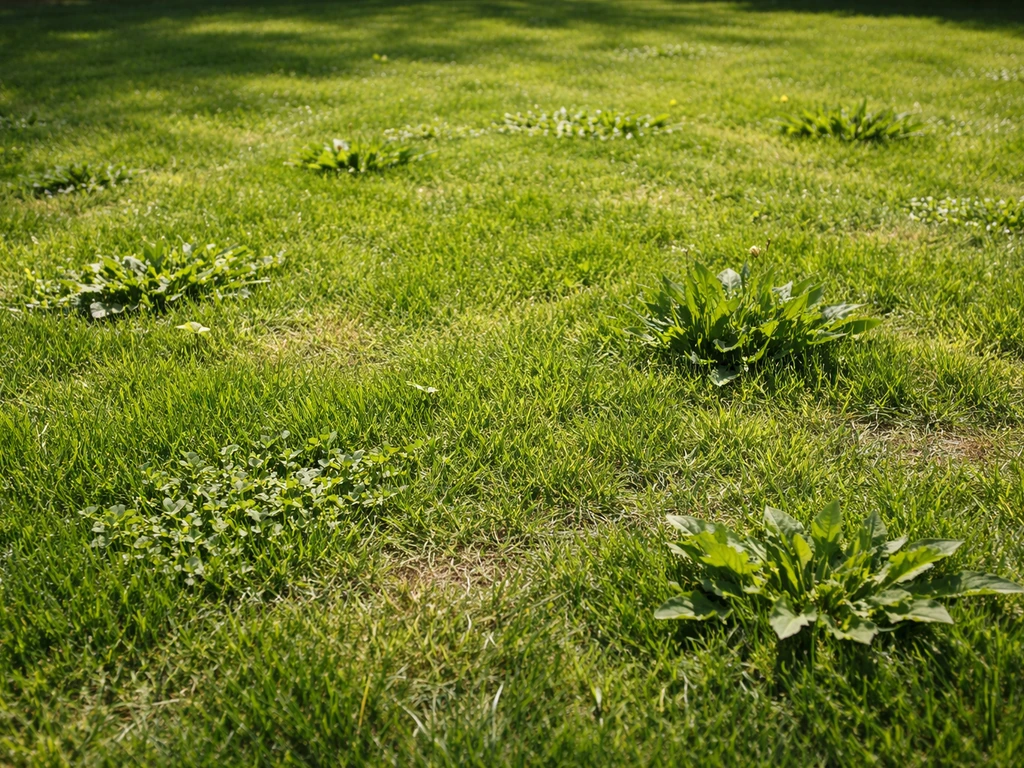
Does Fertilizer Help Weeds Grow? Lawn Fix Steps
Find out if fertilizer helps weeds grow, why it can feed them, and how to fertilize without creating a weed buffet.
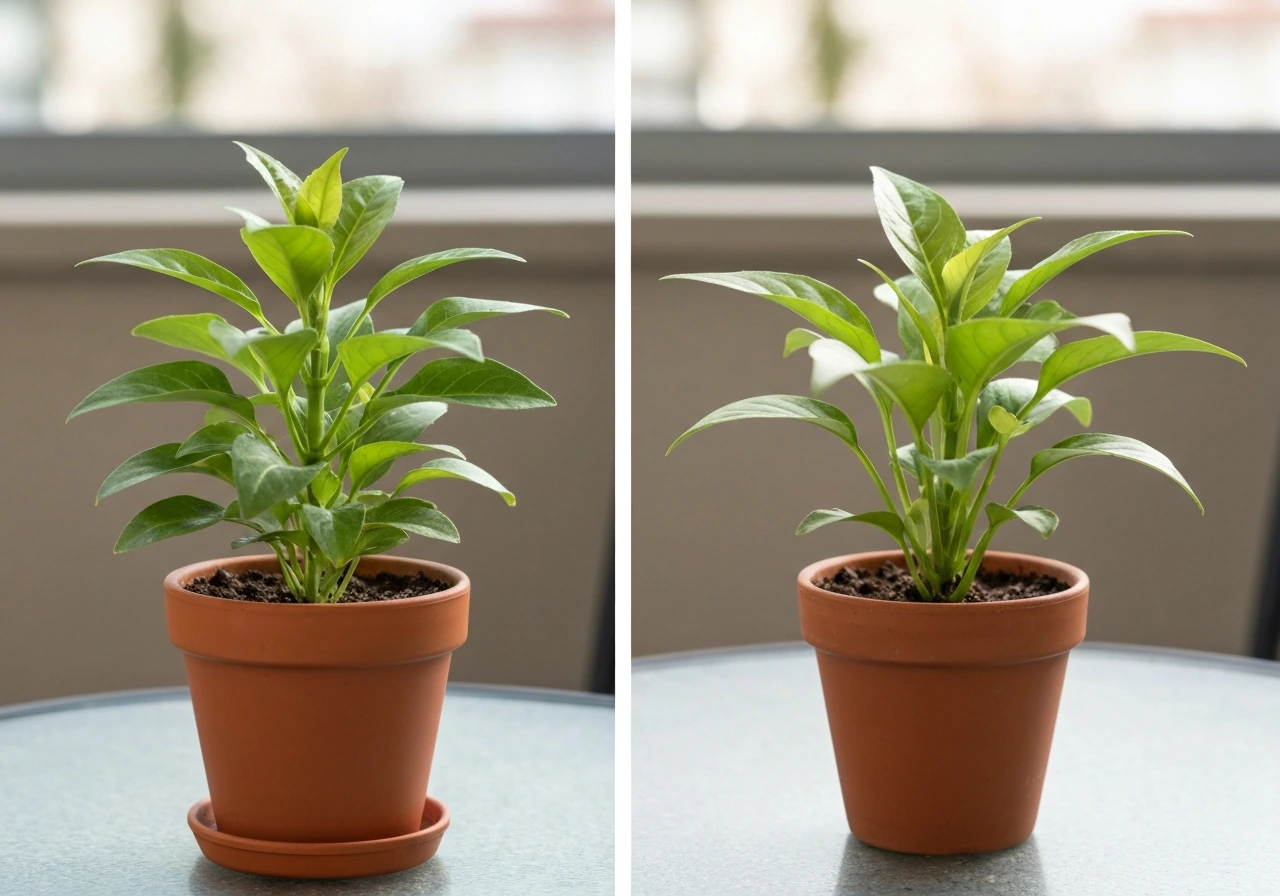
Does Fertilizer Make a Plant Grow Bigger or Taller?
Learn when fertilizer boosts plant size and height, when it fails, and how to test and apply it correctly.
Does Fertilizer Make Plants Grow Faster? Clear Answers
See when fertilizer speeds plant growth, how NPK and timing help, and how to choose and apply without burning.