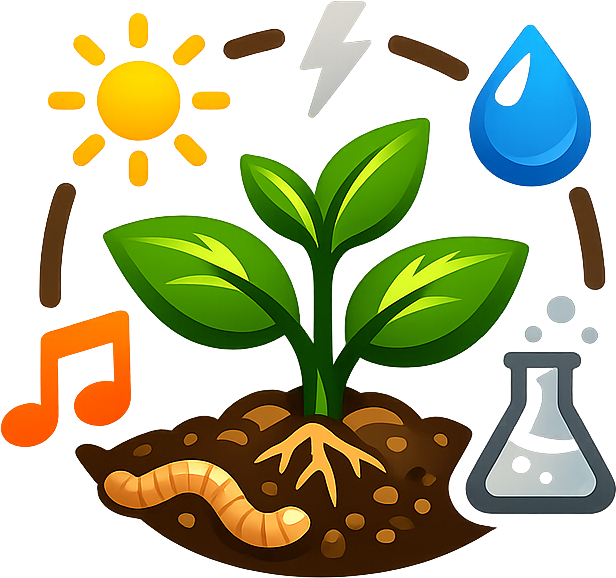
The biggest drivers of plant growth are the same whether you're nurturing a prize tomato or a tenacious dandelion: light, water, soil quality, nutrients, and temperature. Get those five things right and almost any plant, including the ones you'd call weeds, will grow faster and healthier. Get even one of them wrong and you'll hit a ceiling no amount of fertilizer or extra watering will fix.
What Helps Weed Plants Grow Better: Practical Guide
Marcus Holloway
3 Jun 2026
First, let's clarify what "weed plants" means for you
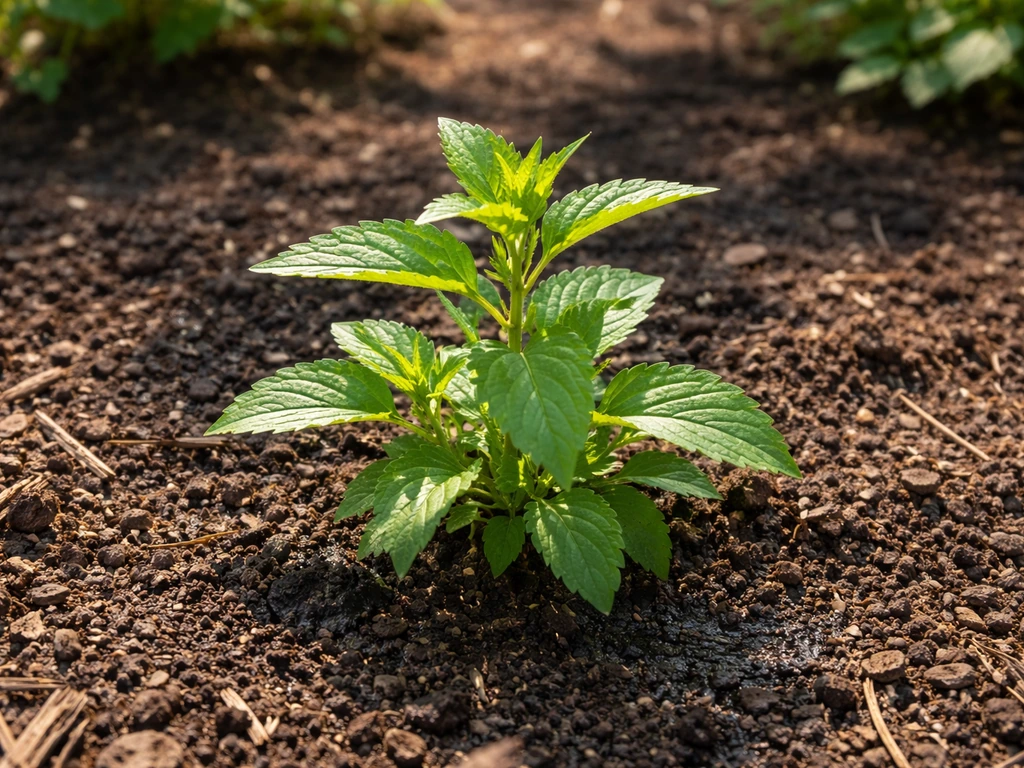
The word "weed" isn't a botanical category. It's a judgment call. A weed is simply any plant growing somewhere you don't want it, and that definition can flip depending on your goals. Dandelions are weeds in a lawn but intentional medicinal herbs in a kitchen garden. Clover is a weed to some and a nitrogen-fixing ground cover to others. So before you optimize anything, decide which camp you're in.
If you're asking what helps weed plants grow better because you want to understand what makes them thrive so you can stop them, you're approaching this from a control angle. Weeds grouped as winter annuals (germinating October through March), summer annuals, biennials, or creeping perennials each have different windows of vulnerability. Knowing the life cycle tells you when to intervene. On the other hand, if you're intentionally cultivating a plant someone else might call a weed (stinging nettle, purslane, lamb's quarters, or wild bergamot, for example), then you want genuine growth optimization advice. This guide covers both, but the practical steps are the same either way: understand what drives growth, then use that knowledge deliberately.
Light: the single biggest lever you can pull
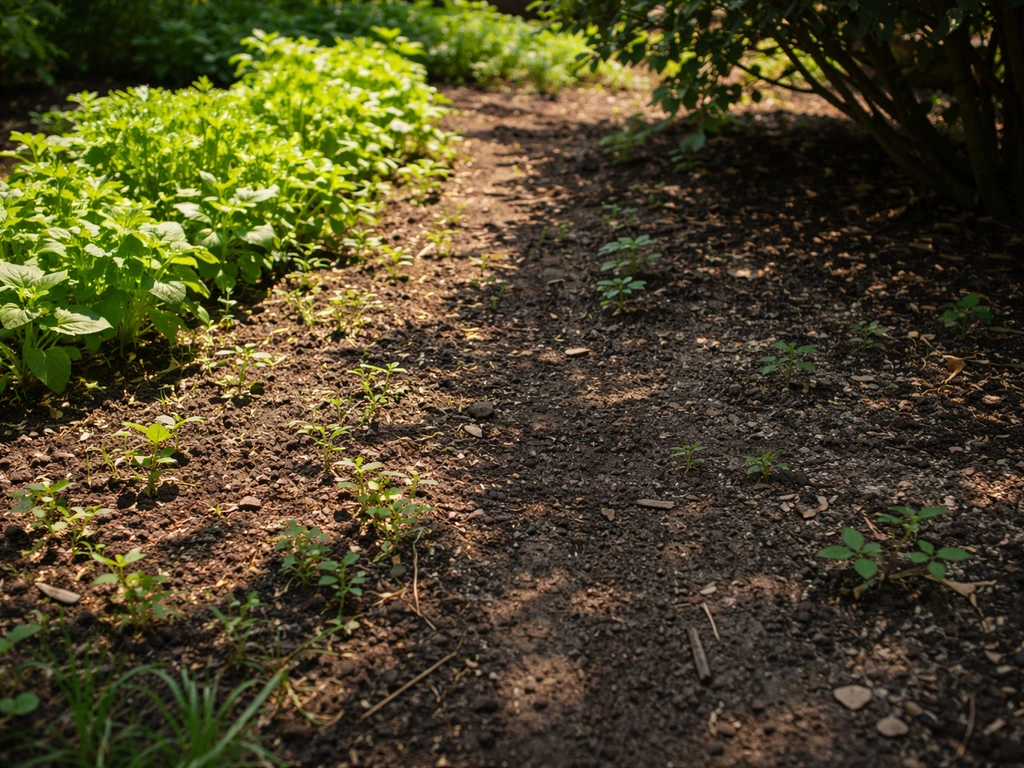
Most opportunistic weeds are sun-lovers. Crabgrass is a classic example: it thrives in full sun, bare soil, and available moisture. Close the canopy with dense desirable plants and crabgrass struggles to get established because it simply can't photosynthesize enough to compete. The same dynamic works in reverse if you're growing a plant intentionally. Maximize direct sun exposure and you're removing one of the most common growth limiters immediately.
For outdoor plants, placement is everything. South-facing beds (in the Northern Hemisphere) get the most hours of direct sun. Even a few extra hours per day makes a measurable difference in how quickly a plant puts on biomass. Shade doesn't just slow photosynthesis in isolation; it creates a cascade effect where the plant competes less effectively for water and nutrients too. If a plant looks leggy, pale, or just stalls in growth, inadequate light is usually the first thing to rule out.
If you're growing indoors, you need to think about both intensity and spectrum. Natural light through a window loses a significant portion of its usable intensity before it even hits the leaf. A south-facing windowsill is often borderline for many plants. A dedicated grow light positioned 6 to 12 inches above the plant, running 14 to 16 hours per day, is a much more reliable option for fast growth. Full-spectrum LED grow lights are now affordable and far more practical than the fluorescent setups people were using a decade ago.
Watering right: more plants die from too much than too little
Overwatering is one of the most common growth limiters in home gardens, and it's counterintuitive because a wilting plant looks like it needs more water when it might actually have too much. The first symptoms of excess moisture are wilting or yellowing of the lower and inner leaves. As it continues, you'll see leaf drop, canopy dieback, marginal leaf scorch, and eventually death. Plants literally drown when soil stays saturated for too long because roots need oxygen in the soil to function, and waterlogged soil displaces that oxygen.
Deep, infrequent watering beats shallow, frequent watering almost every time. When you water deeply (long enough to wet the soil 6 to 8 inches down) and then let it dry out moderately before the next watering, you encourage roots to grow downward in search of moisture. That deeper root system makes the plant more drought-resilient and more efficient at pulling up nutrients. Frequent shallow watering keeps the root zone near the surface and creates dependency.
Drainage is non-negotiable. Whether you're growing in the ground or in containers, water needs a clear path out. Standing water in the root zone invites Phytophthora and other pathogens that rot roots and stall growth long before you see obvious above-ground symptoms. If you're in containers, make sure drainage holes aren't blocked. In-ground beds benefit enormously from organic matter amendment, which opens up soil structure and improves both drainage and water retention simultaneously.
Mulching is one of the simplest, most effective tools you can add today. A 2- to 3-inch layer of organic mulch around your plants reduces evaporative water loss from the soil surface, meaning the water you do apply goes further. It also reduces nutrient leaching during heavy rain, which keeps more of what you've added in the root zone.
Soil and nutrients: the foundation that makes everything else work
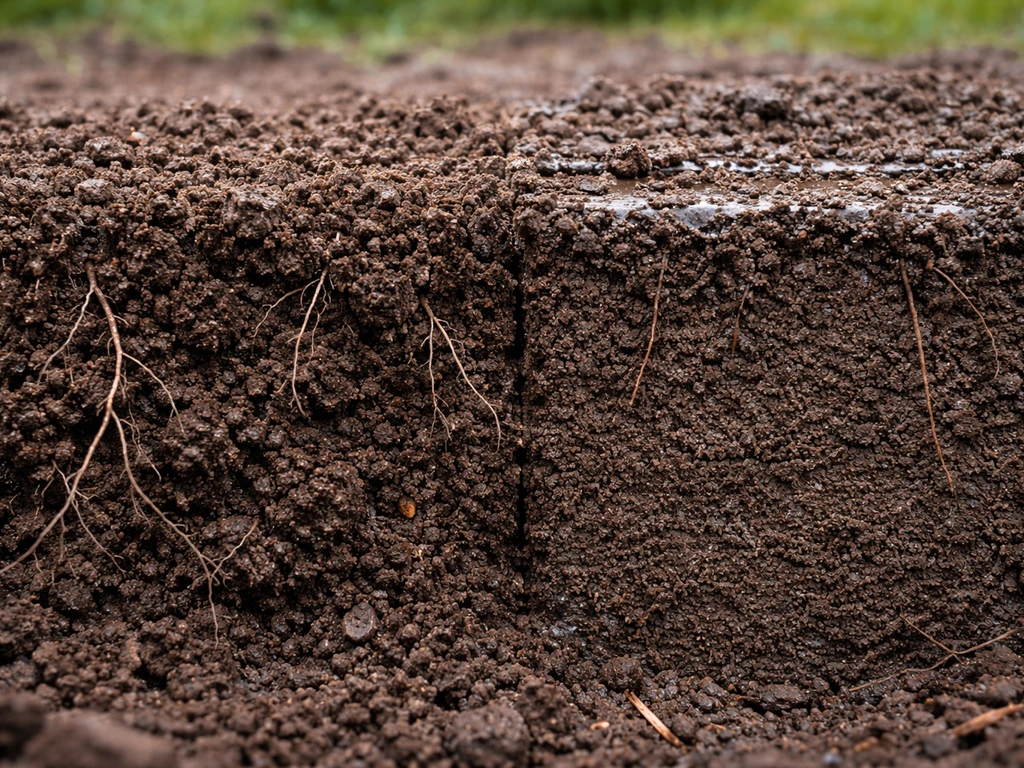
Soil structure and pH
Compacted soil is a silent killer of plant growth. When soil pores are crushed together, roots can't penetrate deeply, oxygen can't reach the root zone, and water either puddles on the surface or channels through cracks without being absorbed. Plants in compacted soil look stunted and drought-stressed even when you water regularly. Breaking up compaction with a fork and adding organic matter is one of the highest-return things you can do for almost any planting area.
Soil pH is the dial that controls nutrient availability. Most garden plants, including the majority of common weeds, perform best in a pH range of roughly 6.2 to 6.8. Outside that range, specific nutrients get chemically locked up in the soil even if they're present in decent quantities. A basic soil pH test (available at any garden center for a few dollars) gives you actionable data. Add lime to raise pH; sulfur or acidifying fertilizers to lower it. Don't skip this step and then wonder why your fertilizer isn't working.
N-P-K basics and fertilizer timing
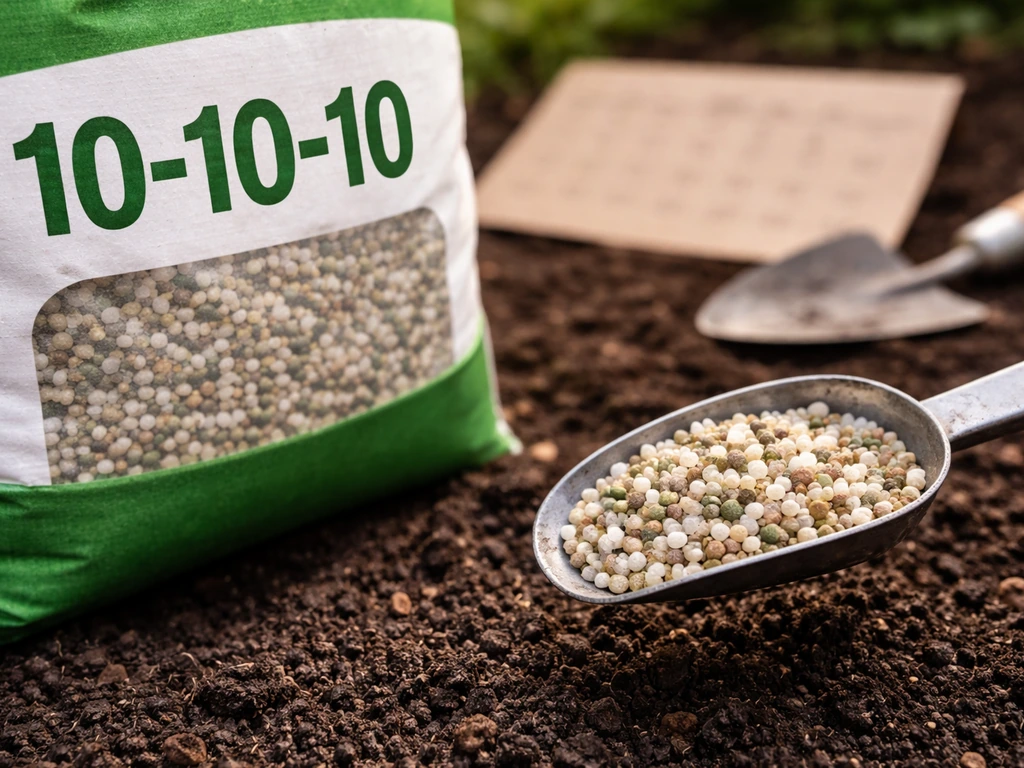
Fertilizers are labeled with three numbers representing nitrogen (N), phosphorus (P), and potassium (K). Nitrogen drives leafy green growth. Phosphorus supports root development and is tied to flowering and shoot growth. Potassium supports overall plant health and stress tolerance. Each deficiency has a recognizable signature: nitrogen deficiency shows as yellowing starting on the oldest, lowest leaves. Phosphorus deficiency often shows as purple or blue-green coloration and stunted shoots. Potassium deficiency looks like brown, scorched margins on leaves.
More fertilizer is not always better. Fertilizer can help growth, but it does not act as an independent variable by itself when light, water, soil quality, and temperature are limiting does fertilizer make a plant grow bigger. Excessive nitrogen promotes lush, dense vegetative growth but can actually delay flowering and fruiting.
Excess nitrogen can also make flowering plants taller in the short term, but it often comes at the cost of delayed blooming Excessive nitrogen promotes lush, dense vegetative growth but can actually delay flowering and fruiting. . Too much fertilizer of any kind builds up soluble salts in the soil, and those salts damage roots and show up as marginal leaf scorch that looks eerily similar to drought stress.
USU Extension notes that excessive fertilizer, compost, manure, and improper irrigation can create high soluble salt conditions, so testing salinity is the best way to correct the limiter instead of guessing. If you've been applying fertilizer generously and your plant looks burned on the leaf edges, salt buildup is a prime suspect.
Ease off, water deeply to flush the root zone, and retest.
For most garden situations, a balanced slow-release granular fertilizer applied at the start of the growing season, supplemented with compost worked into the top few inches of soil, gives a plant everything it needs without the salt-buildup risk of aggressive liquid feeding. Compost is arguably the single most useful amendment because it improves soil structure, feeds beneficial microbial life, supports nutrient cycling, and buffers both over- and under-watering.
Environmental conditions: temperature, airflow, and stress
Temperature is a hard limit on growth rate. Cool-season plants stall in heat; warm-season plants stall in cold. If temperatures drop below the species' threshold, you'll see stunted, poor-quality growth no matter how well you've handled light, water, and nutrients. Oregon State Extension puts it plainly: adverse temperatures cause stunted growth and poor-quality outcomes. The fix is matching the plant to the season, or managing the microclimate with row covers, cold frames, or shade cloth.
Heat stress is recognizable by wilting, leaf curling, browning, and a complete halt in new growth. If it's over 90 to 95 degrees Fahrenheit and you see any of those signs, the plant is burning energy on survival, not growth. Afternoon shade, mulch to keep soil temperatures stable, and consistent moisture are the best short-term responses.
Airflow matters more than most gardeners realize. Stagnant, humid air around foliage creates ideal conditions for fungal diseases like powdery mildew, which then rob the plant of energy and slow growth significantly. Spacing plants so air can move between them, and avoiding overhead watering in the evening, goes a long way toward keeping foliage dry and disease pressure low. If you're growing in a greenhouse or indoor setup, a small fan running on low for a few hours per day makes a real difference.
Quick diagnosis: find what's actually limiting growth right now
Before you add anything or change any routine, look at what the plant is already telling you. Symptoms tend to cluster into recognizable patterns that point clearly at a cause. Use this as a starting framework.
| Symptom | Most Likely Cause | Quick Fix |
|---|---|---|
| Yellowing on oldest, lower leaves first | Nitrogen deficiency | Apply balanced fertilizer; check pH |
| Purple or dark blue-green foliage, stunted shoots | Phosphorus deficiency | Test pH; add phosphorus-rich fertilizer |
| Brown, scorched leaf margins | Excess fertilizer/salt OR drought | Flush soil with deep watering; ease off fertilizer |
| Wilting or yellowing of lower/inner leaves with wet soil | Overwatering | Improve drainage; reduce watering frequency |
| Leggy, pale, stretched growth | Insufficient light | Move to sunnier spot or add grow light |
| Stunted growth with normal color | Compacted soil or cool temperatures | Loosen soil; check temp vs. species requirements |
| Wilting, browning, no new growth in heat | Heat/drought stress | Mulch, shade cloth, consistent moisture |
| Random spotting, irregular damage across plant | Pest or disease | Inspect undersides of leaves; check for insects or fungal signs |
A useful diagnostic habit from OSU Extension: check whether the damage pattern is random and scattered (which suggests a pest or disease moving through the plant) or uniform across the whole plant (which almost always points to a soil, water, light, or nutrient issue). That one question saves a lot of misdiagnosis.
Myths worth busting and extras that don't move the needle
Coffee grounds come up constantly as a growth booster. The reality: they do contain some nitrogen, potassium, and trace micronutrients, but in such small quantities that they won't meaningfully accelerate plant growth on their own. Research on the subject is unclear at best, and multiple extension programs have noted that any effect is short-lived. There's also a real risk: used grounds are acidic and can cause problems for plants that prefer neutral or alkaline soil. You can toss a small amount into compost without worrying, but don't count on them as fertilizer.
Talking to plants is a persistent folk claim. Penn State researchers note there is limited evidence for sound responses in plants, and that any real effect would require hours of daily verbal interaction to produce a measurable outcome. The more plausible explanation for why plants near attentive gardeners do well is that those gardeners are also watering, pruning, and fertilizing more consistently. That's where the growth comes from.
Playing music for plants follows a similar logic. There's some early research suggesting vibrations might weakly influence plant cells, but the effect size is tiny compared to a single good watering or an afternoon of direct sun. It's not worth optimizing before you've nailed light, water, and soil.
One thing that does have real support but often gets overlooked: day length. Certain plants are photoperiod-sensitive, meaning the length of the dark period triggers flowering or dormancy. If you're growing a plant that seems to stall in vegetative growth or won't flower on schedule, day length is worth investigating, especially in indoor or greenhouse setups where you control the light cycle. This is a real botanical phenomenon, unlike most of the folklore.
If you're exploring how fertilizer choices specifically affect plant height or flowering, those are their own rabbit holes worth going down. The nitrogen question in particular gets nuanced when you're looking at tomatoes or flowering annuals, since the same nutrient that drives leafy growth can actually work against blooming. For fastest tomato growth, choose fertilizer that matches what the plants need most and time it correctly in the season tomatoes.
Your action plan: what to do today and this week
Here's a simple checklist you can work through right now, starting with the highest-impact changes first.
- Check light exposure: Count how many hours of direct sun the plant actually gets. If it's fewer than 6 hours for a sun-loving plant, move it or add supplemental light before anything else.
- Inspect the soil: Poke your finger 2 inches into the soil. If it's wet, don't water. If it's bone dry more than 2 inches down, water deeply until it drains from the bottom. Fix compaction with a fork and a layer of compost.
- Test your pH: A $5 test kit gives you the most critical soil data you can get. If you're outside the 6.2 to 6.8 range, amend accordingly.
- Look at the leaves: Match what you see to the symptom table above. Don't add fertilizer until you've ruled out overwatering and drainage issues.
- Add mulch: A 2- to 3-inch layer of wood chips or straw around the base of the plant costs almost nothing and immediately improves water retention and soil temperature stability.
- Check for pests and disease: Flip a few leaves and look at the stems near soil level. Catching an infestation or fungal issue early prevents it from becoming the real reason growth stalls.
- Match temperature to species: If you're past the last frost date and your warm-season plant is still sitting in cold soil, growth will be slow until the soil warms to at least 60 degrees Fahrenheit.
- Fertilize appropriately: If pH is right, drainage is good, and light is adequate, a balanced slow-release fertilizer applied at label rates is a safe starting point. Don't double-dose.
For a week-by-week improvement plan: spend the first few days fixing the structural issues (light placement, drainage, mulch, compaction). By day five or six, do a proper pH test and adjust if needed. In week two, reassess the plant's response before adding any fertilizer. If after two full weeks of corrected light, water, and soil conditions the plant is still showing deficiency symptoms, then bring in a targeted fertilizer based on what the symptoms actually point to. This sequence prevents the common trap of layering on nutrients over top of an underlying drainage or pH problem that makes those nutrients unavailable anyway.
If you've worked through all of the above and growth is still stalled, look harder at pest pressure and disease. Root rot, nematodes, and systemic fungal infections can all mimic nutrient deficiency or drought stress. At that point, pulling a root sample and examining it (healthy roots are white and firm; rotted roots are brown, soft, and smell musty) will tell you more than any soil test.
FAQ
How can I tell whether my weed is stunted because of light versus nutrients?
Look for how the symptoms spread. Uniform pale or leggy growth across the whole plant usually points to insufficient light, especially if new growth is also slow. Nutrient issues more often show a directional pattern, like older leaves yellowing first for nitrogen, or purple/blue-green and stunted tips for phosphorus.
Should I feed weeds early in the season, or wait?
Wait until basic conditions are stable, especially drainage and pH. If you correct light, water behavior, and soil structure first, then a deficiency, if it truly exists, will show up more clearly within 1 to 2 weeks. Feeding sooner often wastes money and can worsen salt buildup or delay the type of growth you want.
What is the fastest way to improve growth if my plants are in containers?
Start with drainage and watering depth. Confirm the pot has unblocked drainage holes, then water until you see runoff, and empty the saucer. Container soil dries and salts up faster than beds, so consistent deep watering and occasional flushing are usually more effective than frequent small top-offs.
Can I use compost tea, coffee grounds, or other “growth boosters” instead of fertilizer?
Compost tea and coffee grounds generally should not replace targeted nutrition, because their nutrient concentrations are inconsistent and often too low to drive fast growth. Coffee grounds are also commonly acidic, so they can cause problems if your soil is already on the acidic side. Compost worked into the soil is the safer approach.
What if my plant looks burned at the leaf edges, is it always too much fertilizer?
Not always, but fertilizer salts are a strong suspect when the scorching is marginal and you have been applying frequent doses. Another common confounder is dry wind or inconsistent watering. A practical test is to stop feeding, water deeply, and flush the root zone, then reassess for new growth over the next 7 to 14 days.
How do I avoid overwatering while still keeping plants growing quickly?
Use a simple check before you water: probe the soil 2 to 3 inches down. If it is still moist at that depth, wait. Fast growth comes from roots getting oxygen, so let the top portion dry moderately between deep waterings instead of keeping the whole root zone constantly wet.
What should I do if weeds are growing well and my “dense canopy” strategy is failing?
Dense desired planting works best when the canopy actually closes and shades the soil surface. If weeds still thrive, you likely have gaps, thin planting, or bare soil exposed. Improve spacing, add mulch to suppress light at the soil surface, and correct any drainage or compaction issues that are helping the weeds anchor quickly.
How important is soil pH for weeds, and what’s the quickest way to fix it?
pH strongly affects whether nutrients are usable, even if fertilizer is present. The quickest reliable method is a soil test, then adjust gradually (lime to raise, sulfur or acidifying products to lower). Re-test after changes rather than making large swings, because overshooting can create new lockout problems.
Why does my plant start growing fast, then suddenly stall?
A common cause is that conditions deteriorate after initial establishment, like heat stress later in the season, salt buildup from continued feeding, or airflow changes that increase disease pressure. Check for new signs like curling and browning in heat, marginal leaf scorch from salts, or powdery mildew when humidity rises.
How can I confirm whether it is a disease or a nutrient problem?
Use the damage pattern clue plus a root check. If symptoms are scattered and moving between leaves or plants, pests or disease are more likely. If the issue is uniform or persists despite corrected watering and pH, inspect roots, healthy roots should be firm and white, while rot tends to be brown, soft, and musty.
Next Articles
Does Fertilizer Help Plants Grow Taller? A Practical Guide
Learn when fertilizer increases plant height, which types help, and how to apply safely for taller growth.
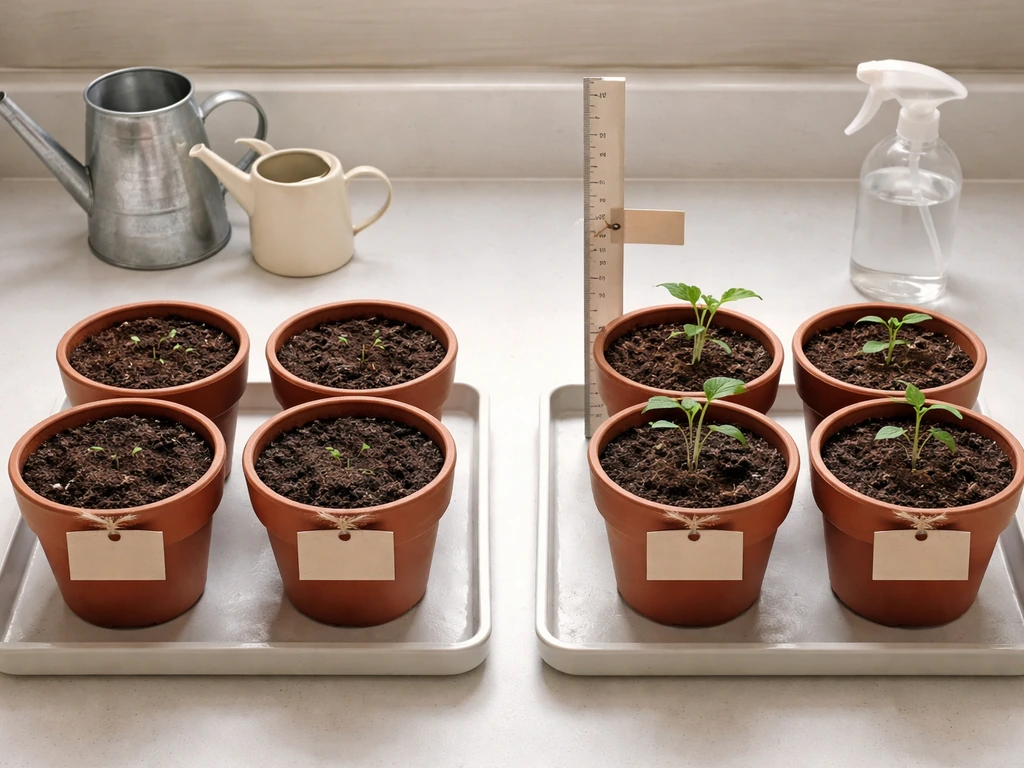
Does Fertilizer Make a Plant Grow Bigger? Test Setup
Set up a simple test to see if fertilizer, as the independent variable, increases plant size and how to measure results.
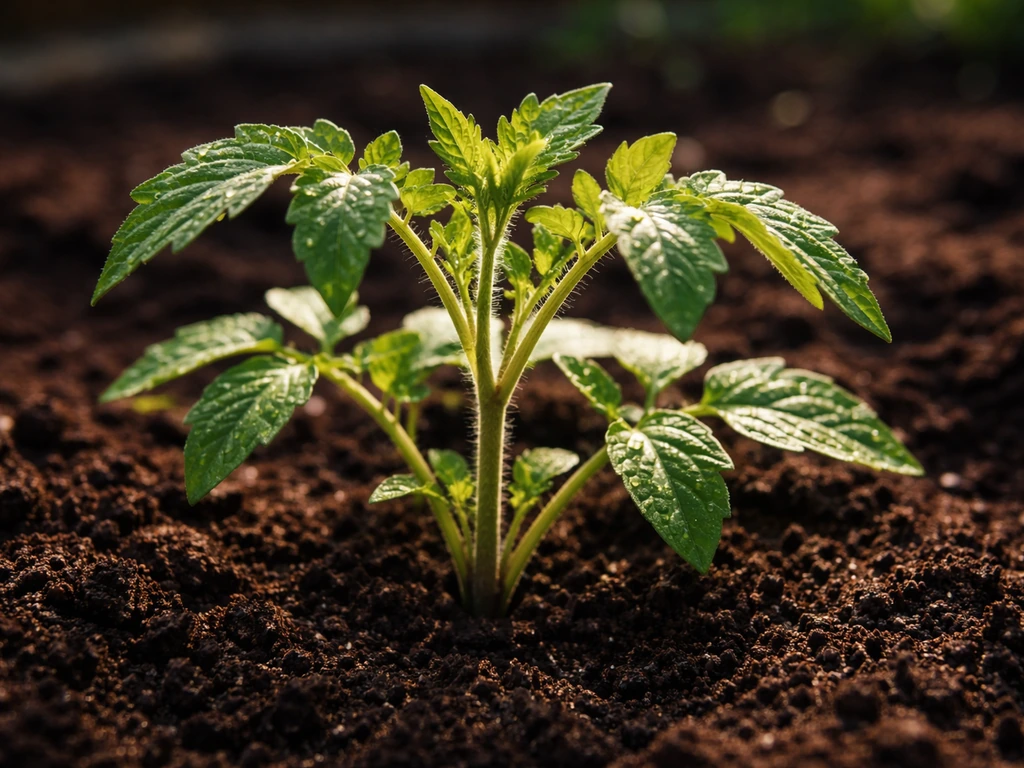
Which Type of Fertilizer Helps Tomatoes Grow Fastest?
Learn which tomato fertilizer type speeds growth, plus how to fertilize by stage, set pH, and avoid burn for fast result