Yes, fertilizer can help plants grow taller, but only when a nutrient deficiency is actually what's holding them back. If your soil already has enough of what a plant needs, adding more fertilizer won't make it shoot up any faster. The real mechanism is simple: plants manufacture the cells, tissues, and hormones needed for upward growth using raw materials from the soil. When one of those materials is missing, growth stalls. Fertilizer restores the missing piece, and height follows.
Does Fertilizer Help Plants Grow Taller? A Practical Guide

Marcus Holloway
28 May 2026
How fertilizer actually affects plant height
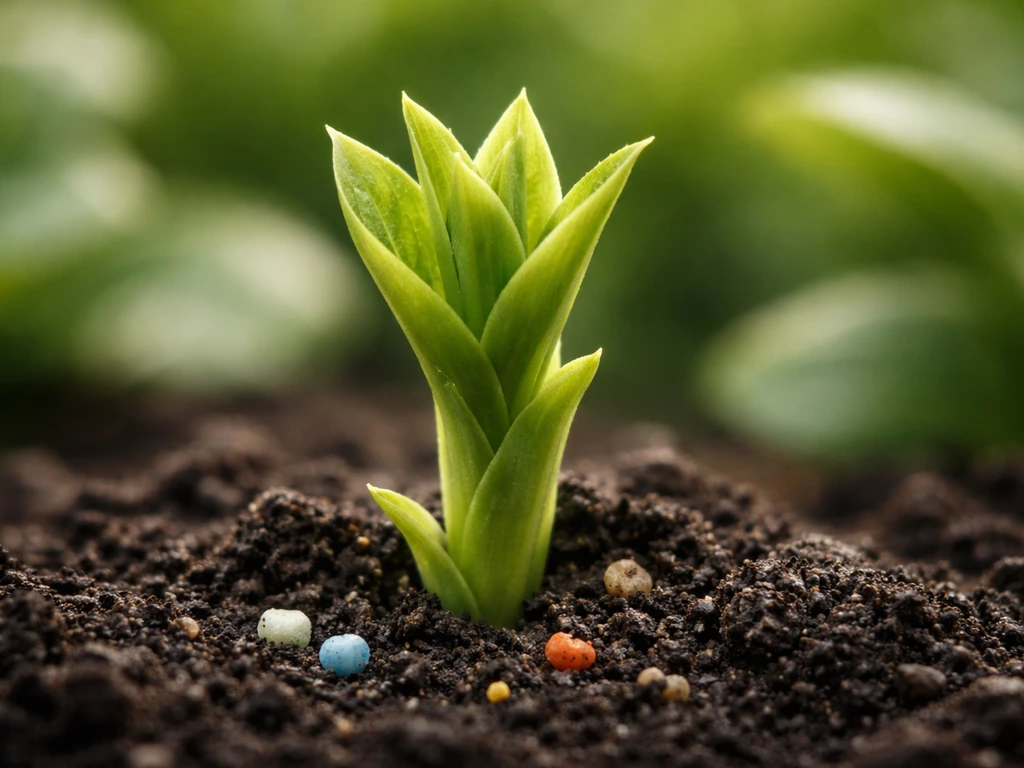
Plants grow taller by producing new cells in the meristematic tissue at their shoot tips. That process requires a steady supply of nitrogen, phosphorus, potassium, and a handful of micronutrients, all working together. Fertilizer doesn't directly 'push' a plant upward; it removes a bottleneck. Think of it like a factory assembly line: if one input runs out, production stops even if every other input is fully stocked. When nutrient supply is restored, the line starts moving again.
WVU Extension points out that subnormal shoot growth and unusually small leaf size are reliable early signs of low nutrient levels, often showing up before any dramatic color changes. So a plant that just looks a bit small and slow isn't necessarily sick. It may simply be hungry for one specific nutrient. The fix, in that case, is targeted fertilization rather than more water or more sun.
Which nutrients actually make plants grow taller
Nitrogen: the height driver
Nitrogen is the nutrient most directly tied to vegetative growth and height. Iowa State Extension describes nitrogen deficiency as causing slow, weak growth and a reduction in overall plant size. UMN Extension adds that the classic symptom is yellowing on the older, lower leaves, because the plant cannibalizes nitrogen from old tissue to feed new growth. If you see that pattern and your plants look stunted, a nitrogen-focused fertilizer is almost certainly what you need.
That said, more nitrogen isn't always better. UC IPM makes the point that most established landscape plants don't actually need nitrogen fertilization to grow well, and excess nitrogen can kill fine root hairs and make plants more vulnerable to root rot and nematodes. UMN Extension also notes that over-applying nitrogen causes excessive leafy, bushy growth and delays flowering and fruiting. More nitrogen means taller and bigger, up to a point, and then it becomes a liability.
Phosphorus and potassium: the supporting cast
Phosphorus deficiency can stop shoot growth almost entirely. Penn State's plant science resources describe phosphorus-deficient plants as having dark, dull, blue-green leaves that turn pale in severe cases, with shoot growth that is clearly inhibited. Mississippi State Extension documented corn plants showing purple young leaves and obvious stunting in late April and early May due to phosphorus deficiency. That's not a subtle effect. If your soil is phosphorus-poor, no amount of nitrogen will produce height because the plant can't build new cells without phosphorus.
Potassium plays more of a structural and stress-tolerance role. UF/IFAS reports that blank" rel="noopener noreferrer">potassium deficiency shows up first as interveinal chlorosis on older leaves, eventually progressing to marginal yellowing and leaf scorch. A plant dealing with potassium deficiency won't reach its potential height because it's constantly under stress, diverting energy to survival rather than growth. You're unlikely to see dramatic height gains from adding potassium alone, but a plant that's low in potassium will underperform even when nitrogen is adequate.
Which fertilizer types work best for taller growth
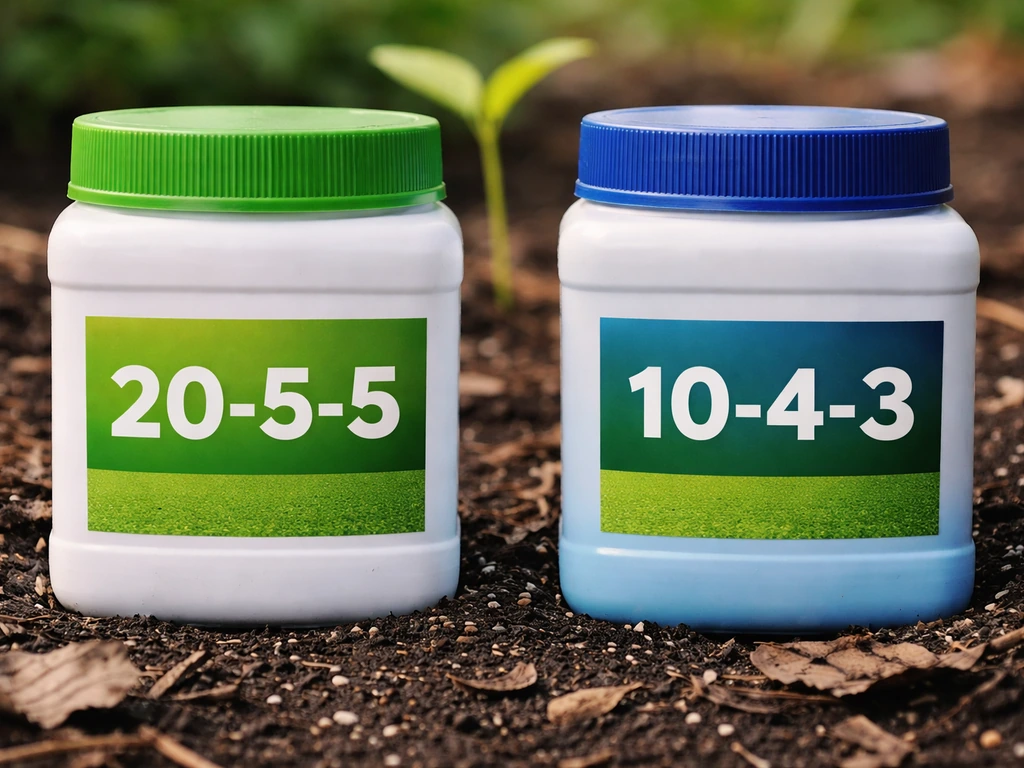
If you want height specifically, the nitrogen-to-phosphorus-to-potassium (NPK) ratio on the label is your starting point. A high first number (like 20-5-5 or 10-4-3) means more nitrogen relative to the other nutrients, which drives vegetative growth and shoot elongation. A balanced fertilizer like 10-10-10 works well when you're not sure what's deficient, or when you're starting a new bed. Here's how the common options compare for height-focused growing:
| Fertilizer Type | Best For | Speed | Height Benefit | Risk |
|---|---|---|---|---|
| Liquid high-nitrogen (e.g., 20-5-5) | Fast vegetative growth, leafy crops, young plants | Fast (days) | High | Easy to over-apply; root burn risk |
| Granular balanced (e.g., 10-10-10) | General all-season use, unknown soil conditions | Moderate (weeks) | Moderate | Low if applied at label rate |
| Slow-release granular (e.g., 18-6-12 coated) | Long-season plants, trees, shrubs | Slow (weeks to months) | Moderate to high over time | Very low |
| Organic (compost, blood meal, fish emulsion) | Soil health and slow, steady nutrition | Slow | Moderate over season | Very low; hard to over-apply |
| Water-soluble synthetic (e.g., Miracle-Gro 24-8-16) | Container plants, fast correction of deficiency | Fast (days) | High | Salt buildup in containers over time |
For most gardeners trying to maximize height in a single growing season, a liquid or water-soluble high-nitrogen fertilizer during the early vegetative stage gives the fastest visible results. For tomato plants specifically, a liquid or water-soluble high-nitrogen fertilizer during early vegetative growth can help them reach fast, vigorous growth. Slow-release granulars are better for perennials and trees where you want steady growth over months without the risk of a single over-application.
Organic options like blood meal (which runs roughly 12-0-0) are worth considering if you want nitrogen without the salt load, though they cost more per unit of nitrogen. The choice of tomato-specific vs. general fertilizer matters too if you're growing vegetables, and flowering plants have their own nitrogen-sensitivity profile worth looking into separately.
Why fertilizer alone often fails to produce taller plants
This is the part most gardening content skips, and it's the most practically useful thing to understand. Fertilizer removes a nutrient bottleneck. But if the bottleneck is something else entirely, adding fertilizer does nothing for height and can actually cause harm.
- Light: Plants growing in insufficient light will stay short and spindly regardless of how well you fertilize. Light intensity and spectrum drive photosynthesis, which is the actual energy source behind cell production. A nitrogen-rich plant in a dim room will just produce pale, etiolated stems that stretch toward the light source rather than growing robustly taller.
- Water: Inconsistent watering directly limits nutrient uptake because most nutrients move into roots dissolved in water. A plant that dries out between waterings is nutrient-starved even if your soil is well-fertilized.
- Soil structure and pH: Even perfect fertilizer doesn't help if the soil pH is wrong. Most nutrients become chemically unavailable outside a pH range of roughly 6.0 to 7.0. Compacted soil also restricts root growth, limiting the physical area the plant can mine for nutrients.
- Temperature: Cold soil slows root activity and nutrient absorption, which is why early-spring fertilization often produces disappointing results even in good soil.
- Genetics: A plant that is genetically a dwarf variety will not grow tall because you fertilized it. Fertilizer cannot override the growth ceiling set by the plant's DNA.
Before spending money on fertilizer, do a quick honest audit: Is the plant getting at least 6 hours of direct light? Is the watering consistent? Is the soil loose and well-draining? If the answer to any of those is no, fix those first. Fertilizer is the last variable to add, not the first.
How to choose and apply fertilizer safely for taller growth
Timing matters more than most gardeners realize
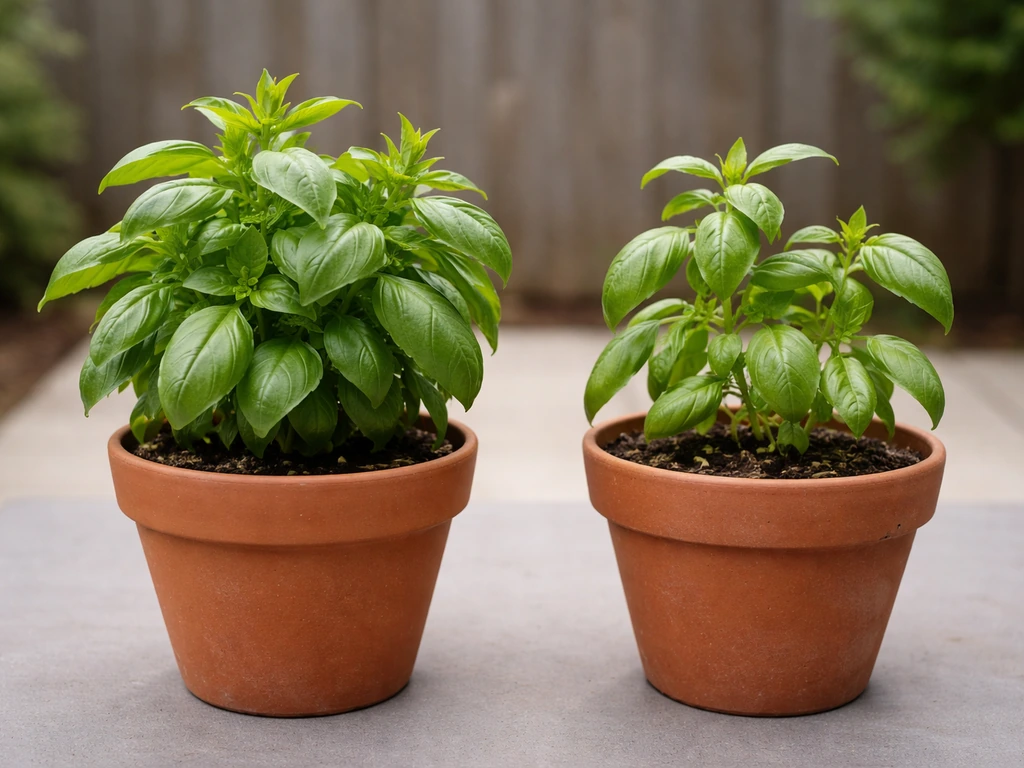
Nitrogen-heavy fertilizers should be applied during the active vegetative growth stage, not at planting or during dormancy. For annual plants, that window is typically from seedling establishment through the first half of the growing season. For perennials and shrubs, early spring as new growth emerges is the prime window. Once a plant shifts into flowering or fruiting mode, high nitrogen becomes counterproductive and can delay or reduce bloom. If you're growing flowering plants and want height before bloom, apply a high-nitrogen fertilizer in the first 30 to 50 percent of the vegetative growth phase, then back off or switch to a lower-nitrogen formula.
Rates, method, and avoiding burn
The label rate exists for a reason: use it, or go lower. UMD Extension documents that excess fertilizer or salt application causes marginal leaf browning, wilting, and stunting because salts become toxic to root tissue at high concentrations. Over-fertilizing doesn't make plants grow faster; it makes them struggle. For liquid fertilizers, applying at half the recommended rate twice as often (rather than full rate once) is a safer strategy that still delivers the same total nutrient load with less salt spike risk.
- Water the plant thoroughly before applying any fertilizer. Dry roots absorb fertilizer salts too quickly, increasing burn risk.
- Apply granular fertilizer to the soil surface, not directly against the stem. Keep it at least 2 to 3 inches away from the crown.
- Water again after applying granular fertilizer to move nutrients into the root zone and reduce surface salt concentration.
- For liquid fertilizers, apply to moist (not soaked) soil, and never to foliage unless using a product specifically labeled as a foliar feed.
- Avoid fertilizing in the hottest part of the day, especially in summer. Early morning is ideal.
- For container plants, flush the pot with plain water every 4 to 6 weeks to prevent salt buildup in the potting mix.
Troubleshooting stalled growth, pale leaves, and slow plants
Use this checklist when your plant isn't growing as tall as expected, or when growth has suddenly slowed or stopped:
- Yellowing on older lower leaves, slow growth, small leaf size: Classic nitrogen deficiency. Apply a nitrogen-focused fertilizer at label rate and reassess in 10 to 14 days.
- Dark blue-green or purple-tinged leaves, stunted shoots: Likely phosphorus deficiency, especially in cold or very acidic soil. Use a balanced or phosphorus-emphasized fertilizer and check soil pH.
- Interveinal yellowing on older leaves progressing to brown, crispy margins: Potassium deficiency. Supplement with a fertilizer that has a higher third number (K) in its NPK ratio.
- Pale, washed-out color across the whole plant but no specific pattern: Could be overall nutrient depletion, poor light, or waterlogged roots. Test soil if possible, and check drainage before fertilizing.
- Marginal leaf scorch, wilting despite moist soil, stunted new growth: Likely over-fertilization or salt damage. Stop fertilizing immediately, flush soil with plain water, and allow plant to recover.
- Excessive leafy, bushy growth but no height gain: Too much nitrogen. Back off nitrogen and ensure the plant has adequate light for upward growth rather than just leafy expansion.
- No change after fertilizing for 3 to 4 weeks: The bottleneck probably isn't nutrients. Evaluate light intensity, watering consistency, root health, and soil pH before applying more fertilizer.
One practical move that pays off before you buy anything: get a basic soil test. Most cooperative extension offices offer them for under $20, and they tell you exactly which nutrients are low and what your pH is. If you want what helps weed plants grow better, start by checking the soil so you know whether weeds are being limited by missing nutrients or poor conditions basic soil test. That single piece of information can save you from buying the wrong fertilizer, or from fertilizing at all when the soil already has what the plant needs. Fertilizer is a tool, and like any tool, it works best when you know exactly what job you're trying to do.
FAQ
If my plants are tall already, should I still fertilize to make them taller?
Yes, but timing and soil conditions control the outcome. If your soil already has enough nutrients, fertilizer mainly increases salt or nutrient levels, not plant height. If light and water are adequate and a soil test shows low nitrogen or phosphorus, targeted fertilization can increase elongation.
How can I tell whether fertilizer would help, or whether the problem is something else? (light, water, root stress)
Most “height not increasing” cases come from non-nutrient limits or from the wrong nutrient. Check for poor drainage, underwatering or inconsistent watering, and insufficient direct light first, then confirm with a soil test. Nutrient symptoms can overlap with watering issues, so visual clues alone can be misleading.
What’s the risk of over-fertilizing if my goal is more height?
Follow the label rate and avoid “more is faster.” Excess salts can damage root hairs and cause leaf browning, wilting, and stunting. For liquid feeds, a common safer approach is using half the label dose more frequently, which reduces salt spike risk while still delivering the same total nutrients.
Will fertilizer still make flowering plants taller without reducing blooms?
It depends on plant stage. High-nitrogen feeding is most helpful during early vegetative growth. If you fertilize heavily once flowering or fruiting starts, you can get lots of leafy growth with fewer blooms or delayed fruit set, which often makes plants look less “productive” even if they get some height.
If I use a high-nitrogen fertilizer, why might my plants still not get taller?
Often yes for shoot elongation, but not always. Nitrogen is the main driver of vegetative growth, while phosphorus deficiency can stall shoot growth almost completely. If you apply nitrogen but phosphorus is low, height may not respond, and you may see dull or bluish-green leaves that do not improve.
Can I have low growth even if my soil already has fertilizer in it from past seasons?
Sometimes, especially when plants are nutrient-limited but pH is off. Nutrients can be present in soil yet not available to roots if pH is too high or too low. A basic soil test helps you match fertilizer to both nutrient level and pH, so you do not waste money or accidentally create imbalances.
What’s better for height, slow-release granules or liquid fertilizer?
Slow-release granulars often work better for trees and perennials because they feed gradually over months and reduce the chance of a single over-application. Fast results for height in annuals are more reliably achieved with liquid or water-soluble nitrogen feeds during active vegetative growth.
Does organic fertilizer help plants grow taller the same way as synthetic fertilizer?
Yes, but only if you apply it to the correct nutrient need and stage. Organic nitrogen sources like blood meal can supply nitrogen without the same salt spike as some synthetic products, but they still can be misapplied too early, too late, or in excessive amounts. Use label instructions and consider soil test results to avoid overdoing nitrogen.
What should I do first if my plant’s height growth suddenly slows mid-season?
A good strategy is to fertilize only after you have addressed the basics and have a nutrient clue from symptoms or a soil test. Use a staged plan, such as a first vegetative feeding at the start of active growth, then reassess. If growth is still flat after applying the likely limiting nutrient at a safe rate, the bottleneck is probably elsewhere.
Next Articles
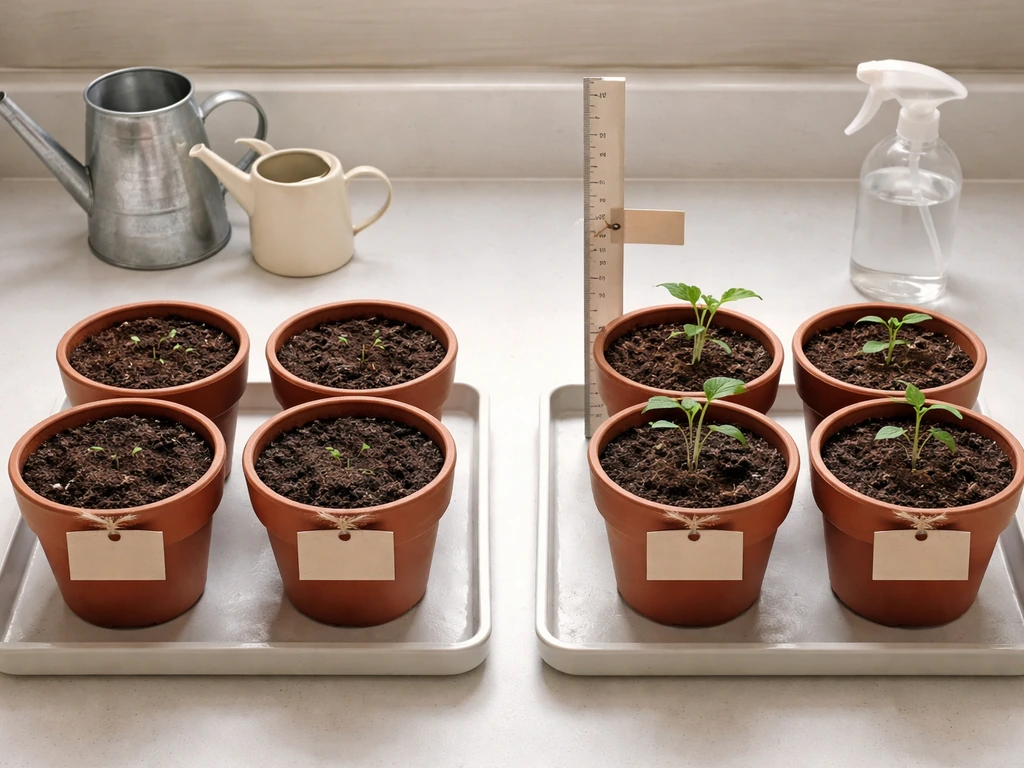
Does Fertilizer Make a Plant Grow Bigger? Test Setup
Set up a simple test to see if fertilizer, as the independent variable, increases plant size and how to measure results.
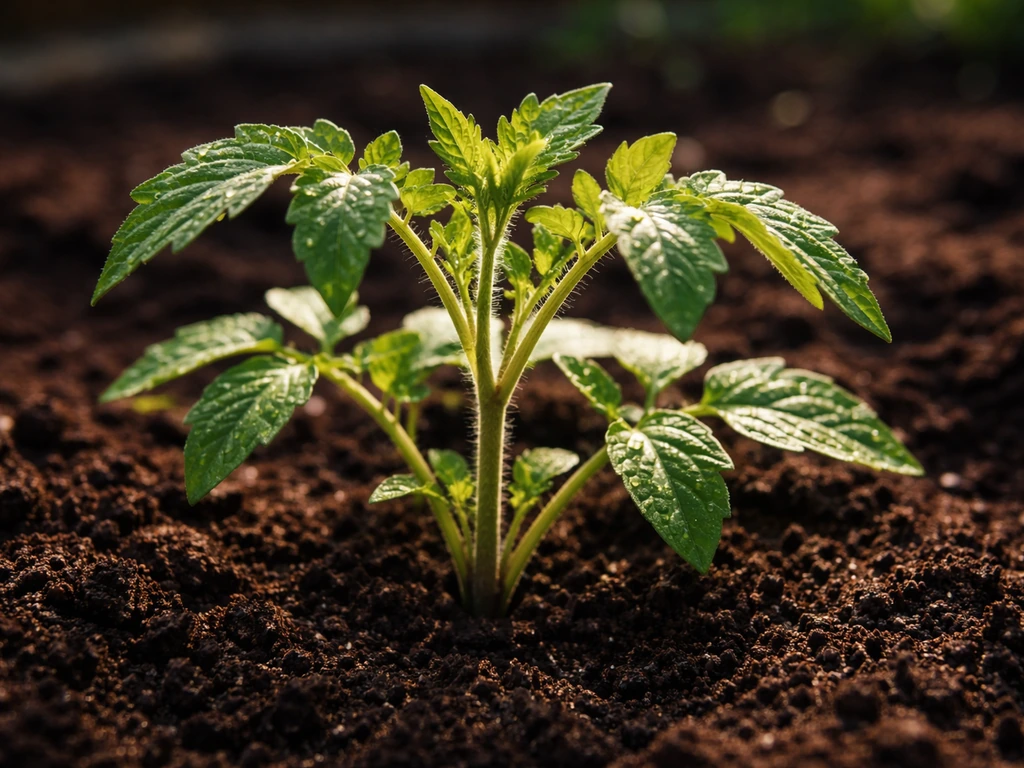
Which Type of Fertilizer Helps Tomatoes Grow Fastest?
Learn which tomato fertilizer type speeds growth, plus how to fertilize by stage, set pH, and avoid burn for fast result
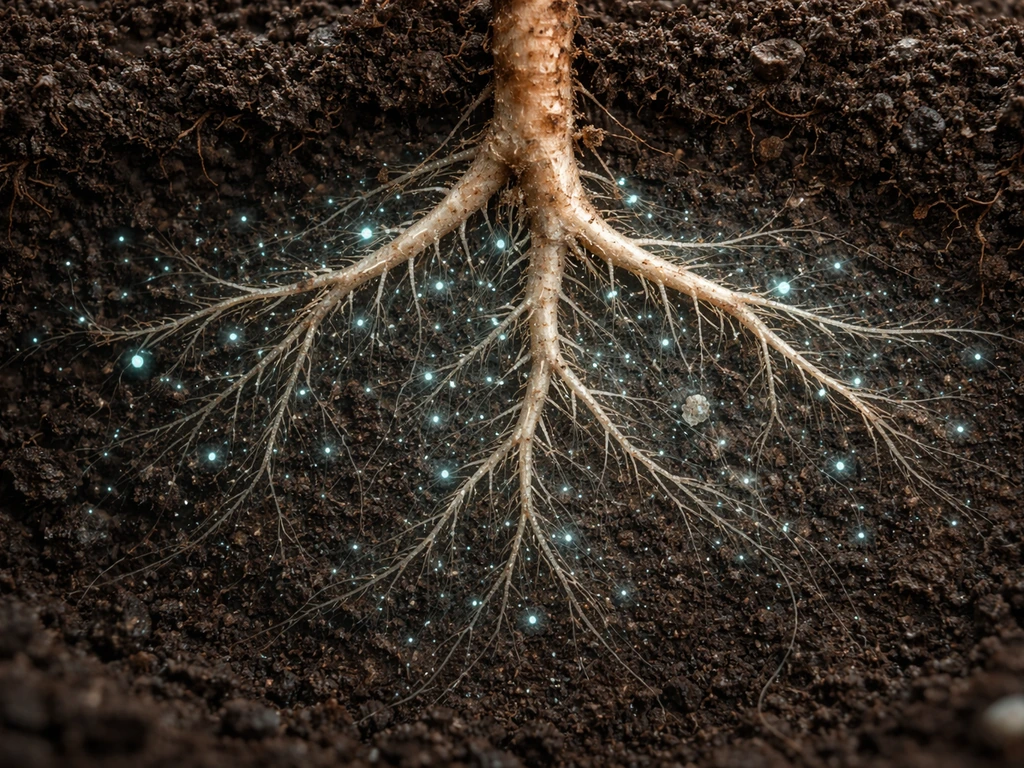
How Do Microorganisms Help Plants Grow: Practical Guide
Learn how microbes in the rhizosphere fix nitrogen, boost phosphorus, aid roots, suppress disease, and how to grow them.