Apple juice does not help plants grow. In rare, very diluted scenarios it causes minimal harm, but it delivers no meaningful benefit compared to proper watering and fertilization. The sugars, organic acids, and trace nutrients in apple juice are not in a form plants can use directly, and the real-world risks (pest explosions, mold, root stress, and disrupted soil chemistry) easily outweigh any theoretical upside. If you already tried it, don't panic, there are straightforward recovery steps below.
Does Apple Juice Help Plants Grow? Evidence and Risks

Marcus Holloway
16 Jun 2026
What's actually in apple juice and what happens when it hits soil
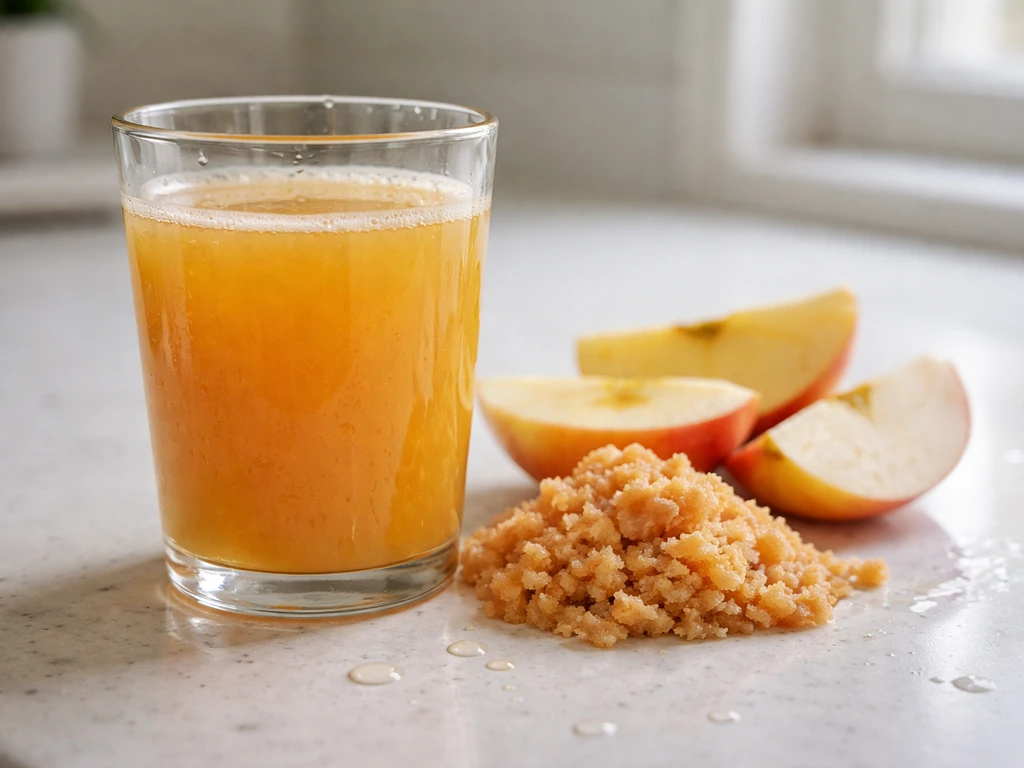
Apple juice is mostly water, but the rest of it is a cocktail that soil and plant roots are not designed to handle as a nutrient source. The main components to know about are sugars (primarily fructose and glucose), organic acids (with L-malic acid being the dominant one, plus citric, succinic, and others), and very small amounts of potassium, calcium, and magnesium. There are also naturally occurring microbes and fermentable compounds that become very active once they're in warm, moist soil.
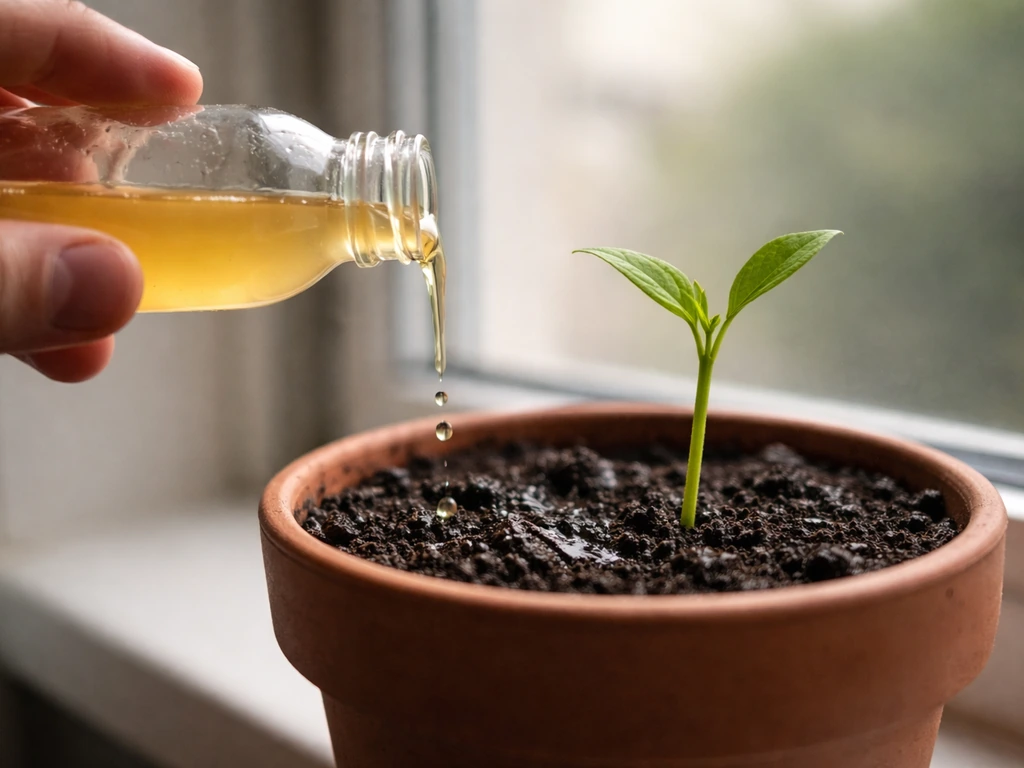
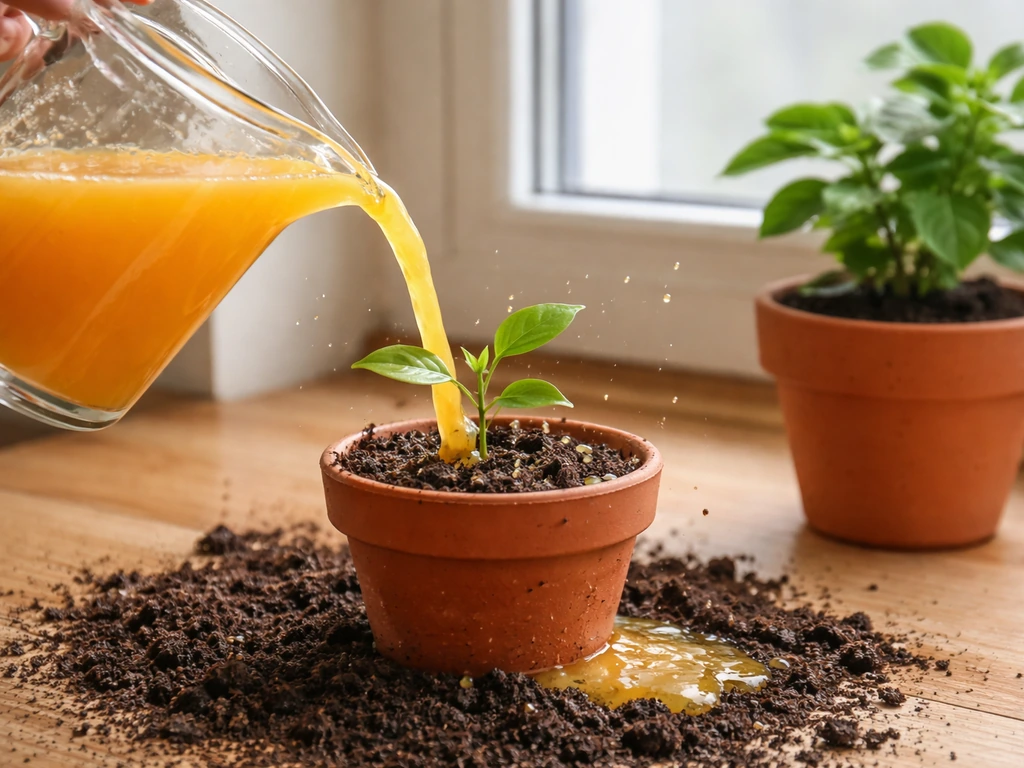
When you pour apple juice into soil, a few things happen quickly. The sugars don't travel into root cells and power growth. Instead, the huge population of microorganisms already living in your soil treats those sugars as a food source. That microbial feeding frenzy can shift nitrogen dynamics, sometimes locking up plant-available nitrogen in the process rather than releasing it. The organic acids, especially malic acid, can also lower the pH of the immediate soil microenvironment, changing which nutrients are soluble and accessible to roots. None of this is a controlled, predictable process the way a formulated fertilizer is.
There's a persistent idea that fruit juice 'feeds' plants because it contains sugars, and plants need sugar to grow. The flaw in that logic is that plants make their own glucose through photosynthesis. They are producers, not consumers of sugar. Putting sugar into the soil bypasses that system entirely and feeds the wrong organisms.
Is there any benefit at all? Honest look at the best-case scenario
To be fair: if you poured a small amount of highly diluted, unsweetened apple juice into soil once, you probably won't kill anything. Some research on sugar soil treatments suggests that adding fermentable carbon can indirectly affect soluble salt and nitrogen dynamics in ways that might occasionally benefit certain soils. But that is a very indirect, unpredictable pathway, not equivalent to fertilizing. You'd be relying on microbial activity to convert that carbon into something plant-available, with no control over whether it actually happens, when it happens, or in what quantity.
The trace minerals in apple juice (potassium, calcium) are present in tiny amounts and are nowhere near sufficient to address a real deficiency. A balanced liquid fertilizer or compost delivers those same minerals in known, usable concentrations. Apple juice does not.
The real risks: why apple juice causes more problems than it solves
Pests move in fast
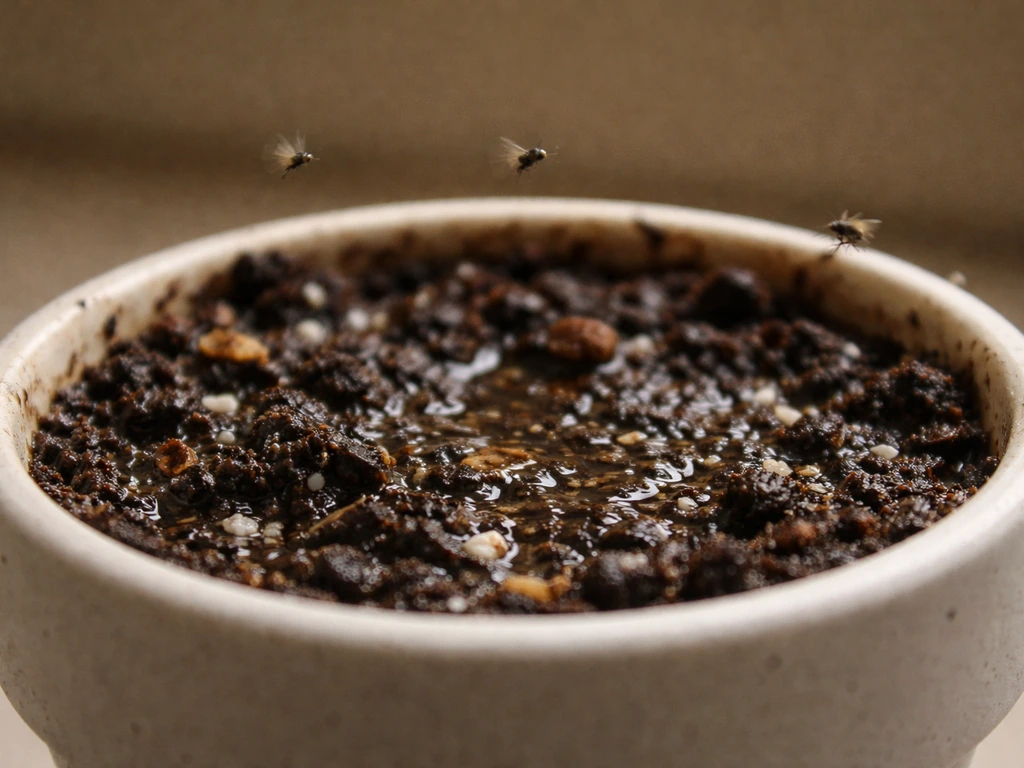
Sugary liquids in soil are an open invitation to fungus gnats and fruit flies. Fungus gnats in particular thrive in moist, organically rich soil and will breed in the top layer of your potting mix if it stays damp and sugar-loaded. If you've ever used apple juice on a houseplant and suddenly noticed tiny flies hovering around the pot, this is why. The fix, letting the top 1 to 2 inches of soil dry out completely between waterings, becomes much harder to achieve when you keep adding a liquid that attracts moisture-loving organisms.
Mold, bacteria, and anaerobic soil
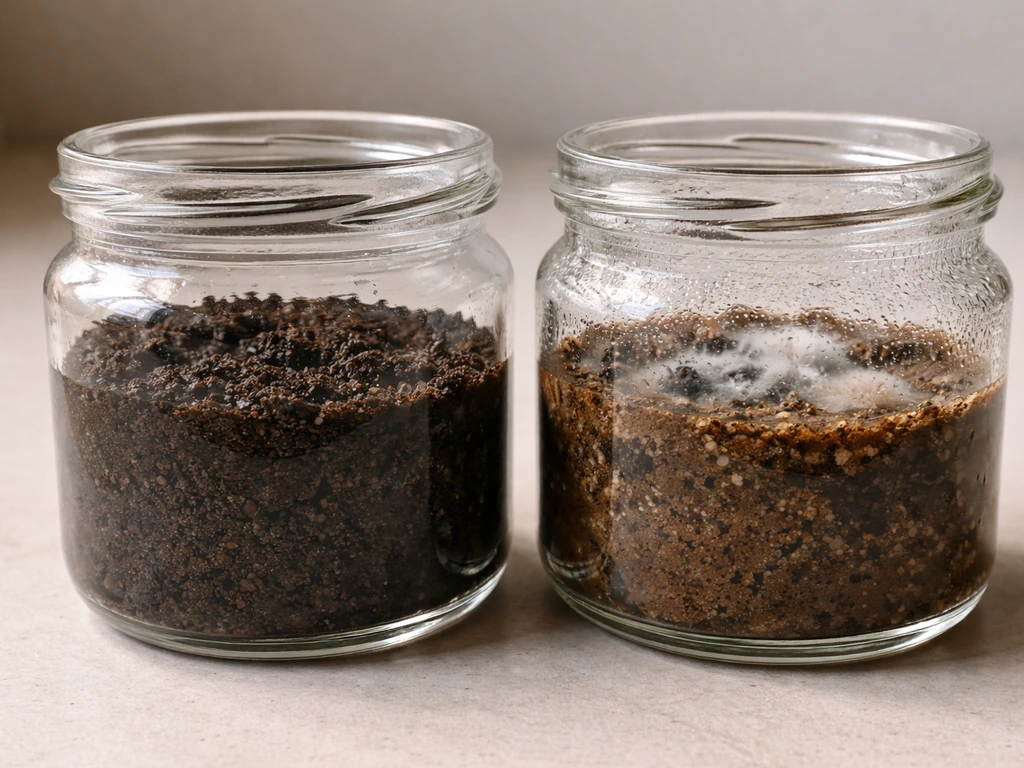
The same sugary, acidic conditions that draw insects also fuel mold and bacterial blooms. UMD Extension explains that sooty mold is fueled by insect honeydew sugar-water, showing how sugary liquids can promote mold and microbial growth in similar conditions. Think about how quickly a glass of apple juice grows mold when left out. That same process happens in soil, accelerated by warmth and existing microbial populations. Mold in the root zone can crowd out beneficial microbes, create anaerobic (oxygen-depleted) pockets, and directly damage fine root hairs that are responsible for water and nutrient uptake.
Root stress from osmotic pressure and salt
Sugars in soil water raise the osmotic concentration around roots. Roots absorb water by osmosis, meaning water moves from lower-concentration areas (soil water) to higher-concentration areas (root cells). When you add concentrated sugars to soil water, you reduce that concentration gradient and can actually pull water out of roots instead of letting them take it in. This is the same mechanism behind fertilizer salt burn. Symptoms include marginal leaf browning, wilting even in moist soil, yellowing, and stunted growth.
pH and soil chemistry disruption
The organic acids in apple juice, particularly malic acid, can locally acidify the soil around the application point. For acid-loving plants like blueberries or azaleas, a tiny one-time dose is unlikely to do anything measurable. For most vegetables and houseplants, repeated applications could push pH in an undesirable direction and affect which nutrients remain soluble. And unlike a controlled pH adjustment with sulfur or lime, you have no idea how much acidification you're actually causing without testing the soil.
What actually works: evidence-based ways to improve plant growth
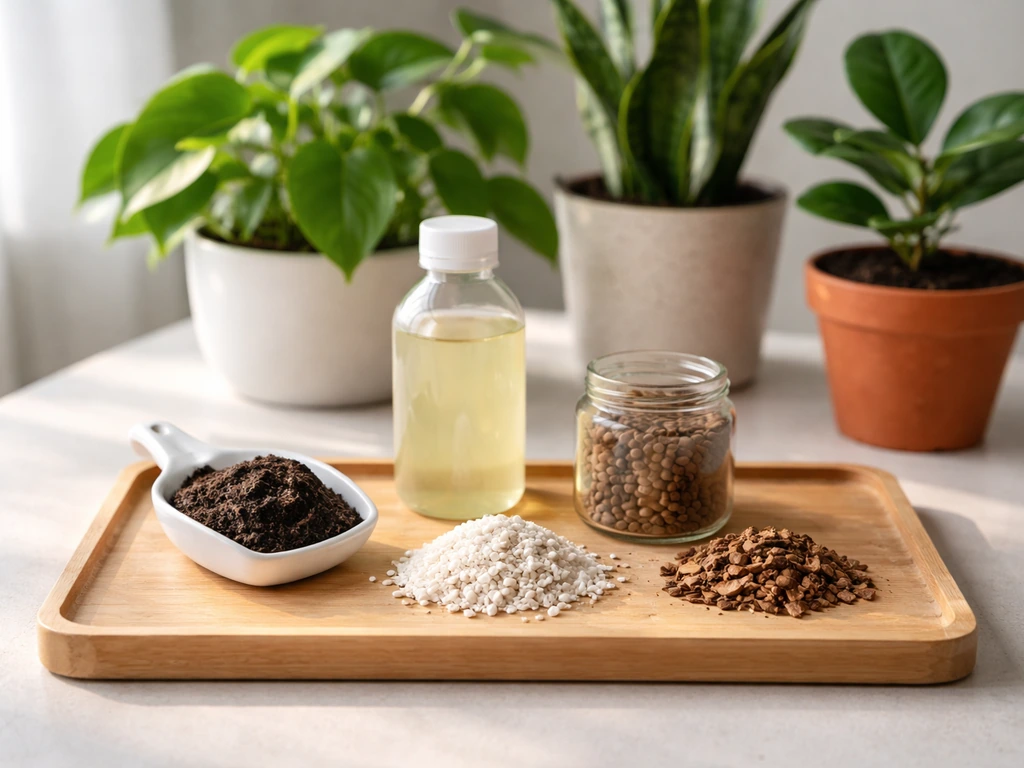
If your plants aren't thriving and you're looking for a quick fix, here's what actually moves the needle, ranked roughly by how often they solve real problems.
- Check light first. Most indoor plant problems, including slow growth and pale leaves, come down to insufficient light. Plants need the right light spectrum and duration before anything else matters.
- Water correctly, not more. Overwatering is the most common plant killer. Water when the top inch or two of soil is dry for most plants, and make sure drainage is working properly.
- Use a balanced, labeled fertilizer. A diluted balanced liquid fertilizer (like a 10-10-10 or specific formulation for your plant type) delivers nitrogen, phosphorus, and potassium in known concentrations. Follow label rates. Inorganic fertilizers dissolve and become ion-available to roots immediately; organic options need microbial breakdown but are gentler and improve soil biology over time.
- Improve soil structure. Compost added to garden beds or a quality potting mix for containers provides organic matter that improves drainage, aeration, and slow-release nutrient availability. This is one of the most cost-effective things you can do.
- Adjust pH if needed. Get a basic soil test (your local extension service usually offers them inexpensively). If your soil pH is off, nutrients become locked out even when they're physically present. Correct pH with lime (to raise) or sulfur (to lower) based on actual test results.
- Mulch garden beds. A 2 to 3 inch layer of organic mulch regulates soil temperature, retains moisture, suppresses weeds, and feeds soil biology as it breaks down.
It's worth noting that other household liquids people sometimes try, including things like vitamin water, orange juice, or diluted alcohol, run into similar problems for similar reasons. Other than apple juice, alcohol is sometimes suggested as a plant boost, but it does not provide nutrients plants can use diluted alcohol. The question is always whether the substance delivers what plants actually need in a form roots can use. Fruit juices and specialty beverages consistently fail that test compared to purpose-made fertilizers or compost. If you are trying to boost growth with micronutrients, vitamin B12 is not a reliable plant fertilizer the way balanced fertilizer is purpose-made fertilizers or compost.
Already used apple juice on your plants? Here's what to do now
First, stop adding it. One or two applications of diluted juice on an outdoor plant probably won't cause lasting damage, especially if the soil has good drainage and you don't repeat it. But if you've been doing it regularly or used a lot at once, take these steps.
- Flush the soil. For potted plants, water slowly and thoroughly with plain water until water runs freely from the drainage holes. Do this two or three times in succession, allowing the pot to drain completely between rounds. This helps leach excess sugars, acids, and any accumulated solutes out of the root zone. For in-ground plants, deep watering with a hose over several sessions accomplishes the same thing.
- Let it dry out. After flushing, let the top 1 to 2 inches of soil dry completely before watering again. This discourages fungus gnats and mold from taking hold or getting worse.
- Inspect for pests. Check the soil surface and the undersides of lower leaves for fungus gnats, fruit flies, or signs of mold. If you see fungus gnats, sticky yellow traps near the pot help monitor numbers, and predatory soil mites (Stratiolaelaps scimitus) are an effective biological control once the moisture situation is corrected.
- Check for root stress symptoms. Over the next one to two weeks, watch for wilting, marginal leaf browning, or yellowing that wasn't there before. If you see these, it's likely osmotic or salt stress from the juice. Continue flushing with clean water and hold off on any fertilizer until the plant stabilizes.
- For severe cases in containers, consider repotting. If the soil smells sour or you see heavy mold growth in the root zone, replacing the potting mix entirely is the fastest recovery path. Gently remove the plant, shake off the old soil, trim any visibly damaged or mushy roots, and replant in fresh, well-draining mix.
Troubleshooting guide: match your plant problem to the right fix
If your plant isn't doing well and you're not sure what it needs, this table gives you a quick diagnostic starting point. These aren't the only causes for each symptom, but they're the most common ones and the most actionable.
| What you're seeing | Most likely cause | What to do |
|---|---|---|
| Yellowing on older/lower leaves | Nitrogen deficiency | Apply a balanced liquid fertilizer at label rate; consider a soil test |
| Pale green color overall, slow growth | Insufficient light or low nitrogen | Move to a brighter location first; if no improvement in 2 weeks, fertilize |
| Brown, crispy leaf edges or tips | Salt/solute stress or underwatering | Flush soil with plain water; check that drainage holes are clear; water more consistently |
| Wilting despite moist soil | Root rot or osmotic stress from excess salts/sugars | Stop watering temporarily; flush if you've added juice or fertilizer; check roots for rot and repot if needed |
| Small flies around the pot | Fungus gnats from overwatering or organic matter (including fruit juice) | Let top 2 inches of soil dry between waterings; use sticky traps; consider predatory mites for persistent infestations |
| Mold on soil surface | Excess moisture and organic material in top layer | Reduce watering frequency; improve air circulation; scrape off surface mold and top-dress with dry potting mix |
| Stunted growth despite good light and watering | Nutrient deficiency, compacted soil, or root-bound conditions | Do a soil test; check if the plant needs repotting into a larger container; amend soil with compost |
| Excessive leafy growth, poor flowering or fruiting | Too much nitrogen | Cut back on nitrogen-heavy fertilizers; balance with phosphorus for bloom support |
The common thread across nearly all plant growth problems is this: plants need light, water in the right amounts, appropriate nutrients in plant-available forms, and healthy soil structure. Apple juice provides none of these reliably. It's an understandable thing to try, especially if you've heard the idea floating around, but the science is clear that you're better off spending that curiosity on adjusting your light setup, dialing in your watering schedule, or picking up a bag of compost. Those changes will actually show results.
FAQ
I used apple juice once to “sweeten” my soil. Will it permanently damage my plant?
Usually it will not, especially if it was a small, one-time, highly diluted pour and you stopped. The more likely lasting effects come from repeated additions that keep the top layer wet, drive off-pace nitrogen availability, or create persistent root-zone conditions. If your plant shows stress, focus on drying the top 1 to 2 inches between waterings, then resume normal fertilization if you need it.
How long do the risks like mold, gnats, and nitrogen imbalance take to show up?
In many indoor cases, fungus gnats and fruit flies can appear within days because the surface stays moist and sugar-rich. Mold or sour, musty smells can also develop quickly when warmth and humidity are high. Nitrogen disruption is less immediate, it typically shows up as pale leaves or slow growth over the following 1 to 3 weeks, depending on your soil and the plant’s feeding needs.
My soil smells fermented after using apple juice. What should I do right now?
Let the surface dry thoroughly, and improve airflow around the plant. If you have heavy, compacted potting mix, consider removing the top layer (a few centimeters) and replacing it with fresh, dry mix. Resume watering only when the top layer is dry, and avoid adding any other sugary liquids until everything normalizes.
Can I “fix” the soil by flushing it with water after apple juice?
Flushing can reduce residual sugars and acids, but only if your container drains well. If the pot stays soggy after flushing, you can worsen root stress. The practical approach is to water once in a way that fully drains, then switch to a dry-down schedule (top 1 to 2 inches dry before the next watering). If drainage is poor, repotting into fresh mix is often safer than repeated soaking.
Does apple juice work better in outdoor beds than in houseplants?
No, the core chemistry still applies, sugars still feed microbes rather than roots, and acids can still locally shift pH. Outdoors you may see faster dilution by rain and more air exchange, so pests and mold may be less dramatic, but the “growth boost” still is not nutrient delivery. If you want outdoor improvement, use compost, slow-release fertilizer, or a soil amendment matched to your plant’s needs.
If apple juice contains potassium and calcium, can it correct a nutrient deficiency?
Not reliably. The amounts in apple juice are typically too low to correct a true deficiency, and the form and concentration are not controlled. If leaves suggest deficiency, check the specific nutrient pattern (for example, older leaves vs new growth) and correct with a targeted fertilizer or soil test rather than depending on a household beverage.
What plants, if any, might tolerate a tiny amount of apple juice (like blueberries)?
Acid-loving plants may not show an obvious immediate issue from a very small one-time addition, but repeated applications can still push pH in the wrong direction because you cannot measure how much acid you are adding. The safer route for blueberries and azaleas is controlled acidification using appropriate soil amendments, and verifying with a soil pH test.
Can apple juice attract more pollinators or beneficial insects, offsetting the downsides?
Attraction is not a reliable trade. The same fermentable sugars that can draw insects also strongly favor pests like fungus gnats and fruit flies. If pollinator support is your goal, use flowers and proper habitat, not sugar additions to moist soil.
Is it safe to use apple juice on hydroponics or grow bags instead of soil?
It is still not recommended. In hydroponic systems, adding sugars can rapidly promote biofilm growth in lines and reservoirs and can destabilize nutrient availability. If you want to feed, use formulated nutrient solutions designed for the system, with proper EC and pH management.
What should I do instead if my goal is faster growth?
Choose the input that matches the limiting factor. Common fixes are: increase light if plants are stretching, correct watering frequency for root health, and provide nutrients in plant-available form using compost or a balanced fertilizer. If you suspect a deficiency or pH problem, test first so you apply the right amendment rather than guessing.
Next Articles
Does Vitamin Water Help Plants Grow? What to Do Instead
Vitamin Water won’t replace plant fertilizer; learn why salts sugars and wrong nutrients can harm, plus safer alternativ
Does Vitamin B12 Help Plants Grow? What Actually Works
Find out if vitamin B12 actually boosts plant growth, when it helps via microbes, and what to fix instead.
Does Orange Juice Help Plants Grow? What to Do Instead
Find out if orange juice helps plants grow, why it can harm soil, and what to use instead for fast, healthy growth.