Vitamin Water will not help your plants grow, and in most cases it will cause more harm than good. The vitamins in it (B3, B5, B6, B12, C, E, and so on) are nutrients that human bodies need, not plants. Plants make their own vitamins through photosynthesis and metabolic processes, they don't absorb them from soil the way we absorb them from food. What plants actually need from the soil is a specific set of mineral elements: nitrogen, phosphorus, potassium, calcium, magnesium, sulfur, and a handful of micronutrients like zinc, iron, and manganese. Vitamin Water has almost none of those in useful amounts, and it does contain things that can actively hurt your plants: sugar, citric acid, and electrolyte salts that accumulate in soil over time.
Does Vitamin Water Help Plants Grow? What to Do Instead

What's actually inside Vitamin Water vs. what plants need
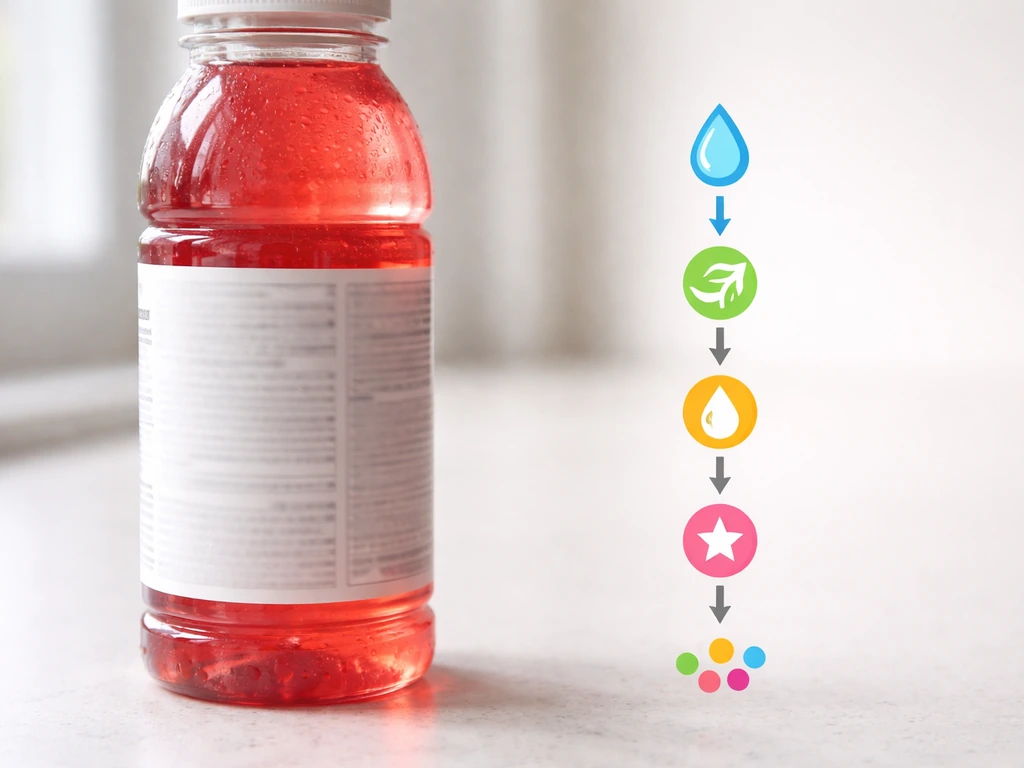
Let's look at the actual ingredient list. Coca-Cola's standard Vitamin Water base contains reverse osmosis water, crystalline fructose, cane sugar, citric acid, calcium and magnesium lactates, potassium phosphate, stevia leaf extract, and vitamins A, C, E, B3, B5, B6, and B7, plus zinc gluconate. The zero sugar version swaps out most of the fructose but adds phosphoric acid and sodium selenate. Per serving, you're looking at about 50 mg of potassium, that's 2% of a human's daily value, which for a plant is essentially a rounding error.
Now compare that to what plants actually need. According to plant nutrition science, there are roughly 20 essential elements plants require to survive and grow. The big three macronutrients are nitrogen (N), phosphorus (P), and potassium (K), the NPK you see on every bag of fertilizer. Secondary macronutrients include calcium, magnesium, and sulfur. Micronutrients like iron, manganese, boron, copper, molybdenum, and zinc round out the list. Plants absorb all of these as specific ions from water moving through the soil, not as vitamins, not as lactates, and not packaged with citric acid and stevia.
| What Vitamin Water Contains | What Plants Actually Need |
|---|---|
| Water (reverse osmosis) | Water (plain is ideal) |
| Crystalline fructose + cane sugar | Not needed — plants make their own sugars via photosynthesis |
| Citric acid / phosphoric acid | Neutral to slightly acidic pH (5.5–7.0 for most crops); added acid can disrupt this |
| Calcium and magnesium lactates (small amounts) | Calcium and magnesium (yes, but in plant-available ionic forms, not lactates) |
| Potassium phosphate (~50 mg per serving) | Potassium and phosphorus (needed in much larger, targeted amounts) |
| Vitamins A, C, E, B3, B5, B6, B7 | Not required — plants synthesize their own vitamins |
| Zinc gluconate (trace) | Zinc (needed as a micronutrient, but in ionic form at very low doses) |
| Stevia extract, taurine (some variants) | Not needed and not used by plants at all |
| Sodium selenate (zero sugar version) | Selenium is not an essential plant nutrient for most species |
The core mismatch here is that Vitamin Water was engineered around human biochemistry. We need preformed vitamins because we can't always synthesize them ourselves. Plants operate completely differently, they're the ones making organic compounds from scratch, using light, water, and mineral ions from the soil. Giving a plant B6 is like handing a bakery a loaf of bread they already baked.
Why it usually doesn't work, and can actually hurt
The sugar is the first problem. Standard Vitamin Water contains both crystalline fructose and cane sugar. Sugar in soil doesn't feed plants, plants produce their own glucose through photosynthesis. What sugar does do is feed soil microbes, and not necessarily the helpful ones. A surge in easily available carbon can shift the soil bacterial community in ways that disrupt normal nutrient cycling. Research on organic acid additions to soil shows significant shifts in bacterial community structure, and not always in directions that benefit plant growth.
The citric acid (and phosphoric acid in the zero sugar version) introduces another layer of risk. Your soil's pH affects which nutrients are available to plant roots. Most plants do best in a pH range of roughly 5.5 to 7.0. Regularly pouring acidic liquid into your soil, especially in containers where there's limited buffering capacity, can push pH down and lock out nutrients like phosphorus, calcium, and magnesium even if they're technically present. You end up with a plant that's starving not because nutrients aren't there, but because the pH is wrong.
Then there are the electrolyte salts. Calcium lactate, magnesium lactate, potassium phosphate, these add to the electrical conductivity (EC) of your soil water. Used repeatedly, salts accumulate in the root zone. Extension specialists are clear on what happens next: leaf tip burn, wilting, soil crusting, and reduced water infiltration. The plant's roots try to take up water but the high salt concentration in the soil reverses the osmotic gradient. In severe cases, roots can actually lose water to the soil rather than absorbing it, a condition called plasmolysis. This is the same mechanism that makes saline irrigation water so damaging to crops.
Finally, the sugar and moisture combination is a direct invitation to fungus gnats. These pests thrive in damp, organically rich conditions, and their larvae feed on root tissue. If you're already struggling with gnats, adding a sugary liquid to your soil will make the problem significantly worse.
When (if ever) you could consider using it
Honestly, there is no scenario where Vitamin Water is a better choice than plain water or a proper diluted fertilizer. That said, the risk level does vary depending on how it's used. A single, highly diluted dose of Vitamin Water (say, a few tablespoons mixed into a gallon of water) used as a one-off experiment on a healthy outdoor plant in good soil is unlikely to cause permanent harm. The soil's microbial community and buffering capacity can handle occasional small additions of organic acids and sugar without much trouble. The danger comes from repeated use, from using it at full concentration, or from using it on plants already in containers with limited soil volume.
If you're curious enough to run a quick experiment, watering one plant with diluted Vitamin Water and a control plant with plain water, that's a legitimate learning exercise. Keep the concentration low, watch both plants over several weeks, and look at root health, leaf color, and growth rate. Curiosity-driven observation is how real horticultural knowledge gets built. Just don't expect the Vitamin Water plant to win.
What to do if you already used it
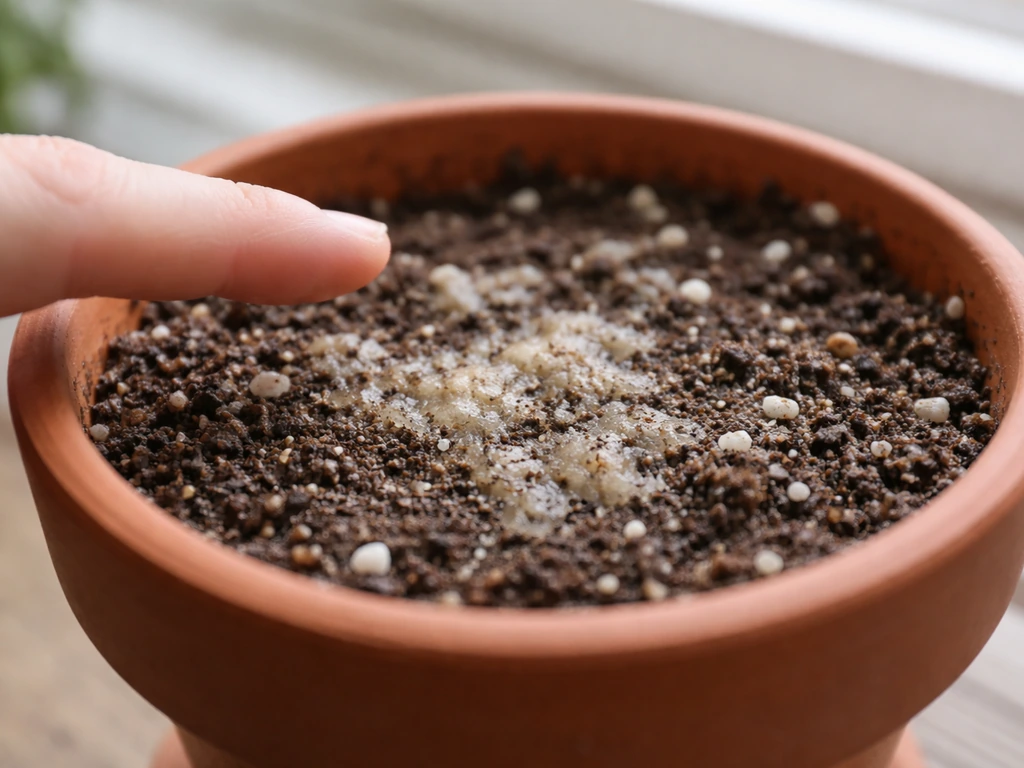
If you've already watered your plants with Vitamin Water a few times, don't panic. Assess the situation first. Look at the soil surface for a white or pale crust, that's salt buildup and it's a sign you need to act. Check the leaves for tip burn or yellowing at the edges, which can indicate salt stress or pH-related nutrient lockout. If your plant is in a container, check for water draining slowly or staying soggy longer than usual, which can signal reduced soil infiltration from salt-induced compaction.
The fix for mild cases is straightforward: leach the soil. For container plants, run clean water through the pot slowly and thoroughly, enough to drain out two to three times the pot's volume. This pushes accumulated salts down and out through the drainage holes. Oklahoma State University Extension specifically recommends this approach when salt buildup from fertilizer or other inputs causes leaf burn in houseplants. After leaching, let the top inch or two of soil dry out before watering again to discourage fungus gnats and give roots a chance to recover.
For outdoor garden beds where you've used Vitamin Water, the soil's larger volume and active microbial population will naturally dilute and process the inputs over time. Give the bed a deep, thorough plain-water soaking, then hold off on any additional inputs for a week or two. If leaves show persistent yellowing after that, do a soil test to check whether pH has shifted and whether any key nutrients are now out of range.
Signs your plant is stressed and what they mean
- Leaf tip burn or brown edges: likely salt stress from accumulated electrolytes — leach the soil
- Yellowing leaves (especially older lower leaves): possible nutrient lockout from pH shift — test soil pH and adjust if needed
- White crust on soil surface or pot rim: salt deposit — leach thoroughly with plain water
- Waterlogged soil that stays wet longer than normal: salt-induced reduced infiltration — leach and improve drainage
- Fungus gnats around the plant: sugar residue in soil feeding larvae — let soil dry between waterings and consider a yellow sticky trap
Better alternatives: what actually feeds plants
If you want your plants to grow better, skip the Vitamin Water and reach for a balanced liquid fertilizer. Using orange juice instead of proper plant nutrients will not help plants grow and can even harm them skip the Vitamin Water and reach for a balanced liquid fertilizer. For most houseplants and container plants, a balanced NPK formula (something like 10-10-10 or 20-20-20) diluted to half strength works well as a starting point. blank" rel="noopener noreferrer">University of Minnesota Extension recommends starting fertilizer applications roughly two to six weeks after planting and using reduced rates to avoid the salt buildup that causes leaf-tip damage. The half-strength approach is smart: you can always feed more, but you can't un-salt soil easily.
Before you add any fertilizer, though, the single most useful thing you can do is a soil test. It tells you what's actually deficient and what pH your soil is at, so you're not guessing. Correcting a phosphorus deficiency won't help if your soil pH is too high for phosphorus to be absorbed in the first place. A soil test takes that guesswork out of the equation.
A simple feeding plan that actually works
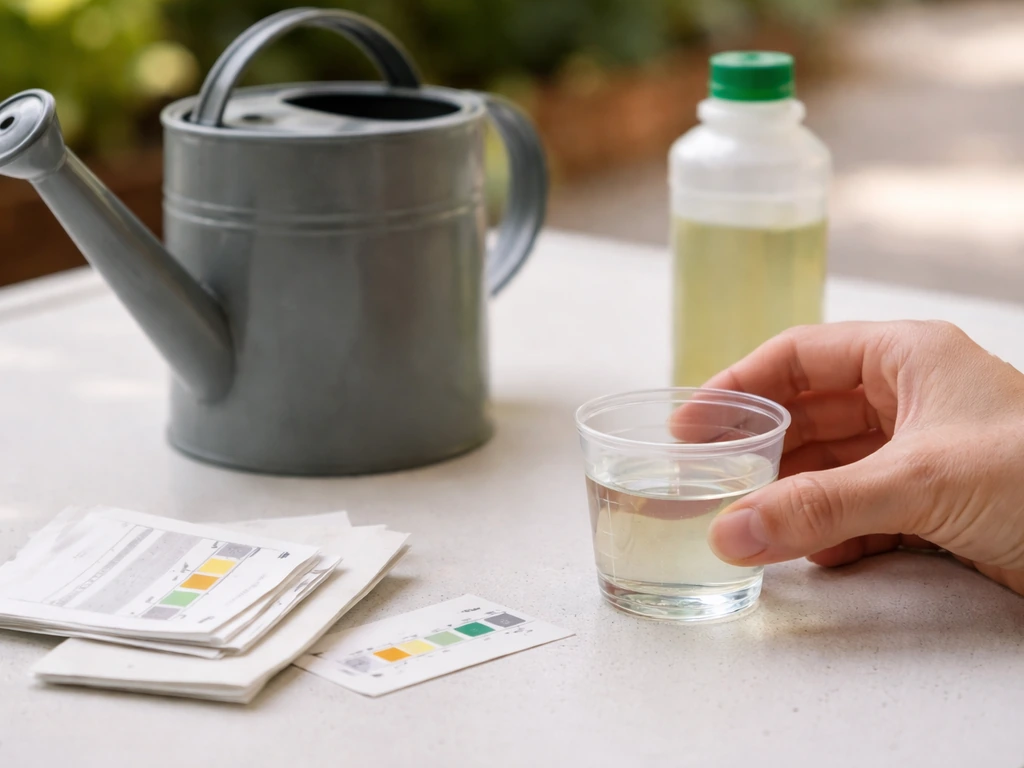
- Get a soil test before adding anything — your county extension office often provides them cheaply or free
- Correct pH first if it's out of range (5.5–7.0 for most plants); lime raises pH, sulfur lowers it
- Start with a balanced liquid fertilizer at half the recommended strength, every two to four weeks during active growing season
- Water with plain, room-temperature water between feedings — let the top 1–2 inches dry out for most houseplants before watering again
- Leach container plants every few months by running extra clean water through the pot to flush salt buildup
- Watch your plants: yellowing, stunted new growth, or leaf burn are signals to adjust — either increase nutrients (if deficient) or cut back (if over-fed)
It's worth noting that this same logic applies to other drinks people sometimes experiment with in the garden. Apple juice is essentially just sugar and can add acidity and residue, so it generally does not provide the mineral nutrients plants need other drinks people sometimes experiment with in the garden. Orange juice, apple juice, and alcohol all raise similar issues: the sugars, acids, and other compounds in human beverages weren't designed for soil chemistry, and they don't substitute for the mineral nutrition plants actually need. Even something like vitamin B12, which some gardeners assume will boost plant health, doesn't work the way human supplements do once it hits the soil. For more details on whether vitamin B12 helps plants grow, see our guide on how B12 affects plant nutrition. The pattern is consistent: if it was made for your body, it's almost certainly not what your plants need.
Plants are genuinely simple to feed when you work with their biology instead of trying to hack it with human nutrition products. Good soil, the right pH, a balanced fertilizer on a reasonable schedule, and plain clean water will outperform any bottled vitamin drink every single time. Save the Vitamin Water for after a long day in the garden, it's better used on you than on your tomatoes.
FAQ
Can I water my plants with Vitamin Water at a diluted rate, like a few tablespoons per gallon, without damaging them?
It’s less likely to cause lasting harm if it’s truly a one-off, highly diluted dose on healthy plants in roomy outdoor soil. The bigger risk comes from repeating it, using it at full strength, or using it in containers where salts and pH shifts accumulate faster than the soil can buffer them.
What symptoms indicate I may have salt buildup or pH problems after using Vitamin Water?
Look for a white or pale crust on the soil surface (salt accumulation), leaf tip burn or browning edges (often salt stress), and slowed growth or yellowing that persists even after normal watering (can suggest pH-driven nutrient lockout). In containers, watch for water draining more slowly or staying wet longer than usual.
If I already used Vitamin Water a few times, do I need to repot the plant?
Usually not for mild, recent exposure. First try leaching by running clean water through the pot until excess drains, then allow the top portion of the mix to dry before watering again. Repotting may be worth considering if there is severe crusting, persistent damage, or the plant has been receiving frequent doses over a long period.
How do I leach salts properly in containers so I don’t overwater or cause root problems?
Run clean water slowly through the pot, ensuring it drains out the bottom, and continue until you’ve flushed a volume roughly 2 to 3 times the pot’s size. After leaching, don’t immediately water again, wait for the top 1 to 2 inches to dry to reduce fungus gnat pressure and keep roots oxygenated.
Will Vitamin Water attract fungus gnats even if I don’t see them yet?
Yes, especially if the soil stays damp. The added sugar provides an easy carbon source for soil microbes, and consistent moisture helps fungus gnat larvae feed on root tissue. If you’re prone to gnats, avoid sugary liquids and let the top layer dry between waterings.
Is there any plant type or growth stage where Vitamin Water is less risky?
Generally, all plants can be affected, but seedlings and young transplants are more sensitive to salt and pH swings. Container plants are also higher risk because limited soil volume means less dilution and weaker buffering compared with outdoor ground beds.
Could the added minerals in Vitamin Water help if my plant is deficient?
Most of the formulation is not aligned with what plants need most, N, P, K, plus key secondary nutrients and micronutrients in usable ratios. The small amounts provided are unlikely to correct a true deficiency, and sugar plus acids can still disrupt nutrient availability, so it’s safer to use a fertilizer matched to the deficiency revealed by a soil test.
What is the best substitute if I want to feed plants after using Vitamin Water?
Use a balanced liquid fertilizer (NPK) diluted appropriately for your plant type, and only after you assess the current situation. If you’re unsure, start with half strength and adjust based on response, or do a soil test first if symptoms persist or you suspect pH issues.
How long should I wait after leaching before resuming fertilizer?
If symptoms were due to salts, give the plant recovery time after the flush and return to a normal watering routine first. A common practical approach is to wait until new growth stabilizes and the soil surface stops showing crusting, then resume feeding at reduced rate, or follow your fertilizer schedule after a soil test if problems continue.
Does plain water alone fix the issue after Vitamin Water exposure?
Plain water helps by diluting and gradually moving dissolved salts deeper with drainage, especially outdoors where soil volume is larger. In containers, leaching is much more effective than just watering lightly, because it actively removes salts through the drainage holes instead of leaving them in the root zone.
Is there any reason to add Vitamin Water to compost or soil amendments?
Not really. Composting can reduce some residues, but the sugar and acids still shift microbial activity and can contribute to salt buildup. If you’re amending soil, stick to practices designed for soil chemistry (compost at appropriate rates, and targeted fertilizer based on soil test results).
Find out if vitamin B12 actually boosts plant growth, when it helps via microbes, and what to fix instead.
Find out if orange juice helps plants grow, why it can harm soil, and what to use instead for fast, healthy growth.
Alcohol myths for plants answered: ethanol hurts roots and microbes. Use light, nutrients, soil, and pests control inste