Wine does not help plants grow. People sometimes ask whether Gatorade can help plants grow, but the same concerns about additives and root stress apply Gatorade help plants grow. Pouring it on your soil or roots introduces ethanol and organic acids that stress root cells, disrupt soil microbes, and deliver almost no usable nutrients. There is no university extension program or horticultural body that recommends wine as a plant fertilizer, growth booster, or soil amendment. If you've heard otherwise, it's folklore, not botany.
Does Wine Help Plants Grow? Evidence, Risks, and Safer Alternatives

Marcus Holloway
20 May 2026
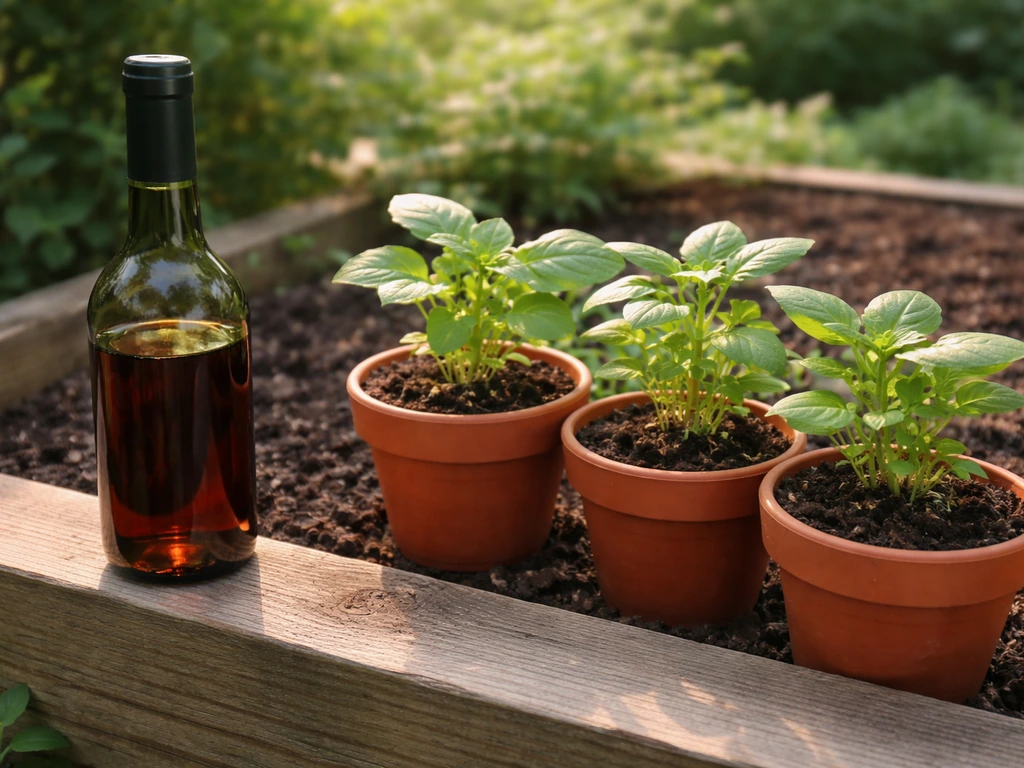
What people actually mean when they talk about using wine on plants
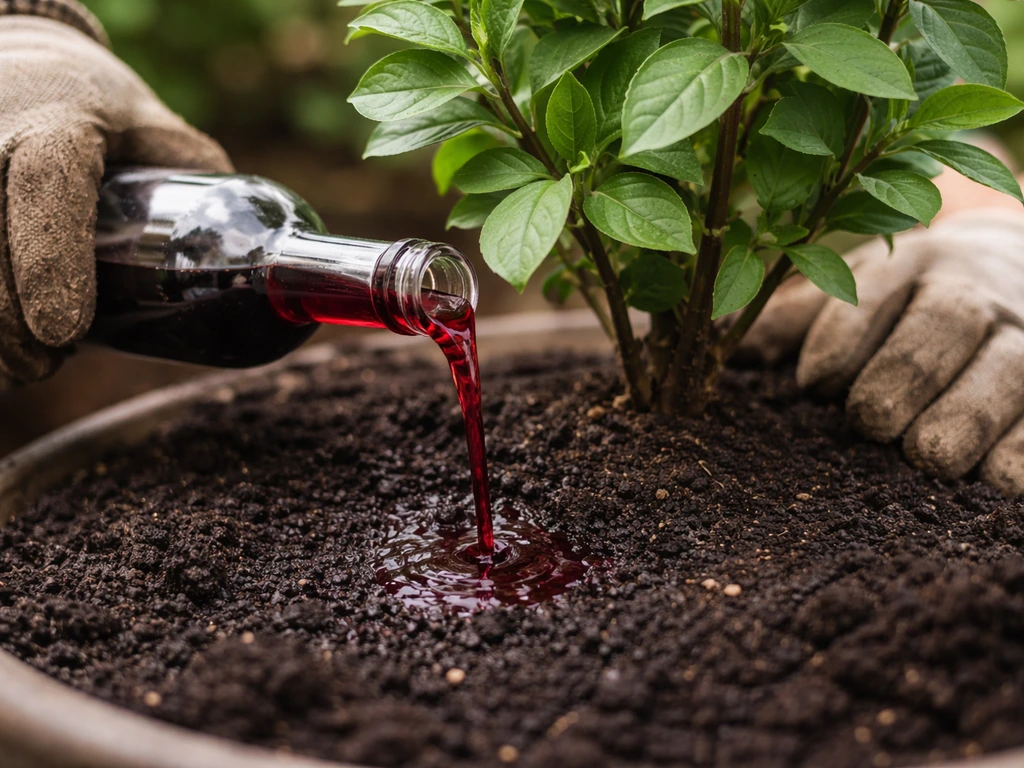
The idea shows up in a few different forms. Some people pour leftover red or white wine directly onto soil, either as a nutrient feed or out of curiosity. Others have heard that wine is a natural fertilizer because it's 'fermented' and therefore must contain something plants want. A smaller group is looking for a natural pest deterrent or fungal treatment. And some are simply conflating wine with vinegar or other fermented liquids, assuming they work the same way. They don't, and the differences matter a lot.
It's worth being fair about why the myth persists. Wine does contain water, small amounts of minerals like potassium, trace organic acids, and sugars. Those words sound plant-friendly. The logic seems plausible at first glance. But whether an ingredient sounds useful and whether it's actually delivered to plant roots in a usable form and concentration are two completely different questions.
Does wine contain anything plants can actually use?
Wine is roughly 85% water and 13% ethanol by composition, with the remainder being organic acids, very small amounts of residual sugars, and trace minerals. In a dry wine, residual sugar is typically less than 1.5 grams per liter, which is negligible. The most prominent acids are tartaric, malic, and lactic. Acetic acid (the acid in vinegar) is present too, but usually at low levels. Potassium shows up as potassium bitartrate, which is why you sometimes see crystals in the bottom of a wine bottle.
Could any of that benefit a plant? In theory, potassium is a real macronutrient that plants need. Tartaric acid could slightly shift soil pH. But the concentrations are so low, and the delivery so uncontrolled, that you'd need to pour unrealistic volumes of wine onto your soil to see any measurable effect. Meanwhile, the 13% ethanol would be doing damage the entire time. Plants don't have a metabolic pathway to use ethanol as an energy or carbon source the way some soil microbes do. It's essentially a toxin at the root zone.
Why pouring wine can harm roots and soil biology
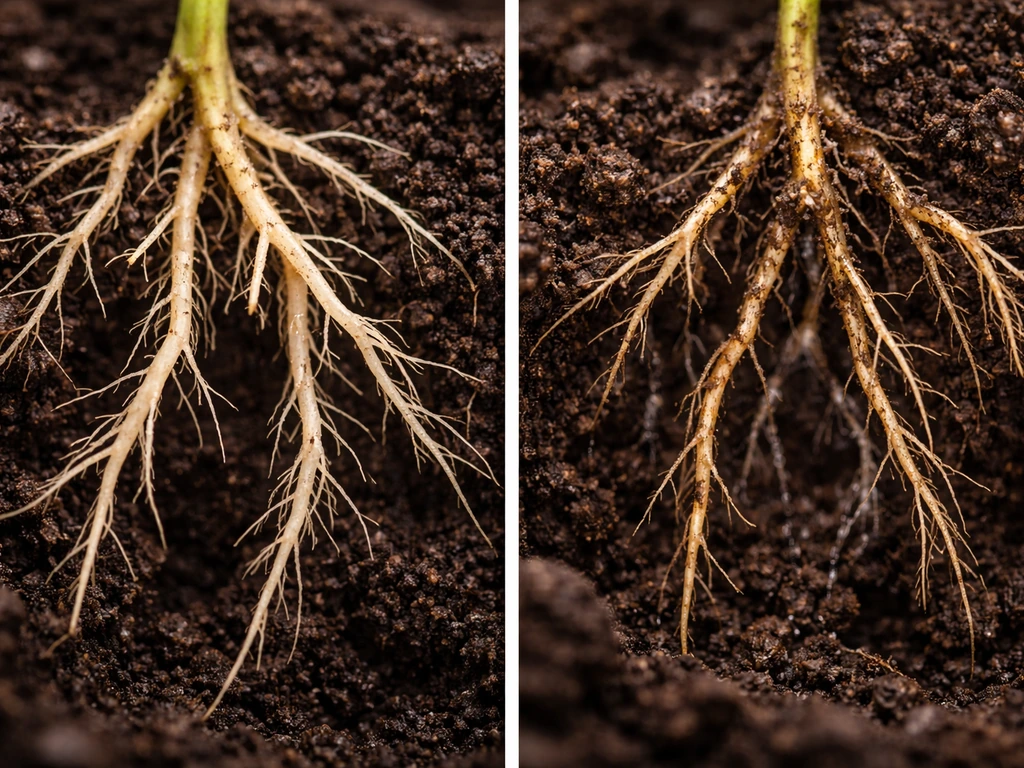
Ethanol is the main problem. At the concentrations found in table wine, alcohol can damage root cell membranes, interfere with water uptake, and stress the plant's vascular system. Roots exposed to alcohol show the same wilting and dehydration symptoms as drought stress because alcohol disrupts the osmotic balance that root cells depend on.
The soil biology angle is just as concerning. Ethanol is an organic carbon substrate that certain soil microbes can rapidly metabolize. When you pour wine into soil, you can trigger a fast spike in microbial respiration. That sounds positive, but it's not: it means microbial populations surge and then crash, disrupting the stable, diverse microbial ecosystem that healthy soil depends on. Research on soil ethanol exposure shows it causes transient but real disruption to microbial activity and nutrient cycling, not a gentle fertilization effect.
Concentrated sugars from sweeter wines add another layer of risk. High sugar concentrations in the root zone can draw water out of roots through osmotic pressure (the same reason saltwater kills plants), and can also feed unwanted fungal populations in the soil. This is the opposite of what most gardeners are trying to achieve.
Wine vs vinegar vs fermented additives: key differences
These three get lumped together constantly, but they behave very differently in a garden context. Vinegar is dominated by acetic acid, typically at 5% concentration in household versions. University extension research treats vinegar as a contact-type herbicide: it burns foliage on contact, blocks enzyme pathways essential for plant growth, and has no meaningful residual soil activity. It doesn't fertilize; it damages. Using vinegar on desirable plants is a mistake, and using it near roots is worse.
Wine is dominated by ethanol and water, not acetic acid. Its acid concentration is far lower than vinegar, and its ethanol content makes it uniquely disruptive to soil biology in a way vinegar isn't. Vinegar harms foliage on contact. Wine harms roots and soil microbes over time.
Fermented additives like compost tea or worm casting extracts are a different category entirely. When done correctly, these involve controlled fermentation of organic material to produce microbially rich liquid that can support soil biology. The key word is controlled: the inputs, dilution, and microbial content are managed, not improvised. Pouring leftover Merlot on your tomatoes is not the same thing as applying a properly brewed compost tea, not even close.
| Liquid | Main active compounds | Effect on plants | Effect on soil biology | Any legitimate garden use? |
|---|---|---|---|---|
| Red/white wine | Ethanol (~13%), water, tartaric acid, trace potassium | Root stress, osmotic disruption | Microbial disruption, transient spike then crash | No |
| Household vinegar | Acetic acid (~5%) | Foliage burn, enzyme pathway inhibition | No residual soil activity | Contact weed control only (non-selective) |
| Compost tea (controlled) | Beneficial microbes, soluble nutrients | Supports root health indirectly | Inoculates and enriches soil biology | Yes, when properly prepared |
| Worm casting extract | Humic acids, microbes, nutrients | Supports growth and disease resistance | Positive microbiome support | Yes, as a soil drench or foliar |
Can wine help with soil pH or pests? Myths vs reality
The pH myth
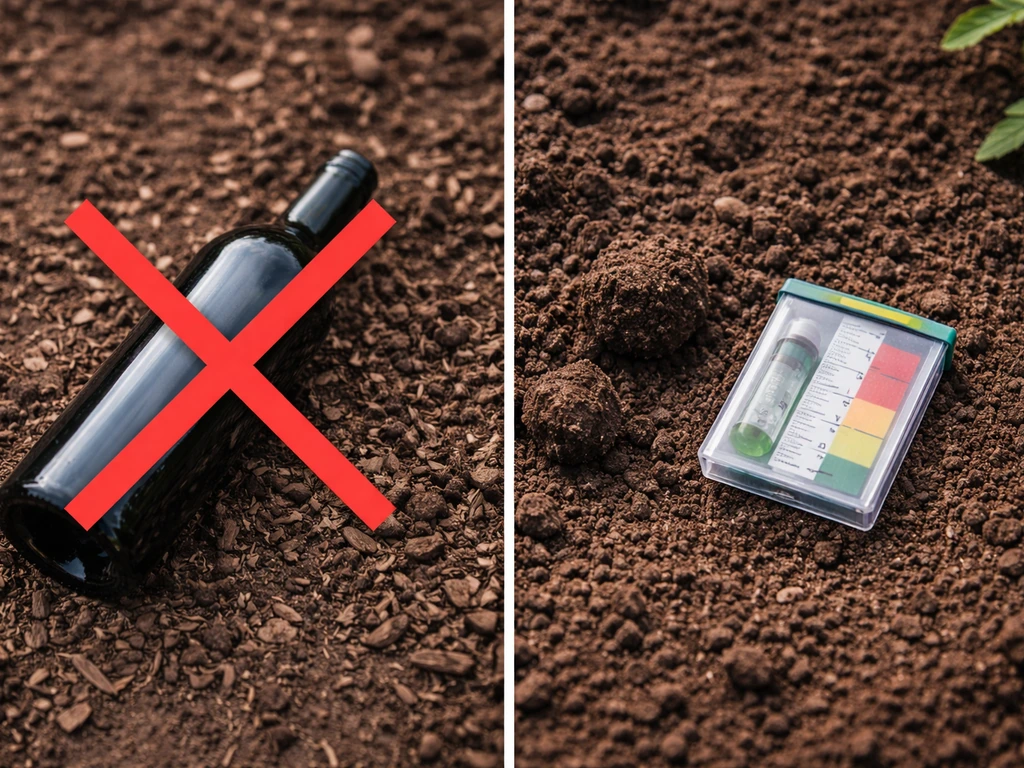
Some gardeners reach for wine hoping to acidify their soil for acid-loving plants like blueberries, rhododendrons, or azaleas. The logic: wine is acidic, acid lowers pH, therefore wine lowers pH. The reality is that wine's acid content is far too low and too inconsistent to produce a measurable, lasting pH change in actual garden soil. Soil has significant buffering capacity, meaning it resists pH changes unless you apply a large, consistent dose of a specific acidifying agent.
The right way to lower soil pH is with elemental sulfur, which soil bacteria oxidize into sulfuric acid over time, or with acidifying fertilizers like ammonium sulfate. These approaches are controlled, measurable, and targeted. Extension guidance from multiple land-grant universities is consistent on this: test your soil first (a basic soil test costs very little), find out your actual pH, then apply the correct amendment in the correct amount for your specific plants. UC ANR recommends a general garden pH range of 6.0 to 7.5 for most plants, while blueberries and ericaceous plants do better in the 4.5 to 5.5 range. Wine can't get you there reliably, and the ethanol damage in the meantime isn't worth the experiment.
The pest control myth
The idea that wine repels insects or fungal pathogens has no solid backing. University extension guidance on common garden pests like aphids recommends monitoring, physical removal with a strong spray of water, and targeted treatments when necessary. Wine isn't on that list. There's also a real risk of attracting pests rather than repelling them: fruit flies, fungus gnats, and other insects are drawn to fermenting sugars. Pouring wine near the base of plants or on foliage could make a pest problem worse, not better.
Penn State Extension sums up the broader category well: home remedies applied to plants can cause unintended harm, and the burden of proof should be on showing they work before you apply them to plants you care about.
What actually helps plants grow right now
If you're trying to improve plant performance today, here's where to put your energy. If you are looking for the right way to boost plant health, vitamins are a different category than wine and are worth checking too: do vitamins help plants grow? These are the levers that actually move the needle, in rough order of impact.
- Get a soil test. A basic test from your county extension service or a mail-in lab will tell you your pH, major nutrient levels, and organic matter content. Everything else follows from this. You can't fix what you haven't measured.
- Correct your pH with the right amendment. If your soil is too alkaline, use elemental sulfur at the rate recommended by your test results. If it's too acidic, use ground limestone. Both are inexpensive, widely available, and actually work.
- Add compost. A 2 to 3 inch layer of finished compost worked into the top few inches of soil improves structure, feeds soil biology, adds slow-release nutrients, and buffers pH swings. It's the single highest-leverage thing most home gardeners can do.
- Fertilize based on what's actually missing. A balanced granular fertilizer (or a targeted one based on your soil test) applied at label rates will address specific deficiencies without guessing. Don't add nutrients blindly.
- Check your light. Inadequate light is the number one hidden cause of poor growth, especially indoors. Most fruiting vegetables need 6 to 8 hours of direct sun minimum. If your plants are stretching or pale, light is the first suspect.
- Water correctly. Consistent, deep watering that reaches the full root zone and then allows the soil to partially dry is better than frequent shallow watering. Most root problems attributed to 'nutrient deficiency' are actually overwatering problems.
- Mulch the surface. A 2 to 3 inch layer of organic mulch (wood chips, straw, shredded leaves) conserves moisture, moderates soil temperature, suppresses weeds, and slowly feeds soil organisms as it breaks down.
If you're exploring other liquid inputs out of curiosity, it's worth knowing that the research on many common household liquids is fairly clear. Vinegar harms plants more than it helps. Vinegar does not reliably help plants grow either, and it can damage foliage or harm roots depending on how you use it does vinegar help plants grow. Beer, like wine, contains ethanol and is similarly risky at the root zone.
Beer does not help plants grow; it contains ethanol that can damage roots and disrupt soil biology Beer, like wine, contains ethanol. Lemon juice is acidic but uncontrolled. For more details on whether lemon juice helps plants grow, see the specific guidance on this question Lemon juice is acidic but uncontrolled.. Gatorade adds sugars and salts that can create osmotic stress.
None of these replace the basics above. If you're looking for proven ways to help plants grow, skip wine and focus on methods supported by soil testing, proper watering, and balanced nutrients.
If you still want to try it: a low-risk test plan
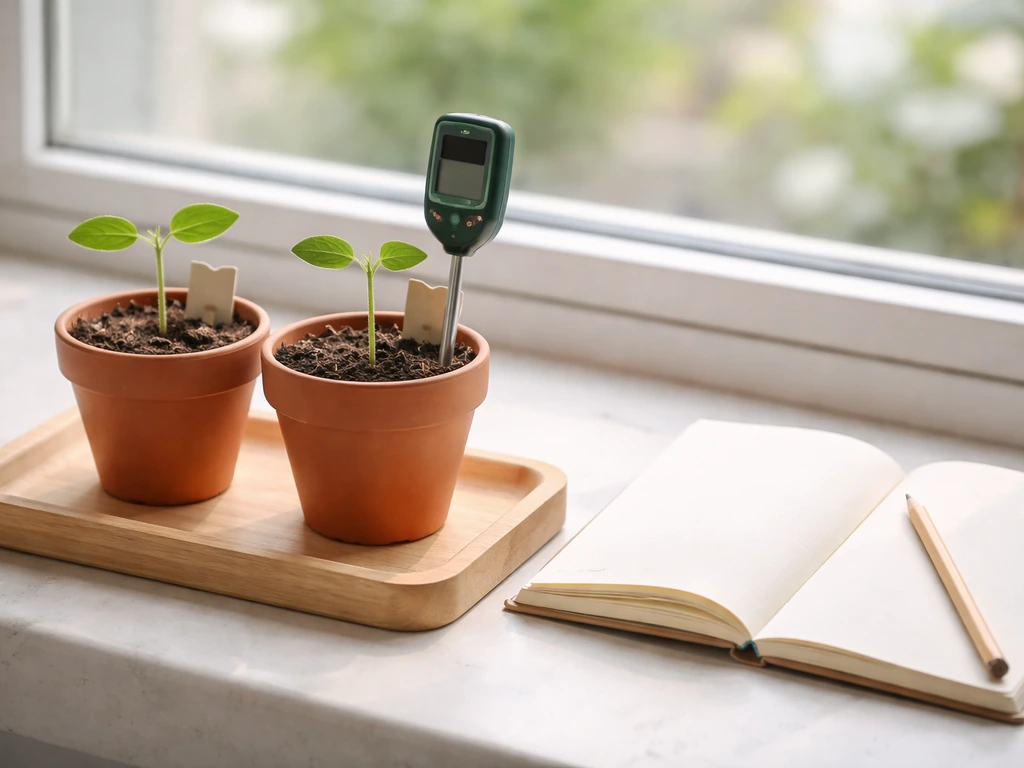
I get it. Sometimes the best way to satisfy curiosity is to run a small, controlled experiment rather than just take someone's word for it. If you want to test wine on plants, here's how to do it without risking plants you care about.
- Choose a sacrificial test plant. Pick two identical seedlings or small potted plants of the same species, grown in the same soil mix. One is your control (water only), one gets the wine treatment.
- Dilute heavily. If you apply wine at full strength, you're almost guaranteed to see damage from the ethanol alone, which tells you nothing interesting. Try a 1:10 dilution of wine to water as your starting point. That brings ethanol down to roughly 1.3%, which is still significant but less immediately destructive.
- Apply at the soil level only. Don't spray foliage. Apply the diluted mix to the soil surface around the base of the plant, not directly onto roots.
- Apply once, then observe for 7 to 14 days. Look for wilting, yellowing, browning at leaf tips, or stunted new growth compared to your control. Photograph both plants every few days.
- Check the soil. If you have a basic pH meter or test strips, take a reading before and after. You're unlikely to see a meaningful change, but it's useful data.
- Do not continue if you see stress signs. If the treated plant shows any of the symptoms above within the first week, stop the experiment. You've learned what you needed to know.
What you're almost certainly going to observe is that the control plant outperforms the wine-treated plant, or at best they perform identically. That's the experiment working as expected. The value is in seeing it yourself rather than just trusting a claim in either direction.
The honest bottom line: wine is a drink, not a plant input. The components that sound useful (minerals, organic acids) are present in concentrations too low to matter, and the ethanol that makes up most of the non-water portion actively works against root health and soil biology. Your plants will do better with a bag of compost and a soil test than with any amount of leftover Chardonnay.
FAQ
If I only use a small amount of wine, will it still harm my plants?
It’s safer to avoid it entirely. Even if a plant looks fine right after a small dose, ethanol and sugar can still disrupt root-zone water balance and soil microbes over time, and you may not notice the decline until weeks later.
Can I spray wine on leaves or use it as a foliar feed?
Avoid watering with wine and avoid spraying it. Contact with foliage can stress leaves, and runoff eventually reaches the root zone where ethanol and sugars pose the biggest risk.
What should I do if I already poured wine into my garden or potted plants?
If you already used wine, stop applying it now, flush the area with plain water to reduce residual alcohol and sugars, and keep the plant on its normal watering schedule. Then monitor for root stress signs like persistent wilting despite moist soil.
Will wine lower soil pH enough for blueberries or azaleas?
Wine does not reliably acidify soil because the concentrations and dosing are inconsistent, and soil buffering resists pH shifts. For acid-loving plants, use a soil test and the targeted amendment recommended for your soil, such as elemental sulfur or an appropriate acidifying fertilizer.
Is wine more dangerous for potted plants than for in-ground gardens?
For potted plants, the risks are often higher because the root zone volume is small, so ethanol and sugars reach higher effective concentrations. If you want to test something, do it on a non-prized plant or seedlings of the least valuable variety.
How can I run a small, controlled experiment to test wine on plants safely?
No. If you want to experiment, use a separate pot with a controlled plan, keep the test plant isolated from your main collection, and compare against an untreated control. The outcome is usually either no improvement or worse growth on the wine-treated side.
Does wine repel aphids, gnats, or fungal problems?
Wine is not a pest control strategy, and it can backfire by attracting insects that feed on or are drawn to sugars. If you’re dealing with aphids or other common pests, start with monitoring and physical removal, then choose targeted treatments only if needed.
What if I dilute wine with water or mix it with compost tea?
Don’t mix wine with other “natural” liquids like vinegar, soda water, or homemade fermented sprays. Combining inputs makes effects unpredictable, and the most harmful component, ethanol or acetic acid, can still end up stressing roots or soil biology.
If wine contains potassium and acids, why doesn’t it count as fertilizer?
If your goal is nutrition, focus on the real levers, such as correctly balanced fertilizer based on plant needs and a soil test. Wine does not supply nutrients in usable amounts at practical application rates.
Is fermented wine ever comparable to compost tea or worm casting extracts?
Fermented inputs like compost tea only make sense when they are controlled, properly diluted, and applied as recommended. Leftover wine is uncontrolled, alcohol-rich, and not equivalent to microbe-supported compost preparations.
How do I recognize that wine has harmed my plant after application?
Yes. Look for symptoms that persist even when soil moisture is normal, including wilting, leaf yellowing, slowed growth, and root-zone odor that suggests microbial imbalance. If you see these, discontinue the input and consider repotting or removing heavily affected soil for container plants.
Next Articles
Does Lemon Juice Help Plants Grow? Science and Safe Use
Find out if lemon juice or lemon water boosts plant growth via pH and acidity, risks, safe dosing, and fixes.
Does Vinegar Help Plants Grow? Science, Risks, and Fixes
Learn if vinegar helps plants grow, why it can harm roots, and safer fixes for pH, nutrients, and watering.
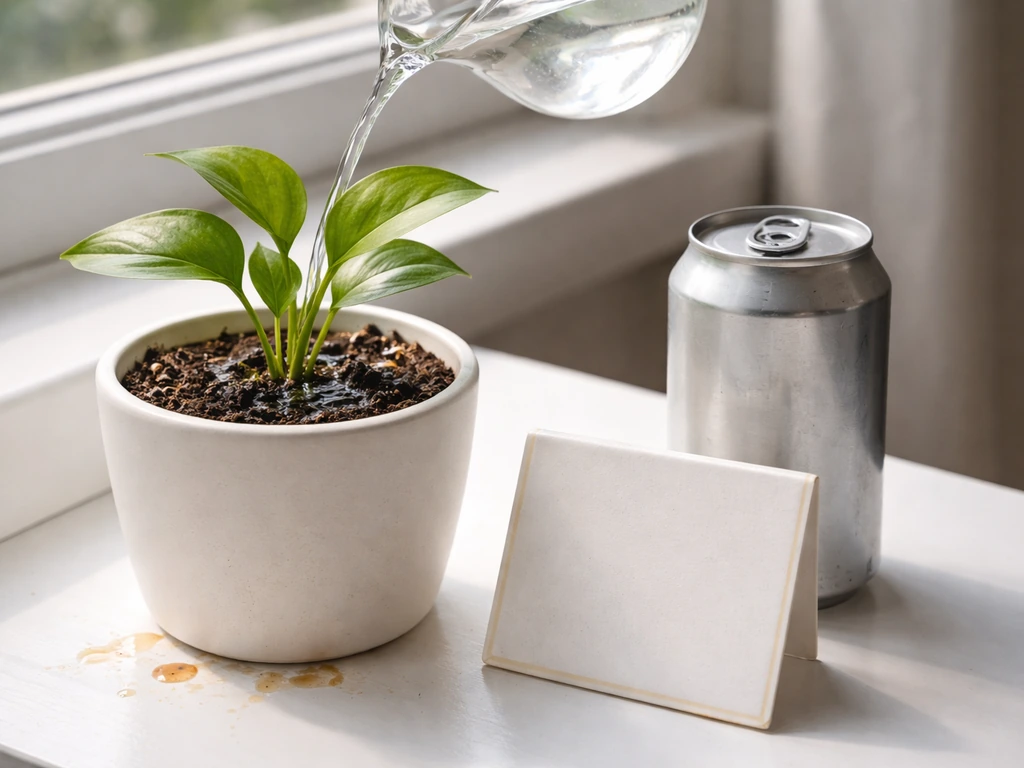
Does Beer Help Plants Grow? Benefits, Risks, and Better Alternatives
Find out if beer helps plants grow, the real risks, and safer alternatives like compost, proper nutrients, and watering.