Vitamins don't help plants grow in any meaningful, practical way for most gardeners. Plants are fundamentally different from people and animals: they manufacture their own vitamins internally, so adding vitamins to soil or water is essentially handing a baker a loaf of bread they already baked themselves. The things that actually drive plant growth are light, water, and roughly 20 essential chemical elements, with nitrogen, phosphorus, and potassium leading the list. If your plants are struggling, the fix almost certainly lies in one of those areas, not in a vitamin supplement.
Do Vitamins Help Plants Grow? What Actually Works

Marcus Holloway
22 May 2026
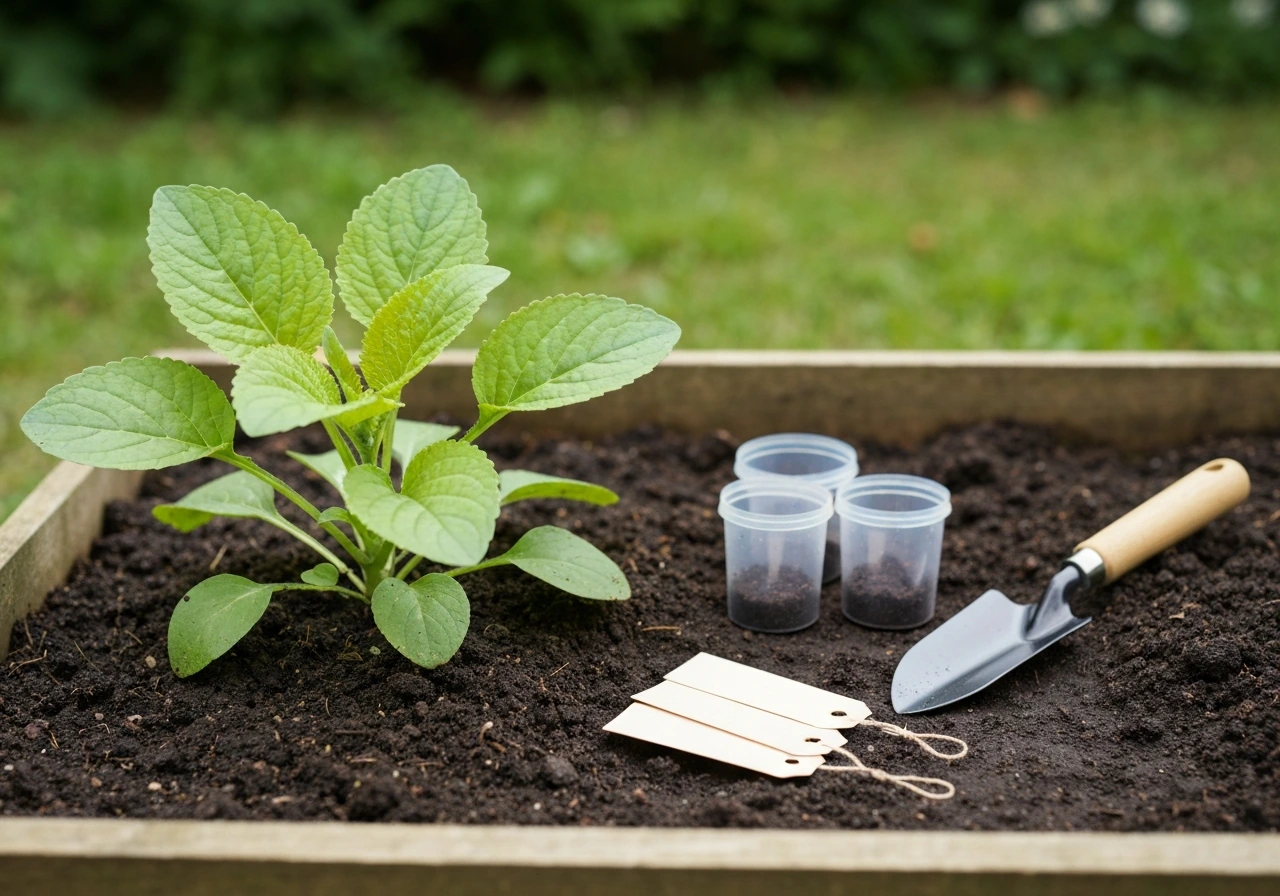
Vitamins vs. plant nutrients: they're not the same thing
This is the core confusion worth clearing up right away. When gardeners hear 'vitamins help plants grow,' they're importing a framework from human nutrition onto a completely different type of organism. For us, vitamins are organic compounds we must get from food because our bodies can't synthesize them. Plants don't have that limitation. With very few exceptions, plants biosynthesize their own vitamins as part of normal metabolism. They don't need to absorb them from outside.
What plants do need from outside sources are mineral nutrient elements: things like nitrogen (N), phosphorus (P), potassium (K), calcium, magnesium, sulfur, iron, manganese, zinc, and about a dozen others. These are what fertilizers supply. According to OSU Extension's plant nutrition guidance, fertilizers exist to supplement what's naturally occurring in soil, replenishing chemical elements that support growth, not vitamins. If you pick up a bag of fertilizer and see 'N-P-K' on the label, you're looking at the big three plant nutrients, not a vitamin formula.
| Category | What it includes | Does the plant need to absorb it externally? | Where to get it |
|---|---|---|---|
| Plant nutrients (fertilizer) | N, P, K, Ca, Mg, S, Fe, Zn, Mn, Cu, B, Mo, etc. | Yes, from soil or foliar applications | Balanced fertilizer, compost, amended soil |
| Vitamins (human nutrition concept) | A, C, D, E, B-complex, etc. | No, plants synthesize their own | Not needed as an external input |
| Vitamin B1 (thiamine) | Water-soluble B vitamin | Rarely, and only under specific stress conditions | Good soil biology; occasional foliar in research settings |
| Vitamin D | Fat-soluble vitamin | Not needed externally; plants produce related compounds | Not a practical supplement for gardeners |
Does vitamin D help plants grow?
This question comes up a lot, probably because vitamin D is so tied to sunlight in human health discussions. The short answer: vitamin D is not something plants need you to add for them. Research published in Frontiers in Plant Science confirms that vitamin D compounds, including forms like vitamin D3, have been detected in plants and that plants do have some capacity for related biosynthesis. But there's a big gap between 'this compound exists in plant tissue' and 'plants grow better when you pour vitamin D supplements on them.'
The controlled research that does exist on vitamin D and plants is largely at the laboratory level. One cytohistological study examined vitamin D3 applied to bean (Phaseolus vulgaris) roots under in vitro conditions and found effects on cell and tissue behavior, but that's a far cry from a recommendation to drench your garden beds with vitamin D supplements. The real-world gap here is enormous. PubMed commentary acknowledges that our knowledge of vitamin D in edible plant foods still has significant gaps, and the research certainly doesn't support buying vitamin D capsules and dissolving them in your watering can.
The irony is that when your plants look sick, sunlight is absolutely relevant, but not because of vitamin D. Plants use light directly as an energy source through photosynthesis. If they're not getting enough of the right light spectrum, growth stalls regardless of what you add to the soil. That's the 'vitamin D' connection worth focusing on: make sure your plants are getting adequate, appropriate light before worrying about anything else.
Does vitamin B help plants grow?
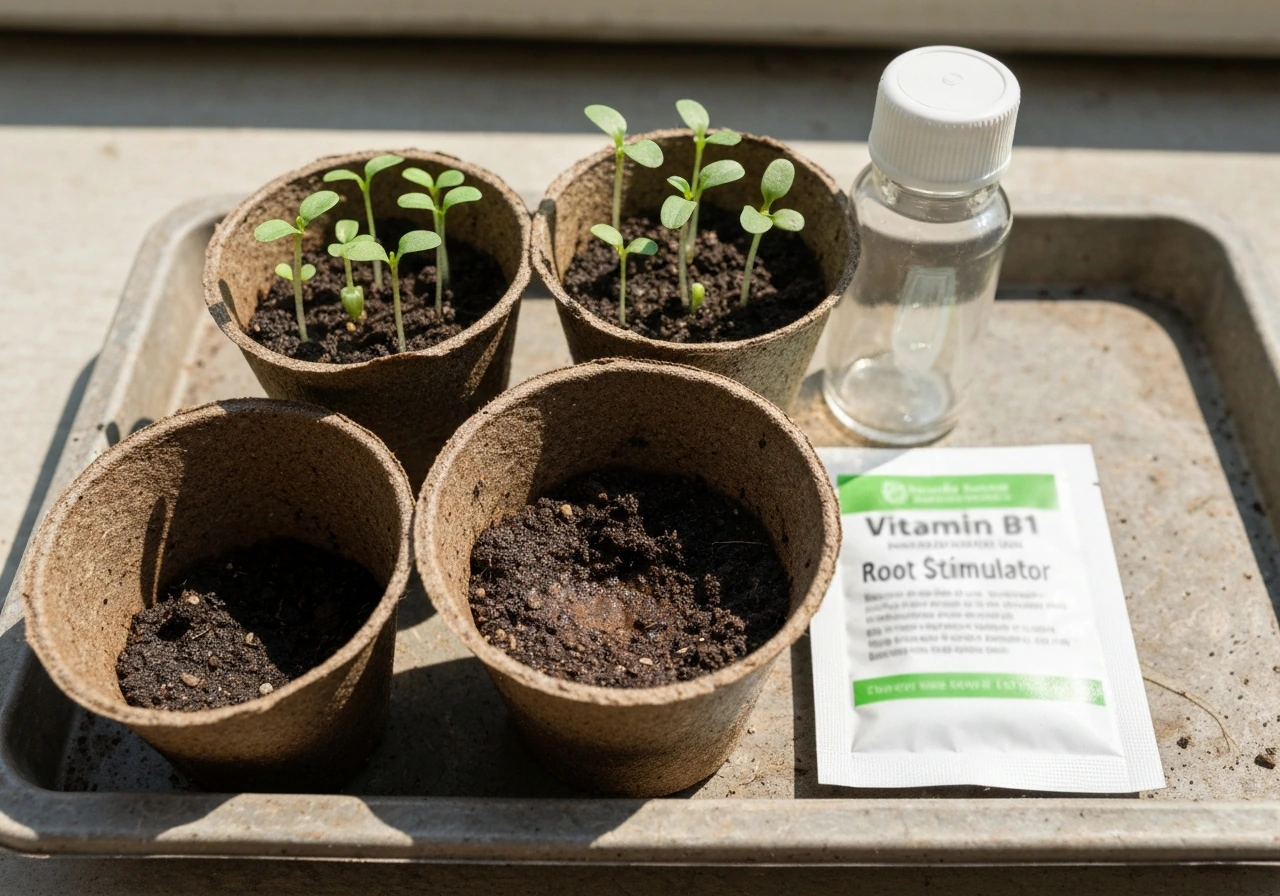
The vitamin B question is a bit more nuanced, and this is where gardening myths have the most traction. Products marketed as 'root stimulators' often contain vitamin B1 (thiamine), and the claim is that it helps transplants establish faster. Here's the actual science: plants synthesize their own thiamine and the other B vitamins they need. A Frontiers in Plant Science review states clearly that plants can biosynthesize their own vitamins, with vitamin B12 being the main exception (and B12 turns out to be irrelevant for plants for a different reason entirely).
Thiamine (B1) and the transplant shock myth
The B1-for-transplants idea has been around for decades. Research has failed to back it up consistently in normal garden conditions. However, there is newer and more interesting research on thiamine in stress contexts. A BMC Plant Biology study on grapevines showed that thiamine application increased expression of genes related to disease resistance pathways. A PMC study on peas found that foliar thiamine application under drought stress conditions was associated with better growth and yield outcomes. The key phrase there is 'under stress conditions.' Thiamine appears to play a role as a metabolic cofactor that may help plants handle abiotic stress, not as a general growth booster you should add to healthy plants in good conditions.
B6, B12, and the rest
Vitamin B6 (pyridoxine) is a required cofactor in plant metabolism, supporting amino acid pathways and other processes. But again, plants make it themselves. Supplementing it from outside isn't going to provide a meaningful benefit when the plant is already producing what it needs. Vitamin B12 is a fascinating case: plants don't contain cobalamin and don't have cobalamin-dependent enzymes. FAO documentation confirms no plant species has the enzymes necessary to synthesize vitamin B12. So B12 supplements are simply irrelevant to plant biology entirely.
What plants actually need to grow: the real list
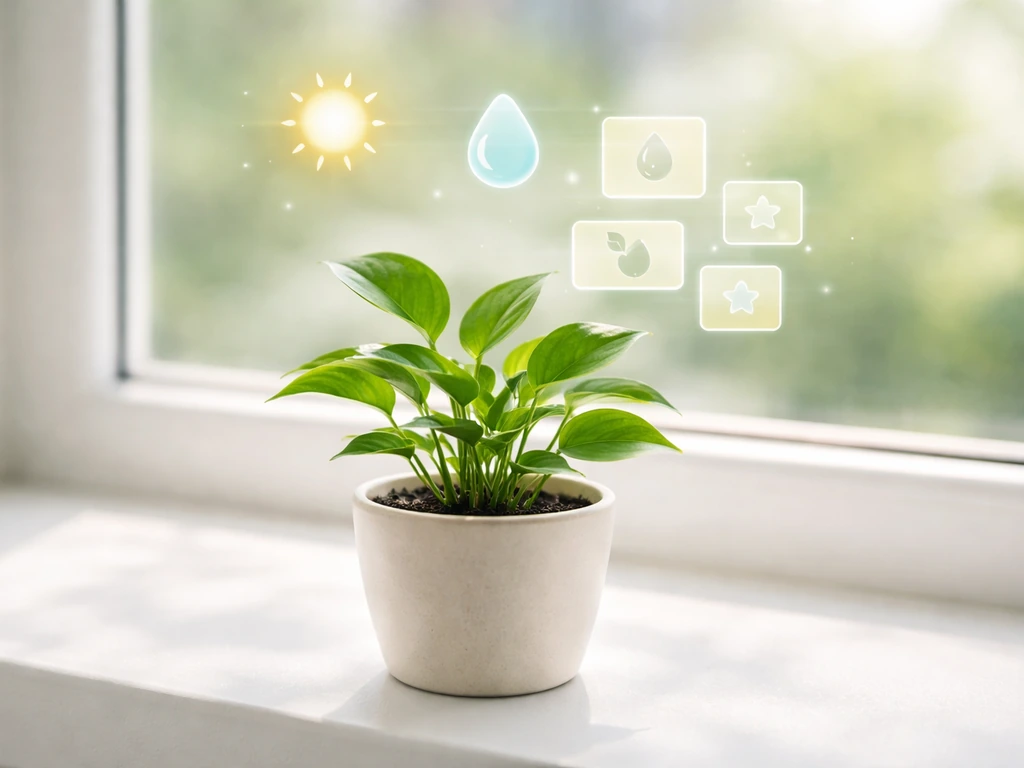
According to plant biology fundamentals outlined in sources like OpenStax Biology, plants need light, water, and about 20 essential elements to complete their life cycle. 'Essential' has a specific meaning here: a plant cannot complete its life cycle without that element, and no other element can substitute for it. Here's how those nutrients break down practically:
- Macronutrients (needed in largest amounts): nitrogen (N), phosphorus (P), potassium (K), calcium (Ca), magnesium (Mg), sulfur (S)
- Micronutrients (needed in trace amounts but still essential): iron (Fe), manganese (Mn), zinc (Zn), copper (Cu), boron (B), molybdenum (Mo), chlorine (Cl), and a few others
- Light: the energy source for photosynthesis, not a nutrient but absolutely non-negotiable
- Water: the medium for nutrient transport and a reactant in photosynthesis
- Oxygen in the root zone: compacted or waterlogged soil reduces root oxygen, slowing nutrient uptake even when nutrients are present
Notice what's not on that list: vitamin A, vitamin C, vitamin D, vitamin E, or most of the B vitamins as external inputs. The common misconception is that because humans need vitamins for health, plants must need something similar. They don't. Their biochemistry routes around that requirement by building what they need in-house.
How to actually diagnose why your plants aren't growing
Before you add anything, including fertilizer, figure out what's actually limiting your plant. Montana State University Extension recommends three diagnostic tools: soil testing, plant tissue testing, and visual observation. Most gardeners can start with the third and work from there.
Read your plants' symptoms
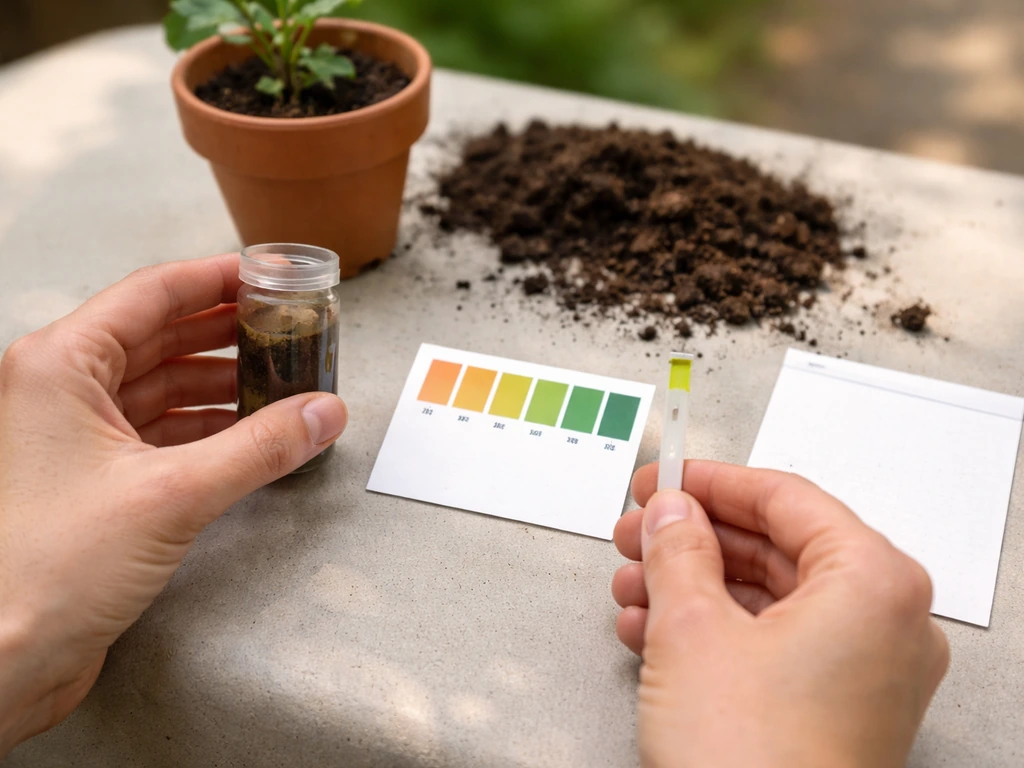
University of Minnesota Extension's nutrient diagnostic guidance is especially helpful here. Yellowing on older, lower leaves often points to nitrogen deficiency, since nitrogen is mobile and the plant pulls it from old tissue to feed new growth. Stunted growth combined with reddish or purplish leaf coloring often signals phosphorus deficiency. Yellowing between leaf veins on newer growth suggests an iron or manganese issue. Matching symptoms to the affected leaf position (old vs. new growth) is your first diagnostic filter.
Check the basics before blaming nutrients
Even if you suspect a nutrient deficiency, it may not be caused by low nutrient levels. OSU Extension points out that total nutrient content in soil isn't always a useful indicator because only a small fraction may be plant-available. Soil pH is a huge factor: most nutrients become unavailable outside of a roughly 6.0 to 7.0 pH range. Compacted soil reduces oxygen in the root zone, which slows root growth and nutrient uptake even when nutrients are plentiful, as CSU Extension's tree root research confirms. Overwatering, underwatering, and poor drainage all disrupt the system too.
- Check your soil pH with an inexpensive test kit; if it's outside 6.0-7.0, adjust before adding any nutrients
- Evaluate drainage and soil compaction; roots need oxygen, not just water and nutrients
- Look at your light situation honestly; slow growth in low-light conditions won't be fixed by any amendment
- Review your watering consistency; irregular moisture stresses plants even when nutrients are present
- Only then consider a soil test from a lab to identify actual nutrient gaps
When supplements actually make sense, and how to use them safely
If you've gone through that diagnostic process and identified a real deficiency, the right move is targeted nutrient supplementation, not vitamins. For nitrogen, phosphorus, and potassium gaps, a balanced fertilizer matched to your crop or plant type is the standard approach. For micronutrient deficiencies like iron or zinc, foliar application can work well. OSU Extension notes that foliar applications are mainly used to complement soil programs or as emergency in-season corrections when plants show specific deficiency symptoms. UF/IFAS research confirms foliar micronutrient applications can give relatively rapid results when a genuine deficiency exists.
One real caution: more is not better. Penn State Extension and Cornell University greenhouse research both document that over-fertilization raises soluble salt concentration around roots, which actually pulls water out of root tissue through osmosis and can cause root damage, leaf burn, and increased susceptibility to disease. Follow label rates, and if you're unsure, start at half the recommended dose and observe results before adding more.
The only vitamin-adjacent supplement with any honest scientific basis in gardening is thiamine (B1), and even then only in specific circumstances: transplant stress, drought conditions, or as part of a disease resistance strategy. If you want to try it, use a properly formulated product at label rates rather than crushed supplements dissolved in water, and keep expectations realistic. It's a potential stress buffer, not a miracle growth booster.
It's also worth keeping this broader context in mind: the 'does X help plants grow' question comes up constantly in gardening conversations, whether people are asking about beer, vinegar, lemon juice, wine, Gatorade, or vitamins. Lemon juice is sometimes suggested as a “natural” plant booster, but it still does not replace the core requirements plants need to grow. If you are wondering whether vinegar helps plants grow, the same principle applies: focus on light, water, and plant-available nutrients rather than food acids. Beer is another example of a human drink people try for “natural” plant growth, but the evidence for benefit is weak compared with focusing on light, water, and mineral nutrients does beer help plants grow. The pattern is usually the same: a human food or supplement that seems 'natural' gets applied to plants with hopeful expectations. Sometimes there's a kernel of real effect buried in the anecdotes. But in almost every case, the effect is marginal at best, potentially harmful at worst, and far less impactful than simply getting soil health, light, and water right.
Your practical next steps right now
If you're standing in your garden today wondering why your plants are underperforming, here's the order of operations that actually works:
- Check light first. Is your plant getting enough hours of direct or indirect light for its species? If not, no amendment will compensate for that.
- Check soil structure. Is it compacted? Does water pool or drain too fast? Fix drainage or aeration before adding nutrients.
- Test or adjust pH. A $10-15 soil pH test can tell you immediately if nutrients are being locked out regardless of what's in the soil.
- Read visual symptoms on your plant. Match leaf patterns to likely nutrient deficiencies using a symptom guide.
- Get a soil test if symptoms persist. Your local cooperative extension office can often process one for under $20 and will tell you exactly what's missing.
- Apply a targeted fertilizer based on what the test shows, at recommended rates, and watch for response over 2-3 weeks.
- Skip the vitamin supplements. Put that money toward compost, a better potting mix, or a proper fertilizer instead.
Plants are genuinely good at growing when you meet their actual needs. Light, water, oxygen in the root zone, proper pH, and the right mineral nutrients cover the vast majority of what drives healthy growth. Vitamins, as humans define and use them, simply aren't part of that equation. OSU’s agronomy network defines blank" rel="noopener noreferrer">micronutrients as essential plant nutrients needed in trace amounts that play vital roles in growth and development. If you're wondering does wine help plants grow, the same principle applies: plants need light, water, and mineral nutrients more than human food add-ins.
FAQ
If my plants look yellow or weak, should I try a vitamin supplement first to “fix” it?
Usually no. Yellowing and stunting are more often caused by nutrient availability problems (especially nitrogen, iron, or phosphorus), pH imbalance, or root-zone oxygen issues (overwatering or compaction). Treat vitamins as a last step after you confirm a specific deficiency with visual symptoms plus soil or tissue testing.
Can plants absorb vitamins from soil even if they produce them themselves?
Plants can take up many compounds from their environment, but uptake does not mean the plant can use them to improve growth. For most vitamins, additional external supply does not address a limiting factor, and in some cases it can be wasted or indirectly worsen conditions (for example, through altered salts or pH depending on the product).
What about vitamin D, since it is linked to sunlight for humans?
Plants do not have a “need vitamin D from supplements” pathway the way people do. Their growth depends on adequate light for photosynthesis. A deficiency in light, not vitamin D, is the common reason plants appear underpowered.
Are vitamin sprays ever worth using on leaves?
In general, no for typical multivitamin products. Leaf feeding should target diagnosed micronutrient deficiencies (like iron or zinc) rather than vitamins. If you suspect vitamins because of a marketing claim, pause and check symptoms, leaf age pattern (older versus newer leaves), and pH first.
Is thiamine (vitamin B1) the only vitamin that might help plants?
Thiamine is the most vitamin-adjacent product with evidence in certain stress contexts (for example, transplant shock or drought-stress disease resistance signaling). The benefit is not proven as a general growth booster for healthy, well-lit, properly watered plants, so use it only under the specific conditions the product label or reputable guidance targets.
If thiamine helps under stress, what stress situations are most relevant?
The strongest rationale is for abiotic stress scenarios where the plant’s metabolism is pressured, such as drought, transplanting, or conditions that increase vulnerability to disease. If your plants are stressed primarily by low light, soggy soil, or severe nutrient imbalance, fixing those usually matters far more than adding thiamine.
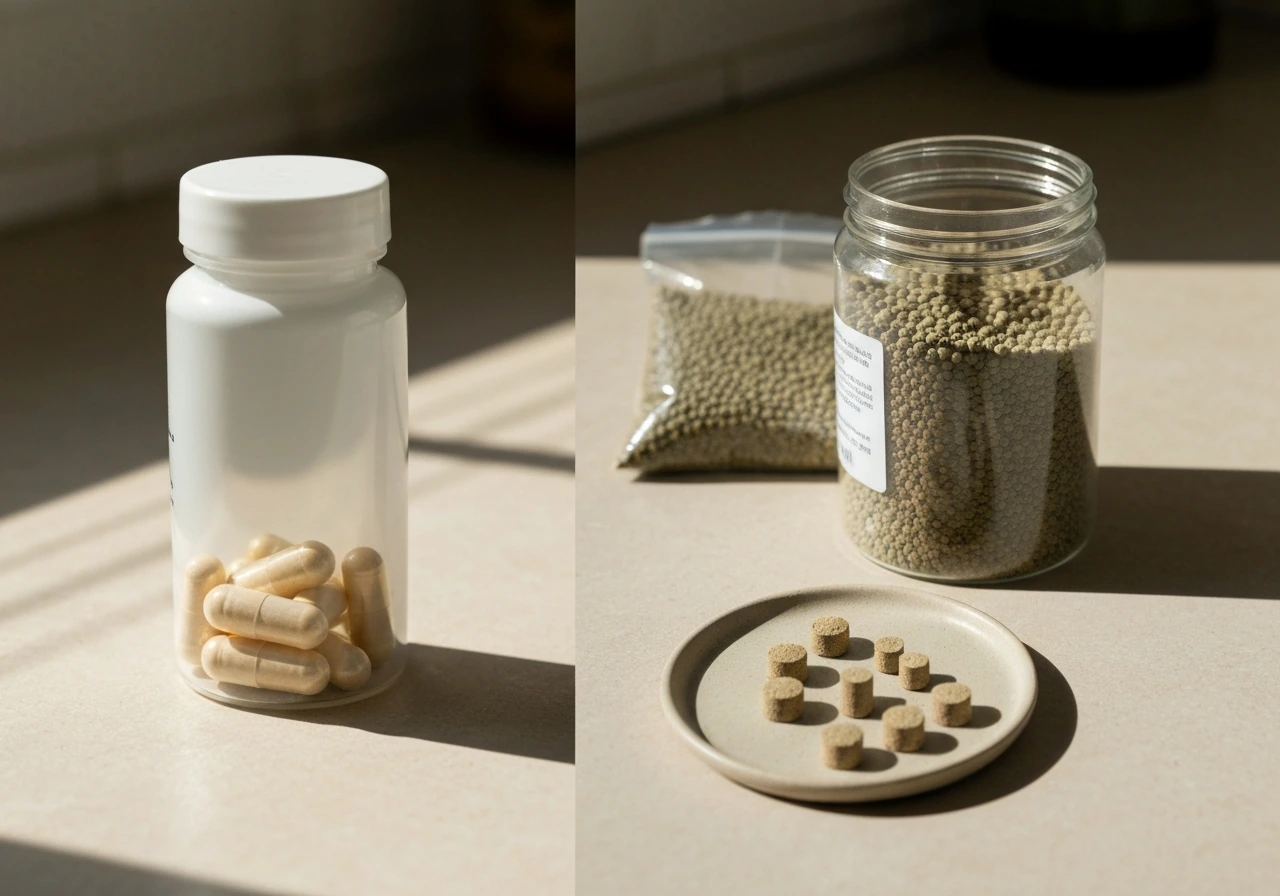
Can I just mix crushed vitamin pills into my watering can?
That is not recommended. Crushed supplements can dissolve unpredictably, may contain inactive ingredients, and you cannot rely on a safe dose. For any vitamin-adjacent attempt, use a formulated product with clear label rates and directions, because plant responses and leaf burn risk depend on concentration and timing.
How do I tell whether a problem is nutrient deficiency versus an environment problem?
Look at symptom pattern and growth context. Nitrogen deficiency often shows on older leaves, phosphorus stress can show with stunted growth and purplish tones, and iron or manganese issues often appear on newer growth with interveinal yellowing. Then verify pH and root-zone conditions, since poor drainage, low oxygen, and out-of-range pH can mimic or cause “deficiency” symptoms.
What soil pH range should I assume for most garden nutrients to be available?
Many essential nutrients become much less available outside roughly pH 6.0 to 7.0. If you are seeing persistent deficiencies despite fertilizing, pH adjustment is often the missing step, more than adding any vitamin or extra “food.”
Could vitamins cause harm to plants?
They can, indirectly. Some supplements or additives can increase soluble salts, alter pH, or create leaf burn if sprayed at the wrong concentration. Also, the bigger risk is opportunity cost, spending time on vitamins while the true limiter (light, water management, pH, and mineral nutrients) remains unresolved.
If nutrient deficiency is confirmed, how should I choose between soil fertilizer and foliar micronutrients?
Soil fertilizer is usually the default for supplying macronutrients like nitrogen, phosphorus, and potassium and for gradual correction. Foliar micronutrients can be useful for specific, diagnosed micronutrient deficiencies as a faster “in-season” correction, especially when you need results quickly and soil uptake is constrained.
What is a common mistake when fixing nutrient problems?
Over-fertilizing. Excess soluble salts can damage roots, pull water out of root tissue through osmosis, and lead to leaf burn and higher disease susceptibility. Follow label rates, and if unsure, start with a conservative dose and reassess before adding more.
Next Articles
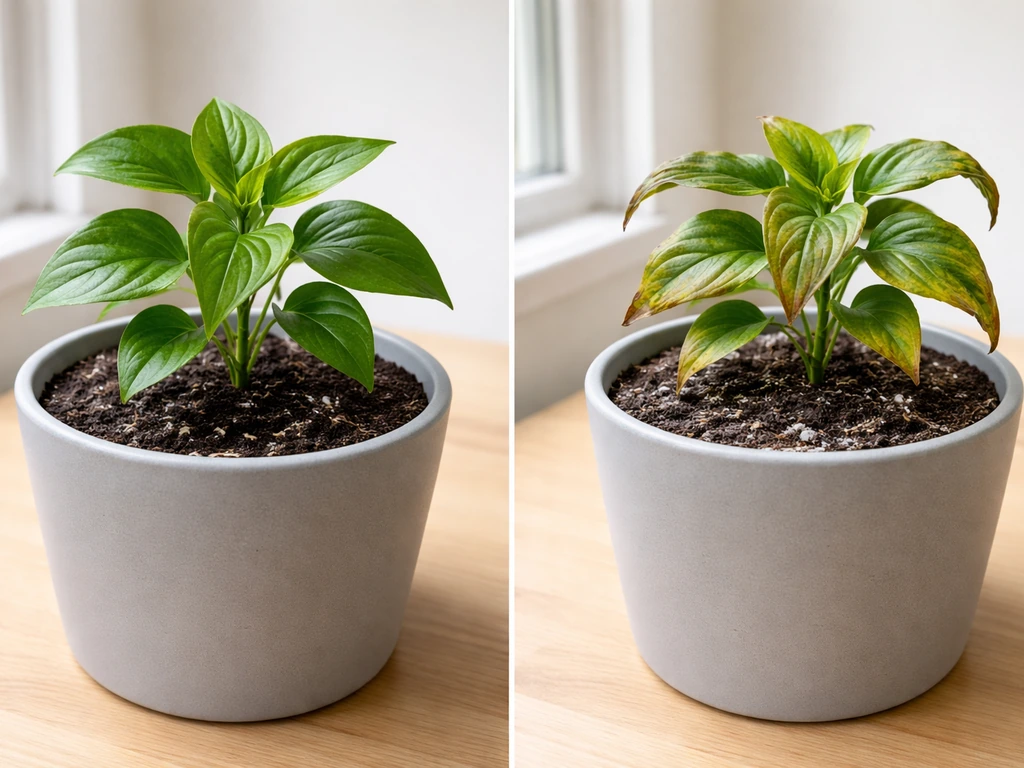
Does Gatorade Help Plants Grow? The Real Answer
Does Gatorade help plants grow? No. Learn why its sugar and salts can harm growth and what to use instead.
Does Wine Help Plants Grow? Evidence, Risks, and Safer Alternatives
Does wine boost plant growth? Learn risks of alcohol and residues, compare wine vs vinegar, and safer soil fixes.
Does Lemon Juice Help Plants Grow? Science and Safe Use
Find out if lemon juice or lemon water boosts plant growth via pH and acidity, risks, safe dosing, and fixes.