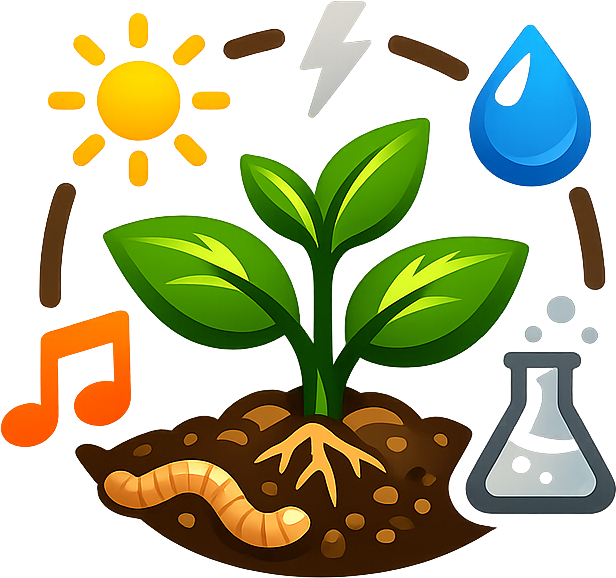
Roots grow best when they have loose, well-aerated soil, consistent moisture without waterlogging, phosphorus and a basic nutrient supply, and a plant above ground that's photosynthesizing well enough to fuel the whole system. If any one of those is off, root development stalls, and no amount of coffee grounds or eggshells is going to fix it.
What Helps Roots Grow: Fix Root Growth Fast
Marcus Holloway
13 May 2026
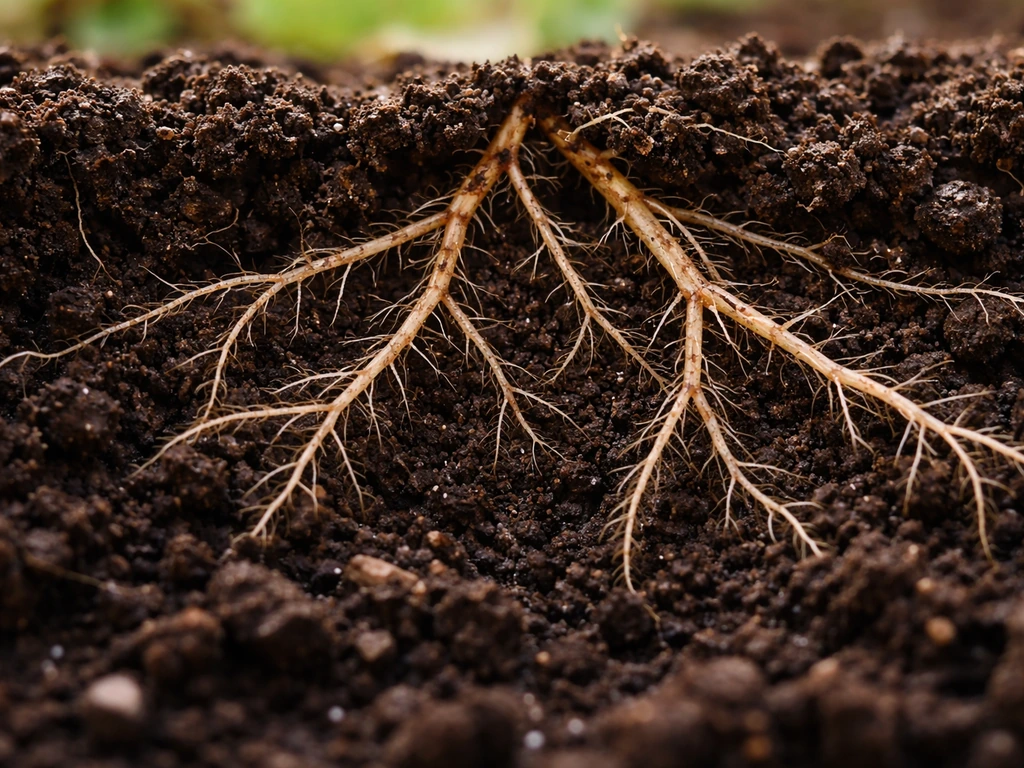
What root growth actually needs to happen
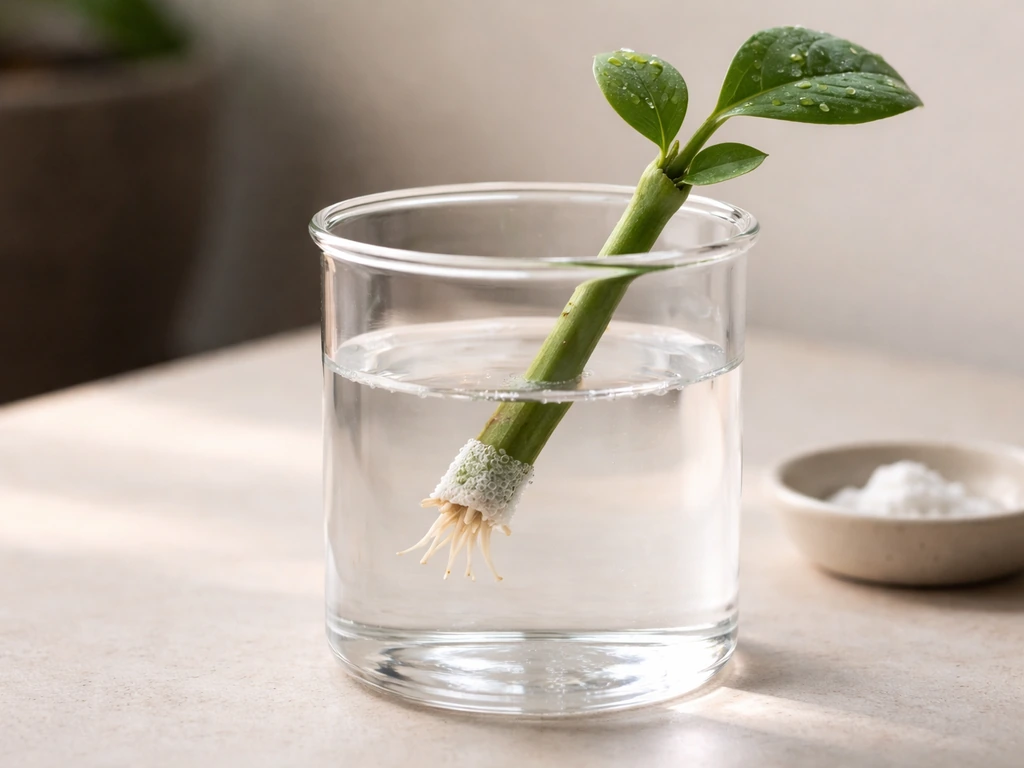
Root growth is driven by a hormone called auxin. It's produced in shoot tips and moves downward to the root apical meristem, where it coordinates cell division, elongation, and differentiation. Without adequate auxin signaling, roots don't establish properly, and without a healthy shoot supplying it, the whole process slows. That connection matters more than most gardeners realize: when a plant is energy-stressed (think deep shade, severe drought, or a damaged stem), auxin distribution from shoot to root gets dialed back via a signaling pathway involving SnRK1 and TOR, and root growth drops accordingly. In other words, you can't just fix the soil and ignore the plant above it.
Roots also need oxygen. This gets overlooked constantly. Roots run on aerobic respiration to generate the energy needed for growth. Cut off oxygen in the root zone and growth stops, full stop. The main ways oxygen gets cut off are waterlogged soil, compacted soil, and containers packed with dense, poorly draining media. Solving most root problems comes down to these two levers: auxin (plant energy and hormone flow) and oxygen (root-zone aeration). Getting these conditions right is what helps forests both grow new trees and regenerate after disturbance auxin (plant energy and hormone flow) and oxygen (root-zone aeration).
Root-zone soil: structure, aeration, drainage, and depth
Soil structure is the single biggest physical factor in root growth. Roots can't push through compacted soil efficiently, and compacted soil also reduces water movement and dramatically cuts pore space, which means less oxygen reaches root cells. Construction compaction is one of the most common culprits in landscape settings. If you've ever watched a tree planted near a new build slowly decline, compaction is usually the reason.
What you want is soil with plenty of macro-pores (larger spaces that hold air) and micro-pores (smaller spaces that hold water). Loamy soils naturally have this balance. Heavy clay soils don't, and neither does straight sand. Amending with compost, composted bark, or aged organic matter helps open up clay soils and add water retention to sandy ones. For in-ground beds, work amendments into the top 12 inches at minimum, since that's where most root activity happens.
Waterlogging is the fast way to kill root development. When soil pores fill completely with water, there's no space left for air, and oxygen availability crashes. Roots in saturated soil for even a few days can start to suffocate. Good drainage isn't just about convenience: it's the mechanism that keeps oxygen cycling through the root zone between waterings. If your soil stays soggy more than a day after rain, you either have a drainage issue, a compaction problem, or both.
Watering for roots: frequency, saturation, and avoiding water stress
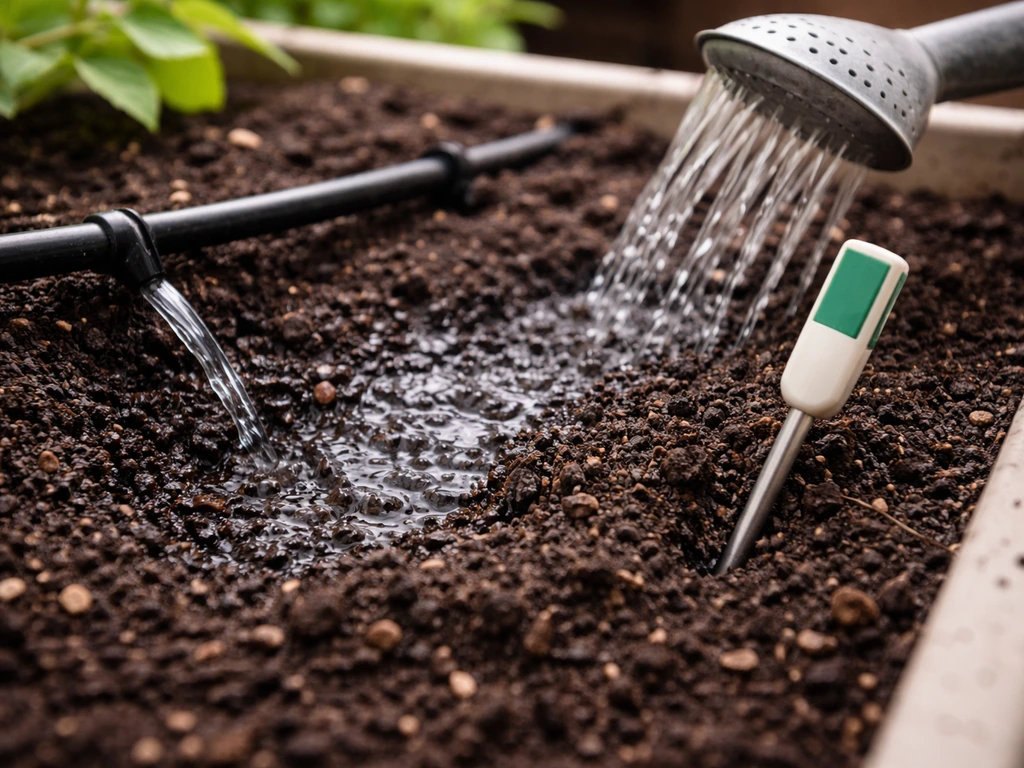
The way you water has a direct effect on how deep and how extensive the root system becomes. Shallow, frequent watering keeps the top inch of soil moist and trains roots to stay near the surface. Deep, less frequent watering pushes roots downward to follow moisture. For lawns, the guidance is to wet soil 4 to 6 inches deep per session rather than a light sprinkle every day. The same principle applies to garden beds and containers.
When you're scheduling irrigation, three things matter: effective root depth, how fast your plant is using water, and how sensitive that species is to drought stress at each growth stage. Soil moisture monitoring tools can help you track when the root zone hits the point between field capacity (ideal moisture) and permanent wilting point. Letting soil dry out fully between every watering is not better than overwatering: both extremes restrict root growth, just through different mechanisms.
One nuance worth knowing: even when soil moisture is adequate, plants can still wilt mid-afternoon on hot days when evapotranspiration demand is high. That's not a sign the roots need more water. It's a sign the plant is temporarily losing water faster than roots can supply it. Don't respond to midday wilt in summer by flooding the root zone.
Nutrients and early root support (and what to avoid)
Phosphorus is the nutrient most directly linked to root development. It's involved in root hair density and length, and deficiencies specifically impair the root hair response. The tricky part is that phosphorus becomes less available to plants in cool or dry conditions, which means early spring (exactly when you're trying to get transplants or seedlings established) is when phosphorus deficiency is most likely to limit root growth even if it's present in the soil. A starter fertilizer with available phosphorus is often worth it for transplants and seedlings in spring, particularly in cool climates.
Beyond phosphorus, roots need a balanced baseline of nitrogen (in moderate amounts), potassium, and micronutrients. The general rule for rooting vs. foliage growth is to keep nitrogen relatively low and phosphorus relatively available during establishment. Excessive nitrogen pushes lush top growth at the expense of root development. That's why high-nitrogen lawn fertilizer applied right after transplanting can actually work against root establishment.
For propagation specifically, rooting hormones (auxin-based, typically IBA or NAA) can significantly improve rooting success in cuttings. Liquid formulations at around 20 to 200 ppm work well for 24-hour soaks, and research has shown that powder forms of rooting hormone are generally less effective than liquid auxin-based formulations at equivalent concentrations. That said, rooting hormone benefit varies by species, and some plants root readily without it.
Light, temperature, and environment that drive rooting
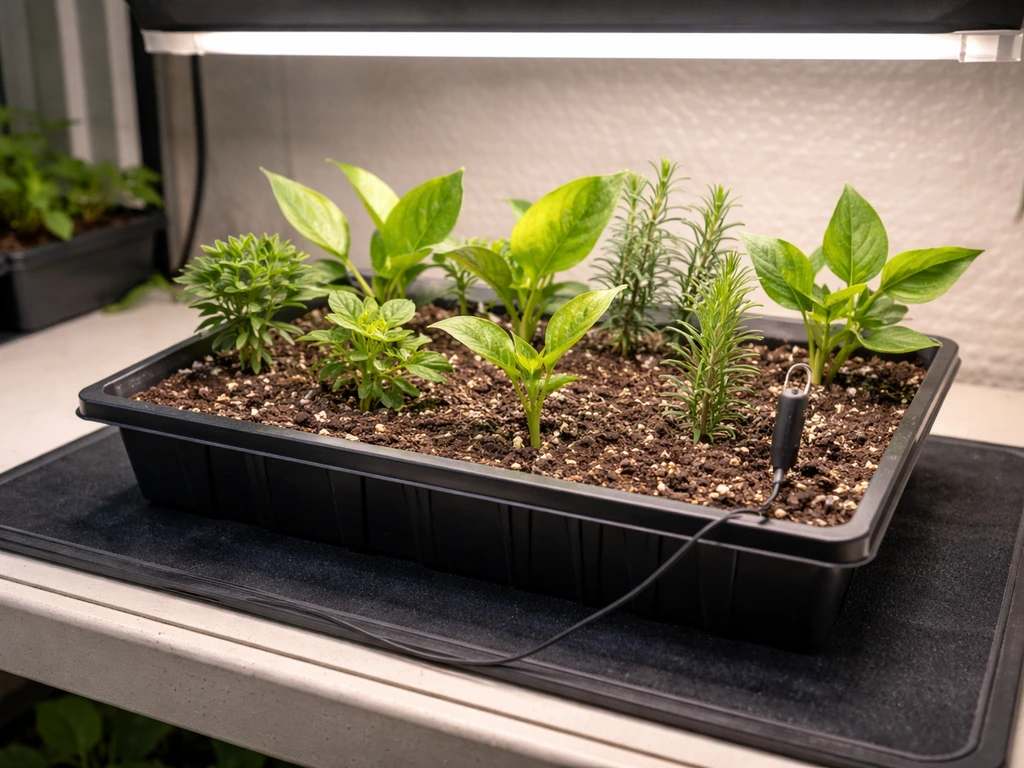
It might seem odd to talk about light in an article about roots, but shoot-level light directly affects root development. Light perception in aerial tissues triggers signaling that reaches root tips and promotes root growth. A plant in low light produces less photosynthate (sugars), which means less energy available to drive root expansion. So a struggling, leggy plant in a dark corner isn't just visually weak: it's also building a weaker root system.
Temperature matters most in the root zone, especially for propagation. The optimum rooting temperature for most temperate plants is between 65 and 77 degrees Fahrenheit. Bottom heat setups (heating mats under trays) target this range in the root zone while keeping the air above cooler, which reduces the water demand on cuttings that don't yet have roots to absorb water. For hardwood cuttings of difficult-to-root species, a moist medium with bottom heat at 60 to 70 degrees is a standard recommendation.
Humidity matters for cuttings specifically because unrooted cuttings can't absorb water efficiently through their cut base at first. High humidity reduces water loss from leaves while roots are getting established. Misting, humidity tents, or propagation chambers all serve this purpose.
Practical steps to encourage roots today
Transplanting and handling
Root disturbance at transplanting slows establishment. Handle root balls carefully, keep as much soil attached as possible, water in well immediately after planting to eliminate air pockets, and avoid planting on hot, dry, windy days when water stress on a newly-disturbed root system is highest. Planting at the right depth matters too: too deep buries the root flare and limits gas exchange, too shallow exposes roots to drying.
Containers and potting mix
Container roots can't explore for water and nutrients the way in-ground roots can, so the growing medium has to compensate. You want a light, fluffy mix with good pore space. A typical quality container mix runs around pH 6. 2 and includes sphagnum peat moss or coconut coir for moisture retention, perlite for drainage and aeration, vermiculite for water and nutrient retention, and sometimes composted bark or compost for structure.
According to NC State Extension, common container mix ingredients such as sphagnum peat moss, coconut coir, and perlite contribute to moisture retention and drainage and aeration, supporting healthy root conditions sphagnum peat moss or coconut coir for moisture retention, perlite for drainage and aeration.
Avoid using straight garden soil in containers: it compacts under repeated watering and turns into a dense, poorly draining block that suffocates roots.
Container size also matters. A pot that's far too large holds moisture in the outer soil that roots haven't reached yet, creating waterlogged zones. Stepping up pot size gradually (moving to a container one or two sizes larger, not jumping from a 4-inch to a 10-inch pot) keeps moisture distribution more even around the root zone.
Avoiding compaction
Don't repeatedly walk on garden beds. Don't till when soil is wet. In containers, don't pack potting mix in tightly. All of these create compaction that reduces the pore space roots need to grow and breathe. Mulching around plants (2 to 3 inches of organic mulch, kept away from the stem) reduces surface compaction from rain impact, retains soil moisture, and moderates soil temperature.
The practical summary in steps
- Test or assess your soil before amending: pH, drainage, and texture all affect whether nutrients and oxygen reach roots.
- Improve drainage in heavy clay soils with compost or raised beds before planting; don't add sand to clay without large quantities of organic matter.
- Use a starter fertilizer with phosphorus for transplants and seedlings in spring, especially in cool conditions.
- Water deeply and less frequently rather than shallowly and often to push roots downward.
- Use a well-structured container mix with perlite and coir or peat; never use straight garden soil in pots.
- For cuttings, use a liquid IBA-based rooting hormone, keep the medium moist but not waterlogged, use bottom heat at 65 to 75 degrees, and maintain high humidity until roots establish.
- Mulch in-ground plants to protect root zone moisture and temperature, and avoid compaction by keeping foot traffic off planting areas.
Myths vs science: what definitely doesn't help roots grow
Let's address some popular ones directly.
Talking to plants or playing music: Penn State researchers note there isn't much evidence that talking to plants meaningfully affects growth. The idea that CO2 from your breath helps is technically plausible but practically useless: you'd have to talk to a single plant for an unrealistically long time to meaningfully change the CO2 concentration around it. Music experiments showing plant responses are interesting in controlled conditions, but they're not a reliable gardening lever you can apply today.
Coffee grounds as a root booster: Coffee grounds do contain some nutrients, but they're not available to plant roots until soil microorganisms break them down. Dumping fresh grounds around a struggling plant won't give roots an immediate fix, and applying too much can actually alter soil pH and inhibit growth. Composting them first is a fine use; using them as a direct root tonic is not.
Eggshells for calcium: Eggshells decompose extremely slowly in garden soil. In most home-garden timeframes, they don't release enough calcium to meaningfully affect root development. If you genuinely have a calcium deficiency limiting roots, lime or gypsum are far more immediately effective.
Epsom salts for roots: Epsom salt (magnesium sulfate) is regularly recommended online as a root stimulant. It can correct magnesium deficiency where one actually exists, but applied broadly to soil that doesn't need it, it adds no root growth benefit and can interfere with calcium and potassium uptake. The same nutrient-availability logic applies here as with everything else: plants need nutrients in available, usable forms at the root surface, not folklore remedies sprinkled on top.
Quick diagnosis checklist and next-step plan
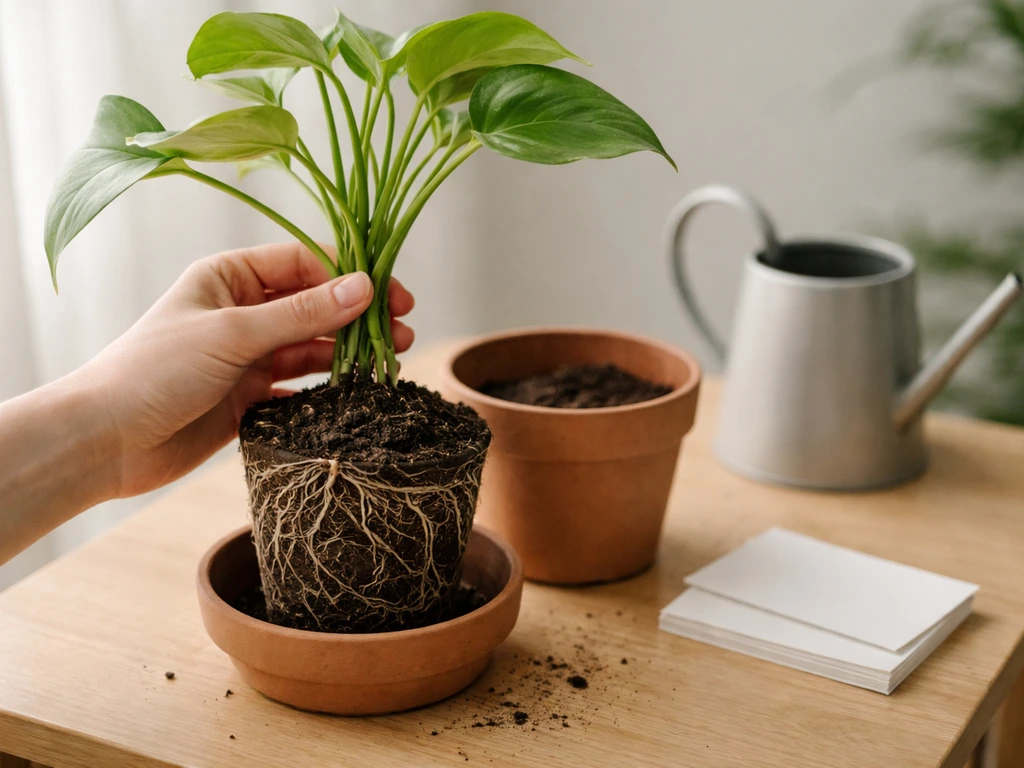
If your roots aren't growing the way you expect, work through this checklist before trying any new product or technique.
| Symptom or Situation | Most Likely Cause | Fix It By |
|---|---|---|
| Roots circling container, plant wilting fast | Root-bound, depleted media | Repot into a one-to-two size larger container with fresh mix |
| Soggy soil, yellowing lower leaves | Waterlogging, oxygen deficit | Improve drainage, reduce watering frequency, check pot drainage holes |
| Dry soil, wilting, poor new growth | Drought stress, shallow roots from underwatering | Deep water less frequently to encourage roots downward |
| New transplant not establishing after 2-3 weeks | Root damage, lack of phosphorus, cool soil | Add starter fertilizer, check soil temp, water in with diluted liquid phosphorus |
| Slow rooting on cuttings | Wrong medium, no rooting hormone, too cold or too wet/dry | Switch to perlite/peat mix, use liquid IBA hormone, add bottom heat |
| In-ground plant declining near paving or compacted area | Soil compaction, poor aeration | Aerate, apply compost to surface, mulch, keep foot traffic off root zone |
| Spring seedlings pale and stunted despite good care | Phosphorus unavailable in cold soil | Apply available phosphorus fertilizer, wait for soil to warm above 50°F |
The pattern here is consistent: root problems almost always trace back to oxygen, moisture balance, nutrient availability (especially phosphorus early on), or plant energy. Early farmers faced the same essentials, keeping growing conditions balanced so roots had air, stable moisture, and usable nutrients to support healthy growth oxygen, moisture balance, and nutrient availability.
Some gardeners also look at spore blossoms, but whether they help crops grow depends on the specific biology and growing conditions, so treat them as a secondary input rather than a substitute for oxygen, moisture, and available nutrients nutrient availability. Fix the actual limiting factor rather than adding something on top of a broken system. Once soil structure and watering rhythm are right, the rest of the inputs work the way they're supposed to.
If you're working on root development for a specific crop like corn, the nutrient demands and soil depth requirements shift somewhat compared to ornamentals or container plants. If you're also wondering what tick speed makes crops grow faster, focus on the temperature that keeps the root zone in an optimal range and avoids slowing growth with moisture or oxygen stress root development for a specific crop like corn.
Knowing what helps corn grow starts with getting the root zone right for oxygen, moisture, nutrients, and plant energy root development for a specific crop like corn. And if you're approaching this from a propagation angle, the rooting hormone concentrations, media moisture balance, and humidity management details deserve their own deep dive.
The core biology, though, is the same: give roots oxygen, the right moisture level, available phosphorus, and a plant above ground that's actually photosynthesizing, and root growth will follow.
FAQ
How long does it usually take to see root growth after fixing soil and watering?
If oxygen and moisture balance are truly the limiter, many plants show improved root activity within 1 to 3 weeks (especially in active growing seasons). For transplants, the easiest early sign is reduced wilting and steadier new leaf growth, but full root establishment can take a full growing cycle, so don’t judge by a couple of days after watering changes.
What are the quickest ways to tell if my root zone has too little oxygen?
Look for persistent sogginess (soil stays wet more than about a day after rain), a sour or anaerobic smell, and slow uptake symptoms like yellowing that worsens despite fertilizing. In containers, if the mix looks swollen and holds water at the surface, it’s often too compacted or too heavy for enough air exchange.
Should I fertilize to help roots grow if the plant is already wilting?
Avoid adding general fertilizer during active stress until you confirm the root zone isn’t waterlogged or air-starved, because stressed roots can’t use nutrients efficiently. If phosphorus is the suspected limiter (cool spring, poor early establishment), a small starter dose at transplanting is safer than repeated high-nitrogen feeding.
Is it better to water more often or less often to promote deeper rooting?
To encourage depth, water deeply but less frequently so roots have a reason to grow downward toward moisture. Frequent light watering usually keeps the upper layer hydrated and trains roots to stay shallow, which makes drought recovery worse later even if the plant looks fine temporarily.
Can roots suffocate even if the soil isn’t muddy?
Yes. Fine-textured soils can hold water in micropores, leaving less continuous air space even when the surface looks normal. That’s why drainage timing (how long it stays soggy) and aeration (soil structure, pore space, container mix choice) matter more than surface appearance.
Do I need to worry about root flare depth during transplanting?
Absolutely. Planting too deep buries the root flare and reduces gas exchange at the crown, which can slow or deform the root system even when the soil is otherwise perfect. If you’re unsure, set the flare at or slightly above the final soil line rather than burying it.
What’s the best way to improve clay or compacted soil for roots without redoing everything?
Start by improving structure in the active root zone, typically at least the top 12 inches for in-ground beds. Work amendments in thoroughly at planting time, avoid tilling when soil is wet, and use organic additions (compost or composted bark) to increase pore space rather than relying on quick-fix nutrients.
Does adding compost always help root growth?
Compost usually helps by improving structure, but excessive fresh amendments can temporarily tie up nutrients or create overly wet conditions in heavy soils. Use aged compost, blend it into the root zone, and avoid burying large amounts right at the crown where oxygen demand is high.
What rooting hormone strength should I use for cuttings, and can I overdo it?
If you use an auxin product, stay within label ranges and avoid soaking too long or using excessively high concentrations, since overdosing can inhibit rooting or cause callus without root elongation. Liquid soaks around the 20 to 200 ppm range are common practice for 24 hours, but species sensitivity varies.
Why do some cuttings get roots but still fail after transplanting?
Transplanted cuttings often fail because unrooted or lightly rooted tissue can’t handle sudden shifts in humidity and oxygen availability. Harden off gradually, keep watering consistent but not waterlogged, and avoid putting them into hot, windy conditions right after rooting.
My plant wilts midday even though I water, is it a root problem?
Midday wilt in hot weather is commonly an evapotranspiration mismatch, not necessarily insufficient water supply at the root. Check whether the plant recovers by evening and confirm soil moisture in the root zone, then avoid flooding; instead, adjust irrigation timing and depth if it doesn’t rebound.
Are coffee grounds and eggshells ever useful for roots?
They can be useful only indirectly. Coffee grounds work if composted first and used sparingly because raw grounds break down slowly and can change pH. Eggshell calcium is usually too slow to matter for root growth in typical home-garden timeframes, so correcting a true calcium limitation is faster with appropriate soil amendments.
Is Epsom salt a good universal root booster?
Usually no. It helps only when magnesium deficiency is actually limiting, and it can disrupt uptake balance if applied broadly. If you suspect magnesium issues, confirm with leaf context and soil conditions rather than applying routinely, since excess can interfere with calcium and potassium availability.
If I’m growing in containers, how do I prevent root suffocation from a pot that’s too big?
Step pot size up gradually and ensure the mix drains well, because oversized pots keep unused media wet and oxygen-poor for longer. Also avoid tightly packed potting mix, since compaction reduces pore space, which is the main oxygen-limiting pathway in containers.
What should I prioritize if I only have time to do one thing for root growth?
Prioritize oxygen and moisture balance in the root zone. Fix drainage and compaction first, then tune watering depth and frequency. Nutrients, especially phosphorus during early establishment, come next, because fertilizing won’t compensate for waterlogged or oxygen-starved conditions.
Next Articles
What Tick Speed Makes Crops Grow Faster? Real-Time Levers
Learn which real timing levers drive faster plant growth: temperature, light cycles, watering and fertigation schedules,
Do Spore Blossoms Help Crops Grow? What to Expect
Do spore blossoms help crops grow? Know what fungal spores can do, how to use them, and realistic results.
What Helps Corn Grow Faster: Practical Steps for Healthy Growth
Actionable tips to help corn grow faster: timing, full sun, soil pH, spacing depth, watering, nitrogen feeding, troubles