Banana water can provide a tiny, inconsistent dose of potassium and some soluble sugars to your plants, but it is not a reliable fertilizer and it won't produce noticeable growth improvements in most garden situations. It's a nice idea born from the fact that banana peels do contain real nutrients, but soaking peels in water extracts only a fraction of those nutrients, in amounts far too low to replace a balanced feeding routine. If your soil is already decent and your plants are well-fed, banana water will do next to nothing. If you're dealing with a genuine potassium deficiency, banana water is the wrong tool for the job.
Does Banana Water Help Plants Grow? What to Know Now

Marcus Holloway
3 May 2026
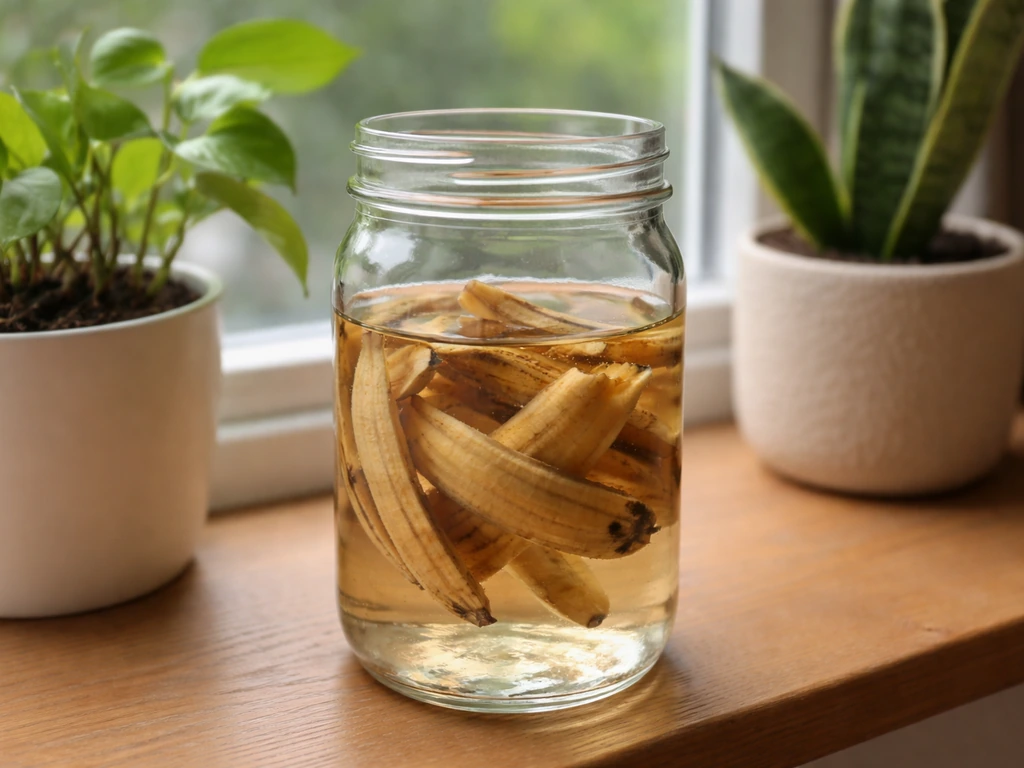
What banana water actually contains
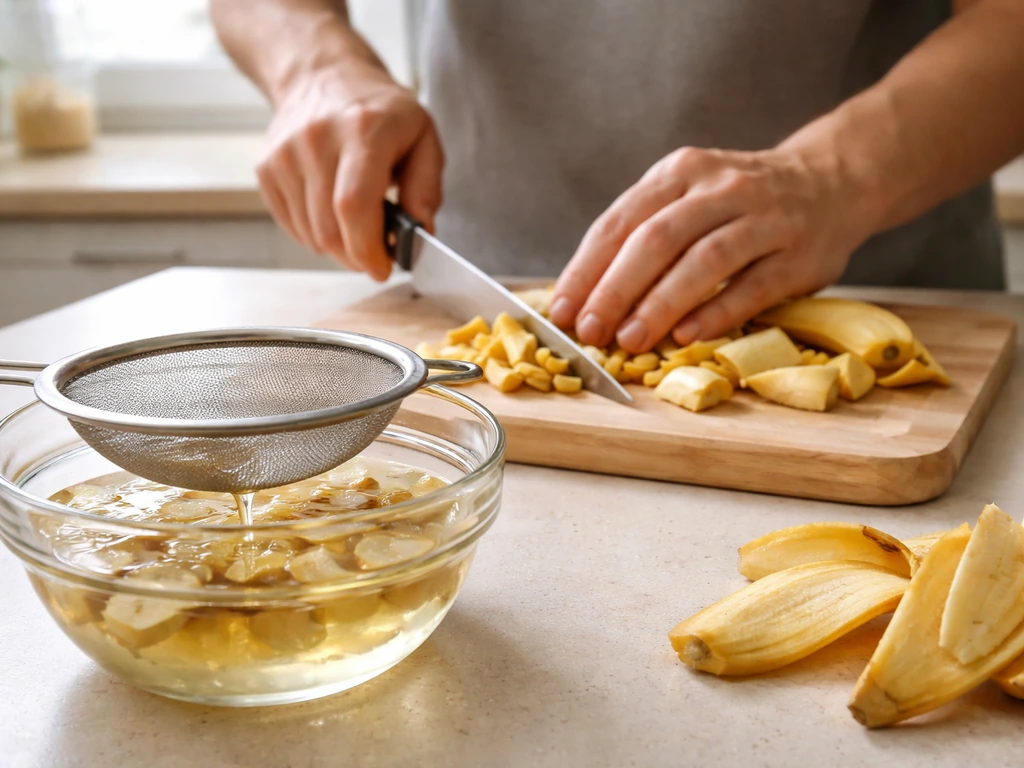
Banana peels are nutritionally interesting in their raw form. They contain potassium, small amounts of phosphorus and magnesium, soluble sugars (ripe peels can have up to around 30% free sugars), oligosaccharides like fructo-oligosaccharides and galacto-oligosaccharides, and structural compounds like cellulose, hemicellulose, lignin, and pectin. That sounds like a lot, and in the peel itself, it is. The problem is what actually makes it into the water when you soak them.
When you steep banana peels in water, only the water-soluble fraction leaches out. In general, water helps plants grow by moving nutrients and moisture from the soil to the roots only the water-soluble fraction leaches out. The structural fiber stays behind. What you end up with is a dilute solution of sugars, some soluble organic compounds, and a modest amount of minerals including potassium. The actual potassium concentration in the resulting water depends on ripeness (riper peels release more), how long you soak, water temperature, and how much peel you use relative to volume. There's no standardized recipe, so every batch is different. You genuinely don't know what concentration you're applying, and that matters more than most people realize.
When banana water might actually help
There are a handful of situations where banana water could provide a marginal, indirect benefit, and being honest about those is more useful than a flat no.
- Container plants in fast-draining or sandy potting mix: potassium leaches quickly under high-watering conditions, and these plants are among the most susceptible to mild potassium deficiency. A dilute supplement, even an inconsistent one, adds something to an otherwise depleted environment.
- Plants not currently on any feeding schedule: if you're doing zero fertilizing, banana water is at minimum adding trace organic matter. That's a very low bar, but it clears it.
- Seedling trays where you want very mild nutrition: the dilute concentration is unlikely to burn tender roots the way a miscalculated commercial fertilizer might.
- As a supplemental watering between fertilizer applications: not a replacement, but an occasional addition that won't hurt if prepared cleanly.
In all of these cases, the benefit is small and indirect. Potassium uptake by plant roots is also heavily influenced by soil moisture, temperature, aeration, and root health, meaning even the potassium that's in the water may not be taken up efficiently. The conditions that govern nutrient uptake are bigger variables than the nutrient source itself.
When banana water won't make a difference
This is the more common scenario. If your plants are already on a fertilizer schedule (even a basic one), adding banana water on top isn't going to push growth in any observable direction. The nutrient contribution is too small and too variable. Extension researchers and horticulturalists who've looked at peel-soaking consistently point out that composting or burying scraps delivers nutrients far more efficiently than steeping water ever will.
Banana water also won't fix a confirmed potassium deficiency. Classic potassium deficiency shows up as interveinal chlorosis that progresses toward leaf edge scorch, and if you're seeing that, the plant needs a measured, bioavailable potassium source, not a dilute infusion of unknown concentration. Pouring banana water on a deficient plant is like trying to refill a car's oil with an eyedropper. The direction is right, the delivery is wrong.
Similarly, if the real issue is poor light, compacted soil, overwatering, or root-bound conditions, banana water changes nothing. Those are the actual drivers of plant health. The kitchen-scrap-as-plant-food folklore persists because we want to reduce waste and give our plants something extra, which is a genuinely good instinct. But the biology doesn't care about the instinct.
What actually works instead
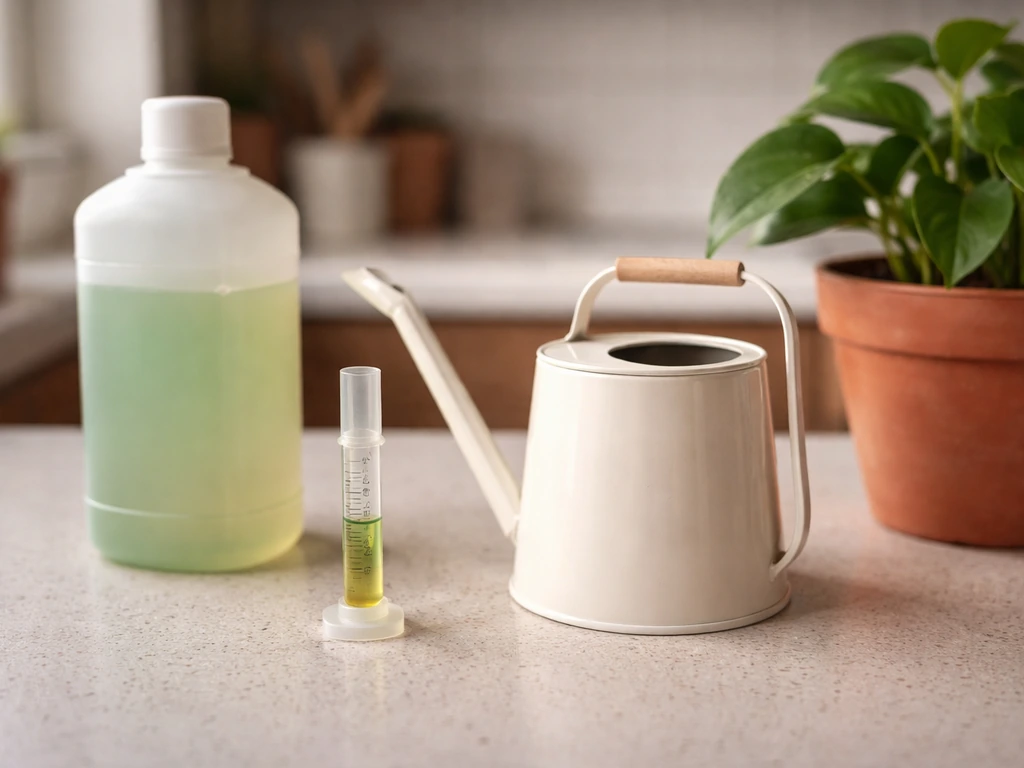
If you want to reliably improve plant growth, these approaches are backed by real data and consistent outcomes.
| Approach | What it does | Best for | Practical note |
|---|---|---|---|
| Balanced liquid fertilizer (e.g., 10-10-10 or houseplant-specific blend) | Delivers measured N-P-K in plant-available form | Most houseplants and container gardens | Apply monthly at diluted rate in growing season per label |
| Compost worked into soil | Improves soil structure, feeds soil biology, slow-releases nutrients | Garden beds and repotting mixes | University of Illinois guidance recommends specific application rates by use case |
| Slow-release granular fertilizer | Consistent nutrient delivery over weeks to months | Outdoor beds, low-maintenance setups | Follow soil test results if possible to avoid over-application |
| Soil testing + targeted amendment | Identifies actual deficiencies for precise correction | Any situation where deficiency is suspected | Removes guesswork entirely; potassium deficiency needs measured K sources |
| Composting banana peels directly | Peel nutrients enter soil through decomposition | Anyone already composting | More efficient than soaking; avoids mold and pest risks |
University of Maryland Extension recommends using commercially labeled indoor plant fertilizers on a consistent schedule rather than homemade infusions, and University of Minnesota Extension emphasizes that fertilizer choices should be driven by actual soil and plant needs. University of Minnesota Extension also notes that the fertilizer you choose should be based primarily on soil test results and plant needs, including nutrients and the speed of delivery. Both of those positions reflect the same core reality: consistency and measurability beat DIY improvisation for plant nutrition.
It's also worth knowing that compost contributes nutrients through mineralization over time, not as an immediate flush. CSU Extension puts the nitrogen mineralization rate from compost-amended soil at roughly 0.2 lb per 100 sq ft per year when organic matter is in the 4 to 5% range. That's slow and steady, which is exactly how healthy soil works. If you want to use banana peels beneficially, toss them into a compost bin. The nutrients get there eventually, in a form plants can actually use.
How to try banana water today if you want to test it
If you're curious and want to run a practical experiment rather than take anyone's word for it, here's how to do it sensibly without risking your plants.
- Use one or two ripe banana peels (riper releases more soluble nutrients). Chop or tear them into smaller pieces to increase surface area.
- Soak in about one liter of room-temperature water for 24 to 48 hours. Don't go longer; microbial activity increases significantly past that window.
- Strain out all peel material completely. Don't leave any organic matter in the liquid.
- Dilute the strained liquid 50/50 with plain water before applying. This reduces any risk of sugar concentration or mild acidity affecting roots.
- Apply to the soil of one or two plants only, not your whole collection. Keep a comparison plant that gets regular water only.
- Apply no more than once every two weeks, and continue your normal fertilizer schedule on the test plants.
- Watch for four to six weeks. Note any changes in leaf color, new growth rate, or overall vigor compared to your control plant.
Realistically, you are unlikely to see a dramatic difference. But running a small side-by-side test is the most honest way to evaluate it for your specific plants and conditions. Dew can help plants grow, but its impact depends on factors like plant type, humidity, and whether it provides enough moisture to the roots. If you do notice a positive change, it's more likely the result of the regular watering attention than the banana compounds. If you notice negative changes, stop immediately and check the troubleshooting section below.
Troubleshooting the real risks
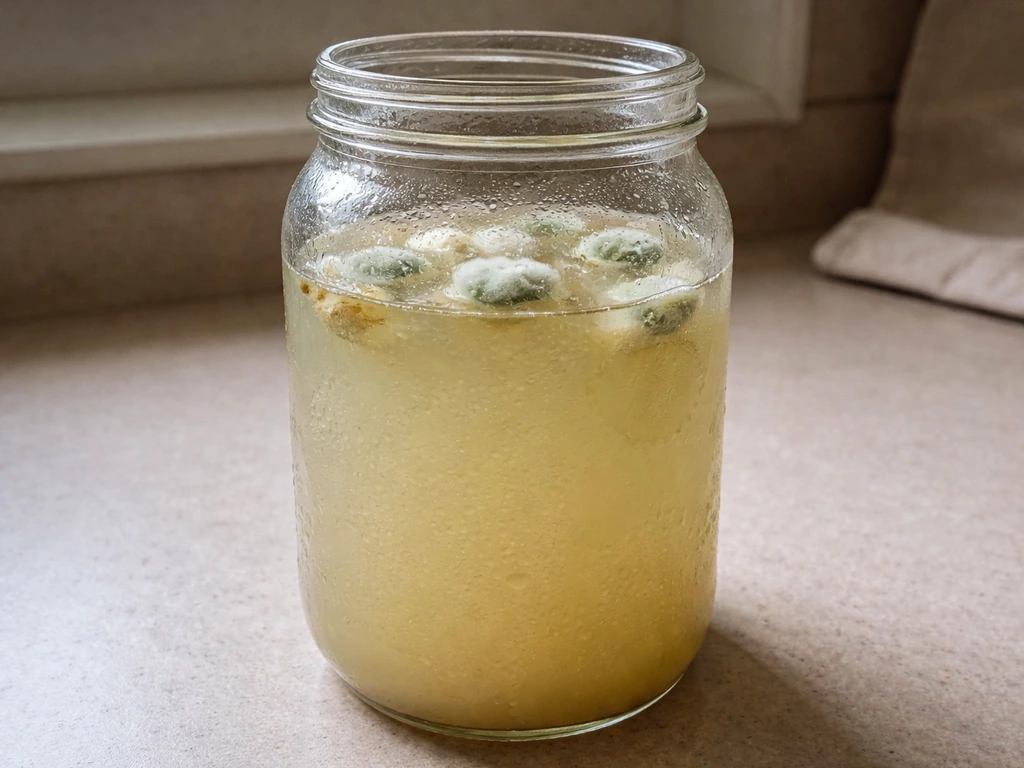
Banana water isn't dangerous if you prepare it carefully, but there are several legitimate failure modes that gardeners run into, and knowing them upfront saves your plants.
Mold and bacterial growth
Soaking banana peels in warm water for too long creates a sugar-rich environment that bacteria and mold love. USDA-ARS research has shown that additives and organic materials in DIY brews can actively promote pathogen growth. University of Arizona Extension and UConn Extension both flag pathogen risks (including coliform bacteria and Salmonella) in organic plant teas, particularly relevant if you're growing food crops.
UConn Extension, citing USDA ARS microbiologists, notes that ingredients commonly added to compost tea can promote the growth of bacteria that cause human illness, including Salmonella and E. coli [pathogen risks (including coliform bacteria and Salmonella)](https://soiltesting. cahnr. uconn.
edu/compostcompostteaandmanure/). Keep steeping time under 48 hours, refrigerate the water if you're not using it immediately, and use it within a day of straining. If it smells sour, fermented, or wrong, throw it out.
Fungus gnats and fruit flies
Applying sugary organic water to your soil is an open invitation to fungus gnats and fruit flies. These pests lay eggs in moist, organically rich soil, and their larvae can damage roots. If you're already dealing with fungus gnats, don't use banana water at all. If you're testing it preventively, make sure you're not applying to the surface and letting it pool. Water into the soil directly and let the surface dry between applications.
Odor problems
Fermenting banana water smells. If your preparation has been sitting too long or wasn't strained properly, applying it indoors will make the room unpleasant. This is especially an issue in warm environments. Prepare fresh batches, use immediately, and don't store unstrained liquid.
Nutrient imbalance
Banana water is not a balanced fertilizer. It skews toward potassium and sugars with minimal nitrogen or phosphorus. Applying it frequently as a substitute for balanced fertilizing could theoretically contribute to nutrient imbalance over time, though in practice the concentrations are probably too low to cause this unless you're applying very concentrated batches to small containers. Utah State University Extension warns that uncontrolled fertilizer application rates can cause nutrient toxicity and salt burn, and while banana water is unlikely to hit those thresholds, it's a reminder to think about what you're actually putting in the soil. Keep banana water as an occasional supplement only, never as a primary feed.
For context, if you're also exploring other kitchen and household inputs for plant growth, the evidence picture is similar across most of them: dilute organic inputs (whether banana water, other liquid kitchen scraps, or similar water-based infusions) tend to offer very modest and inconsistent nutritional benefit compared with what good soil, reliable feeding, and appropriate light deliver. This same idea comes up with rain water too, so you might be wondering whether does rain water help plants grow in practice. The fundamentals always win.
FAQ
Does banana water help if I’m growing in containers or pots?
Yes, but you have to treat it like an experiment, not a feeding plan. Use only small amounts, water into the soil (not the leaves), and compare against your usual fertilizer or feeding routine. If you see no improvement in 2 to 4 weeks, the dose is likely too inconsistent to matter.
Can banana water fix a potassium deficiency?
Typically, no. If your plant shows clear potassium deficiency symptoms (interveinal chlorosis progressing toward edge scorch), banana water is too dilute and variable to correct the problem reliably. Use a measured potassium source according to the product label instead.
How often should I apply banana water to plants?
Use it only as a supplement at most, not as a replacement for balanced fertilizer. Because it tends to skew toward potassium and sugars with little nitrogen, repeated use can create an imbalance over time, especially in small containers where nutrients concentrate faster.
How long can banana water be stored before using it?
If you want to try it anyway, keep the batch strict: strain well, refrigerate promptly, and do not keep it beyond about 24 hours for application. Extended soaking increases microbial risk and the chance of mold, fermented odors, and pathogen growth.
Is banana water safe for edible herbs and vegetables?
For food crops, it’s a bad tradeoff. The biggest concern is that homemade organic brews can carry pathogens, and the risk is higher when the mix sits too long or isn’t strained cleanly. If you are determined to use banana peels, compost them and use compost rather than applying the steeped liquid.
Why do I get fungus gnats after using banana water?
Yes, and it is a common reason results are worse. If you apply the liquid to the soil surface and let it pool, you can create conditions that attract fungus gnats and fruit flies. Apply directly to the root zone and let the top layer dry between waterings.
What if my plants look worse after using banana water?
Usually not. Overwatering is more likely than the banana compounds themselves to cause droop, yellowing, or root problems. Banana water is sugary, so if you are already giving too much water, it can compound the issue by staying damp longer and feeding soil microbes that you do not want.
Does the ripeness of banana peels change how effective the water will be?
Temperature and ripeness can change the nutrient release, but there is no dependable way to know the final potassium concentration. If you want a meaningful comparison, keep everything consistent (same peel source, similar ripeness, same water volume, same soak time), or accept that each batch will be different.
Is banana water harmful to plants?
If you prepare it carefully and use it fresh, it is unlikely to be dangerous to healthy non-food ornamentals, but “unlikely” is not the same as “risk-free.” The legitimate failure modes are microbial growth, pest attraction, and nutrient imbalance from frequent use.
When should I stop trying banana water and troubleshoot something else?
If you see no potassium-deficiency symptoms and your main issue is low light, compacted soil, poor drainage, or root restriction, banana water will not address the true constraint. Fix the limiting factor first, then consider targeted feeding.
Next Articles
Does Peeing on Plants Help Them Grow? Myth vs Reality
Does peeing on plants help? Learn myth vs reality, safe dilution tips, salt burn risks, hygiene, and better alternatives
Does Milk Help Plants Grow Faster Than Water? What Science Says
Does milk help plants grow or speed growth vs water? Science, mechanisms, safety risks, and better alternatives.
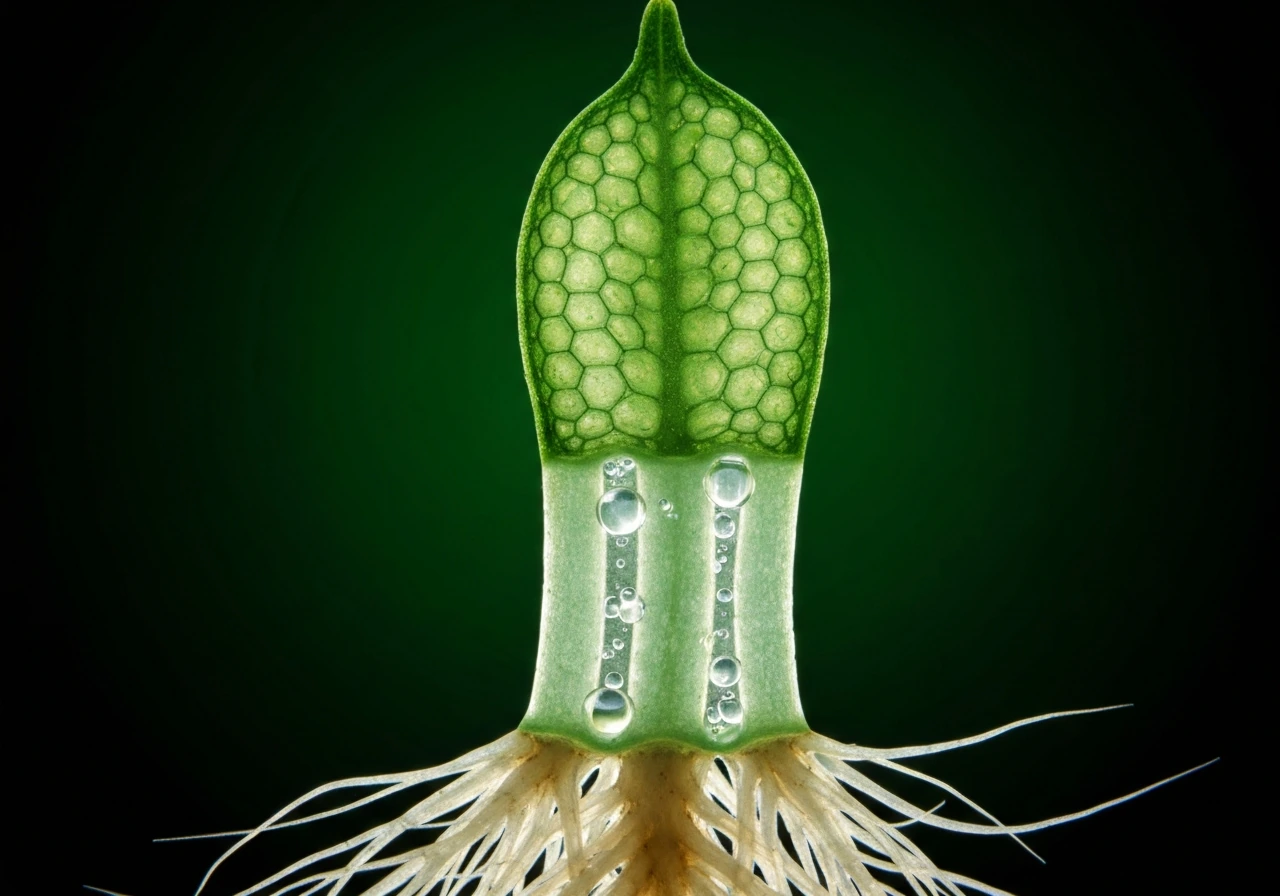
How Does Water Help a Plant Grow? Science and Watering Tips
Learn how water drives photosynthesis, transports nutrients, and keeps cells turgid, plus watering tips, myths, and fixe