Yes, rainwater genuinely helps plants grow, and in most cases it does a better job than tap water. It's slightly acidic (around pH 5. 6), which keeps soil nutrients more soluble and accessible to roots. It carries no added chlorine or fluoride, which can stress sensitive plants.
Does Rain Water Help Plants Grow? Science and Tips

Marcus Holloway
6 May 2026
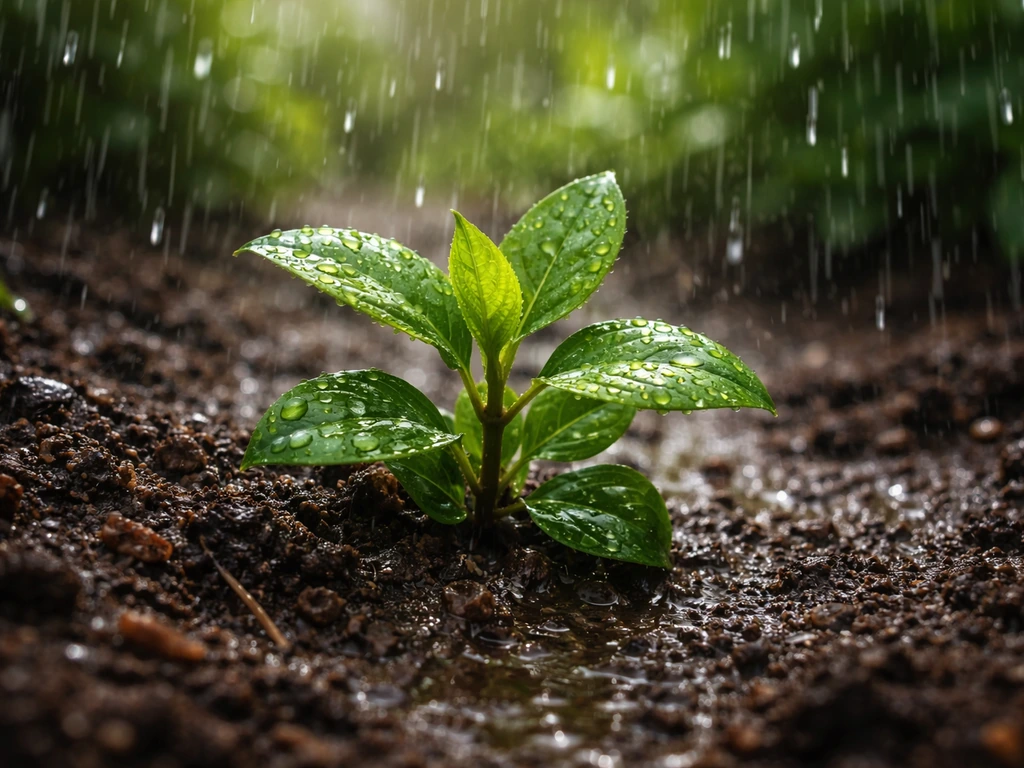
And it arrives without the sodium that softened water leaves behind. Plants visibly perk up after a good rain, and that's not folklore. But rain is also not magic. It can drown roots, spread disease, wash away nutrients, and leave your garden worse off than before if your soil or drainage isn't up to the job.
The honest answer is: rain helps a lot, when conditions are right. Water helps a plant grow by delivering moisture to its roots and supporting key processes like nutrient uptake and photosynthesis.
How rain actually helps plants grow
It delivers water without the baggage
Rainwater is naturally soft, meaning it hasn't picked up calcium, magnesium, or sodium from pipes or water-treatment processes. Penn State Extension has pointed out that softened tap water can actually harm some plants over time due to sodium buildup, and that municipal chlorine and fluoride stress sensitive species. Rain has none of that. For most houseplants and garden beds, a good soaking rain is like a reset button that flushes out any salt accumulation in the soil.
The pH advantage is real
Clean, unpolluted rain sits at around pH 5.6, which is slightly acidic because carbon dioxide in the atmosphere dissolves into falling water and forms a weak carbonic acid. That slight acidity is actually ideal for most garden plants. Penn State Extension notes that water pH and alkalinity directly affect nutrient solubility, meaning the nutrients already in your soil become easier for roots to absorb when the water delivering them is in the right pH range. High-alkalinity tap water can slowly push soil pH upward, locking out iron, manganese, and other micronutrients. Rain doesn't do that.
Rain brings a small but real nutrient boost
As rain moves through the atmosphere, it picks up small amounts of nitrogen compounds, particularly nitrate and ammonium. Research on stormwater runoff confirms that rainfall carries nitrogen in multiple forms, including dissolved organic nitrogen and particulate organic nitrogen. The amounts are modest, not enough to replace fertilizing, but they are a consistent, gentle background input that tap-water irrigation simply doesn't provide. Penn State Extension notes that nitrate in irrigation water should be counted toward a plant's overall fertilization plan, which tells you the input is real even if it's small.
It supports soil structure in ways a hose can't always match
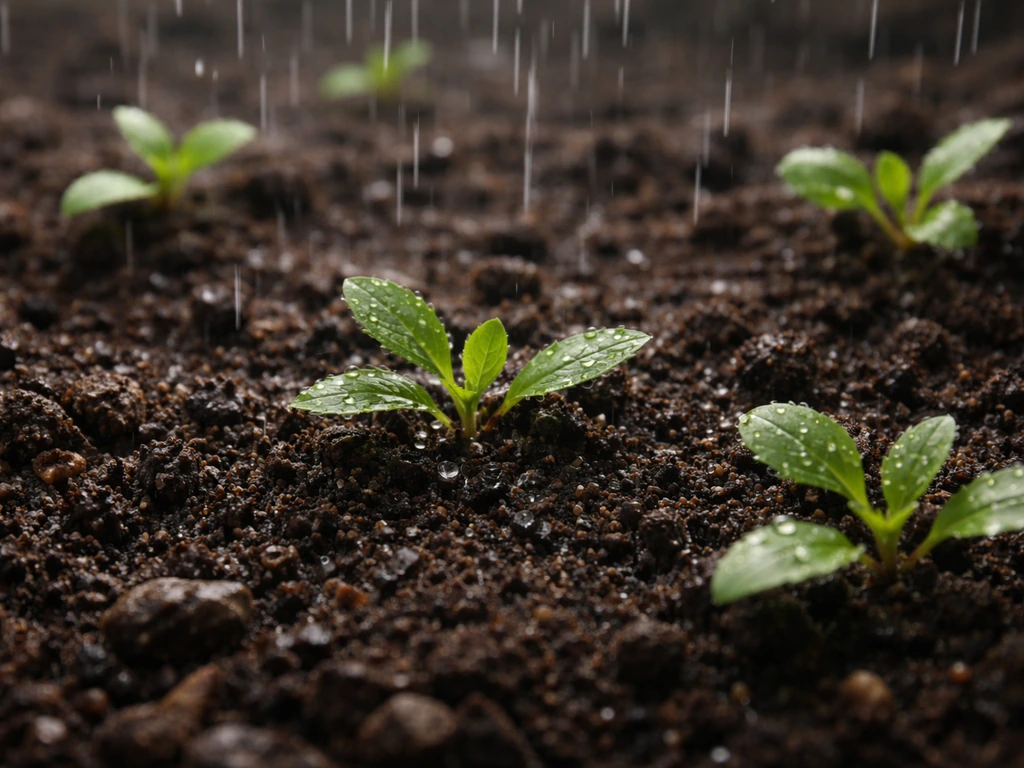
A gentle rain wets soil slowly and evenly, giving water time to move through the pore spaces between soil particles rather than running off the surface. That steady infiltration helps maintain the structure of a healthy soil by keeping both air and moisture present in the root zone. Consistent surface moisture also reduces the formation of hard, hydrophobic soil crusts that form when soil dries completely between waterings and then repels water the next time you irrigate. Rain, especially light and frequent rain, tends to prevent that problem.
When rain helps vs. when it doesn't
Rain is not universally beneficial. The same rainfall event can be a gift for one plant and a death sentence for another, depending on how much falls, how fast it falls, and what kind of soil and drainage the plant is sitting in.
Too much rain: waterlogging and root damage
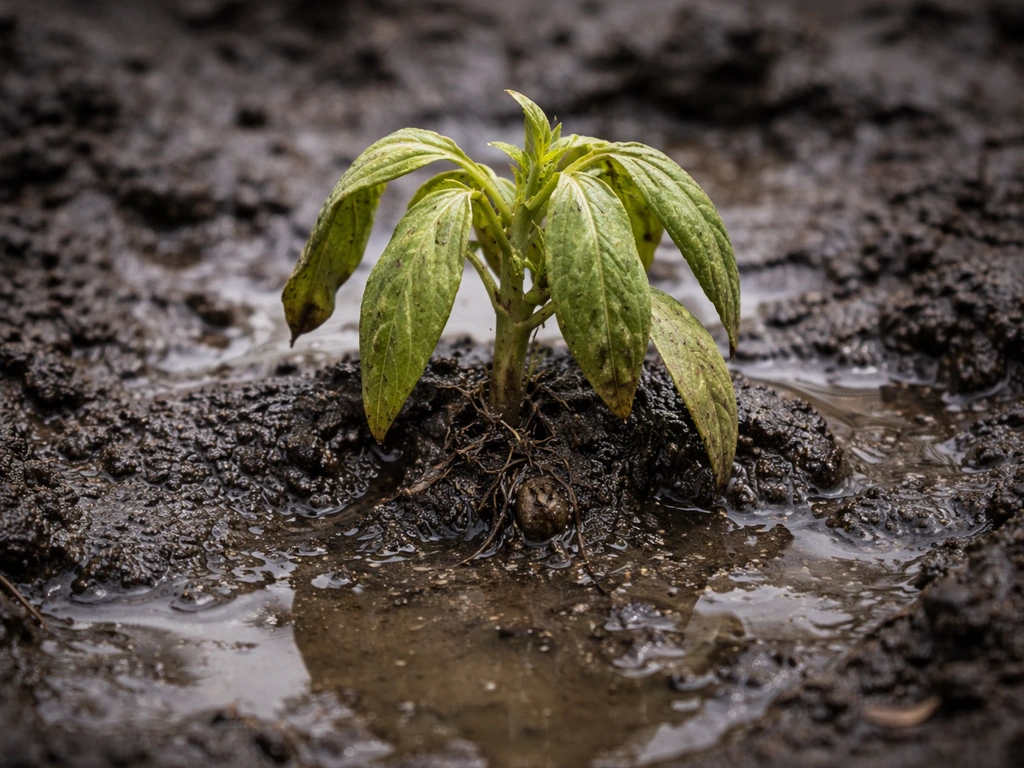
When soil becomes saturated, water fills the air pockets that roots depend on for oxygen. RHS is direct about this: prolonged waterlogging reduces oxygen in soil pore spaces and can effectively drown roots, leading to yellowing leaves, root rot, and plant death. UC IPM describes the same condition as "aeration deficit" and classifies it as a serious, often life-threatening problem. CSU Extension adds that low soil oxygen actually causes root cells to poison themselves through anaerobic respiration byproducts. Heavy, fast-draining soil or raised beds handle rain events much better than compacted clay or low-lying spots where water pools.
Rain and plant disease: the splash effect
Wet foliage is a disease factory. Wageningen University research describes how raindrops hit spore-laden water films on leaves and launch splash droplets that carry fungal spores across the canopy, dramatically accelerating disease spread within a planting. UMN Extension notes that most leaf spot diseases need water on leaves or very high humidity for 12 to 24 continuous hours to establish an infection. UMD Extension goes further, reporting that frequent and heavy rains have directly increased foliar and soil diseases in vegetable crops, particularly when warm temperatures accompany wet weather. If you've ever had a bumper crop of tomatoes decimated by blight in a rainy summer, this is the mechanism behind it.
Too little rain: insufficient for real growth
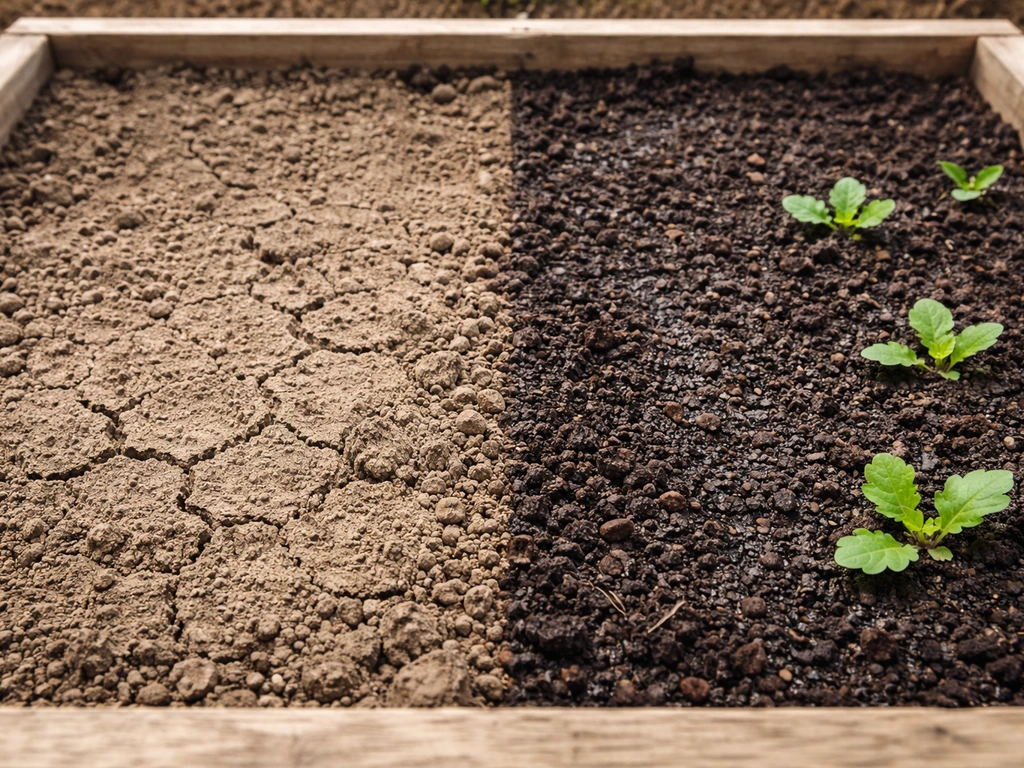
Sparse or inconsistent rainfall rarely delivers enough water to support active growth in most garden plants. A light sprinkle wets the top inch of soil and then evaporates quickly, which can actually pull roots toward the surface as they chase moisture, making plants more vulnerable to drought stress when the next dry spell arrives. If you're relying on rain alone in a variable climate, you need to supplement. There's no way around it.
Plant type matters a lot
RHS notes that many plants tolerate consistently moist soils, but very few survive true flooding or prolonged waterlogged conditions. Mediterranean herbs like rosemary and lavender will rot in wet winters even if the temperatures stay mild. Bog plants, on the other hand, need that constant moisture. Know what your plants actually want before assuming rain is helping them.
| Condition | Rain's Effect | What to Watch For |
|---|---|---|
| Well-draining soil, moderate rainfall | Very beneficial | Normal healthy growth |
| Heavy clay or compacted soil, heavy rain | Harmful | Yellowing leaves, root rot, standing water |
| Sandy or fast-draining soil, light rain | Minimal benefit | Rapid drying, wilting between rains |
| Warm, wet weather on dense plantings | Promotes disease | Leaf spots, blight, mildew |
| Drought-adapted plants, heavy rain | Potentially harmful | Root rot, oedema (blistered leaves) |
| Moisture-loving plants, consistent rain | Highly beneficial | Vigorous growth, deep green color |
How to make the most of rain in your garden
Capture it when it falls
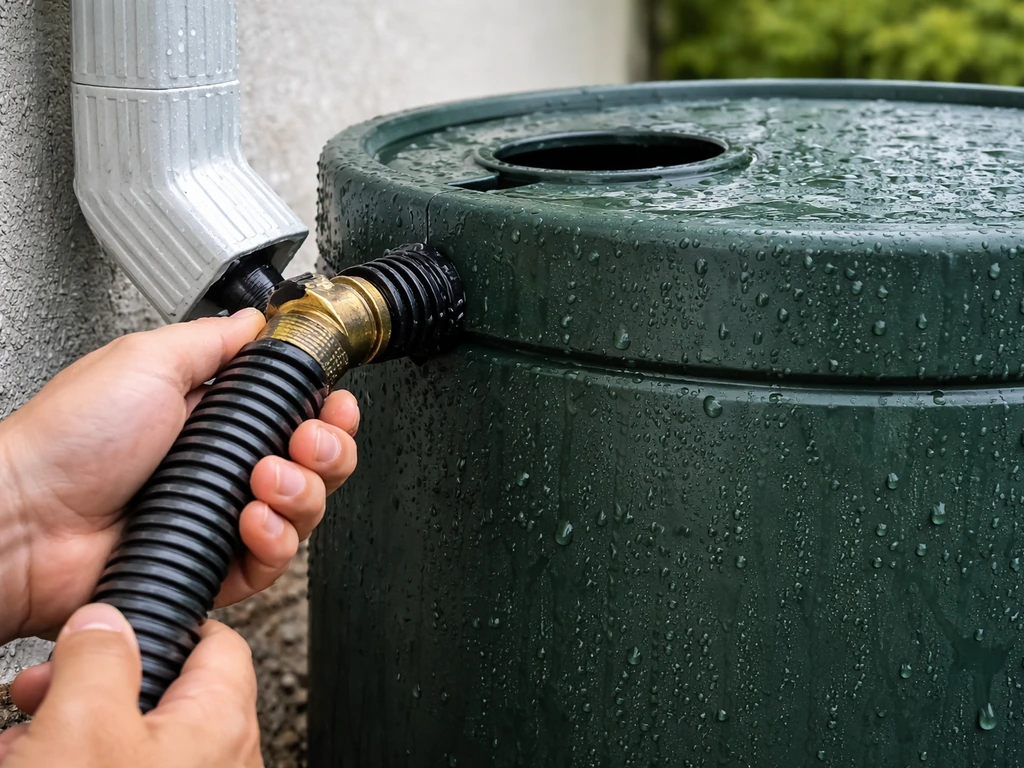
Rain barrels connected to downspouts let you store water between events and use it during dry stretches. UMD Extension recommends using a first-flush diverter on your downspout, which routes the first flow of roof runoff (the most contaminated portion, carrying dust, pollen, bird droppings, and debris) away from your storage tank. OSU Extension and Virginia Tech extension guidance describe first-flush diverters as standard components in any well-designed rainwater harvesting setup. Inlet screens or leaf guards should also filter larger debris before water enters the barrel.
One important safety note that often gets glossed over: UMN Extension and UConn Extension both state clearly that harvested roof water should not contact the edible parts of plants. That means no watering leafy greens from overhead using rain barrel water, even with a first-flush diverter in place. Apply it at the base of plants, or use drip irrigation to keep it off foliage and away from the edible portion entirely.
Redirect runoff to where plants actually need it
Purdue Extension describes how to redirect downspout discharge into rain gardens, swales, or porous landscape areas where it can slowly infiltrate rather than running off to the street. A simple rain garden, even a small shallow depression planted with deep-rooted native plants, can capture roof runoff from a single downspout and let it soak in over 24 to 48 hours. OSU Extension notes that rain gardens should drain fully between events so plants don't sit in standing water. If yours stays wet for longer than that, an underdrain pipe can help move water through more reliably.
Mulch is the single best way to preserve rain's benefits
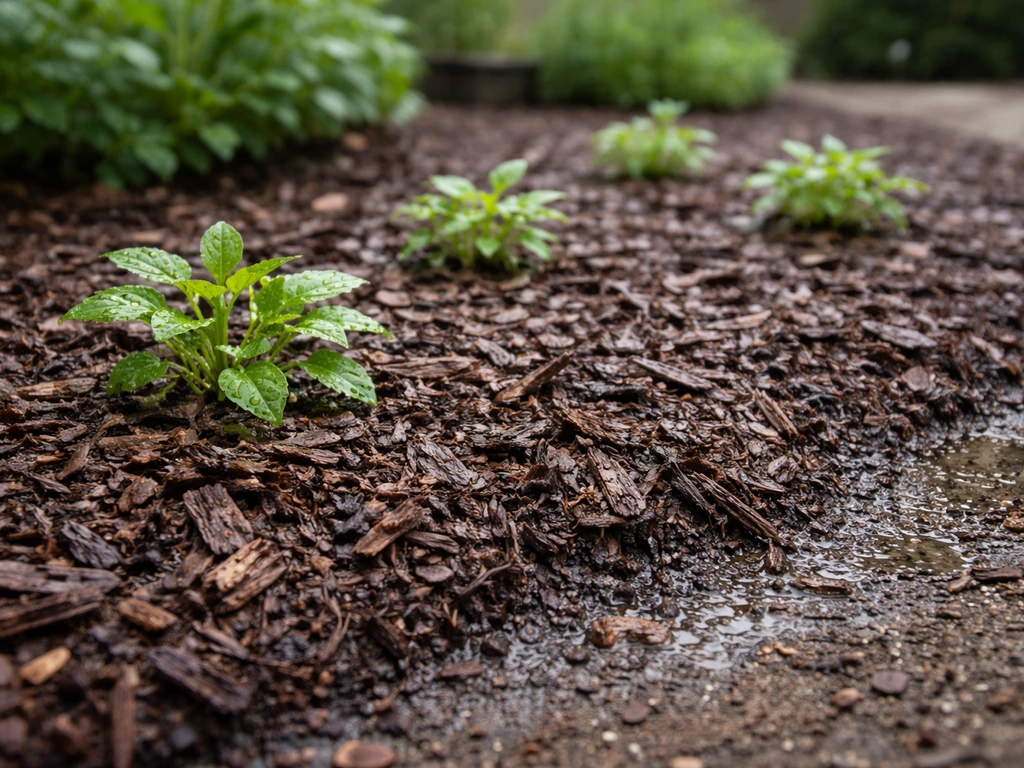
A 2 to 3 inch layer of organic mulch around your plants does several things at once: it slows evaporation so the water from a rain event stays in the root zone longer, it cushions the impact of heavy raindrops on bare soil (reducing both compaction and splash-driven disease spread), and as it breaks down it improves soil structure and water retention. If you do nothing else after reading this article, mulch your beds. It genuinely amplifies the benefit of every inch of rain you receive.
Improve drainage before the next big rain hits
If your soil waterlogged last season, that's a sign to act now rather than waiting for the problem to repeat. Incorporating compost into compacted beds opens up pore space. Raised beds eliminate the issue almost entirely. For established trees and shrubs in low spots, consider installing a French drain or redirecting downspout water away from their root zones. These are not glamorous projects, but they're the difference between rain being a benefit and rain causing root rot.
What rain can't do (and myths worth dropping)
Rain can't substitute for light
Plants in a shady spot won't start thriving just because they're getting good rainfall. Photosynthesis depends on light, and no amount of perfect water chemistry compensates for inadequate light. If your plants are leggy, pale, or barely growing despite regular rain, check the light first.
Rain is not a fertilizer replacement
Yes, rain brings trace nitrogen. But the amounts are nowhere near what a growing plant needs. A productive vegetable garden or heavy-feeding shrub needs a deliberate fertilization strategy. Counting on rain to feed your plants is like counting on airborne crumbs to feed yourself. The nitrogen input from rain is a supplement, not a source.
Rainwater doesn't fix poor soil on its own
Switching from tap water to harvested rainwater won't rescue plants struggling in compacted, nutrient-depleted, or pH-imbalanced soil. Water quality is one variable among many. If your soil is the problem, better water is a very small improvement compared to what proper amendments would do.
More rain is not always better
RHS documents oedema, a condition where roots absorb more water than leaves can transpire, causing blistered or corky patches on foliage. This happens after heavy rain, especially on succulents, pelargoniums, and other plants that evolved in drier conditions. Overwatering by rain is as real as overwatering by hose. Some gardens need protection from excessive rainfall as much as they need irrigation during dry periods.
Collecting rainwater isn't automatically clean or safe for all uses
Roof runoff picks up whatever is on your roof: moss, bird droppings, algae, dust, and depending on your roofing material, metallic compounds. An ACS Environmental Science and Technology study confirmed that first-flush roof runoff carries the highest concentrations of heavy metals, nutrients, and other contaminants. OSU Extension notes that roofs with moss or flatter pitches may concentrate contaminants even more because water moves more slowly across them. Use a first-flush diverter, don't skip it because it seems fussy, and keep barrel water off edible above-ground parts.
Your plants are getting rain but still struggling, here's where to look
If plants aren't responding to rainfall the way you'd expect, work through this checklist before assuming the problem is lack of water.
- Yellowing lower leaves after wet weather: suspect waterlogging and poor drainage, not a nutrient deficiency. Dig down a few inches and see if the soil feels saturated or smells sour.
- Leaf spots or powdery patches appearing after rainy periods: this is almost certainly fungal. Improve air circulation, avoid overhead watering, and consider a copper-based or sulfur-based fungicide if the problem is severe.
- Plants wilting despite recent rain: counterintuitively, this can be root rot. Waterlogged roots can't take up water even when it's abundant. Check the root zone for brown, mushy roots.
- Stunted growth with adequate rain and light: test your soil. Nutrient deficiency or pH imbalance is the likely culprit. Rain alone won't fix a soil that's locking out the nutrients plants need.
- Blistered or corky patches on leaves after heavy rain: this is oedema, most common in succulents, tomatoes, and pelargoniums. It's a water uptake imbalance, not a disease, and it resolves on its own once conditions dry out.
- Rain runs off the surface instead of soaking in: your soil is either compacted or has become hydrophobic. Aerate, add compost, and apply mulch to help the next rain actually reach the roots.
- Overall poor performance despite seemingly good conditions: step back and audit light, soil quality, drainage, and nutrient inputs together. Rain is one piece of the puzzle, not the whole picture.
Rain is genuinely good for your garden in most situations, and if you're curious how it compares to other water sources people experiment with, topics like dew, banana water, or even milk and urine as plant inputs are worth exploring separately. If you're curious whether pee on plants can help, it's usually not as reliable or safe a strategy as sticking with rain (and good soil conditions) for real growth.
If you're wondering about dew specifically, it can help in limited situations, but it won't replace real watering or address nutrient needs dew help plants grow. Does banana water help plants grow? It can be different from plain water, but the best results still depend on how you use it and what your plants actually need.
Some gardeners wonder if does milk help plants grow, but the results depend on how it is used and whether it causes problems like odor or salt buildup milk and urine as plant inputs. Urine is sometimes mentioned as a plant fertilizer, but it needs careful handling because it can burn plants and harm soil if used incorrectly milk and urine as plant inputs.
But the core takeaway here is practical: make your soil ready to receive rain, protect your plants from too much of it, capture what you can for dry spells, and don't ask rain to do jobs that belong to light, nutrients, and good soil management.
FAQ
If rain helps plants grow, why do some plants look worse after a storm?
Two common causes are root oxygen loss (especially in compacted soil or low spots) and leaf-disease pressure from long periods of wet foliage. If you notice yellowing and mushy or brown roots, prioritize drainage and aeration. If you see spots or rapid spread across leaves, focus on reducing leaf wetness and improving airflow.
Does it matter whether the rain is acidic or alkaline for plant growth?
Yes. Most gardens do fine with normal rain pH, but long stretches of rainwater plus naturally alkaline soil can still keep micronutrients like iron less available. If new growth is pale while veins stay greener, test soil pH and nutrient levels rather than relying on rainwater to “fix” it.
Can rain replace fertilizer if my garden gets frequent storms?
Usually no. Rain adds small amounts of nitrogen, but it typically cannot meet crop demand for nutrients like phosphorus and potassium or the overall nitrogen rate for heavy feeders. A practical approach is to count rain as a minor nitrogen input, then fertilize based on soil test results and plant needs.
Is there a best way to use rain barrels so they actually help plants?
Yes, apply barrel water at the soil line or use drip irrigation, and use a first-flush diverter plus a screen or leaf guard to reduce roof debris entering the tank. Also, don’t store water for too long without covering it, because warm, stagnant water can attract mosquitoes and degrade water quality.
Should I worry about roof runoff contaminating plants?
If water reaches edible portions, it matters. Harvested roof water should not contact leafy greens or any edible plant parts above ground. Even with a first-flush diverter, treat roof runoff as potentially contaminated and keep it directed to the root zone only.
How can I tell if rain is giving my soil enough oxygen, not just moisture?
Look for signs after storms. Rapid wilting despite wet soil, yellowing, and stunted growth suggest aeration problems. The quick diagnostic is to check whether water stands at the surface for more than about a day, and to probe the soil for smell and compaction, which both correlate with low oxygen.
Does light rain help more than heavy rain?
Often, yes. Light rain or frequent showers can infiltrate more evenly, reducing runoff and giving roots steadier moisture. Very heavy downpours are more likely to cause splash-borne disease and surface crusting or runoff, especially on bare, compacted ground.
Why does my soil get hard or repel water after some dry spells, even when it rains?
That’s commonly hydrophobic crusting or poor infiltration. Mulch helps by cushioning raindrop impact and improving water retention. For persistent issues, incorporate compost or core-aerate so pores can reconnect and water can move into the root zone instead of beading up.
If plants are not responding to rain, what should I check first besides watering?
Check light and drainage before assuming water is missing. If plants are leggy, pale, or barely growing, insufficient light is a frequent culprit. If water sits or the bed floods after rain, improve soil structure (compost, aeration) or use raised beds and underdrains.
Is there a safe way to protect plants during periods of too much rain?
Yes. For vegetables and plants prone to leaf diseases, you can use temporary covers to keep foliage drier, stake plants to improve airflow, and avoid overhead rain barrel application. If your area often floods, focus on long-term fixes like raised beds, French drains, or rerouting downspouts.
Next Articles
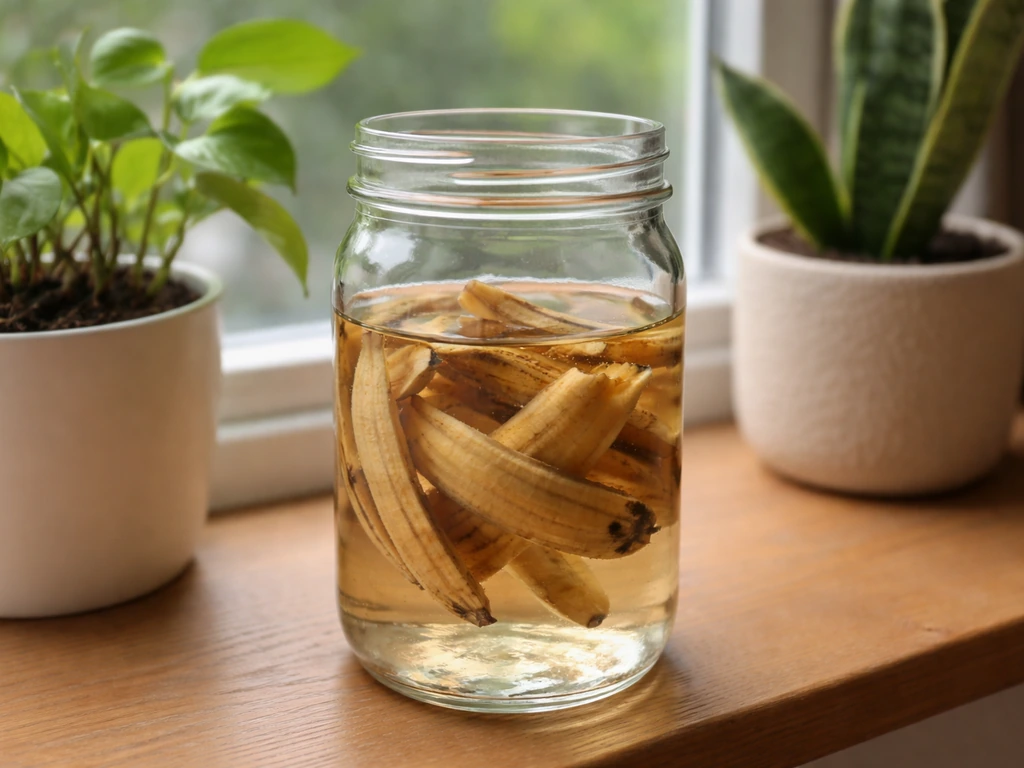
Does Banana Water Help Plants Grow? What to Know Now
Does banana water help plants grow? Learn what it provides, when it helps a little, and better feeding options.
Does Peeing on Plants Help Them Grow? Myth vs Reality
Does peeing on plants help? Learn myth vs reality, safe dilution tips, salt burn risks, hygiene, and better alternatives
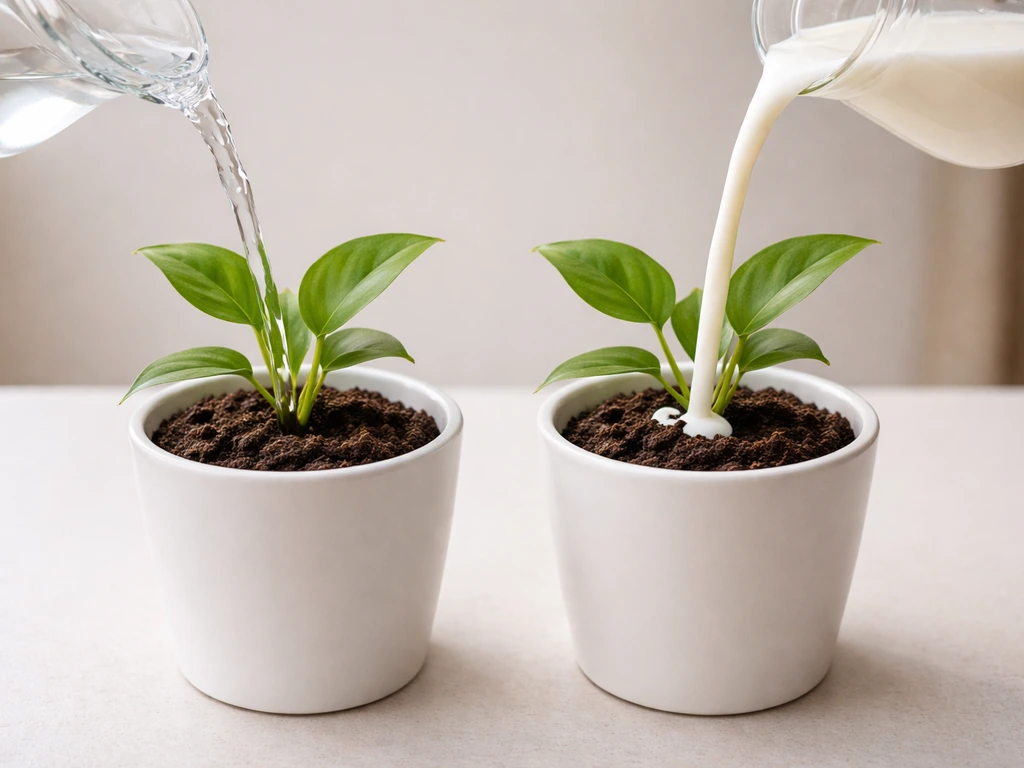
Does Milk Help Plants Grow Faster Than Water? What Science Says
Does milk help plants grow or speed growth vs water? Science, mechanisms, safety risks, and better alternatives.