The things that genuinely move the needle for indoor plants are light (intensity and spectrum), water (timing and method), a well-draining potting mix, the right nutrients at the right time, and stable environmental conditions like temperature and humidity. Using the right plant products supports healthy growth by improving key inputs like light, water, soil, and nutrients the right nutrients at the right time. That's it. Everything else, including the folklore about talking to your plants or playing them music, is a distant second at best. If you get those five levers right, your plants will grow. If even one of them is badly off, no amount of extra effort on the others will fully compensate.
What Helps Indoor Plants Grow: Light, Water, Soil Tips
Marcus Holloway
2 Jun 2026
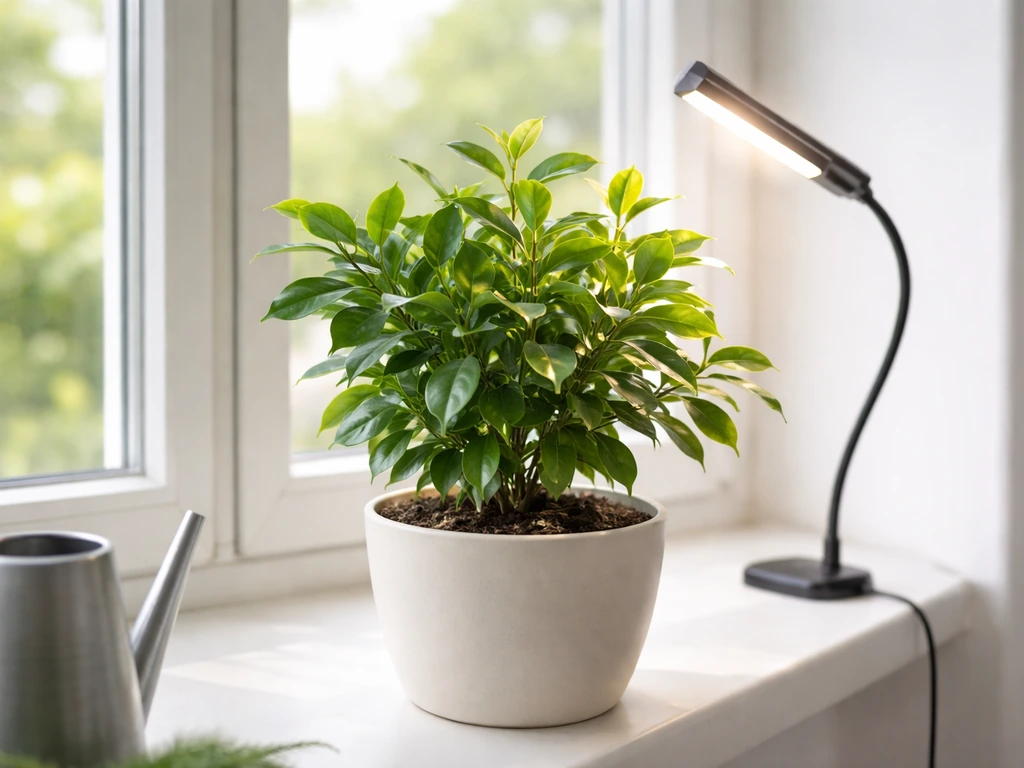
The real basics that control indoor growth
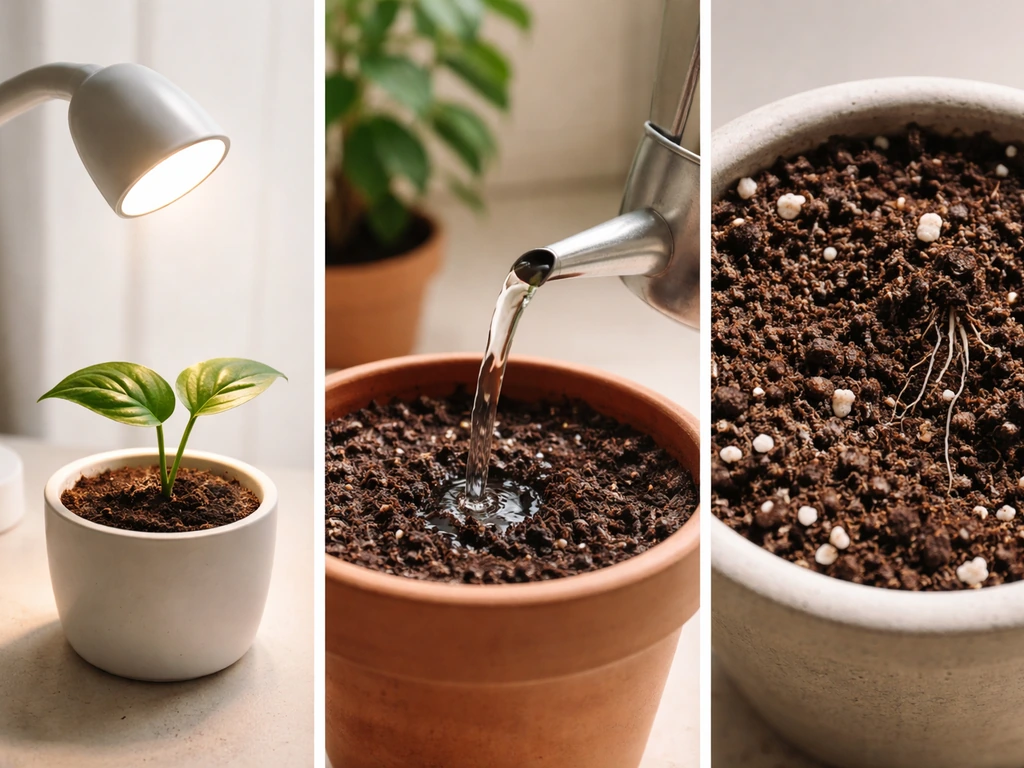
Indoor plants live in a fundamentally different world from outdoor ones. They can't chase the sun, they're stuck in a fixed volume of soil, and they depend entirely on you for water and nutrients. That changes everything about how you care for them. The biggest mistake most people make isn't neglect, it's applying outdoor gardening intuition to an indoor environment where the rules are different. A plant that thrives in your garden with weekly watering might rot indoors with that same schedule because evaporation, airflow, and root volume are all different.
Start by thinking of your role as managing five systems simultaneously: light, water, growing medium, nutrients, and environment. When a plant struggles, the answer is almost always found in one of those five places. Before you reach for a new product or try a folk remedy, run through each one systematically. This diagnostic mindset will serve you far better than any single tip or trick.
Light indoors: placement, intensity, and the spectrum that actually matters
Light is the single most limiting factor for most indoor plants, and it's the one people most consistently underestimate. Your eyes adapt to dim rooms and make them feel bright. Your plants don't adapt. What feels like a sunny spot to you might be genuinely inadequate for photosynthesis.
Plants use a specific portion of the light spectrum called Photosynthetically Active Radiation, or PAR. It's composed primarily of red and blue wavelengths. Red light drives photosynthesis and stem elongation. Blue light controls leaf development and compact growth. Standard incandescent bulbs deliver very little of either in useful quantities, which is why they're not a real substitute for natural light or purpose-built grow lights.
Light intensity is measured in foot-candles (FC) or PPFD (photosynthetic photon flux density). For practical purposes, most common houseplants, including Chinese evergreen, rubber plants, dracaena, and Norfolk Island pine, need somewhere between 100 and 500 foot-candles to grow well. That's considered medium to medium-bright light. Distance from the source matters enormously: PPFD drops off sharply as you move a plant away from a window or grow light. A plant two feet from a south-facing window gets dramatically more light than one four feet away. This is one reason leggy, stretched growth is so common in indoor plants. They're reaching for more light than they're getting.
Practically speaking: put plants as close to your brightest windows as possible without burning them. South and west-facing windows in the Northern Hemisphere offer the most intensity. If natural light is limited, a full-spectrum LED grow light with both red and blue output is genuinely useful, not a gimmick. Run it 12 to 16 hours a day and position it within 12 to 24 inches of the plant depending on the fixture's output. A simple timer makes this effortless.
Watering correctly: how to know when and how much
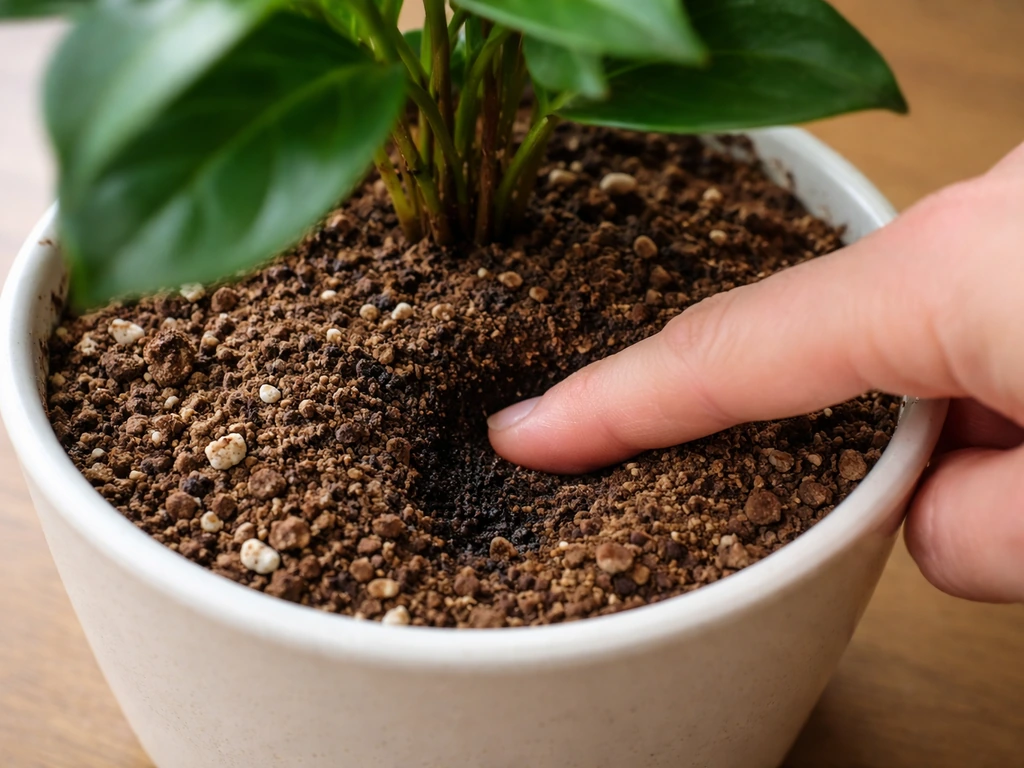
Overwatering kills more houseplants than anything else. But "overwatering" doesn't just mean watering too often. It means watering before the plant actually needs it, which keeps the root zone saturated and cuts off the oxygen roots need to function. Roots need air just as much as they need moisture. When a potting mix stays soggy, roots suffocate and rot, and the plant declines fast.
The most reliable way to know when to water is to check the soil directly. Push your finger about two inches into the potting mix. If it still feels moist, wait. If it feels dry at that depth, water thoroughly. For pots where the root ball is too dense to probe easily, use a wooden skewer or popsicle stick. Push it in, pull it out, and check what clings to it. Wet soil clings and looks dark. Dry soil is powdery and barely sticks. Another quick check is to lift the pot. A dry pot feels noticeably lighter than a freshly watered one. After a few weeks with a specific plant and pot combination, you'll calibrate quickly.
When you do water, do it thoroughly. Water until it drains freely from the bottom of the pot, then let it drain completely. Don't let the pot sit in standing water unless you're intentionally using the bottom-watering method, where you set the pot in a tray of water and let the mix absorb it upward. Bottom watering works well for plants prone to crown rot or for very dry root balls that have pulled away from the pot walls. Either method works. The key in both cases is making sure you're not leaving roots sitting in pooled water for hours.
Soil and potting mix: what to use and what to avoid
Never use garden soil in pots. It compacts, drains poorly, and can introduce soilborne diseases. Most quality potting mixes are soilless by design, typically built around peat moss or coco coir combined with perlite or vermiculite. Perlite provides drainage and aeration. Vermiculite retains a bit more moisture. Together they keep the mix loose, which means large enough pore spaces for water to drain through and air to reach roots.
A compacted growing medium is one of the most underdiagnosed problems in indoor plant care. Over time, organic components in potting mix break down, pores close up, and drainage slows. Water starts pooling on the surface or running down the edges of the pot without actually wetting the root zone. If your potting mix is more than a year or two old, or if water drains unusually slowly, it's probably time to repot with fresh mix.
For most tropical houseplants, a standard peat- or coco-based mix with added perlite works well. For succulents and cacti, go heavier on the perlite or buy a dedicated cactus mix that drains extremely fast. For moisture-loving plants like ferns, a mix with more organic matter and vermiculite helps retain water without becoming waterlogged. Matching the mix to the plant's natural habitat is the simplest way to get this right.
Fertilizing and nutrients: when to feed and what to look for
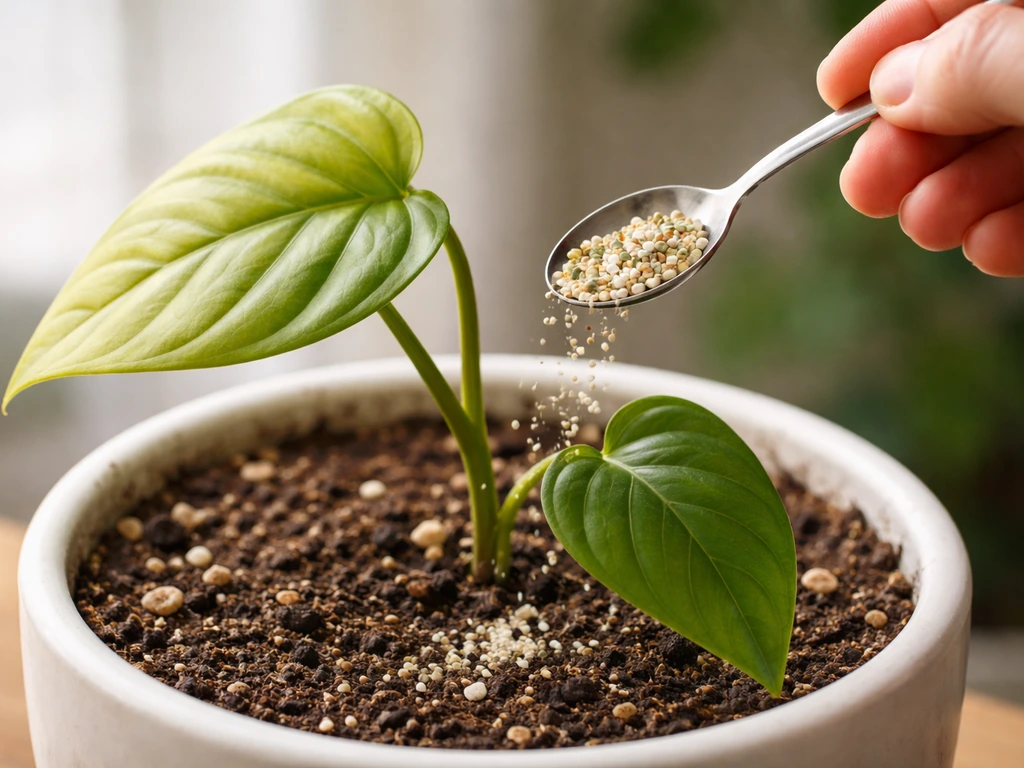
Fresh potting mix contains some nutrients, but they deplete over time, especially with regular watering. That's when fertilizer earns its place. The three primary macronutrients are nitrogen (N), phosphorus (P), and potassium (K), shown on any fertilizer label as three numbers like 10-10-10 or 20-20-20. Nitrogen drives leafy, vegetative growth. Phosphorus supports root development and energy transfer. Potassium regulates overall plant health and water movement.
Nitrogen deficiency is the most common one you'll see indoors. It shows up as slow or stunted growth combined with pale yellow-green coloration across the whole plant. Potassium deficiency looks different: the leaf margins turn bright yellow while the rest of the leaf stays relatively green. Phosphorus deficiency causes weak, stunted growth and can slow overall development. If you see any of these symptoms in a plant that otherwise has good light and proper watering, nutrients are likely the issue.
Timing matters as much as what you use. Most houseplants are not growing actively in winter, so fertilizing during those months often does more harm than good by building up salts in the soil without the plant being able to use them. Start fertilizing in late winter or early spring as growth picks up, and continue through summer. A balanced liquid fertilizer applied at half the recommended dose every two to four weeks during the growing season is a safe, effective approach for most plants.
Environmental conditions: temperature, humidity, airflow, and drafts
Most common houseplants are tropical in origin. They evolved in warm, humid environments and are sensitive to temperature extremes and dry air. Excessively low or high temperatures can stop growth entirely, cause spindly appearance, trigger leaf drop, or damage foliage. Most indoor plants prefer temperatures between about 60°F and 80°F during the day, with slightly cooler nights. Holiday cacti are short-day plants, so they flower when daylight hours decrease, and UMN Extension also notes temperature affects bloom timing. Keep them away from heating and air conditioning vents. Heat registers blast dry, hot air directly onto leaves and dry them out fast. Cold drafts near windows in winter can shock tropical plants even if the average room temperature seems fine.
Humidity is frequently overlooked but genuinely important. Most tropical houseplants prefer humidity levels higher than what a typical home has in winter, when heating systems strip moisture from the air. Cacti and succulents are the main exceptions as they're adapted to dry conditions. For everything else, grouping plants together helps raise local humidity slightly as they transpire. A small humidifier near your plant collection is one of the most effective interventions you can make in winter. Pebble trays with water below the pot offer modest help. Misting is less effective than it sounds because the humidity boost is temporary.
Airflow matters too, though it's easy to forget. Stagnant air encourages fungal problems and pests. A gentle fan running intermittently improves air circulation, strengthens stems slightly through light mechanical stress, and helps soil dry more evenly. Just don't point it directly at plants on high; gentle background circulation is the goal.
Troubleshooting common indoor plant problems and quick fixes
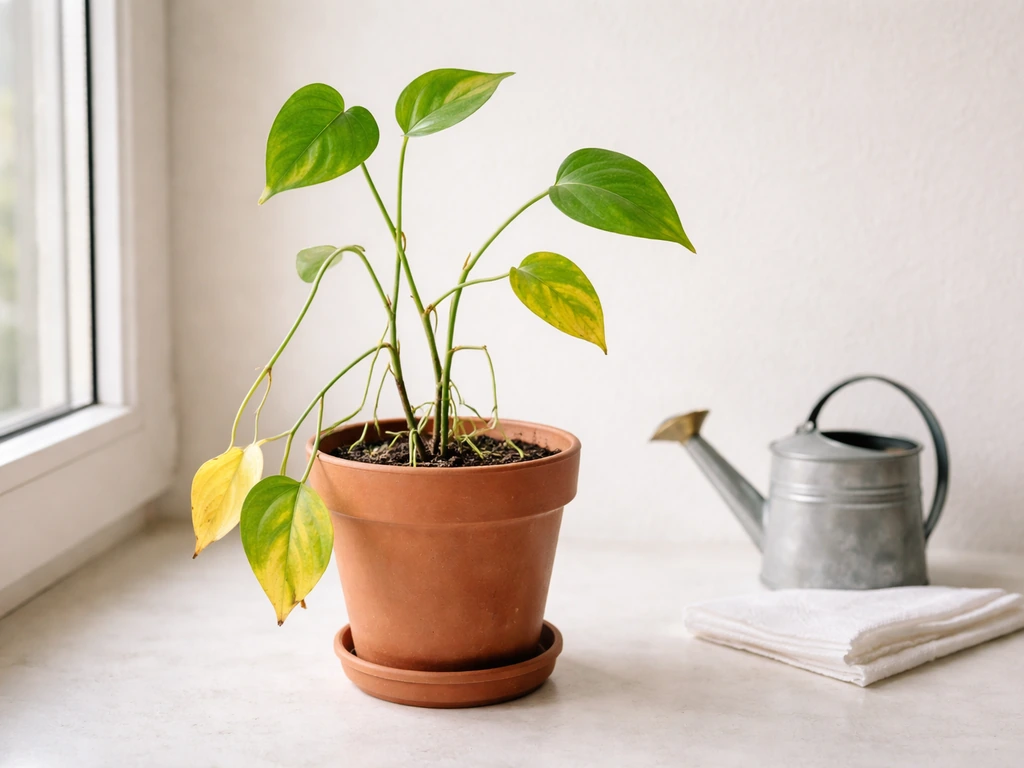
Most indoor plant problems come back to the same five systems. Once you know what each symptom is pointing to, you can fix things much faster than by guessing. Here's how to match symptoms to likely causes and what to do about them.
| Symptom | Most Likely Cause(s) | Quick Fix |
|---|---|---|
| Leggy, stretched growth with long gaps between leaves | Insufficient light | Move plant closer to a bright window or add a grow light within 12-24 inches; ensure 12+ hours of quality light daily |
| Yellowing across the whole plant (all leaves pale) | Nitrogen deficiency or overwatering | Check soil moisture first; if not soggy, apply a balanced liquid fertilizer at half dose; repot if mix is compacted |
| Bright yellow leaf margins, green center | Potassium deficiency | Use a balanced fertilizer with adequate K; flush soil if salts have built up from previous over-fertilizing |
| Drooping or wilting despite moist soil | Root rot from overwatering or compacted mix | Let soil dry out fully; check roots for rot (soft, dark, mushy); repot with fresh well-draining mix if needed |
| Drooping with dry, very light pot | Underwatering | Water thoroughly until it drains from the bottom; ensure the root ball is fully saturated, not just surface-wet |
| Slow overall growth, no new leaves for weeks | Low light, wrong season, or depleted nutrients | Assess light first; if growing season is active, start a light fertilizer routine; check pot size (root-bound plants stall) |
| Brown leaf tips or edges | Low humidity, drafts, or fluoride/salt buildup in soil | Move away from vents and drafty windows; flush soil with water to reduce salt buildup; raise humidity with a humidifier |
| Sudden leaf drop (especially on flowering plants) | Temperature shock or draft exposure | Check for nearby vents, cold windows, or air conditioning; stabilize temperature in the 65-75°F range |
One thing worth saying clearly: a lot of content online suggests that unconventional inputs, like essential oils, specific music frequencies, or other folk remedies, meaningfully help plants grow indoors. If you're wondering, does plantasia help plants grow, the same rule applies: focus on the essentials like light, water, soil, nutrients, and stable conditions. The biology doesn't really support spending much time or money there. The gains, if any, are marginal compared to simply getting light, water, soil, and nutrients right. Companion planting is one simple way to help plants support each other, such as by pairing species with different growth habits and nutrient needs what plants help each other grow. That's not to say curious experimentation isn't fun, but if your plant is struggling, the answer is almost certainly in one of the five core systems, not in what you're spritzing on the leaves or playing through your speakers.
Start with light. It's the most common bottleneck and the most underestimated. Then work through water, mix, nutrients, and environment in order. Fix the obvious problem first before layering on anything else. Most indoor plant issues resolve quickly once the root cause is addressed, and you'll build genuine intuition about your plants by approaching it this way.
FAQ
How can I tell if my indoor plant is not getting enough light versus having a watering or nutrient problem?
If growth is slow and new leaves are smaller or paler while the plant leans or stretches, light is usually the limiter. A true watering issue often shows up as symptoms tied to root health, like yellowing that comes with a mushy or foul-smelling potting mix. Nutrient issues tend to be more patterned (for example, overall pale yellow-green for nitrogen) while the light pattern is usually linked to stem stretching toward the brightest direction.
What’s the best way to position a plant near a window if I don’t know the light strength?
Start with the plant as close to the brightest window as you can without seeing leaf burn or bleaching. If you can’t use a bright window, place a full-spectrum LED closer rather than leaving it far away, because light drops off quickly with distance. Reposition after a couple of weeks based on whether growth becomes more compact and oriented toward the light source.
My potting mix feels dry on top, but I’m unsure if the roots need water. What should I do?
Always check moisture at about two inches down (or use a skewer if the mix is dense). Top-dry conditions are common indoors even when the root zone is still damp. If the two-inch layer is moist, wait and recheck later, otherwise you risk keeping roots saturated.
Can bottom watering fix problems caused by overwatering, or does it create new risks?
Bottom watering can reduce crown rot risk and help when the mix is very dry and pulls away from the pot walls, but it still requires limits. Don’t leave the pot sitting in water for long periods, and empty any excess from the tray after the mix has had time to absorb. Otherwise, the root zone can remain waterlogged.
How often should I repot, and what signs mean it’s urgent?
Repot when drainage slows, water pools on the surface, or water runs down the edges instead of soaking the center. Mix breakdown can happen faster if your home runs warm and the plant is watered frequently, so don’t wait strictly on a calendar. When in doubt, do a drainage test by watering once and timing how quickly the pot drains and resaturates evenly.
What fertilizer strength should I use if my plant came with an unknown or old potting mix?
If you suspect the mix is older or has salts, start conservative, like using half the recommended dose and staying within the plant’s active growing period. If the plant is not actively putting out new growth, delay fertilizing since nutrients can accumulate when uptake is slow. After you restart feeding, adjust only after you see new growth, not just leaf color changes.
How do I avoid fertilizer buildup when I’m trying to be consistent?
Use the stated schedule and dose, and ensure you water thoroughly so excess drains out the bottom. Occasional runoff helps flush salts that otherwise accumulate in the pot. If you notice crusty white residue on the soil surface or the pot rim, pause fertilizing and focus on flushing with plain water.
What humidity level is “good enough” for most tropical indoor plants?
Most tropical plants prefer meaningfully more humidity than typical heated indoor air in winter, and grouping plants can raise local humidity slightly. If you live in a dry winter climate and leaves are crisping at the edges, that’s a hint you need a humidifier near the collection. Skip misting as your primary strategy because the boost fades quickly.
Is airflow beneficial for all plants, or can it stress them?
Gentle, indirect background airflow is helpful because it reduces fungal conditions and helps soil dry more evenly. Avoid blasting plants directly with a fan, especially on high, since strong airflow can accelerate drying and leaf stress. If leaves show browning at the edges while soil is drying rapidly, reduce direct airflow.
What’s the most common reason indoor plants die even when I water “correctly”?
Root-zone oxygen loss is often the hidden cause, meaning the mix stays soggy or drainage is too slow. Another frequent culprit is using garden soil, which compacts and drains poorly indoors. If your plant struggles despite your watering schedule, examine the pot and mix for poor aeration and consider repotting into a well-draining soilless mix.
Do essential oils or other leaf sprays ever help indoor plants grow reliably?
In most cases, they don’t address the limiting factors like light, root-zone moisture, drainage, and nutrient availability. Sprays can also leave residues that affect leaf surface and, depending on the substance, can irritate foliage. If a plant is struggling, use diagnostics across the five core systems first, then only consider leaf-related products as a secondary, low-priority experiment.
Next Articles
What Essential Oils Help Plants Grow and What Works
Learn which essential oils might help plants via microbes, plus safe, very dilute use tips and why light, soil matter mo
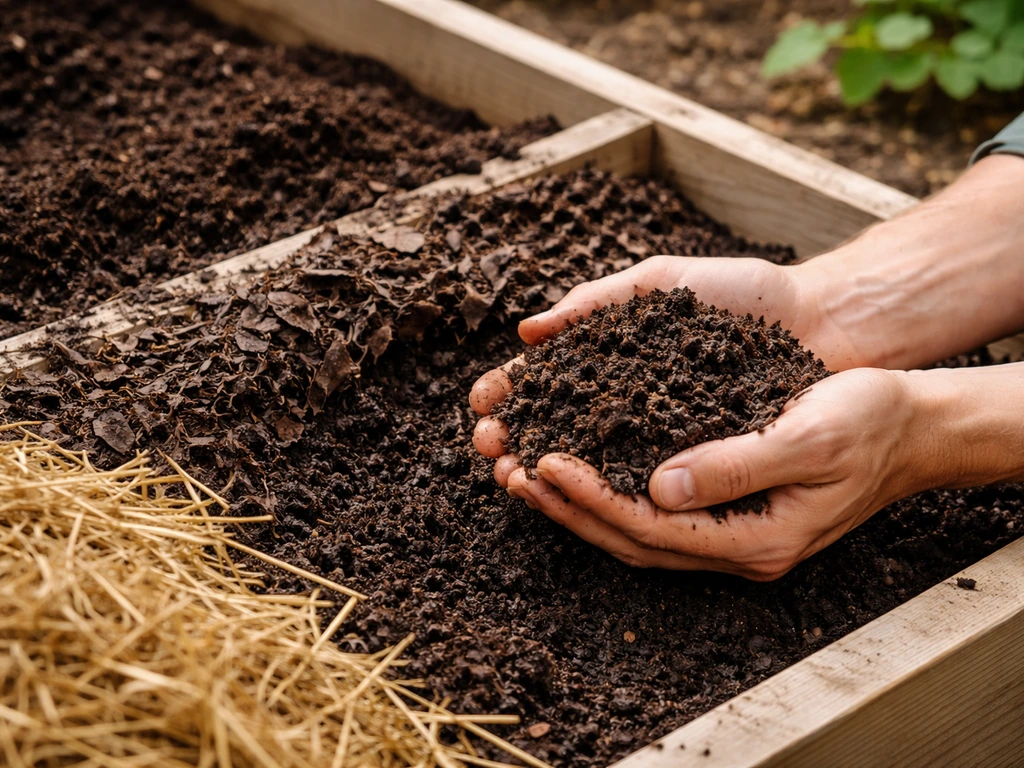
How Plant Products Help an Area Grow: Practical Guide
Learn how compost, mulch, leaf mold, plant fertilizers, and teas boost soil fertility, water retention, microbes, and we
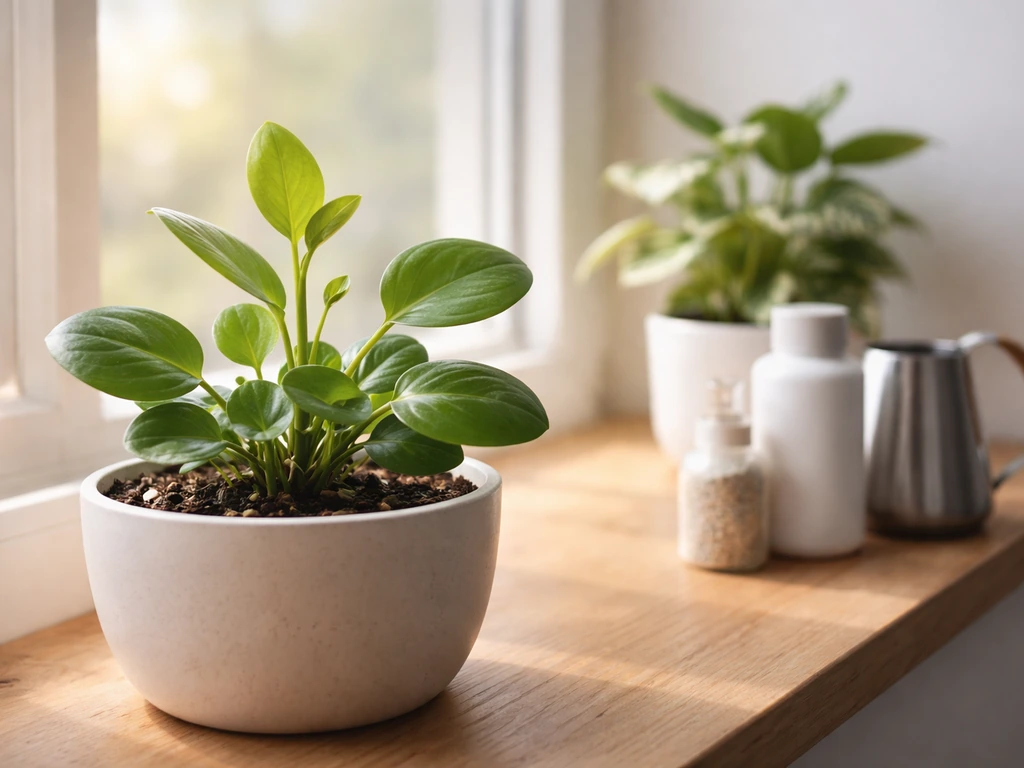
Does Plantasia Help Plants Grow? Evidence, Tests, and Next Steps
Find out if Plantasia boosts growth, how to test it with controls, and when proven care beats supplements.