
Plant-based soil amendments, things like compost, mulch, leaf mold, worm castings, cover crop residues, and plant teas, are genuinely the most reliable way to improve an area's soil fertility, structure, and biological activity. A 1–2 inch layer of finished compost worked into a new bed, or a 3–4 inch mulch layer on the surface of an established one, will do more measurable good than nearly any gardening trick you'll read about online. The science is clear, the application is straightforward, and the results show up in real plant growth, not folklore.
How Plant Products Help an Area Grow: Practical Guide

Marcus Holloway
31 May 2026
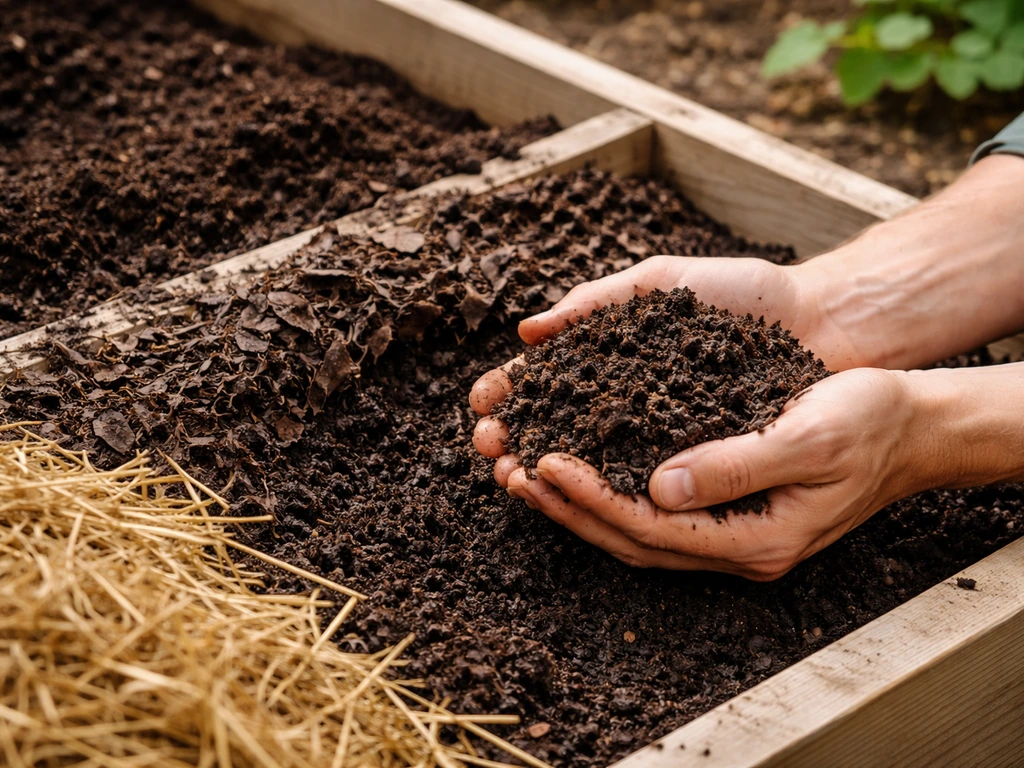
What actually counts as a 'plant product' in gardening
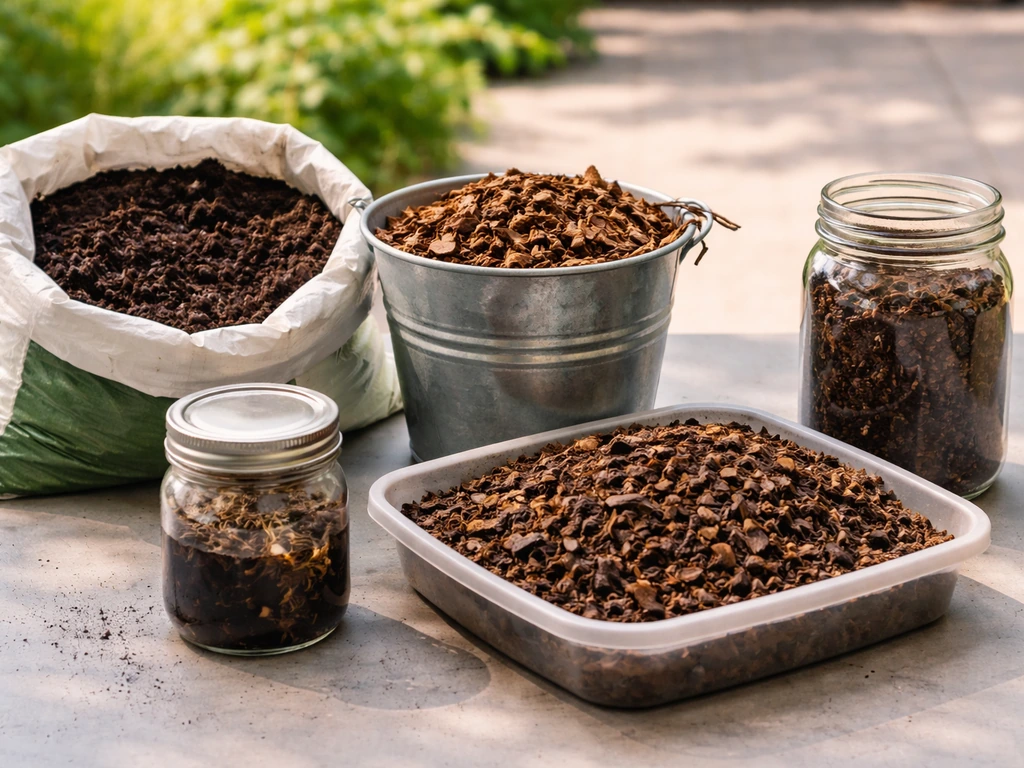
Pennsylvania's official definition of a soil amendment covers any substance intended to change soil's chemical or physical characteristics, and organic matter products sit at the top of that list. Colorado State University Extension broadens this to include anything mixed into soil to improve soil properties or plant growth. In practical gardening terms, plant products (and closely related organic materials) fall into a few clear categories.
- Compost: decomposed yard waste, food scraps, or plant material stabilized by microbial action. This is the workhorse amendment for almost every situation.
- Mulch: wood chips, bark, straw, or shredded leaves applied to the soil surface, not incorporated. Protects soil, retains moisture, and suppresses weeds.
- Leaf mold: partially decomposed leaves that break down slowly, improving water retention and soil texture without adding much in the way of nutrients.
- Worm castings (vermicompost): material produced when worms process organic matter. Dense with beneficial microbes and plant-available nutrients in small, concentrated doses.
- Cover crop residues: the chopped or crimped remains of rye, clover, buckwheat, or other cover crops left on or incorporated into soil to feed biology and build structure.
- Plant-based teas: brewed liquids made from compost or worm castings, used as a liquid soil drench or foliar feed.
- Other plant-derived inputs: fish emulsion, kelp meal, alfalfa meal, and similar products that supply specific nutrients or growth-stimulating compounds.
The key distinction that matters for application is whether you're amending (mixing into the soil profile) or mulching (leaving on the surface). That single choice changes how a material behaves, especially around nitrogen availability, which I'll get into next.
How plant products actually improve your soil
This is where plant products earn their reputation. The improvements aren't subtle or slow, especially in soil that's been compacted, depleted, or is working from a poor structural baseline.
Soil structure and aggregate stability
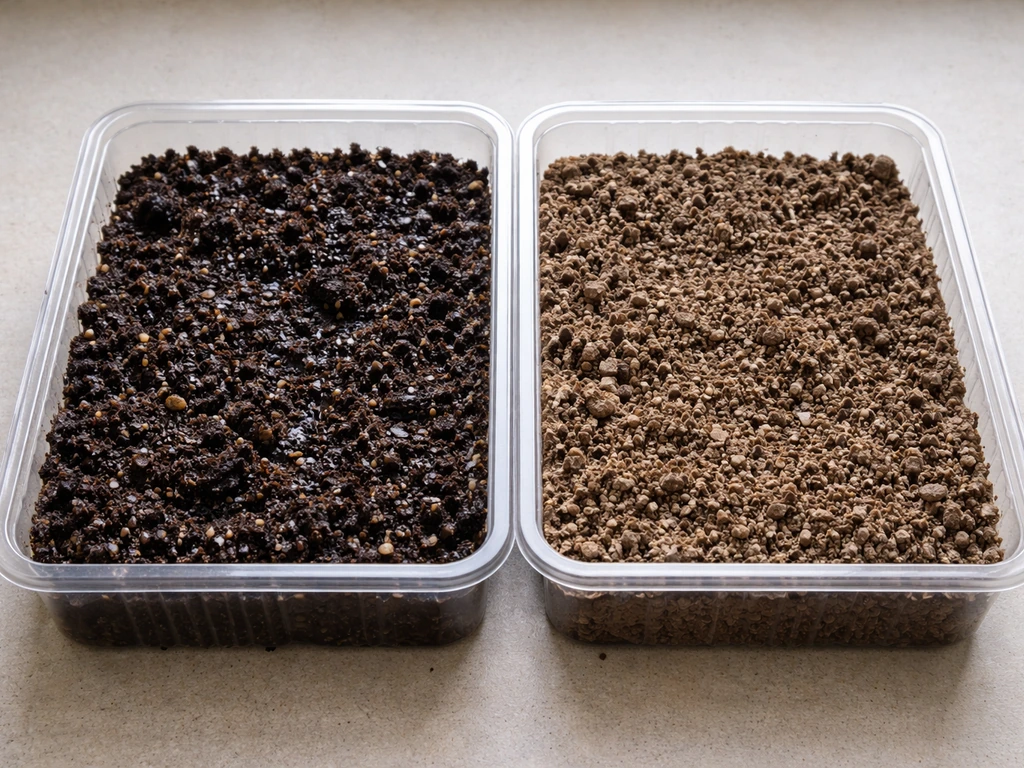
When you add compost to soil, you're feeding microbial populations that produce compounds, including glomalin-related proteins from fungi, that literally glue soil particles into stable aggregates. Peer-reviewed research published in PMC journals shows compost applications increase eubacterial abundance and aggregate stability measurably, and that long-term compost use builds soil organic carbon more effectively than mineral fertilizers alone. What that means in your garden: water infiltrates faster, roots penetrate more easily, and the soil doesn't crust or compact after rain. Cover crop root systems add to this by physically creating channels through the soil that improve water infiltration and reduce compaction, effects that Oregon State University Extension and University of Minnesota Extension have both documented in extension research.
Water retention
Organic matter acts like a sponge. The EPA's own documentation on compost's environmental value summarizes evidence that compost use increases both infiltration and water storage capacity. Mulch on the surface compounds this by reducing evaporation from the top few inches of soil, which is where most of the action happens in shallow-rooted plants. In drought conditions, these combined effects can be the difference between a plant that survives and one that doesn't.
Microbial life
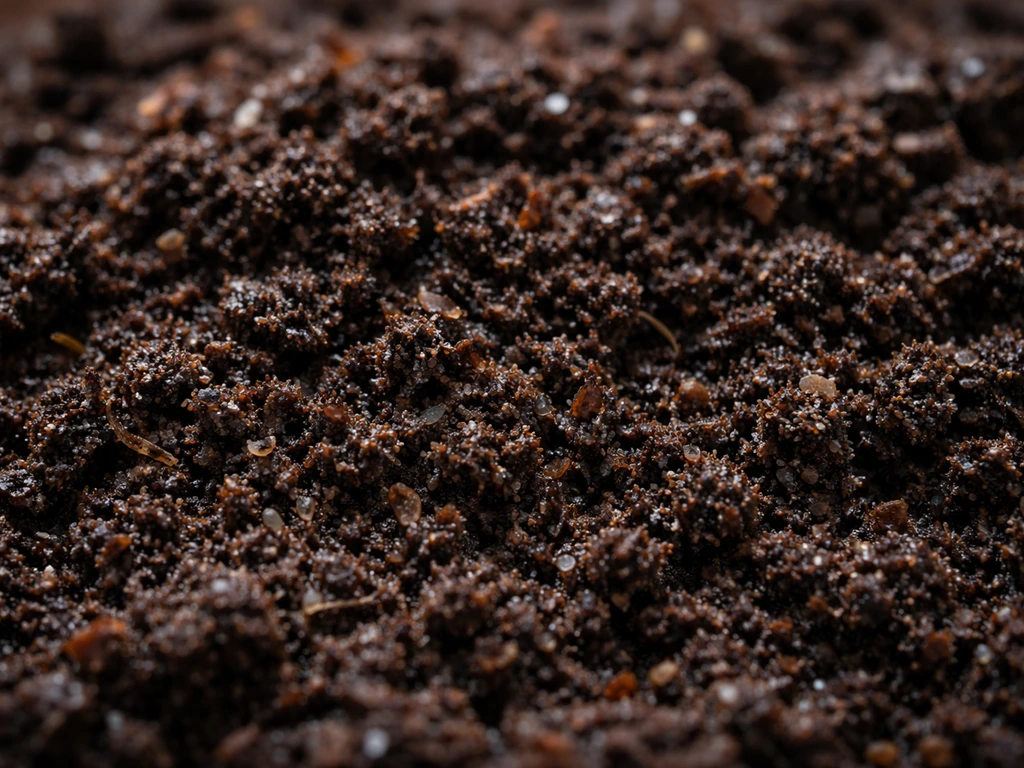
Good compost adds living biology to your soil, not just chemistry. University of Maryland Extension research and multiple peer-reviewed compost quality reviews confirm that high-quality compost increases microbial biomass and enzyme activity. More enzyme activity means faster nutrient cycling, better breakdown of organic material, and a more resilient soil ecosystem overall. Worm castings amplify this further because vermicompost is essentially pre-digested organic matter, densely colonized by bacteria and fungi that immediately go to work in your soil.
Choosing the right amendment for your specific problem
Not every plant product fixes every problem. Here's how to match the amendment to what your soil actually needs.
| Problem | Best plant product | Why it works |
|---|---|---|
| Compacted, dense soil | Compost (incorporated) + cover crop residues | Feeds aggregating microbes; root channels break hardpan physically |
| Poor water retention in sandy soil | Compost + leaf mold | Organic matter holds water; leaf mold is especially good at moisture retention |
| Waterlogged or drainage issues | Coarse wood chips or bark mulch (surface) | Improves surface infiltration; doesn't add bulk that worsens drainage |
| Low fertility / nutrient-depleted soil | Compost + worm castings + alfalfa or fish emulsion | Broad nutrient supply plus slow-release N from organic matter |
| Weed pressure | Thick mulch layer (wood chips, straw) | Blocks light to weed seeds; 3–4 inches is the effective threshold |
| Soil erosion or surface crusting | Straw mulch + cover crop residues | Physical barrier reduces raindrop impact and runoff velocity |
| Tired, biologically depleted soil | Mature compost + compost or worm casting tea | Reintroduces microbial diversity and enzyme activity quickly |
| Container mix losing structure | Worm castings + coir or leaf mold | Lightweight, high-OM materials that don't compact in pots |
One nuance worth knowing: leaf mold on its own is low in nutrients but excellent for texture and moisture. If your soil tests show reasonable fertility but poor structure, leaf mold is the underrated choice. If you need both fertility and structure, finished compost is your all-in-one tool.
How to apply plant products correctly
Getting the rates and timing right matters more than most people realize. Too little and you see minimal improvement. Too much and you create new problems (more on that in the next section). Here are concrete rates from extension research. Penn State Extension also recommends that when you don't have nutrient analysis, you apply compost no more than about 1/4 inch thick and only every few years.
Compost application rates
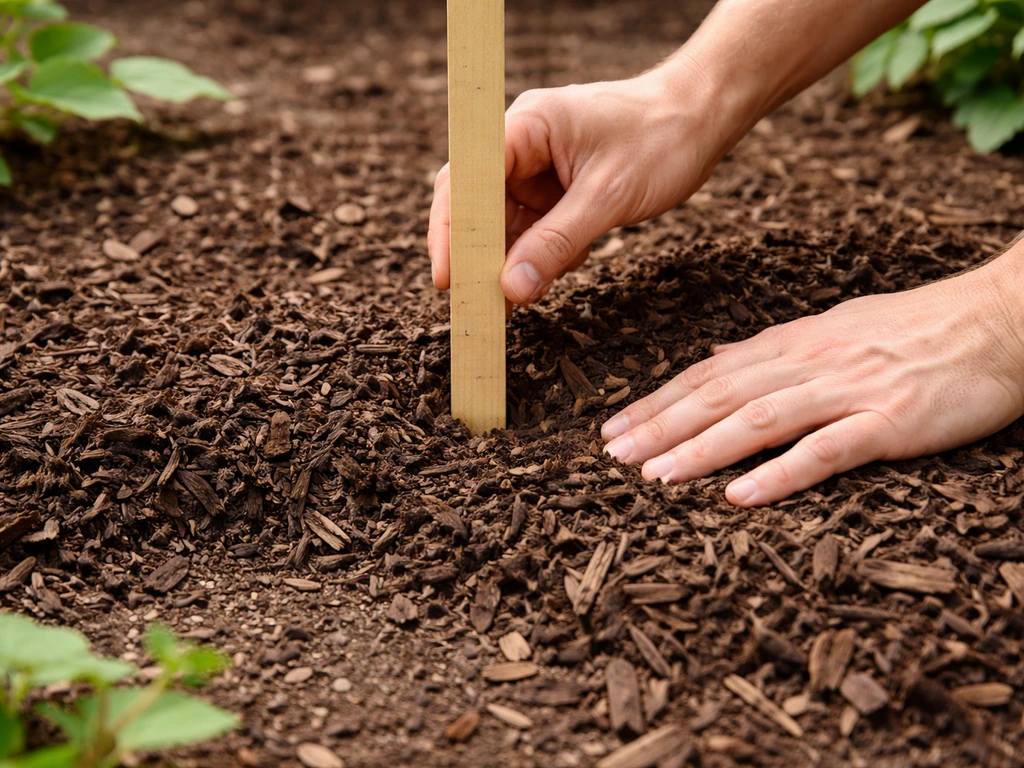
- New vegetable or landscape beds: incorporate 1–2 inches of compost into the top 6–8 inches of soil before planting. OSU Extension confirms this range as standard new-bed preparation.
- Existing vegetable and flower gardens (annual maintenance): apply 0.25 inches to 1 inch of compost to the surface each year. CSU Extension's application tables list 0.25 inches as the routine annual rate; Penn State Extension adds that without a nutrient analysis, err toward no more than 0.25 inches every few years on already-amended soil.
- Turf areas: topdress at roughly 0.25 inches, or apply 1–2 inches incorporated to 4–6 inches when overseeding or renovating. Penn State Extension puts this at 3.1 cubic yards per 1,000 sq ft for a 1-inch layer.
- Raised beds: University of Maryland Extension recommends organic matter make up 25–50% of total volume, which typically means spreading a 2–4 inch compost layer when setting up a new bed.
- Trees and shrubs: remove mulch, spread about 1 inch of compost over the root zone, then replace the mulch over the top. University of Maryland Extension specifically recommends this layering method.
Mulch application rates
- General ornamental beds: 2–3 inches deep. University of New Hampshire Extension cites this as the standard effective range for weed suppression and moisture retention.
- Drought-tolerant or water-wise landscaping: 3–4 inches. Utah State University Extension recommends this depth and notes a 2-inch layer requires about 6 cubic yards per 1,000 sq ft, so scale your estimate accordingly.
- Vegetable garden paths or bare soil: 2–4 inches of straw or wood chips to reduce erosion and keep soil workable.
- Do not mulch right against plant stems or tree trunks. Leave 2–3 inches of breathing room to prevent rot and pest harborage.
Worm castings and liquid teas
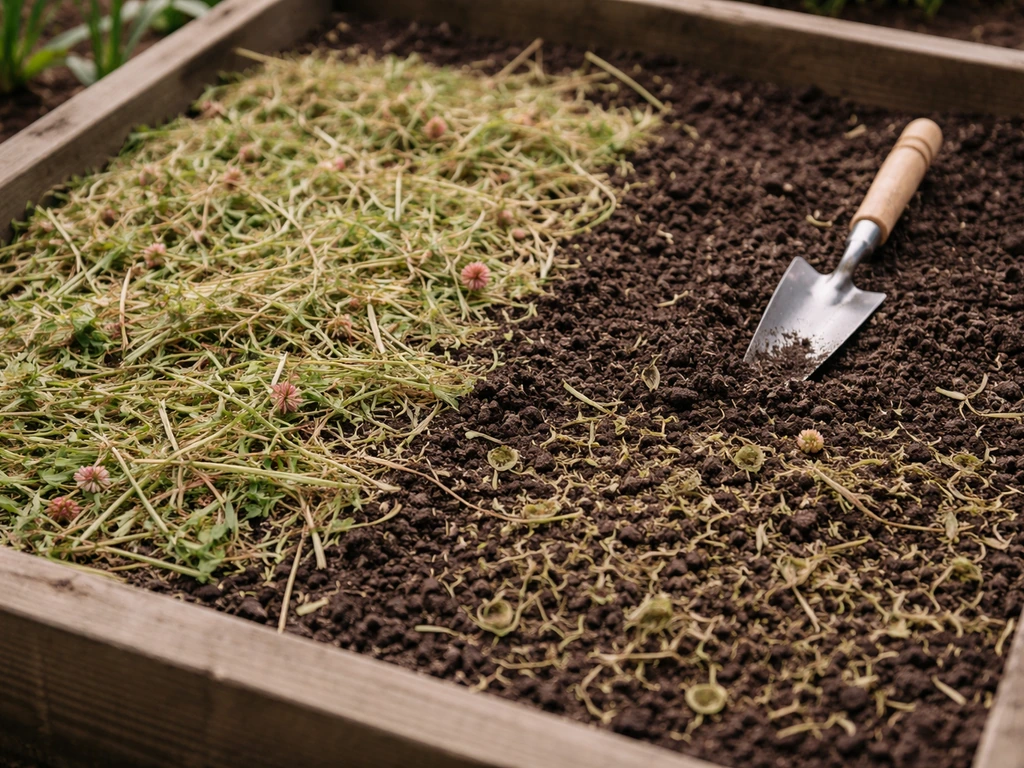
- Work 0.25–0.5 inches of castings into the top inch of soil around container plants or seedlings. Castings are concentrated, so more isn't always better.
- For compost or worm casting teas, brew according to your source material and apply as a soil drench immediately after brewing. Utah State University Extension provides example ratios (castings mixed with a small amount of molasses in water) as a starting guide for activation.
- Apply teas in early morning so liquid can penetrate before evaporation. Don't store brewed tea for more than a few hours, as microbial quality degrades quickly.
Cover crop residues
Terminate cover crops two to four weeks before planting your main crop. Chop the residue and either leave it on the surface as a mulch or lightly incorporate it into the top 2–3 inches of soil. Legume residues (clover, vetch) release nitrogen relatively quickly as they break down. High-carbon residues (rye, sorghum) take longer and can temporarily tie up some nitrogen, so factor that into your planting timing.
Dos and don'ts that will save you real headaches
I've watched gardeners undo a season of good work by making a few avoidable mistakes with amendments. These are the ones worth knowing before you start.
Do these things
- Soil test first. University of Minnesota Extension is emphatic about this: before you add anything, know what you're starting with. A basic test (pH, N, P, K, organic matter) costs around $15–25 and tells you exactly what your soil needs.
- Use fully finished compost. Mature compost has a dark, earthy smell. Unfinished compost can temporarily lock up nitrogen as microbes continue decomposing it, and it may contain viable weed seeds or pathogens.
- Apply mulch in late spring after soil warms. Early spring mulching can trap cold and delay warming. UNH Extension notes that well-timed mulch application also catches weed seeds before they germinate.
- Layer compost under mulch for trees and shrubs, not instead of it. Both serve different purposes and work better together.
- When using wood chips as surface mulch (not incorporated), remember that nitrogen tie-up happens mainly when high-carbon materials are mixed into soil. CSU Extension confirms that surface wood chip mulch generally does not cause nitrogen tie-up in the soil below.
Don't do these things
- Don't overdo nitrogen-heavy amendments (fresh manure, high-N fish emulsions, or excess alfalfa). Too much available nitrogen pushes leafy growth at the expense of roots, flowers, and fruit, and in containers it can cause salt buildup that burns roots.
- Don't add uncomposted kitchen scraps or fresh manure directly to active beds. Besides weed seeds and potential pathogens, the decomposition process can create CO2 and heat that stress plant roots.
- Don't use compost as a topdress on lawns at more than 0.25 inches at a time. Thicker layers smother grass and invite fungal issues.
- Don't rely on compost or manure alone, especially if your soil has underlying drainage, pH, or compaction problems. UMN Extension specifically cautions against treating amendments as a single fix for structural or chemical soil issues.
- Don't pile mulch against stems or trunks (the 'mulch volcano' problem). This traps moisture against bark, invites pests, and can girdle plants over time.
- Don't expect compost to improve aggregate stability in very dry or sandy soil without adequate soil moisture. Research has shown that under drought conditions, short-term compost additions may not produce measurable structure improvements, so water your beds appropriately before and after amendment.
Quick-start plans for different situations
Here's how I'd approach plant-product amendments depending on what you're actually trying to fix or build.
Starting a brand new bed
- Get a soil test to establish your baseline.
- Clear vegetation, then spread 2–4 inches of finished compost over the area.
- Work the compost into the top 6–8 inches with a fork or tiller.
- Rake smooth, then apply 2–3 inches of mulch (straw or wood chips) to protect the surface until planting.
- Wait 2–4 weeks before planting to let biology stabilize, or plant immediately if using a well-cured compost.
Reviving a tired lawn
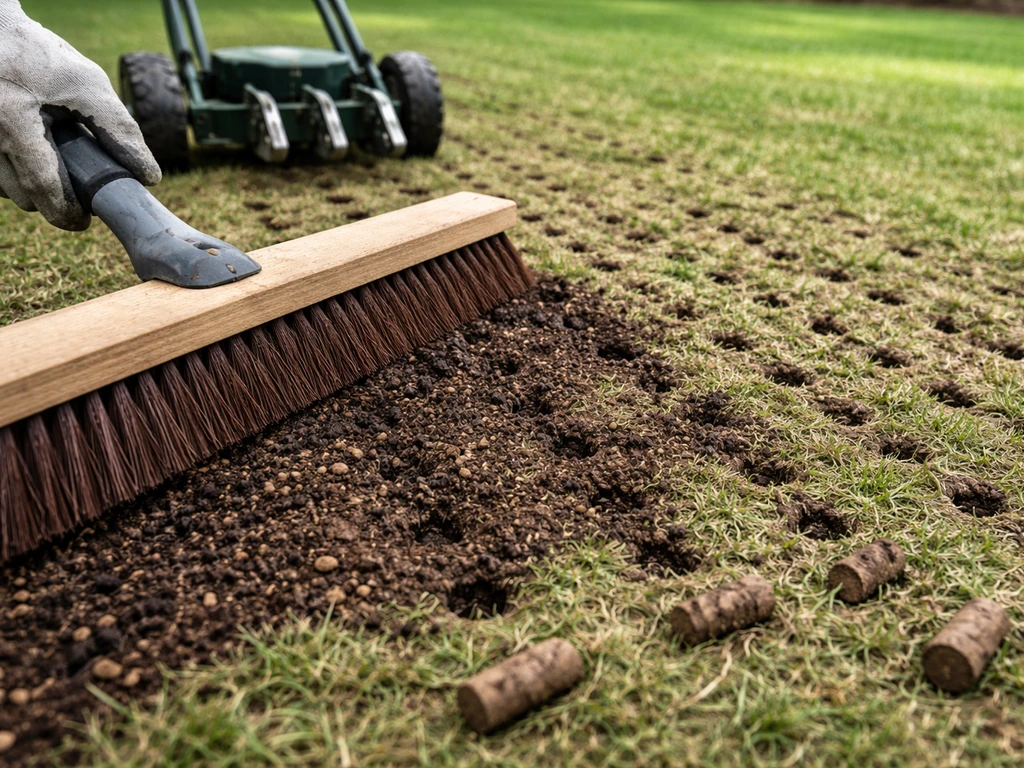
- Core aerate in early fall to open the soil profile.
- Topdress with 0.25 inches of finished compost, sweeping it into the aeration holes.
- Overseed if needed, then keep the area lightly moist for 2–3 weeks.
- Repeat annually in fall for cumulative soil building.
Vegetable garden (each season)
- In spring, before planting: top-dress with 0.5–1 inch of compost and lightly rake in.
- Add a thin layer of worm castings around transplants at planting time.
- Mulch between rows with 2–3 inches of straw once plants are established.
- In fall, after harvest: plant a winter cover crop (cereal rye or crimson clover) to protect and feed the soil over winter. Terminate and incorporate in spring.
Container gardens
- Mix finished compost at roughly 20–30% by volume into a quality potting mix (not garden soil).
- Add a small amount of worm castings (about 0.25 cup per gallon of mix) for microbial inoculation.
- Top-dress with 0.5 inches of fresh compost each season as the mix compresses.
- Flush containers with plain water every 4–6 weeks to prevent salt accumulation from organic inputs.
Drought-prone areas
- Apply 3–4 inches of coarse wood chip or bark mulch over the entire soil surface.
- Incorporate 1–2 inches of compost before mulching to build water-holding capacity in the top layer.
- Plant drought-tolerant species and use drip irrigation to minimize surface evaporation.
- Refresh mulch layer each spring, as it breaks down it feeds soil biology and continues improving structure.
When plants still aren't growing: how to troubleshoot with plant products
Even with the right amendments in place, things can go sideways. Here's how to read the symptoms and figure out what to address.
| Symptom | Likely cause | Plant-product fix | What else to check |
|---|---|---|---|
| Yellowing lower leaves (older leaves first) | Nitrogen deficiency | Top-dress with 0.5 inch compost or apply diluted fish emulsion; worm casting tea as a drench | Soil pH (N becomes unavailable below 6.0); check for waterlogging |
| Stunted growth, dark green or purplish leaves | Phosphorus or cold stress | Bone meal or high-P compost incorporated at planting; worm castings to boost root activity | Soil temperature (P uptake drops below 55°F); confirm pH is 6.0–7.0 |
| Wilting despite adequate watering | Poor water retention or root rot | Add leaf mold or compost to improve drainage and moisture balance; switch to surface mulch | Check drainage and root health; look for overwatering signs |
| Slow germination or seedling failure | Cold soil or poor soil contact | Thin layer of worm castings mixed into seed bed; compost improves seed-to-soil contact | Check soil temperature; seeds need 50–65°F minimum for most vegetables |
| Crusty, water-repellent soil surface | Hydrophobic organic matter or soil sealing | Break surface crust, incorporate compost, apply coarse mulch to prevent re-sealing | Check watering method; drip or soaker hose avoids surface sealing |
| Salt crust on container soil surface | Over-fertilizing with organic or synthetic inputs | Flush container thoroughly; reduce amendment frequency; repot with fresh mix | Review fertilization schedule; organic inputs can still cause salt buildup in pots |
| Weeds despite mulching | Mulch layer too thin or seedy compost used | Increase mulch depth to 3–4 inches; use certified weed-free materials | Remove existing weeds before mulching; hand-pull early emerging seedlings |
A note on the bigger picture: plant products address soil, but soil is only one piece of the growth equation. If you mean plantasia specifically, it can be considered a plant-based soil product, but the biggest driver of whether plants grow well is still the quality and correct use of the amendment along with light, watering, and temperature does plantasia help plants grow. If you've amended well and plants are still struggling, check light exposure, watering consistency, and ambient temperature. These are the variables that don't respond to any soil amendment, no matter how good it is. This site covers a lot of those adjacent questions, including whether things like specific music frequencies or essential oils actually influence plant growth (spoiler: the science is thin there compared to the solid, documented benefits of good soil biology). If you're curious about what genuinely helps indoor plants specifically, that's worth exploring separately since container conditions change the calculus on almost every amendment rate above.
The bottom line is that plant products work, they're well-researched, and applying them correctly isn't complicated once you know the rates and timing. Start with a soil test, add compost at the right depth for your situation, mulch appropriately, and cycle in cover crops if you have the space. For companion-style growth, choose plants that help each other by improving soil conditions and microclimate, not just by sharing nutrients mulch appropriately. Do that consistently and your soil, and everything growing in it, will show you results you can actually measure.
FAQ
Can I use plant products to fix compacted or drainage-poor soil, or will they just sit on the surface?
Yes, but the product and method matter. For a new lawn or heavily compacted area, use compost by spreading a thin layer, then lightly incorporating (where you can) or top-dressing and mulching to keep it from drying out. Avoid dumping thick compost piles on compacted soil, since it can sit on top and encourage shallow rooting rather than improving infiltration throughout the profile.
How do I choose between compost, leaf mold, mulch, and cover crop residue if I do not know what nutrients are lacking?
Start with a soil test, then match your amendment to what the test shows. If fertility is low, prioritize finished compost or compost plus a small amount of additional organic nitrogen sources (like appropriately timed legume residues). If fertility is already adequate but plants look stressed after rains, target structure and water behavior first (mulch, compost, and cover crop residues) rather than adding more fertilizer.
What are the common signs that I applied too much compost or mulch, and should I stop adding plant products?
More is not better. A practical guideline is to work within the “thin layer” range your soil can integrate: finished compost at about 1 to 2 inches in active beds, and mulch at about 3 to 4 inches on established areas. If you overapply, you can increase salt load (from some compost sources), create soggy conditions, and slow oxygen movement to roots, so it helps to reassess and pause before adding more the next season.
When should I amend (mix in) versus mulch (leave on top), especially in vegetable beds?
Use a surface application strategy when you want moisture protection and erosion control (mulch), and use incorporation when you want faster biological mixing and aggregation in the root zone (compost). If you mix compost too deeply into a very active bed, you can disrupt fungi and soil structure you were building. For most gardens, keep incorporation to the top few inches and rely on surface mulch for long-term stabilization.
Can leaf mold replace compost, or is it only a soil conditioner?
Leaf mold is usually safe as a texture and moisture improver, but it is not a reliable stand-alone nutrient source. If you only have leaf mold and your plants are hungry, you will likely see slow growth and pale foliage. Combine leaf mold with a nutrient-providing option like finished compost, and consider a light feed of composted materials rather than relying on leaf mold alone.
What’s the biggest timing mistake with cover crop residues, and how should I handle it if I’m late planting?
Aim to avoid adding nitrogen-hungry carbon residues right before planting. Chop and terminate cover crops ahead of planting, and factor in whether the residues are legumes (faster nitrogen release) or high-carbon grasses and cereals (slower breakdown and temporary nitrogen tie-up). If planting must happen sooner, choose incorporation depth and a shorter residue strategy, or supplement with compost that is more immediately biologically active.
Do plant teas actually build soil biology the way compost does, or are they just a quick nutrient boost?
Plant teas can help, but they are not a substitute for compost, mulch, or cover crop residue. Teas are mostly a delivery method for soluble nutrients and microbial populations, and their impact can be inconsistent because strength and microbial viability vary by brew method and time. If you use teas, treat them as a supplemental “boost,” not the foundation of soil improvement.
How should compost and mulch strategies change for containers and raised beds compared with in-ground soil?
For edible and container gardening, you still want soil conditions first, but the rate is easier to overdo in small volumes. Top-dress containers with a thin compost layer, then mulch lightly, and avoid thick bedding layers that can trap water and reduce oxygen. Containers also dry out faster, so consistent watering and top-dressing frequency matters more than one large amendment event.
How can I tell if my compost is fully finished, and what goes wrong if it is not?
Yes, but “mature” matters. Finished compost should smell earthy, look dark and crumbly, and have a relatively uniform texture. If compost is immature, it can draw nitrogen during breakdown or create heat and biological competition in the root zone. If you are buying compost, ask how it was cured and screened, and when in doubt, use it as a top-dress rather than deep incorporation.
What should I do if I followed the amendment plan, but plants still look worse after a few weeks?
If plants are struggling after you amend, check non-soil variables first. Confirm you are getting enough light, verify irrigation timing and drainage, and consider temperature effects on root activity. Then use a quick check: if leaves wilt but the soil is wet, you may have oxygen or drainage issues, while pale leaves despite moist soil can suggest nutrient imbalance or uptake problems. A repeat soil test after a season can clarify what changed.
Next Articles
Does Plantasia Help Plants Grow? Evidence, Tests, and Next Steps
Find out if Plantasia boosts growth, how to test it with controls, and when proven care beats supplements.
How Do Microorganisms Help Plants Grow: Practical Guide
Learn how microbes in the rhizosphere fix nitrogen, boost phosphorus, aid roots, suppress disease, and how to grow them.
How Does Yeast Help Plants Grow? Safe, Practical Guide
Learn how yeast boosts plant growth via soil microbes, safe dilution and timing, plus myths, limits, and troubleshooting