No essential oil reliably helps plants grow. A few oils show a faint 'hormetic' effect at very low doses in lab conditions, meaning a tiny amount occasionally nudges seedling growth slightly upward before higher doses suppress it entirely. But that threshold is so narrow, so species-specific, and so dependent on formulation and application method that you cannot practically exploit it in a garden. What essential oils are actually documented to do is inhibit growth, damage leaves, disrupt soil microbes, and stress roots when applied at anything approaching a useful concentration. If your goal is healthier, faster-growing plants, essential oils are not the lever to pull.
What Essential Oils Help Plants Grow and What Works
Marcus Holloway
1 Jun 2026
Do essential oils actually affect plant growth? The real verdict
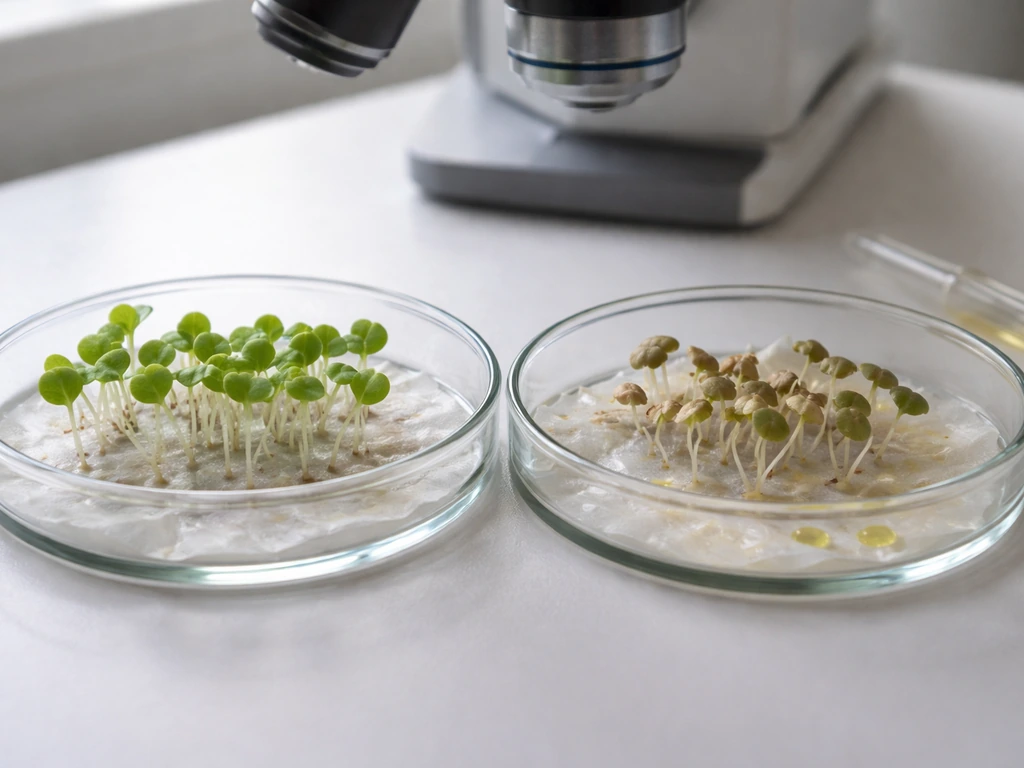
Yes, essential oils affect plants. The problem is that the primary effect is toxic, not growth-promoting. Controlled bioassays using citrus peel oils on radish (Raphanus sativus), lettuce (Lactuca sativa), and purslane (Portulaca oleracea) show dose-dependent suppression of radicle (root) elongation. Lavender oil at just 1 µL/mL reduced hypocotyl growth by 87.8% and radicle growth by 76.7% in sensitive grass species. Garlic essential oil at 0.05 g/mL produced more than 50% growth inhibition in barnyard grass over seven days.
There is one nuance worth acknowledging: the hormetic response. Colorado State University Extension’s “Insect Control: Horticultural Oils” explains that horticultural oils are used in an insect-disease pest-management framing, not as reliable plant growth boosters hormetic response. Some studies show that at concentrations well below the phytotoxic threshold, a few oils produce a small stimulatory effect on germination or early seedling development. Researchers call this a 'low-dose stimulation' pattern. But every review examining this data is careful to point out that the stimulation window is inconsistent, species-dependent, and separated from the injury zone by a razor-thin margin. Practically speaking, you cannot reliably hit that window in a pot or a garden bed.
It is also worth being clear about what essential oils are regulated for. The EPA classifies plant-derived essential oil products as biopesticides, registered for pest control uses. Thymol, clove oil, rosemary oil, and similar compounds appear in the EPA's biopesticide active ingredient list as pesticidal materials. None are registered as plant growth regulators. The framing from university extension programs is the same: horticultural oils derived from plants are tools for managing insects and disease, not for promoting growth.
Which oils people mean, and how they actually interact with plants
When gardeners ask about essential oils and plant growth, they usually mean aromatic plant extracts: lavender, peppermint, rosemary, citrus (lemon, orange), tea tree, eucalyptus, clove, thyme, and occasionally garlic oil. These are concentrated volatile organic compounds, mostly monoterpenes like thymol, carvacrol, menthol, camphor, and limonene. They are potent. A single drop in a small volume of water is enough to be biologically active.
Plants interact with essential oil compounds through two main pathways: direct tissue contact and soil microbial effects. On the direct side, monoterpenes can penetrate leaf cuticles, interfere with the wax layer that protects leaf surfaces, and disrupt stomatal function. Research on camphor and menthol vapor exposure in Arabidopsis thaliana found that monoterpene exposure increased transpiration by altering cuticular waxes and disturbing stomatal regulation. That is water stress, not growth promotion. At higher concentrations, these compounds disrupt cell membranes and inhibit mitosis.
The soil side is more complicated. Some studies show that essential oil components can stimulate certain soil bacterial populations under specific conditions, particularly in Mediterranean ecosystems where plants and microbes have co-evolved with monoterpene exposure. But research on thymol and carvacrol also shows that at concentrations realistic in a garden application, these compounds can inhibit soil microbial enzyme activity. Beneficial fungi, nitrogen-cycling bacteria, and other organisms that your plants depend on are vulnerable.
Vetiver oil and nootkatone at 30 and 100 µg/g in potting media showed no adverse effect on pea and citrus plant growth in controlled trials, which is genuinely the most optimistic data point in this whole literature, but it is also testing for 'no harm' rather than benefit.
If you want to experiment anyway: how to try essential oils safely
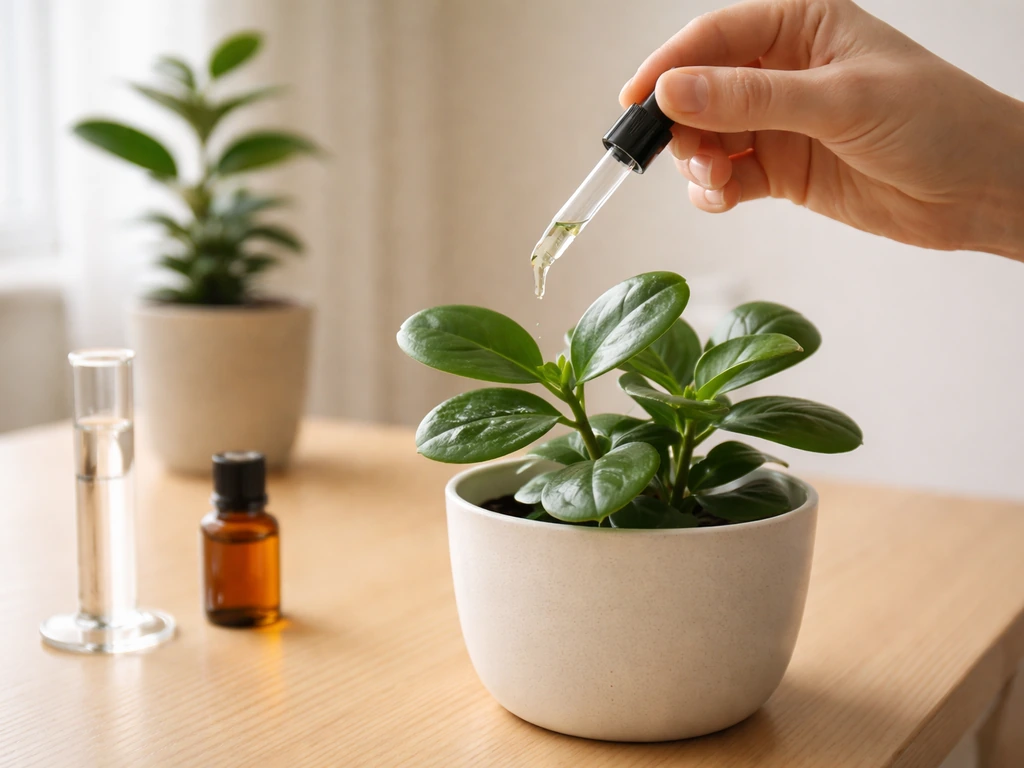
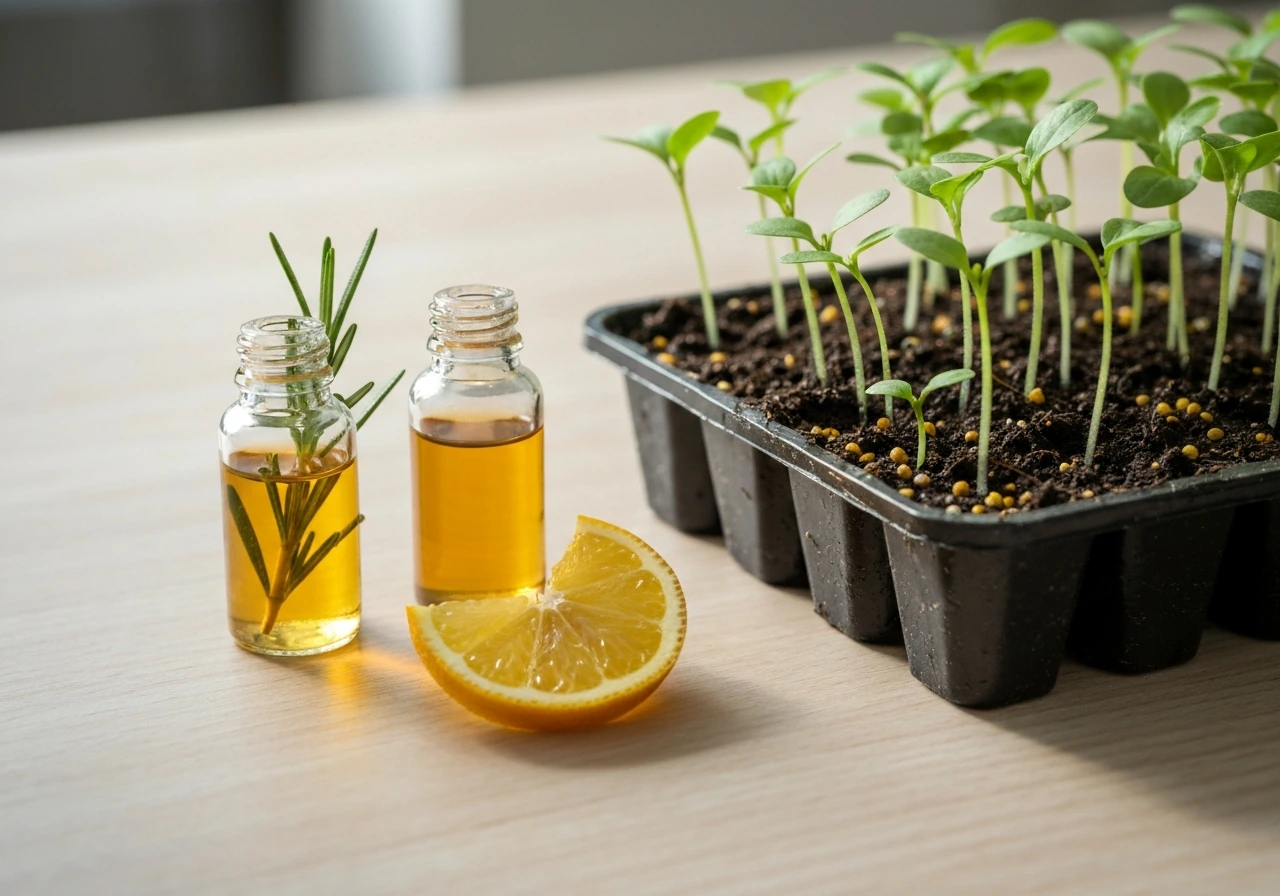
I get it. You have a bottle of rosemary or peppermint oil and you want to test it. Here is how to do that without torching your plants. The single most important rule is to go extremely dilute. Most phytotoxic effects in lab studies begin showing up at concentrations gardeners would casually mix without thinking. Start at no more than 1 to 2 drops of essential oil per liter of water, emulsified with a tiny drop of dish soap to help it disperse. That is roughly 0.05 mL/L or lower. Do not start higher.
Test on one plant or one branch, never your whole garden at once. Apply in the early morning so the plant has the full day to process the application before nighttime humidity builds up, and do not apply in hot weather above about 32°C (90°F) because heat reduces evaporation of the carrier oil and increases tissue contact time, which raises burn risk.
University extension guidance from Maryland and Texas A&M both emphasize the same principles: test a small area first, never spray drought-stressed plants, and monitor for phytotoxicity symptoms over 24 to 48 hours before proceeding.
University of Maryland Extension similarly advises testing horticultural oils on a small area first and monitoring for phytotoxicity over the next 1 to 2 days, especially under high heat or high-humidity conditions University extension guidance from Maryland and Texas A&M both emphasize the same principles: test a small area first, never spray drought-stressed plants, and monitor for phytotoxicity symptoms over 24 to 48 hours before proceeding. .
Also avoid spraying during flowering. Flowers are more chemically sensitive than mature leaves, and spray injury during bloom can affect pollination and fruit set. Vapor-phase exposure matters too: if you are diffusing oils near houseplants, the volatile compounds reach leaf surfaces without any dilution buffer. Keep diffusers well away from your plants.
Application approach by growing method
| Growing setup | Approach if experimenting | Main risk to watch for |
|---|---|---|
| Potted soil plants (indoors) | Foliar spray at max 1–2 drops/liter, early morning, single test plant only | Leaf scorch, stomatal damage, disruption of beneficial soil microbes in the pot |
| Outdoor garden beds | Same foliar dilution; avoid sandy or very porous soil where oil reaches roots quickly | Root zone contamination, inhibition of mycorrhizal fungi and nitrogen fixers |
| Hydroponics / water-based systems | Do not add essential oils to reservoir. Foliar only if at all. | Direct root toxicity, no soil buffer; effects are faster and harder to reverse |
| Seedlings and germination trays | Avoid entirely. Seedlings are most sensitive to phytotoxic compounds. | Radicle suppression, failed germination, damping-off look-alike symptoms |
| Outdoor beds with weeds nearby | Garlic or thyme oil at low rate may suppress weed germination, but effect is nonselective | Your crop plants are equally at risk; use only as a spot treatment far from desired plants |
What actually moves the needle on plant growth
If your plants are not thriving, the answer is almost certainly one of four things: light, water management, soil quality, or nutrient balance. If you are looking at alternatives like Plantasia, the real question is whether it provides nutrients or growth conditions your plants are missing, rather than relying on essential-oil type effects. These are not boring fallback answers. They are the actual biology. Essential oils cannot substitute for any of them, and chasing oil experiments while your plants are light-starved or sitting in compacted soil is a waste of time.
Light
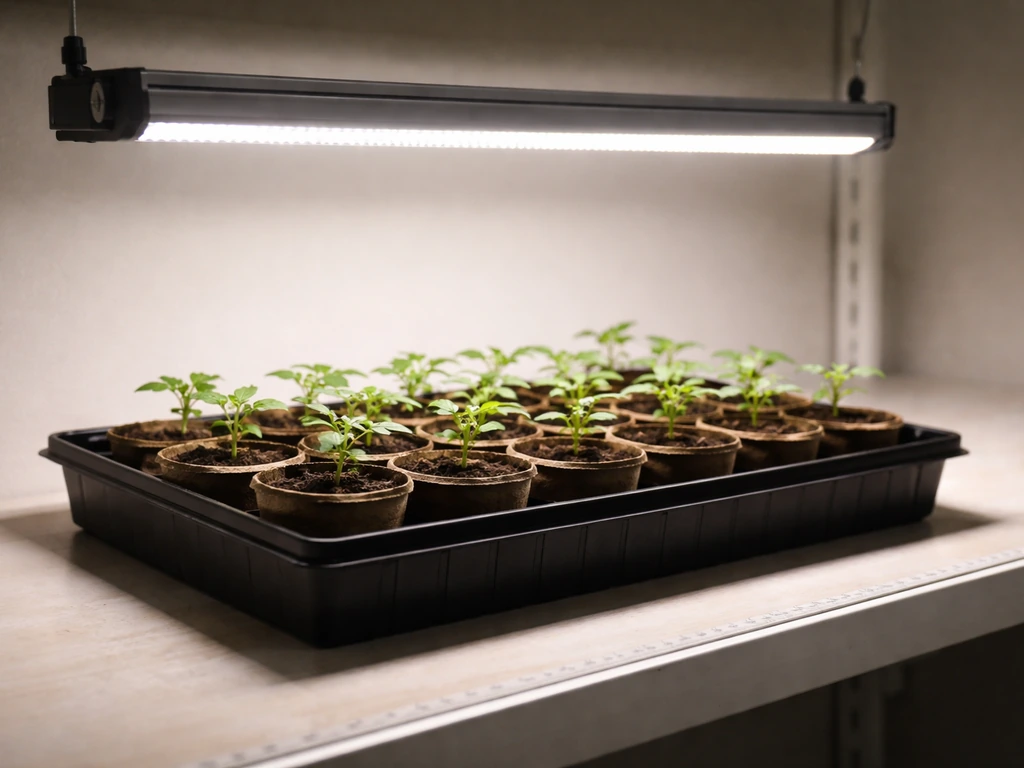
Light is the most commonly underestimated factor, especially indoors. Plants need the right intensity and spectrum. Most fruiting and flowering plants need at least 30,000 to 50,000 lux for productive growth. A standard windowsill delivers roughly 1,000 to 5,000 lux. If you are growing indoors without supplemental lighting, that is your bottleneck, full stop. LED grow lights targeting the red (630 to 660 nm) and blue (450 to 470 nm) spectrum ranges are the single highest-leverage investment most indoor growers can make.
Soil health
Soil is not just a physical medium. It is an ecosystem. Healthy soil has living fungal networks, bacterial communities cycling nitrogen, and organic matter holding moisture and nutrients in plant-available forms. Some plants can help each other grow through beneficial neighbor effects like nitrogen sharing, pest confusion, and shading that reduces stress plants help each other grow. Compost, aged manure, and quality potting mixes with perlite for drainage are foundational. Compacted soil, waterlogged soil, or sterile potting mix that has been in a pot for three-plus years without refreshing will limit growth regardless of what you spray on the leaves.
Water management
Overwatering is the most common cause of poor indoor plant growth and the hardest to diagnose because it looks like underwatering (wilting, yellowing). The fix is not watering less randomly but improving drainage: pots with proper drainage holes, a fast-draining soil mix, and a consistent check-before-you-water habit. For outdoor beds, raised beds or amended soil that drains freely within 24 hours of rain are the standard.
Nutrients
Most plants growing in poor or depleted soil are nitrogen-limited. A balanced slow-release fertilizer with a reasonable N-P-K ratio (something like 10-10-10 for general use, or higher nitrogen for leafy greens) addresses this directly. Micronutrients matter too: iron deficiency causes yellowing between leaf veins (interveinal chlorosis) and is common in high-pH soils. A soil test from your county extension service costs under $20 and tells you exactly what is missing. That is far more actionable than any essential oil experiment.
When growth still won't improve: troubleshooting and the real backfire risks of oils
If you have addressed light, water, soil, and nutrients and your plants still struggle, there are a few other candidates to check before adding anything to your watering can. Root rot from Phytophthora or Pythium species is common in container plants and looks like general decline. Repot and inspect the roots: healthy roots are white and firm, rotted roots are brown and mushy. Pot-bound plants also stall out. If roots are circling the outside of the root ball when you unpot, it is time for a larger container.
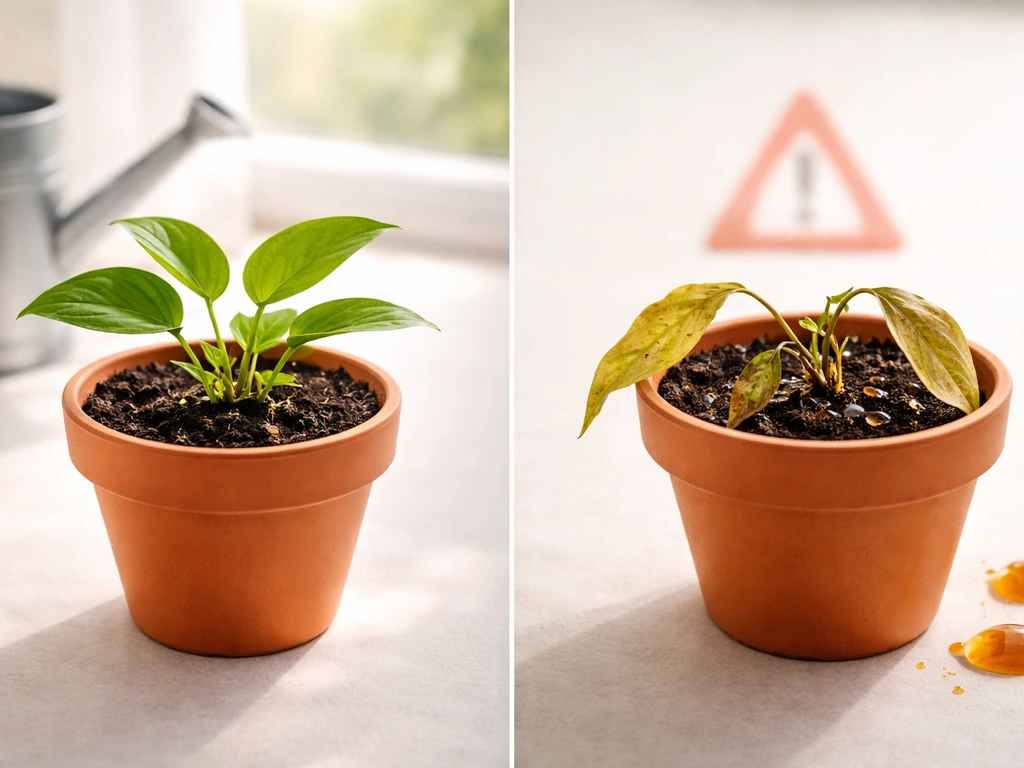
This is exactly where essential oils can make things much worse. If your plant is already stressed (from overwatering, root rot, compaction, or drought), applying a foliar oil spray adds chemical stress on top of existing stress. Phytotoxicity symptoms, including leaf scorching, tip burn, distorted new growth, and premature leaf drop, are more likely to appear on already-stressed plants. The UC IPM program specifically notes that repeated oil sprays can cause scorch, and that plants predisposed to stress are more vulnerable to chemical phytotoxicity.
The soil disruption risk is also real and hard to reverse. If you apply too much essential oil to potting media or a garden bed, you risk suppressing the microbial communities that your plants depend on for nutrient cycling. There is no fast fix for that. You would need to inoculate with mycorrhizal fungi and beneficial bacteria (sold as soil amendments) and wait for the population to recover. This is why a 'let me try it and see' approach with essential oils deserves a lot more caution than people usually give it.
Specific backfire scenarios by plant type
- Succulents and cacti: The waxy cuticle that makes these plants drought-tolerant is especially vulnerable to monoterpene disruption. Foliar oil sprays can strip protective wax layers and cause rapid water loss and scorch.
- Herbs (basil, mint, cilantro): These are among the most sensitive to phytotoxicity from foliar sprays. Basil in particular shows rapid leaf damage at concentrations that would not affect a hardier plant. The irony of spraying peppermint oil on basil is that you are applying one high-monoterpene solution to a plant that manufactures its own.
- Tomatoes and peppers: These tolerate light oil applications better than most, which is why rosemary oil is sometimes used for pest management on them. But spraying during fruit set or in high heat still carries real injury risk.
- Seedlings and young transplants: Avoid all essential oil applications until plants have at least four to six true leaves and are well-established. The research consistently shows radicle and hypocotyl tissue is most sensitive.
- Hydroponic systems: Never add essential oils to a reservoir. Root zone exposure without soil buffering produces faster and more severe phytotoxicity than foliar exposure in soil systems.
The bottom line on essential oils and plant growth
Essential oils are fascinating compounds with real biological activity, but that activity is primarily inhibitory when it comes to plant growth. They are well-documented pest and weed management tools at appropriate doses, not growth promoters. The hormetic 'low-dose stimulation' data exists but is inconsistent, unpredictable, and impractical to exploit outside a laboratory. If you enjoy experimenting with them, the approach above (very dilute, single test plant, early morning, no stressed or young plants) keeps the risk low.
But if your goal is genuinely to grow better plants, the time you would spend sourcing and testing essential oils is far better invested in a soil test, a quality grow light, or a better watering routine. Those interventions have decades of consistent evidence behind them. Essential oils, as growth tools, do not.
If you are exploring the broader question of what actually helps plants grow, it is worth knowing that companion planting, specific indoor growing conditions, and even the broader environment your plants live in can all play a role. If you are focused on indoor success, the biggest improvements usually come from getting light, watering, soil, and nutrients right what helps indoor plants grow.
Plant products can also support growth by feeding soil life and improving fertility rather than acting like a direct plant stimulant companion planting. Companion planting and other plant-to-plant relationships can also help plants grow better when conditions are right what actually helps plants grow. Plantasia is not a replacement for the proven essentials like light, water management, soil health, and nutrients. The most useful plant growth factors are never the exotic ones.
They are almost always the basics, done consistently well.
FAQ
If essential oils can’t reliably promote growth, is there any reason to use them at all in a garden?
Yes, but only with pest or disease goals in mind. If you use them, treat them as bioactive pesticides (not growth regulators), expect some leaf and soil microbe stress potential, and keep trials small, because even the “hormetic” low-dose window is inconsistent and not dependable for plant vigor.
Which essential oils are least likely to harm plants if I still want to test them?
There is no “safe” essential oil for plant growth. Oils differ in potency and volatility, but all contain monoterpenes that can disrupt cuticles, stomata, or soil microbial activity. The best risk-reduction strategy is not switching oils, but sticking to the same extreme dilution, limiting to one test plant, and observing 24 to 48 hours for scorching or distorted new growth.
Can I dilute essential oils with plain water and skip emulsifier?
Not reliably. Many oils do not disperse well in water, which increases uneven dosing and burn risk when droplets concentrate on leaves. Using a tiny emulsifier amount improves distribution, and it also makes the applied dose more consistent across the test area.
Do essential oils work better as a soil drench than a foliar spray?
Usually they are riskier in soil. Even if you avoid direct leaf contact, the compounds can inhibit enzyme activity and beneficial microbes needed for nutrient cycling. The article’s “no fast fix” point applies strongly to soil disruption, so soil-based use is not the place to experiment.
How long should I wait before concluding an essential oil “helps” germination or early growth?
If you’re testing, judge only short-term indicators and be strict about timing. Look for germination and early seedling effects over about 3 to 7 days, but also watch for delayed phytotoxic symptoms that can appear later (commonly within 24 to 48 hours for foliar injury). If you see any leaf burn or stunted new growth, stop and revert to baseline care.
What are the most common mistakes that cause essential oil burn?
The big ones are using too much (even “a few drops” can be too high), spraying hot or during high humidity, applying to already-stressed plants (drought stress, root problems, or nutrient deficiency), and treating the whole garden at once. Another common error is ignoring vapor exposure from diffusers, which can contact leaves without dilution buffering.
Is it okay to spray essential oils on young seedlings or during flowering?
It’s not recommended. Young tissue tends to be more chemically sensitive, and flowering increases sensitivity because injury can interfere with pollination and fruit set. If you must experiment, choose a mature, healthy plant and avoid application during bloom.
Can essential oils substitute for fertilizer if my plants are nitrogen deficient?
No. Essential oils do not supply nutrients or reliably improve nutrient availability. If plants look pale or chlorotic, use the highest-leverage fix, which is correcting the limiting factor, often nitrogen or iron depending on symptoms, ideally guided by a soil test.
What should I do if I already sprayed essential oils and my plants show tip burn or distorted growth?
Immediately pause any further applications and restore the fundamentals: check drainage, adjust watering to prevent root stress, ensure adequate light, and avoid fertilizing stressed plants aggressively. If the damage is progressing, inspect roots for rot, and consider repotting if you suspect root-zone problems rather than trying to “counteract” with more oils.
How can I tell whether the problem is environmental (light, water, nutrients) versus oil-related injury?
Compare timing and symptoms. If symptoms start soon after treatment (often within a day or two) and match leaf scorching, distorted new growth, or premature leaf drop patterns, oil exposure is a likely trigger. If plants worsen regardless of treatment timing, the cause is more likely light intensity, watering pattern, soil compaction, or nutrient imbalance.
Next Articles
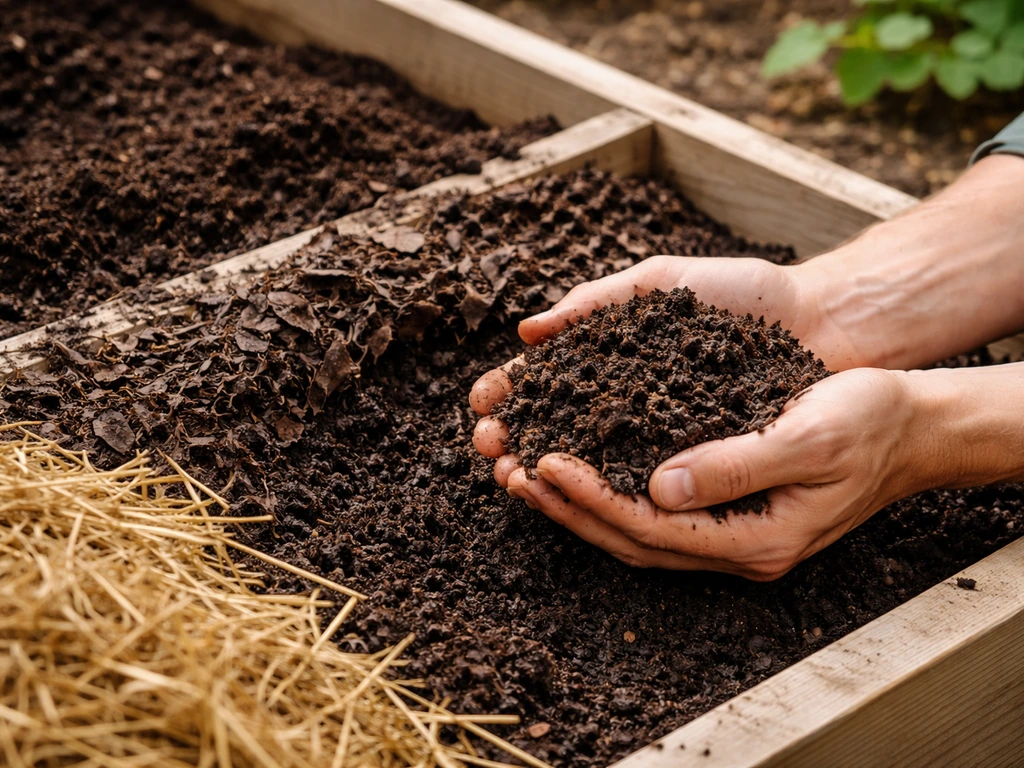
How Plant Products Help an Area Grow: Practical Guide
Learn how compost, mulch, leaf mold, plant fertilizers, and teas boost soil fertility, water retention, microbes, and we
Does Plantasia Help Plants Grow? Evidence, Tests, and Next Steps
Find out if Plantasia boosts growth, how to test it with controls, and when proven care beats supplements.
How Do Microorganisms Help Plants Grow: Practical Guide
Learn how microbes in the rhizosphere fix nitrogen, boost phosphorus, aid roots, suppress disease, and how to grow them.