Yes, poop helps plants grow, but not because of any magic. It works for the same reason any organic fertilizer works: it contains nitrogen, phosphorus, potassium, and organic matter that improve soil and feed plant roots. The catch, especially with human poop, is that "can help" and "safe to use" are two very different things. If you use it wrong, you risk burning your plants, contaminating your food, or creating a genuine health hazard. So let's go through what actually works, what the science says about safety, and what you should realistically be doing in your garden today.
Does Poop Help Plants Grow? Safe Ways to Use Waste in Gardens

Marcus Holloway
24 Mar 2026
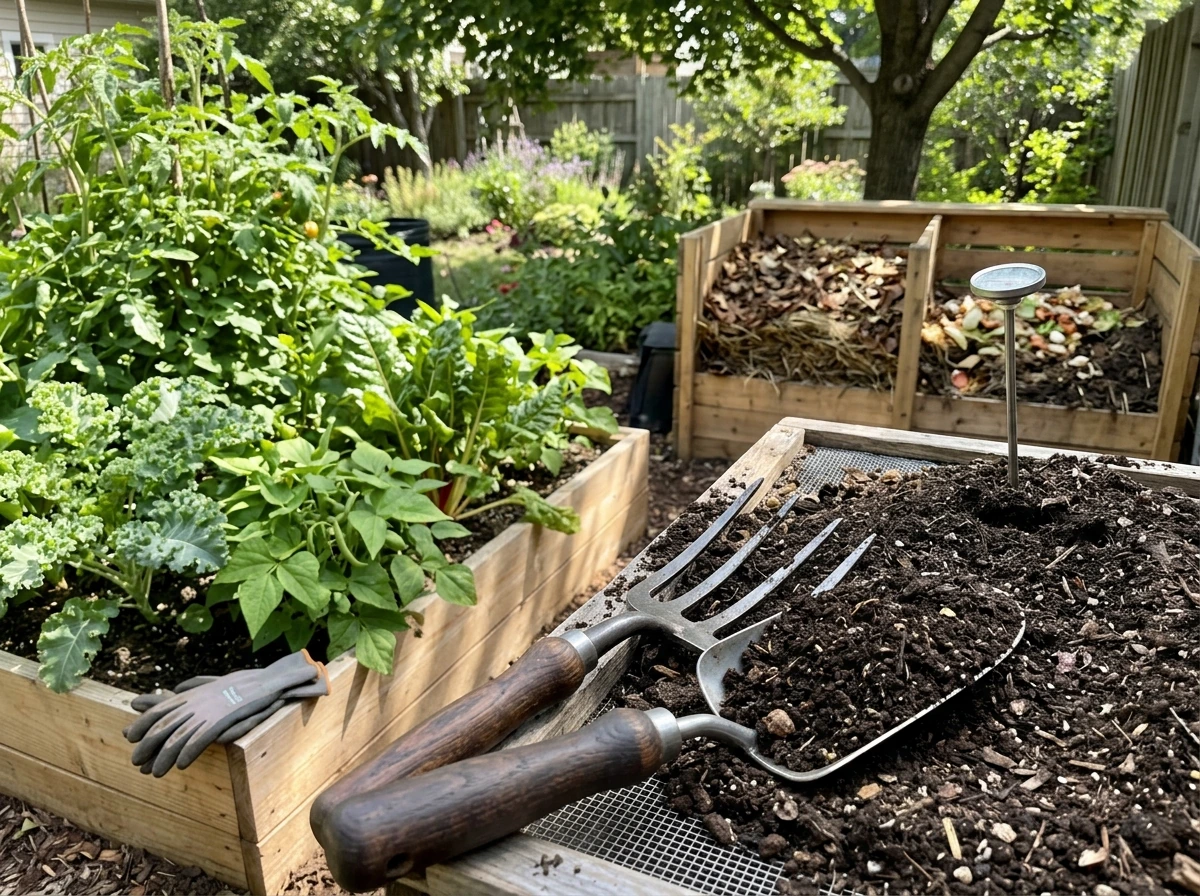
Does poop actually supply nutrients plants need?
It does. Human excreta contains all three macronutrients plants depend on: nitrogen (N), phosphorus (P), and potassium (K). Most of the nitrogen and potassium actually comes from urine, not feces. Urine runs roughly 7 to 9 grams of nitrogen per liter, along with about 0.20 to 0.21 g/L phosphorus and 0.9 to 1.1 g/L potassium. Feces carries a different nutrient split, but when you look at the dried solids from human excreta overall, you're looking at roughly 14 to 18% nitrogen, around 3.7% phosphorus, and around 3.7% potassium on a dry-weight basis. That's a real fertilizer profile, not a trace amount.
Beyond raw nutrients, poop adds organic matter to soil. Organic matter improves water retention, supports beneficial microbial life, and helps build the kind of loose, crumbly soil structure that roots actually want to grow through. If you've read anything on this site about how soil structure and microbial activity affect plant growth, you already know this is a big deal, not just a side benefit. The nutrients are the headline, but the organic matter improvement is what makes manure-based amendments so valuable to gardeners over the long term. how does soil help plants to grow
So the core mechanism is simple: poop-derived amendments act as slow-release fertilizers that also feed the soil ecosystem. There's no mysterious growth factor. If your plants respond well after you add composted manure, it's because There's no mysterious growth factor. If your plants respond well after you add composted manure, it's because nitrogen triggered more chlorophyll production, phosphorus supported root and flower development, or potassium improved overall plant function. It's the same biology as any other fertilizer, just packaged differently., phosphorus supported root and flower development, or potassium improved overall plant function. It's the same biology as any other fertilizer, just packaged differently.
Human poop vs animal manures: this is where it gets serious
The reason gardeners routinely use cow, chicken, or horse manure but almost never use human waste directly comes down to pathogen load and regulatory reality. Human feces can carry a wide range of pathogens that are genuinely dangerous: E. coli (including O157:H7), Salmonella, Listeria monocytogenes, and parasitic organisms like Ascaris eggs, which are notoriously resistant to standard treatment. Animal manures carry risks too, and FDA guidance under the FSMA produce safety rules explicitly flags raw manure as a potential source of foodborne pathogens. But human waste carries a higher and more direct disease burden because the pathogens in it are already adapted to human hosts.
In most places, the use of untreated human waste (called "night soil" historically) on food crops is either heavily regulated or outright prohibited. In the US, the EPA's biosolids regulations govern how human sewage-derived material can be treated and applied to land, and those standards involve specific temperature and time requirements before the material is considered safe. The WHO has its own guidelines for excreta use in agriculture, built around health-based targets and minimum treatment procedures. Neither framework gives a greenlight to dumping raw human waste on your vegetable beds.
Animal manures, by contrast, have a much longer track record in home gardening because the pathogen types are somewhat different, the regulatory landscape is clearer, and gardening guidance (from university extensions, the RHS, and others) has developed practical rules around safe use. That doesn't mean animal manure is risk-free, it just means the safety pathway is better understood and more accessible for the average gardener.
| Feature | Human Feces | Animal Manures (e.g., Cow, Chicken, Horse) |
|---|---|---|
| Key pathogens of concern | E. coli O157:H7, Salmonella, Ascaris, Listeria | E. coli, Salmonella (host-specific strains) |
| Parasite risk | High (Ascaris eggs very persistent) | Lower (species-dependent) |
| Nutrient profile (N-P-K) | High nitrogen (mostly in urine); solid portion ~14–18% N dry weight | Variable; chicken manure is especially high-N |
| Home garden use (raw) | Not appropriate; poses serious health risk | Not recommended; needs composting/aging |
| Regulatory oversight (US) | Heavily regulated as biosolids under EPA rules | Covered by FSMA produce safety guidance |
| Composting pathway to safe use | Requires ≥55°C for 7–30 days + 2–4 month curing (WHO standard) | Aging 6+ months or hot composting to 55°C+ |
| Practical accessibility | Not realistic for most home gardeners | Widely available; straightforward to compost |
How to use poop-based amendments safely in your garden
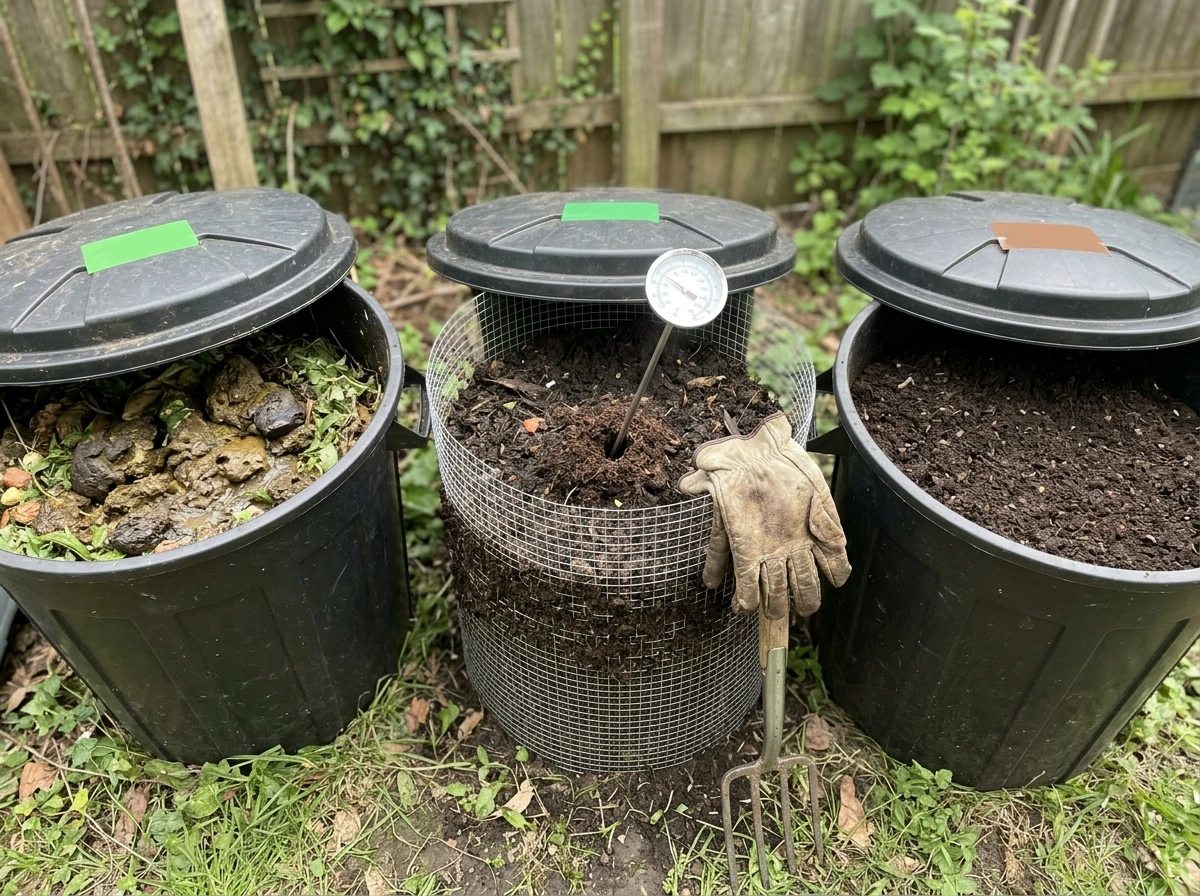
Whether you're working with animal manure or (in an off-grid or ecological sanitation context) properly treated human excreta compost, the safety principles are the same: time, temperature, and common sense about where it goes.
Composting and treatment: hitting the right temperature
Hot composting is the foundation. The WHO recommendation for human excreta compost is to sustain temperatures at or above 55°C (131°F) for 7 to 30 days, followed by a 2 to 4 month curing phase at ambient temperature. A 2025 review in MDPI suggests that for optimal pathogen inactivation, you want sustained thermophilic temperatures of 55 to 65°C for at least 60 minutes per batch, and ideally much longer. Research confirms that E. coli shows rapid die-off at these temperatures, but Ascaris eggs are far more stubborn and require the full curing phase to reach undetectable levels. One study found that E. coli showed more than a 4-log reduction within 16 weeks of composting, while Ascaris eggs were undetectable by that same point under monitored conditions.
The practical problem for home composters is that piles which don't reach and hold those internal temperatures consistently will not reduce pathogens reliably. A pile that runs cool, below 55°C, may look finished but still harbor fecal indicators. You need a compost thermometer. Turn the pile regularly to ensure all material moves through the hot core. The curing phase after active composting is not optional, it's where remaining pathogens and parasites continue to decline as the material stabilizes.
Application timing and amounts
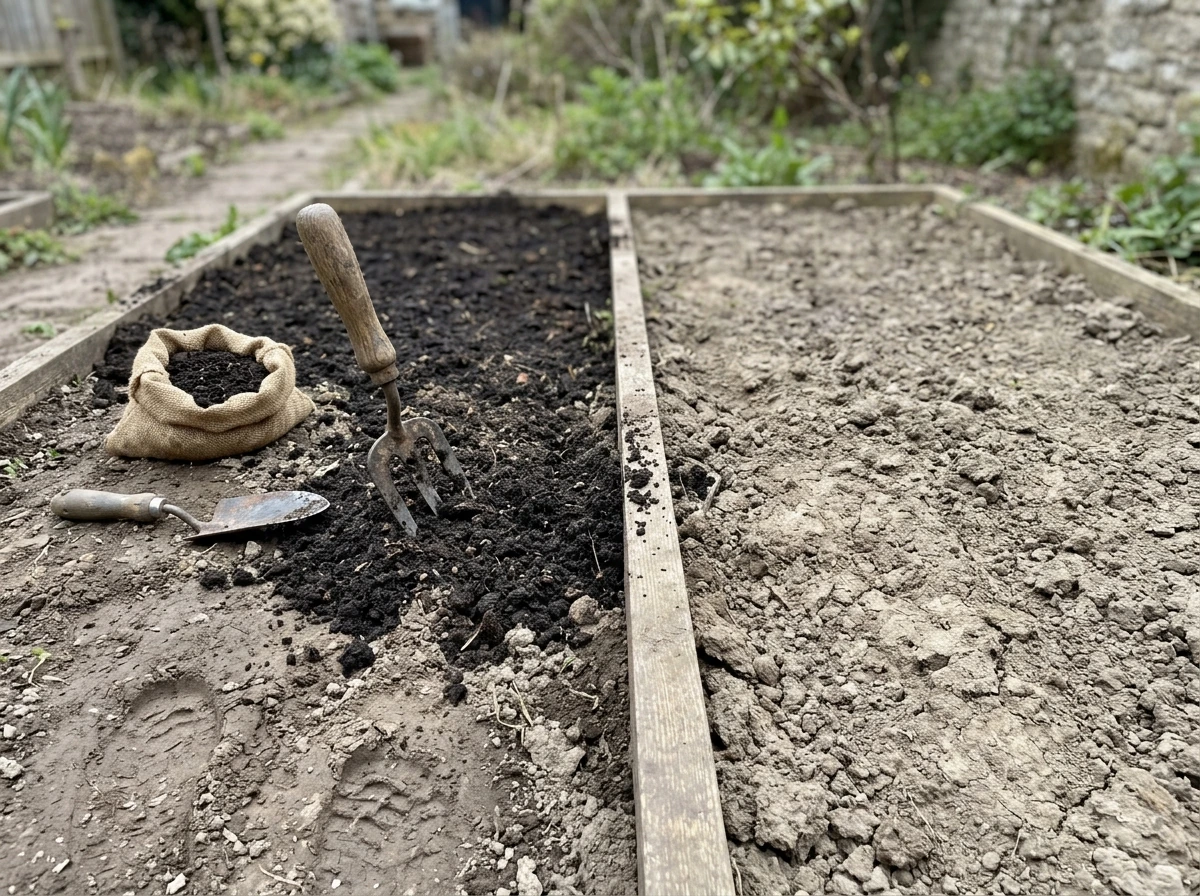
For animal manures that have been properly composted or aged (at least 6 months for cold aging, or hot-composted as above), the general guidance is to apply to beds in fall or at least 90 days before harvest for crops where the edible part contacts soil, and 120 days before harvest for root crops and leafy greens. These windows come from produce safety frameworks and give remaining microbial populations time to die off in the soil environment.
In terms of quantity, well-composted manure is typically applied at 1 to 3 inches worked into the top 6 to 8 inches of soil for bed preparation. For established plants, a top-dressing of half an inch to 1 inch around (but not touching) the plant base works well as a slow-release feed. Don't overdo it. More is not better here, and fresh or semi-composted high-nitrogen manure (especially chicken) can easily over-fertilize and cause leaf scorch.
Safe application rules
- Only use fully composted or properly aged material. 'Finished' means it smells earthy, not like manure, and looks like dark crumbly soil.
- Keep it away from the edible portions of plants. Never apply to leafy greens or root crops in a way that lets the amendment contact the part you'll eat.
- Apply before planting, not during active crop growth near harvest.
- Wash hands thoroughly and consider gloves when handling any manure-based amendment.
- For human excreta compost specifically: follow WHO treatment standards, verify you meet local regulations, and use only on non-edible plants or ornamentals unless you can confirm pathogen-reduction standards were met.
What can go wrong (and it's worth knowing)
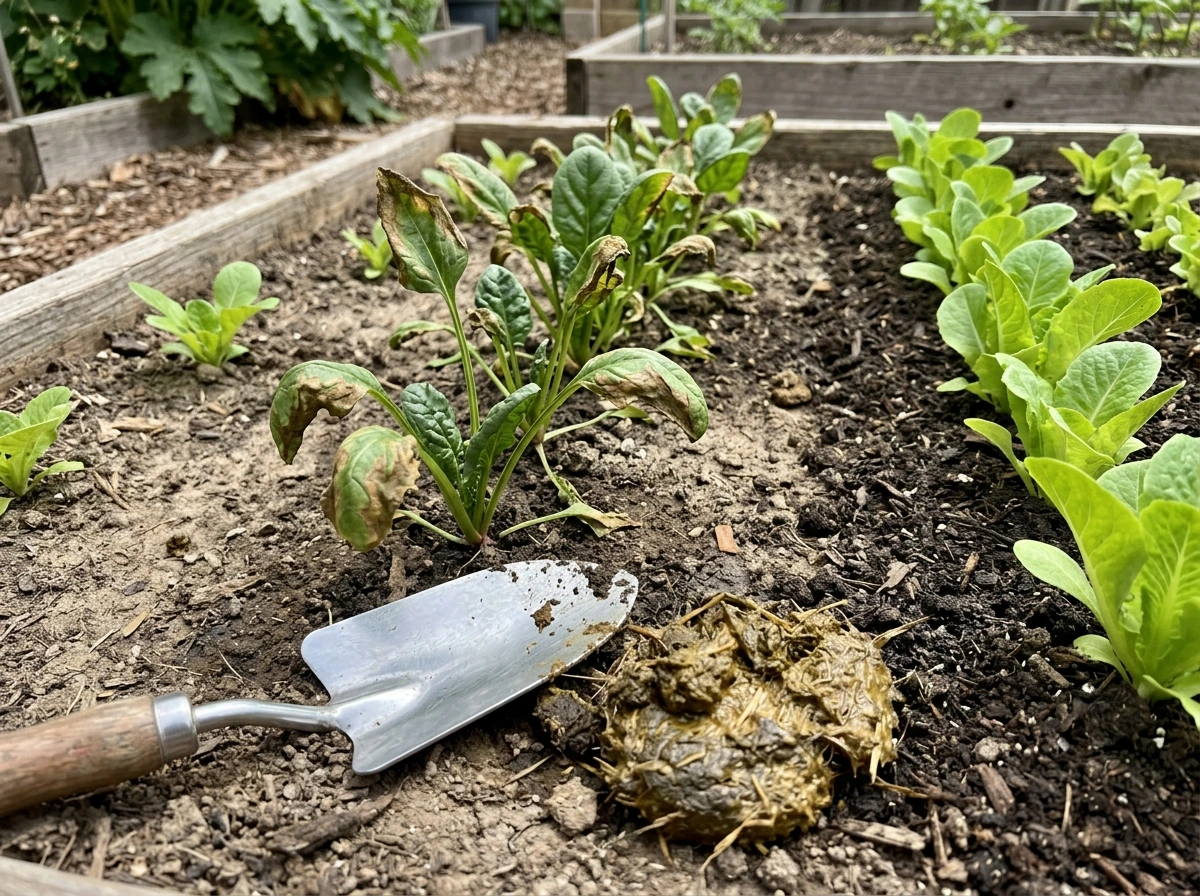
The most common problem home gardeners run into with manure-based amendments is burning plants with material that's too fresh. Fresh manure, especially from chickens or pigs, is extremely high in ammonia and soluble nitrogen. Apply it directly around plants and you'll see leaf scorch, wilting, and potentially dead plants within days. Even partially composted material can cause this. The composting process converts that raw, volatile nitrogen into more stable organic forms that release slowly. Skipping or shortcutting the composting process is the most frequent cause of manure-related plant damage.
Odor and pests are the next issue. Fresh or under-composted material attracts flies, rodents, and other pests. This is both a nuisance and a secondary contamination risk. A properly hot-composted pile that has gone through its full curing phase will have minimal odor and won't be particularly attractive to pests.
Heavy metals are a real but often overlooked concern. Biosolids from municipal wastewater can carry elevated levels of heavy metals including cadmium, lead, and zinc depending on what enters the municipal system. The EPA's biosolids standards set limits on heavy metal concentrations in land-applied material, but home gardeners sourcing compost from informal channels have no guarantee those limits are being met. Commercially bagged composted manures from reputable suppliers are a much safer bet for this reason.
Antibiotic resistance is an emerging concern, particularly with manures from livestock operations where antibiotics are routinely used. Resistant bacteria and antibiotic resistance genes can persist in poorly composted material. This is a growing area of research and another argument for proper thermophilic composting before application, since high temperatures reduce the viability of many resistance-carrying organisms.
Nutrient imbalance is also possible if you apply too much of any single amendment. Heavy manure use over multiple seasons can lead to phosphorus buildup in soil, which blocks the uptake of micronutrients like zinc and iron. Regular soil testing is the only reliable way to catch this before it affects your plants.
How to tell if it's actually helping your soil and plants
The most honest answer here is: don't just guess. Get a basic soil test before and after adding any significant amendment. Most university extension services offer soil testing for a small fee, and many garden centers carry basic home test kits. You want to see changes in organic matter percentage, pH (which manure can shift), and nutrient levels. A soil test before you start gives you a baseline; a test a season later tells you whether your amendment strategy is working or creating new imbalances.
Beyond lab tests, you can observe results directly. Healthier leaf color (especially darker green, indicating nitrogen uptake) is often the first visible sign that nitrogen levels improved. More robust root development when you transplant seedlings, improved water retention in sandy soils, and reduced compaction in clay-heavy beds are all signs that organic matter is improving your soil structure over time. These changes don't happen in one season. Building soil with organic amendments is a multi-year process, and patience is part of the equation.
Watch for signs of over-application too: scorched leaf margins, stunted growth despite good light and water, or unusually yellowing leaves can all indicate nutrient toxicity or pH drift from excess amendments. If plants that previously thrived start struggling after you added manure-based material, test your soil before adding anything else.
Safer alternatives that give you the same benefits
For most home gardeners, there's an easier and safer path to the same nutrient and soil-structure benefits that poop-based amendments provide. These options skip the pathogen risks and regulatory complications while delivering excellent results.
Well-composted animal manure from reputable sources (bagged products from garden centers that specify composting standards) gives you all the N-P-K and organic matter benefits with vastly reduced pathogen risk compared to fresh or home-processed material. Chicken manure compost is particularly nutrient-dense. Cow manure compost is milder and excellent for soil conditioning. Either is a solid starting point for most beds.
Worm castings (vermicompost) are genuinely one of the best soil amendments available. They have a balanced, gentle nutrient profile, an exceptional microbial community, and essentially zero pathogen risk since the worm gut environment eliminates most harmful bacteria. They're expensive to buy in large quantities, but you can produce them at home relatively easily. If you're curious about the role worms play in plant growth more broadly, that's a topic worth exploring on its own.
Finished compost from plant material (kitchen scraps, garden waste, leaves) won't deliver as high a nutrient load as manure-based amendments, but it excels at building soil structure and feeding the microbial ecosystem. Used consistently over several seasons, it transforms even poor soil. The nitrogen connection is worth noting: if you're specifically trying to understand how nitrogen affects plant growth, there's more detail on this site about that mechanism specifically.
Commercial organic fertilizers (products based on feather meal, blood meal, bone meal, fish emulsion, or kelp) give you precise, labeled nutrient concentrations so you know exactly what you're applying. They're processed to safe standards and don't carry the pathogen or contamination uncertainty of home-processed waste materials. For targeted feeding, especially mid-season when you need a nitrogen boost without disturbing roots, these are hard to beat.
| Amendment | N-P-K Benefit | Soil Structure Benefit | Pathogen Risk | Cost/Availability | Best Use |
|---|---|---|---|---|---|
| Composted animal manure (bagged) | Moderate to high | High | Very low (if properly composted) | Low cost, widely available | Bed prep, fall application |
| Worm castings | Low to moderate | Very high | Negligible | Higher cost; DIY possible | Seed starting, potted plants, top-dressing |
| Finished plant compost | Low | Very high | Negligible | Low (DIY) | Long-term soil building |
| Fish emulsion / blood meal | High (especially N) | Low | Negligible | Moderate cost | Quick nitrogen boost in-season |
| Bone meal | Low N, high P | Low | Negligible | Moderate cost | Root and flower development |
| Human excreta compost (WHO-standard) | High | High | Low (if properly treated) | Requires significant effort and equipment | Non-edible plants or ornamentals only (verify local rules) |
The bottom line is this: poop does help plants grow, through real, measurable nutrient and soil chemistry, not folklore. But the safest, most practical version of that benefit for your garden today comes from well-composted manure, worm castings, or finished compost rather than raw or informally processed human waste. Understand the mechanism, respect the safety steps, test your soil, and you'll get better results with far less risk.
FAQ
Can I use human poop if I only use it for non-food plants (like flowers)?
You still need to treat it as a pathogen risk problem, not a plant preference problem. Even if the crop is ornamental, contaminated material can persist in soil and splash onto edible plants nearby. If you are using it at all, rely on properly treated composted material that has reached and maintained the required thermophilic temperatures, and keep it away from areas where people handle soil or where water runoff can carry it to garden paths.
What’s the difference between “composted,” “aged,” and “fresh” manure, and which one should I avoid?
Fresh manure is not heat treated long enough for reliable pathogen reduction, aged manure is partially stabilized but may still be risky if it did not go through a hot compost cycle, and composted typically means it was actively managed and heated with consistent internal temperatures. For most home scenarios, avoid anything you cannot verify as hot-composted or fully cured, especially for crops where edible parts touch soil.
How do I know whether my compost pile actually reached the needed temperature internally?
Don’t trust the outside or the smell. Use a compost thermometer designed for deep piles and check the hot core temperature repeatedly. Turn the pile based on readings so all material passes through the hot zone, and only assume pathogen reduction after sustained time in the target range during active composting.
Will manure help all plants equally, or are some more sensitive?
Some plants are more prone to fertilizer burn and salt stress, especially seedlings, tender leafy greens, and salt-sensitive ornamentals. They typically do better with worm castings or finished compost, or with very light, well-aged manure top-dressings applied well away from the stem. If you’re unsure, start with lower rates and observe for leaf margin burn or slowed growth.
If poop helps plants because of N-P-K, why do I still need compost or soil tests?
Because nutrients alone do not predict the outcome, soil pH shifts, phosphorus buildup, and salt loading can change availability and uptake. Compost also changes water retention and microbial activity, which affects how plants access nutrients over time. A soil test gives you the “starting point” and prevents repeated applications from drifting into imbalance.
How much manure is too much for a typical home garden bed?
Too much is usually what causes scorch, stunting, or persistent yellowing despite good watering. As a practical upper limit, many gardeners start with 1 to 3 inches worked into the top soil for bed prep only if it is fully composted, and use top-dress rates for established plants rather than thick layers. When in doubt, apply less than you think you need, then reassess after a growth cycle.
Is urine the safer way to get “human waste” nutrients?
Urine can contain lots of nitrogen, but the safety issue is still about proper handling and dilution, plus preventing contamination of food crops. If you use urine-based fertilization, follow careful dilution and application practices and avoid applying right before harvest. Treat it as a nutrient source with its own rules, not as “automatically safe.”
Can I apply manure right before planting or after sowing?
Applying raw or even partially composted manure close to planting is a common cause of plant burn and uneven growth. For crops where edible parts touch soil, the article’s timing guidance aims to reduce lingering pathogens in the harvest zone. If you cannot meet the waiting window, switch to finished compost or a commercial organic fertilizer instead.
How long should I wait after adding manure before I harvest vegetables?
Use the crop-contact logic and the pre-harvest windows described in the article: generally allow around 90 days for crops where edible parts contact soil, and around 120 days for root crops and leafy greens. If you cannot meet that timing, choose a safer amendment for the current season and plan manure-based inputs for a fall or earlier cycle.
What are early warning signs that my manure application is harming plants?
Look for scorched leaf margins, wilting that occurs soon after application, stunted growth despite adequate light and water, or leaf yellowing that shows up after adding the amendment. These can indicate ammonia or soluble nitrogen burn, poor composting, or pH and nutrient drift. If symptoms appear, pause further feeding and test soil before adding anything else.
Will manure smell bad if it is safe to use?
A properly hot-composted and cured pile should have minimal odor and be less attractive to flies and rodents. Strong fecal odor, visible incompletely broken material, or persistent attraction to pests are red flags that composting and curing were not completed. In that case, do not apply to beds intended for crops you will eat soon.
How do I avoid phosphorus buildup from repeated manure use?
The practical method is to test soil at least occasionally and base new applications on results. Phosphorus can accumulate even when plants look “fine,” eventually limiting micronutrient uptake like zinc and iron. If soil phosphorus is already high, reduce manure-driven inputs and rely more on compost for soil structure or on fertilizers that match the nutrient gap indicated by testing.
Are worm castings always interchangeable with manure compost?
They are both valuable, but worm castings tend to be gentler and more consistent as a nutrient source, with very low pathogen risk when produced properly. Manure compost can supply more total N-P-K but may require more careful timing and rate control depending on compost quality. If your goal is soil conditioning, either can work, but if you need reliability and speed for sensitive crops, castings are often a safer first choice.
Next Articles
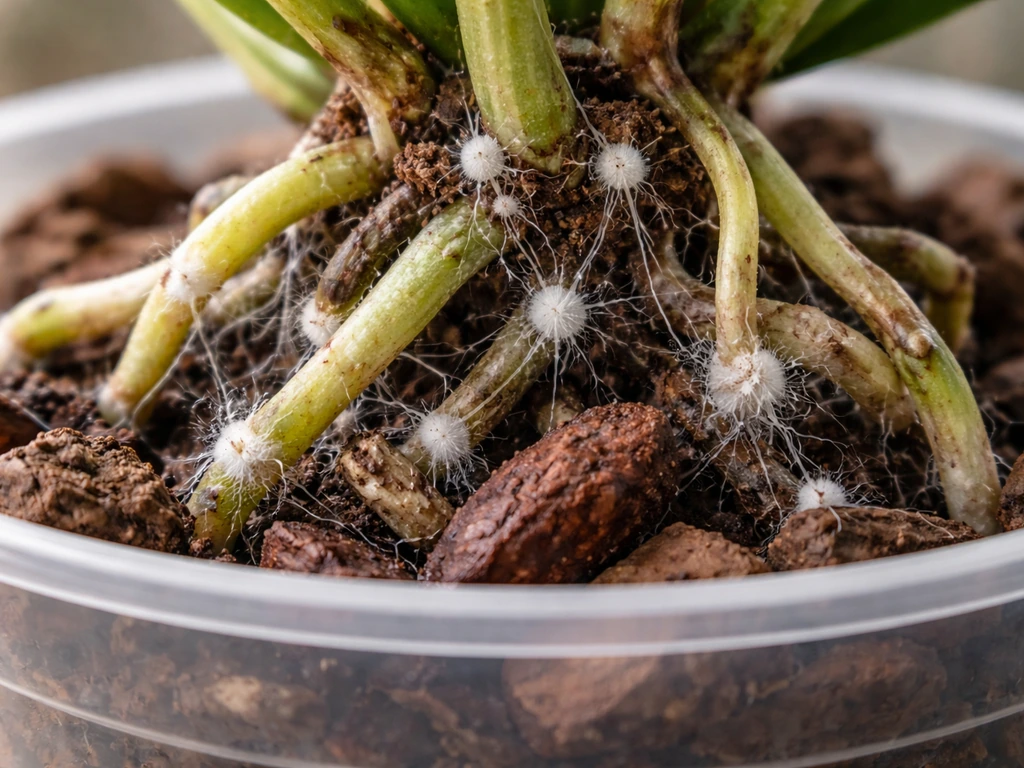
How Can Fungi Help an Orchid Grow: A Practical Guide
Learn which mycorrhizal fungi help orchids root, access nutrients, resist stress, and how to apply them safely today.
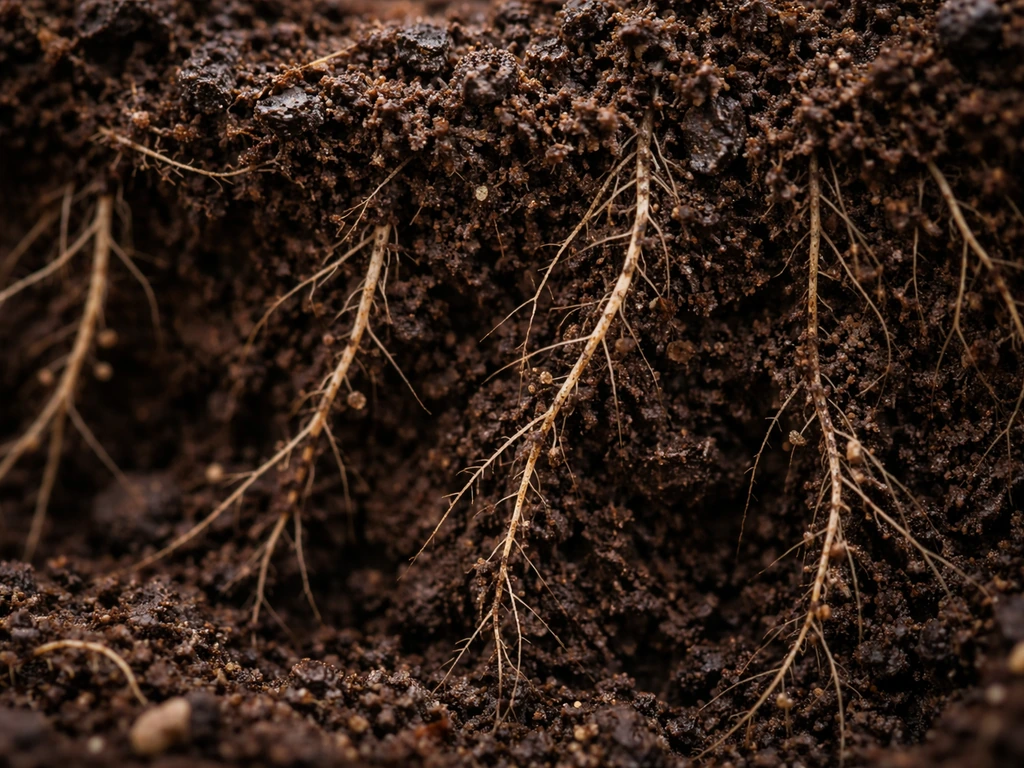
How Do Bacteria Help Plants Grow: Decomposers to Root Partners
Learn how soil bacteria decompose matter and boost root nutrient uptake, plus practical steps to improve plant health.
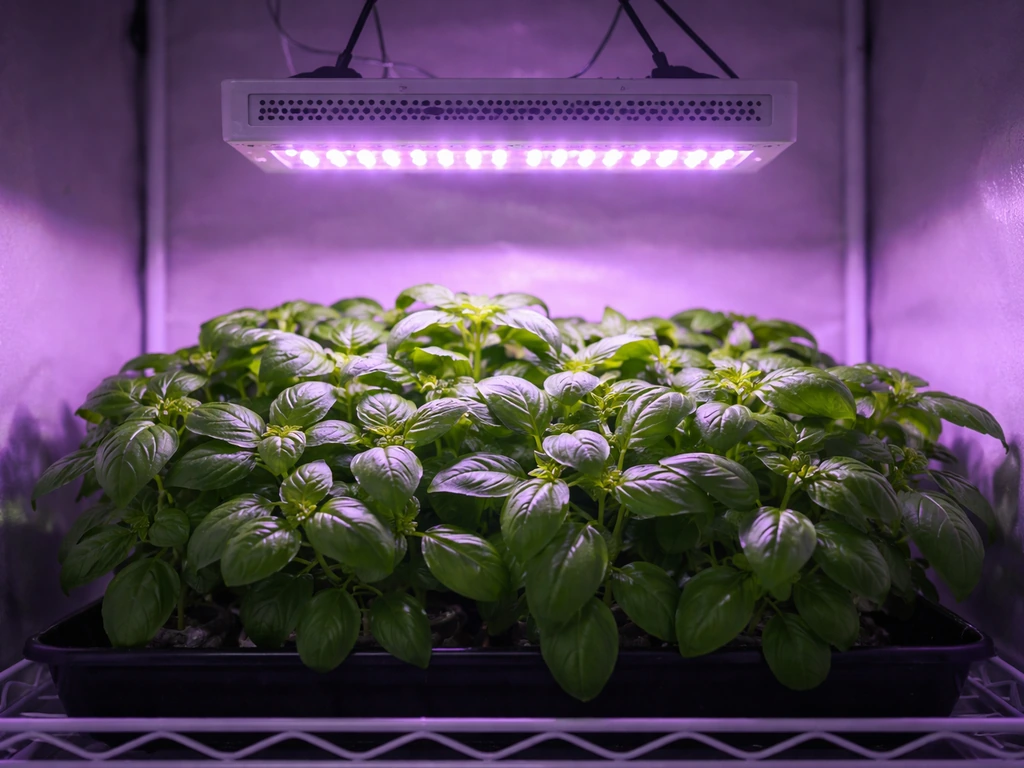
Does Purple Light Help Plants Grow? Practical Guide
Learn if purple LED light boosts plant growth, when it helps, and how to set PPFD, placement, and duration.