Yes, fish poop and fish-derived fertilizers genuinely help plants grow, but not because there's anything magical about fish. It works because fish waste is rich in nitrogen, phosphorus, potassium, and a range of micronutrients that plants actually need. The catch is that "fish poop" covers a pretty wide range of things, from fresh fish tank water to commercial fish emulsion to fish guano, and how much benefit you get depends entirely on what form you're using, how you apply it, and what your soil already has. Used right, it's one of the better organic fertilizer options available. Used wrong, it can burn your plants, attract pests, smell terrible, and do more harm than good.
Does Fish Poop Help Plants Grow? Benefits and How to Use It

Marcus Holloway
16 Jun 2026
What people actually mean by "fish poop"
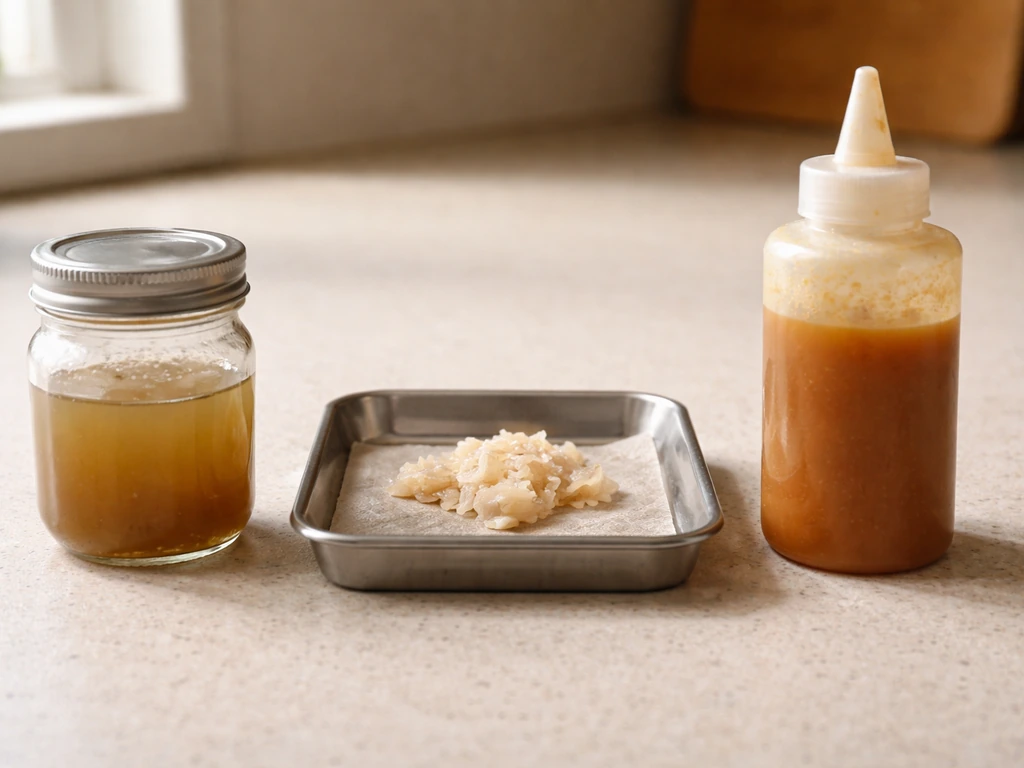
When gardeners search for fish poop as a plant fertilizer, they're usually thinking about one of a few very different things. It's worth being clear about what each one is, because they behave differently in your soil.
- Fresh fish waste or aquarium water: The dilute, nitrogen-containing water from fish tanks or ponds. Low in nutrient concentration but genuinely useful when applied directly to soil.
- Aquaculture sludge: Concentrated waste solids from fish farming operations. Much higher nutrient load and requires more careful handling.
- Fish emulsion: A commercially processed liquid made from whole fish or fish byproducts. The most widely available and easiest-to-use fish-based fertilizer.
- Fish meal: Dried and ground fish byproducts worked into soil as a slow-release amendment. Higher nitrogen content than emulsion.
- Fish guano: Dried excrement from fish-eating seabirds, sometimes labeled as fish guano. Often confused with direct fish waste but technically a separate product.
- Composted fish waste: Fish scraps or processing waste that has gone through a proper composting cycle before being added to soil.
For most home gardeners, the realistic choice is between aquarium water (if you keep fish), commercial fish emulsion, or occasionally composted fish scraps. The rest of this guide focuses on what you can actually get your hands on and use today.
What fish waste actually contains
Fish waste is nutrient-rich primarily because fish excrete ammonia-based nitrogen directly through their gills and in their urine, and their solid waste breaks down into additional nitrogen, phosphorus, and potassium. Commercial fish emulsion typically runs around 2-4% nitrogen, 2-4% phosphorus, and 1-2% potassium by weight, so you'll often see labels like 2-4-1 or 4-1-1. That's not blockbuster N-P-K compared to synthetic fertilizers, but it comes bundled with something synthetic products usually don't deliver: a range of micronutrients including calcium, magnesium, sulfur, and trace minerals, plus organic compounds that feed soil biology.
That last part matters more than most people realize. University of Illinois Extension research points out that fish emulsion doesn't just feed plants directly. It feeds the soil microorganisms that build the soil food web, which in turn improves nutrient availability, water retention, and root health over the long term. So part of what you're buying with fish-based fertilizer is a soil biology investment, not just an immediate nutrient hit. That's a meaningful difference from pouring synthetic nitrogen on your beds.
Aquarium water specifically is far more dilute than commercial emulsion, but it's genuinely useful. A well-stocked freshwater tank will have measurable ammonia, nitrites, nitrates, and phosphates in the water, and those are exactly what plant roots take up. It's essentially a very gentle fertigation you'd pour into soil, not spray on leaves.
How to apply fish fertilizer without wrecking your plants
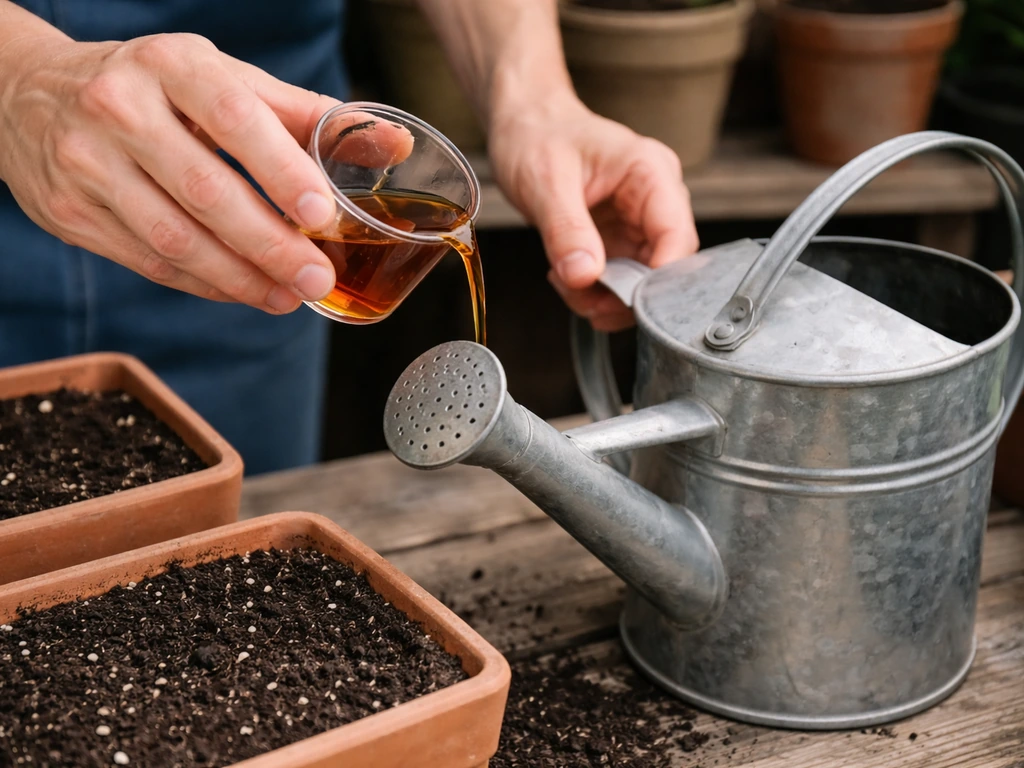
The application method matters as much as the product itself. Fish emulsion is concentrated and will burn roots or foliage if you use it straight from the bottle. The standard starting dilution for most commercial fish emulsions is about half an ounce per gallon of water, which lines up with the dilution rates tested at NC State Extension for transplant drench applications on tomatoes and peppers. From there, frequency matters too.
Soil drench (root feeding)
Mix fish emulsion at roughly 0.5 oz per gallon of water and apply directly to the soil around your plants, not on the foliage. Water the soil first if it's dry, then apply your diluted mix. This gets nutrients to the root zone and also feeds the microbial life in the soil. For actively growing plants, every one to two weeks during the growing season is a reasonable rhythm. NC State Extension testing on tomato and pepper transplants used bi-weekly and weekly drench schedules, both of which produced measurable benefits over no treatment.
Foliar spray (leaf feeding)
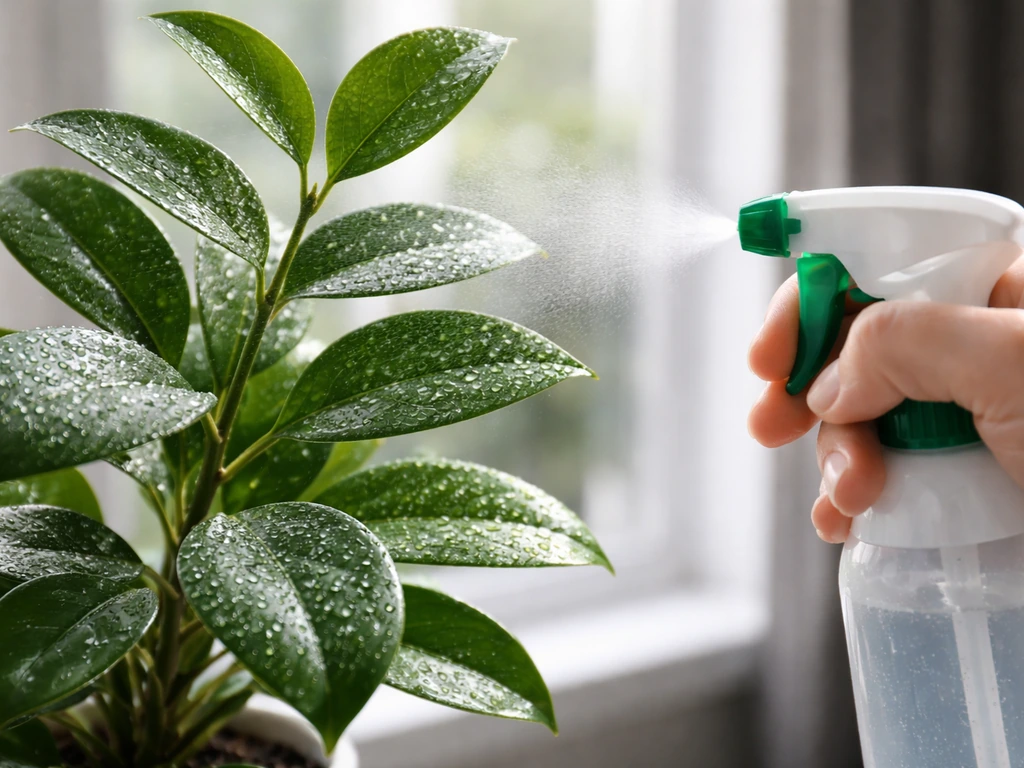
Dilute further than a soil drench, at about 0.25 oz per gallon, and spray leaves in the morning so they dry before evening. Foliar feeding delivers nutrients fast because leaves absorb them directly, but it's not a replacement for root feeding. Use it as a quick boost between regular soil applications, especially if you see early nitrogen deficiency symptoms like light-green or yellowing lower leaves. Avoid spraying in direct midday sun as the moisture on leaves can cause scorch.
Aquarium water
Use it straight, no dilution needed. Pour it directly onto soil during your regular watering. It's most useful for houseplants and container gardens where any extra nutrients are welcome. Don't let it sit in a bucket for days before use, because it can go anaerobic and develop odors or shift chemical composition.
Composting fish waste
If you have actual fish scraps or waste rather than commercial emulsion, composting is the responsible route before adding anything to your garden. Raw fish waste added directly to beds invites pests, creates serious odor problems, and can introduce pathogens. The EPA's composting guidelines are clear that [pathogen reduction requires controlled temperature conditions](https://www. epa.
gov/sustainable-management-food/approaches-composting): a minimum of 55°C maintained for at least 15 days in a windrow system that is turned properly. If your compost pile doesn't hit and hold those temperatures, you're not achieving meaningful pathogen destruction. US EPA’s archived composting guidance states that pathogen destruction is achieved in windrow systems when compost is held at 55°C for at least 15 days, with turning per the guidance [55°C for at least 15 days in windrow systems](https://archive. epa.
gov/epawaste/nonhaz/municipal/web/pdf/chapter7. pdf). Home bins usually don't. That means if you're composting fish waste at home, you should either use a hot composting method with careful temperature monitoring or skip the fish scraps and stick to commercial emulsion.
Fish fertilizer vs. other options: which one actually makes sense
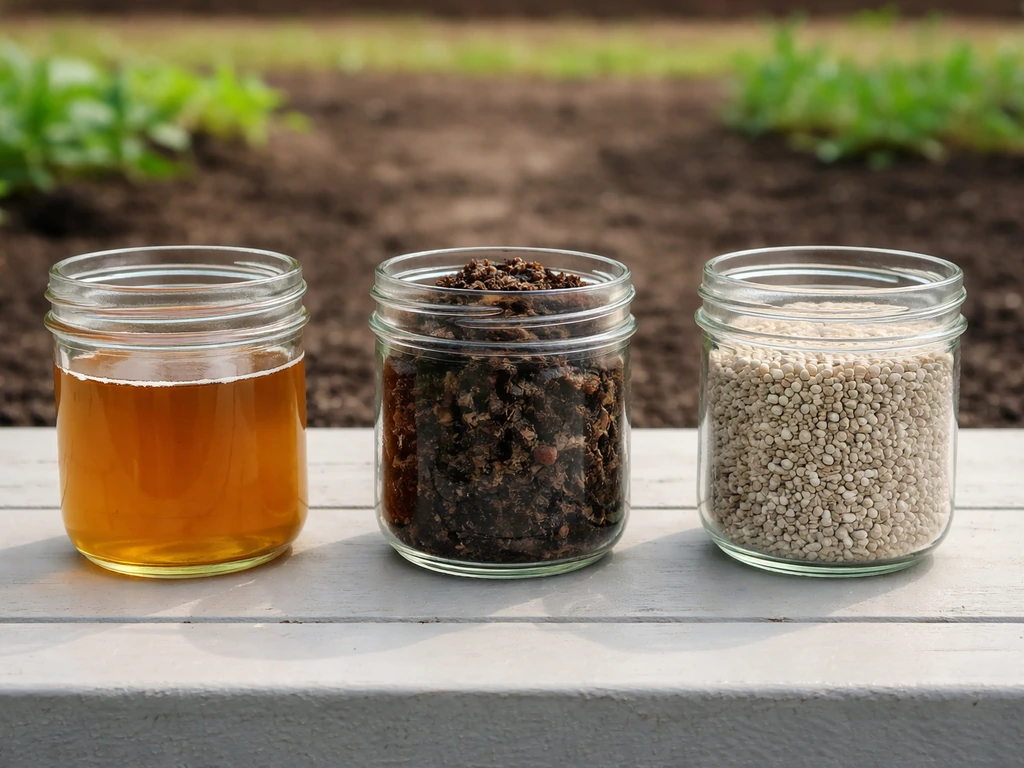
Fish-based fertilizers sit in an interesting middle ground between synthetic fertilizers and other organic amendments. Here's how they compare on the factors that matter most for real-world use.
| Fertilizer type | Nutrient speed | Soil biology benefit | Micronutrients included | Smell/mess factor | Cost |
|---|---|---|---|---|---|
| Fish emulsion | Medium-fast (days) | High | Yes | Strong smell | Moderate |
| Synthetic N-P-K fertilizer | Fast (hours-days) | Low to none | Often no | Minimal | Low to moderate |
| Compost | Slow (weeks-months) | Very high | Yes, broad spectrum | Minimal when finished | Low (DIY) to moderate |
| Manure (aged) | Slow to medium | High | Yes | Moderate | Low to free |
| Fish meal | Slow (weeks) | Medium | Yes | Moderate when wet | Moderate |
The honest comparison: synthetic fertilizers deliver nutrients faster and more predictably in the short run, but they do nothing for your soil biology and can degrade soil structure over time with heavy use. Fish emulsion gives you a meaningful nutrient delivery in a few days while also feeding your soil's microbial population. Compost is the long-game champion for soil health, and it's worth noting that compost and fish emulsion work well together rather than competing.
Many gardeners use compost as the base amendment and fish emulsion as a seasonal supplement when plants are in heavy fruiting or rapid growth phases. If the concept of organic waste feeding plants resonates with you, the same logic applies to why manure helps plants grow and how compost improves soil over the long term.
Real risks you need to know about
Fish-based fertilizers are not a free pass to pour on as much as you like. The risks are real and worth knowing before you start.
- Fertilizer burn: Too much fish emulsion, especially at high concentrations or during heat, can burn roots and leaf edges. Symptoms are brown, crispy leaf margins and wilting even in moist soil. Always dilute and water soil before applying.
- Salt accumulation: Like most fertilizers, fish emulsion applied repeatedly in containers or heavy doses can build up salts in the soil. This draws water away from roots via osmosis. If you're seeing slow growth and wilting in well-watered plants, flush the container soil with plain water between applications.
- Odor and pest attraction: Fish emulsion smells. Applied to soil it fades within a day or two, but it attracts cats, raccoons, and other animals immediately after application. Don't use it right before you'll be sitting outside, and consider covering the soil surface after application in areas with wildlife pressure.
- Pathogen risk from raw fish waste: Unprocessed fish waste can carry pathogens including Salmonella species. Commercial emulsion is processed in ways that reduce this risk, but raw fish scraps added directly to garden beds are genuinely problematic. Compost properly or skip it.
- Nitrogen imbalance: Fish emulsion tends to be nitrogen-forward. Using it heavily on flowering and fruiting plants can push excessive leafy vegetative growth at the expense of fruit set. High nitrogen during flowering is the wrong call.
This is actually where fish poop diverges meaningfully from something like dog poop, which most gardeners know to avoid in edible gardens. For a direct answer to whether dog poop helps plants grow, it’s generally not a safe option for edible gardens because of higher pathogen risk. Dog waste carries a different and more serious pathogen load and shouldn't go near food crops under any circumstances. Fish waste is more nuanced: commercially processed fish products are generally safe used correctly, but raw fish waste deserves the same caution as any raw animal waste.
Which plants benefit most, and when
Fish emulsion shines in specific situations more than others. Knowing when to reach for it saves you money and avoids problems.
Heavy feeders during vegetative growth
Tomatoes, peppers, squash, corn, leafy greens, and brassicas respond well to fish emulsion during their rapid vegetative growth phase. These plants need sustained nitrogen supply to build the leaf and stem mass that will eventually support fruiting. Apply as a soil drench every one to two weeks from transplant through first flower formation.
Seedlings and transplants
Highly diluted fish emulsion (half the standard rate) is excellent for seedlings and fresh transplants. It provides accessible nitrogen without overwhelming young roots, and the micronutrients support early root development. The NC State Extension transplant drench research specifically focused on tomato and pepper seedlings for good reason: this is a growth stage where fish emulsion delivers measurable benefits.
Houseplants
Aquarium water is ideal for houseplants during the growing season (spring through early fall). It's gentle, free if you keep fish, and builds slow consistent nutrition. For potted houseplants that aren't connected to any soil food web, the dilute organic nutrients support whatever microbial life exists in the potting mix.
When to back off
Stop or significantly reduce fish fertilizer applications once plants are in full flower and fruiting mode. Excess nitrogen at that stage promotes foliage over fruit. Also back off in late summer and fall for perennials and shrubs: you don't want to push fresh tender growth that will get hit by frost. And for acid-sensitive plants that prefer very lean soil, like lavender or native wildflowers, fish fertilizer is unnecessary and can actually disrupt their preferred growing conditions.
Troubleshooting: when fish fertilizer isn't working (or is making things worse)
If you've been using fish emulsion and your plants aren't responding the way you expected, the problem is almost always one of a handful of things, and most of them are fixable.
- Plants still yellowing after two to three applications: Check your soil pH. Nutrients in fish emulsion become unavailable to plants if soil pH is significantly off target. Most vegetables want pH 6.0 to 7.0. A $10 soil test kit will tell you if that's the issue. No amount of fertilizer will fix a pH problem.
- Leaves burning or turning brown at the edges: You applied too much, too concentrated, or to dry soil. Flush with plain water, ease off fertilizer for two to three weeks, and restart at half the concentration.
- Too much leafy growth, no flowers or fruit: You've been pushing nitrogen too hard, too late in the season. Cut fertilizer entirely and let the plant cycle into its reproductive phase. Phosphorus encourages flowering, so if you want to supplement, find a product with a higher middle number in the N-P-K.
- Stunted, slow growth despite regular feeding: Salt buildup in containers is the likely culprit. Pour several volumes of plain water through the container to flush accumulated salts, then resume feeding at lower frequency.
- Plants look fine but not exceptional: Fish emulsion can't compensate for insufficient light or poor water management. Before adding more fertilizer, honestly assess whether your plants are getting the right light spectrum and intensity, and whether your watering schedule is consistent. Nutrients are just one of the three things plants actually need.
Your practical starting plan
If you want to try fish-based fertilizer and get real results, here's what I'd do today. Start with a commercial fish emulsion, not raw fish scraps. Mix at 0.5 oz per gallon of water. Water your plants with plain water first to moisten the soil, then apply the diluted emulsion to the root zone. Do this every two weeks for vegetatively growing plants, every week for transplants just getting established. Watch your plants for two to three weeks. If you see deeper green color and good leaf size, you're getting a response. If you see burning, drop the concentration. If nothing happens at all, test your soil pH before adding more.
Fish poop and fish-derived fertilizers work because they deliver real nutrients that plants actually need, and they do it in a form that also benefits the soil biology underneath your plants. Manure helps plants grow for similar reasons: it supplies nutrients and boosts soil life when it is aged or composted so they become available to roots. That's not folklore. It's just organic chemistry doing what it does. But like any fertilizer, it's a tool, not a cure-all. Pair it with good soil structure, the right light, and consistent watering, and you'll see it earn its place in your garden routine.
FAQ
How long should I wait after applying fish emulsion before harvesting vegetables or herbs?
For edible plants, use commercially processed fish emulsion rather than raw fish waste, and apply it to the soil (not directly on leaves you plan to eat). Many gardeners also leave a short interval between the last fish fertilizer application and harvest for food-safety and odor reasons, especially when growing leafy greens. If you ever smell strong ammonia or see slimy residue, stop and flush the soil with plain water.
What should I do if I think I burned my plants with fish fertilizer?
Fish emulsion can burn if it is too concentrated or if the soil is dry when you apply. A simple safeguard is to water the bed or pot first, then apply only a diluted mix to the root zone, and avoid reapplying sooner than the labeled schedule. If you suspect overuse, leach with extra plain water (letting excess drain) and pause fertilizing until you see new, unburned growth.
Can fish poop (fish emulsion) cause plants to make lots of leaves but fewer flowers or fruit?
Yes, it can, particularly if you add it on top of already nitrogen-heavy soil or keep feeding through fruiting. Watch for very dark, lush foliage with little flowering or reduced fruit set, then switch to a lighter feed and focus on balanced support (for example, compost or a low-nitrogen phase). Soil testing helps confirm whether nitrogen is actually the limiter before you keep adding fish-based product.
Is it ever okay to add raw fish scraps directly to a vegetable garden?
Most home gardeners should not use fish waste directly in beds. If you want the nutrients without the mess, compost fish scraps only with true hot-compost conditions (consistent high temperatures and turning). If you cannot reliably control temperature, choose commercial fish emulsion instead, since it has been processed for a more predictable, safer nutrient form.
How do I use fish emulsion safely in pots and containers?
Fish fertilizer works best when you can dilute and distribute it evenly. For containers, use the same concept as a soil drench, but apply more carefully because pots dry out faster and saltier pockets form more easily. Always ensure drainage, and consider slightly lower dosing for small pots, then observe plant response.
If I use aquarium water, how do I avoid overdoing it or wasting nutrients?
Aquarium water is usually too dilute to “fix” deficiencies quickly, but it can help as a gentle supplement. Aim for moderate use during active growth, apply to the soil rather than spraying leaves, and avoid repeated heavy additions if your tank water already has high nutrient readings or you notice algae problems in the container.
What if fish emulsion doesn’t help and my plants still look unhealthy?
If your plants look pale green and growth stalls after fertilizing, the issue may not be nitrogen. Fish emulsion won’t correct micronutrient imbalances caused by soil pH problems or compacted roots. The most practical next step is to test soil pH and basic nutrients, then adjust your feed type rather than continuing the same fish product at the same rate.
Can I spray fish fertilizer on plant leaves instead of using it as a drench?
For foliar feeding, only use a higher dilution and apply in morning so leaves dry before evening, which reduces scorch and disease pressure. Don’t treat foliar feeding as a replacement for root feeding, especially for fruiting crops, because most long-term nutrient uptake depends on the root zone.
Should I test my soil if I keep using fish emulsion every year?
Over time, heavy organic feeding can change soil nutrient balance, and fish products add nutrients in a particular ratio. If you keep a consistent feeding program season after season, it’s smart to recheck soil periodically so you don’t build up phosphorus or other elements unintentionally. The decision aid is simple: if growth is fine, reduce frequency, and if you see persistent imbalances, test before adding more.
Next Articles
Do Dead Bodies Help Plants Grow? Real Science and Safer Options
Do dead bodies boost plant growth? Learn the real decomposition science, risks, and safer compost and fertilizer options
Does Dog Poop Help Plants Grow? Safe Steps and Truth
Find out if dog poop really helps plants, plus safe composting steps, risks, and do not use guidance for gardens.
Why Manure Helps Plants Grow and How to Use It Safely
Why manure boosts plant growth: microbes, nutrients, and organic matter, plus safe use to avoid burn, salts, and pathoge