Eggshells can genuinely help some plants in some soils, but not in the way most gardening hacks suggest. They are not a fertilizer. They do not "feed" plants in any meaningful N-P-K sense. What they actually are is a slow-release liming material made almost entirely of calcium carbonate, and if your soil is too acidic and genuinely low on calcium, crushed eggshells can inch the pH in the right direction and make nutrients like phosphorus more available. Minerals in general help plants grow by correcting nutrient availability, supporting key chemical processes in the soil, and enabling roots to take up essential elements. That is a real, measurable benefit backed by field studies. The catch is that it is slow, it only works under specific soil conditions, and it requires actual preparation to be effective. In the r/composting discussion, users note that putting eggshells in soil “a whole lot” may not help much unless the shells are fine and given time, because calcium availability can be slow and limited calcium availability from shells may be slow/limited without fine particle size and time. Tossing a few halves into a planting hole and expecting a yield boost is mostly a waste of time.
Do Eggs Help Plants Grow? What Works and How to Use It

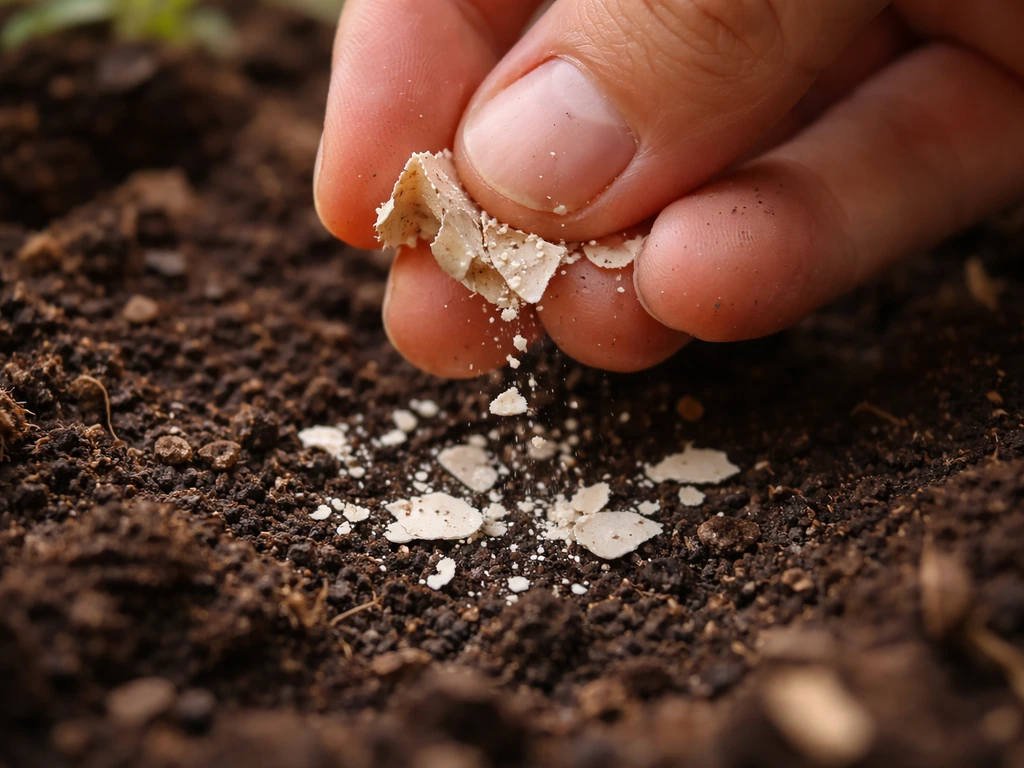
Which egg products gardeners actually use
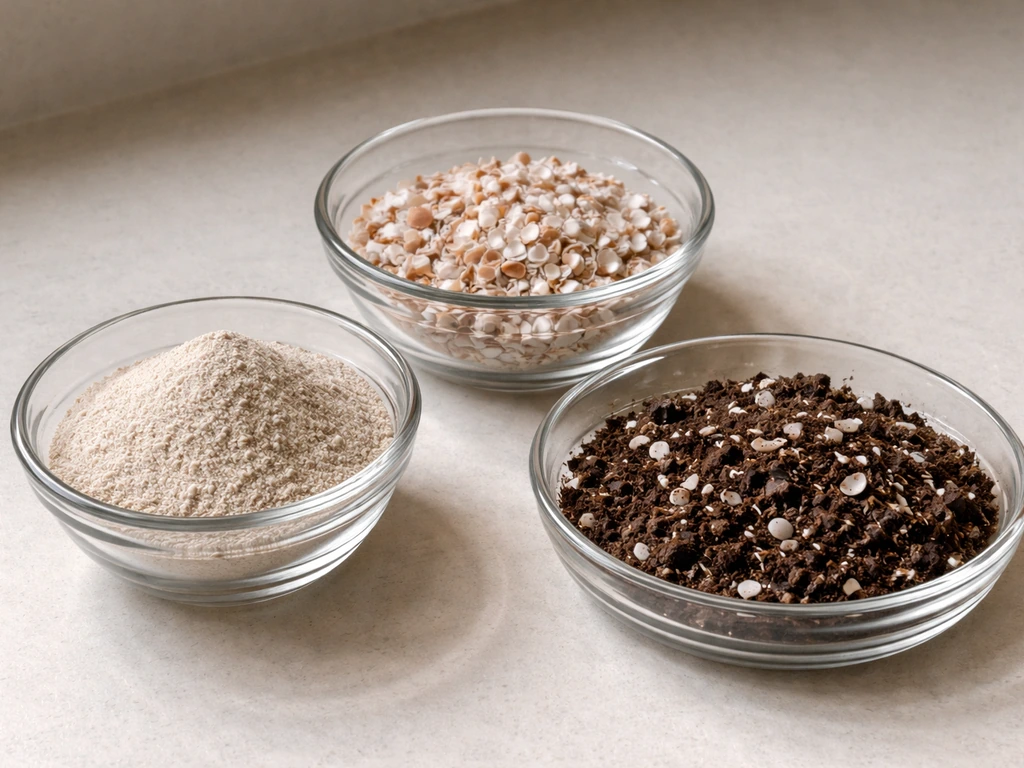
There are a few different "egg hacks" floating around gardening communities, and they are not all the same thing. It helps to separate them clearly before diving into the science.
- Crushed or ground eggshells added directly to soil or compost. This is the most defensible use, since eggshells are ~94% calcium carbonate by weight and function as a liming material.
- Eggshell "tea" or water: shells soaked in water overnight, then the water poured on plants. The idea is that calcium leaches into the water. Given that calcium carbonate dissolves at only about 13 mg per liter at 18°C, the actual calcium delivered this way is negligible.
- Whole raw eggs or egg whites/yolks buried in soil or used as a liquid feed. Some gardeners believe the protein and fats act as fertilizer. Whole eggs do contain nitrogen, but the pathogen and pest risks make this approach hard to recommend.
- Boiled egg water (the water left after boiling eggs). Trace minerals do leach into this water, but amounts are too small to produce a measurable growth effect in most soils.
Of these, only ground eggshells have real research behind them, and that research is specifically about soil pH and calcium availability, not plant feeding. Everything else sits somewhere between negligible and counterproductive.
What is actually inside an eggshell
Eggshells are about 94% calcium carbonate, with roughly 1% magnesium carbonate, 1% calcium phosphate, and 4% organic matter (mostly the thin membrane). Calcium makes up around 37% of eggshell by weight, with carbonate accounting for about 58%. That carbonate component is the key. Calcium carbonate (CaCO3) is the same active compound found in agricultural lime, and it works by neutralizing soil acidity. When CaCO3 dissolves in acidic soil, it raises pH and in the process increases the availability of several nutrients, particularly phosphorus.
A 2024 field study published in MDPI Agriculture confirmed that ground eggshells increased soil pH and improved phosphorus availability in sandy loam and sandy clay loamy soils, with effects comparable to agricultural lime at the same application rates. The University of Connecticut Extension explains why this matters: when soil pH drops below about 6.0, the availability of phosphorus, nitrogen, and potassium all decline. Correcting pH with a liming material like eggshells can unlock nutrients that are already present in the soil but chemically unavailable to roots.
One important caveat: calcium carbonate has low solubility in water, which means eggshells dissolve slowly. Iowa State research found that pH-raising effects from eggshell treatments leveled off by around 18 months, indicating this is a slow, long-term amendment rather than a quick fix. Dissolution is also pH-dependent: CaCO3 reacts faster in more acidic soils, which is exactly where liming makes sense anyway.
Where the popular claims go wrong
"Eggs fertilize plants"
This is the biggest misconception. Fertilizers deliver nitrogen, phosphorus, and potassium (N-P-K) in forms plants can actually absorb. Eggshells contain virtually none of the nitrogen plants need, and the small amounts of phosphate and magnesium they carry are bound up in a form that releases very slowly. UMN Extension is clear on this: eggshells should not be treated as a substitute for proper fertilization. If a plant is yellowing from nitrogen deficiency or struggling from poor soil nutrition, eggshells will not fix it.
"Eggshells prevent blossom-end rot"
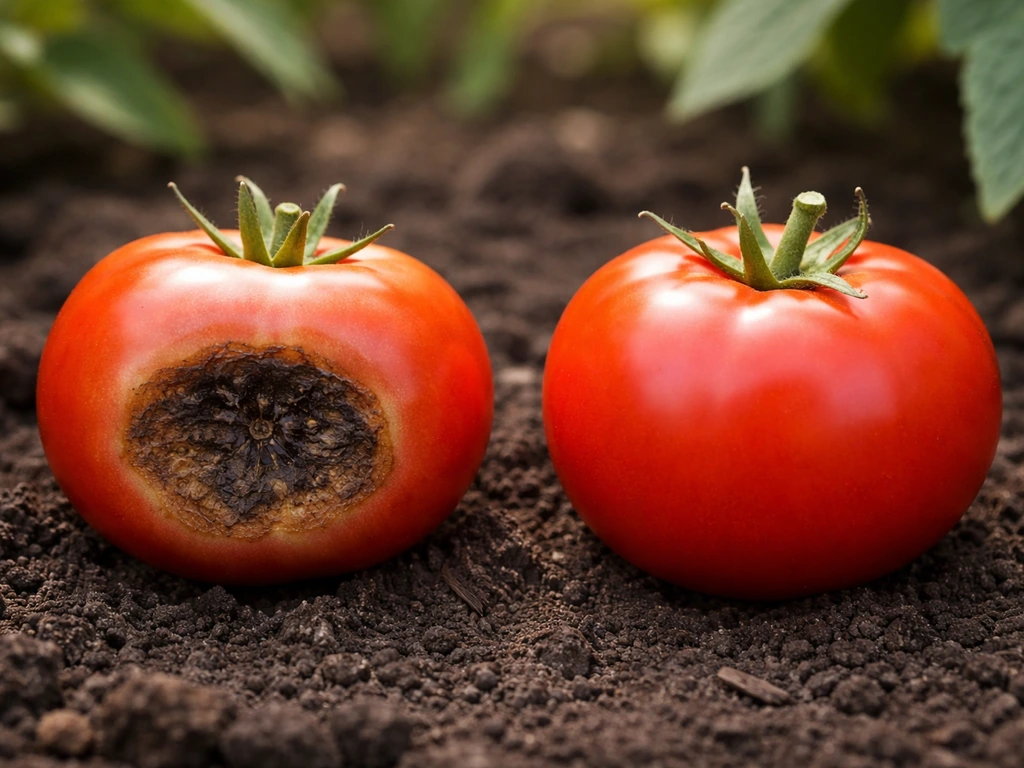
Blossom-end rot (BER) in tomatoes, peppers, and squash is associated with calcium availability at the plant level, but the cause is almost always inconsistent watering rather than a true calcium deficiency in the soil. Even in cases where soil calcium is genuinely low, tossing a few shells into the planting hole at transplant time will not dissolve fast enough to help the current season's crop. UGA Extension recommends addressing BER through proper soil pH management and using established calcium sources like dolomitic limestone or gypsum, not raw eggshell fragments.
"Eggshell tea feeds plants with calcium"
At roughly 13 mg of calcium carbonate per liter of water in ideal conditions, eggshell tea delivers a trivial amount of calcium. It is not a meaningful delivery mechanism. Calcium carbonate works as a solid liming material in contact with soil, not as a diluted liquid amendment.
"Eggshells deter slugs and pests"
The claim that sharp eggshell fragments cut slugs and deter them is popular but unsupported by reliable research. Slugs produce mucus that insulates them from mild abrasion, and field observations have not consistently demonstrated eggshells as an effective slug barrier. It is the kind of garden lore that feels logical but does not hold up when tested.
How to use eggshells correctly if you want to try them
If you have already done a soil test and confirmed your soil pH is below about 6.0 to 6.5 and your soil genuinely needs a calcium boost, eggshells can be a useful (if slow-acting) amendment, especially for acid-loving crops or if you are already composting kitchen scraps. Here is how to do it in a way that actually has a chance of working.
- Rinse and dry the shells first. This removes residual egg white, which can attract pests and harbor bacteria if left on shells before storage.
- Grind them finely. The MDPI field study used particles smaller than 2 mm. The finer the grind, the greater the surface area exposed to soil chemistry and the faster (relatively speaking) the reaction. A blender or coffee grinder works well. Coarse half-shells sitting in the soil have almost no practical effect.
- Apply at meaningful rates. One or two shells per plant is symbolic. To match what liming research uses, you need volume: think about incorporating ground shells broadly into beds over time rather than spot-dosing individual holes. Mixing into compost first is a good approach since it distributes them more evenly.
- Incorporate into the top few inches of soil. Surface application without mixing in is less effective. Work ground shells into the root zone, ideally a few weeks to months before planting, since the liming effect is slow.
- Do this consistently over seasons, not as a one-time fix. Iowa State's data showed pH effects building over time and plateauing around 18 months. Think of it as a gradual soil-building habit, not a treatment.
Adding ground eggshells to a compost pile is probably the most practical approach for most home gardeners. They contribute calcium, help balance the pH of compost that can trend acidic from food scraps, and by the time the compost is ready to use, the shells are further broken down and better integrated into the material.
What to avoid: safety, pests, and common mistakes
Whole raw eggs buried in soil or used as a liquid feed are a different situation from shells, and not in a good way. Raw eggs can carry Salmonella, and leaving raw egg contents in soil, especially near edible plants, creates a genuine food safety risk. WSU Extension also notes that while cooking can destroy pathogens, raw animal-derived materials can still pose serious risks, including pathogens such as Salmonella Raw eggs can carry Salmonella. Oregon State Extension notes that bacteria like Salmonella multiply rapidly at room temperature in raw egg material. Washington State Department of Health flags eggs as a common Salmonella vector. Beyond pathogen risk, whole eggs and egg scraps buried in open garden beds are attractive to rats, mice, raccoons, and flies. Ask Extension and University of Nevada Reno Extension both advise against adding animal-derived waste like whole eggs to standard compost piles for exactly these reasons.
Even with just shells, there are a few traps to avoid:
- Do not add shells to soil that is already at or above pH 6.5 to 7.0. Adding more carbonate to a soil that does not need liming will not help and could push pH too high for some crops. Utah State Extension notes that in calcareous or already-alkaline soils, adding more calcium carbonate is essentially pointless because the soil's buffering capacity resists change anyway.
- Do not skip the soil test and assume your soil needs what eggshells provide. University of Delaware Extension is clear: if your soil pH is already at target, a lab will not even recommend lime. The same logic applies to eggshells.
- Do not expect eggshell tea to deliver meaningful nutrition. The chemistry does not support it.
- Do not leave unwashed shells in piles outdoors. The residual organic material can smell and attract insects.
Better options and how to decide what your soil actually needs
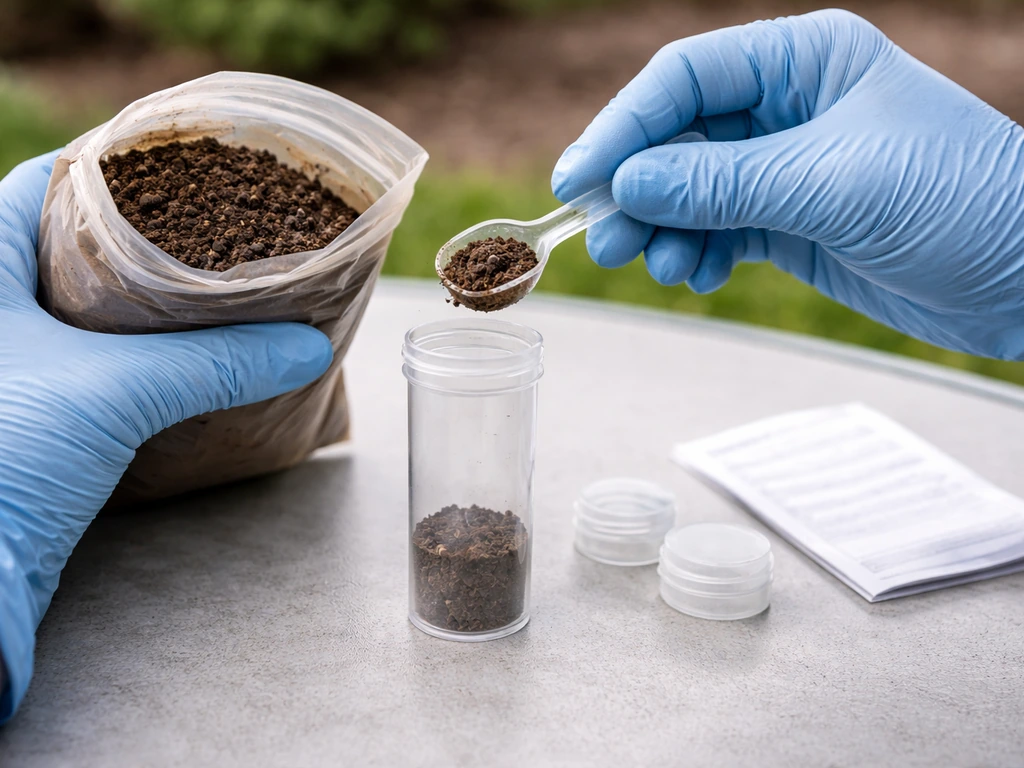
Before spending time on any amendment, including eggshells, a basic soil test is the single most useful thing you can do. Most county extension offices offer them for under $20, and they tell you your actual pH, nutrient levels, and organic matter content. From that, you can make informed choices instead of guessing.
| Goal | Better option than eggshells | Why |
|---|---|---|
| Raise soil pH in acidic soil | Agricultural lime or dolomitic limestone | Faster, more consistent neutralizing value per pound, already sized for dissolution |
| Add calcium to calcium-deficient soil | Gypsum (calcium sulfate) | Water-soluble, does not significantly raise pH, works faster in alkaline soils too |
| Fix blossom-end rot | Consistent watering + proper soil pH management | BER is almost always a water-uptake issue, not a soil calcium shortage |
| Improve overall soil nutrition and structure | Compost | Adds organic matter, N-P-K, microbes, and buffers pH all at once |
| Address specific N-P-K deficiency | Balanced fertilizer matched to soil test results | Delivers what plants can actually absorb at the right concentration |
If your soil test shows pH below 6.0 and you have eggshells available, there is no harm in using them, especially in compost. But if you want reliable results this season, agricultural lime or gypsum will act faster and more predictably. Eggshells are a sensible supplement to good soil management, not a replacement for it. Rocks, like limestone, can play a similar role by gradually altering soil chemistry over time rather than acting as a direct plant food do rocks help plants grow. The same principle applies to other popular amendments: topics like whether Epsom salt, potassium, phosphorus, or iron help plants grow all come back to the same answer, which is that these things matter in context, and context starts with knowing what your soil actually has and needs. Potassium can support plant growth when the soil is deficient, but it is not a universal fix like a true fertilizer program. If you are asking whether will epsom salt help plants grow, the key is to know whether your soil or leaves actually need magnesium, since it is not a complete fertilizer whether Epsom salt, potassium, phosphorus, or iron help plants grow.
The honest verdict: eggshells are not magic, and they are not useless. Ground finely, incorporated into compost or worked into acidic soil over time, they do something real. They just do it slowly, only under specific conditions, and they are not a shortcut around the fundamentals of light, water, and balanced nutrition that drive actual plant growth.
FAQ
How much ground eggshell should I add if I’m trying to raise soil pH or add calcium?
Start small and base the amount on a soil test. Eggshells act like a slow, weak liming material, so adding large handfuls without guidance can overshoot pH in less-acidic beds. A practical approach is to grind shells fine and use them mainly through compost, then reassess with another soil test in the next season (since effects can take many months).
Can I use eggshells directly in the planting hole for tomatoes or peppers?
Usually it’s not the best plan. The limiting factor is reaction time, CaCO3 dissolves slowly, so an amendment in one hole at transplant time often won’t meaningfully change calcium availability for that same season’s fruiting. If you do use shells, treat it as a longer-term soil adjustment, not a quick fix for blossom-end rot or immediate growth.
What’s the fastest way to get any benefit from eggshells?
Finer grinding and incorporation into soil or compost help, because surface area increases how quickly CaCO3 can react. Even then, expect a slow shift in chemistry, not same-week results. For fast correction of low pH, agricultural lime or gypsum is typically more predictable.
Why did my eggshell attempt not help, even though my soil is acidic?
Common causes are using whole shells instead of finely ground material, burying them where they do not mix well, or applying more shells than needed in a way that creates patchy results. Also, eggshells only help if the main issue is pH and calcium availability, if your limitation is nitrogen, potassium, or poor watering, shells won’t solve it.
Is eggshell “tea” ever worth making for plants?
Usually no. The calcium carbonate does not dissolve well in water, so the resulting liquid generally contains very little of the active liming compound. If you want to use eggshells, composting or mixing finely ground shells into soil is more effective than steeping them.
Can eggshells replace fertilizer or compost?
No. Eggshells contain almost no nitrogen, and the small calcium and phosphate they contribute are not delivered in a way that matches fertilizer timing. If plants are yellowing from nitrogen deficiency, or you’re running low on macronutrients, you still need proper fertilization and organic matter management.
Will eggshells prevent blossom-end rot?
Not reliably. BER is strongly linked to inconsistent watering and disrupted calcium uptake at the plant level. If you suspect BER, focus first on stable moisture, appropriate soil pH, and established calcium sources if testing confirms a soil issue, then consider eggshells only as a gradual soil amendment.
Are eggshells safe for pets, especially in compost or garden beds?
They can be, but consider where you store or spread them. Whole raw eggs and egg scraps can attract animals like rats or raccoons and can create safety issues, while plain ground shells in compost are generally less problematic. Still, keep compost covered and manage access if you have persistent wildlife.
What if I want to use eggshells but my soil pH is already above 6.5?
If your pH is already in a neutral range, eggshells may provide little benefit and could slowly push pH higher. In that case, prioritize other soil needs shown by testing, like nitrogen, potassium, magnesium, or organic matter. Recheck pH after a reasonable interval if you still want to use a small amount.
Is it okay to crush shells and feed them to worms directly?
In many worm setups, small amounts of finely ground shells can be fine because they blend into bedding and mature into compost-like material. However, go slowly and avoid raw egg material. If your worm bin already runs well, change additions gradually and watch for pH drift and odor problems.
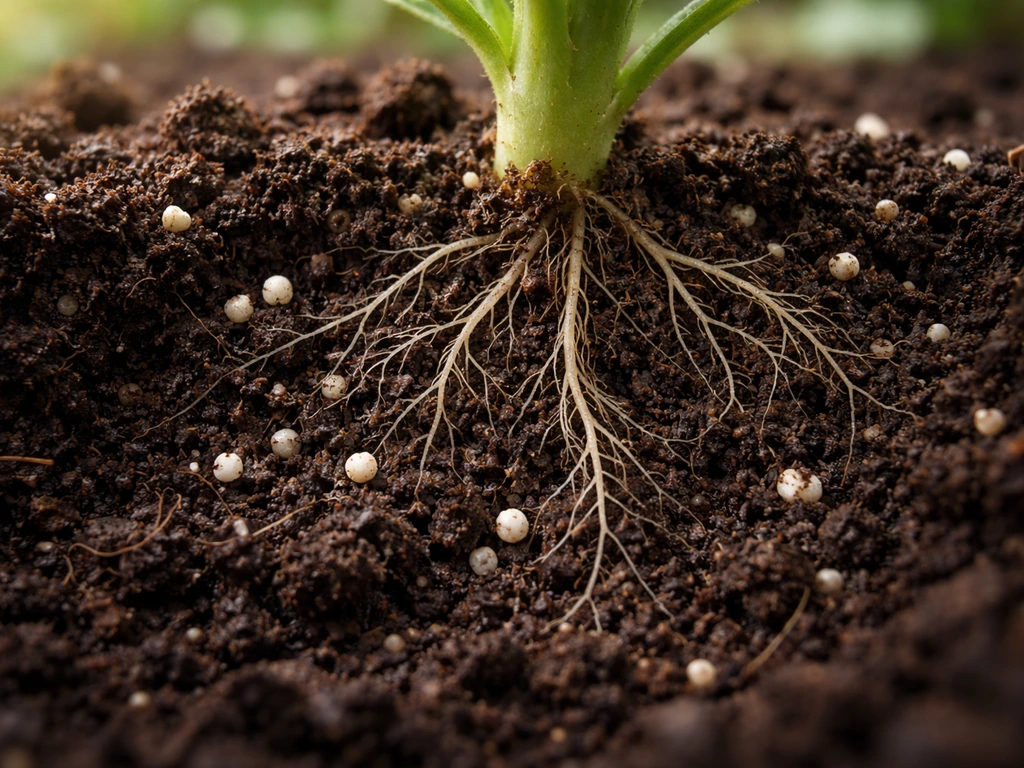
Explains how phosphorus and phosphate boost growth, how to spot deficiency, fix soil lock-up, and dose safely for better
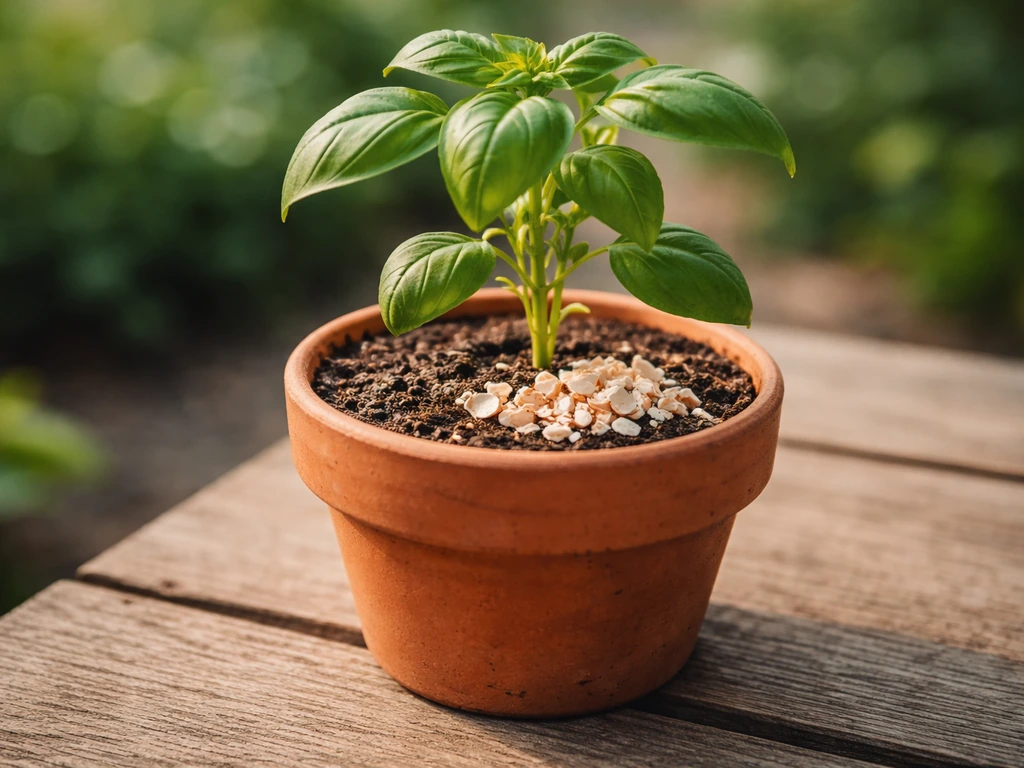
Find out if eggshells help plants, how to apply them safely, and when calcium or pH fixes are needed.
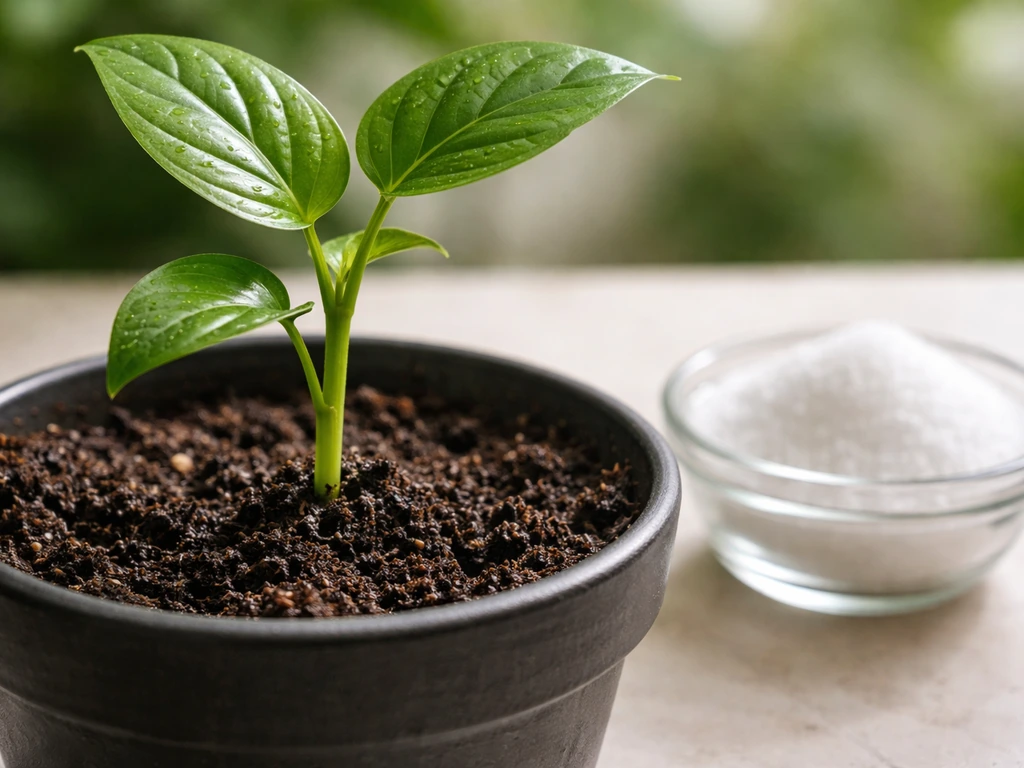
Yes, Epsom salt can help magnesium deficiency, but it won’t fix most growth problems. Learn when to use and how.