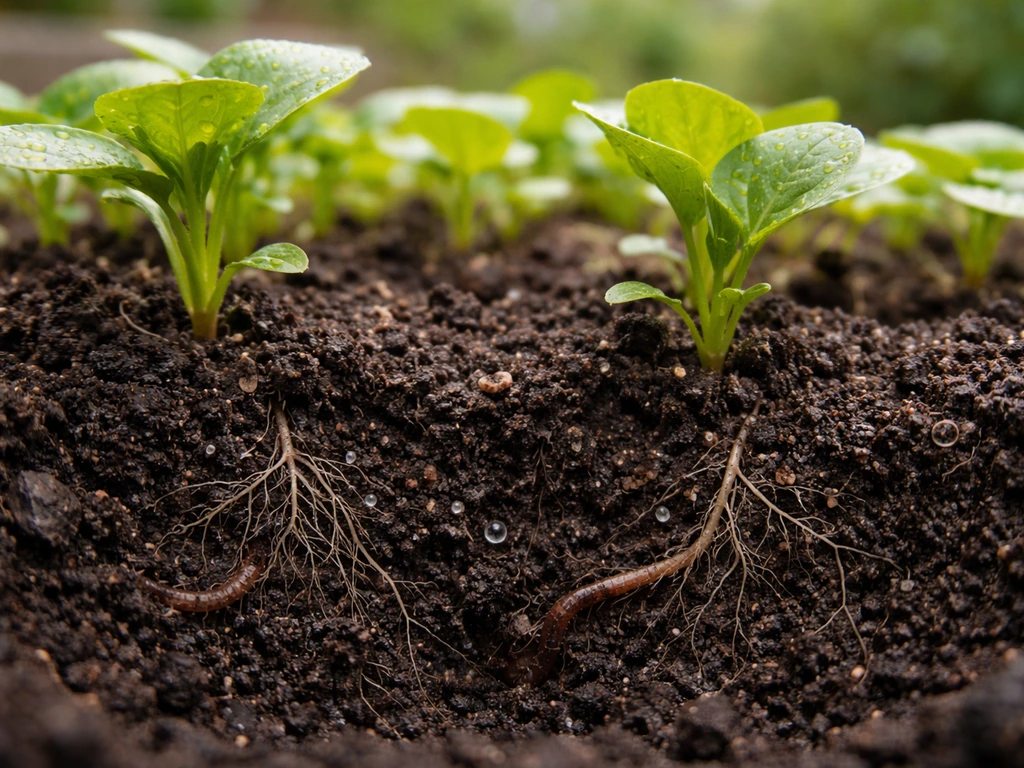
5) and add a trickle of calcium over time. In neutral or already-alkaline soils, they offer very little benefit and could even nudge the pH in the wrong direction. The honest summary: eggshells are a legitimate, low-cost soil amendment with real science behind them, but they are not a fast-acting fertilizer, not a cure for blossom-end rot, and not a substitute for good soil management. If you go in with realistic expectations, they are worth using.
If you expect quick, dramatic results, you will be disappointed.
Why eggshells work (or don't): the calcium angle and soil chemistry
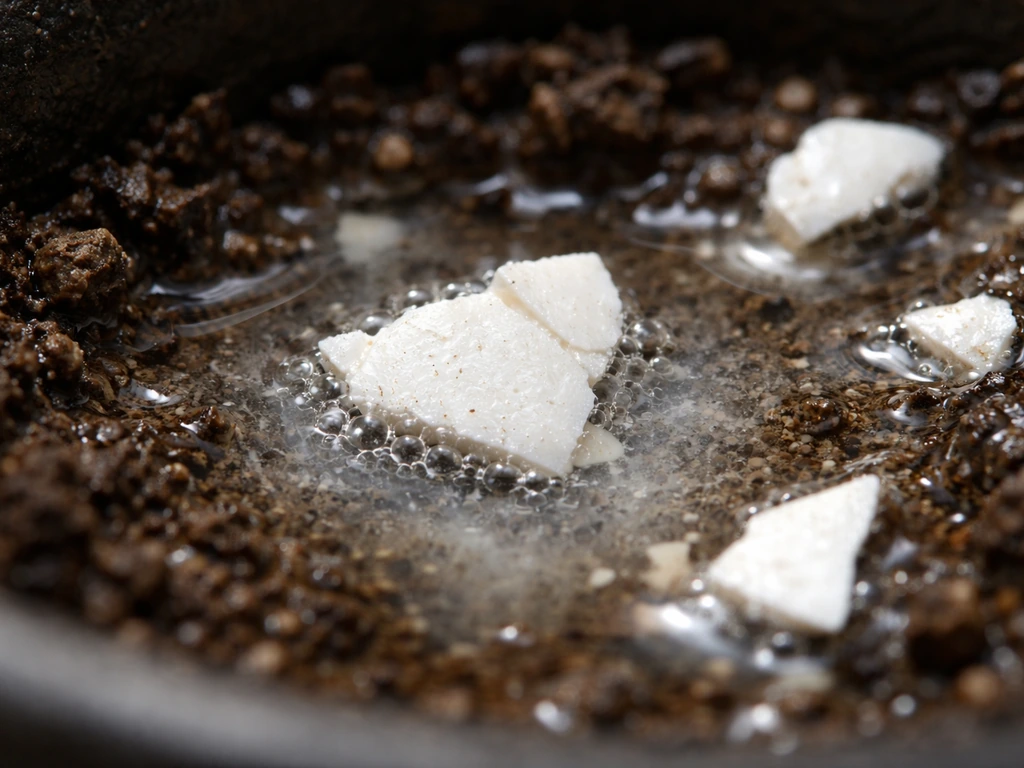
An eggshell is about 95% calcium carbonate by dry weight. When calcium carbonate dissolves into soil water, it releases calcium ions that plant roots can absorb and it neutralizes soil acidity by consuming hydrogen ions. That is the same basic chemistry behind lime applications, which farmers and gardeners have used for centuries to raise soil pH and supply calcium. So the mechanism is real.
The problem is the word 'dissolve. ' Calcium carbonate from an eggshell only becomes plant-available once it dissolves, and whole or coarsely broken shells dissolve extremely slowly, often taking years to break down meaningfully. University of Minnesota Extension, UC ANR, and NC Cooperative Extension all make the same point: eggshells decompose too slowly to deliver a timely correction.
A 2024 study published in the journal Plants (MDPI) did find that finely ground eggshells improved soil pH and phosphorus availability in sandy soils, which is encouraging, but the key word there is 'finely ground,' not crumbled by hand.
There is also a subtler chemistry issue. Calcium carbonate works as a buffer in soil, which is useful when acidity is the problem. But in soils that are already neutral or alkaline (pH above 7. 0), adding more carbonate can push the pH higher, which actually locks up micronutrients like iron and manganese.
When soil pH gets too high, calcium carbonate can indirectly worsen micronutrient issues such as iron availability, which can limit plant growth micronutrients like iron and manganese. Oregon State Extension notes that soil pH above 7. 5 is too alkaline for most vegetables. So blindly adding eggshells to any garden without knowing your pH is a gamble.
This is why soil testing comes up in every credible extension service's advice on this topic, and why I keep a basic test kit on hand before I start amending anything.
How to use eggshells properly: crush, amount, timing, and placement
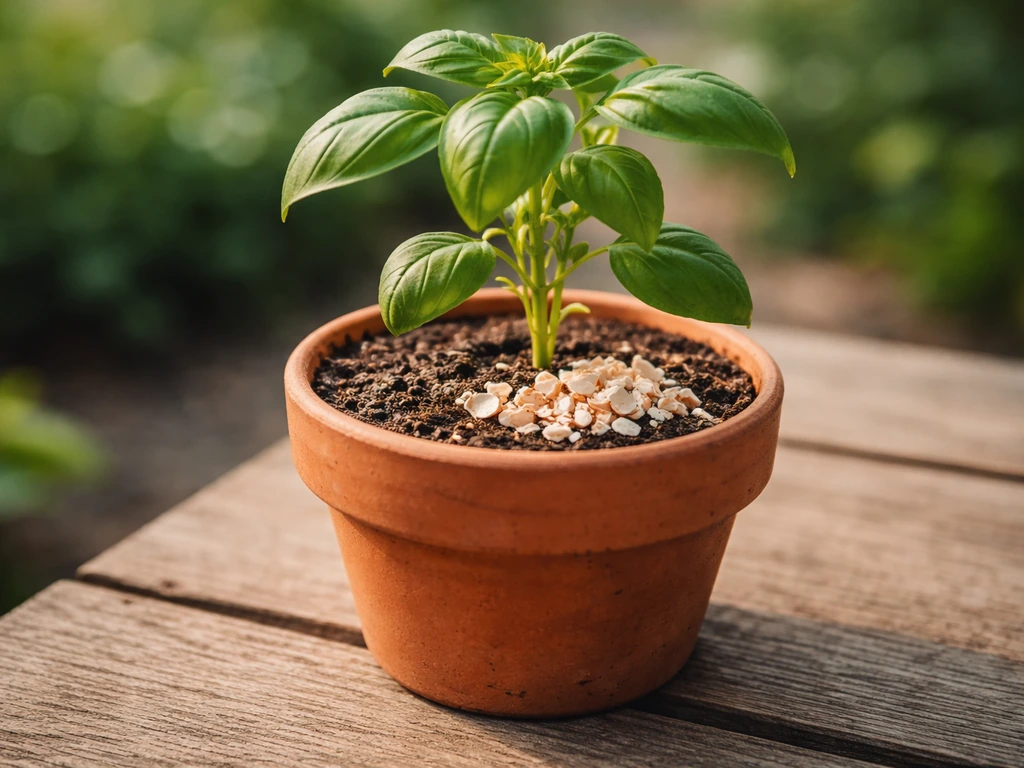
If your soil is acidic and you want to use eggshells as a slow-release calcium and pH amendment, the most important thing you can do is grind them as finely as possible. Coarse chips, the kind most gardeners sprinkle around their plants, are nearly useless in any practical timeframe. UC ANR has documented eggshell chips sitting unchanged in garden beds for years.
To actually get results, dry your shells in the oven at a low heat (around 200°F for 20 to 30 minutes), then grind them in a blender, food processor, or spice grinder until you get something closer to powder than chips. The finer the particles, the more surface area is exposed to soil moisture, and the faster dissolution happens.
As for how much to use: there are no universally agreed-upon rates the way there are for agricultural lime, because the studies on home-garden eggshell use are limited. A practical starting point is working about a cup of finely ground eggshell powder into the top few inches of soil around each planting area, incorporated before the growing season. This is not a precise prescription; it is a reasonable starting amount to introduce without risking over-liming a small bed.
For ongoing maintenance, collecting shells over winter and amending in early spring gives the material time to begin dissolving before your plants are actively growing. Topdressing mid-season with coarse shells has little value; they simply will not break down fast enough to matter for that season's crop.
Placement matters too. Mixing ground shells into the root zone is far more effective than scattering them on the soil surface, where they sit exposed and dissolve even more slowly. If you are adding them to a container or raised bed, incorporate them when you mix or refresh your soil rather than sprinkling on top after planting.
Do eggshells make plants grow faster, or do they just prevent problems?
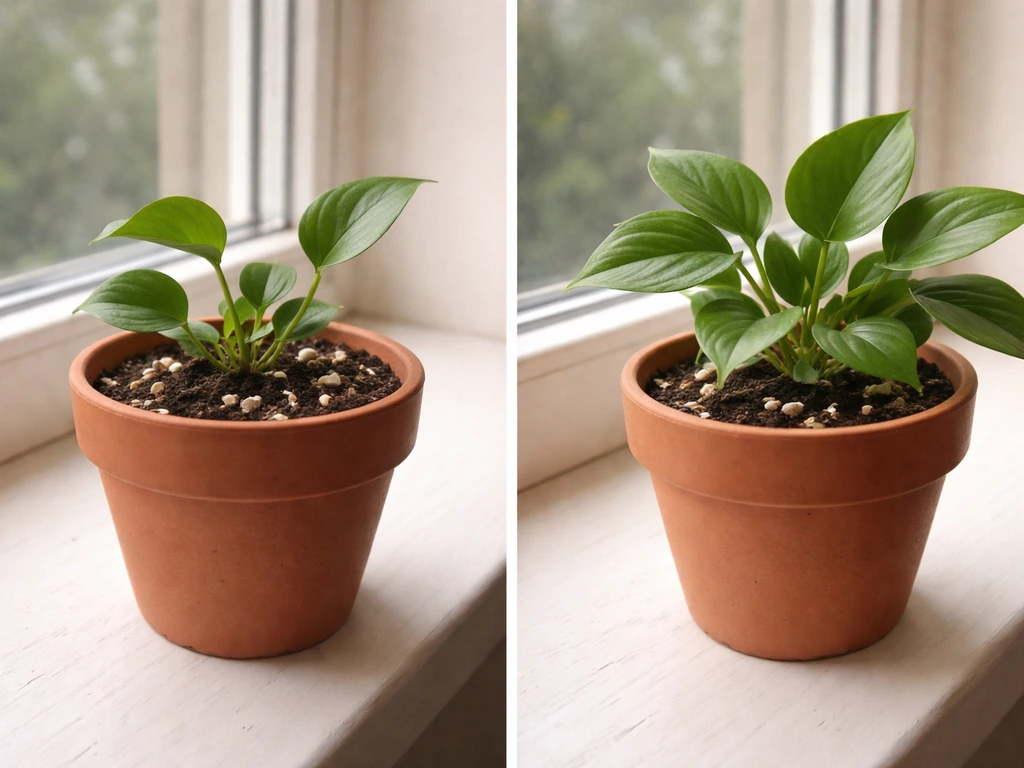
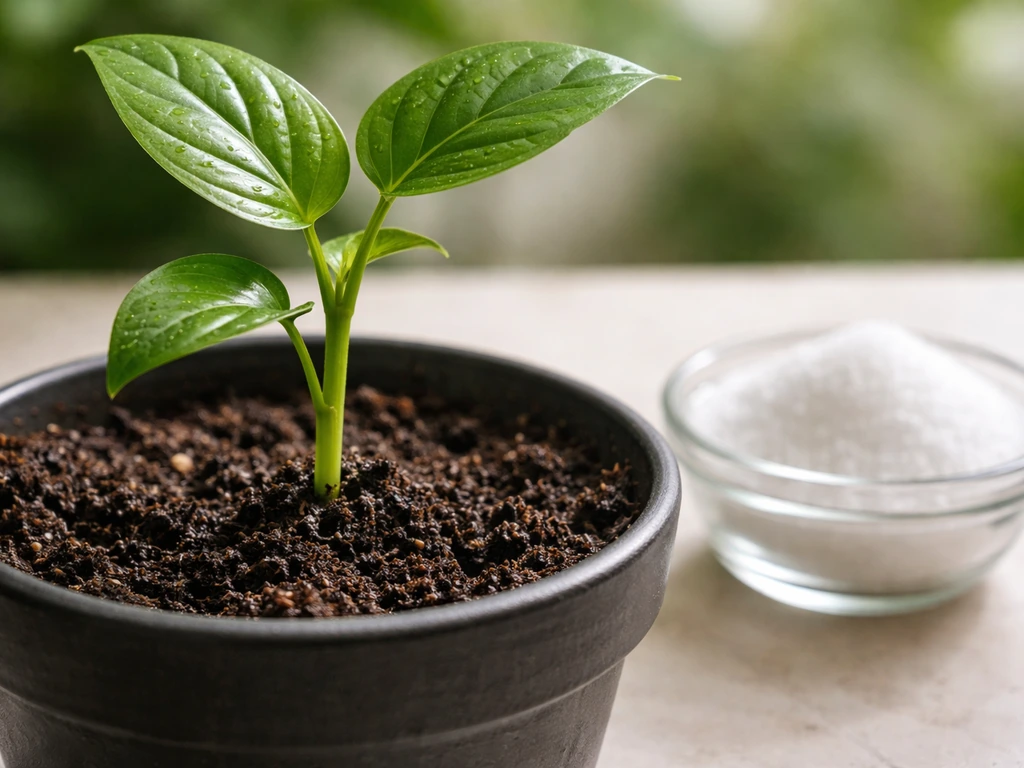
This is a question worth answering directly: eggshells do not make plants grow faster in any noticeable, short-term sense. If you are specifically wondering, do crystals help plants grow, the same idea applies that results depend on what your soil actually needs. Epsom salt is also not a guaranteed way to make plants grow faster, since it depends on what nutrients your soil actually lacks eggshells do not make plants grow faster.
There is no mechanism by which adding calcium carbonate to soil suddenly accelerates vegetative growth or fruit production. Oregon State University Extension notes that when soil pH is too high or too low, plants struggle to absorb needed nutrients, even if fertilizers are applied calcium carbonate to soil suddenly accelerates vegetative growth or fruit production.
What they can do, over a season or more of consistent use, is gradually correct acidic soil conditions and supply low levels of calcium in a form that eventually becomes available. That kind of gradual correction can improve overall plant health in soils that genuinely need it, which might show up as better leaf color, fewer nutrient-deficiency symptoms, or more consistent fruit quality.
But you are talking about incremental improvement over time, not the kind of visible boost you see after adding a balanced fertilizer or fixing a watering problem.
Think of it this way: eggshells are more like a slow-release background amendment than a growth booster. If you are wondering whether do eggs help plants grow, eggshells can help only in specific situations like acidic soils, and the benefit is slow. Will Epsom salt help plants grow depends on whether your plants actually need magnesium and how your soil is performing, so testing and targeted use matter do eggs help plants grow.
If your soil pH is already in the right range and your calcium levels are adequate, adding eggshells will do essentially nothing for plant growth at all. They are a correction tool, not a performance enhancer. The plants that show the most improvement after eggshell use are those growing in soils that were already limiting them due to acidity or low calcium, and even then the improvement is gradual.
Which plants and soil types benefit most (and least)
Eggshells are most useful in soils that are genuinely acidic (pH below 6.0) and where raising pH slightly toward the 6.0 to 6.5 range would benefit vegetable crops. Tomatoes, peppers, squash, and brassicas all do well in that range, and all are sensitive to calcium levels during fruit development. In those situations, finely ground eggshells are a reasonable contribution to a broader soil management plan. They are also a useful addition to compost piles, where the decomposition environment is more active and the shells break down faster than they would buried in cold garden soil.
They are least useful, and potentially counterproductive, in soils that are already neutral to alkaline. If your soil pH is already 6.8 or above, there is no practical benefit to adding more calcium carbonate, and as mentioned earlier, pushing pH higher risks micronutrient deficiencies. They are also not particularly useful for acid-loving plants like blueberries, azaleas, or rhododendrons, where maintaining lower pH is the goal. Adding eggshells to those beds would work directly against you. And in heavy clay soils that are already calcium-rich, eggshells add almost nothing.
| Situation | Are eggshells useful? | Better alternative if needed |
|---|
| Acidic vegetable garden soil (pH below 6.0) | Yes, slowly | Agricultural lime for faster correction |
| Neutral soil (pH 6.0 to 7.0) | Minimal to none | Balanced fertilizer or compost |
| Alkaline soil (pH above 7.0) | No, could worsen it | Gypsum for calcium without pH change |
| Acid-loving plants (blueberries, azaleas) | No, counterproductive | Sulfur to lower pH |
| Compost pile | Yes, adds calcium and structure | N/A, eggshells work well here |
| Calcium deficiency in fruit (blossom-end rot) | Unlikely to help in time | Gypsum, consistent watering |
Myths vs. reality: what eggshells won't do and common mistakes
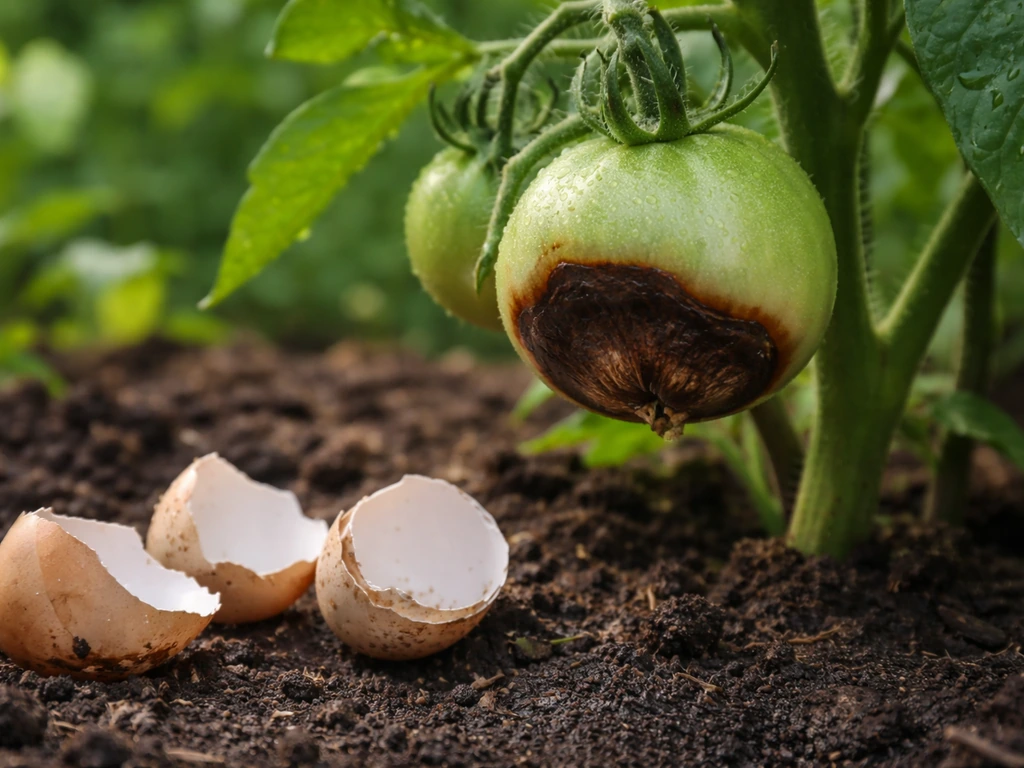
The biggest myth around eggshells is that they prevent or fix blossom-end rot in tomatoes and peppers. This idea is extremely widespread, and I completely understand why it persists: blossom-end rot is caused by calcium deficiency in the developing fruit, and eggshells contain calcium, so the logic seems airtight. But multiple extension services, including UMN, UC ANR, and NC Cooperative Extension, have explicitly called this out as unreliable. The problem is twofold.
First, eggshells decompose too slowly to deliver calcium when the fruit actually needs it during rapid early development. In a Reddit discussion about using eggshells for calcium, gardeners note that eggshells can take a long time to decompose, so they are not a fast way to increase bioavailable calcium eggshells decompose too slowly to deliver calcium.
Second, blossom-end rot is usually not caused by low calcium in the soil at all. It is most often caused by uneven watering that disrupts the plant's ability to transport calcium from roots to fruit. No amount of soil calcium will fix a transport problem caused by drought stress followed by overwatering. Wisconsin Horticulture makes exactly this point: the issue is impaired uptake and transport, not simply low soil calcium.
Another myth is that eggshells deter slugs and snails. The idea is that sharp shell edges cut soft-bodied pests. There is no solid evidence this works reliably, and once shells get wet they lose any sharpness they might have had. Scattering crushed shells as a pest barrier is mostly a waste of time.
Common mistakes gardeners make with eggshells include:
- Using whole or coarsely broken shells instead of grinding them fine, which means they will sit in the soil essentially intact for years
- Expecting results within a single growing season when even finely ground shells dissolve slowly
- Adding eggshells to soil without knowing the existing pH, which risks over-liming or adding them where they provide no benefit
- Treating eggshells as a complete fertilizer: they supply calcium (slowly) and some trace minerals, but they contain no nitrogen, phosphorus, or potassium, which are the primary drivers of plant growth
- Applying them mid-season to fix an active blossom-end rot problem, at which point even fast-acting calcium sources like gypsum are often too late
It is also worth being clear about what eggshells are not: they are not a replacement for good soil structure, adequate light, or consistent moisture. If your plants are struggling because of poor drainage, compacted soil, or irregular watering, sprinkling eggshells will not help. The same goes for nutrient deficiencies beyond calcium. If your plants are nitrogen-starved or phosphorus-limited, adding calcium carbonate does nothing to solve those problems.
If your plants are phosphorus-limited, adding eggshells will not help them grow better, because eggshells do not supply phosphorus. Other minerals like potassium, phosphorus, and iron each play their own distinct roles in plant growth and need to be addressed on their own terms. Other minerals help plants grow by supporting processes like water regulation, energy transfer, and healthy root development Other minerals like potassium, phosphorus, and iron.
Iron can help plants grow only when they actually need it as a nutrient, so the right fix usually depends on your soil tests. Potassium can help plants grow when it is a limiting nutrient, but it is not a substitute for balanced nutrition, proper light, and consistent watering. Potassium can help plants grow when it is a limiting nutrient, because it supports key functions like water regulation and overall health Other minerals like potassium, phosphorus, and iron.
Practical next steps: test, adjust, and know your alternatives
Before you crack open a bag of saved shells and start amending, do a soil test. This is the single most useful step you can take and it costs almost nothing. Basic at-home test kits measure pH and can be found at any garden center. If you want a fuller picture of calcium and other nutrient levels, your state's cooperative extension service typically offers mail-in soil testing for under $20.
The N. C. Cooperative Extension’s soil-calcium guidance emphasizes using local extension resources, including mail-in soil testing, to determine whether amendments like eggshells will actually help [your state's cooperative extension service typically offers mail-in soil testing for under $20](https://chowan. ces.
ncsu. edu/2024/05/gardening-mythbusters-eggshells-for-calcium/). Once you know your pH, you can make an informed decision about whether eggshells make any sense for your garden at all.
If your soil is acidic and you want to use eggshells, start grinding them into powder now and work a modest amount into your soil before planting. Retest your pH after a full growing season to see if there has been any measurable shift. Do not expect dramatic changes in year one; this is a multi-season project if you are relying solely on eggshells.
If you need faster results, here are the better-matched tools for specific problems:
- Acidic soil correction: Use agricultural lime (calcitic or dolomitic depending on your magnesium levels). It works on the same chemistry as eggshells but in a more reactive, finely milled form that acts within weeks rather than years.
- Calcium without changing pH: Use gypsum (calcium sulfate). This is especially useful for alkaline or neutral soils where you want more calcium without pushing pH higher. UGA Extension notes gypsum works faster than lime for supplying calcium to plants.
- Blossom-end rot prevention: Focus on consistent, even watering rather than calcium amendments. Mulching to moderate soil moisture fluctuation is more effective than any calcium source applied to the soil.
- General plant nutrition: Use a balanced fertilizer or well-finished compost. Compost is particularly valuable because it improves soil structure, microbial activity, and supplies multiple nutrients simultaneously, something eggshells simply cannot do on their own.
- Container plants: Soil pH in containers can shift quickly, so a diluted liquid calcium supplement or a soil mix with incorporated lime is more reliable than eggshells for maintaining the right chemistry.
Eggshells are genuinely useful as a long-term, low-effort soil amendment when you have the right conditions for them. In general, rocks do not have the same predictable, plant-available effects as calcium carbonate soil amendments like eggshells do rocks help plants grow. They are free, easy to collect, and they do eventually add calcium and raise pH in acidic soils when ground fine enough. But they are one tool in a broader soil management approach, not a miracle fix. Test your soil, understand what it actually needs, and then decide if eggshells belong in your rotation. That approach will serve your plants far better than any single ingredient ever could.