
Plain carbonated water (just water with dissolved CO2, no additives) can have a small, conditional effect on plant growth, but it is not a reliable growth booster and it is definitely not a substitute for good light, healthy soil, and proper nutrients. The science says: under the right conditions, the dissolved CO2 can temporarily lower soil pH, which may free up nutrients that were locked in the soil, and that nutrient-availability bump is the most plausible reason some plants respond positively. But those conditions are specific, the effects are temporary, and plenty of studies report no benefit or even harm depending on the plant species and soil type.
Does Carbonated Water Help Plants Grow Faster? Truth

Marcus Holloway
20 May 2026
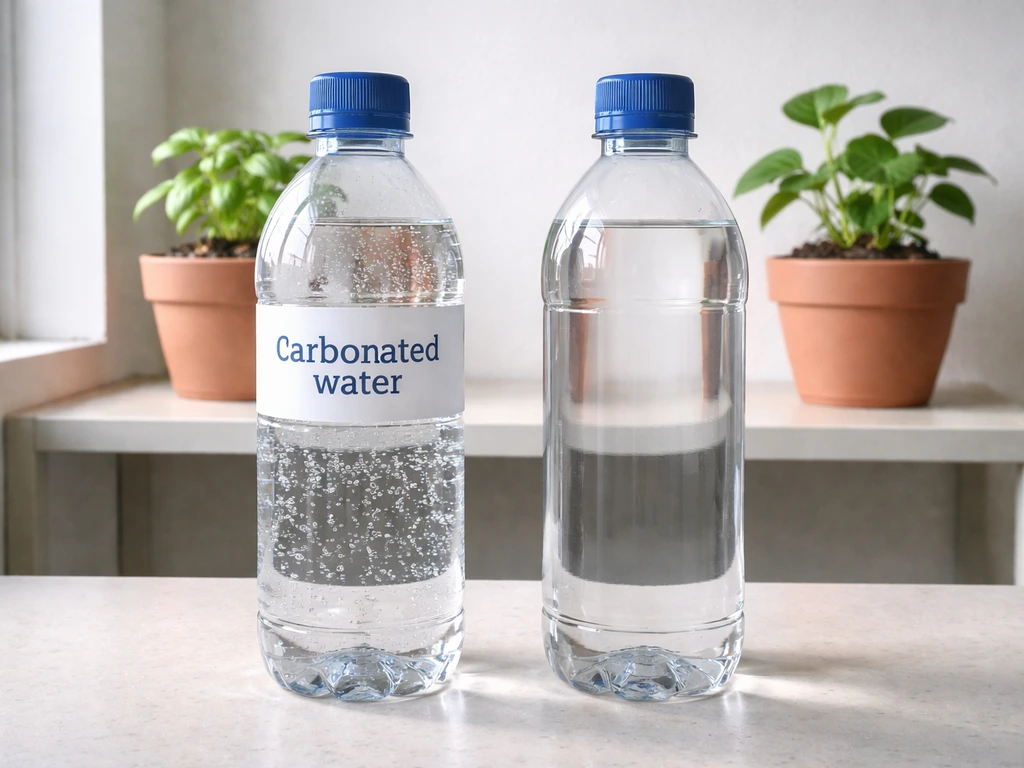
What's actually happening when you water plants with carbonated water
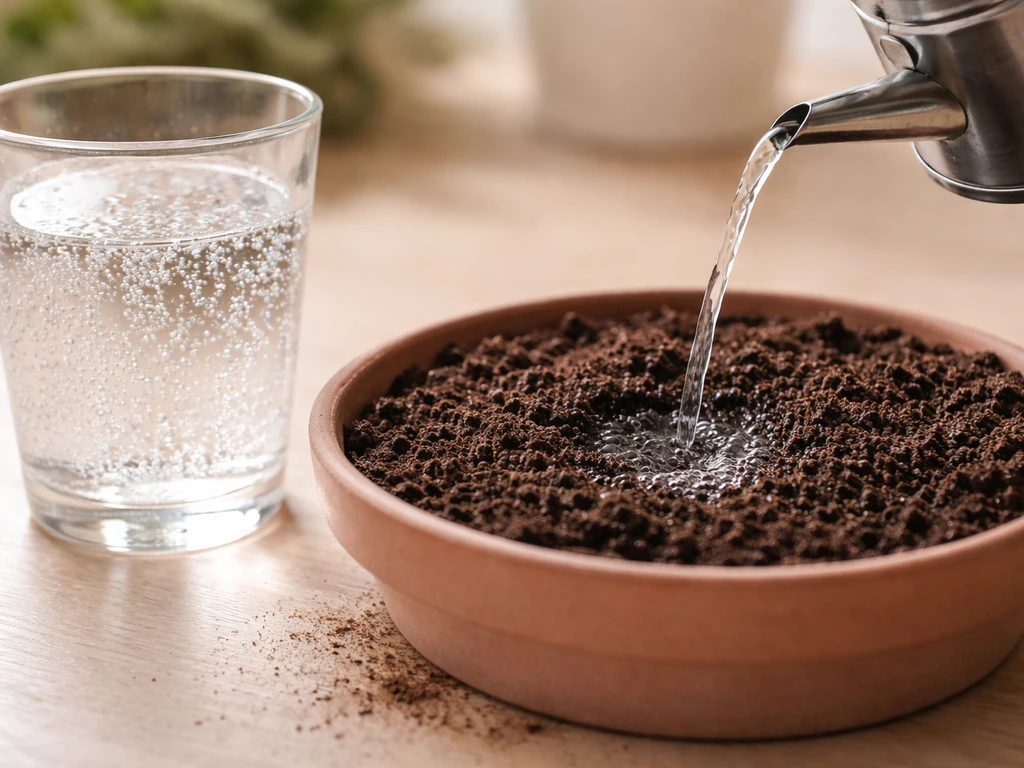
When CO2 dissolves in water, it forms carbonic acid, which lowers the pH of the water slightly. When that water hits your soil, it can temporarily acidify the root zone. That pH drop is the key mechanism here, not some magic absorption of carbon through the roots. Researchers have been investigating this for well over 100 years, and the current evidence points to pH chemistry as the primary driver of any growth response, not direct CO2 uptake.
Here is the chain of events: carbonated water lowers soil pH temporarily, a lower pH makes certain nutrients (like iron, manganese, and zinc) more soluble and easier for roots to absorb, and the plant benefits from that improved nutrient availability. A study published in Communications in Soil Science and Plant Analysis confirmed that CO2-enriched water increased nutrient mobility in the soil, but it also found the effect is tied to how long the water stays in the root zone and how far it travels down the soil profile. The acidifying effect is real, but it is temporary and moves with the water.
There is also a bicarbonate angle worth knowing. Carbonated water contains bicarbonate ions, and those interact with soil chemistry in more complex ways than just pH. Bicarbonate can contribute to soil CO2 release at the surface, and in high concentrations it can actually inhibit nutrient absorption and metabolic processes. A ScienceDirect study on orchard soils reports that irrigation water containing dissolved calcium and bicarbonate can drive carbonate formation and CO2 production, showing how bicarbonate chemistry can shift soil reactions under drip irrigation Bicarbonate can contribute to soil CO2 release at the surface. So the same dissolved carbon chemistry that could help at low concentrations can harm at higher ones. It is not a one-directional story.
One more mechanism that sometimes gets cited is that roots could absorb dissolved CO2 directly and that this could feed into photosynthesis. This is extremely unlikely to matter in practice. Plants get their carbon dioxide through their leaves, not their roots, and the amount of CO2 in carbonated water is nowhere near enough to meaningfully supplement what leaves are already pulling from the air.
If you are interested in whether CO2 itself helps plants grow more generally, that is a genuinely well-supported area of plant biology, but delivering it through irrigation water to the root zone is a roundabout and inefficient path compared to atmospheric enrichment.
If you want the bigger answer to does carbon dioxide help plants grow, the most reliable gains come from CO2 enrichment for the whole plant, not from adding CO2 to irrigation water whether CO2 itself helps plants grow more generally.
Does carbonated water actually make plants grow faster? Realistic expectations
Some studies do report a positive effect, but the magnitude and consistency are nowhere near what gardening myth would suggest. A greenhouse cucumber study found fresh yield was 19% higher with CO2-enriched irrigation compared to plain water, which sounds impressive until you look at the conditions: a controlled plastic tunnel environment, sandy soil, and CO2 delivered consistently through irrigation.
A lettuce hydroponics study found that foliar application of carbonated water at 300 ppm CO2 increased photosynthetic rate and yield, but 500 and 700 ppm caused tip-burn damage. On the other side, a broad 2024 MDPI review covering multiple crops found species-specific results across the board, including cases where sage responded positively but rosemary responded negatively under the same CO2-enriched irrigation. Some studies in the same review found no yield increase at all.
The honest framing is this: if your soil pH is already slightly alkaline and your plant is nutrient-limited because of it, a periodic dose of mildly acidified water could genuinely help. Bayer’s irrigation guidance uses alkalinity thresholds like a guideline of over about 60 ppm to illustrate when adjusting with acid to reach a desired pH range may matter alkalinity over about 60 ppm.
If your soil pH is already in the ideal 5. 5 to 6. 5 range for most crops and nutrients are available, carbonated water adds little. And if you are pouring it on plants that prefer neutral to slightly alkaline conditions, you could be nudging things in the wrong direction.
Researchers have been studying carbonated irrigation since the late 1800s and commercial recommendations still do not exist because the conditions for a reliable, economically useful growth response have not been clearly defined. That tells you something.
When carbonated water could help vs. when it can cause harm
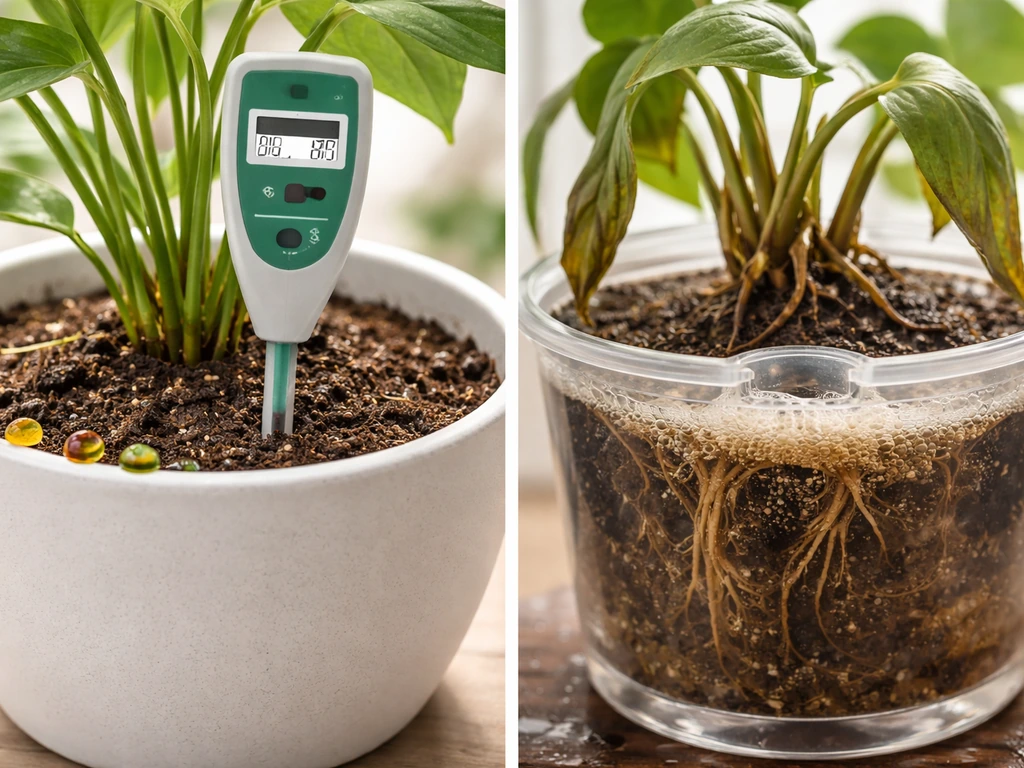
There are some realistic scenarios where trying plain carbonated water makes sense, and others where you should skip it entirely.
Situations where it might actually do something useful
- Your soil or growing medium is alkaline (pH above 7.0) and you suspect nutrient lockout, particularly for micronutrients like iron. The temporary acidification could improve availability.
- You are growing in sandy or light soil where CO2-enriched water can move through without sitting long enough to cause problems. The Acta Horticulturae cucumber study that found a positive production effect was specifically in sandy soil in a controlled tunnel.
- You are using it occasionally, not as your primary water source. The benefits in the research tend to be tied to managed, periodic application rather than exclusive use.
- You are growing a CO2-responsive species like certain cucumbers or leafy greens under relatively controlled conditions.
Situations where it is likely to do nothing or cause damage
- You are using flavored sparkling water, tonic water, or any carbonated drink with added sweeteners, sodium, citric acid, or other additives. These can harm roots, feed fungal problems, and introduce salts that disrupt osmosis.
- Your soil already has a healthy pH and good nutrient availability. Adding acidified water to a well-balanced system risks pushing pH lower than your plant wants.
- You are growing plants that prefer neutral or alkaline soil, such as lavender, asparagus, or many ornamental shrubs. Lowering the pH even temporarily can stress them.
- You are applying it at high frequency. Because the CO2 acidification effect is temporary and moves through the soil profile, repeated heavy dosing can cumulatively shift soil chemistry in unpredictable ways and may disturb soil microbial communities that your plants depend on.
- Your plant is already stressed. Stressed roots are more sensitive to any chemical change, and even a mild pH shift or minor salt input can push them further over the edge.
- You are dealing with high-bicarbonate irrigation water already. Adding more dissolved carbonate on top of an already alkaline water supply can inhibit nutrient absorption and slow metabolic processes in roots.
How to try it safely with a simple test today
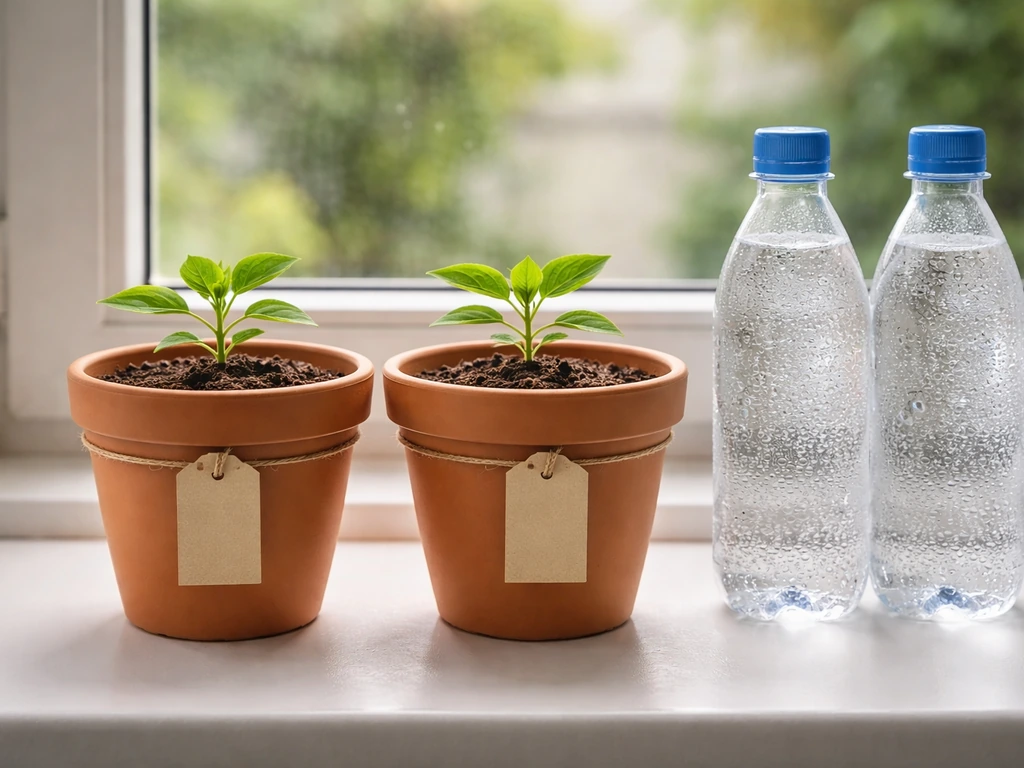
If you want to see for yourself whether it makes a difference for your specific plants and setup, the best approach is a side-by-side test with similar plants. This is the most honest way to cut through the noise, and it does not require any special equipment.
- Pick two plants of the same species, similar size, and same soil mix. Pot plants work especially well for this because you control the environment more tightly.
- Use plain, unflavored carbonated water (store-bought sparkling water with no added minerals or flavors, or home-carbonated tap water). Check the label: sodium content should be zero or near-zero, and there should be no additives.
- Water one plant with carbonated water and the other with your usual water, on the same schedule. Do not change anything else: same light, same location, same fertilizer routine.
- Run the test for at least 4 to 6 weeks. Growth changes from pH shifts are not immediate, and you need enough time to see whether there is a real trend.
- Monitor both plants weekly. Check leaf color (yellowing can indicate pH-related nutrient issues either way), overall size, new growth rate, any signs of wilting or root stress, and soil moisture behavior. If you have a basic pH meter or test strips, check the soil pH of both pots at week 2 and week 4.
- If the carbonated-water plant shows noticeably better growth and healthier color with no signs of stress, you have your answer for that plant in your conditions. If results are equal or the carbonated-water plant looks worse, stop and go back to plain water.
A practical note on frequency: do not use carbonated water every single watering during the test. A reasonable starting point is every other watering, which gives the soil time to stabilize between applications and more closely mirrors how temporary the CO2 acidification effect actually is.
Carbonated water vs. other growth factors: keep this in perspective
Even in the most optimistic reading of the research, carbonated water is a minor variable compared to the factors that actually drive plant growth. Light spectrum and intensity, nutrient availability, soil structure, watering consistency, and temperature are all far more impactful levers. If your plant is struggling, carbonated water is almost certainly not the fix.
If you are wondering whether does coca cola help plants grow, the evidence points to conditional, temporary effects at best, not a reliable growth booster carbonated water is almost certainly not the fix. Check whether it is getting enough light for its species, whether the soil pH is in the right range already, whether it has been fed recently, and whether the watering schedule is appropriate before reaching for the sparkling water.
This is the same principle that comes up with other popular gardening claims, whether that is the idea that CO2 enrichment generally supercharges growth (which has real research support but only when all other factors are non-limiting), or that specific additives like charcoal or soft drinks dramatically change outcomes. Charcoal is sometimes suggested as a soil amendment, but there is no clear evidence that it reliably helps plants grow the way fertilizers, light, and proper soil nutrients do.
If CO2 itself helps plants grow, it tends to matter most when plants are already otherwise well-fed and have enough light CO2 enrichment generally supercharges growth. The research on carbonated water is more promising than many gardening myths, but it is still conditional, species-dependent, and context-specific. Use it as one small tool if your specific situation calls for it, not as a core part of your plant care routine.
The bottom line
Plain carbonated water is not a growth hack, but it is not total folklore either. The most realistic benefit is a temporary soil pH drop that can improve nutrient availability in alkaline or nutrient-locked soils, and that effect has been documented experimentally in specific crops and conditions. The risk is real too: wrong species, wrong soil, wrong concentration, or any added ingredients in the water and you are more likely to harm your plant than help it. If you want to try it, run a controlled side-by-side test with plain unflavored sparkling water, keep everything else equal, watch for 4 to 6 weeks, and let your plants tell you the answer.
FAQ
Can I use flavored or electrolyte carbonated water, or should I use plain sparkling water only?
Use plain, unflavored sparkling water. Added sugars, salts, acids, and sweeteners can change soil salinity and pH chemistry in ways that overpower the small CO2 effect, and those additives can also cause leaf or root burn. If you are testing, match temperature and carbonation level as closely as possible between the control and treatment.
How do I tell if carbonated water is helping, instead of just masking another problem?
Track at least one measurable outcome besides “looks better,” such as new leaf growth rate, leaf color relative to your usual baseline, and soil pH trends. Also keep a control group (same plant type, size, pot, light, and feeding). If only the carbonated group changes while conditions are equal, the effect is more believable.
What soil pH range is most likely to benefit from carbonated water?
The article’s mechanism suggests the most plausible benefit is when soil is on the alkaline side and nutrients are getting locked up. If your soil is already roughly in the ideal 5.5 to 6.5 window for most crops, the extra acidification is less likely to unlock meaningfully more nutrients, so you may see no improvement.
Could carbonated water harm plants even if I use it “a little”?
Yes. If your plant prefers neutral to slightly alkaline conditions, repeated acidification or bicarbonate-related chemistry can interfere with nutrient uptake and metabolism. The risk increases with higher concentrations, frequent use, and soils that already swing pH easily, so if you see slowed growth, leaf spotting, or unusual yellowing, stop and revert to plain water.
Is it the CO2 in the water doing the work, or is it mostly the pH drop?
In practical gardening terms, the pH change in the root zone is the key effect, not direct CO2 feeding through roots. That means carbonated water is most likely to matter when your root zone chemistry (especially pH and nutrient availability) is the limiting factor.
How should I dose frequency and amount during a trial?
A practical starting point is every other watering, as the article notes, because it gives soil time to stabilize between doses. Keep the volume the same as your normal watering, and do not “top up” more often just because the water is sparkling. If you want to refine the test, adjust one variable at a time, either frequency or carbonation level, not both.
Does carbonation level (low vs high) change the results?
Likely yes, because more dissolved CO2 generally produces a stronger short-lived acidification, which can increase either benefit or risk. Instead of assuming “more is better,” keep your trial carbonation consistent, and avoid using very highly carbonated water if your plants are sensitive to pH changes or you do not have a baseline pH measurement.
How long should I wait to see effects after switching to carbonated water?
A reasonable window mentioned in the article is 4 to 6 weeks. In that timeframe, look for changes in new growth and nutrient-related symptoms rather than expecting immediate improvements in existing leaves, which often lag behind root-zone changes.
Will carbonated water work in hydroponics or only in soil?
Carbonated water can affect nutrient availability through chemistry, but hydroponics is usually more sensitive because the solution pH can drift quickly. If you try it, monitor reservoir pH and nutrient uptake closely, and keep the trial small to avoid destabilizing the whole system.
What about using carbonated water in pots versus in-ground beds?
Pots typically respond faster because the root zone is smaller and pH shifts can move through the volume more quickly, so effects can appear sooner but also overshoot more easily. In-ground soil buffers pH changes more strongly, which can reduce the observable impact and make results harder to detect without repeated measurements.
If my plants are struggling, should I try carbonated water first?
No, it should not be your first move. The article emphasizes that light, temperature, watering consistency, and basic nutrition are usually larger drivers. Use carbonated water only as a small variable in a controlled test when you suspect alkaline pH or nutrient lock-up is part of the problem.
Does using sparkling water reduce the need for fertilizer?
Usually no. If carbonated water helps, it does so by temporarily improving nutrient availability, not by supplying nutrients. You should keep your normal feeding consistent during the test so you can separate “unlocked nutrients” from “new nutrients added.”
Next Articles
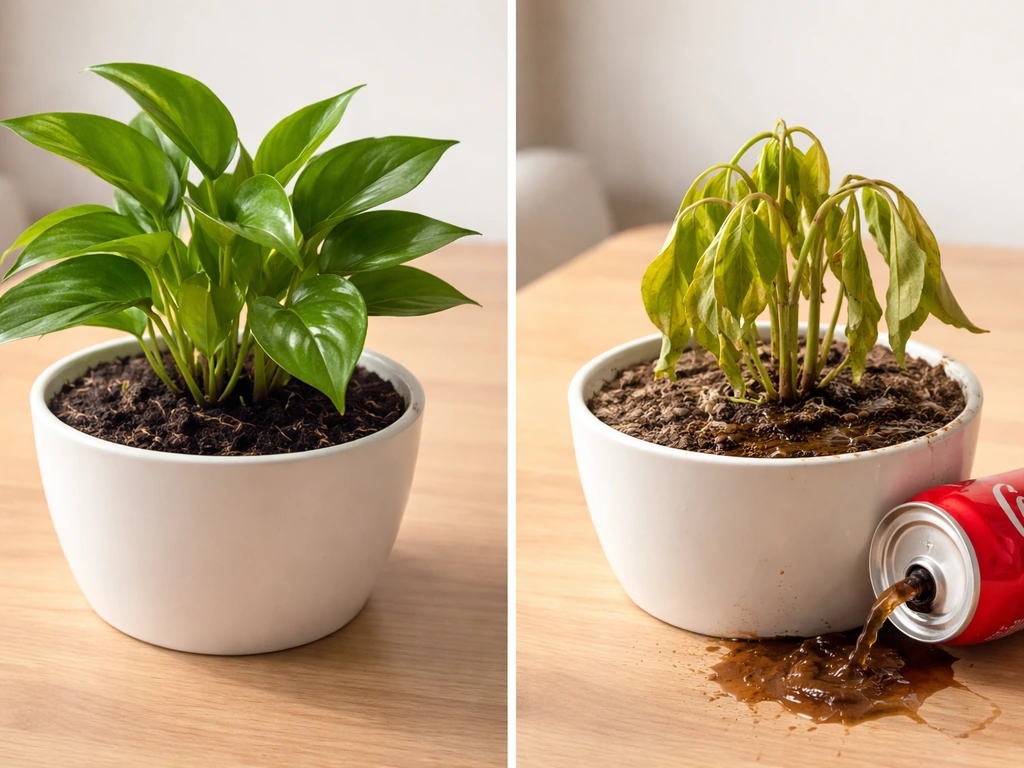
Does Coca-Cola Help Plants Grow? The Truth and Fixes
Myth-busting guide on whether Coke helps plants grow, why it can harm, and what to do for real greener growth.
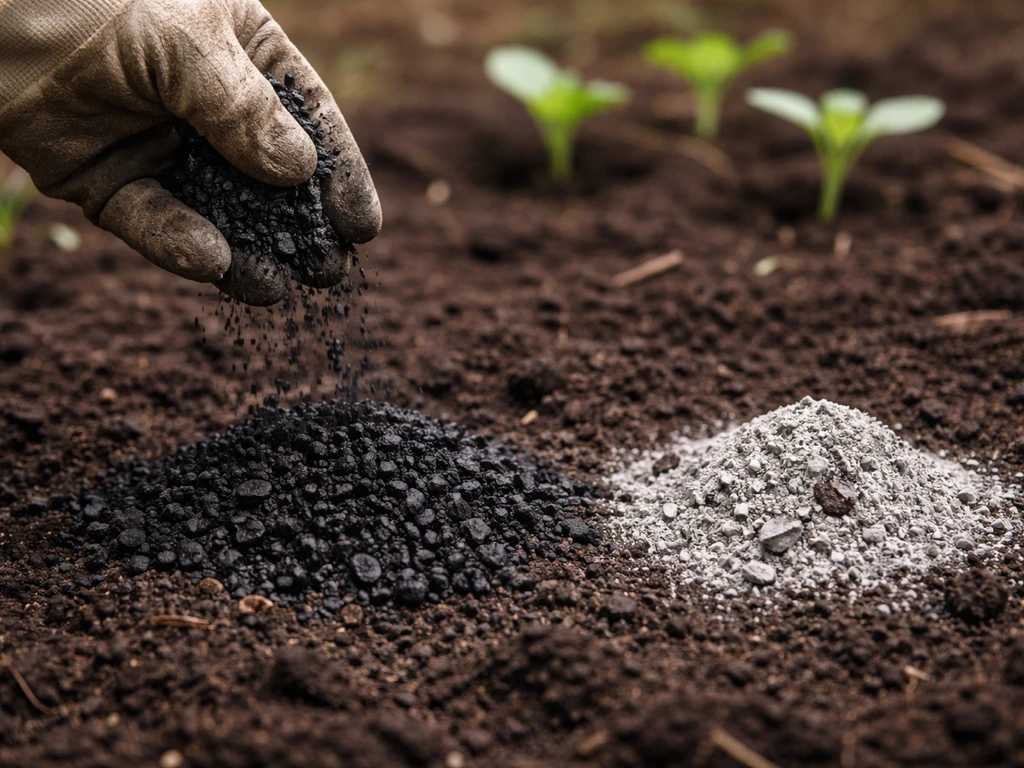
Does Charcoal Help Plants Grow? Benefits, Risks, and How to Use Charcoal Ash
Learn whether charcoal or charcoal ash boosts plant growth, how it changes soil pH and nutrients, and safe how-to dosing
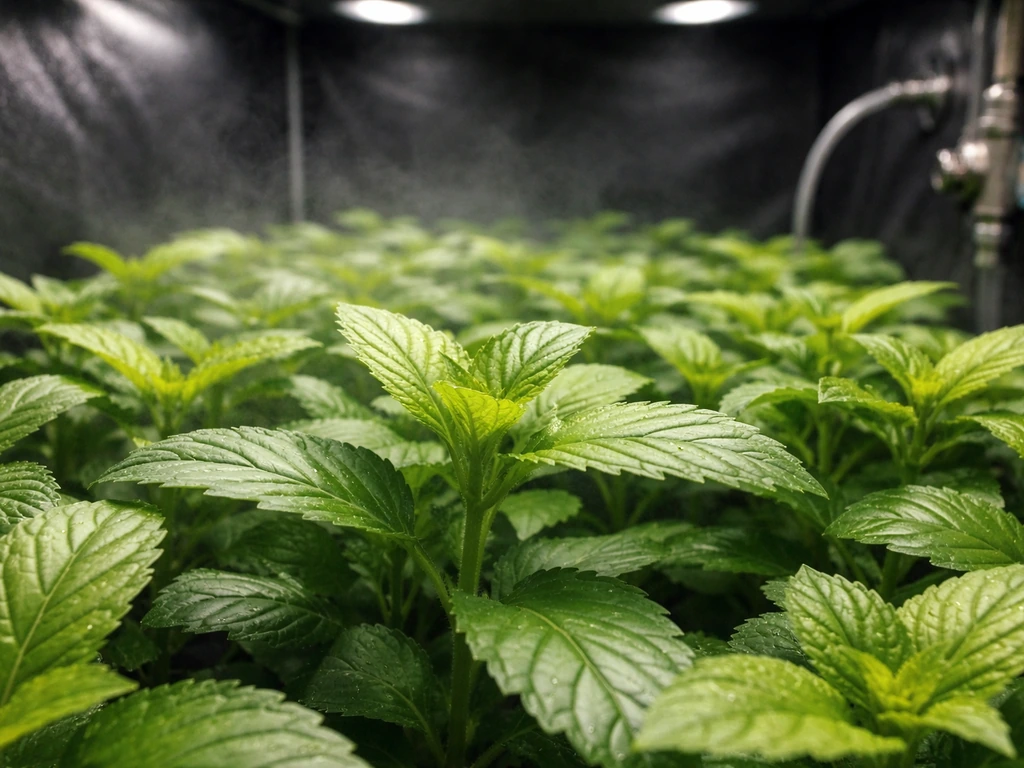
Does CO2 Help Plants Grow Faster? Practical Guide
CO2 can speed plant growth, mainly when light, temperature, and nutrients are sufficient; see when and how to use it.