The most effective things you can put in or around your plants to make them grow are the right fertilizer for your growth goal, good compost or organic matter mixed into the soil, and the correct soil pH for your plant type. In general, adding compost or organic matter is one of the best additions to soil to help plants grow. But here's what most gardening articles skip: none of those additions will do much if your plant is already struggling with bad light, inconsistent watering, or a root system that can't function. Fix the environment first, then feed. That order matters more than which fertilizer brand you pick.
What to Put in Plants to Make Them Grow: Soil, Nutrients, and Tips
Marcus Holloway
21 May 2026
What actually moves the needle vs. what doesn't
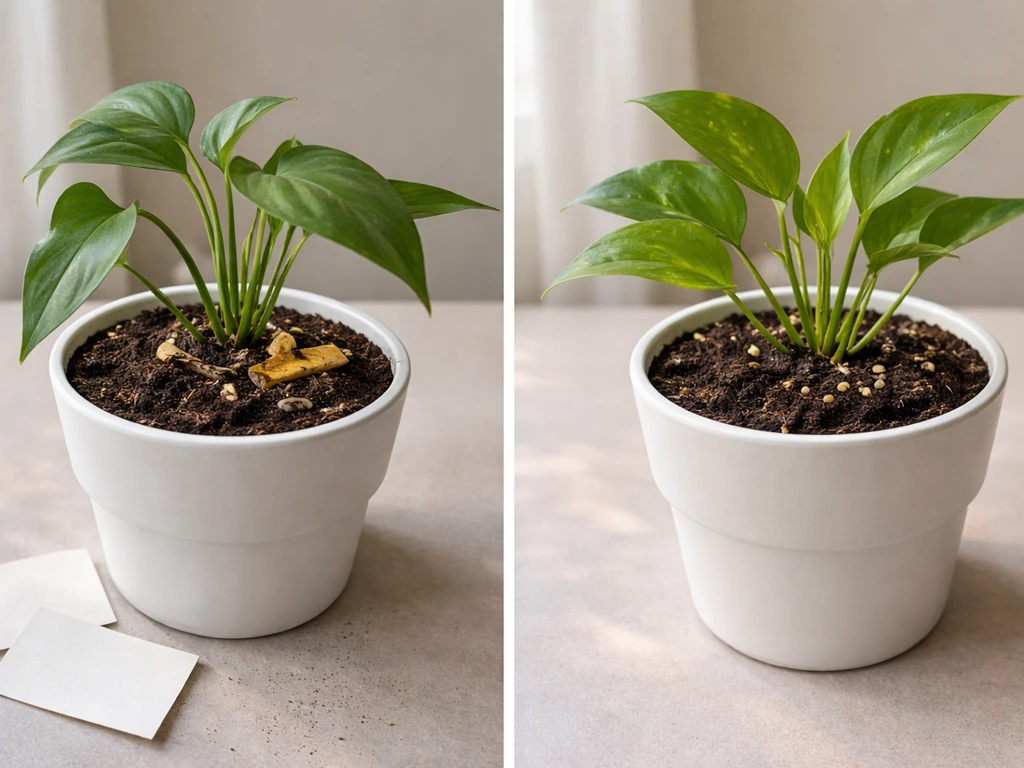
If you've been searching for a growth hack, you've probably run into suggestions like adding coffee grounds, banana peels, hydrogen peroxide, or even talking to your plants. Some of these have a grain of truth; most are just folklore. Penn State Extension and the University of Maine Cooperative Extension both point out that the real culprits behind poor plant growth are almost always environmental: poor light, temperature extremes, moisture problems, and root issues. Those are the levers that actually control growth rate. Fertilizer and soil amendments are supporting players, not the main event. If you're adding nutrients to a plant that's sitting in a dark corner with soggy roots, you're not solving anything.
What genuinely helps plants grow falls into a short, evidence-backed list: the right nutrients in the right ratios, healthy well-structured soil with appropriate pH, consistent moisture without waterlogging, and adequate light. Everything else, including most home remedy additives, either does nothing measurable or can actively harm your plant. The rest of this guide walks through each of those real factors and tells you how to act on them today.
Choosing the right fertilizer for your plant and your goal
Fertilizers supply the three macronutrients plants need most: nitrogen (N), phosphorus (P), and potassium (K), listed in that order on every bag or bottle. What ratio you want depends entirely on what you're growing and what you want it to do. Nitrogen drives leafy, green, vegetative growth. Liquid fertilizers can be a fast way to deliver nutrients to plants, but they still work best only when light, water, and soil conditions are right. Phosphorus supports root development and energy transfer for flowering. Potassium strengthens overall plant health and fruit development. Oregon State University Extension puts it plainly: a high N to low K ratio favors vegetative growth, while low N and high K promotes flowering and fruiting.
For leafy plants, herbs, and lawn
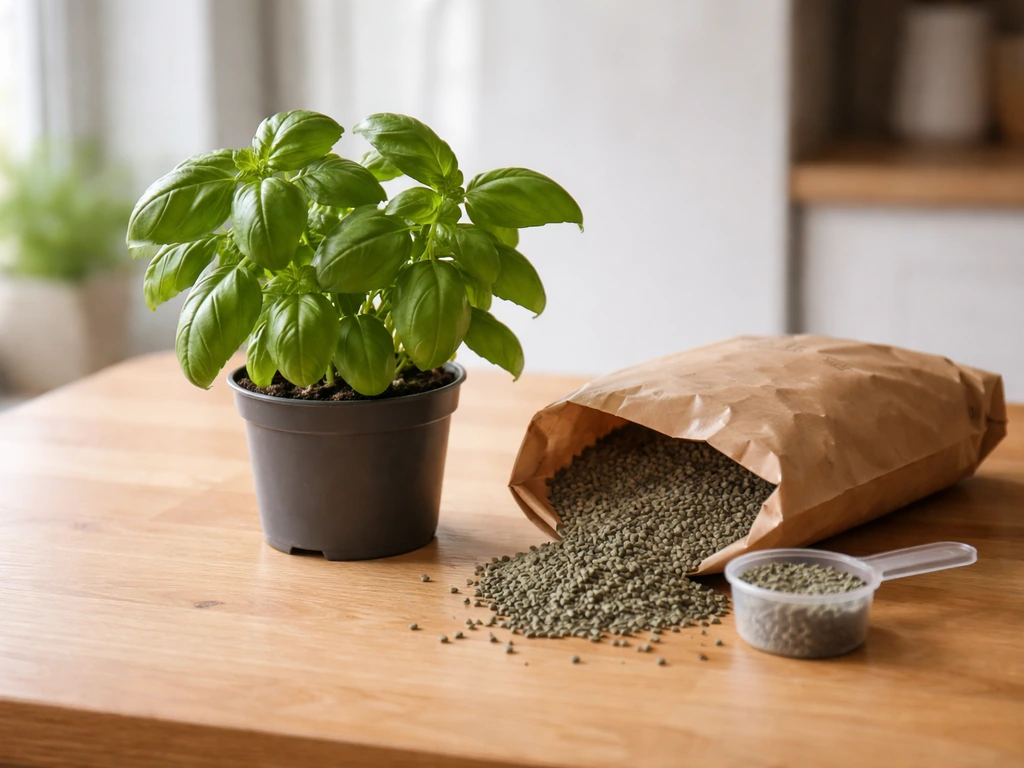
If you're growing anything for its leaves, whether that's a fiddle-leaf fig, basil, spinach, or grass, you want a fertilizer with a higher nitrogen number relative to the others. A ratio around 3:1:2 (N:P:K) is a solid general target for lawns. For container houseplants grown for foliage, a balanced formula like 10-10-10 or something nitrogen-forward like 20-10-10 works well. OSU Extension notes that plants lacking nitrogen grow slowly with small leaves and little top growth, which is one of the most common complaints I hear from people with struggling indoor plants.
For flowering plants and fruiting vegetables
Once a plant starts flowering or setting fruit, flip the script. Too much nitrogen at this stage pushes leafy growth at the expense of flowers and fruit. UMass Amherst notes that bloom booster fertilizers commonly run higher phosphorus, with formulations like 10-30-20 being typical. For vegetables grown for their fruits, seeds, roots, or bulbs, the University of Nevada Reno Extension recommends low-nitrogen complete fertilizers like 6-24-24, 6-12-18, or 8-16-16. The University of Maryland Extension echoes this, warning that overfertilizing vegetables with nitrogen produces lush foliage but little fruit. This is exactly why that tomato plant that looks gorgeous but won't set tomatoes is often a nitrogen problem in disguise.
Don't forget micronutrients
Calcium, magnesium, iron, zinc, and manganese don't get as much attention as N-P-K, but deficiencies show up constantly in gardens. Iron deficiency causes yellowing between the veins of young leaves, a condition called chlorosis, and it's especially common in alkaline soils. The fix isn't always adding more iron; it's often adjusting pH so the iron already in your soil becomes available to roots. More on that in the soil section below.
Fix the soil before you fertilize
Soil is not just a holder for roots. It's a living system that determines whether the nutrients you add actually reach your plant. The two biggest soil factors are structure (how well water and air move through it) and pH (which controls nutrient availability). Get those wrong and fertilizer is basically wasted.
Add compost to almost any soil
Compost is the single most universally useful thing you can add to garden soil. It improves drainage in clay soils, improves water retention in sandy soils, feeds soil biology, and slowly releases nutrients. OSU Extension recommends mixing organic amendments into the upper layer of soil in raised beds and garden plots. A 2 to 3 inch layer worked into the top 6 to 8 inches is a practical starting point for most garden beds. For containers, University of Alaska Fairbanks Cooperative Extension notes that worm castings, which function like a balanced 1-1-1 organic fertilizer, make an excellent addition or top dressing for potted plants.
The critical mistake with container plants
One of the most common mistakes I see is people filling containers with garden soil straight from the ground. Garden soil compacts in pots, kills drainage, and suffocates roots. Use a quality potting mix designed for containers, and if you want to improve it further, add perlite or pumice for aeration. OSU Extension distinguishes clearly between inorganic amendments like perlite and vermiculite, which act as spacers to increase porosity, and organic matter, which improves soil health over time. For containers, you usually want both.
pH and why it controls everything
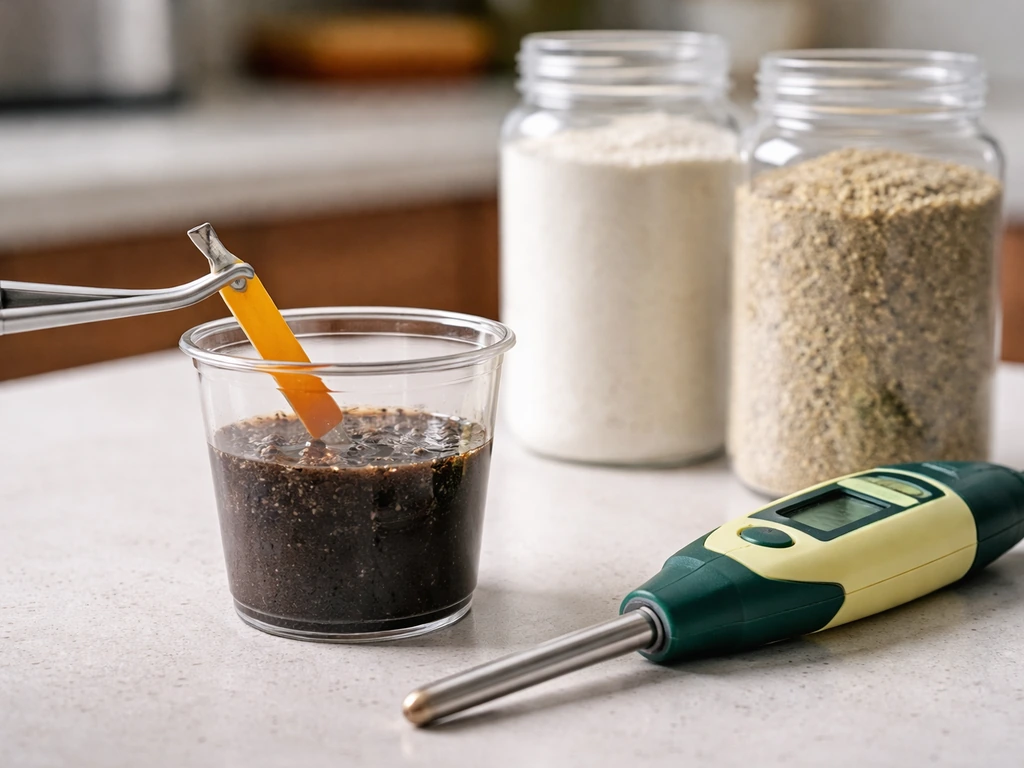
Soil pH is probably the most overlooked variable in home gardening. Most vegetables and ornamentals do best in the 6.0 to 7.0 range. If your soil is too acidic or too alkaline, nutrients get chemically locked up in a process called nutrient lockout, where the nutrients are physically present in the soil but the plant can't absorb them. OSU Extension notes that soils above 7.5 are too alkaline for most vegetables, and that acid-loving plants like blueberries, azaleas, and rhododendrons prefer a pH between 4.5 and 5.5. If you're trying to grow blueberries in neutral garden soil and wondering why they look terrible, that's your answer.
To raise pH (make soil less acidic), add agricultural lime. To lower it, add elemental sulfur. OSU Extension recommends doing this in fall so the amendments have time to work before planting season. The University of Delaware Cooperative Extension adds an important caution: applying too much lime too fast, especially in sandy or low-organic-matter soils, can cause manganese and zinc deficiencies. Get a soil test before adjusting pH so you know what you're actually working with. Most county extension offices offer inexpensive tests.
OSU Extension also explains the concept of cation exchange capacity, or CEC, which describes your soil's ability to hold onto nutrients and make them available to roots. Low-CEC soils like sand let nutrients leach out quickly. High-CEC soils like clay or compost-rich loam hold them better. Adding organic matter is one of the best ways to improve CEC over time, which is another reason compost matters beyond just its direct nutrient content.
Watering right so your additions actually work
This is the piece most gardeners get wrong, and it undermines everything else. Nutrients can only enter the plant dissolved in water. Choosing the best water for your plants matters too, because different water types can affect nutrient availability and how well roots absorb what you feed them best water for plants.
Using the right type of water matters too, because it helps deliver nutrients to the roots without causing stress Nutrients can only enter the plant dissolved in water. One practical way to support plant growth is to use water-soluble nutrients or compost tea diluted properly instead of just plain water what to put in water to help plants grow. Roots can only absorb them when they have both moisture and oxygen.
Get either of those wrong and your fertilizer sits unused in the soil while your plant struggles.
University of Missouri Extension makes it straightforward: soil kept too wet or too dry causes root death, which causes poor growth. Utah State University Extension explains the mechanism: when soil is waterlogged, air is pushed out of the pore spaces and roots starve of oxygen. University of Minnesota Extension confirms that oxygen deficiency directly impairs nutrient uptake and transport. Illinois Extension puts it even more bluntly: drowning roots cannot function properly, and no amount of fertilizer will revive them if the waterlogging continues.
Practically, this means checking that your containers have drainage holes that actually work, that your garden beds don't puddle after rain, and that you're watering based on soil moisture rather than a fixed schedule. Stick your finger two inches into the soil. If it's damp, wait. If it's dry, water thoroughly. For containers, water until it runs freely out the bottom, then let the mix dry down before watering again. OSU Extension frames it well: maintaining moisture within the plant-available range supports nutrient uptake and minimizes water loss.
Light and temperature come before everything you add
No fertilizer or soil amendment compensates for insufficient light. Photosynthesis is how plants make the energy to grow, and without adequate light intensity and duration, the plant simply cannot process the nutrients you're providing. University of Maryland Extension notes that light affects photosynthesis and key growth traits including stem length, leaf color, and flowering. Iowa State University Extension adds that increasing light intensity actually increases the plant's need for nutrients, because more photosynthesis means more growth and more demand. The relationship works both ways: more light means you can feed more; less light means feeding more is pointless and potentially harmful.
For indoor plants, University of Maryland Extension recommends no more than about 16 hours of artificial light per day to respect natural photoperiod and respiration cycles. Iowa State Extension suggests 12 to 14 hours daily as a practical sweet spot for most indoor plants under grow lights. UNH Extension introduces a useful concept called daily light integral, or DLI, which is the total amount of photosynthetically active light a plant receives in a day. If you're serious about indoor growing, measuring PAR (photosynthetically active radiation) with an inexpensive meter and using it to calculate light runtime is far more reliable than guessing.
Temperature matters too. NC State Extension notes that low soil temperature reduces nutrient uptake directly, meaning you can apply fertilizer to cold spring soil and get very little response. This is why experienced gardeners hold off on feeding until soil has warmed and plants are actively growing. Cold roots are slow roots, and slow roots don't absorb much of anything.
How to apply fertilizers and amendments without hurting your plants
Overfertilizing is one of the most common plant killers, especially in containers. More is not better. OSU Extension warns that high fertilizer concentrations can injure leaf cells. University of Minnesota Extension flags the risks of burn and nutrient leaching when fertilizers are mismanaged. The goal is to match what you apply to what the plant can actually use.
Granular fertilizer for garden beds
For garden beds, follow the label rate, which is almost always lower than people assume. Work granules into the top inch or two of soil and water in well. Keep granules off foliage, since UMD Extension advises sweeping them off leaves to prevent burn. Slow-release granular formulas are generally more forgiving than fast-release salts because they meter nutrients over weeks rather than dumping everything at once.
Liquid fertilizer for containers
Liquid fertilizers work quickly and are easy to dial up or down, but they also move through containers fast. If you want to use liquids, choose ones that supply nutrients in a usable form, like properly diluted liquid fertilizer or compost tea, and make sure watering conditions let roots absorb them Liquid fertilizers. Penn State Extension recommends ensuring that about 10 percent of what you apply leaches out the bottom of the container with each watering.
This flushes accumulated salts before they reach damaging concentrations. If you've been fertilizing regularly without leaching, a thorough flush with plain water every few weeks is a smart reset. Penn State also warns that moving plants from a high-fertilization regime to a low-water environment without leaching first can cause problems from salt concentration.
When foliar feeding makes sense (and when it doesn't)
Foliar feeding, spraying diluted liquid fertilizer directly on leaves, gets a lot of hype but has a narrow practical role. University of Minnesota Extension notes it's most useful for correcting micronutrient deficiencies, especially zinc or iron in high-pH soils, or when roots are temporarily unable to absorb nutrients due to cold or saturated soil. OSU Extension frames foliar feeding as most appropriate when soil conditions restrict nutrient availability to roots, not as a routine replacement for soil nutrition. UConn Extension cautions that concentrations that are too high will burn or desiccate foliage. If you do use foliar fertilizer, apply it diluted, in calm dry weather, and avoid the hottest part of the day.
Signs you've overdone it
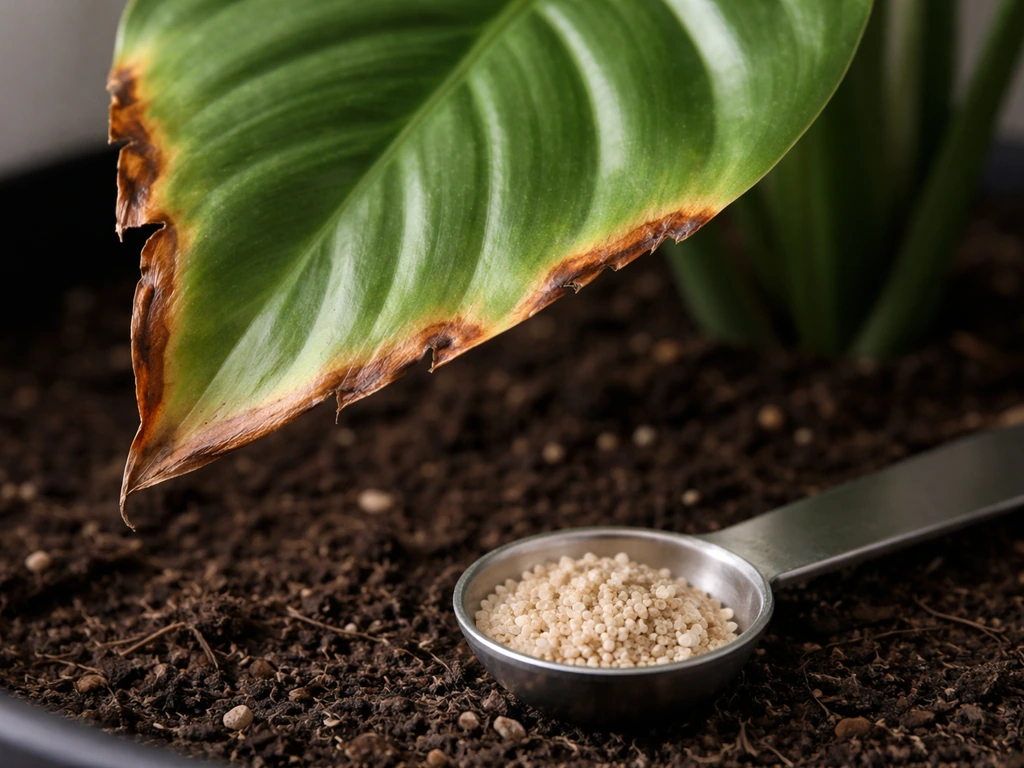
The classic sign of over-fertilization is brown or scorched leaf edges, sometimes called tip burn. University of Maryland Extension identifies this as one of the most recognizable symptoms of excess fertilizer. Wilting despite moist soil, crusty white deposits on soil or pot surfaces, and sudden leaf drop are also warning signs. If you see any of these, stop fertilizing, flush the container with plain water, and let the plant recover before assessing next steps.
A simple decision path for when growth stalls
Rather than reaching for a fertilizer first, work through this sequence when a plant isn't growing the way you want.
- Check light first. Is the plant getting enough intensity and hours? Move it, supplement with a grow light, or adjust run time before doing anything else.
- Check moisture and drainage. Is the soil too wet, too dry, or compacted? Fix watering habits and drainage before adding nutrients.
- Check soil temperature. If it's early spring or the plant is near a cold window or vent, roots may be too cold to absorb what you're already providing.
- Check soil pH. A cheap soil test from a garden center or extension office tells you whether nutrients are being locked out. Adjust with lime or sulfur based on results.
- Then fertilize. Choose a formula matched to your plant type and growth goal (leafy growth vs. flowers vs. fruit), apply at label rates, and water in properly.
- Give it time. Most plants respond to corrections within two to four weeks. If growth still stalls after addressing all of the above, look at root health, pests, or disease as the next layer of investigation.
A quick comparison: what to add and when
| What to add | Best for | When to use it | Watch out for |
|---|---|---|---|
| Balanced granular fertilizer (10-10-10) | General vegetative growth, new plantings | At planting and mid-season | Salt buildup in containers; keep off foliage |
| High-N liquid fertilizer (e.g., 20-10-10) | Leafy plants, herbs, lawn, foliage houseplants | Every 2 to 4 weeks during active growth | Excess N delays flowering in fruiting plants |
| Low-N bloom fertilizer (e.g., 10-30-20) | Flowering plants, fruiting vegetables | Once buds or flowers appear | Too early use stunts vegetative stage |
| Compost or worm castings | All plants; improves soil structure and feeds slowly | At planting; as top dressing anytime | Don't use infected plant material in homemade compost |
| Perlite or pumice | Container mixes; improving drainage and aeration | Mixed into potting soil at setup | Does not add nutrients; purely structural |
| Agricultural lime | Raising soil pH for acid soils | Fall, before planting season | Over-liming causes micronutrient deficiencies |
| Elemental sulfur | Lowering pH for acid-loving plants | Fall; allow time for soil adjustment | Slow acting; retest before reapplying |
| Foliar micronutrient spray | Iron/zinc deficiency in high-pH soils; cold conditions | As needed during growing season | Dilute carefully; burns foliage at high concentration |
The core idea to take away is this: plants grow when their environment allows it and nutrients are available in the right form, at the right pH, in soil with enough air and moisture for roots to function. What you put in your plants matters, but the order in which you address problems matters even more. Fix light, water, and root conditions first, then select amendments and fertilizers that match your specific plant and goal, apply them safely, and your plants will respond. If you want to fine-tune results, choose the right fertilizers for your plant and its growth goal so you add nutrients in the right ratios select amendments and fertilizers.
FAQ
Can I just use coffee grounds or banana peels to make plants grow faster?
You generally should not rely on them as a growth input. Organic scraps break down unpredictably, can encourage pests or mold, and often do not deliver nutrients in a measurable N-P-K ratio. If you want to use them, compost them first and add small amounts through mature compost rather than placing raw material directly in containers or around stems.
What should I put in the soil when my plant looks pale, but the problem might be light?
Before adding fertilizer, check whether light is limiting. Pale color can come from low light, not only nitrogen deficiency. If the plant is stretching, growing slowly, or turning pale while soil is moist, increase light and only then consider a nitrogen-appropriate fertilizer at a label rate.
How do I know whether to raise or lower soil pH if I am not sure what my soil is?
Use a soil test instead of guessing, especially if you are trying to grow plants with specific pH needs. pH adjustments are slow, and overcorrecting can trigger micronutrient issues. If you do not have results, avoid adding lime or sulfur repeatedly, choose the plant type that matches your current pH, or start with fresh potting mix for containers.
Is it safe to mix compost and fertilizer together?
It can be, but it depends on rates and timing. Compost mainly improves soil structure and slowly releases nutrients, while fertilizer delivers salts that can burn roots if overdosed. Keep to label rates for fertilizer, avoid heavy top-dressing right before hot weather, and if you are using liquid feeds, reduce fertilizer strength and do not assume compost eliminates the need for careful dosing.
How much fertilizer is too much, and what does “overfertilizing” look like early?
Early signs include leaf tip burn, dark-green foliage that stalls in growth, crusty white deposits on soil or pot rims, and wilting despite adequate water. In containers, salts build up faster, so even moderate overfeeding can cause rapid symptoms. Stop feeding, flush with plain water, and resume at a lower rate once the plant shows recovery.
Can I water less often and still fertilize more to fix slow growth?
No. Nutrients reach roots only when water is moving them in solution, and roots still need oxygen. Underwatering prevents uptake, but overwatering also prevents uptake by starving roots of air. The fix is to water based on moisture in the root zone, then feed according to what the plant can actually absorb.
What is a good rule for feeding indoor plants in containers?
Start with a diluted, label-following schedule and adjust based on growth. Many indoor plants grow slower in winter, so fertilizer needs are lower. If you see tip burn or salt buildup, reduce concentration and use leaching (enough runoff) during watering rather than increasing frequency.
Should I flush my container with plain water after fertilizing?
If you regularly fertilize and do not get runoff, salts can accumulate. A practical approach is to ensure about some leaching during watering (enough to produce runoff), and if you notice crusting or tip burn, do a thorough flush with plain water and let the mix dry back to your normal watering interval.
When is foliar feeding actually useful?
Foliar feeding is most useful for temporary micronutrient corrections or when roots cannot access nutrients, such as after cold soil conditions or during short periods of waterlogging. It is not a routine replacement for root feeding, and it requires careful dilution to avoid leaf burn. Use it in mild conditions and only address the deficiency you suspect.
My plant is not growing, but the soil has fertilizer already. What else should I check first?
Check the basics that control nutrient uptake: light intensity, watering consistency, and whether roots have functioning oxygen. Look for compacted soil in pots, poor drainage, or prolonged soggy conditions. If roots are unhealthy, extra fertilizer usually worsens stress instead of improving growth.
Do nutrient deficiencies mean I should add more fertilizer immediately?
Not always. Some deficiencies are caused by pH-driven nutrient lockout, especially iron in higher pH soils. Correct the soil environment first, usually by adjusting pH (after testing), improving drainage and root health, and then using the right nutrient product if the deficiency persists.
What should I put in containers if my garden soil compacts?
Use a container potting mix designed for drainage, not straight garden soil. If you need extra aeration, mix in an inorganic aerator like perlite or pumice. Garden soil in pots compacts, reduces oxygen in the root zone, and makes fertilizer less effective and more likely to cause salt buildup.
Next Articles
What Can I Add to Soil to Help Plants Grow?
Practical soil amendments to improve structure, nutrients, and pH, with steps for common garden problems.
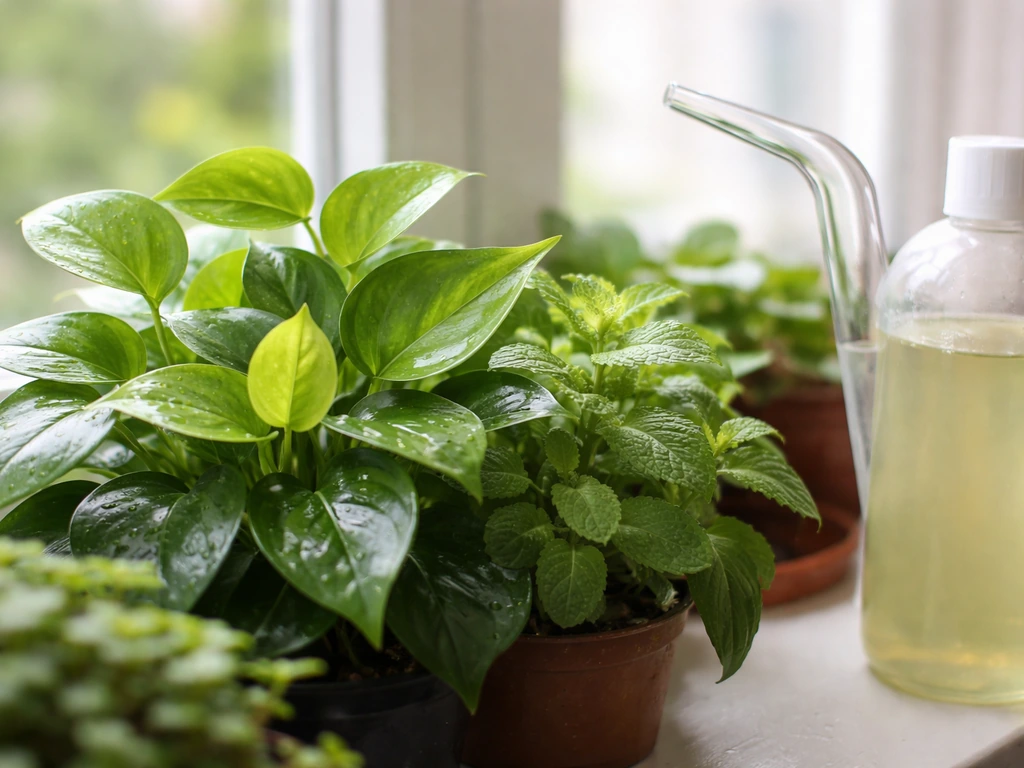
What Liquids Make Plants Grow Faster: Safe Tests
Find safe liquids that speed plant growth, which myths fail, and how to test watering and nutrients at home.
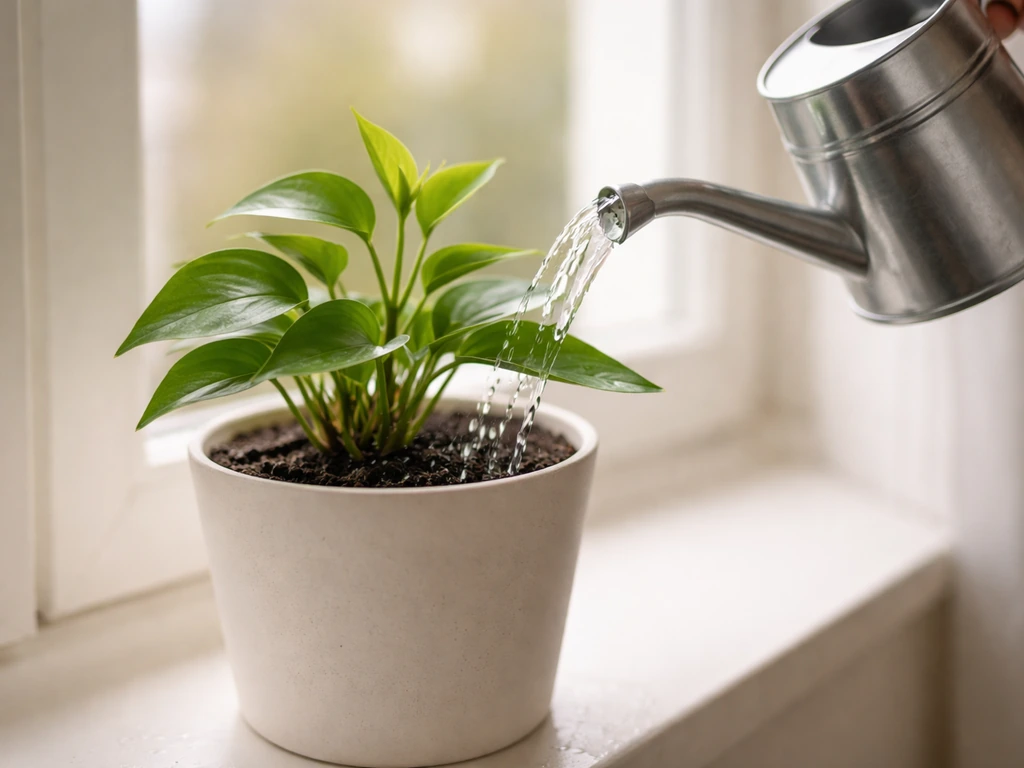
What to Put in Water to Help Plants Grow Today
Add the right nutrients and adjust water pH, chlorine, hardness, and temperature for healthier plant growth with safe st