Gatorade does not help plants grow in any meaningful way, and in most cases it will actively hurt them. The sugars, sodium, and other solutes in sports drinks create osmotic stress that pulls water out of root cells rather than delivering nutrition, and repeated use builds up salts in your soil that can scorch roots, burn leaf tips, and choke out healthy microbial life. The potassium and phosphate in Gatorade are real plant nutrients, but they exist in such small and imbalanced amounts, wrapped in so much sugar and sodium, that you'd cause far more damage trying to deliver them this way than you'd ever gain.
Does Gatorade Help Plants Grow? The Real Answer
Marcus Holloway
21 May 2026
What people mean by "Gatorade for plants" (and the quick verdict)
The idea usually comes from one of two places. Either someone notices that Gatorade contains potassium and phosphate (real plant nutrients), or they've seen a viral post claiming sports drinks "supercharge" growth the way they supposedly supercharge athletes. The logic feels intuitive: if electrolytes help humans recover, maybe they help wilting plants recover too. do vitamins help plants grow do vitamins help plants grow? This logic can also make people reach for supplements instead of the right plant nutrition..
The comparison breaks down immediately when you look at the actual chemistry. Plants don't hydrate the way mammals do. They don't have kidneys to filter out sodium, they can't metabolize sugar for energy through digestion, and the osmotic balance in their root cells is a very precise system that gets disrupted the moment you add high-solute liquids. The verdict is pretty clear: skip it.
What's actually in Gatorade, and how each ingredient affects your plants
Looking at the ingredient list for Gatorade Thirst Quencher (Lemon Lime, for example), you get: water, sugar, dextrose, citric acid, natural flavor, salt, sodium citrate, monopotassium phosphate, gum arabic, and glycerol ester of rosin. The Fruit Punch version packs 21 grams of total sugar per serving and 50 mg of potassium. Here's what each of the relevant ingredients actually does when it hits your soil.
| Ingredient | What plants need it for | What Gatorade delivers | Net effect on plants |
|---|---|---|---|
| Sugar (sucrose/dextrose) | Plants make their own via photosynthesis; external sugar isn't used the same way | 21 g per serving — far more than trace amounts | Feeds soil microbes and algae, can cause osmotic stress at root zone |
| Sodium (salt + sodium citrate) | Not a required plant nutrient | Significant sodium load (formulated for 20–30 mEq/L range) | Salt buildup, osmotic stress, root and leaf burn |
| Potassium (monopotassium phosphate) | Essential macronutrient (the K in NPK) | 50 mg per serving — very small, mixed with damaging sodium | Negligible benefit, overshadowed by sodium harm |
| Phosphate (monopotassium phosphate) | Essential macronutrient (the P in NPK) | Trace amount, not a reliable source | Negligible; better delivered via balanced fertilizer |
| Citric acid | Not required; affects soil pH | Lowers pH of the liquid | Minimal short-term pH shift; not meaningful at garden scale |
| Gum arabic / glycerol ester of rosin | Not required | Stabilizers/emulsifiers | No nutritional value; residue in soil |
The potassium and phosphate are the ingredients that trick people into thinking Gatorade could work as a plant booster. Both are genuinely essential nutrients. But the concentration is tiny, they're paired with sodium that actively works against plant health, and you'd need an absurd amount of the drink to deliver meaningful nutrient doses. A proper balanced fertilizer gives you controlled NPK ratios without the damaging baggage.
Why Gatorade usually doesn't help, and can seriously harm, roots and soil
The osmotic stress problem
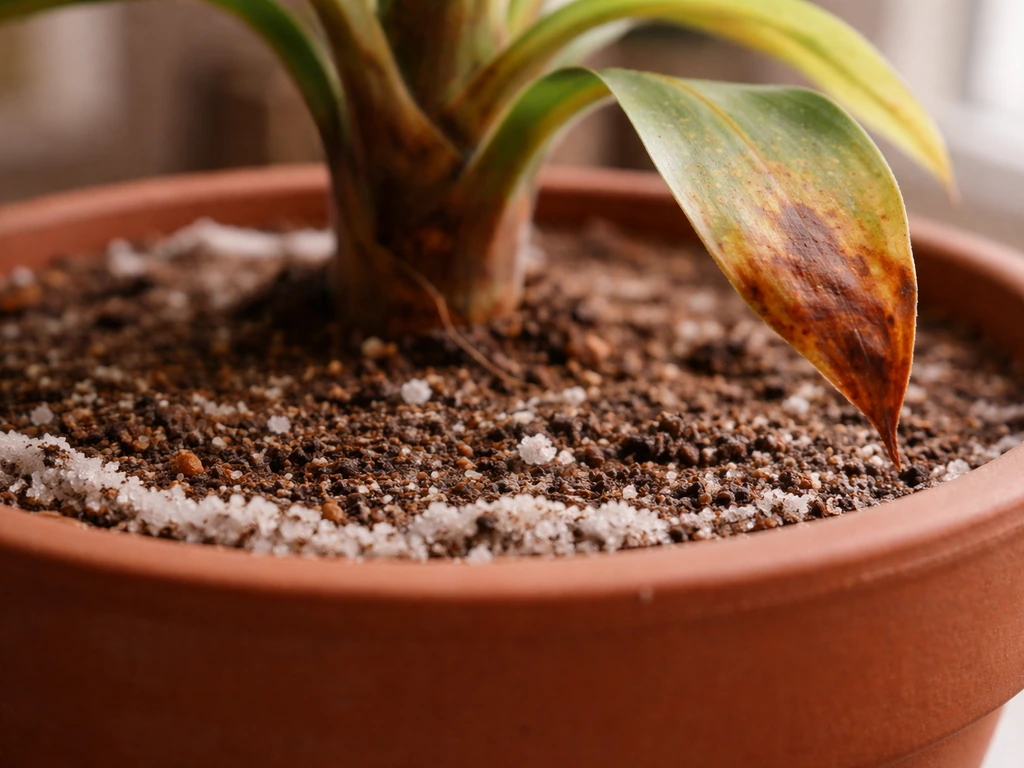
Roots absorb water through osmosis: water moves from an area of lower solute concentration (the soil) into root cells where solute concentration is higher. When you add a high-sugar, high-salt solution like Gatorade to the soil, you flip that gradient. The soil solution becomes more concentrated than the water inside root cells, and water is literally pulled out of the roots instead of into them. This is called plasmolysis at the cellular level, and it causes roots to shrink, lose turgor, and lose the ability to function. A plant sitting in Gatorade-watered soil can look drought-stressed even when the soil is wet, because it physically cannot take up water.
Salt accumulation and leaf burn
Every time water evaporates from your soil or moves through the plant via transpiration, the solutes that were dissolved in it get left behind. Sodium and other salts concentrate near the soil surface and in leaf margins, where water loss is highest. University of Nevada Reno Extension research confirms that salts settling on leaves can burn them as they dry, especially in sunny or dry conditions. University of Maryland Extension notes the same pattern inside the plant: salts travel with water and concentrate at leaf edges, producing the classic marginal browning or tip scorch that gardeners often mistake for underwatering or nutrient deficiency.
The sugar myth and soil microbes
People assume "sugar = energy = growth," but plants don't use external sugar the way humans use carbohydrates. Plants make their own sugars through photosynthesis, and that's where their carbon comes from. When you add sugar to soil, soil microbes consume it rapidly. University of Minnesota Extension points out that this microbial activity can temporarily tie up available nitrogen in the soil as microbes compete for it, potentially making your plants more nutrient-deficient, not less. On top of that, the added sugar can fuel algae and mold growth in the soil and on the surface, creating a whole new set of problems. If you are wondering whether lemon juice helps plants grow, the same idea applies: acidity and added solutes can disrupt the root-zone balance and make things worse instead of better does lemon juice help plants grow.
When sports drinks might seem to help (and why that's misleading)
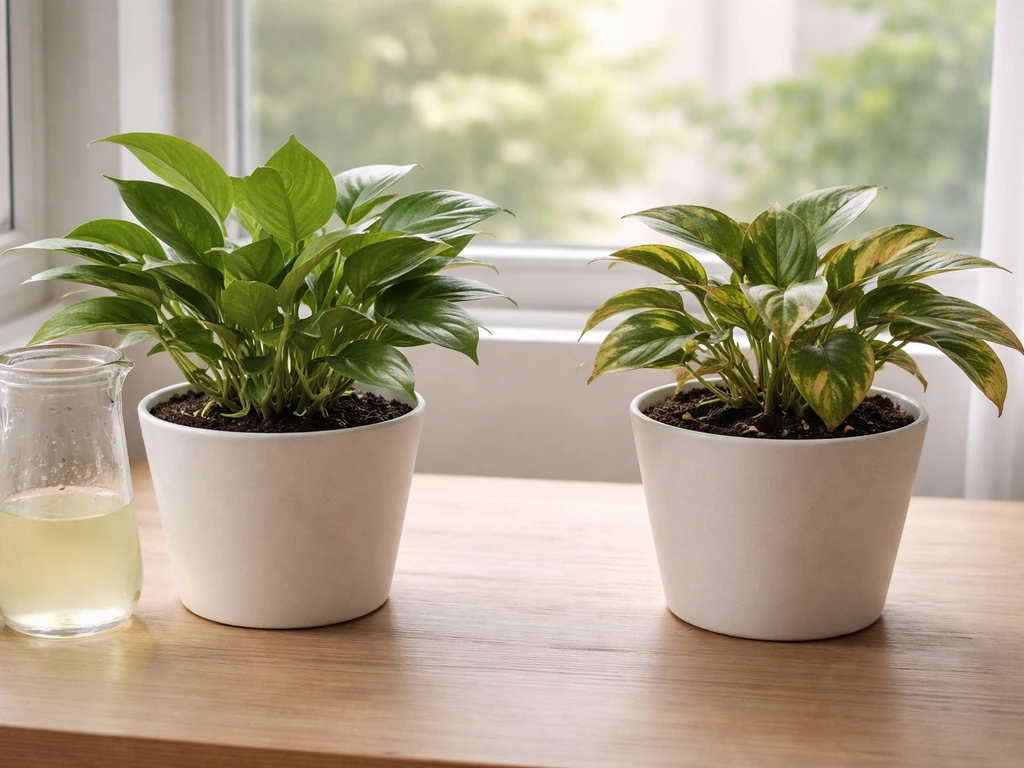
There are a handful of situations where someone might water a plant with diluted Gatorade and think it worked. Say a potted plant is severely wilted from drought stress, and you give it a big drink of diluted sports drink. The plant perks up. But here's the thing: the plant recovered because you gave it water. Any plain water would have done the same thing, and without the salt load. The "recovery" gets credited to the Gatorade when the credit belongs entirely to the hydration.
Another scenario: someone uses very heavily diluted Gatorade once on a robust, established outdoor plant in well-draining soil. Nothing bad happens visibly. That's not evidence that it helped. Healthy soil with good drainage can buffer a modest one-time salt addition, and an established plant can tolerate a lot. The absence of visible damage is not the same as a growth benefit.
Container plants, seedlings, and cuttings are the most vulnerable. They have less soil volume to buffer salts, smaller and more delicate root systems, and no margin for error on osmotic balance. If you're experimenting with Gatorade on any of these, you're taking a real risk for zero measurable gain.
Risks and signs of damage to watch for
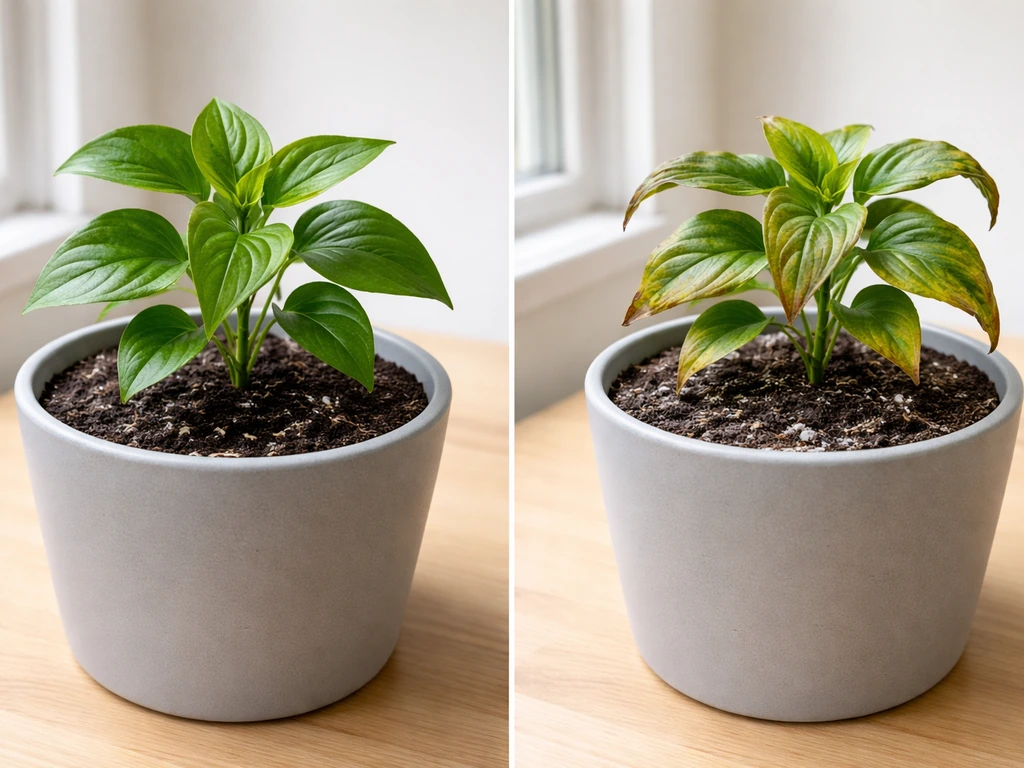
If you've already used Gatorade on your plants, or you're trying to decide whether to try it, here are the specific symptoms that signal salt damage. These can appear within days of a single heavy application, or build slowly over multiple uses.
- Brown or scorched leaf tips and margins, especially on the outermost leaves
- Wilting despite moist soil (the plant can't absorb the water because osmotic potential is off)
- Reduced new growth or complete stalling of growth
- Yellowing leaves that don't respond to normal watering or feeding
- White or crusty deposits on the soil surface or the outside of terracotta pots
- Dead or brown root tips visible when you unpot the plant
- Mold, algae, or unusual fungal growth on the soil surface from sugar feeding microbes
- Fewer flowers or buds than expected for the season
Iowa State University Extension confirms that high soluble salts reduce water uptake, cause foliage burn, restrict root growth, and reduce blooming. University of Maryland Extension specifically links salt accumulation in container media to brown leaf tips and dead root tips. If you're seeing more than one of these symptoms and you've been using anything other than plain water or balanced fertilizer, salt damage is a strong suspect.
Safer, science-backed ways to actually boost plant growth
The good news is that the real drivers of plant growth are well-understood, affordable, and available right now. You don't need hacks. Here's what actually moves the needle.
Diagnose first, treat second
Before adding anything to your soil, figure out what your plant actually needs. A basic soil test (available through most cooperative extension services for $15 to $30) tells you your pH, nitrogen, phosphorus, potassium, and often organic matter levels. University of Minnesota Extension recommends soil testing as the starting point for any compost, manure, or fertilizer decision. Guessing and adding random amendments, including sports drinks, is how you create problems rather than solve them.
Use a balanced fertilizer matched to your plant's needs
A 10-10-10 or similar balanced NPK fertilizer delivers actual amounts of nitrogen, phosphorus, and potassium in ratios plants can use without the damaging sodium load. For containers, a liquid fertilizer diluted to half-strength every two to four weeks during the growing season is a reliable approach. For garden beds, a slow-release granular fertilizer incorporated into the soil gives consistent feeding over months. If your soil test shows a specific deficiency, target it: blood meal for nitrogen, bone meal for phosphorus, greensand or potassium sulfate for potassium.
Build your soil with compost and organic matter
Compost does more for long-term plant health than almost any single amendment. It improves drainage in clay soils, improves water retention in sandy soils, feeds beneficial soil microbes, slowly releases nutrients, and buffers pH. University of Minnesota Extension frames healthy living soil as the foundation of plant health. Aim for adding two to four inches of compost worked into the top six to eight inches of soil each season, or use it as a top dressing around established plants.
Get the basics right before anything else
Light, water, and drainage solve more plant problems than any supplement. Most houseplants that look sick are either overwatered, in soil with poor drainage, or not getting enough appropriate light. West Virginia University Extension explains that water is essential for photosynthesis, cell structural support via turgor, and basic plant function. If those fundamentals are off, no amount of fertilizer, sports drink, or other additive will fix the plant.
It's worth noting that other kitchen liquids people sometimes try, like beer, vinegar, lemon juice, or wine, come with their own tradeoffs and mostly share the same core problem: they weren't designed for plant physiology, and the concentrations of anything useful are overwhelmed by things that cause harm.
Already used Gatorade on your plants? Here's how to recover
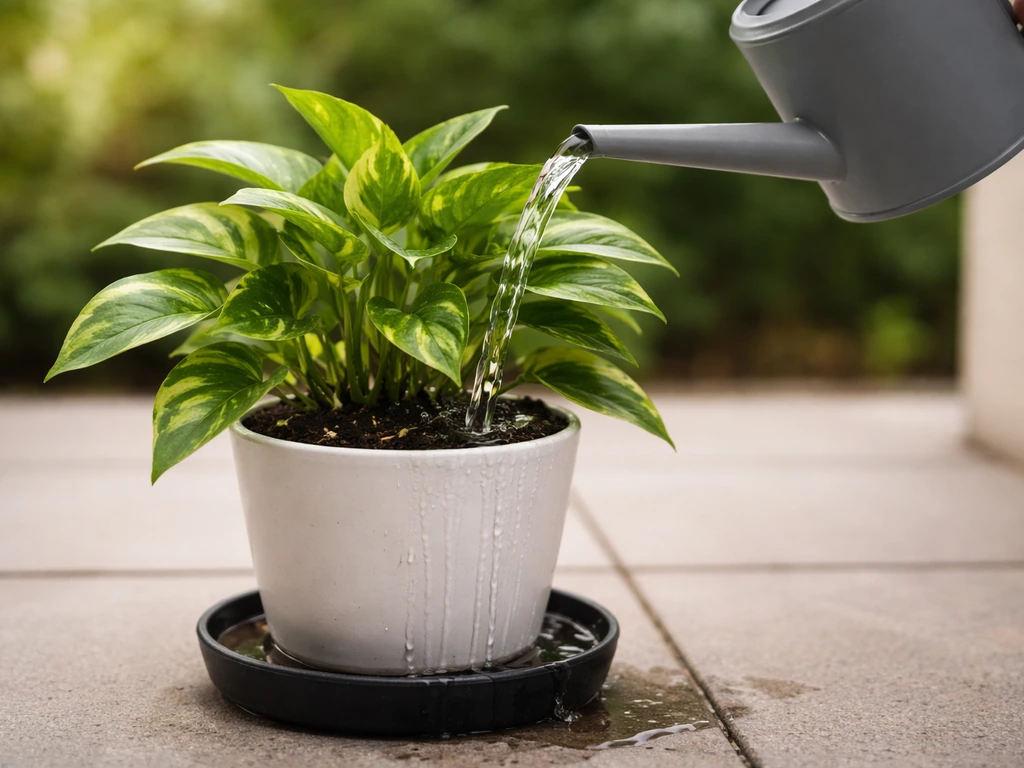
If you've given your plants one or a few doses of Gatorade and you're worried about salt buildup, the fix is straightforward but requires consistency. The goal is to flush excess salts out of the root zone.
- For container plants: water thoroughly with plain, clean water until water drains freely from the bottom. Do this two to three times over the course of an hour, letting it drain fully between passes. This leaches accumulated salts out of the potting mix. Repeat once a week for two to three weeks.
- For garden beds: water deeply with plain water over the affected area for several sessions. Good drainage is key here. If your soil drains poorly, the salts will just sit and concentrate deeper.
- Check for white crusty deposits on the soil surface. Scrape off and discard this layer if present; it's concentrated salt.
- If symptoms are severe (significant root damage or widespread leaf scorch on a container plant), consider repotting with fresh, high-quality potting mix. Remove as much of the old mix from the roots as possible without causing further damage.
- Hold off on any additional fertilizer for two to four weeks while the plant recovers. Adding more solutes while the plant is stressed will make things worse.
- Resume normal care once you see new healthy growth: that's the signal the roots are functioning properly again.
UF/IFAS Extension recommends monitoring electrical conductivity (EC) in container media as a practical way to track whether salt levels are coming back into a safe range after flushing. You don't need a lab for this: affordable EC meters are available for around $20 and give you a real-time read on whether your soil solution is still in the danger zone. Most edible and ornamental plants do well with EC below 2 dS/m in container media.
Plants are resilient, and if the damage isn't severe, a few weeks of proper watering, good drainage, and appropriate light will get most of them back on track. The main thing to avoid is doubling down with more amendments when the plant looks stressed. Sometimes doing less, and doing the basics right, is the fastest path to recovery.
FAQ
Does Gatorade help plants at all if I use it very diluted? For example, 1 tablespoon per gallon?
It’s generally a bad idea because the problem is not missing “plant vitamins,” it’s the drink’s high solute load (sugar and sodium) which can reverse the water uptake gradient at the roots. If you want to try an electrolyte-like boost, the safer approach is plain water plus targeted fertilizer based on a soil test, not sports drink.
I watered a wilted plant with dilute Gatorade and it bounced back. Does that mean it actually helped growth?
If the plant perked up, it was almost certainly hydration. To tell whether salts are becoming a long-term issue, watch for symptoms like new leaf tip browning, reduced root growth, or worsening wilting after the surface looks dry. For containers, consider a rinse and then resume with plain water and fertilizer.
What plants are most at risk if I accidentally water them with Gatorade?
With very vulnerable plants, even one use can matter. Containers, seedlings, and cuttings have less buffering soil volume, so salts concentrate faster and damage shows sooner. If you still want to experiment, do it on a hardy, outdoor plant in open soil first, and avoid any edible crops.
If I used Gatorade once, will salts always build up and harm my plants later?
Yes, especially in containers and in repeated watering. Salts that build up can keep electrical conductivity elevated even after the surface looks fine, which is why an EC meter can help you decide whether to flush again. Plain watering alone may not fully fix it if the root zone salts remain high.
What should I do if I already watered with Gatorade and I’m trying to prevent salt damage?
For salt-damage clean-up, the practical approach is a thorough flush, then switch back to plain water with proper light and drainage. In containers, after flushing, let the media drain completely rather than keeping it constantly wet, because poor drainage keeps salt-rich water in contact with roots longer.
If Gatorade contains potassium and phosphate, could it replace fertilizer if I’m careful?
If you truly want to correct nutrients, use a controlled fertilizer regimen instead of random liquid amendments. Match what you’re adding to the deficiency revealed by a soil test, then keep ratios steady (for example, a balanced NPK for general feeding, or a targeted source like potassium sulfate if potassium is low).
Does Gatorade help plants grow in hydroponics or water culture?
Yes. Hydroponic systems are especially sensitive because there’s no soil buffering. Adding sports drink can quickly disrupt osmotic balance and raise total dissolved solids, which can cause root browning and growth arrest. If you use hydroponics, stick to formulated nutrient solutions designed to specific electrical conductivity targets.
How long after using Gatorade can salt damage show up, and what should I look for?
Don’t assume “no visible burn” means “it’s fine.” Many salt issues show up as marginal browning, reduced flowering, slower growth, or root tip dieback after several days. Also, bright sun and drying conditions can concentrate salts at leaf edges and make damage appear sooner.
Next Articles
Does Wine Help Plants Grow? Evidence, Risks, and Safer Alternatives
Does wine boost plant growth? Learn risks of alcohol and residues, compare wine vs vinegar, and safer soil fixes.
Does Lemon Juice Help Plants Grow? Science and Safe Use
Find out if lemon juice or lemon water boosts plant growth via pH and acidity, risks, safe dosing, and fixes.
Does Vinegar Help Plants Grow? Science, Risks, and Fixes
Learn if vinegar helps plants grow, why it can harm roots, and safer fixes for pH, nutrients, and watering.