Green light can help plants grow, but it is not the powerhouse that red and blue are. The honest answer is that green light (roughly 500–600 nm) is absorbed and used for photosynthesis to a lesser degree than red or blue, but under the right conditions, specifically at low fractions below 30% of total light and with a peak wavelength under 530 nm, adding some green to an existing red/blue setup can actually improve biomass. A 2024 meta-analysis confirmed that green light is similarly effective in promoting plant biomass as red and blue when those parameters are met. So green is not useless, but it is also not something you should build a grow setup around. Blue light can also help plants grow, but it is typically most effective when used alongside red rather than on its own.
Does Green Light Help Plants Grow? What Actually Works
How plants actually use light: wavelengths, photosynthesis, and the green gap
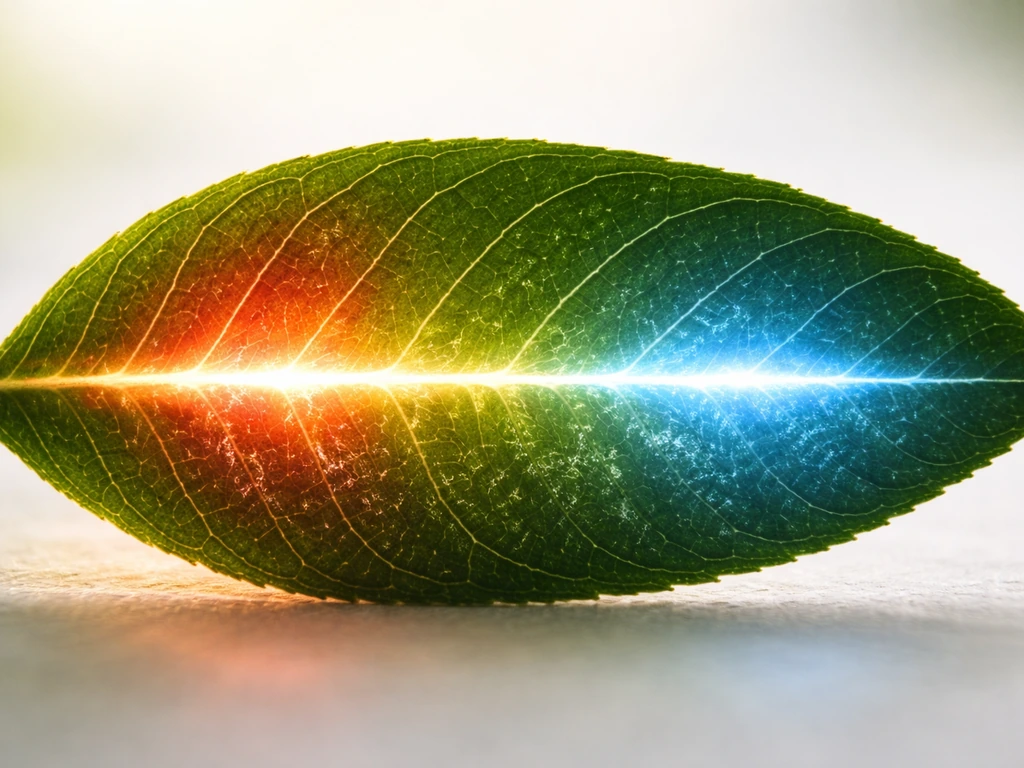
Plants capture light through pigments, and the two most important ones are chlorophyll a and chlorophyll b. Both absorb strongly in the red region (around 660–680 nm) and the blue region (around 430–450 nm). If you are asking, “does red light help plants grow,” the short answer is yes, because red is one of the strongest absorbed wavelengths for driving photosynthesis. Green wavelengths, roughly 500–560 nm, are absorbed far less efficiently, which is exactly why leaves look green, most of that green light is reflected or transmitted rather than absorbed and used.
Beyond photosynthesis, light also controls plant shape and development through a process called photomorphogenesis. This is where specific photoreceptors come into play: phytochromes respond to red and far-red light and control things like flowering and stem elongation, while cryptochromes and phototropins respond to blue and UV-A light and influence leaf expansion, stomatal opening, and directional growth. Green light does interact with some of these receptors, but the responses are more nuanced and context-dependent than with red or blue.
One genuinely useful physical property of green light is its canopy penetration. Green photons scatter and pass through leaf layers more readily than red or blue, which are absorbed closer to the top of the canopy. In a dense planting situation, that penetration can mean lower leaves are getting some usable light they would otherwise miss entirely. The tradeoff is efficiency: green photons are up to about 10% less photosynthetically efficient than photons from a 660 nm red LED, so you are getting something for it, just not as much per photon.
Green vs. red and blue: when green actually helps and when it does not
Red and blue remain the workhorses of plant lighting. If you are growing under LEDs and had to choose, a solid red/blue spectrum gets you the most photosynthetic return per watt. But the idea that green is completely wasted is outdated. The nuance is in the details.
Research on tomatoes found that partially substituting green into a red/blue baseline at around 20% affected stem elongation, but whether elongation increased or decreased depended on how the phytochrome photostationary state (PSS) was affected, not simply because green was added. In a separate tomato study, replacing part of sole blue light with green actually reduced stem elongation, suggesting cryptochrome-related pathways were at play. The point is that green does not have one universal effect on plant shape: it depends on what else is in your spectrum and what the plant is measuring.
For photosynthesis and biomass specifically, the meta-analysis data is encouraging but specific: the strongest green-light effects on biomass were seen when the green fraction was kept below 30% of total light and the peak wavelength was below 530 nm. For a quick answer, green light is the color people talk about most, but it helps only when you keep the green fraction low and the wavelength in the right range what color light helps plants grow. Push past those numbers and the benefits shrink or disappear. Adding a lot of green does not keep making things better, it just dilutes your more efficient red and blue photons.
There is also a timing dimension. Research shows green light has its strongest influence during early photomorphogenic development, essentially the seedling stage, when it can trigger specific gene-expression responses in chloroplast development that red, blue, and far-red do not replicate under the same conditions. For mature plants in a dense canopy, the main benefit shifts to that deeper penetration story rather than any special signaling effect.
| Light Color | Primary Photoreceptors | Photosynthetic Efficiency | Best Use Case |
|---|---|---|---|
| Red (660 nm) | Phytochromes | Highest (reference point) | Core grow spectrum, flowering, fruiting |
| Blue (430–450 nm) | Cryptochromes, Phototropins | High | Vegetative growth, compact morphology |
| Green (500–530 nm peak) | Partial cryptochrome/phototropin interaction | Up to ~10% lower than 660 nm red | Canopy penetration, supplement to RB at <30% fraction |
| Green (530–600 nm) | Minimal direct photoreceptor engagement | Lower | White working light; limited growth benefit |
How to actually use green light in a grow setup today
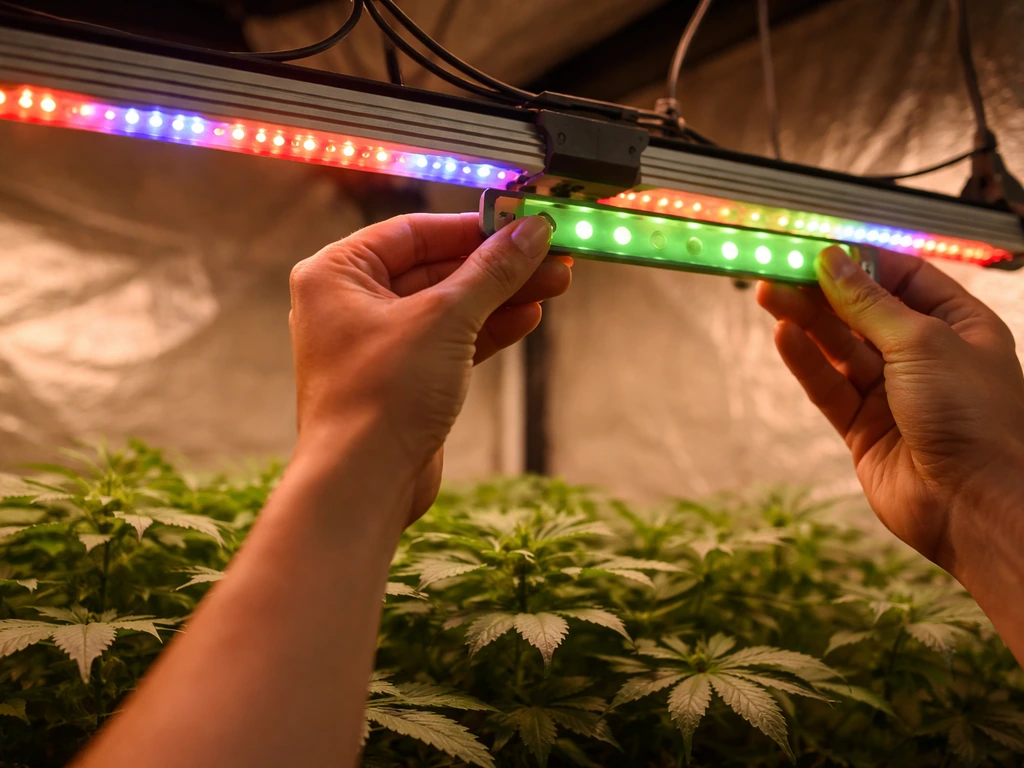
If you are thinking about buying a dedicated green LED grow light, stop there. Does pink light help plants grow? It depends on the underlying red and blue components, since pink is mostly a mix rather than a unique standalone wavelength that matches the best photosynthesis ranges. A pure green setup will underperform a balanced full-spectrum or red/blue LED meaningfully, and there is no scenario where green-only is a smart primary lighting choice for plant growth. What you want is green as a component of a broader spectrum, which is exactly what quality full-spectrum white LEDs already provide.
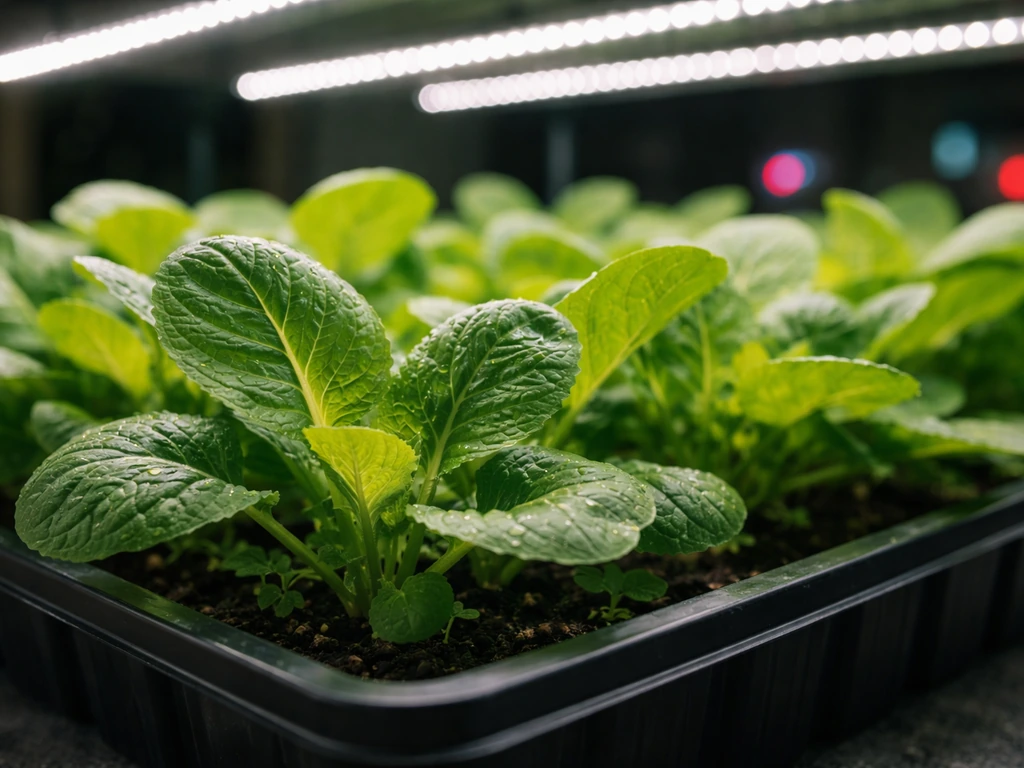
If you already have a red/blue LED setup and are wondering whether to add a green supplement, here is how to think about it practically. Keep any added green below 30% of your total photon output, and if you can choose your LED peak, lean toward wavelengths under 530 nm for the best biomass response per the meta-analysis data. The most common situation where this is worth doing is in a dense canopy, think a packed herb tray or a multi-layer vertical setup, where lower leaves would otherwise be light-starved.
The more important numbers to nail down before worrying about spectrum at all are your PPFD and your daily light integral (DLI). If you want plants to grow faster, make sure you hit the right PPFD and DLI, then use green as a small supplement rather than the main solution PPFD and your daily light integral (DLI). Many growers also wonder whether white light helps plants grow, but those growth results still depend on getting the right intensity and daily light dose PPFD and your daily light integral (DLI). PPFD is measured in micromoles per square meter per second (µmol·m⁻²·s⁻¹) at canopy level. For most edible crops, you are targeting 400–800 µmol·m⁻²·s⁻¹ at the canopy. DLI, the total photon dose per day, should be 10–20 mol·m⁻²·d⁻¹ for moderate-light plants and 20–30 or higher for high-light crops like tomatoes. If your PPFD and DLI are not where they need to be, changing your spectrum color will not compensate.
- Measure PPFD at canopy level with a PAR meter before making any spectrum changes.
- Set your photoperiod to hit your DLI target for the crop you are growing.
- If your baseline spectrum is already red/blue-heavy, consider a full-spectrum white LED rather than a dedicated green add-on—most white LEDs already include useful green output.
- If you add green specifically, keep it under 30% of total PPFD and aim for a peak below 530 nm.
- For seedlings and early propagation, even brief green exposure at low fluence can support early chloroplast development—this is a case where a white or broad-spectrum light from day one is worth it.
- Distance matters: follow the inverse-square rule. Doubling your LED distance roughly quarters the intensity. Use your PAR meter to verify canopy PPFD rather than guessing from mounting height.
What to measure and what results to actually expect
If you are testing whether a green-light addition is doing anything in your setup, you need to measure the right things. Do not rely on general impressions of how "lush" plants look, that can be influenced by a dozen variables at once.
- Biomass (fresh and dry weight): The most reliable indicator of whether your light change is improving photosynthetic output. Weigh a sample of harvested plants at the same stage in trials with and without green.
- Stem length and internode spacing: Green light, depending on how it shifts PSS, can either elongate or compact stems. If your stems are getting leggier after adding green, that is a sign the spectrum shift is affecting phytochrome signaling in ways you may not want.
- Leaf area and thickness: Canopy-penetrating green light in dense setups may increase overall leaf area by feeding lower leaves that were previously light-limited.
- Yield (for fruiting crops): In a tomato or pepper context, look at fruit count and total weight per plant across replicated trials, not just one plant.
- Time to first true leaf / time to transplant stage (for seedlings): If you are using green supplementally during propagation, germination speed and time to transplant size are useful markers.
Realistically, if your baseline setup is already providing good PPFD and a balanced red/blue spectrum, adding a modest green component is unlikely to produce dramatic visible differences in a home garden context. The benefits documented in research often show up in controlled, replicated trials measuring dry biomass over weeks. What you are more likely to notice is that plants in dense arrangements look more uniform, fewer yellowing lower leaves, if the green addition is genuinely improving light distribution through the canopy.
Myths and common mistakes with colored grow lights
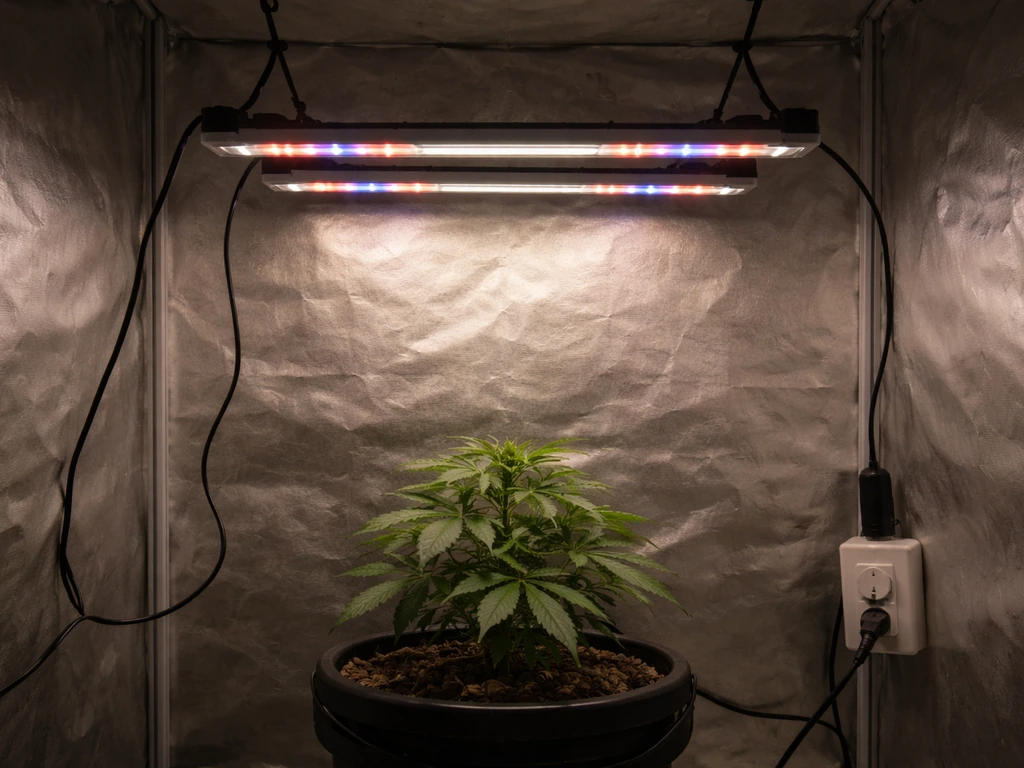
The biggest myth in the colored-light space is that any green added to a setup will automatically boost growth. It will not. The research is clear that both the fraction and the peak wavelength matter. Randomly adding a green LED panel at 40% of your total light output is just diluting your more efficient photons without the canopy-penetration benefit being large enough to compensate. The effect is dose- and spectrum-dependent, not automatic.
Another common mistake is treating light color as a substitute for intensity. Growers sometimes switch from a basic white LED to an exotic spectrum LED without confirming whether the new fixture is even delivering the same PPFD at canopy level. A purple or red-heavy LED that looks intense to the eye may actually be delivering less total PAR than the white fixture it replaced, especially if the lux-to-PPFD conversion used was not adjusted for the spectral shift. Purple and red-heavy LEDs can look bright, but the real question for plant growth is how much photosynthetically useful light they deliver at the canopy purple light. Always measure in µmol·m⁻²·s⁻¹ at the canopy, not lux.
Duration mistakes are also common. Running green-supplemented lights for a shorter photoperiod than you ran your previous setup, because you assume the spectrum is now doing more work, is backwards logic. If anything, because green is slightly less photosynthetically efficient, you need to be sure your DLI is maintained or increased, not cut back. Similarly, assuming that more hours of green light cures any growth problem ignores the fact that most plants need a defined dark period, and extending light hours indiscriminately can disrupt flowering cycles.
Finally, do not fall into the trap of thinking a green light lets you see plants without disrupting them at night. While it is true that green is less disruptive to human night vision than white light, even low-level green light during the dark period can affect phytochrome and cryptochrome states in light-sensitive crops. If you need working light in a grow space at night, keep sessions brief.
What matters more than light color for plant growth
Spending time optimizing your light spectrum before the foundational growing conditions are dialed in is a bit like tuning a race car's aerodynamics before fixing a cracked engine block. Light color is a refinement. These factors will move your results more than swapping from red/blue to red/blue/green ever will.
- Total light quantity (PPFD and DLI): Getting plants to their target daily light integral is far more impactful than any spectrum tweak. An underpowered setup with a perfect spectrum still underperforms a well-powered basic setup.
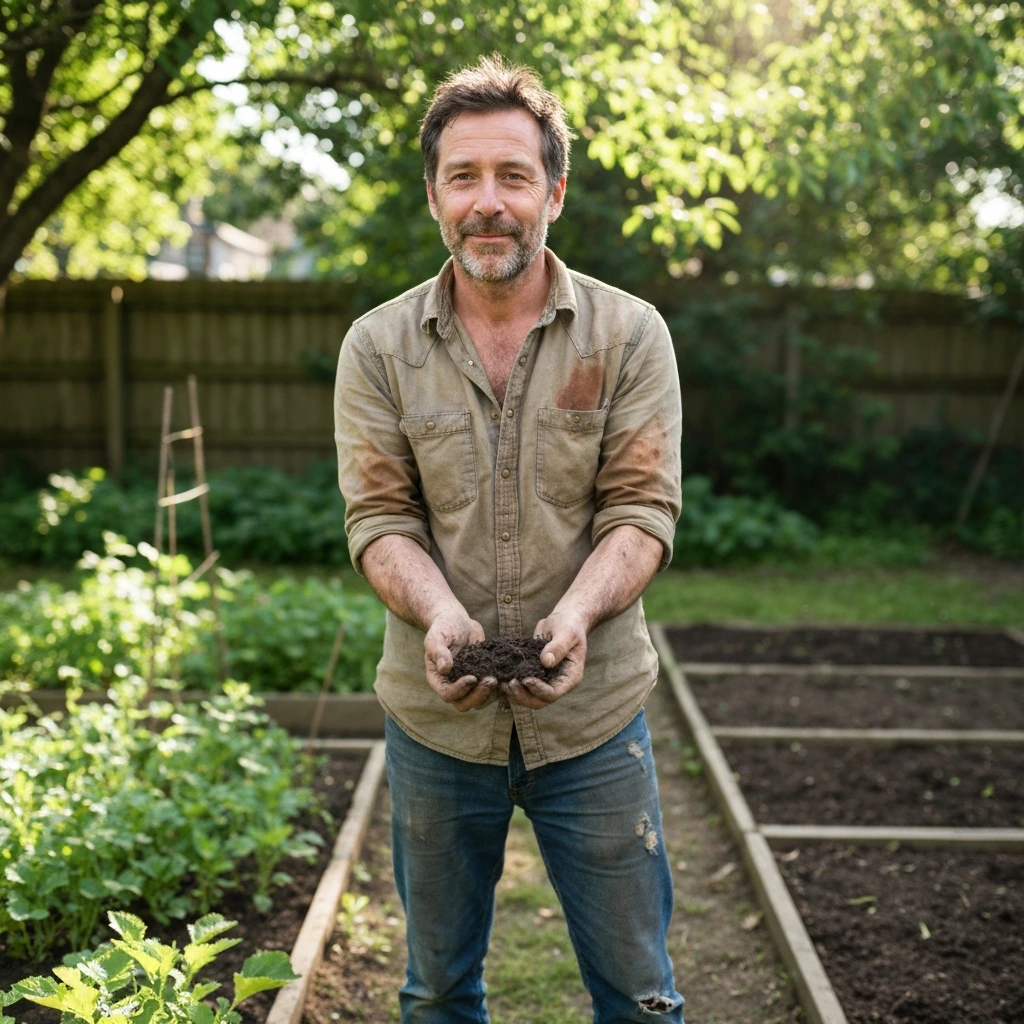
- Soil health and structure: Root access to oxygen, water retention without waterlogging, microbial activity, and physical structure all directly limit how fast a plant can convert light into biomass. No amount of optimized spectrum fixes compacted or depleted soil.
- Nutrients: Nitrogen drives vegetative growth; phosphorus and potassium support roots and flowering. A plant starved of nitrogen cannot use extra photons efficiently regardless of their wavelength.
- Water: Both drought stress and overwatering shut down stomata and interrupt the carbon fixation that photosynthesis depends on. Water stress will cap growth regardless of your lighting.
- CO2 concentration: In sealed grow rooms, CO2 can become the bottleneck before light does. Ambient CO2 is around 420 ppm; many high-light indoor setups benefit from supplemental CO2 up to around 1,000–1,200 ppm.
- Temperature: Most fruiting crops grow best in the 65–80°F (18–27°C) range. Temperatures outside that window slow enzymatic reactions in photosynthesis and nutrient uptake, making more or better light irrelevant.
If you are curious about how the other wavelengths stack up, the comparison does not end with green. Red light is the most photosynthetically efficient single wavelength, blue light controls morphology and compact growth, and white light covers the full spectrum including green in practical proportions. Each color tells a piece of the story, and the whole-spectrum picture matters more than any single wavelength when you are designing a real grow setup.
The bottom line: is green light worth it?
Green light is not a waste, but it is not a priority either. If you are buying your first grow light, get a quality full-spectrum white LED or a proven red/blue fixture and focus your energy on hitting your PPFD and DLI targets. If you already have a good red/blue setup and want to experiment with green supplementation, keep it under 30% of total output, aim for a peak below 530 nm, and measure biomass over a real trial rather than relying on visual impressions. The plants most likely to respond are those in dense canopies or at the seedling stage. For everything else, fix your soil, water, nutrients, and temperature first, those levers move the needle faster than any spectrum optimization you will do.
FAQ
If my plants look healthy under red/blue, should I still add green light?.
Not usually. If you already have a well-sized red/blue or full-spectrum fixture delivering your target PPFD and DLI at canopy level, adding green typically produces at most modest improvements in biomass, and mainly in dense canopies or early growth. Large visible changes are uncommon without a measurable spectrum and intensity difference.
What happens if I add too much green LED to my grow setup?.
Dose matters more than the label “green.” Green can help when the green fraction stays low (about under 30% of total light) and the peak is under roughly 530 nm. A high-green spectrum that dilutes red and blue usually underperforms because red and blue drive photosynthesis more efficiently per photon.
How do I know whether my green-light addition is actually increasing PPFD or DLI?.
Use a photon metric, not eye tests. Lux, perceived brightness, or “leaf color” are not reliable indicators of plant-useful output. Measure PPFD in µmol·m⁻²·s⁻¹ at the canopy, then confirm your daily light integral (DLI) stays in range, because spectrum changes cannot fix an intensity or dose shortfall.
Is green light more beneficial at the seedling stage or for mature plants?.
Yes, the optimal approach depends on what your goal plant stage is. Early in development, green can influence photomorphogenic responses, but for mature plants the more consistent benefit is deeper penetration into dense canopies. So a green supplement is more likely to show value in propagation/seedlings or lower leaves of tight plant spacing.
Will green light improve growth for plants spaced far apart?.
Short answer, it can help lower leaves, but only when plants are light-limited by canopy density. In sparse canopies where every leaf already receives enough red/blue, green’s penetration advantage has little room to show benefits. In dense setups, you may see fewer lower leaves yellowing if the green fraction is kept modest.
Can I run fewer hours of green-supplemented light and still get the same growth?.
Avoid assuming a separate “green photoperiod” is harmless. If you shorten the light period when switching spectra, you likely reduce DLI, and green is slightly less photosynthetically efficient per photon, so you may need to keep the daily photon dose the same or higher. Also keep a proper dark period, because disrupting it can affect flowering and other developmental timing.
Does green light during the night avoid disrupting plants more than white light?.
You generally cannot. Green wavelengths still participate in light-driven photoreceptor state changes, and in light-sensitive crops even low-level illumination during the dark period can matter. If you need night lighting, keep it brief and minimal, because the safest practice is a true dark period.
Is it ever smart to buy a green-only grow light?.
If the green LED is integrated into a balanced spectrum, it is usually fine to use. The key warning is not to treat green as a standalone replacement for the red and blue ranges that drive photosynthesis and morphology. Green-only setups typically underperform, while modest green added to a proven fixture can be a refinement.
What’s the best way to test whether green light is helping in my own grow?.
Try to isolate variables. Keep intensity constant, meaning match PPFD at canopy level before and after adding green. Keep photoperiod and nutrients the same, use multiple plants (not single specimens), and judge outcomes with dry biomass or consistent growth measurements over time, since “lush color” can be misleading.
What PPFD and DLI targets should I check before worrying about green light?.
For most edible crops, the article’s practical planning targets apply: PPFD is commonly around 400 to 800 µmol·m⁻²·s⁻¹ at canopy, with DLI around 10 to 20 mol·m⁻²·d⁻¹ for moderate-light crops and 20 to 30 mol·m⁻²·d⁻¹ or higher for high-light crops like tomatoes. If you are far below these ranges, spectrum tweaks will not compensate.
If I have a full-spectrum LED, do I still need a separate green light?.
In LED fixtures, “full spectrum” often includes some green already, so adding a separate green panel can be redundant or can unintentionally push the green fraction above the useful range. If you already have a quality full-spectrum or a well-validated red/blue system, your best next step is measuring PPFD and then deciding whether additional green meaningfully changes canopy light distribution.
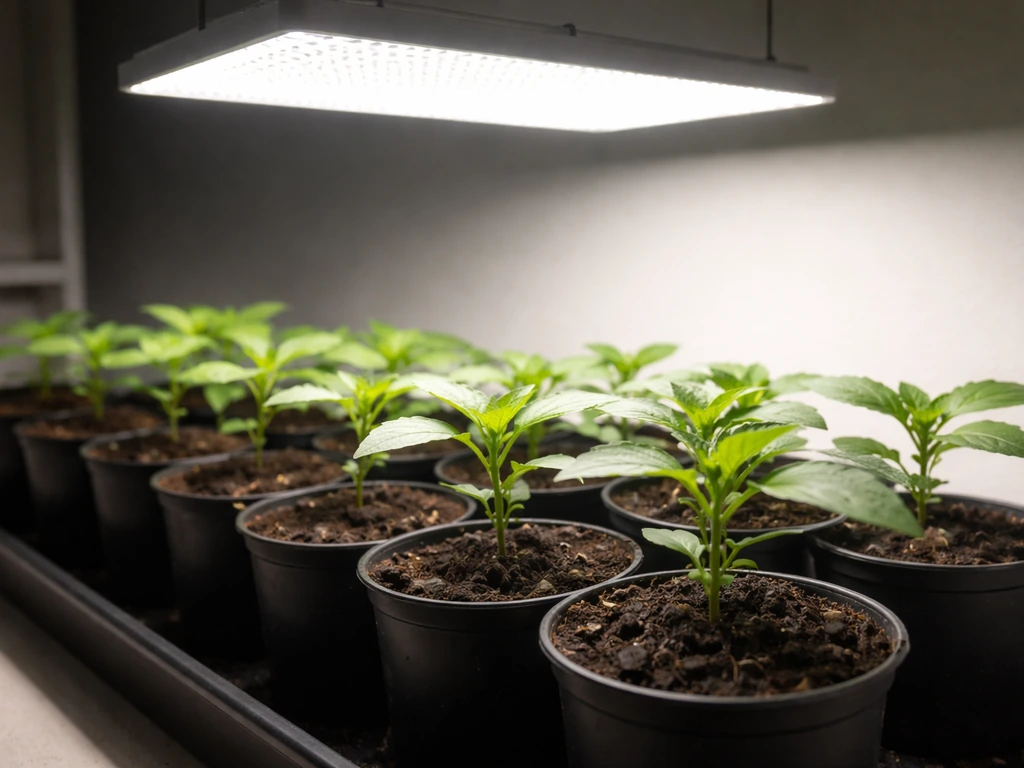
Yes, white LED light helps plant growth when spectrum and intensity fit; learn CCT, placement, PPFD and fixes.
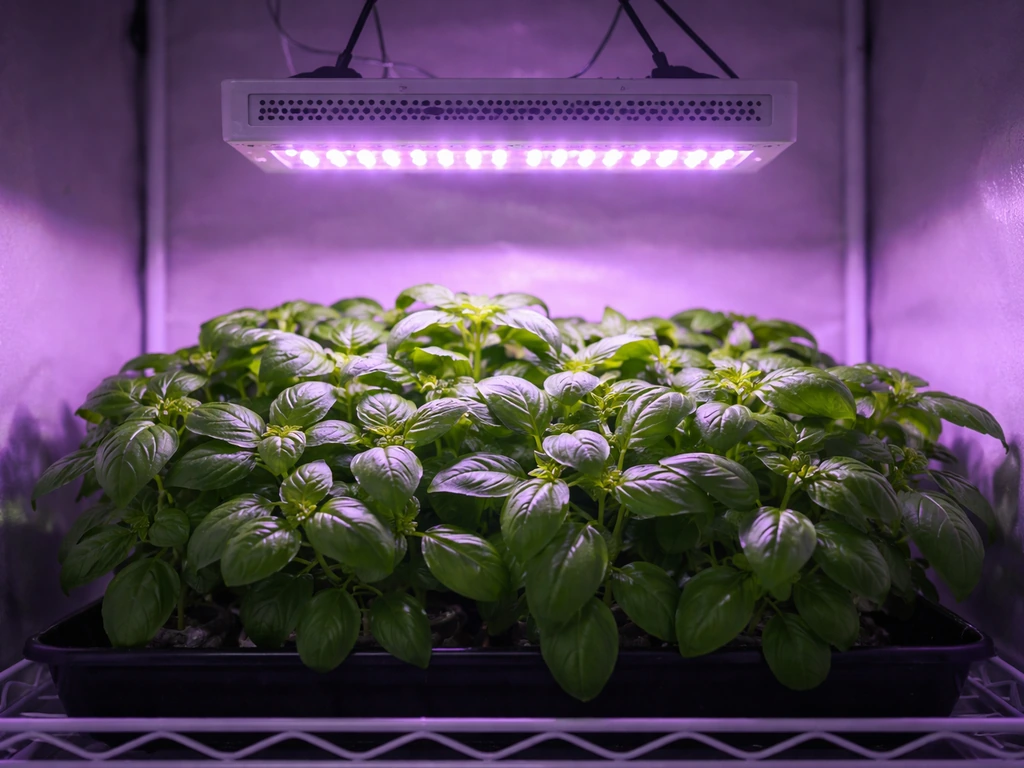
Learn if purple LED light boosts plant growth, when it helps, and how to set PPFD, placement, and duration.
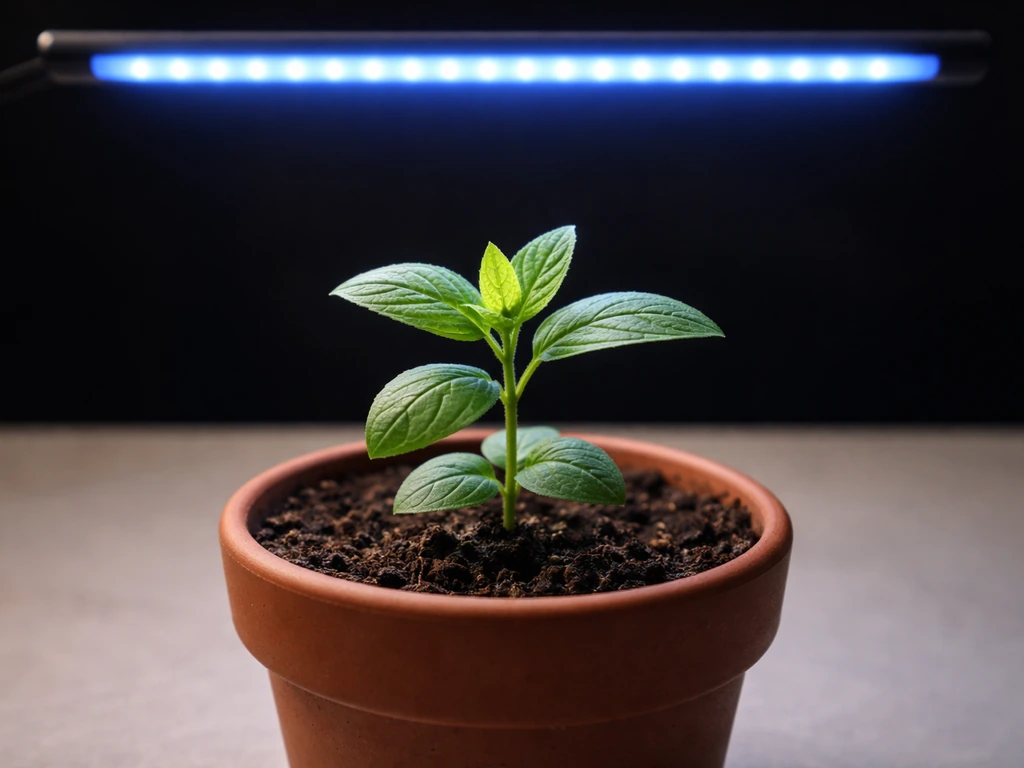
Learn how blue LED light boosts photosynthesis and compact growth, and how to set spectrum, intensity, and timing for pl