Yeast doesn't feed plants directly the way fertilizer does, but it can genuinely help your garden by boosting microbial activity in the soil, improving how nutrients like phosphorus get released, and acting as a mild biostimulant. Microorganisms like yeast can also help plants grow by improving soil nutrient availability through microbial activity microorganisms help plants grow. Think of it less like plant food and more like a probiotic shot for your soil. Under the right conditions, adding yeast to your garden can support a healthier underground ecosystem, which in turn helps your plants access more of what they need. The catch is that the results are indirect, modest, and heavily dependent on your soil conditions, temperature, and how you apply it.
How Does Yeast Help Plants Grow? Safe, Practical Guide
Why people think yeast helps plants grow (and what yeast actually is)
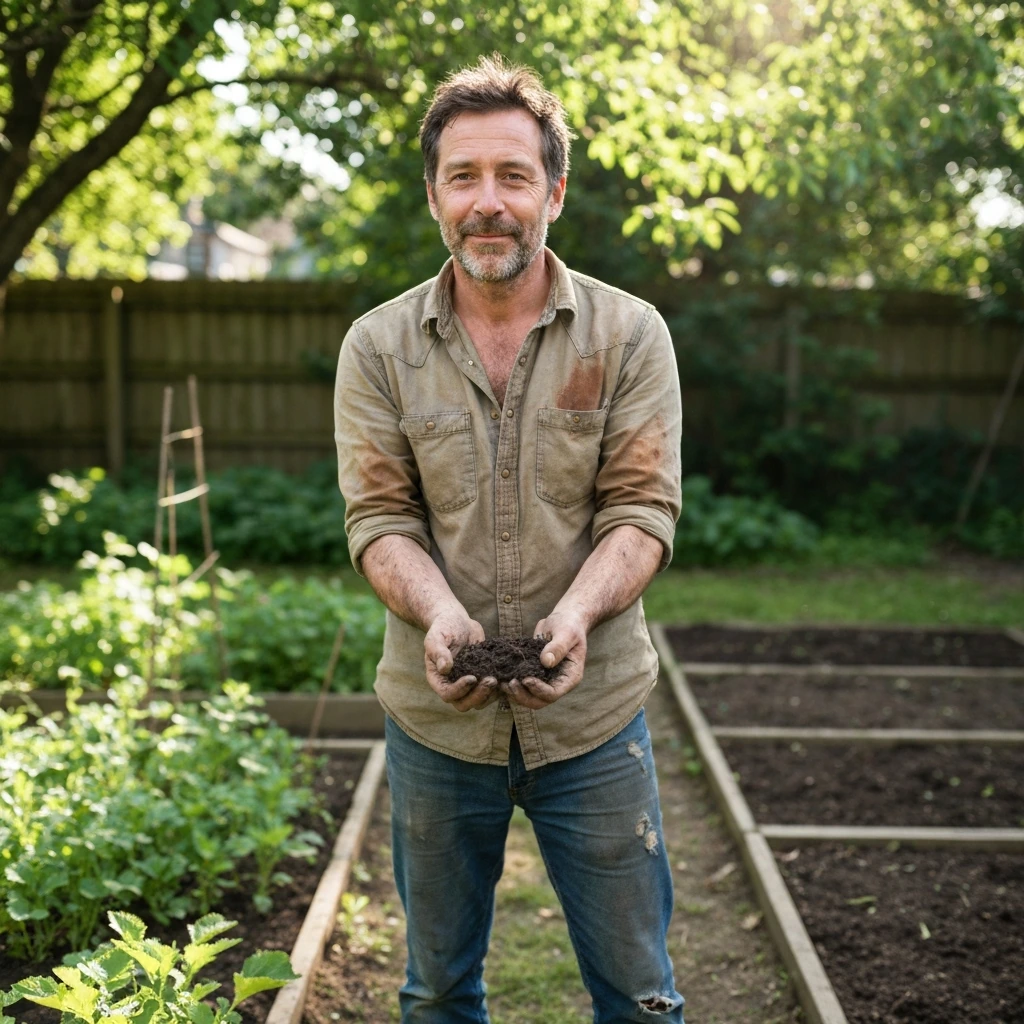
Yeast is a single-celled fungus, most famously Saccharomyces cerevisiae, the same organism responsible for bread rising and beer fermenting. It's not a fertilizer, a mineral, or a plant hormone. It's a living microorganism that survives by consuming sugars and producing carbon dioxide and alcohol as byproducts. That fermentation activity is exactly why people started experimenting with it in gardens: the logic goes that if yeast is so active and "alive," surely it does something useful underground.
The idea has been circulating in home gardening communities for decades, usually framed as a cheap, natural way to give plants a boost. Gardeners have noticed their soil seems more active after applying a yeast drench, or their plants look a bit perkier in the weeks that follow. Some of that observation is real, even if the interpretation isn't quite right. Yeast does interact with soil biology in measurable ways, which is why researchers have tested yeast extract as a biostimulant in greenhouse experiments, including work with sweet pepper plants comparing it against other amendments. But "biostimulant" is very different from "fertilizer," and that distinction matters if you want to set realistic expectations.
How yeast affects soil and roots: microbial activity, nutrient cycling, and the real mechanism
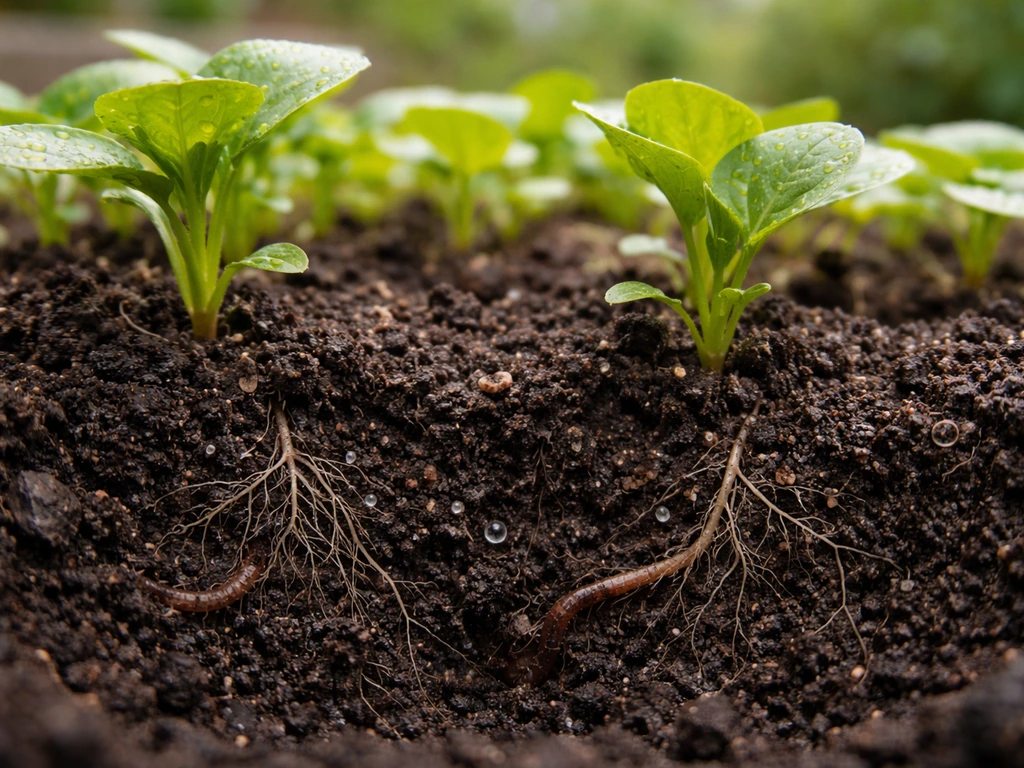
The most credible benefit of adding yeast to garden soil is what it does to the soil microbial community, not what it does to the plant directly. Yeast can survive in soil, including in waterlogged, low-oxygen micro-pockets where it switches to anaerobic fermentation to stay active. As it metabolizes, it produces organic acids and CO2 that can shift local soil pH slightly, which in turn affects how available certain nutrients are. Research on Saccharomyces cerevisiae specifically shows it can dissolve rock phosphate, releasing phosphorus into a plant-available form through acidification. In phosphorus-deficient soils, that mechanism can actually matter.
Beyond phosphorus, soil yeast strains have been studied for involvement in nitrogen-cycle processes and sulfur oxidation, suggesting that yeast activity can nudge broader nutrient transformations in the soil. There's also the knock-on effect of feeding the wider microbial community: yeast cells and their metabolic byproducts become food for bacteria and other fungi already present in your soil, stimulating an uptick in overall biological activity. That's the real chain of events. Yeast activates the existing soil food web, that activity improves nutrient cycling, and plants benefit from better nutrient availability at the root zone.
Roots themselves don't absorb yeast or yeast compounds in any meaningful fertilizer-like way. If your plant is nitrogen-starved or needs potassium, yeast won't fix that. What it can do, under the right soil conditions, is make it a little easier for the soil food web to convert what's already there into forms plants can use. Because the effect is indirect, the right way to think about whether mushrooms help plants grow is that they can support soil biology rather than acting as direct plant nutrition. That's a supporting role, not a starring one. For comparison, bacteria and fungi like mycorrhizae have much more documented, direct partnerships with plant roots, which is worth keeping in mind as you read this. For a similar microbial-support angle focused more directly on roots, see how bacteria help plants grow. Fungi like mycorrhizae form direct partnerships with plant roots, which is one reason they can seem to help plants grow more noticeably. Mycorrhizal fungi, for example, can form helpful connections with orchid roots and improve water and nutrient uptake bacteria and fungi like mycorrhizae.
Baker's yeast, brewer's yeast, or instant: does it matter which one you use?
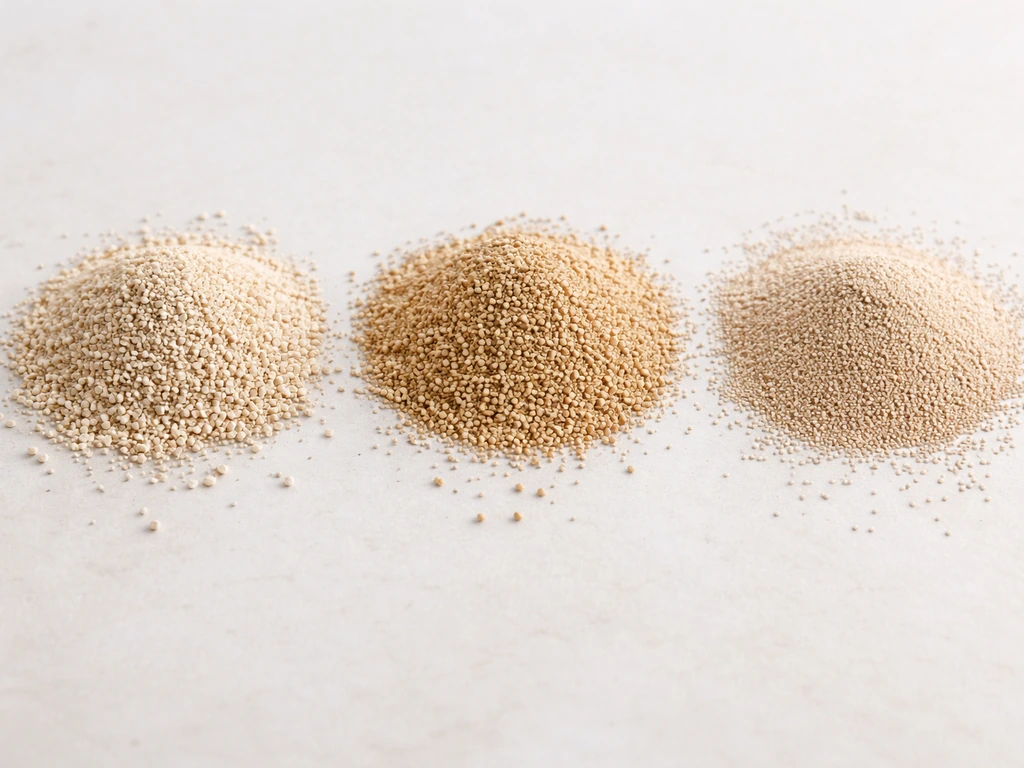
For garden use, there are meaningful differences between yeast types, and not all of them work the same way in the soil.
| Yeast Type | What It Is | Garden Use | Best For |
|---|---|---|---|
| Baker's yeast (active dry) | Live Saccharomyces cerevisiae, dormant until hydrated | Soil drench, compost activator | Stimulating microbial activity, phosphorus solubilization |
| Instant/rapid-rise yeast | Same species as baker's, finer grain, faster activating | Soil drench (slightly quicker activation) | Same as baker's; minor practical difference in garden use |
| Brewer's yeast (nutritional) | Dead/deactivated S. cerevisiae, often sold as powder | Foliar feed, compost additive | Supplying B vitamins and trace minerals; no live microbial effect |
| Torula/other wild yeasts | Various yeast species found in compost/soil naturally | Not typically purchased; already present in healthy soil | Background soil biology; encouraged by good composting |
The bottom line on yeast types: if you want a living microbial effect in the soil, use active dry baker's yeast or instant yeast, both of which contain viable cells that will activate when mixed with water. Brewer's yeast (the nutritional supplement kind) is dead, so it won't colonize your soil or drive microbial activity, though it can add trace nutrients to a compost or foliar feed. Extension publications have noted brewer's yeast in some spray and disease-control discussion contexts, but its role there is more about the nutrient profile than any live biological action.
How to actually use yeast in your garden today
There are three main ways gardeners apply yeast: as a soil drench, as a compost activator, and as part of a foliar spray or compost tea. Each has different goals and appropriate timing.
Soil drench
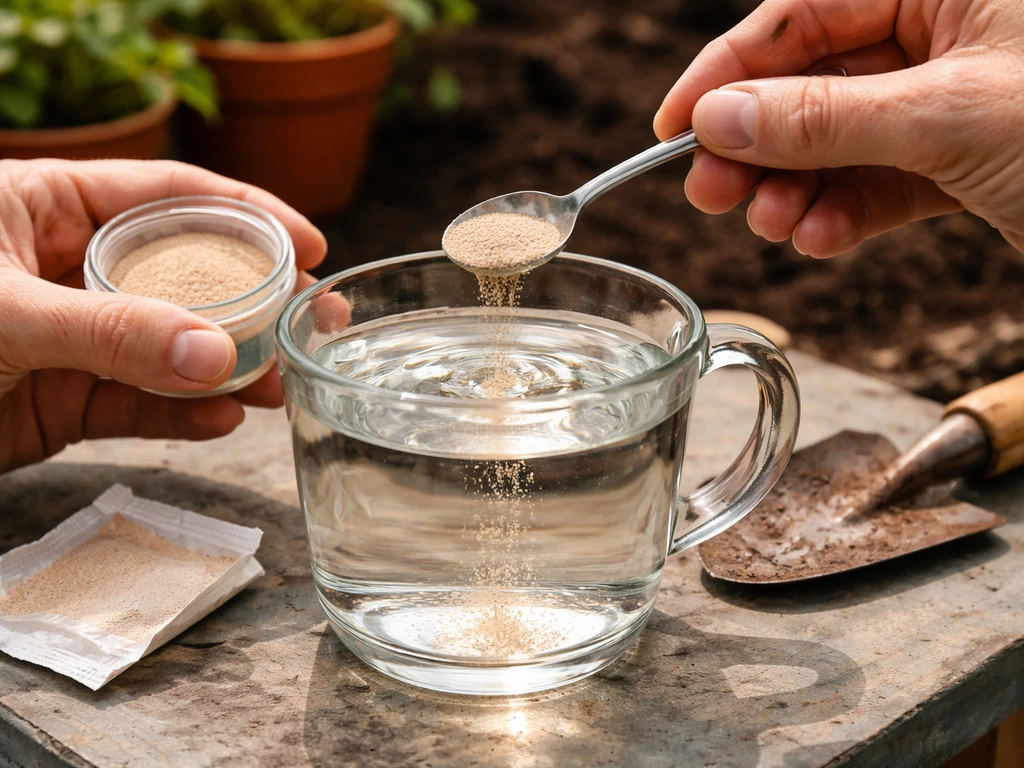
This is the most common approach and the one with the most direct connection to the nutrient-cycling benefits discussed above. Dissolve about one teaspoon of active dry yeast per liter of warm (not hot) water, optionally add a pinch of sugar to get the yeast fermenting, wait 10 to 15 minutes until it bubbles, then dilute this further to about 1 part solution to 5 to 10 parts water before applying it around the base of plants. Apply directly to moist soil, not dry soil, so the yeast cells don't immediately desiccate. Timing-wise, aim for spring or early summer when soil temperatures are in the 15 to 25°C range (roughly 60 to 77°F), which is when microbial activity is naturally climbing. Temperature strongly regulates soil microbial activity, and soil respiration and bacterial and fungal growth rates show temperature dependence. Research confirms yeast physiology shifts considerably with temperature, and activity drops off sharply in cold or excessively hot soils.
Compost activator
Adding a dissolved yeast solution to a compost pile can speed up the early stages of decomposition by introducing active fermenters to a carbon-rich environment. Pour a weak yeast solution (one teaspoon per two liters of water, then diluted again) over a fresh or slow pile, turning it afterward to introduce oxygen. This works best when the pile already has a reasonable carbon-to-nitrogen ratio and adequate moisture. Yeast is one of several microorganism types sometimes added to compost teas and brewing setups for this purpose, though it's not a replacement for good compost management.
Foliar spray and compost tea
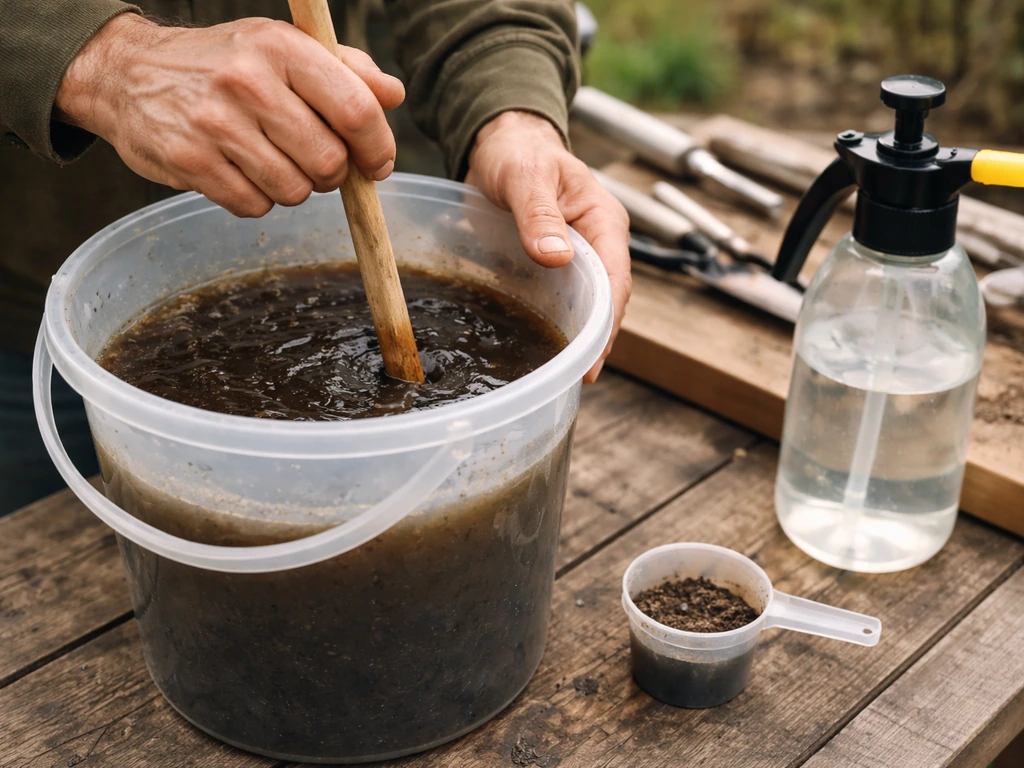
Some gardeners include yeast (especially brewer's yeast powder) in foliar sprays or compost teas for a trace-mineral boost. University of Arizona Cooperative Extension documents yeast products as one possible nutrient additive in compost teas, though the emphasis is always on the broader microbial action of the tea rather than the yeast specifically. If you go this route, keep the solution weak (no more than half a teaspoon of brewer's yeast powder per liter), apply it early morning so leaves dry before evening, and don't rely on it as a primary nutrition source. No additional data point was available for this entry, so the claim is presented without further external substantiation No additional data point was available for this entry.. For live-yeast compost teas, note that Cornell guidance advises being mindful of application intervals when organic additives including yeast are part of the brew.
How much yeast to use: safe dilutions and how often to apply
Less is more with yeast in the garden. Concentrated yeast solutions can create localized anaerobic conditions, generate heat as they ferment, and potentially harm soil structure or attract pests. Here are the ranges that keep you in safe territory:
- Soil drench stock solution: 1 teaspoon (about 3 to 4 grams) of active dry yeast dissolved in 1 liter of warm water with a pinch of sugar, activated for 10 to 15 minutes
- Working dilution: Mix 100 to 200 ml of that stock solution into 1 liter of water (roughly 1:5 to 1:10) before applying to soil
- Application volume: Apply about 0.5 to 1 liter of working solution per square meter of garden bed
- Frequency: No more than once every 3 to 4 weeks during the growing season; yeast is not something you apply weekly like liquid fertilizer
- Foliar/compost tea with brewer's yeast: Half a teaspoon per liter, no more than once every 2 to 3 weeks
- Compost pile: One standard yeast packet (7 grams) dissolved in 2 liters of water is sufficient for a pile of roughly 1 cubic meter; reapply only if the pile stalls
These dilution ranges are conservative by design. Yeast is cheap and it's tempting to use more, but overapplication introduces more risk than benefit, and the soil biology benefits you're aiming for don't scale linearly with dose.
What results to expect, and how long it takes
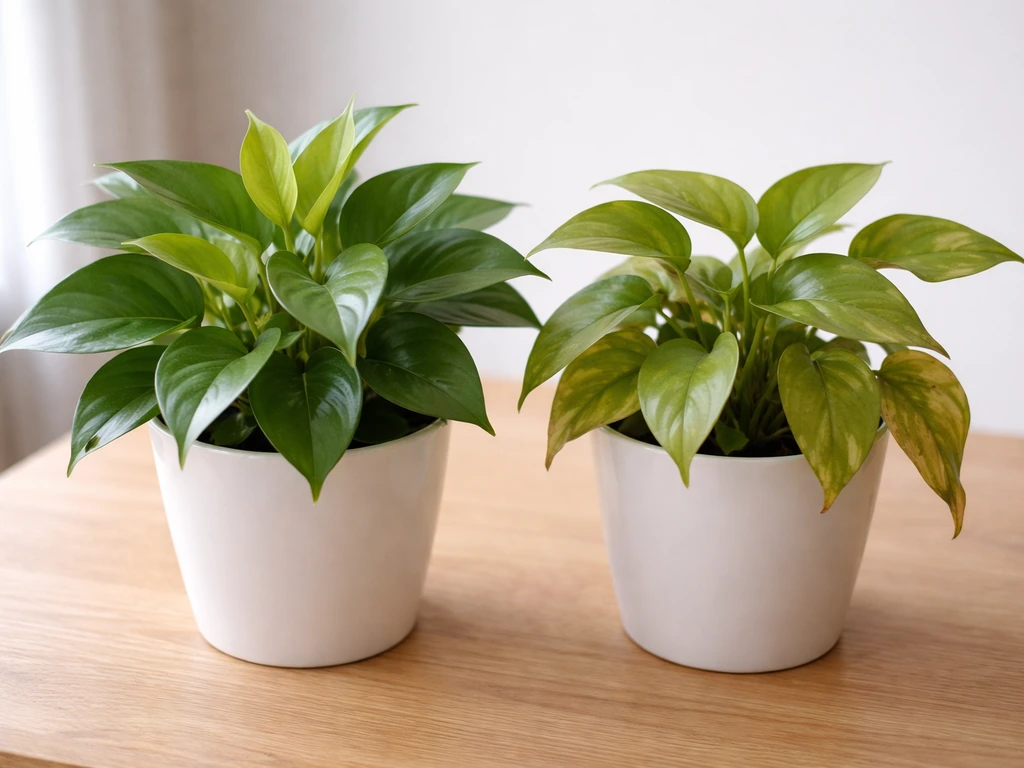
Don't expect to see a dramatic transformation overnight. Yeast works through the soil food web, and that's a slow system. In most cases, if something is working, you'll notice subtle improvements over 3 to 6 weeks: slightly lusher foliage, better color, improved root development when you repot or harvest, or more vigorous overall growth compared to untreated areas. Seedling growth experiments using yeast extract have shown positive results in some soil conditions, particularly in nutrient-limited or degraded soils, which tells you the effect is real but context-dependent.
Signs it's working: steady improvement in leaf color and size, healthy soil that smells earthy (not sour or rotten), better moisture retention over time, and visibly more earthworm activity if you dig around treated beds. Signs it's not working or there's a problem: persistent bad odor from the soil, slimy or waterlogged texture, no visible improvement after 6 to 8 weeks, or new pest pressure. If your soil was already biologically active and nutritionally balanced, yeast will likely have minimal measurable effect. It's most useful in depleted, compacted, or heavily tilled soils where the microbial community needs a nudge.
Troubleshooting, risks, and when to skip yeast entirely
Root burn and soil imbalance
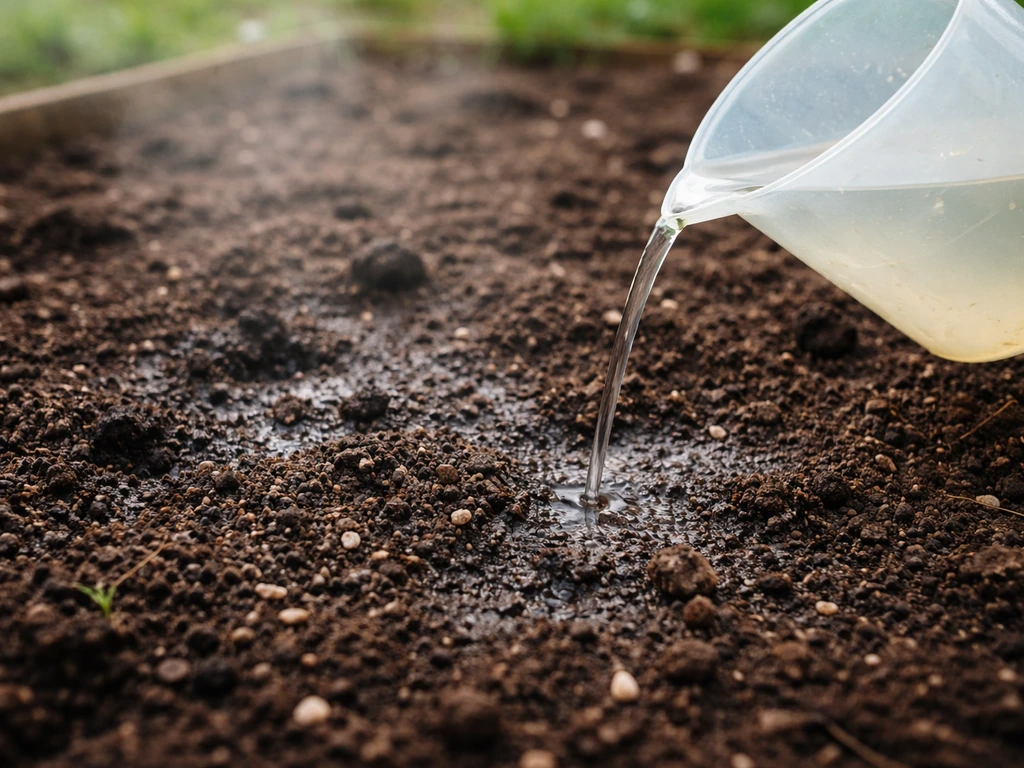
At high concentrations, a yeast drench can create a localized flush of fermentation that temporarily acidifies the soil more than intended and introduces heat, both of which can stress roots. This is especially risky in containers or raised beds with limited soil volume. Stick to the dilution ranges above and always apply to pre-moistened soil to buffer the effect.
Odor and anaerobic conditions
If your yeast solution smells aggressively alcoholic or sulfurous, it's gone anaerobic, meaning it fermented without enough oxygen. Cornell composting guidance identifies exactly this failure mode: when oxygen diffusion is blocked by too much moisture or poor porosity, anaerobic conditions develop and produce foul odors and harmful compounds. A yeast tea that smells wrong should not go on your garden. Brew yeast solutions in open containers, aerate them if possible, and apply them fresh (within a few hours of mixing).
Fungus gnats and pest attraction
This is a real risk that most gardening articles gloss over. Yeast ferments sugars and produces CO2 and volatile organic compounds that attract fungus gnats. If your soil stays wet after a yeast application, and especially if you're growing in containers or indoor garden setups, you can trigger a fungus gnat surge. RHS guidance confirms gnats are worse in consistently moist growing media, and Penn State research links gnat attraction to volatile compounds from microbial metabolism, which yeast actively produces. To minimize this risk: apply yeast drenches only to outdoor beds where gnat pressure is lower, let the soil surface dry between applications, and avoid using yeast products on seedling trays or houseplants.
When yeast is the wrong tool for the job
If your plant has a clear nutrient deficiency, yellowing leaves from nitrogen starvation, or poor growth due to pH problems or compaction, yeast won't fix it fast enough or reliably enough to be your first move. In those cases, get a soil test, address the specific deficiency with a targeted fertilizer or amendment, and improve drainage or aeration before anything else. Yeast is a supporting character in soil health, not the lead. For deeper microbial support, properly aged compost is better documented, more reliable, and supports a much broader range of beneficial organisms including bacteria and fungi that have well-researched direct relationships with plant roots.
Safer alternatives and complementary strategies
If your goal is better soil biology and improved nutrient cycling, here are approaches with stronger evidence behind them:
- Compost and compost tea: Introduces a far more diverse microbial community than yeast alone; extensively documented by university extension services
- Mycorrhizal inoculants: Specific fungal species that form direct root partnerships and measurably improve nutrient and water uptake, especially phosphorus; more studied than yeast for direct plant benefit
- Phosphate-solubilizing bacteria: Documented to improve soil phosphorus mobilization and plant growth, including in controlled agricultural trials; more reliable at that specific function than yeast in field conditions
- Cover crops and mulch: Improve soil structure, moisture retention, and feed soil biology consistently over time without the risks of anaerobic conditions
- Balanced fertilization based on a soil test: The single most reliable intervention if plant growth is the goal and nutrient deficiency is the cause
Yeast isn't a myth exactly, but it's also not the gardening shortcut it's sometimes sold as. Used carefully, at the right dilution, in living soil during warm weather, it can give your soil biology a modest and legitimate nudge. Just go in with clear expectations: you're supporting the soil food web, not replacing fertilizer or fixing a structural problem. The gardeners who get the best results with yeast are the ones who already have decent soil and are looking to maintain momentum, not the ones hoping it will rescue a struggling plant.
FAQ
Can I use yeast to treat a nitrogen deficiency or chlorosis right away?
Usually no. Yeast mainly supports microbial cycling, it does not supply plant-available nitrogen quickly. If leaves are yellow from nitrogen starvation, use a soil test to confirm, then apply a targeted nitrogen source and improve drainage or aeration first, yeast can be added later as a gentle soil-food-web support.
What yeast should I buy, and does instant yeast work the same as active dry baker’s yeast?
Yes, instant and active dry baker’s yeast are the practical choices because they contain viable cells that activate in water. Keep “brewer’s yeast” (supplement powder) separate, since it is typically dead and will not colonize your soil or create the same microbial push.
Do I need to add sugar when making a yeast drench?
A pinch of sugar can jump-start fermentation, but it is not always necessary. If you add sugar, keep it minimal, because extra sugars can increase microbial boom-and-bust, more odor risk, and more insect attraction if the soil stays wet.
Can I apply yeast on seedlings or houseplants?
Avoid yeast in seedling trays and most indoor or container setups. The “wrong” smell and fungus gnat attraction are more likely when media stays wet and oxygen is limited. If you try it, apply only to outdoor beds and use very weak dilutions, then stop if you notice persistent foul odor or new gnats.
How long do I wait to see any benefit, and how often should I reapply?
Look for subtle improvement over 3 to 6 weeks, not overnight. Reapplication is where gardeners get into trouble, start with one application and reassess soil smell and plant response. If you do repeat, let the soil surface dry between applications and keep doses conservative.
My yeast solution smells sour or rotten, should I still use it?
No. Aggressive alcohol, sulfurous, or rotten odors suggest anaerobic fermentation under limited oxygen. Follow a fresh mix approach, aerate if possible (open container, not sealed), and discard any batch with strong foul smells rather than adding it to soil.
Will yeast help my soil ph or nutrient availability, and how would I confirm it?
Yeast can slightly shift local pH via organic acids, and it may improve access to phosphorus in some soils. To confirm real change, use periodic soil tests (especially pH and available phosphorus) and track plant outcomes, because the effect depends heavily on baseline soil biology and temperature.
Is yeast safe for earthworms and beneficial microbes?
At modest dilutions, yeast is generally more supportive than harmful because it feeds the existing microbial community rather than acting as a harsh additive. The bigger risk comes from over-concentrated drenches that create hot, oxygen-poor microzones, so stick to the weaker ranges and apply to pre-moistened soil.
Can I use yeast tea as a substitute for compost or compost tea?
Not really. Yeast is a narrow, living additive with indirect effects, compost and well-managed compost tea provide a broader mix of organisms and nutrients with more predictable outcomes. Use yeast as an optional supplement for soil biology, not as a replacement for good composting practices.
What’s the best time of day and weather to apply a yeast drench?
Apply when soil is warm, roughly in the 15 to 25°C (60 to 77°F) range, typically spring through early summer. Water and apply to pre-moistened soil, and avoid hot spells or very cold periods because yeast activity drops sharply, then yields can be inconsistent.
Can yeast cause pests like fungus gnats?
Yes, it can. Yeast fermentation products attract fungus gnats, especially in consistently moist media and indoors. To reduce risk, apply outdoors only, let the surface dry between applications, and do not use yeast on seedling trays or houseplants.
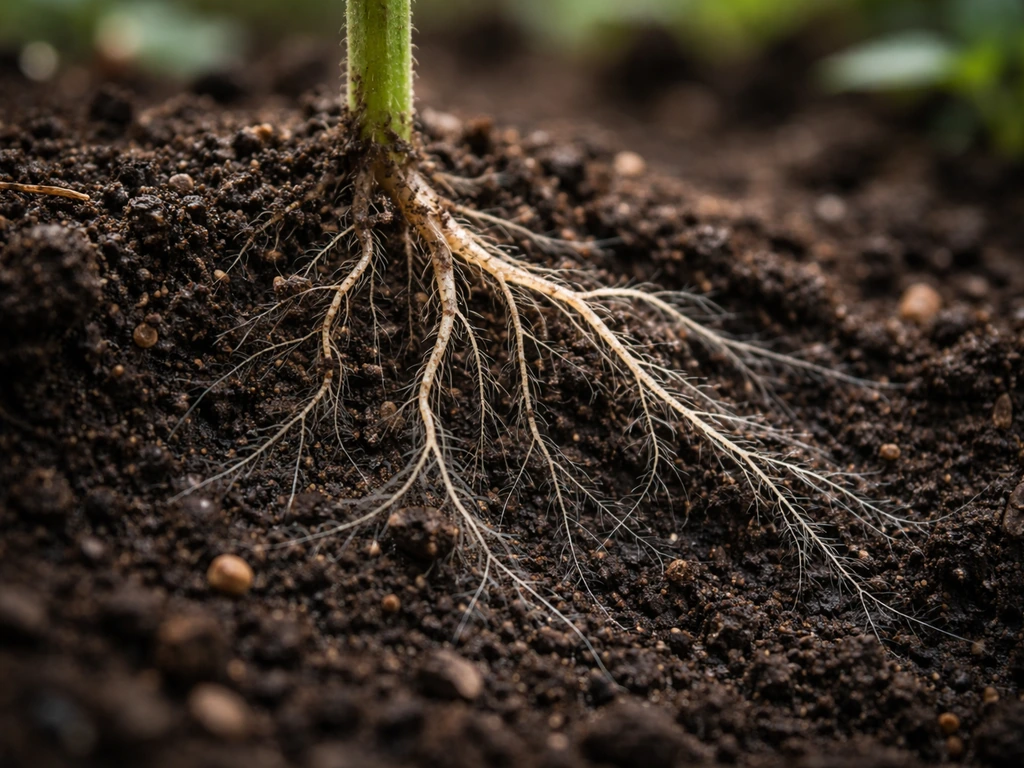
Science-backed answer on whether mushrooms help plants grow, plus how to use mycorrhiza, compost, and test results.
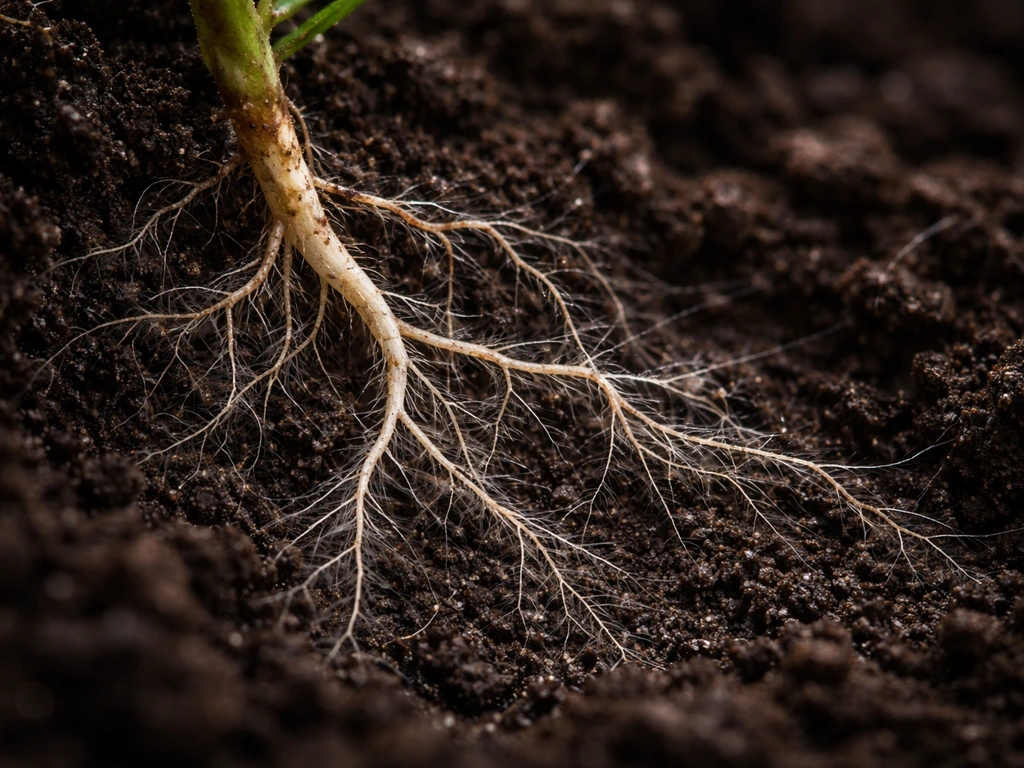
Yes. Learn how mycorrhizal fungi boost plant size and health by improving nutrients, drought tolerance, and resilience,
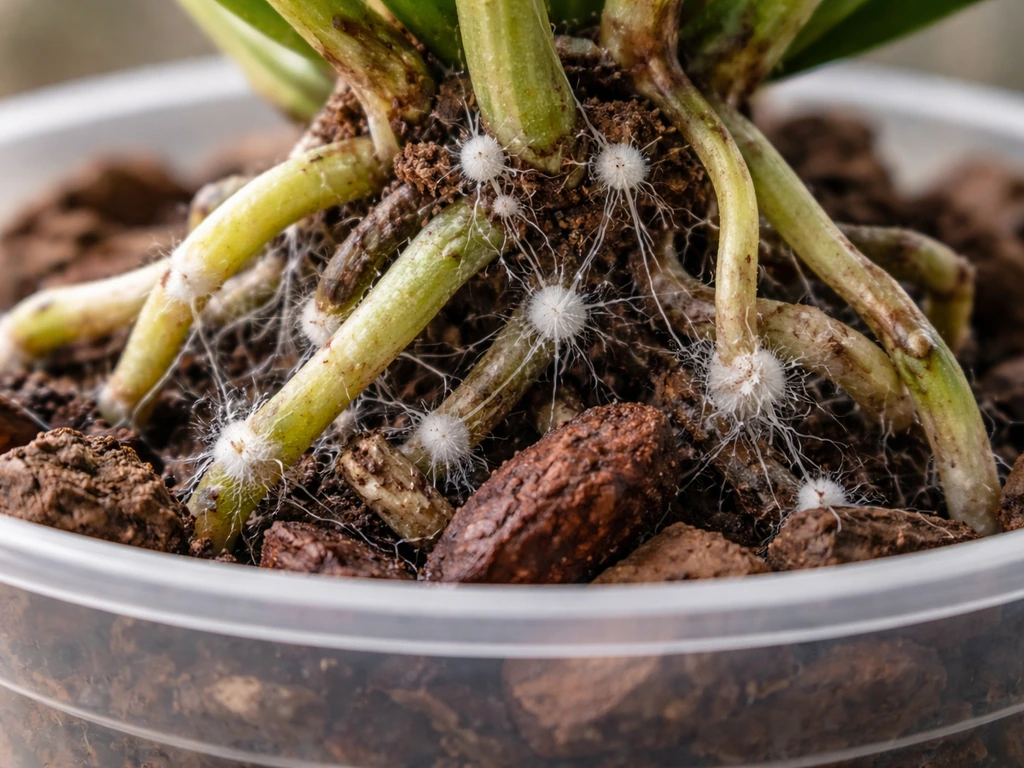
Learn which mycorrhizal fungi help orchids root, access nutrients, resist stress, and how to apply them safely today.