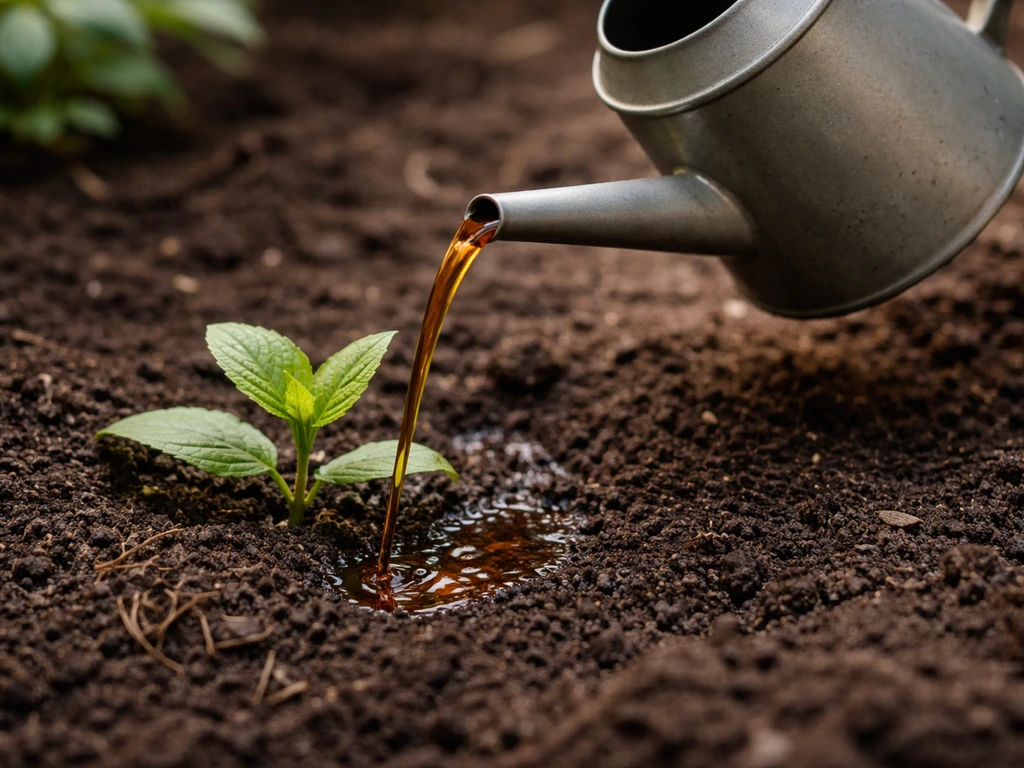
Coffee can help some indoor plants in very small, careful doses, but for most houseplants in pots, it causes more problems than it solves. The idea that coffee is a great plant food is mostly gardening folklore. Caffeine is often promoted as a plant booster, but it is not a dependable way to help plants grow coffee is a great plant food.
Does Coffee Help Plants Grow Indoors? What Works Safely
Marcus Holloway
31 May 2026
The nutrients are real but barely accessible, the acidity benefit is largely a myth, and the risks of mold, salt buildup, and root stress in a confined pot are genuine. If you have leftover coffee and want to use it, there is a right way to do it. But if your goal is actually growing healthier plants indoors, there are far better uses of your time and money.
What people mean by "coffee" for plants (it matters a lot)
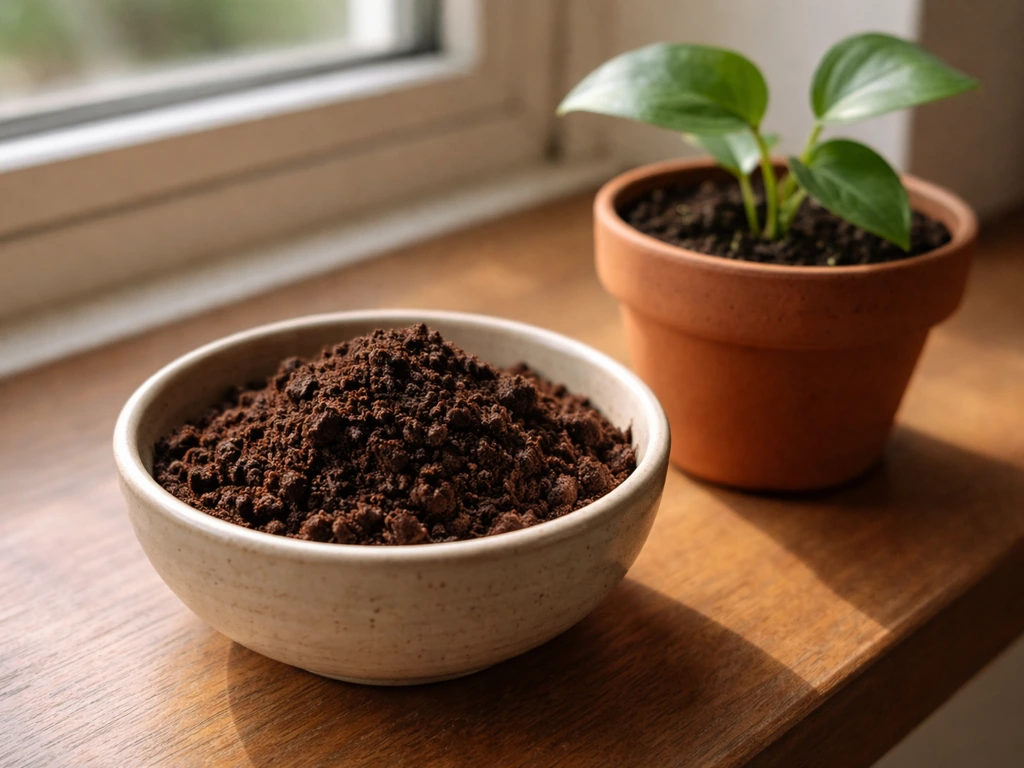
When someone asks whether coffee helps plants grow, they usually mean one of four things: sprinkling used coffee grounds on top of the soil as a top dressing, mixing grounds into the potting mix, watering plants with leftover brewed coffee, or using coffee in some combination as a fertilizer substitute. These are not interchangeable. Each one interacts with your pot, your soil, and your plant differently, and the risks vary significantly.
Brewed coffee is a liquid that contains caffeine, some dissolved minerals, and trace organic compounds. Used coffee grounds are the solid spent material left after brewing. Grounds still hold small amounts of nitrogen, potassium, magnesium, and copper, but the key phrase is "small amounts." University of Maine Cooperative Extension confirms that grounds contain some major nutrients and micronutrients, but only in very limited quantities. Think of grounds as a weak, slow-release organic material, not a fertilizer.
The nutrients are real, but the delivery is slow and complicated
Here is the honest plant biology: coffee grounds contain nitrogen, but your plant cannot just absorb it directly from the grounds sitting in the pot. Nitrogen in organic matter has to be broken down by soil microorganisms first. Nebraska Extension is explicit about this: the nutrients in coffee grounds are not available to plants until microbes decompose the material. In a well-managed outdoor garden bed with active soil biology, that process happens naturally over weeks. In a small indoor pot with limited microbial activity and no earthworms turning things over, decomposition is much slower and less reliable.
A composting study confirms this, finding that water-soluble nitrogen compounds in coffee grounds are present in extremely low amounts, meaning there is very little immediately available nitrogen even before you factor in the time it takes microbes to process it. Compare that to a standard diluted liquid houseplant fertilizer, which delivers nutrients in a form your plant can use within days. Coffee grounds as a nitrogen source for indoor plants are simply not efficient.
Research published in MDPI Agronomy in 2025 also found that fresh or uncomposted spent coffee grounds can be phytotoxic, meaning they can actually inhibit plant growth due to compounds like caffeine. Composting or vermicomposting first significantly reduces that risk. Oregon State University Extension (soil scientist Linda Brewer) adds that excess fresh grounds can temporarily tie up, or "immobilize," nitrogen in the soil before decomposition, which means you could actually make things worse before they get better.
The acidity myth, and what coffee actually does to soil pH
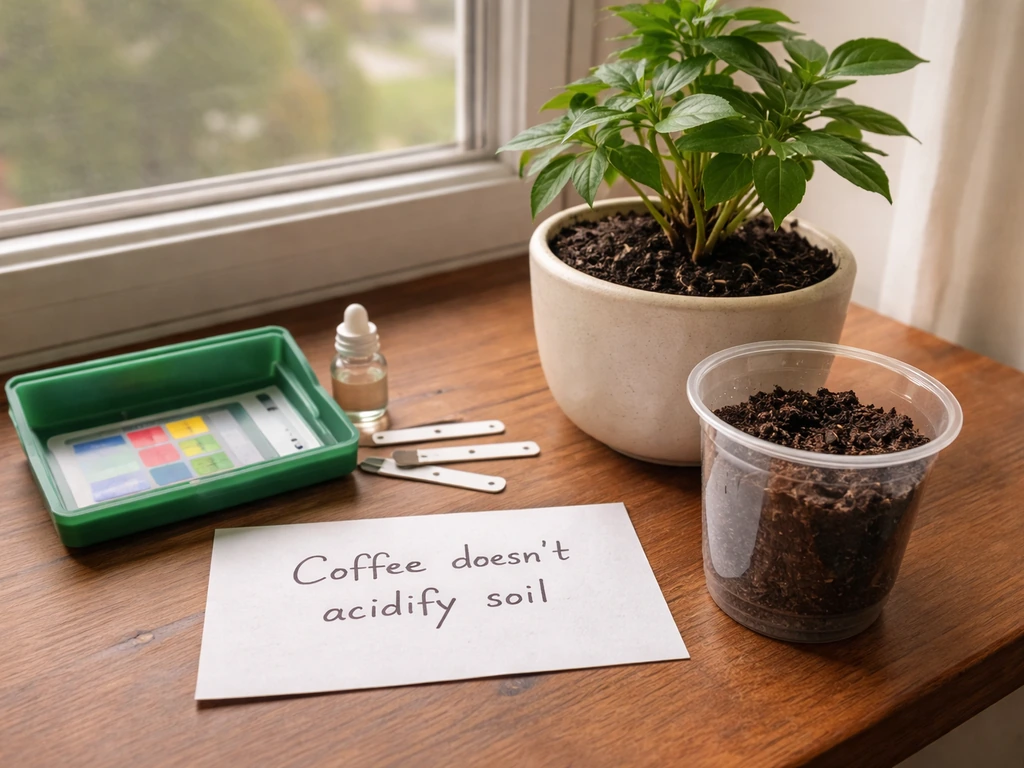
The most persistent piece of coffee-and-plants folklore is that coffee makes soil more acidic, which is supposedly great for acid-loving plants like pothos or peace lilies. The problem is that used coffee grounds are nearly neutral, typically sitting around pH 6. 5 to 6. 8, according to UMaine Cooperative Extension.
That is almost identical to the target pH range for most houseplants. Brewed coffee is slightly acidic, around 5. 0 to 6. 0, but you would have to use large, repeated amounts to move the pH of a well-buffered potting mix by any measurable amount.
University of Minnesota Extension is clear on this: coffee grounds are not a reliable pH-lowering tool. Reaching for coffee to acidify your indoor soil is trying to solve a problem with a tool that is not designed for the job.
The real risks: what coffee actually does to your indoor pot
Outdoor garden beds are forgiving because they have drainage, volume, active soil life, and rain to dilute things. A six-inch indoor pot is not. The risks that are minor in a garden become serious problems fast in a container, and coffee introduces several of them at once.
Salt buildup
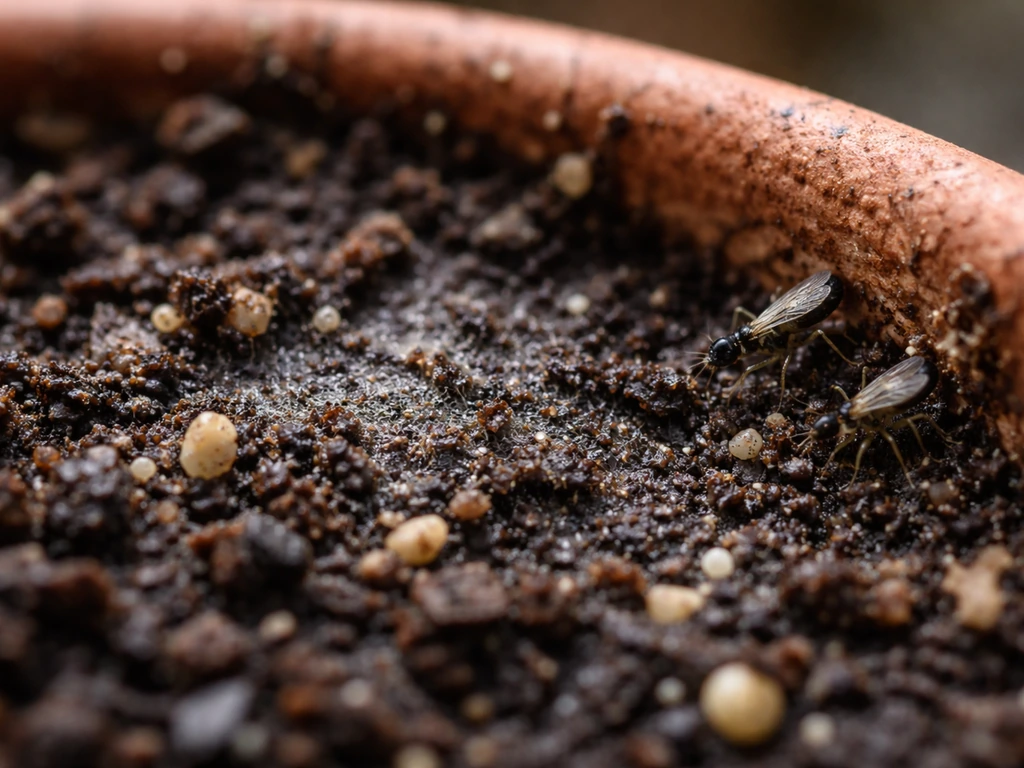
Brewed coffee contains dissolved salts. Watering your plant with coffee repeatedly, even diluted coffee, contributes soluble salts to the potting mix. Colorado State University PlantTalk explains that salt buildup in houseplant mixes shows up as a whitish or tan crust on the soil surface, and it causes real damage: brown leaf tips, yellowing leaves, and wilting. The fix is leaching, which means flushing the pot with large amounts of plain water to push salts out through the drainage hole. If you are regularly watering with coffee, you are regularly adding to this problem.
Mold, fungus gnats, and compaction
Coffee grounds are moist and organic, which makes them an attractive medium for mold when they sit on the surface of a pot in a low-airflow indoor environment. Mold on the surface is ugly and can irritate some people, but it also signals conditions that favor fungus gnats. Fungus gnats lay eggs in damp, organic-rich soil, and the larvae feed on plant roots. This is a very common problem for indoor plant growers, and adding coffee grounds to the top of a pot makes it worse, not better. Grounds can also compact when wet, reducing drainage and oxygen flow to roots.
Caffeine and root stress
Caffeine is a natural herbicide. Plants produce it partly to inhibit the germination and growth of competing plants nearby. Oregon State University Extension notes that caffeine residues in fresh grounds can slow plant growth, and lab research has documented germination inhibition. Most established houseplants will not be killed outright, but if you are using coffee on seedlings or rooting cuttings, the risk of growth inhibition is real and worth taking seriously.
If you still want to use coffee: exact dos and don'ts
If you want to experiment with coffee for indoor plants, you can do it in a way that minimizes the downsides. These are not best practices for maximum plant growth. They are damage-limiting guidelines for people who want to use something they already have on hand.
| Method | Safest approach | What to avoid |
|---|---|---|
| Brewed coffee as liquid feed | Dilute heavily (1 part coffee to 4+ parts water), use once a month at most, on acid-tolerant plants only (like pothos or ferns) | Undiluted coffee directly on roots, using as a regular watering replacement, using on succulents or cacti |
| Coffee grounds as top dressing | Thin layer only (under 0.5 inches), mixed with other organic material, on plants that like slightly acidic conditions | Thick layers, pressing grounds against the stem, using on plants in small or poorly draining pots |
| Mixing grounds into potting mix | Compost grounds first before adding, keep ratio under 10-15% of total mix volume | Adding fresh grounds directly to potting mix, using with seeds or cuttings |
| Using as a pest deterrent | Thin ring around the base of the pot (outside, not in the soil) | Putting grounds in standing water in a saucer, using near already-stressed plants |
University of Nebraska–Lincoln Extension's guidance is to compost grounds before working them into soil. That is the most important rule. Composted grounds have reduced caffeine, stabilized pH, and nutrients that are much closer to plant-available form. Fresh grounds straight from the filter carry the most risk. If you are going to do this at all, compost first.
What actually works for indoor plant growth
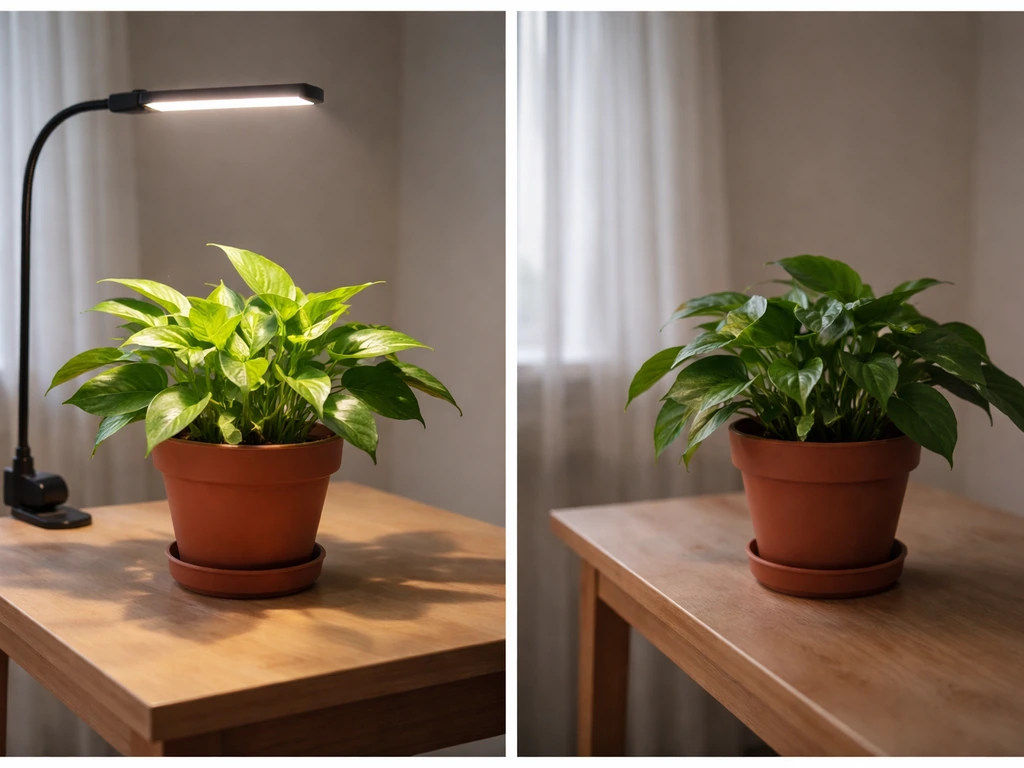
If you want your indoor plants to genuinely thrive, the evidence points clearly to four factors: light, watering practice, potting mix quality, and blank" rel="noopener noreferrer">proper fertilization. If you are wondering whether tea bags help plants grow, the same idea applies: focus on proven nutrients and better soil care rather than improvised brews does tea bags help plants grow.
If you are wondering whether do coffee grounds help plants grow, the evidence suggests the downsides outweigh the limited benefits for most indoor potted plants Coffee addresses none of these directly. Coffee addresses none of these directly and introduces risks to at least two of them (soil structure and salt levels). For soilless or potting mixes, Idaho Extension highlights key measurable properties like [pH and electrical conductivity (EC)](https://www. uidaho.
edu/-/media/uidaho-responsive/files/extension/topic/nursery/technical/ph-and-ec-of-soilless-media. pdf? la=en&rev=a23461b71b744c15b23d60a87feba5bf) because they affect nutrient availability and salt effects. If your real goal is whether can tea grounds help a plant grow, it is worth treating them as a related composting question rather than expecting instant fertilizer effects. Tea grounds still need composting and time for microbes to make nutrients available, so they are unlikely to act as instant fertilizer can tea grounds help a plant grow.
- Light is the single biggest lever for indoor plants. Most homes are dramatically underlit for most houseplants. Moving a plant closer to a window or adding a basic grow light will do more for growth than any soil amendment.
- Proper watering beats over-watering every time. Most indoor plant deaths come from wet roots and poor drainage, not nutrient deficiency. Make sure your pot has drainage holes and that you let the top inch or two of soil dry out between waterings for most species.
- Potting mix matters. A high-quality, well-draining indoor potting mix with good electrical conductivity (EC) and pH in the 5.5 to 7.0 range gives roots the physical and chemical environment they need. Idaho Extension identifies pH and EC as the two most critical measurable properties for potting media health.
- Balanced liquid fertilizer on a regular schedule works. University of Maryland Extension recommends monthly applications of diluted liquid houseplant fertilizer during the growing season (roughly spring through summer). Earthworm castings are an excellent, gentle alternative that Maryland Extension specifically calls out for indoor plants.
- Diluted liquid fertilizer delivers nutrients in immediately available form, unlike coffee grounds, which require microbial processing before anything reaches the roots.
It is also worth noting that the broader question of what organic inputs genuinely help plants has a lot of nuance. Coffee grounds specifically applied to outdoor soil is a somewhat different conversation than applying them indoors, and using liquid brewed coffee is different from using the grounds themselves. If you are wondering whether coffee grounds help pumpkins grow outdoors, it is a different situation than indoor plants and soil chemistry, so the rules change. If you are curious about related approaches like using tea or tea bags for plants, those have their own distinct chemistry and risk profiles worth exploring separately.
Spotting trouble early: signs coffee is hurting your plant
If you have already been using coffee on your indoor plants and something looks off, here is how to read the symptoms and what to do.
- Brown leaf tips or edges: This is a classic sign of salt stress. Stop adding coffee or brewed coffee immediately. Flush the pot thoroughly by running plain water through it for two to three minutes until it drains freely from the bottom. Do this two or three times over a week.
- Yellowing leaves (especially lower leaves): Could be salt stress, nitrogen lockout from immobilization, or overwatering compounded by poorly draining grounds. Remove any thick layer of grounds from the soil surface, check that your drainage hole is clear, and switch to plain water for several weeks.
- Mold on the surface: White or gray fuzzy growth on top of the soil or on the grounds means moisture is sitting too long without evaporating. Remove the moldy grounds, reduce watering frequency, and increase airflow around the plant. Do not add more grounds.
- Fungus gnats (tiny flies hovering near the pot): Likely a sign that the top layer of soil stays too damp. Let the top inch dry out completely between waterings, remove any organic material from the surface, and consider a thin layer of sand or perlite on top of the soil to discourage egg-laying.
- Stunted or stopped growth after starting coffee use: This could be caffeine inhibition or nitrogen immobilization from fresh grounds. Stop using coffee, flush the soil, and switch to a balanced liquid fertilizer to give the plant immediately available nutrients while it recovers.
The good news is that most coffee-related damage to indoor plants is reversible if you catch it early. A good soil flush and a few weeks of plain water, good light, and proper fertilizer will get most plants back on track. The key is not waiting until the plant is severely stressed before making a change.
The bottom line on coffee and indoor plants
Coffee is not a plant superfood. For outdoor garden beds with active soil biology, composted coffee grounds can be a useful, modest amendment. For indoor plants in pots, the risks, including salt buildup, mold, fungus gnats, compaction, and caffeine inhibition, consistently outweigh the benefits of a small, slow, unpredictable nutrient release. If you enjoy experimenting, use heavily diluted brewed coffee very occasionally on acid-tolerant plants only, or compost your grounds before adding a small amount to potting mix. But if your goal is growing healthier indoor plants, spend that energy on better light, correct watering, and a proper fertilizer schedule instead. That is where the real growth happens.
FAQ
If coffee helps at all, what is the safest way to use it on indoor plants?
If you want to use coffee anyway, the lowest-risk approach is composting the used grounds first, then mixing only a small amount into fresh potting mix. Avoid using fresh, uncomposted grounds, and never water regularly with brewed coffee since that steadily adds dissolved salts to the pot.
How can I tell whether coffee is causing salt buildup in my houseplant pot?
Look for a whitish or tan crust on the soil surface or in the top layer of the potting mix. Leaf symptoms can include brown leaf tips, yellowing, and wilting even when the soil feels moist. If you spot crusting, switch to plain water and do a thorough leaching flush to clear salts through the drainage hole.
Can I just sprinkle coffee grounds on top of the soil as a slow fertilizer?
Top-dressing used grounds is one of the more likely ways to trigger surface mold and attract fungus gnats, especially in low-airflow rooms. It also can compact when wet and reduce oxygen at the root zone. If you do it at all, keep the layer very thin and monitor for mold and gnats, but compost is still the better option.
Is it okay to water seedlings or cuttings with brewed coffee?
It is higher risk. Caffeine and coffee residues can slow growth and inhibit germination, so seedlings, rooted cuttings, and freshly sprouting seeds are more likely to stall. For propagation, use a proper seed-starting mix and a standard, diluted fertilizer plan instead of coffee.
Will coffee lower indoor soil pH for acid-loving plants like peace lilies?
Used coffee grounds are usually close to neutral, and brewed coffee would need large repeated doses to shift pH in a typical buffered potting mix. So coffee is not a reliable pH-control method. If you need lower pH, use an actual acidifying product or a targeted fertilizer formulated for those plants.
What if I already used coffee and my plant looks worse, how long should I wait before acting?
Act immediately rather than waiting for improvement. Stop coffee-based watering and switch to plain water, then consider a soil flush if you suspect salt or crusting. Give it a couple of weeks under good light and correct watering, and only return to fertilizing with a normal houseplant feed schedule.
Does coffee help in all pot sizes, or do small pots change the risk?
Small pots increase the risk because there is less soil volume to buffer salts, pH, and organic buildup. Problems like nitrogen immobilization, salt accumulation, and poor drainage show up faster in containers under the same coffee treatment than they do in larger beds.
Can I compost coffee grounds and then use them directly in potting mix right away?
Not right away. Composted grounds are safer because caffeine breaks down and nutrients become more stable, but the process needs time. If you are unsure whether your batch is truly compost-finished, wait until it looks and smells like mature compost (dark, crumbly, earthy) before mixing into indoor pots.
How often is “very occasionally” if I want to experiment with brewed coffee?
For indoor plants, treat it as experimental and limit it to rare, one-off testing rather than a routine. Also use heavy dilution, and only on plants that tolerate variable conditions. The bigger rule is to stop if you see crusting, leaf tip burn, or mold, since those are practical signs the method is harming the pot environment.
Are coffee grounds interchangeable with other organic inputs like compost or worm castings?
No. Coffee grounds are weak and slow compared with compost or worm castings, and fresh grounds add extra risks like caffeine residues and moisture-driven mold. If you want an organic nutrient source indoors, prioritize mature compost or worm castings and use coffee grounds only as a minor ingredient after composting.
Next Articles
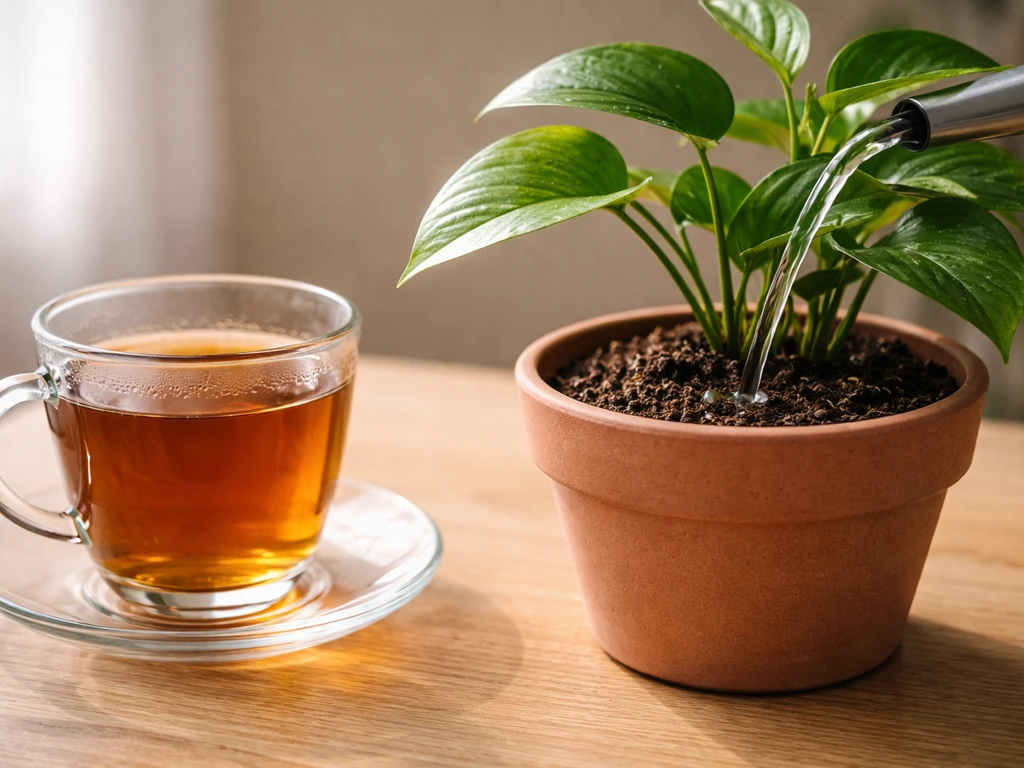
Does Tea Bags Help Plants Grow? Safe Ways and Limits
Tea bags can boost plants only in small, limited ways. Learn safe diluted use, risks, and better growth basics.
Does Tea Help Plants Grow? What Works and What to Avoid
Learn if tea helps plants grow and how to use green tea or leaves safely, or avoid risks like acidity and mold.
Does Caffeine Help Plants Grow Faster? Myth vs Reality
Find out if caffeine helps plants grow faster, what research shows, risks of wrong doses, and how to test safely.