Tea bags can give your plants a small, occasional boost, but they are not a growth driver. The honest answer is: used carefully, brewed tea from plain tea bags can add a mild dose of nitrogen, some organic matter, and trace minerals to soil. But the bag itself, especially if it contains plastic mesh or synthetic materials, should never go directly into your garden soil. And if you're hoping tea bags will substitute for proper fertilizer, good light, or healthy soil structure, they won't. Think of them as a minor supplement at best, not a gardening hack worth building your routine around.
Does Tea Bags Help Plants Grow? Safe Ways and Limits
Marcus Holloway
28 May 2026
What's actually inside a tea bag
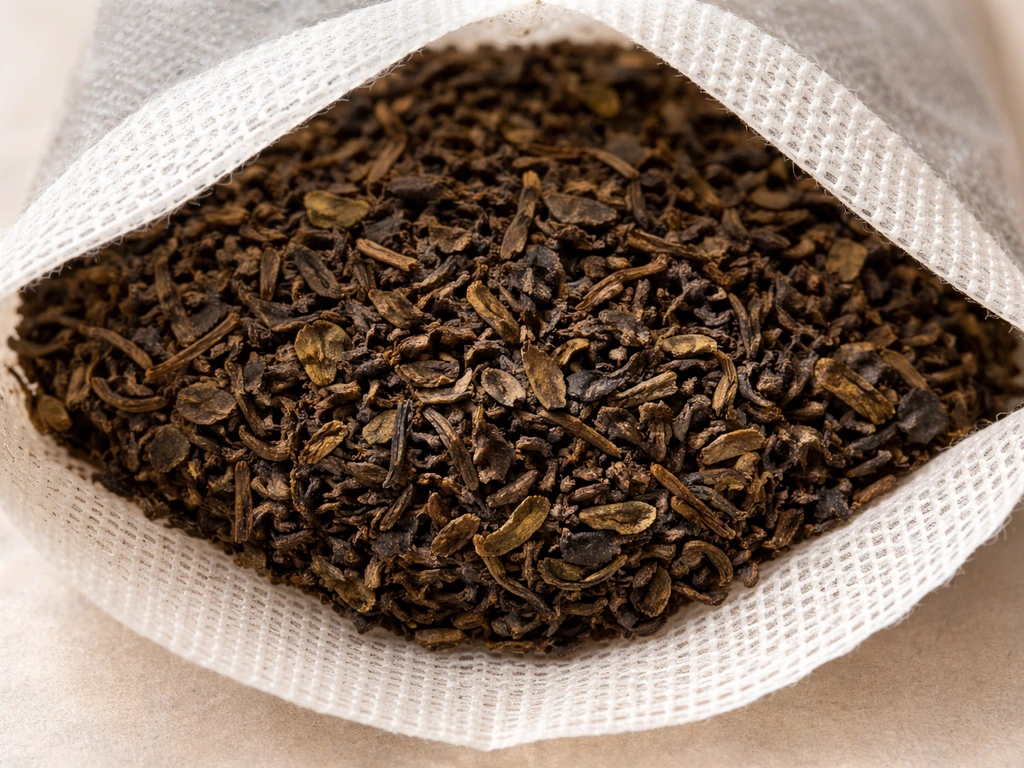
A standard tea bag contains dried, processed tea leaves, usually Camellia sinensis. Those leaves carry nitrogen (which is why University of Maryland Extension lists tea leaves as a 'greens' nitrogen source in composting), along with tannins, polyphenols, caffeine, and small amounts of potassium and phosphorus. That's the good news. The less straightforward news is everything else that comes with the bag itself.
Many commercial tea bags are sealed or reinforced with polypropylene, a plastic that doesn't break down in soil. A one-year composting test documented by the Plastic Pollution Coalition found that both conventional plastic and so-called 'bioplastic' tea bags don't meaningfully degrade under real-world soil conditions. So if you bury a used tea bag in your garden thinking it'll just decompose, you may be adding a small plastic fragment to your soil instead. Even bags marketed as biodegradable often leave residue behind.
Flavored teas add another layer of complexity. Herbal blends, fruit teas, and anything with added sweeteners or natural flavors introduce compounds that have no tested benefit for plants and may carry sugars that attract pests or feed the wrong soil microbes. Stick to plain black, green, or white tea if you're going to use any of this in the garden. Avoid tea bags with staples, strings, tags, or bleached paper, all of which add unnecessary material to your soil.
How tea bags can help, and how they can hurt
The potential upside
When you brew plain black or green tea and let it cool, the liquid contains soluble nitrogen compounds, some polyphenols, and trace minerals. Used as an occasional soil drench, this very dilute solution can feed soil microbes and add a small amount of organic material to the root zone. Tea is also mildly acidic, with a pH roughly between 6 and 7 depending on the variety and steeping time. For acid-loving plants like azaleas, blueberries, or ferns, that slight acidifying effect is genuinely useful. Composting the tea leaves themselves (removed from the bag) is also a legitimate move, adding organic matter to your pile.
Where things go wrong
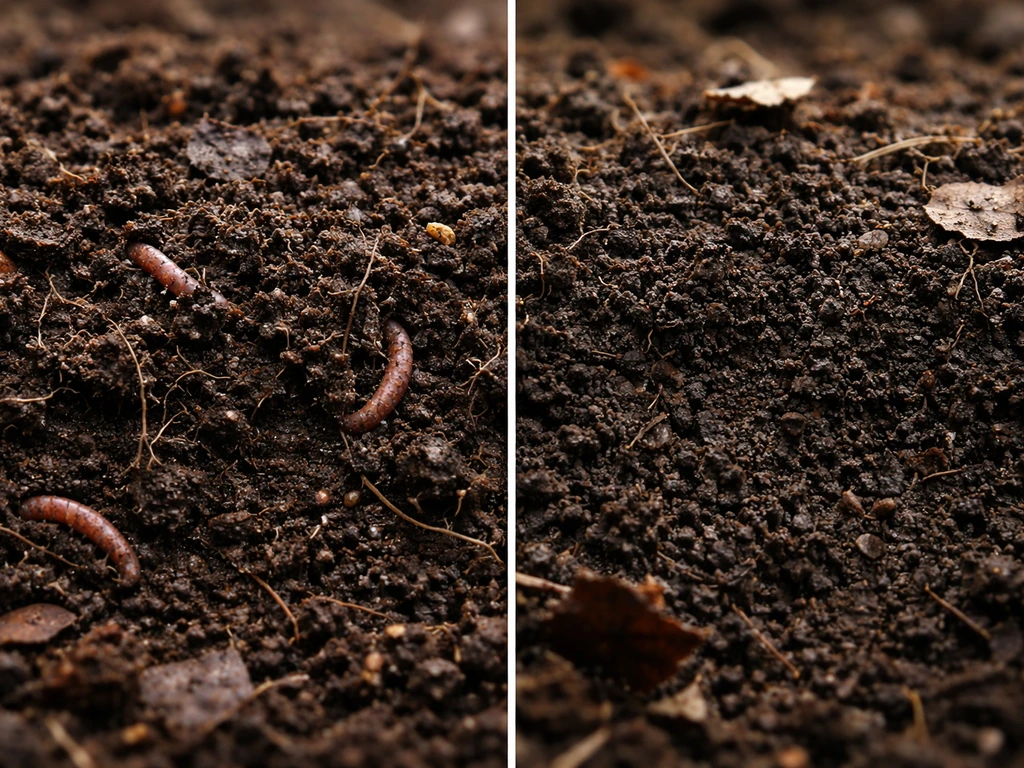
Tannins are where this gets complicated. Tea is loaded with them, and research shows that high concentrations of tannins in soil can disrupt microbial populations. Studies indexed on PubMed Central demonstrate that tannins inhibit microbial growth through membrane disruption and enzyme interference, and can bind nutrients in the soil, making them unavailable to plant roots. This doesn't mean one cup of tea will sterilize your soil, but repeatedly drenching the same pot or bed with strong, undiluted tea can shift soil microbiology in ways that slow growth rather than help it.
Caffeine is another consideration. Research published in MDPI found that caffeine in tea extracts has measurable phytotoxic potential, meaning it can inhibit plant growth at sufficient concentrations. An blank" rel="noopener noreferrer">older study on coffee seedlings showed root growth inhibition under caffeine exposure. Coffee can also affect seedlings, so indoor plant growers should use caffeine and coffee-based inputs cautiously and focus on light and nutrients coffee seedlings. A single cup of tea diluted into a watering can is nowhere near those concentrations, but it's another reason not to apply tea heavily or frequently.
Burying whole used tea bags is also a common mistake. If the bag contains any plastic, you're adding that to your soil. Even if the bag is fully paper, the concentrated tea leaves sitting in one spot can create a localized acidity or tannin buildup around roots. Mold is also a real possibility: a moist, nutrient-rich tea bag sitting near roots in warm soil is an ideal environment for fungal growth.
How to actually use tea in the garden today
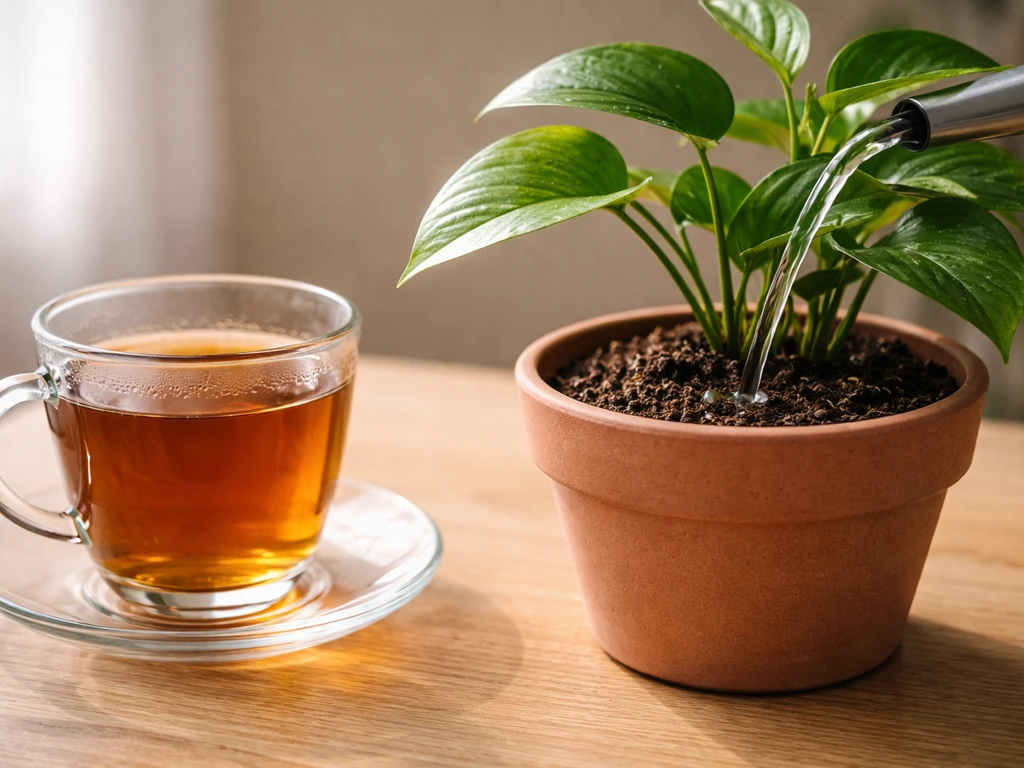
If you want to get any real benefit from tea, the brewed liquid is your best tool, not the bag itself. Here's how to do it safely:
- Brew plain black or green tea (one or two bags per liter of water) and let it cool completely to room temperature. Never apply hot liquid to plant roots.
- Dilute the cooled tea further, roughly 1 part tea to 4 to 10 parts water. A 1: 10 dilution is a reasonable starting point for most plants. Stronger dilutions increase the risk of tannin buildup.
- Pour it directly at the base of the plant as a soil drench, not onto leaves or edible portions. This keeps microbial activity in the root zone and avoids any pathogen concerns on edible crops.
- Limit application to once every two to three weeks at most. This is not a daily watering substitute.
- Open the used tea bag and add the loose leaves to your compost pile, treating them as a nitrogen-rich 'green.' Do not add the bag material unless you are absolutely certain it is 100% unbleached paper with no plastic sealing.
If you want to go further with something closer to a 'compost tea' approach, [NC State Extension recommends applying it as a soil drench rather than a foliar spray, especially on food crops, and timing applications in the early morning to reduce microbial die-off. ](https://content. ces. ncsu.
edu/extension-gardener-handbook/2-composting) University of Vermont Extension also flags that compost teas made from manure-based compost can carry pathogens and should not be applied close to harvest on edible crops. Plain tea brewed from tea bags doesn't carry that same pathogen risk, but it's still good practice to keep all tea applications to the soil level.
UMass CAFE notes that microbes in compost tea can penetrate into leaves, so applying tea only to the soil helps avoid leaf-associated effects keep all tea applications to the soil level.
What actually makes plants grow
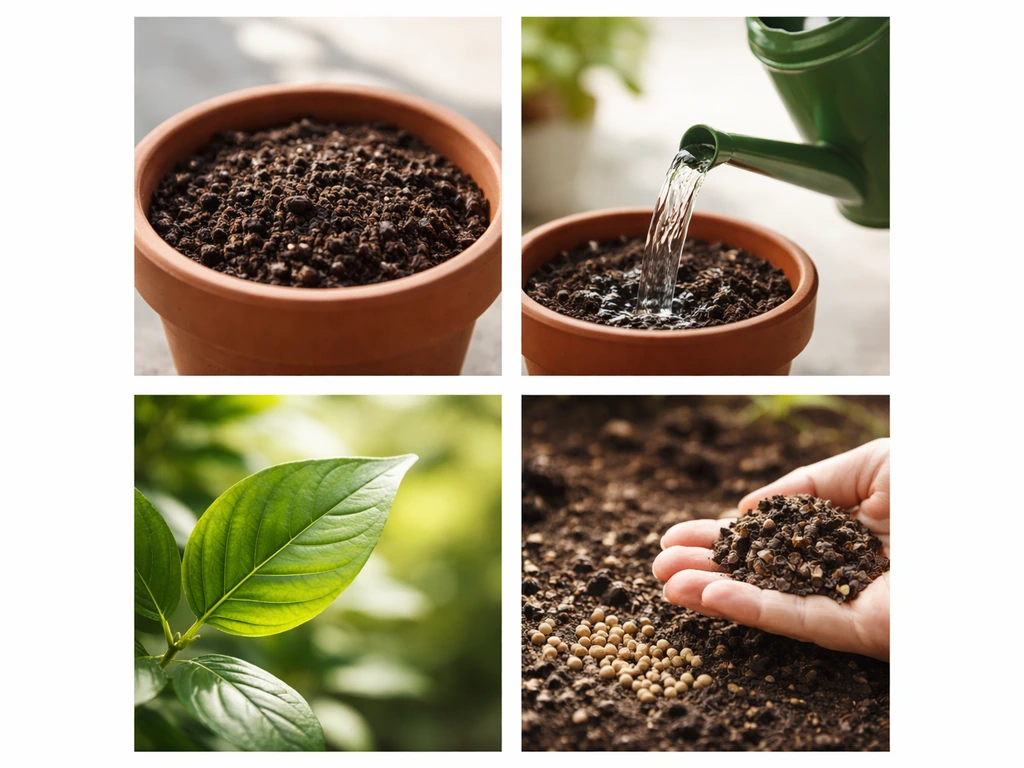
Tea is a nice-to-try extra, but if your plants aren't thriving, the answer is almost never 'more tea.' The four factors that genuinely drive plant growth are soil quality, light, water, and nutrients, and no brew will substitute for getting these right.
| Factor | What plants actually need | How tea compares |
|---|---|---|
| Soil quality | Well-draining, aerated structure with organic matter and healthy microbial activity | Brewed tea adds trace organic material; tea leaves in compost contribute nitrogen. Neither replaces good compost or soil amendment. |
| Light | The correct light spectrum and intensity for the species, typically full sun or specific indoor light | Tea has zero effect on light availability or photosynthesis. |
| Water | Consistent moisture appropriate to the species, neither waterlogged nor bone dry | Brewed tea can replace one watering session occasionally, but it is not a watering strategy. |
| Nutrients (NPK + micronutrients) | Balanced fertilizer matched to plant type and growth stage | Tea provides trace nitrogen and minor minerals, nowhere near the amount in even a dilute liquid fertilizer. |
If you're troubleshooting slow or stunted growth, start by testing your soil pH and checking your light setup before reaching for any food-based remedy. A soil pH test costs very little and tells you more in five minutes than any number of tea bag experiments.
This site covers similar questions around coffee grounds, liquid coffee, and caffeine as plant inputs, and the pattern is the same across all of them: small organic inputs from kitchen byproducts can contribute marginally to soil health, but they don't move the needle the way real soil and light management does.
If you're curious whether can tea grounds help a plant grow, this same idea applies: coffee grounds add only marginal soil input and won't replace soil and light management. If you're also considering coffee grounds or liquid coffee for flowers, the same idea applies: they can add a little organic material, but they do not replace proper light, water, and nutrients.
Coffee grounds can be used as a small soil amendment, but they do not replace the basics for pumpkin growth like light, water, and nutrients. Coffee can act as a mild nitrogen source too, but it still has caffeine-related risks and works only as a limited, occasional soil input coffee grounds, liquid coffee, and caffeine.
If you're wondering whether coffee grounds help plants grow, the takeaway is similar: they're a small organic input but not a replacement for proper soil and light management.
When to skip tea bags entirely
There are situations where you should just leave the tea bags out of the garden altogether. Avoid using tea on or near plants if any of these apply:
- Your tea bags are flavored, herbal, or contain sweeteners or added oils. The extra compounds are unpredictable in soil.
- You can't confirm the bag material is plastic-free. If you see a mesh or silky texture, that's almost certainly synthetic.
- You're growing edible crops and applying anything other than plain brewed tea to the soil. Even though the pathogen risk from plain tea is low, there's no reason to take chances with food plants.
- Your soil is already acidic (pH below 6.0). Adding more acid through tea can push pH lower and lock out nutrients like phosphorus and calcium.
- You're dealing with overwatering, root rot, or fungal issues. Introducing more moisture and organic material near struggling roots will make things worse.
- You're tempted to bury whole used bags as a 'slow release' trick. The tannin concentration around roots and the possible plastic residue outweigh any benefit.
- Your plant isn't acid-loving. Azaleas, blueberries, and rhododendrons can handle the mild acidity. Lavender, succulents, and vegetables that prefer neutral to slightly alkaline soil don't need it and may not appreciate it.
The bottom line is that tea bags occupy a narrow useful lane: brewed, cooled, heavily diluted plain tea applied occasionally to the soil of acid-tolerant plants. Outside that lane, the risks, plastic contamination, tannin buildup, caffeine phytotoxicity, mold, and wrong-pH problems, outweigh any benefit. If you have a tea habit and want to give your garden something useful, compost the leaves and skip the bag. Then spend the real energy on soil quality, light, and a proper fertilizer schedule. That's where the growth actually comes from.
FAQ
If I want to use tea bags, should I bury the used tea bag or use the liquid?
For tea to help, use the brewed, cooled liquid as a dilute soil drench, not the used bag. A good rule of thumb is to start with a small amount (for example, a few ounces per small pot) and observe for a couple of weeks, since tannins can build up if you apply too often.
Will tea bag liquid lower soil pH too much, and is that good for all plants?
Yes, but only within the safe lane. Tea liquid is mildly acidic, so it can be a minor assist for acid-tolerant plants, while it can be counterproductive for plants that prefer neutral to alkaline conditions (many vegetables and most succulents). If you do not know your plant’s pH preference, rely on soil testing instead of tea.
Can I use flavored tea bags in the garden?
Flavored teas are the main place problems start. Sticking to plain black, green, or white tea avoids added sweeteners, aroma compounds, and blends that may not benefit plants and can increase pest attraction or disrupt soil biology. Avoid anything with added sugar, vanilla flavoring, fruit extracts, or “herbal” blends you cannot identify.
How often can I apply brewed tea to plants without causing problems?
Use tea sparingly because repeated drenching concentrates tannins and caffeine effects in the same soil zone. If you notice slow growth, yellowing leaves, or reduced vigor, pause tea applications and flush the pot with plain water once to move excess compounds deeper or out of the root zone.
Is it better to compost tea leaves instead of using tea liquid?
Compost the leaves only, remove them from any bag material, and avoid including the entire bag. Even “biodegradable” bags can leave residue, and the concentrated, tannin-rich clump can create localized issues. Mixing tea leaves into a hot compost pile where they break down quickly is safer than placing them in a small spot.
If my plants need nutrients, does brewed tea from tea bags count as fertilizer?
Tea liquid is generally a small supplement, so it should not replace fertilizer or address major nutrient shortages. If plants look nitrogen-starved (older leaves pale) or lack potassium (leaf edge scorch), use an appropriate fertilizer based on soil or leaf indicators, then consider tea only as an extra.
Can I spray tea on leaves instead of drenching the soil?
Foliar spraying is not ideal because caffeine and tannins can dry, burn, or irritate leaf tissue, and it can also encourage uneven residue patterns. The safer approach is soil-level application as a drench, and only on plants that tolerate mild acidity.
Does tea work better for potted plants or in-ground gardens?
Tea can help acid-tolerant container plants most because you control the root zone and can monitor pH and growth. In-ground beds are harder to manage, and tannins can accumulate in the same area if you repeatedly apply. If you do use it in beds, rotate application areas and keep the frequency low.
What should I do if my soil is already too alkaline for my plants?
If you have very alkaline soil, tea will not reliably correct the problem and it may not last long enough to matter. In that case, focus on long-term pH management using soil amendments recommended for your crop, then use tea only as a minor, occasional supplement.
When is it actually worth trying tea, and when should I stop?
A practical trigger is to troubleshoot first: check soil pH and confirm you are giving enough light and consistent watering. If those basics are right and you are growing acid-tolerant plants, a one-time mild tea drench is a reasonable experiment. If growth still stalls, switch to targeted fertilizer or compost based on what the soil test shows.
Next Articles
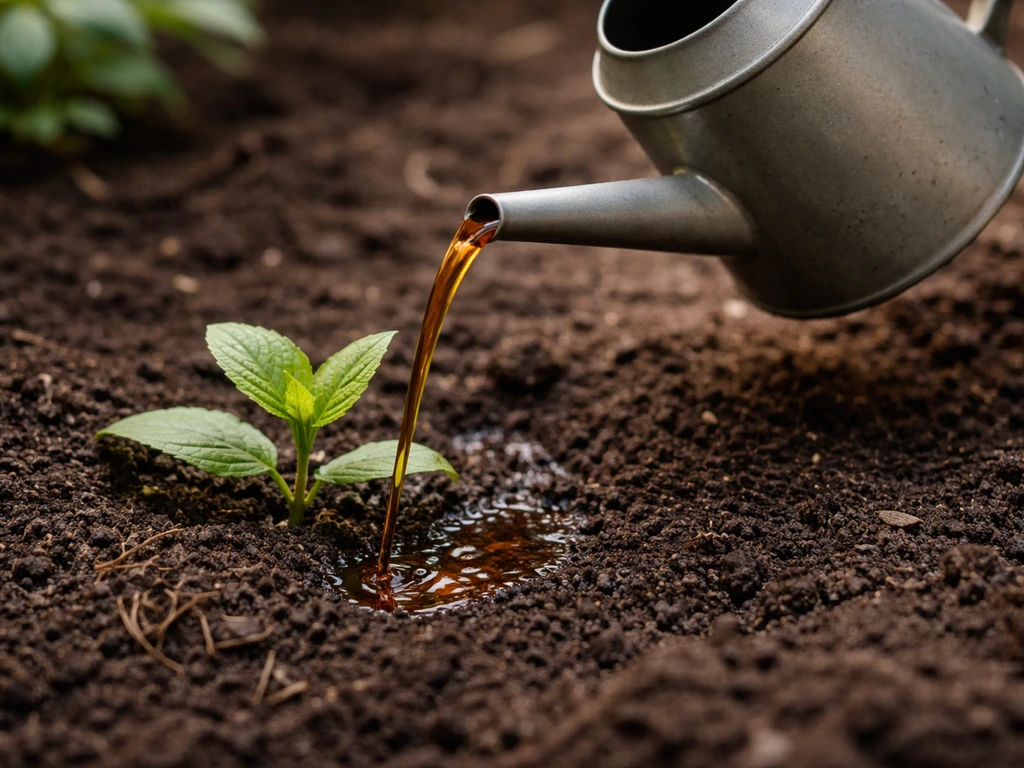
Does Tea Help Plants Grow? What Works and What to Avoid
Learn if tea helps plants grow and how to use green tea or leaves safely, or avoid risks like acidity and mold.
Does Caffeine Help Plants Grow Faster? Myth vs Reality
Find out if caffeine helps plants grow faster, what research shows, risks of wrong doses, and how to test safely.
Do Coffee Grounds Help Plants Grow? Benefits and How to Use
Do coffee grounds help plants grow? Learn real benefits, limits, and how to use used grounds safely in garden soil.