Yes, bees genuinely help vegetables grow, but not in the way some gardeners assume. They don't "fertilize" plants in any nutritional sense. What they do is move pollen from male flowers to female flowers, and for a specific group of vegetables, that transfer is the only way fruit actually sets. Bees help fruit grow mainly through cross-pollination, which moves pollen so fruit can set. Without it, the flowers just drop and you get nothing. Bees can make it possible for cucurbit flowers to set fruit, so that fruit can grow as the season continues cucurbits fruit set. That said, bees aren't the answer to every low-yield problem, and plenty of gardens with decent bee activity still produce poorly because of temperature stress, bad soil, or watering mistakes. So before you go chasing pollinators, it's worth knowing exactly where bees fit in your vegetable patch.
Do Bees Help Vegetables Grow? Practical Guide and Fixes
What bees actually do in your vegetable garden
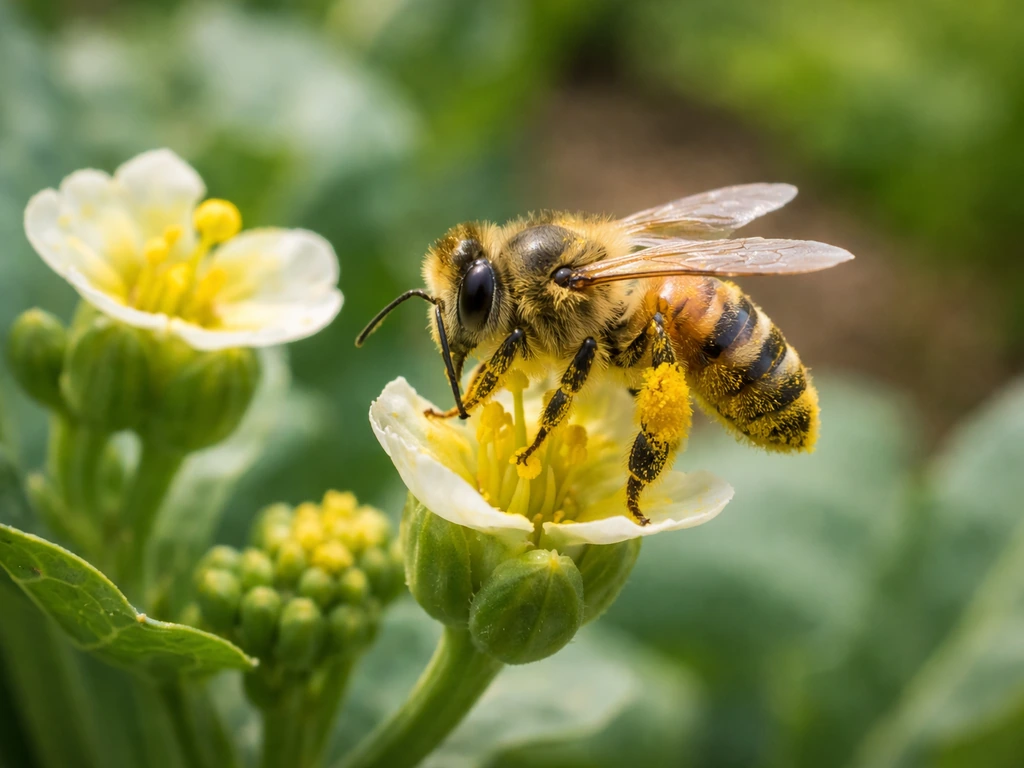
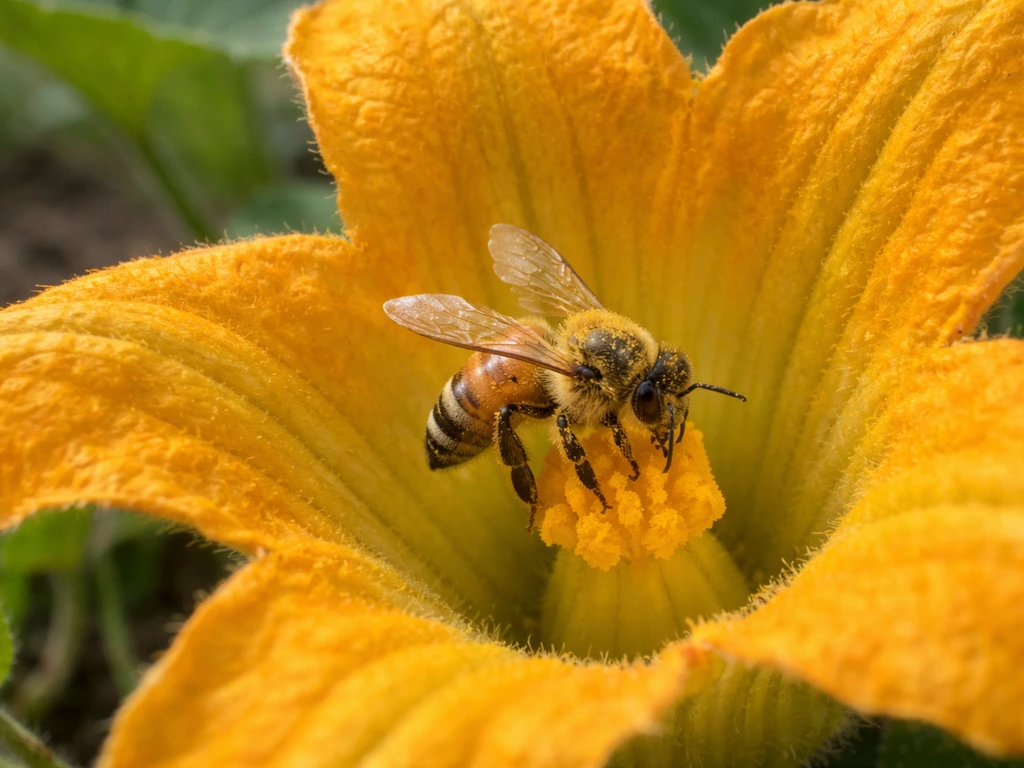
The core job bees do is called cross-pollination. When a bee lands on a male flower to collect nectar or pollen, grains of pollen stick to its body. When it then moves to a female flower, some of that pollen rubs off onto the stigma, which triggers fruit development. For vining crops like squash, cucumbers, melons, and pumpkins, a bee has to visit the male flower first, then travel to a female flower, or the whole sequence fails. It's a behavioral thing, not just presence. A bee hovering nearby or visiting flowers on the wrong plant isn't doing you any good.
There's a common myth that bees "fertilize" vegetables the way compost or fertilizer does, adding nutrients that make plants grow bigger or faster. That's not what's happening. Bees don't improve soil, boost photosynthesis, or add anything to the plant's nutritional equation. Their entire contribution is physical pollen transfer. Where that matters, it matters enormously. Where it doesn't apply, having a yard full of bees won't move your vegetable yields even slightly. If you want a quick, practical answer to how do bees help plants grow, focus on pollen transfer rather than nutrients, because that is what drives fruit set.
It's also worth knowing that bees aren't the only pollinators in the mix. Flies, including hoverflies and flower flies, are legitimate pollinators and can handle a real portion of pollination work in some gardens. Penn State Extension notes that pollination myths are common, and that flies (including hoverflies and flower flies) can be effective pollinators too blank" rel="noopener noreferrer">Flies, including hoverflies and flower flies, are legitimate pollinators. Butterflies help too, though less efficiently. Butterflies can also visit flowers and assist with pollination, which may help plants set fruit when other pollinators are limited Butterflies help. So while boosting bee numbers is the most impactful thing you can do, any diverse pollinator community is working in your favor.
Which vegetables need bees and which ones don't
This is where a lot of gardeners get confused. Not all vegetables have the same pollination requirements, and lumping them together leads to wasted effort. Here's a practical breakdown.
| Vegetable | Pollination Type | Bee Dependence |
|---|---|---|
| Cucumbers | Insect (separate male/female flowers) | High |
| Zucchini and summer squash | Insect (separate male/female flowers) | High |
| Winter squash and pumpkins | Insect (separate male/female flowers) | High |
| Melons (watermelon, cantaloupe) | Insect (separate male/female flowers) | High |
| Tomatoes | Self-pollinating (vibration helps) | Low to moderate |
| Peppers | Self-pollinating (wind/vibration helps) | Low |
| Eggplant | Self-pollinating (wind/vibration helps) | Low |
| Sweet corn | Wind pollinated | None |
| Beans and peas | Self-pollinating | Very low |
| Leafy greens (lettuce, spinach, kale) | Harvested before flowering | None |
| Root vegetables (carrots, beets) | Only need pollinators for seed production | None for eating |
Cucurbits, meaning the whole squash, cucumber, melon, and pumpkin family, are the vegetables where bees are genuinely essential. These plants have entirely separate male and female flowers, and fruit will not form unless pollen gets physically moved between them. Nebraska Extension is direct about this: bee pollination is required for effective crop health in this family. If you're growing any of these and getting flowers but no fruit, pollination is the first thing to investigate.
Tomatoes are a bit of a middle case. They're technically self-pollinating, meaning the pollen and stigma are in the same flower. But pollen release in tomatoes is triggered by vibration, which is why bumblebees (which "buzz pollinate" by vibrating their flight muscles while gripping the flower) are so effective on them. Wind and even tapping the plant by hand can substitute. So bees help tomatoes, but they're not strictly required the way they are for cucumbers. If you're growing tomatoes in a greenhouse or a very sheltered spot with no air movement, poor fruit set becomes much more likely.
Sweet corn is entirely wind pollinated. Bees visiting a corn plant are just getting a free meal with no benefit to your yield. Beans and peas are largely self-pollinating before the flower even fully opens. Leafy greens like lettuce, spinach, and kale are harvested before they ever flower, so pollination is irrelevant unless you're saving seeds. Keep this in mind before attributing yield problems in these crops to bees.
How to tell if poor pollination is actually your problem
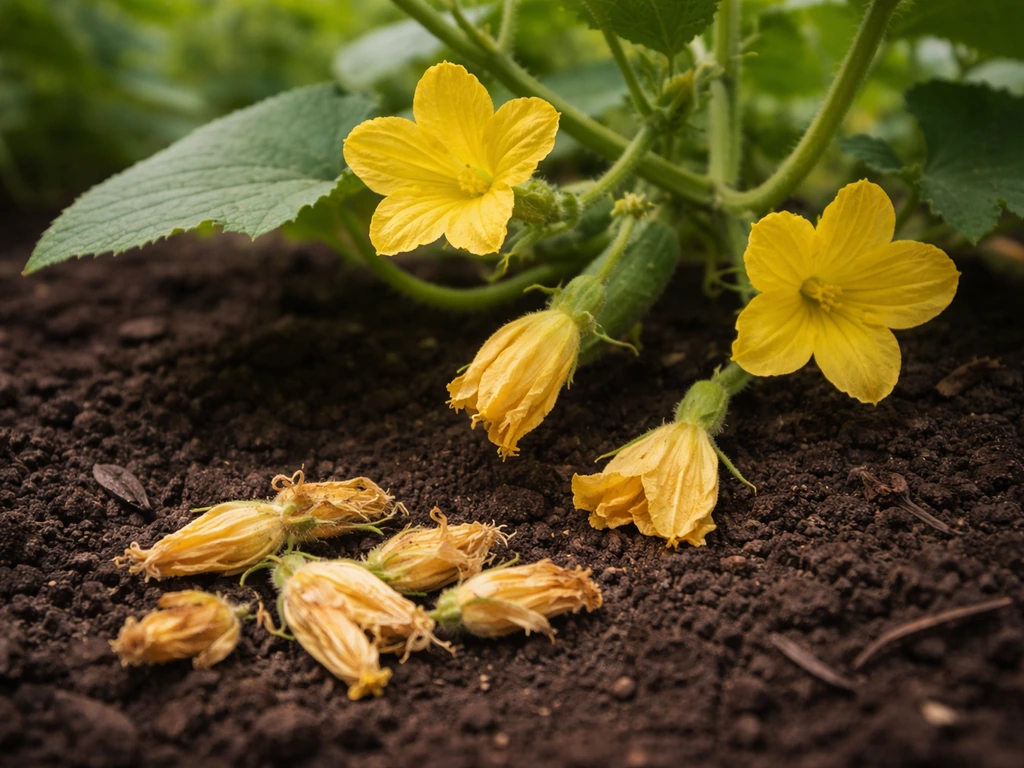
The classic sign of a pollination failure is flowers appearing and then dropping off without setting any fruit. But here's the thing: blossom drop happens for several reasons, and Mississippi State Extension is clear that lack of honey bees does not cause blossom drop in tomatoes specifically. If you're asking whether honey helps plants grow, the key point is that honey bees matter only for pollination, not as a direct plant nutrient. Temperature extremes, drought stress, and heat are the more common culprits. So you need to look at the full picture before deciding bees are the missing piece.
Signs that point to a pollination problem
- Lots of flowers but zero or very few fruit on cucumbers, squash, or melons (especially in the absence of bees visiting)
- Misshapen or partially developed fruit, which indicates incomplete pollination where only part of the ovary was fertilized
- Fruit starts to form but shrivels and drops while still very small
- You genuinely observe no bee or pollinator activity on flowers during morning hours
- Flowers only appear and then bloom during weather that suppresses bee activity, like heavy rain, extreme heat, or cold snaps
Signs that suggest something else is going on
- Blossom drop is happening on tomatoes or peppers (self-pollinators), where bees aren't the main driver
- Temperatures have been consistently above 90°F or below 55°F during bloom (this kills pollen viability regardless of bee visits)
- Soil has been very dry or waterlogged for extended periods
- Plants are in significant shade for more than half the day
- You've been applying high-nitrogen fertilizer, which pushes leafy growth at the expense of flower and fruit development
- Vine crops are producing only male flowers early in the season, which is completely normal and not a bee problem at all
One practical check for cucurbits: look at the base of the flower. Female flowers have a tiny immature fruit at their base before the flower even opens. Male flowers have a plain stem. If you're seeing mostly male flowers, the plant is just young. Give it another week to two weeks and female flowers will start appearing. No amount of bee attraction will fix a timing issue.
How to get more bees to your garden fast
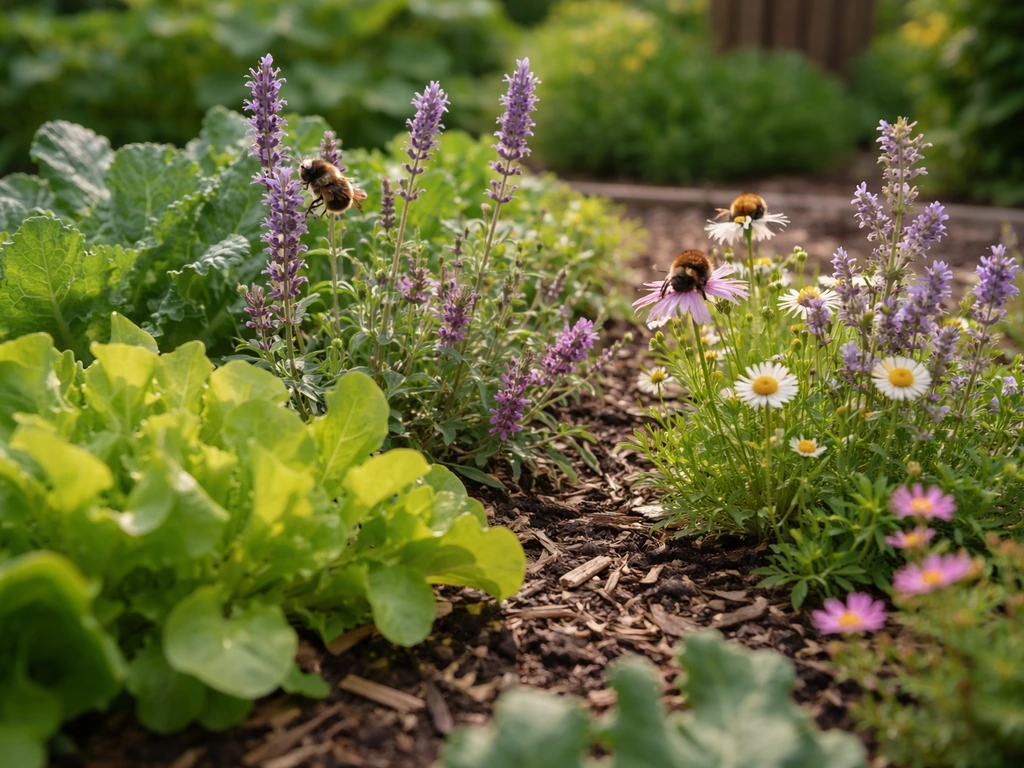
If you've confirmed pollination is the actual gap in your garden, here's what moves the needle. The good news is that most of these steps are low cost and start working within the same season.
Plant flowers that bees can't resist
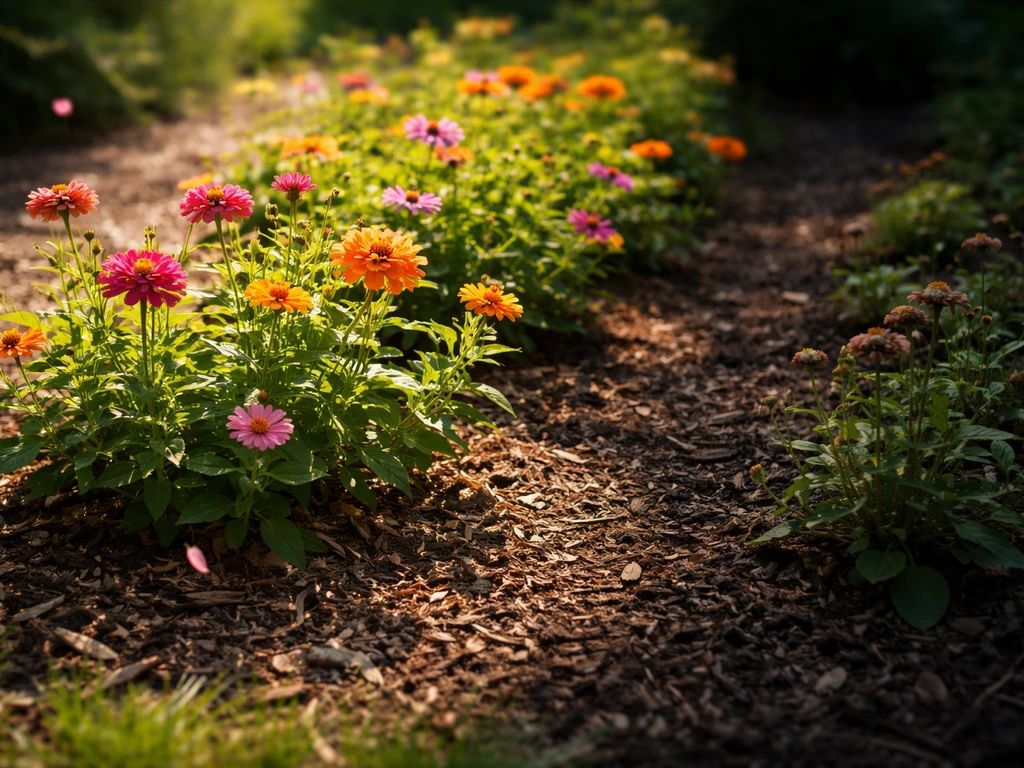
Bees are drawn to flowers with accessible pollen and nectar, and they tend to work one type of flower at a time, which is actually what makes them effective cross-pollinators. Planting bee-friendly flowers right alongside your vegetable beds gets pollinators into the area and increases the odds they drift over to your cucumbers and squash. The best performers for drawing bees quickly include borage, phacelia, sunflowers, zinnias, lavender, sweet alyssum, and native wildflowers. Herbs like basil, dill, cilantro, and fennel that are allowed to flower are also excellent. Mixing a few of these into or around your vegetable beds is more effective than planting them far away in a separate flower garden.
Get the timing right
Most bees forage during morning hours, particularly when temperatures are in the 65 to 85°F range. Cucurbit flowers are often only receptive for a single morning, so bee activity in the morning is what counts. If your flowers are blooming during a heat wave or a stretch of rainy weather, bee activity drops and you may need to hand-pollinate as a backup. To hand-pollinate squash or cucumbers, use a small paintbrush or even your fingertip to transfer pollen from a male flower directly into the center of a female flower. It works and takes about two minutes per plant.
Provide habitat and water
Over 75% of native bees nest in the ground, not in wooden bee houses. The most practical thing you can do is leave some patches of bare, undisturbed soil in a sunny spot near your garden. This is where ground-nesting bees like mining bees and sweat bees will overwinter and nest. Avoid tilling these areas. A shallow dish or birdbath with a few rocks poking out of the water gives bees a place to drink without drowning. Penn State's pollinator researchers specifically recommend this setup. If you have a lawn immediately surrounding your vegetable beds, reducing the mowing frequency or letting even a small strip grow wild lets weeds flower, which provides a food bridge for pollinators between your main plantings.
Don't over-tidy your garden edges
Leaf litter, hollow stems from last year's plants, and undisturbed soil edges are all nesting and overwintering habitat for native bees. USDA Forest Service guidelines suggest keeping nesting and foraging areas close together. A garden that's immaculately mulched wall-to-wall with landscape fabric leaves native bees with nowhere to live, even if the flowers are attractive. Leave some rough edges and you'll see more bee activity in return.
Pesticides and bees: what you actually need to know
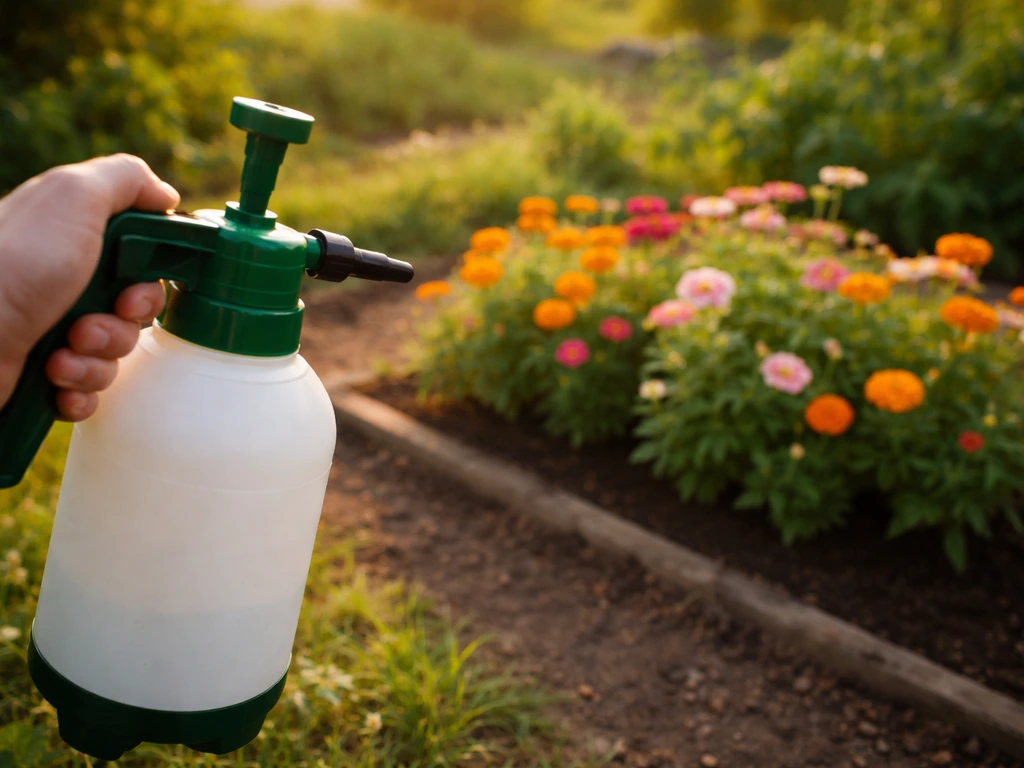
This is where a lot of well-intentioned vegetable gardeners accidentally undercut their own pollination. Applying insecticides while plants are flowering is one of the most direct ways to reduce bee visits, and it can affect your garden for longer than you expect. Xerces Society notes that all pesticides can pose risk to pollinators if used improperly, with risk depending on toxicity and exposure, so application timing and method matter Applying insecticides while plants are flowering is one of the most direct ways to reduce bee visits.
Neonicotinoid insecticides are the biggest concern. These systemic products are absorbed by the plant and move into nectar and pollen, which means bees can be exposed even if you sprayed days before the flower opened. The EPA and UMN Extension both flag neonicotinoids as particularly risky for this reason. Many product labels now include bloom restrictions that prohibit application when flowering weeds are even accessible to pollinators nearby, not just when your crop plants are in flower. Check for a bee hazard symbol on the label and take it seriously.
For other insecticides, the practical rule is to apply them at dusk or early evening when bees have stopped foraging, and avoid spraying open flowers directly. Even products that aren't systemic can leave residues that remain toxic to bees for hours or days. Purdue Extension is clear that timing alone isn't a full solution, residue persistence can still create exposure risk when bees arrive the next morning. When possible, use targeted IPM approaches and choose the lowest-risk product for the pest you're actually dealing with, rather than spraying broadly as a preventive measure.
Pesticide drift is also a real issue. USDA Agricultural Research Service notes that chemicals can travel to adjacent areas via wind and accumulate in pollen and wax. If you're applying anything near your vegetable beds, be mindful of what's flowering in your yard or your neighbor's yard within spray range.
When bees aren't the problem: fixing low yields from other causes
If your vegetable yields are disappointing and you've ruled out pollination issues (or you're growing self-pollinating or wind-pollinated crops), here are the actual suspects to investigate. University of Maryland Extension identifies temperature, moisture, shade, and nitrogen as the most common causes of poor blossom and fruit set, and these are almost always easier to fix than a pollinator deficit.
Temperature
Both heat and cold can shut down fruit set completely. Tomatoes and peppers notoriously drop blossoms when nighttime temperatures fall below about 55°F or daytime temperatures stay above 90 to 95°F. This is a pollen viability issue and has nothing to do with bees. Oklahoma State Extension has solid guidance specifically on tomato blossom drop tied to temperature windows. If you're growing in a climate with temperature swings, this is often the primary issue. Wait for conditions to moderate and the plant will typically resume setting fruit on its own.
Water and soil moisture
Both drought stress and waterlogged soil can cause flowers to abort. University of Alaska Fairbanks Extension links poor nutrition and moisture imbalance directly to inadequate pollination outcomes, even in crops where bee activity is present. Check soil moisture a few inches down, not just at the surface. If you want to know what helps flowers grow faster, start by checking moisture levels in the root zone and adjusting your watering consistently. If soil is bone dry or soggy, fix the irrigation situation before anything else. Inconsistent watering is also linked to blossom-end rot in peppers and tomatoes, and is a separate problem from pollination entirely.
Too much nitrogen
Over-fertilizing with nitrogen, particularly with synthetic high-N feeds, pushes plants to produce lush leafy growth at the expense of flowers and fruit. If your tomato plants look incredible but produce almost nothing, this is a very common cause. K-State Extension links excessive vegetative vine growth directly to poor fruit set. Ease off the nitrogen, switch to a lower-N fertilizer during the flowering and fruiting phase, and consider a phosphorus-based feed to encourage blooming.
Light
Most fruiting vegetables need at least six to eight hours of direct sun daily. In significant shade, plants may grow but flower poorly or drop the flowers they do produce. This is worth evaluating honestly at the start of the season, because it can't be fixed mid-summer without moving the plants. If your beds are shaded by a fence, tree, or structure for a large portion of the day, that's the root issue, and no amount of pollinator attraction will compensate for it.
Disease and plant stress
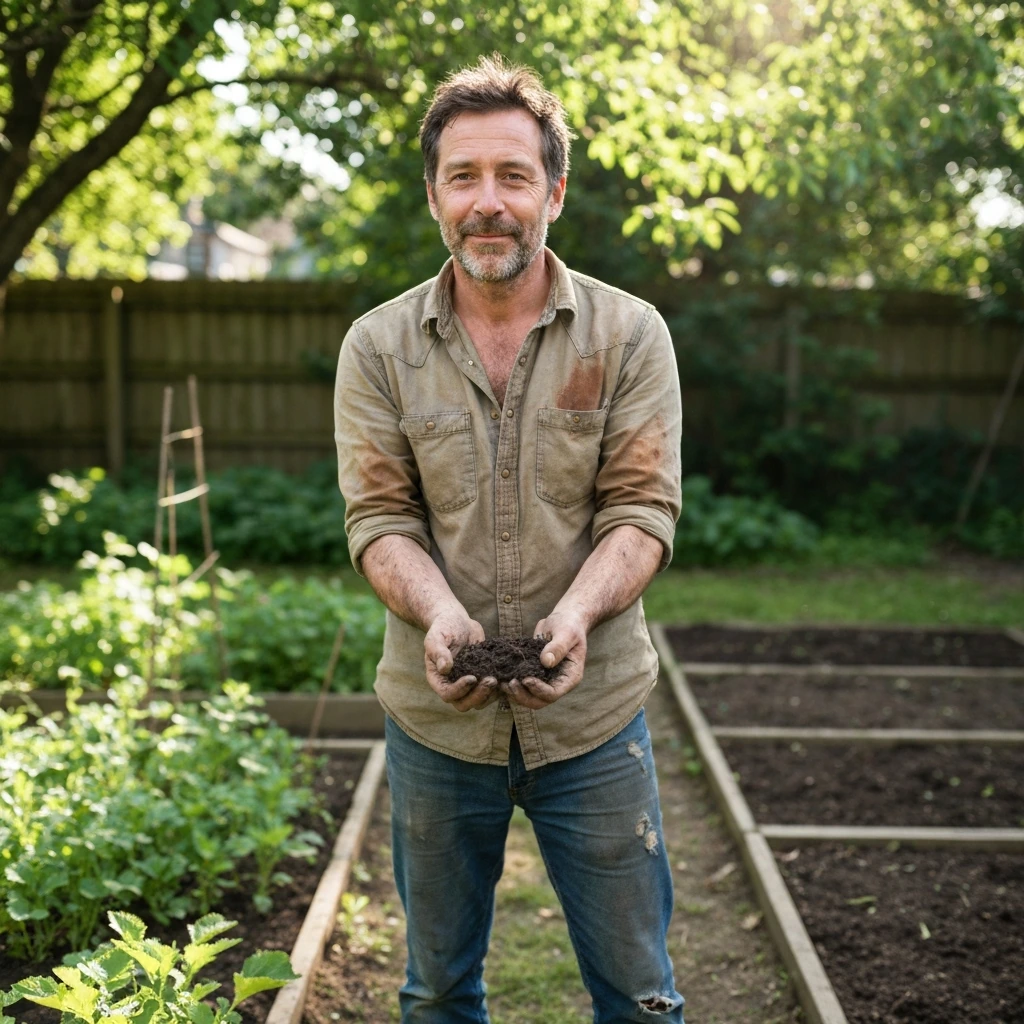
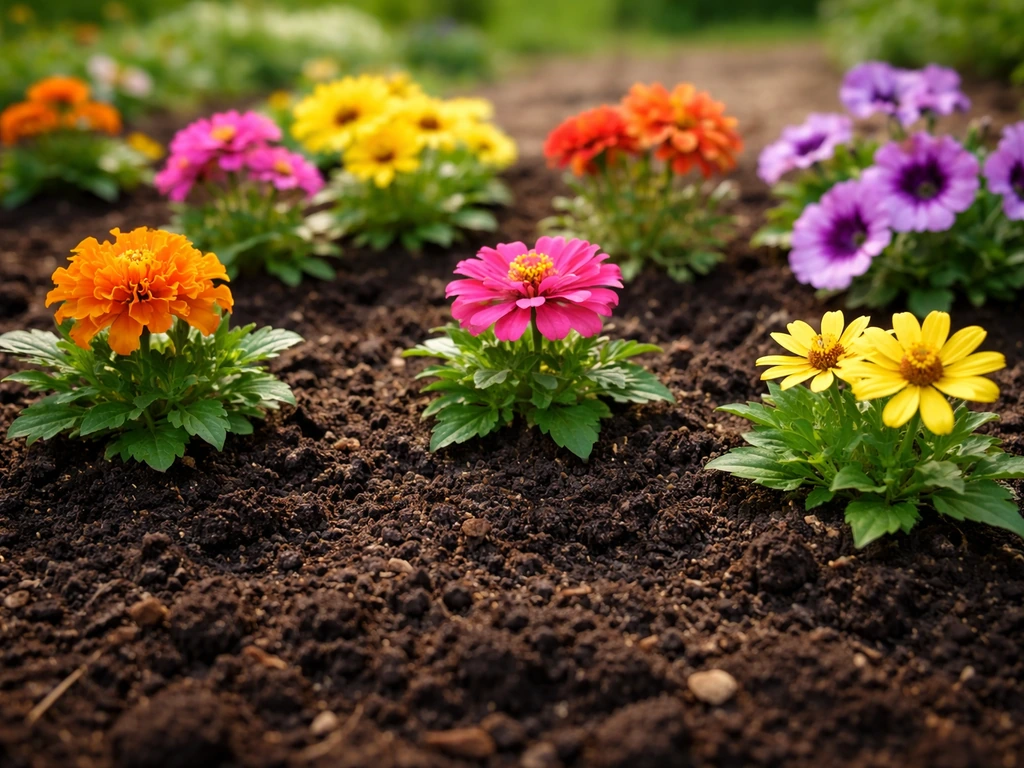
Fungal diseases, root problems, or pest damage that stresses the plant can also suppress fruit set as the plant diverts resources to survival. Look for discoloration, wilting, or unusual growth patterns that signal something is wrong beyond the visible flower and fruit picture. Address soil health with compost and balanced nutrition, and check roots if a plant is underperforming badly despite good conditions above ground. Does compost help flowers grow? It can improve soil health, which supports healthier plants and better bloom.
The broader point is that a vegetable garden is a system, and bees are one important part of it for specific crops. If you're growing cucumbers, squash, melons, or pumpkins, getting pollinators into your garden is genuinely one of the highest-impact things you can do for yield. For everything else, the more reliable levers are soil quality, water consistency, appropriate fertilization, and giving your plants enough sun. Fix the basics first, observe closely, and you'll be able to tell pretty quickly whether your yield problem is biological or botanical. If you want to boost flower growth, focus on basics like the right sun, consistent moisture, and healthy soil what helps flowers grow.
FAQ
If I see bees on my vegetable flowers, why are my cucumbers or squash still dropping blossoms?
Pollen transfer depends on the male-to-female sequence. If most visits are to male flowers only, or bees are scarce during the short morning window when cucurbit female flowers are receptive, fruit may not set even with visible bee activity. Also check whether the female flowers are appearing, because very young plants produce mostly male blooms for a while.
Do honey bees help vegetables grow if there aren’t many native bees around?
For cucurbits, honey bees can contribute meaningfully because the key requirement is pollen transfer, and honey bees do visit male and female flowers. However, native ground-nesting bees often provide steadier local pollination over time, especially when weather swings. A mixed pollinator community is usually more reliable than relying on one type.
How can I tell whether my problem is pollination failure or something like temperature or watering?
Pollination failure typically looks like flowers opening and then failing to form an obvious swelling at the base (female cucurbit flowers) or dropping without fruit set. If fruit set starts, then suddenly stops during heat waves, cold snaps, or irregular watering cycles, temperature or moisture stress is more likely. Checking root-zone moisture a few inches down helps distinguish drought stress from surface dryness.
What time of day should I expect the most bee visits for vegetable pollination?
Many bees forage in the morning when conditions are moderate, and cucurbit flowers can be receptive for only a short period that morning. If you notice activity is mostly late afternoon, or blooms are opening during rainy or very hot weather, bee visits may not line up with the window when pollen transfer is possible.
Can I improve pollination by moving my crops or covering them with row cover?
Row covers can exclude pollinators entirely, which will strongly reduce fruit set for cucurbits if covers remain on during bloom. If you use covers, remove them during flowering or use a timing schedule that keeps pollinators access when male and female flowers are present and receptive.
Will hand-pollinating once fix ongoing poor yield, or does it need repetition?
It needs repetition for ongoing blooms. Each female flower requires fresh pollen transfer at its own receptive period, especially for cucurbits with short windows. Plan for quick coverage of each newly opened female flower over multiple mornings if natural bee visits are inconsistent.
Are pesticide choices and timing always the main factor for protecting bees?
Timing matters, but residue persistence matters too. Even non-systemic products can leave harmful residues for hours or days, so the safest approach is to avoid spraying when flowers or flowering weeds are accessible to pollinators, and use targeted IPM methods so you spray less often and only when necessary.
Do flowers in a separate garden away from my vegetables help pollination?
They can help, but placement closer to beds is usually more effective. Bees tend to work within the area, and they often focus on one flower type at a time, so planting bee-friendly blooms along or within the vegetable rows increases the odds they drift onto your cucumbers and squash rather than staying in the distant patch.
Do I need to stop mowing or leaving weeds for pollinators to help my vegetables?
It helps, especially for ground-nesting bees and for creating a continuous food source. A small sunny patch of undisturbed soil and a limited strip of naturally flowering weeds near your beds can support nesting and provide nectar/pollen bridge plants when your vegetables are not in peak bloom.
If tomatoes aren’t setting fruit, does that mean I should add more bees?
Not necessarily. Tomatoes rely on vibration for pollen release, so lack of air movement, sheltered greenhouse conditions, or unfavorable temperature ranges can be bigger drivers than bee presence. If you have sheltered tomatoes with weak airflow, focus on ventilation or gentle plant vibration rather than only increasing pollinator activity.
Should I worry about bees being “nutrient providers” for vegetable growth?
No. Bees do not fertilize vegetables in the sense of adding plant nutrients. Their value is the physical pollen transfer that enables fruit set for crops that require it, so chasing bee activity will not fix issues caused by nitrogen imbalance, poor sun, inconsistent watering, or extreme temperatures.
What should I do first if my crop is a type that doesn’t need bees for pollination?
Before investing in pollinator fixes, verify the crop’s pollination method. Corn is wind-pollinated, beans and peas are largely self-pollinating, and leafy greens are usually harvested before flowering. For these, troubleshoot sun, moisture, soil nitrogen balance, and stress factors rather than assuming bees are the bottleneck.
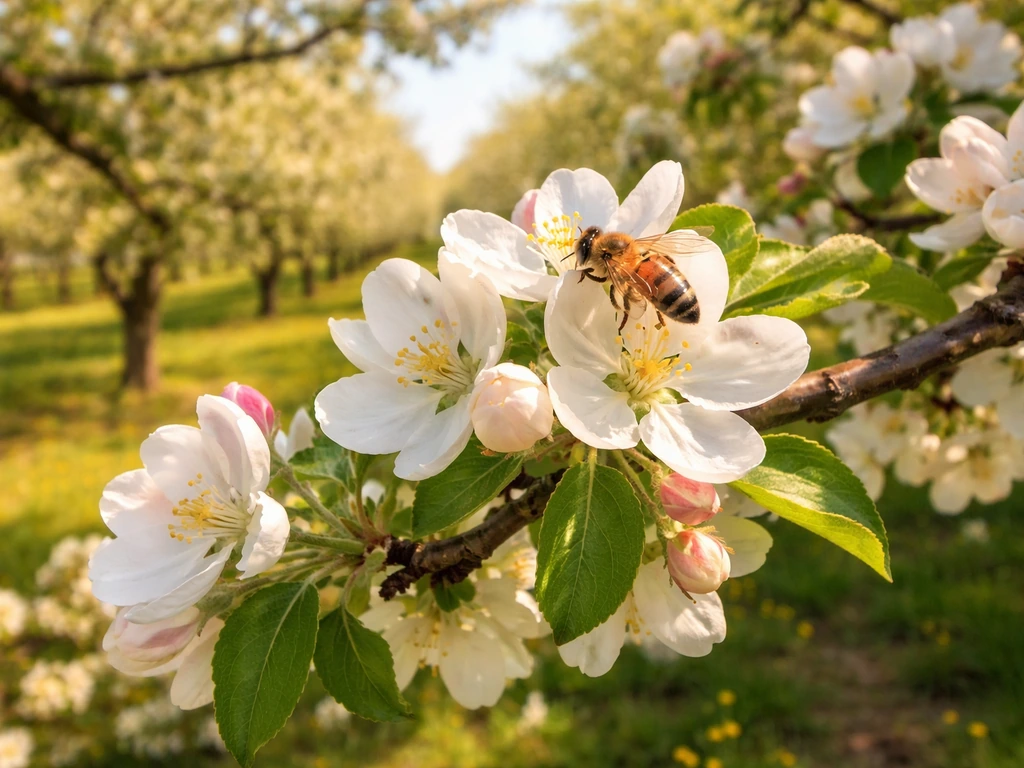
Understand how bees pollinate fruit, improve fruit set, and boost yields, plus steps to attract and protect them.
Actionable light, water, soil, and fertilizer steps to boost blooms, troubleshoot no-flower problems, and debunk myths.
Yes, compost boosts flower growth with nutrients, better soil, water retention, microbes. Learn how much and when to app