The fastest way to get more flowers is to stop feeding your plants nitrogen, check that they're getting the right kind of light for long enough each day, and switch to a low-nitrogen, high-phosphorus fertilizer. Most gardeners who struggle with "why won't it bloom" are either over-fertilizing with the wrong formula, dealing with a light problem they haven't noticed, or simply not deadheading spent blooms. Fix those three things and you'll usually see buds forming within one to two weeks.
Will Make the Flowers Grow: Light, Water, Soil, Fertilizer Tips
Marcus Holloway
10 Jun 2026
What "make the flowers grow" actually means
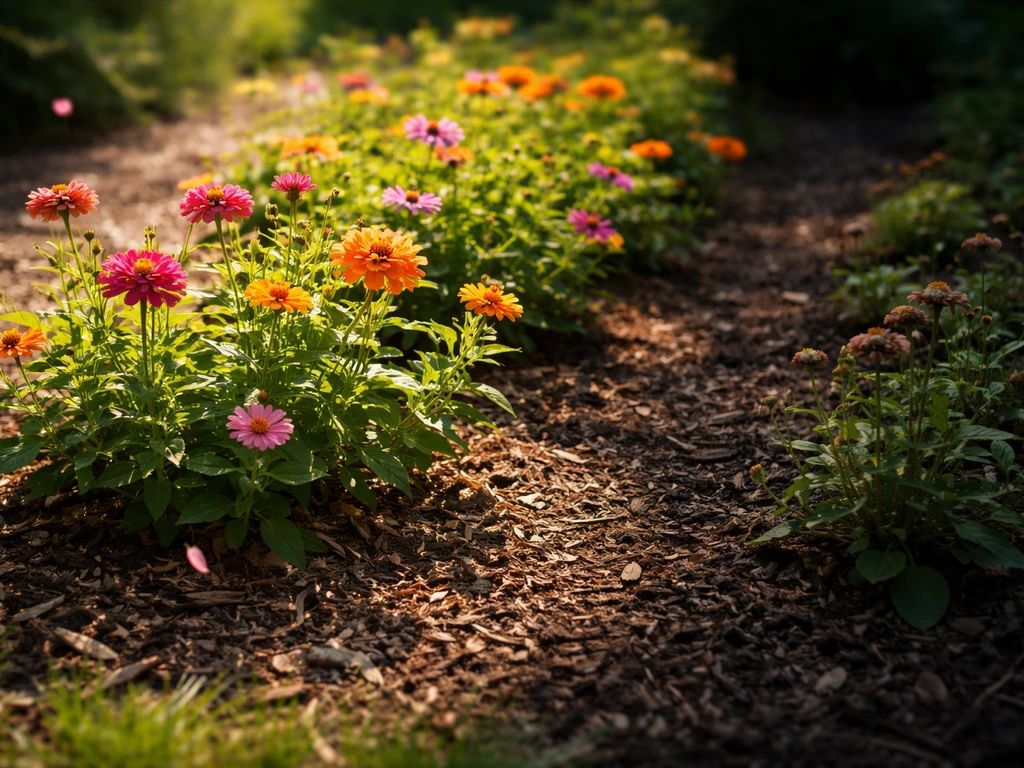
When people say they want to make their flowers grow, they usually mean one of two very different things. The first is vigorous overall growth: bigger plants, more stems, lusher foliage. The second, and far more common frustration, is getting a plant that already looks healthy to actually form buds and bloom. These two goals require opposite approaches. Vigorous vegetative growth is driven by nitrogen. Flowering is triggered by the right balance of light, phosphorus, and stress signals that tell the plant it's time to reproduce. Knowing which problem you're solving changes everything you do next.
There's also a distinction between a plant that has never bloomed and one that bloomed well last season but isn't performing this year. The first is often a light or fertilizer issue. The second is more likely a deadheading, pruning, or environmental change problem. Keep that in mind as you work through this guide.
Quick checks first: light, watering, and temperature
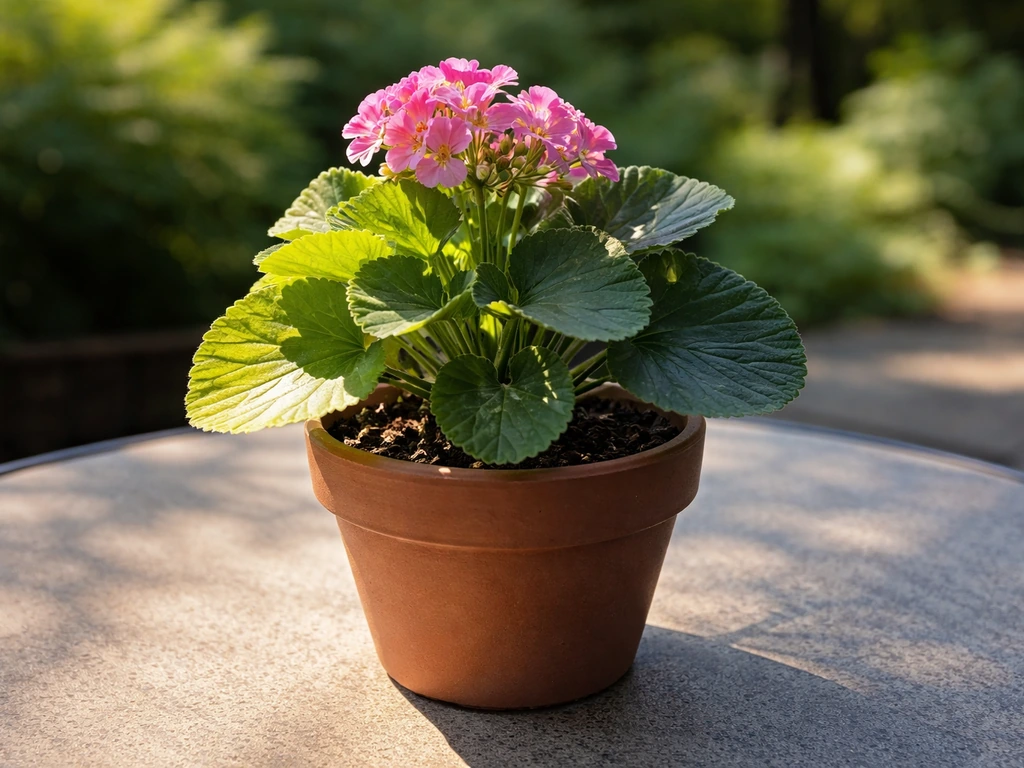
Before you buy anything or change your routine, do a quick audit of the three basics. These account for the majority of blooming failures and they cost nothing to fix.
Light: intensity and duration both matter
Most flowering annuals and perennials need a minimum of 6 hours of direct sun per day, but many perform best with 8 hours. What changes year to year, and catches gardeners off guard, is that nearby trees, shrubs, or new structures can quietly add shade to a bed that was sunny last season. Purdue Extension specifically calls out this gradual shading as a common reason plants stop blooming. Go outside at different times today and actually count the hours of direct sunlight your plants are receiving, not just the hours they're technically outside.
Beyond total hours, photoperiod matters for many species. Short-day plants like chrysanthemums and poinsettias need longer nights to trigger flowering. Long-day plants like petunias and coneflowers need extended light. If your short-day plant is near a porch light or window that stays lit at night, it may simply never get the dark signal it needs to bloom. That's a real, easily overlooked factor, not folklore.
Watering: consistency beats quantity
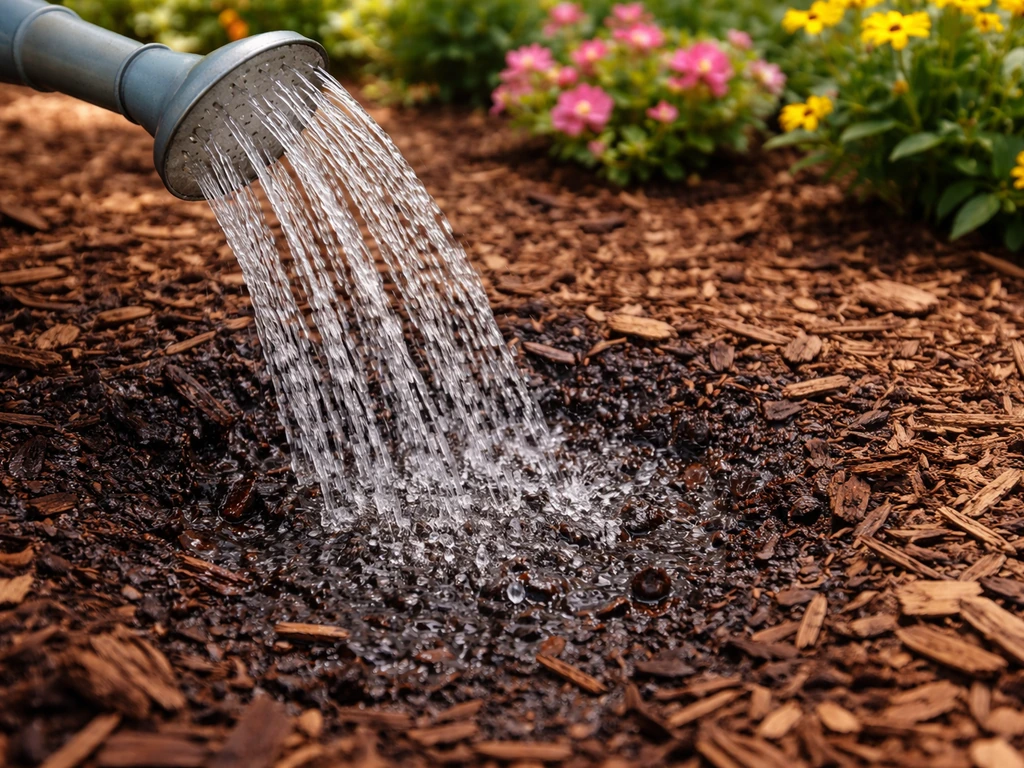
Inconsistent watering is one of the most common causes of bud drop and stunted flowering. The general rule for most flowering plants is to water deeply but less frequently, allowing the top inch of soil to dry out between waterings. Shallow, frequent watering keeps roots near the surface and stresses the plant. When soil dries out completely and then gets flooded, the stress signals the plant sends up are often more about survival than reproduction, and flowering gets suppressed. Aim for deep watering two to three times per week in summer, and always check that containers and beds have adequate drainage. Soggy roots rot, and rotting roots cannot support bloom production.
Temperature: the trigger most people forget
Many flowering plants require a period of cooler temperatures, either in the fall or in the overnight hours, to initiate blooming. Tulips and other spring bulbs need a cold stratification period. Some perennials need a temperature drop below 50°F to set buds. If you're growing plants in containers indoors or in an unusually warm location, the absence of that temperature cue can be why the plant just sits there looking green and doing nothing. This isn't mystical: it's the plant waiting for a biological trigger that hasn't arrived.
Soil and nutrients that actually drive flowering
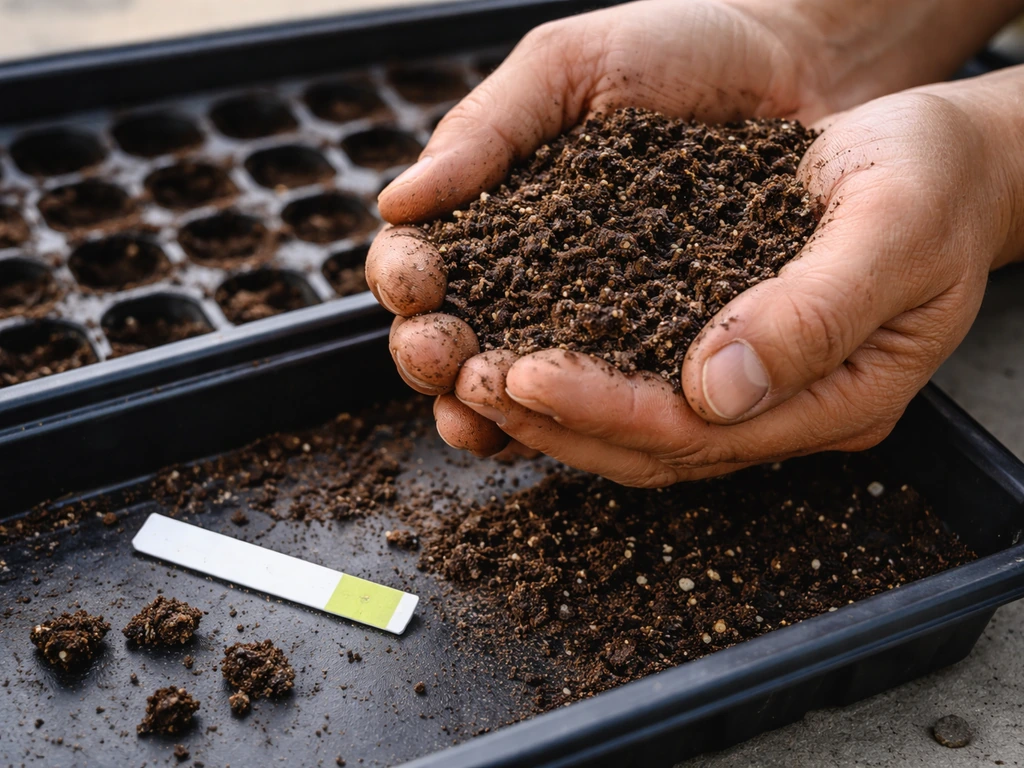
Soil quality is the foundation everything else sits on. For flowering, you need to think about three things: structure, pH, and the specific nutrients that push plants toward reproduction rather than just growth.
Most flowering plants prefer a slightly acidic to neutral pH, roughly 6.0 to 7.0. Outside that range, nutrients become chemically unavailable to the plant even if they're physically present in the soil. If your pH is off, you can feed all you want and the plant won't absorb what it needs. A simple soil test (available for a few dollars at any garden center) will tell you where you stand. Adjust with lime to raise pH or sulfur to lower it.
Soil structure matters because roots need both oxygen and moisture access. Dense, compacted clay holds too much water and starves roots of oxygen. Sandy soil drains too fast and can't hold nutrients. Either way, the answer is organic matter: compost mixed into the top 6 to 8 inches of soil improves drainage in clay, improves moisture retention in sand, and feeds soil microbes that make nutrients available to plants. If you want to go deeper on that, compost specifically has a strong track record for improving flower production.
For nutrient balance, the key numbers are the N-P-K ratio on any fertilizer bag. Nitrogen (N) pushes leafy, vegetative growth. Phosphorus (P) supports root development and, critically, flower and fruit production. Potassium (K) supports overall plant health and disease resistance. If you're trying to get blooms, you want a formula where the middle number (phosphorus) is the highest, something like 5-10-5 or 10-30-10.
Fertilizing for flowers: when, how much, and what type
Missouri Extension is clear on this: too much nitrogen in flowering annuals leads to lush vegetative growth and poor or delayed flowering. This is one of the most common mistakes I see, and it's usually because gardeners use an all-purpose or lawn fertilizer on their flower beds. Lawn fertilizer is designed to push grass to grow green and fast, which means high nitrogen. Apply it to your flowers and you'll get big, beautiful green plants with almost no blooms.
Switch to a bloom-booster formula (high phosphorus, lower nitrogen) about two weeks before you expect blooming to begin, or immediately if your plants are already past the vegetative stage and not blooming. For most annuals and perennials in early summer in the Northern Hemisphere, that means right now.
| Fertilizer Type | N-P-K Example | Best Use | Flowering Effect |
|---|---|---|---|
| All-purpose | 10-10-10 | General plant health | Neutral; can delay blooming if overused |
| High nitrogen | 30-3-3 | Lawns, leafy vegetables | Promotes foliage, suppresses flowering |
| Bloom booster | 10-30-10 | Flowering annuals and perennials | Promotes bud set and flowering |
| Slow-release granular | 5-10-5 | Established garden beds | Steady support for flowering over weeks |
| Liquid kelp or seaweed | Low N-P-K, micronutrients | Supplement to primary feeding | Supports overall health, mild bloom support |
On timing: feed flowering plants every two to three weeks during the active growing season with a liquid bloom formula, or apply a slow-release granular once at the start of the season and once at midsummer. More fertilizer is not better. Over-fertilizing burns roots and, in the case of nitrogen overload, actively works against your goal. When in doubt, use half the recommended dose and increase only if you see deficiency signs like yellowing between leaf veins.
One thing worth mentioning: you may have seen claims that honey, aspirin water, or other home remedies will make flowers grow. Honey does contain trace minerals and sugars, but there's no reliable evidence it meaningfully improves bloom production in garden plants the way proper phosphorus fertilization does. These remedies are popular because they're cheap and harmless, but if you're spending time on them instead of fixing your N-P-K balance, you're solving the wrong problem.
Deadheading, pruning, and training for more blooms
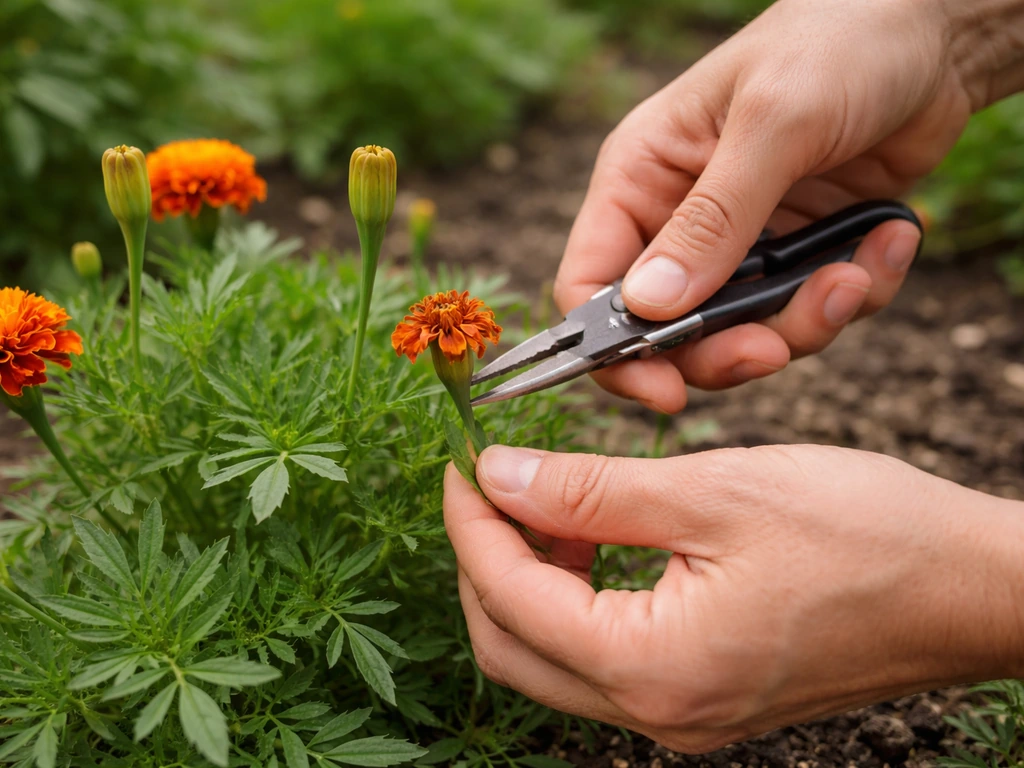
This is where a lot of gardeners leave serious bloom production on the table. Deadheading, which means removing spent flowers before they go to seed, is one of the highest-return things you can do for flowering plants. Once a flower is pollinated and a plant starts forming seeds, it interprets its job as done and slows or stops producing new flowers. Once pollinators are involved, you can also consider how helpful insects like bees are in the garden, since they can support fruiting for many flowering vegetables do bees help vegetables grow. Bees help fruit grow by transferring pollen between flowers, which allows plants to set fruit. Butterflies also help plants grow by pollinating their flowers, which supports healthy reproduction and often leads to better bloom cycles. Remove those spent blooms before seeds form and you keep the plant in "try to reproduce" mode, which means more buds, more flowers, longer season.
For most annuals like marigolds, zinnias, and petunias, deadhead every few days during peak bloom. For perennials like coneflowers and black-eyed Susans, deadhead through the season but leave some late-season seed heads for birds and self-seeding. For roses, deadhead to just above the first set of five-leaflet leaves to encourage the next flush of blooms.
Light pruning also helps. Pinching back leggy stems on young plants (removing the top inch or two of new growth) forces branching and creates more potential blooming sites. Do this early in the season, not after buds have set. Once you have buds forming, leave the plant alone except for deadheading.
For climbing plants or those with long flexible stems like sweet peas or climbing roses, training the stems horizontally rather than letting them grow straight up triggers a well-documented response: horizontal growth stimulates more lateral shoots, and lateral shoots produce more flower buds. It's a simple technique, just tie or weave stems along a horizontal support, but it can double bloom production on the right plants.
When flowers stall: troubleshooting the most common problems
Lots of leaves, no flowers
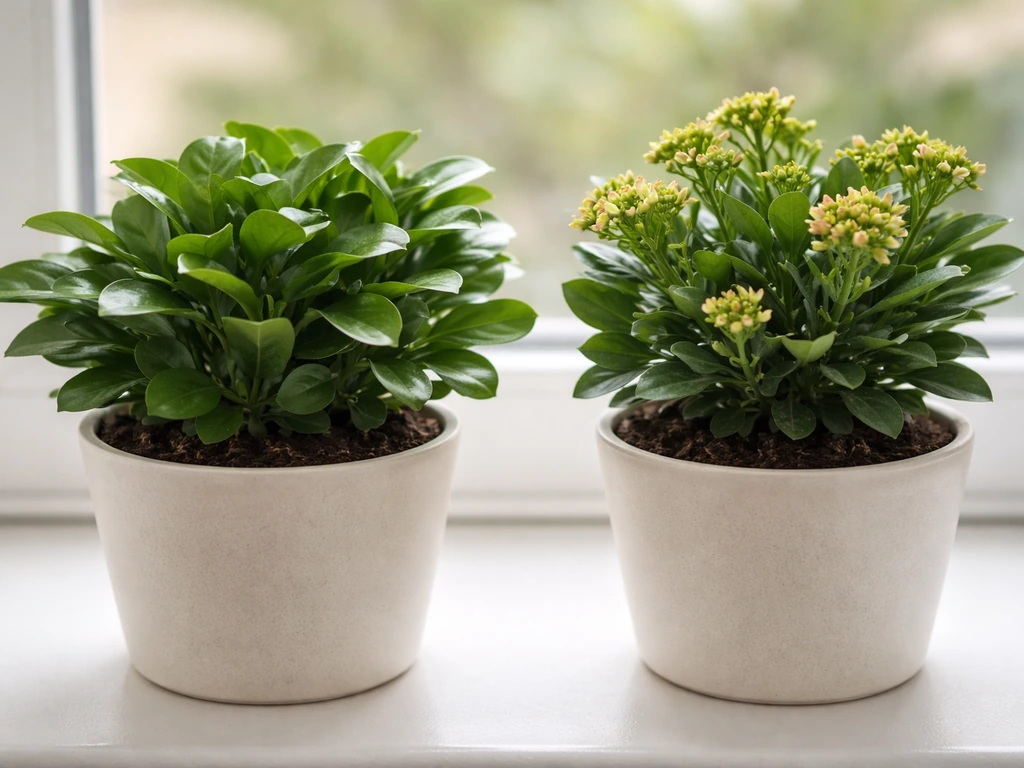
Almost always a nitrogen problem. Check your fertilizer formula and switch immediately to a high-phosphorus bloom booster. Also check light: even slightly shaded plants will put energy into reaching toward the light (more stem and leaf growth) rather than flowering.
Yellowing leaves
Uniform yellowing of older (lower) leaves usually means nitrogen deficiency. Yellowing between the veins (the veins stay green) on younger leaves points to iron or magnesium deficiency, often caused by pH being too high. Overall pale yellowing can also signal overwatering and root damage. Check drainage first, then test soil pH before adding any nutrients.
No buds at all
If a plant is growing but not forming any buds, the most likely culprits in order are: insufficient light, wrong photoperiod (plant needs longer nights or longer days), temperature hasn't triggered bloom initiation, or the plant is immature and hasn't reached flowering age. For young perennials, some species simply don't bloom in their first year. That's not a problem you can fertilize your way out of.
Buds form but drop before opening
Bud drop is usually caused by sudden environmental changes: dramatic temperature swings, inconsistent watering (especially letting soil go dry and then flooding), low humidity for tropical species, or root disturbance. Keep watering consistent, avoid moving plants once buds are set, and for indoor flowering plants, keep them away from heating or cooling vents.
Weak, leggy stems
Leggy growth where stems are long and thin with wide gaps between leaves is almost always a light deficit. The plant is stretching toward more light. Move it to a sunnier spot or, for indoor plants, supplement with a full-spectrum grow light. Pinching back the stems now will encourage bushier growth but won't fix the underlying light problem.
Pests and disease affecting bloom
Aphids, spider mites, and thrips are the most common pest culprits that damage flower buds before they open. Check the undersides of leaves for tiny insects or webbing, and look closely at buds for distortion or discoloration. A strong spray of water knocks off aphids and mites. Neem oil is a safe, effective follow-up for persistent infestations. For fungal diseases like powdery mildew, improve air circulation by thinning crowded stems and water at the base of the plant rather than overhead. Bees and other pollinators also play a role in overall garden flowering health, since cross-pollination encourages more prolific blooming in many species.
Your action plan for the next 1 to 2 weeks
Here's a practical sequence you can start today. Work through it in order because earlier steps often explain what you find in later ones.
- Today: Go outside and count actual hours of direct sun your plants are receiving. If it's under 6 hours, that's your primary problem and everything else is secondary. Reposition containers or consider thinning nearby plants casting shade.
- Today: Check your current fertilizer label. If the first number (nitrogen) is the biggest, stop using it on your flowering plants immediately. Buy a bloom-booster formula with a high middle number (phosphorus).
- Day 1 to 2: Test your soil pH with an inexpensive kit. If it's below 6.0 or above 7.0, address that before adding more fertilizer, since out-of-range pH makes nutrients unavailable regardless of what you apply.
- Day 2 to 3: Apply your first dose of bloom-booster fertilizer at half the label rate. Water it in thoroughly. Note the date so you can schedule the next application in two to three weeks.
- Day 3 to 4: Deadhead all spent flowers on every plant in the bed. While you're doing it, pinch back any stem that hasn't set a bud yet to encourage branching.
- Day 4 to 7: Inspect the undersides of leaves for pests and treat immediately if found. Check that your watering routine is consistent and deep rather than light and frequent.
- Day 7 to 14: You should start seeing new bud sites forming. If you don't, revisit the light check and the temperature section above. Measure the distance between the last set of leaves and the next, as wider gaps mean the plant is still stretching for light.
- Ongoing: Keep deadheading every 3 to 5 days, maintain consistent watering, and resist the urge to add more fertilizer than your schedule calls for. More is not faster.
If you work through that list honestly, the vast majority of "why won't it flower" problems get solved before you reach step 8. The real drivers of flower production are light, water consistency, the right fertilizer type, and keeping the plant in a state where it wants to keep blooming. If you want to know what helps flowers grow faster, prioritize the correct light and the right fertilizer blend based on your plant’s stage right fertilizer type. Everything else, the home remedies, the folklore about talking to your plants, the miracle products, is noise compared to those fundamentals.
FAQ
Will make the flowers grow, but how can I tell if I should focus on buds or on foliage first?
Look at what the plant is currently doing. If it is making lots of leaves and very few buds, you likely have excess nitrogen or too much fertilizer for flowering. If it looks healthy but not initiating buds, recheck day length, nighttime darkness, and temperature cues, then confirm you are actually deadheading or pruning in the right window for that species.
Can I use a regular all-purpose fertilizer if I reduce the amount?
Reducing can help avoid nitrogen overload, but it still may not provide enough phosphorus for bloom. If you are switching for better flowering, choose a fertilizer with a higher middle number (phosphorus) and use the lower rate only if your plant is already getting heavy sun or looks unusually lush.
How do I avoid burning roots when switching to a bloom booster?
Switching formula is fine, but do it gradually if you have been using high-nitrogen products. Apply at half the recommended rate first, water thoroughly after feeding, and do not feed during drought stress (very dry soil), because the fertilizer can concentrate and damage roots.
What if my soil pH is off, should I adjust pH before or after fertilizing?
Test pH first, then correct it before you rely on fertilizer results. Nutrients can be present but unavailable at the wrong pH, so you can waste money and time feeding while the plant cannot absorb what it needs. Re-test after amendments, since sulfur or lime can take weeks to shift pH.
Does more compost always mean more flowers?
Compost helps, but too much can create overly rich, slow-draining soil or excessive nitrogen, especially if it is not fully finished. Spread an appropriate amount (enough to improve structure), then observe flowering. If plants become very leafy with fewer buds, scale back and prioritize drainage and correct fertilizer ratios.
How can I tell if watering is causing bud drop versus something else?
Bud drop after hot spells, moving plants, or sudden dry-and-flood cycles points to stress from inconsistent moisture. Check whether the top inch dries between waterings, confirm drainage, and avoid relocating once buds are present. If buds drop while soil moisture stays steady, recheck light exposure and photoperiod issues instead of watering more.
My plant gets sun, but it still stretches and won’t bloom. What should I check next?
If it is leggy with wide gaps, it likely needs more direct light, not just more “time outside.” Also check for partial shade from nearby structures at the times when the plant needs peak brightness. For indoor plants, make sure your light is strong enough and close enough to prevent stretching, then keep the photoperiod consistent.
Do short-day plants really need darkness, and how strict is it?
Yes, darkness matters for some species. A porch light, streetlight, or an indoor window that stays lit can interfere by keeping the “night signal” from triggering flowering. The fix is to provide uninterrupted dark hours at night during the bud-forming period.
How long after changing fertilizer or deadheading should I expect results?
You typically start seeing changes in bud formation within about one to two weeks when the main issue is nutrient balance and flowering has not already been blocked by light or photoperiod. If you deadhead and improve light but still see no buds after several weeks, the problem is likely temperature cues, maturity stage, or incorrect plant timing for pruning.
Should I deadhead every flower or only the ones that look spent?
Deadhead spent blooms before seed heads form. For many perennials, remove the main flower heads as they fade, but you can leave some late-season seed heads if the plant’s normal pattern supports it. Avoid cutting too low on species like roses, where improper pruning can remove the next flush sites.
Can pinching or pruning reduce flowering if I do it at the wrong time?
Yes. Pinching young growth is helpful early, but pruning after buds have set can remove potential bloom sites and delay or reduce the next flush. Use deadheading once flowering starts, and schedule larger pruning earlier in the season.
Why do some plants look pale or yellow, is it always nitrogen?
Not always. Uniform yellowing of older lower leaves often points toward nitrogen deficiency, while yellowing between leaf veins on newer growth can indicate iron or magnesium related to pH being too high. If overall pale color appears alongside soggy soil or poor drainage, check roots and watering first before increasing fertilizer.
What should I do if I’m not sure whether the plant is “immature” or simply missing triggers?
For many perennials, first-year flowering can be limited by maturity, even with good care. If the plant has been growing through a full growing season and still shows only foliage, compare it to typical blooming age for that species and verify light, photoperiod, and temperature cues, since those triggers cannot be skipped by fertilizer alone.
Will make the flowers grow faster indoors, or is it mostly the same rules?
Mostly the same, but indoor conditions add pitfalls. Keep soil moisture consistent, avoid drafts and vent blasts that cause bud drop, and ensure your light is actually producing enough intensity for buds (not just “bright room light”). For plants sensitive to photoperiod, keep nighttime lighting from interfering.
Do pests affect flowering only by eating leaves, or can they target buds directly?
They can target buds directly. Aphids, spider mites, and thrips often distort or discolor buds so they never open. Check undersides of leaves and inspect buds closely, then knock off early infestations with a strong water rinse, followed by an appropriate treatment if they persist.
Is there a quick way to diagnose my biggest cause in under an hour?
Yes. Do a three-check sweep: 1) Count direct sun hours at multiple times (and note nighttime lighting for short-day types). 2) Probe soil moisture and drainage (top inch should dry between deep waterings). 3) Verify fertilizer type (look for low nitrogen or higher phosphorus for bloom, not lawn-style high-nitrogen). This usually identifies the primary limiter before you adjust anything else.
Next Articles
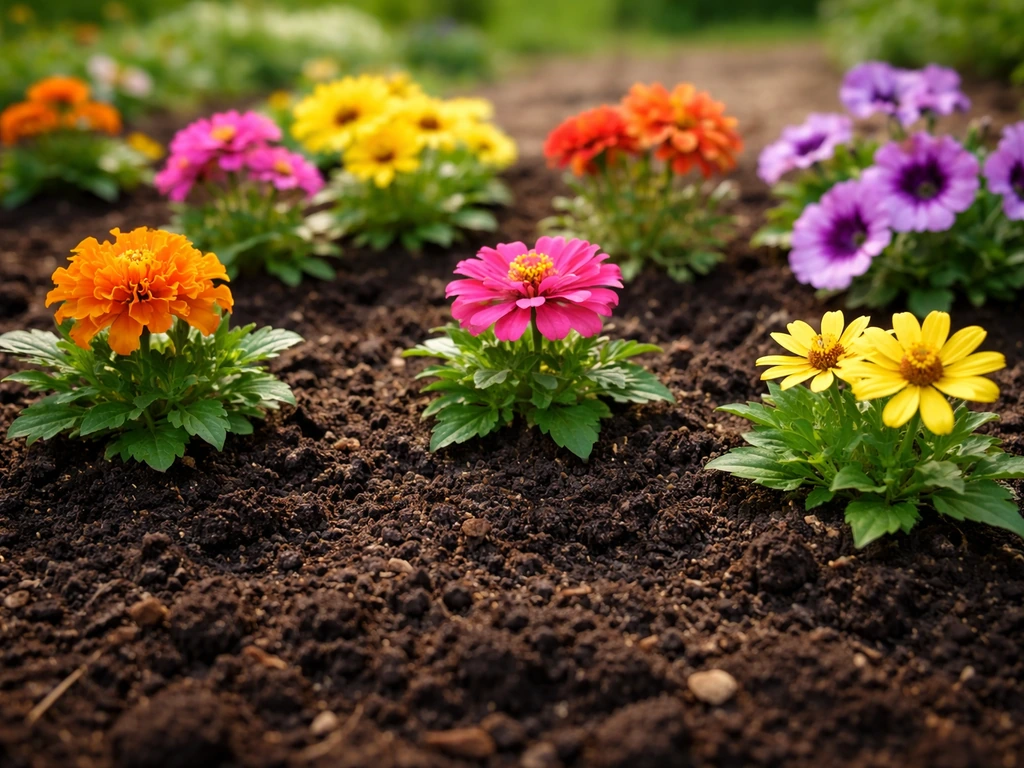
Does Compost Help Flowers Grow? How to Use It Right
Yes, compost boosts flower growth with nutrients, better soil, water retention, microbes. Learn how much and when to app
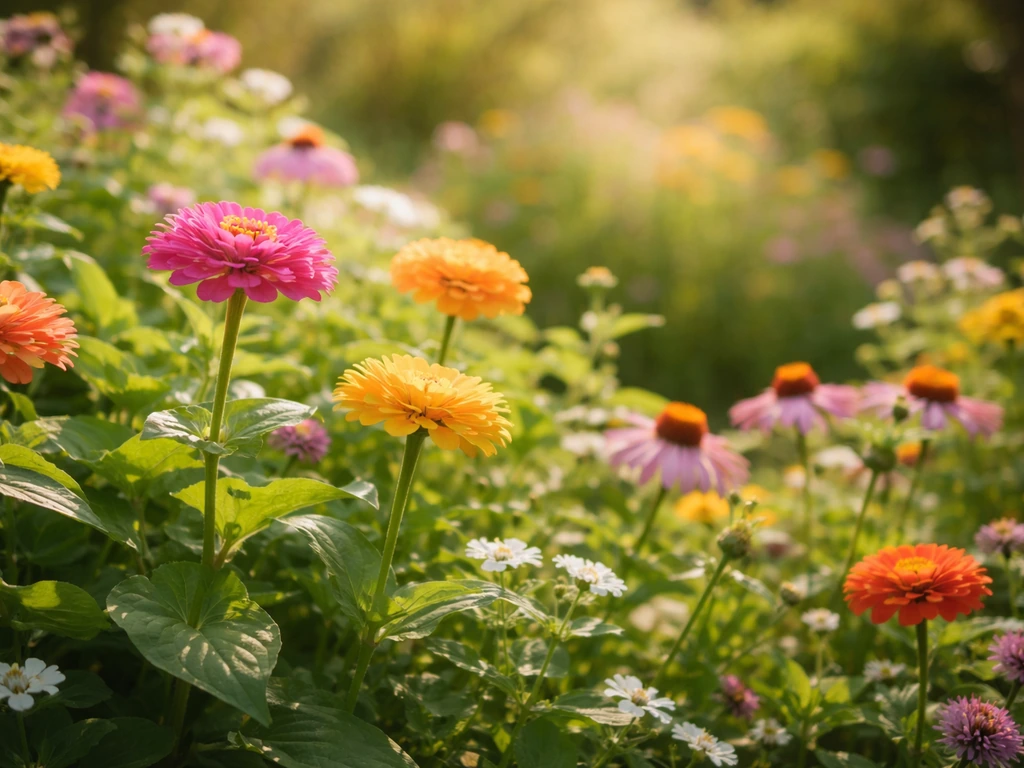
What Helps Flowers Grow Faster: Actionable Science Steps
Boost flower growth fast with science steps: light, deep watering, healthy roots, smart feeding, and pruning, safely.
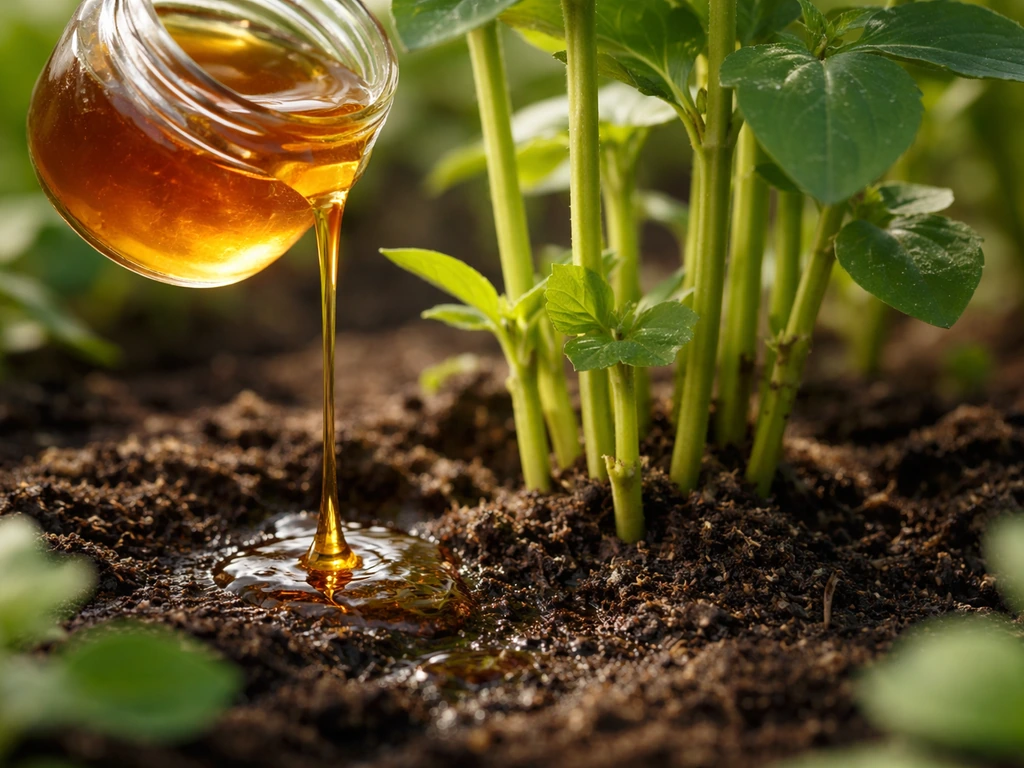
Does Honey Help Plants Grow? What Works and What Doesn’t
Find out if honey boosts plant growth, when to try it, and the risks, plus better evidence-based alternatives.