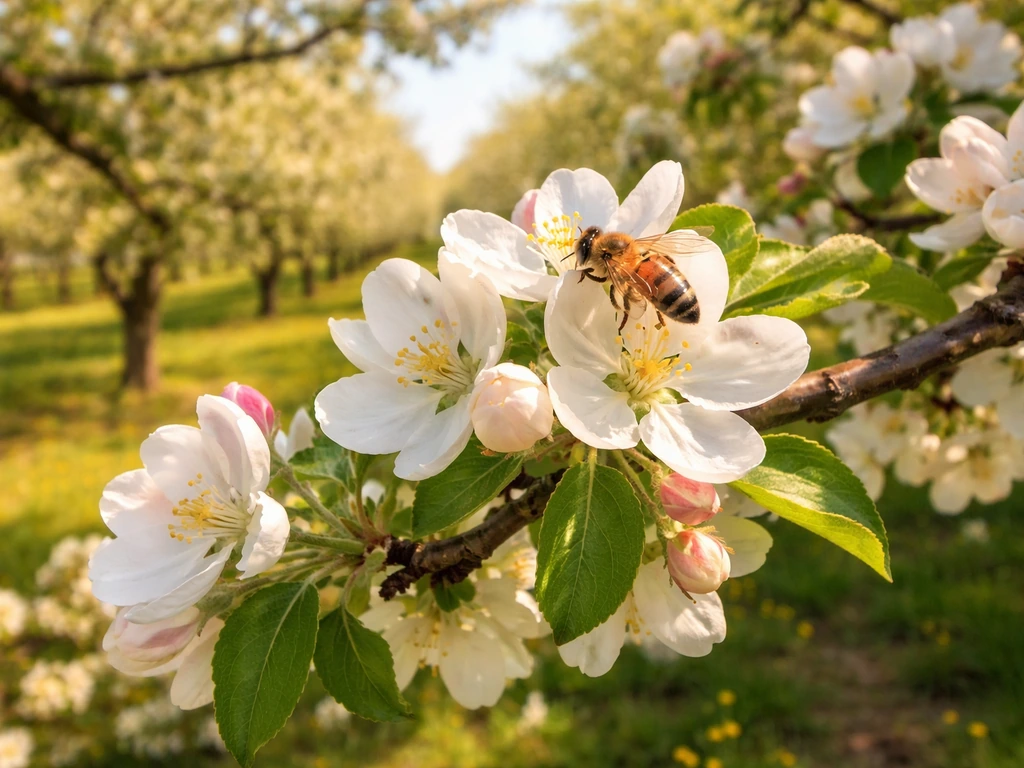
Bees help fruit grow by moving pollen from flower to flower, which triggers the biological process that turns a blossom into actual fruit. Without that pollen transfer, most fruit trees and fruiting plants simply drop their flowers and produce nothing. It's not about nutrition, it's not folklore, and it has nothing to do with whether you talk to your plants or play music in the garden. Bees are doing physical, measurable work that determines whether your apple tree gives you a harvest or just a pretty spring display.
How Do Bees Help Fruit Grow Best Tips for More Yield
Marcus Holloway
14 Jun 2026
How bees actually help: pollination to fruit set
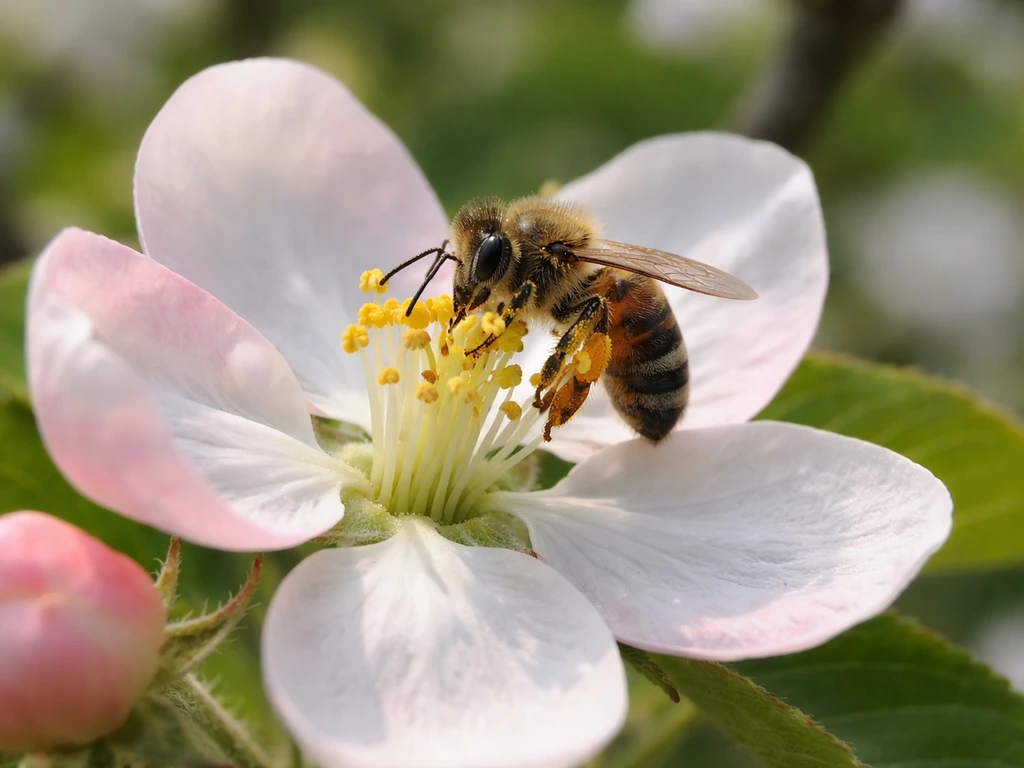
Here's the biology in plain terms. A flower has two critical parts: anthers (the male part that produces pollen) and a stigma (the female part that receives pollen). When a bee visits a flower looking for nectar or pollen, it picks up tiny pollen grains on its fuzzy body. When it moves to the next flower, some of that pollen rubs off onto the stigma. During bloom, bees transfer pollen to the stigma, which is the step that comes before fertilization and fruit development some of that pollen rubs off onto the stigma. That's pollination, and it's step one.
Step two is fertilization, and this is where the real magic happens. Once compatible pollen lands on the stigma, it hydrates and germinates, sending out a microscopic pollen tube that grows down through the flower's style toward the ovule. Inside the ovule, fertilization takes place. The fertilized ovule develops into a seed, and the surrounding ovary tissue swells and develops into the fruit itself. No pollen, no pollen tube, no fertilization, no fruit. The blossom just falls off.
This distinction between pollination and fertilization matters because it clarifies exactly what bees are doing. They're not feeding your fruit trees. They're not providing nutrients. They're acting as pollen couriers, and the quality of that delivery directly determines your fruit set. Better bee activity typically means more flowers get pollinated, more ovules get fertilized, and you end up with more fruit that develops properly, with fewer misshapen or lopsided specimens. Misshapen fruit, by the way, is often caused by incomplete pollination where only some ovules in the ovary got fertilized.
Which fruits benefit most (and how to tell if you need pollinators)
Almost every common fruit crop benefits from bee pollination to some degree, but some are genuinely dependent on it while others just get a boost. Knowing which category your plants fall into helps you prioritize where to focus your energy.
| Fruit | Pollinator Dependence | Notes |
|---|---|---|
| Apples | High | Most varieties need cross-pollination from a compatible variety |
| Pears | High | Cross-pollination with another variety strongly recommended |
| Sweet cherries | High | Most need a different compatible variety nearby |
| Blueberries | High | Cross-pollination between varieties improves yield and berry size |
| Cucumbers | High | Separate male and female flowers; bees must transfer pollen |
| Squash and zucchini | High | Same as cucumbers; without bees, hand-pollination is needed |
| Strawberries | Moderate-High | Bee-pollinated fruits are larger and more uniform |
| Tomatoes | Moderate | Self-fertile but buzz pollination from bees dramatically improves set |
| Peaches and nectarines | Low-Moderate | Many are self-fertile but still benefit from bee visits |
| Figs | Varies by variety | Common edible figs don't need pollination; some types do |
The easiest way to tell if pollinator deficiency is your problem: if your fruit tree or squash plant is blooming heavily but setting almost no fruit, and the weather hasn't been extreme, lack of pollinators (or compatible pollen) is the most likely culprit. If you're not sure whether bees are truly the missing piece in your garden, compare this with how to tell if pollinator deficiency is your problem. If you're getting some fruit but it's weirdly shaped or undersized, incomplete pollination is a strong possibility. Hand-pollinating a few blossoms with a small paintbrush and comparing those results to unpollinated blossoms nearby is a quick real-world test that tells you a lot.
What good bee activity looks like in the garden or orchard
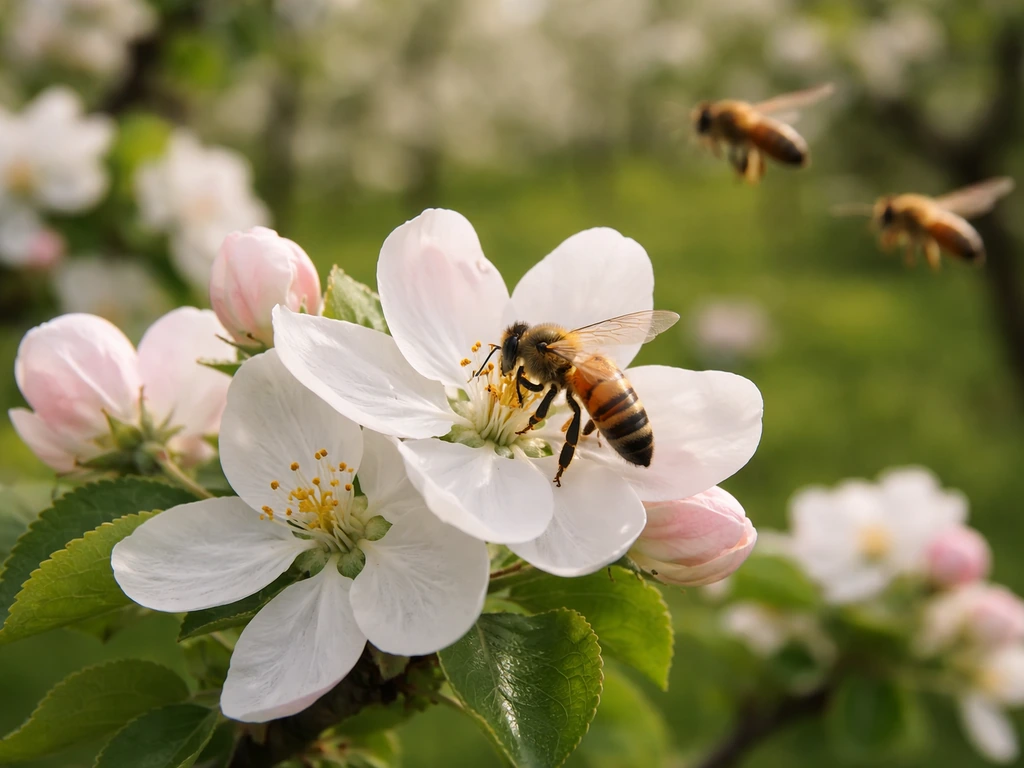
You want to see bees actively working flowers during bloom, not just passing through. Those same practices that bring in active bees can also help your garden flowers grow faster by improving pollination and fruit set help flowers grow faster. Good pollination activity means bees are landing on open flowers, pushing into the center where the anthers and stigma are, and moving between flowers on the same plant and between different plants. For fruit trees, peak bloom is a narrow window, often just 7 to 14 days, so consistent bee presence during that entire period really matters.
A rough benchmark that extension services often suggest: for apples and similar tree fruits, you want to see at least one or two bee visits per flower within a few hours of it opening. In practice, if you can stand by a blooming tree for five minutes and count a dozen or more bee visits across the tree, that's a sign you have reasonable activity. If you see almost nothing, that's a problem worth addressing before the bloom window closes.
Don't overlook native bees. Honeybees get most of the credit, but bumblebees, mason bees, and other native species are often more effective pollinators per visit, especially in cool or cloudy weather when honeybees stay home. Honey is not the key ingredient for fruit growth, though, because it is the pollination process that matters most Honeybees help with pollination and fruit set. Bumblebees perform buzz pollination (also called sonication), vibrating at exactly the right frequency to shake pollen loose from certain flowers, which is why they're so effective on tomatoes, blueberries, and peppers.
How to attract bees now: plants, timing, and habitat
The most reliable way to get more bees into your garden is to give them good reasons to be there before your fruit trees bloom. Bees establish foraging routes, and if your property is already a reliable food source, they'll be present when you need them. Planting ahead of your fruit bloom window, and maintaining bee forage throughout the season, is the strategy that actually moves the needle.
Plant these to bring bees in
- Early spring bloomers: crocuses, snowdrops, pussy willow, and dandelions (yes, dandelions) feed bees before most garden plants are going
- Mid-season workhorses: borage, phacelia, lavender, catmint, and single-flowered marigolds (avoid doubles, bees can't access the pollen)
- Native wildflowers like coneflowers (Echinacea), black-eyed Susans, and native asters provide late-season forage and attract native bee species specifically
- Herbs in flower: let your basil, thyme, oregano, and chives bolt and bloom, bees absolutely love them
- Fruit tree companions: planting flowering alliums and early perennials near your orchard helps establish bee populations that will be present at bloom time
Habitat: give bees a reason to stay
About 70 percent of native bee species are ground nesters. Leaving some bare or loosely mulched soil patches in a sunny, undisturbed corner of your garden gives them nesting sites. Mason bees, which are fantastic fruit tree pollinators, will use drilled wooden blocks or bundled hollow stems. You can buy mason bee houses or make your own from untreated wood with holes drilled at 5/16 inch diameter. Put them on a south or southeast-facing surface, sheltered from rain, and position them near blooming plants rather than in the middle of an open lawn.
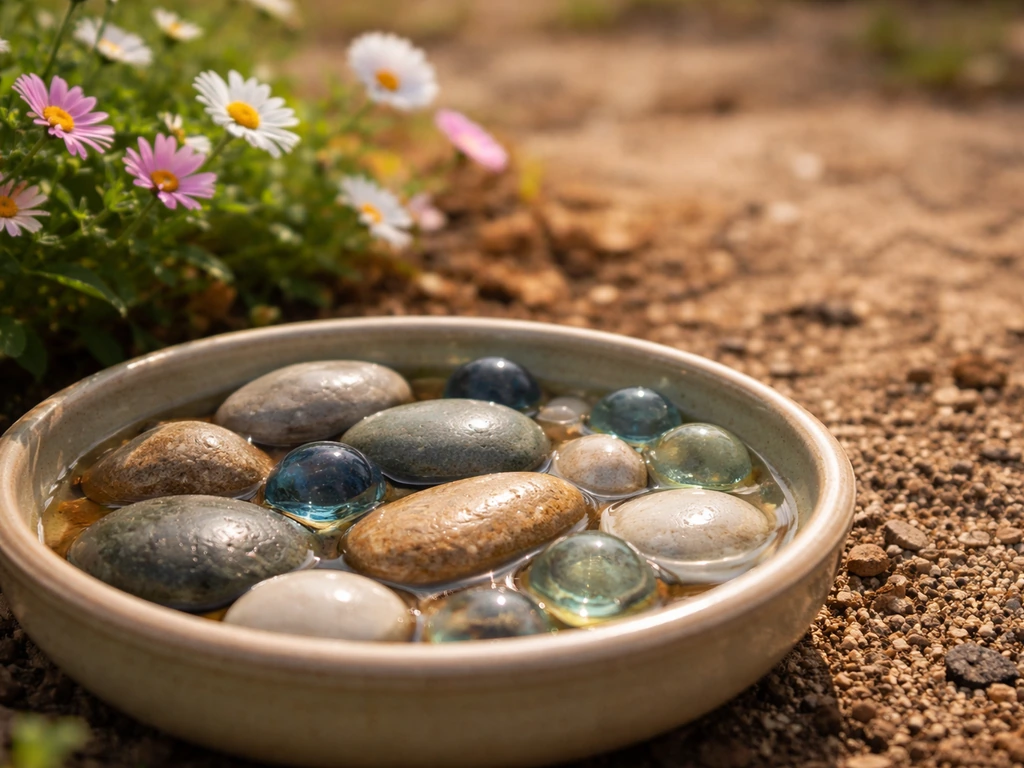
Water matters too, especially in summer. A shallow dish with a few stones or marbles in it (so bees can land without drowning) placed near your garden is a simple addition that bees and other beneficial insects will use regularly.
Protect bees while gardening: pesticide and garden practices
This is where a lot of gardeners accidentally undermine everything else they're doing. Pesticides are the single biggest controllable threat to bees in a home garden, and the timing of application is often more important than the product itself.
- Never spray anything on open flowers, even products labeled as 'organic' or 'natural.' Spinosad and pyrethrin, both common organic options, are highly toxic to bees on contact. Spray only when flowers are closed, early morning or evening, preferably at dusk.
- Avoid neonicotinoid insecticides entirely if you're trying to support pollinators. These systemic pesticides are absorbed by the plant and end up in pollen and nectar, which means bees take them back to the hive. Products containing imidacloprid, clothianidin, or thiamethoxam fall into this category.
- Be careful with systemic fungicides during bloom. While most fungicides are less acutely toxic to bees than insecticides, some can affect bee learning and navigation. Apply before or after bloom when possible.
- Check any nursery-bought transplants. Plants sold at big box stores and some nurseries may have been pre-treated with systemic neonicotinoids that persist in the plant tissue for months. Look for 'bee-safe' labeling or ask before buying plants destined for pollinator habitat.
- Delay mowing during bloom. Clover and dandelions in your lawn are real bee forage. Mowing right before fruit bloom removes a food source at the worst possible moment. Hold off or mow only part of the lawn to keep some foraging available.
Troubleshooting low fruit set: common causes and fixes
If you're getting poor fruit set despite what looks like decent bee activity, or even when you're not sure bees are the problem, here's how to work through it systematically.
No compatible pollinator variety nearby
This is probably the most common undiagnosed problem with apple and cherry trees. Many fruit trees need pollen from a different compatible variety to set fruit, not just pollen from their own flowers. A single apple tree of one variety blooming in isolation will get bees visiting all day and still produce almost nothing. The fix is planting a compatible pollinator variety within about 100 feet, or grafting one onto your existing tree if space is limited.
Bloom timing mismatch
Two trees need to bloom at the same time for cross-pollination to work. If your pollinizer variety blooms two weeks earlier or later than your main tree, bees can't carry pollen between them regardless of how many visits happen. When selecting varieties, look for ones listed as 'bloom group compatible' in nursery catalogs. If you already have trees with mismatched bloom times, this is a situation where planting a third variety that bridges the gap helps.
Cold or wet weather during bloom
Bees don't fly much below about 55°F (13°C), and they almost completely stop in rain. If your fruit trees bloom during a cold snap or a week of wet weather, natural pollination simply won't happen at the level you need. In years like this, hand-pollinating key blossoms with a small artist's brush (transfer pollen from one variety's open flowers to another's) can salvage some of your crop. It's tedious but effective for a small tree.
Pesticide damage you didn't suspect
If you or a neighbor sprayed during or just before bloom, that can devastate local bee populations for weeks. If your fruit set dropped dramatically after a period when you know spraying happened nearby, that's likely your answer. Unfortunately there's not much to fix mid-season once damage is done. Document it, adjust practices for next year, and consider talking to your neighbor if you can do it diplomatically.
Too few blooms to begin with
If your fruit tree isn't producing many flowers in the first place, bee access won't solve the problem. Low bloom can be caused by too much nitrogen fertilizer (encourages leafy growth over flowering), heavy pruning at the wrong time, late frosts that killed buds, or a tree that's simply too young to fruit heavily. Adding compost can help support healthier soil and plant growth, which in turn can improve how well flowers develop. Fruit trees typically need a few years to mature into reliable heavy flowering.
Action checklist for better fruit with bees
Here's what you can actually do right now, depending on where you are in the season. Some of these are this-week actions, others are planning steps for next year that are worth starting today.
- Identify your fruit trees and look up whether they need a cross-pollination partner and what compatible varieties to plant nearby.
- Check bloom timing records or ask your local extension office which variety combinations bloom together in your region.
- Plant at least three to five bee-forage plants you don't already have, prioritizing ones that bloom early or overlap with your fruit tree bloom window.
- Set up one or two mason bee houses in a south-facing, sheltered spot near your orchard or garden, 3 to 6 feet off the ground.
- Add a shallow bee water dish with landing stones near your most important pollinator plants.
- Audit every pesticide you've used or plan to use. Eliminate neonicotinoids and schedule any necessary sprays for early morning or evening, never on open flowers.
- Stop mowing a section of your lawn during bloom season to preserve clover and other natural bee forage.
- If you're in the middle of a bloom period right now and bee activity looks low, try hand-pollinating a sample of blossoms and mark those branches to compare fruit set at harvest.
- After this season, note your bloom dates, bee activity observations, and fruit set results so you can adjust the following year.
Bees aren't a gardening nice-to-have when it comes to fruit. For most fruiting plants, they're the mechanism that makes the whole thing work. Do bees help vegetables grow too, since many vegetable crops rely on pollination for better yields? Butterflies can also act as pollinators, helping transfer pollen as they move between flowers and supporting plant reproduction Butterflies act as pollinators.
The good news is that attracting and protecting them isn't complicated: it's mostly about planting the right flowers, giving bees somewhere to live, and keeping your spray timing from working against you. Better bee activity usually means more flowers get pollinated and the fruit set improves, helping your garden produce well. To help flowers grow well, focus on the same pollinator-friendly conditions that support fruit set. Get those basics right and your fruit set will reflect it.
FAQ
If bees visit my fruit flowers, why am I still getting little or no fruit?
Not always. Crops differ in how dependent they are on bee pollination, so a low fruit harvest can come from something other than pollinators (for example incompatible varieties, bloom timing mismatch, or buds damaged by frost). If you see lots of open blossoms but almost no fruit, that points more toward pollination gaps than general plant health.
How can I tell the bees are actually pollinating, not just collecting nectar?
Look for evidence of pollen transfer, not just bee presence. The strongest sign is bees repeatedly entering the center of the flower and moving flower to flower, especially during the 7 to 14 day peak bloom window for many tree fruits. If bees are lingering on outer petals or not contacting reproductive parts, fruit set may stay low even with “many” visits.
Can I hand-pollinate if bees are scarce, and when is it most effective?
Yes, but you can be strategic. Hand-pollination is most useful when bees are limited (cold snaps, steady rain, or bloom during heavy pesticide exposure). Use fresh pollen from open flowers of a compatible variety and dab it onto stigmas, and do it early in the day when blossoms are open and pollen is viable.
Do honeybees specifically matter, or will other bees work too?
In many cases, no. Fruit set depends on compatible pollen reaching the stigma, not on honey production. Honeybees can help, but native bees (like bumblebees) may outperform honeybees for certain crops under cool or cloudy weather, and bumblebees’ buzz pollination is especially important for some flower types.
What if my weather is cool or cloudy during bloom, will my bee strategy still work?
Bumblebees and some native bees can be better performers in cool or overcast conditions because they keep working when honeybees reduce activity. If your weather often runs cool during bloom, focus on maintaining native bee habitat and ensuring a continuous supply of forage flowers leading into fruit bloom.
What’s the biggest mistake gardeners make when trying to help bees during fruit bloom?
Make pesticide choices around bloom timing, because bees can be affected even if the product is “legal for gardens.” Avoid spraying insecticides during flowering and during the period when bees are actively visiting. If spraying is unavoidable, choose lower-risk products and apply after bloom activity ends (for example late evening), and always follow label directions.
Will adding more flowers for bees automatically solve poor fruit set?
Planting “more bee-friendly flowers” near your fruit can help, but it does not fix incompatible pollen or mismatched bloom periods. If you have a single apple tree (one variety) or varieties that bloom at different times, you will still get poor set even with strong pollinator attraction.
When should I start planting pollinator flowers for best fruit yield?
Timing the forage matters. Bees must be present and settled on your property before fruit blossoms open, so start attracting them with flowering plants leading up to bloom, not only during the fruit-tree peak. A gap of even a few days can reduce how many bees show up right when you need pollen transfer.
If my fruit is misshapen or undersized, what does that usually indicate beyond bee activity?
Yes, and it can be a controllable issue. If you have repeated “too-little fruit” along with weird shapes or undersized fruit, check for incomplete pollination and whether the tree is producing enough blossoms to begin with. Also consider nitrogen and pruning timing, because low flowering means bees cannot compensate.
What nesting or habitat changes help native bees, and how do I choose the right setup?
Many native bees need nesting habitat, but the right setup depends on species. About 70% are ground nesters, so leaving small sunny, undisturbed soil patches helps. For cavity nesters like mason bees, provide untreated wood blocks or hollow stems and place them sheltered and near blooming plants.
How close do I need a compatible pollinator variety, and what about bloom overlap?
Distance and synchronization both matter. For cross-pollination, compatible varieties often need to be within about 100 feet, and they must bloom at the same time. If your pollinizer blooms much earlier or later, more bee visits will not compensate.
What can I do mid-season if a neighbor sprayed and bee activity dropped?
If fruit set dropped after nearby spraying or you suspect drift, there may not be a quick fix mid-season. The practical approach is to document what happened, stop the risk in your own yard for future blooms, and focus on habitat and safe spray timing next year so bees can rebuild.
What’s a simple way to estimate whether I have enough bee visits during bloom?
Yes, and it’s a useful sanity check. For apples and similar tree fruits, count bee visits during the first days of opening. If you can observe only occasional visits across the tree rather than multiple landings within a few hours, pollination may be insufficient and worth addressing before the bloom window closes.
Next Articles
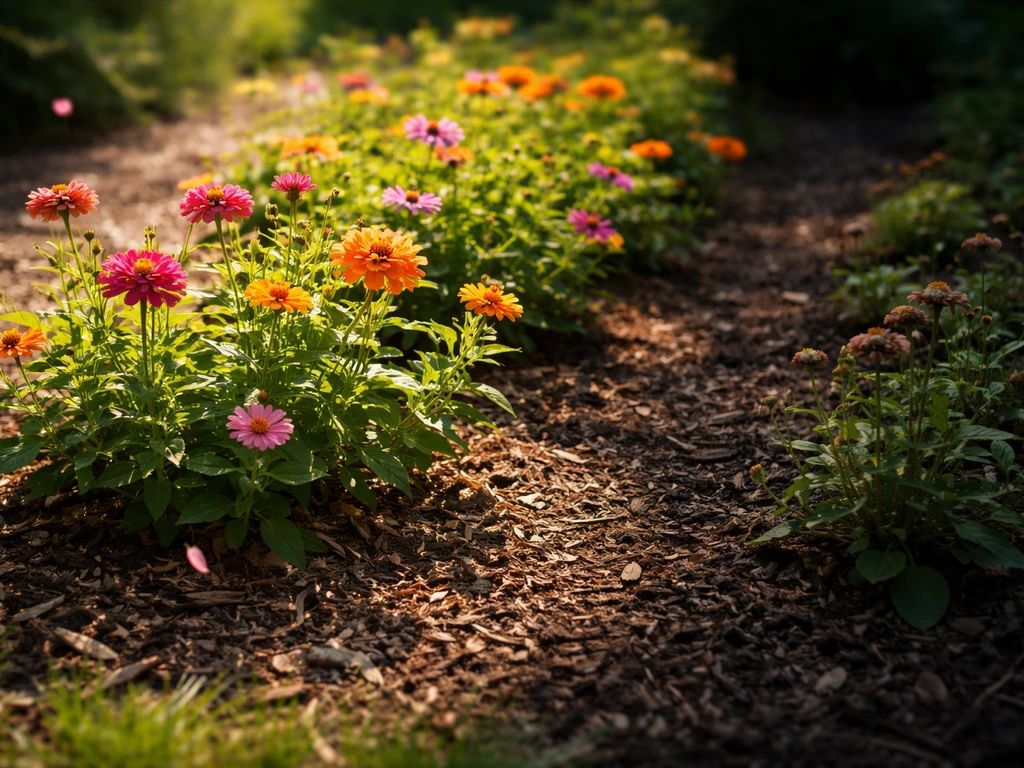
Will Make the Flowers Grow: Light, Water, Soil, Fertilizer Tips
Actionable light, water, soil, and fertilizer steps to boost blooms, troubleshoot no-flower problems, and debunk myths.
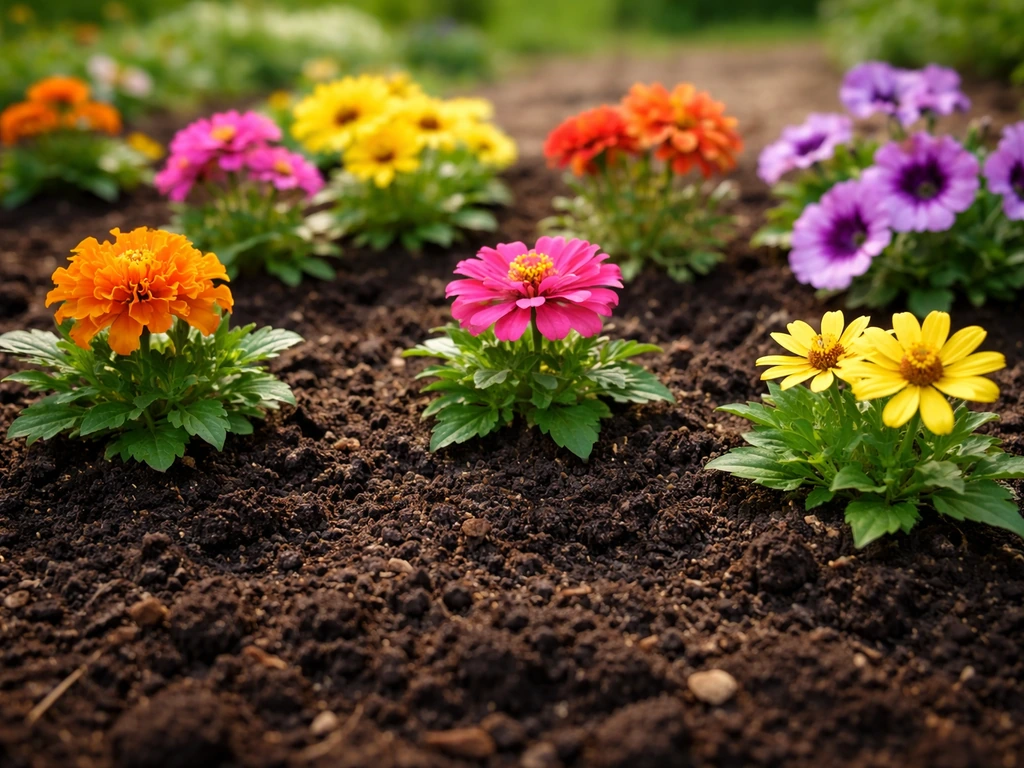
Does Compost Help Flowers Grow? How to Use It Right
Yes, compost boosts flower growth with nutrients, better soil, water retention, microbes. Learn how much and when to app
What Helps Flowers Grow Faster: Actionable Science Steps
Boost flower growth fast with science steps: light, deep watering, healthy roots, smart feeding, and pruning, safely.