The biggest levers for faster flower growth are light, consistent soil moisture, root-friendly soil, and the right fertilizer at the right time. Light, consistent moisture, healthy soil, and the right fertilizer are some of the biggest things that help flowers grow. Get those four things dialed in and most flowers will visibly respond within one to two weeks: new leaf nodes, faster bud set, more blooms. Talking to your plants or playing them music? That's not going to move the needle. What actually works is measurable and repeatable, and you can start most of it today.
What Helps Flowers Grow Faster: Actionable Science Steps
Marcus Holloway
30 May 2026
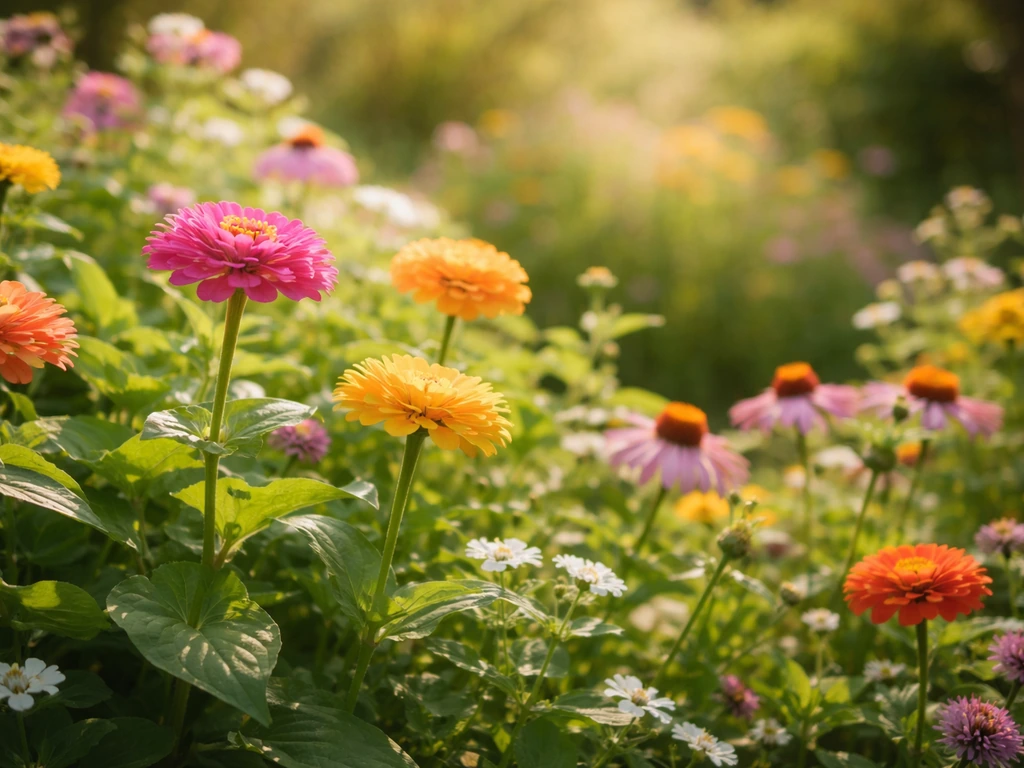
Quick reality check: what "faster" really means for flowers
"Faster growth" means different things depending on the flower and where it is in its life cycle. A seedling needs to build roots and vegetative mass before it can think about blooming. An established plant in its flowering phase needs energy redirected toward bud production, not more leaves. Treating both situations the same way is one of the most common mistakes gardeners make.
Timing is also baked into plant biology in ways no fertilizer can override. Many perennials require a cold period (vernalization) before they'll flower at all, so if yours hasn't bloomed yet, the answer might be patience, not more feeding. Day length matters too: Penn State Extension research shows that seedlings started in mid-to-late summer, when days are already shortening, can flower much faster than spring-sown plants because they spend less time in vegetative mode. Cool-season flowers like pansies have a sweet spot around 40°F nights and 60°F days, according to Utah State University Extension. Push them outside that window and growth slows regardless of what else you do.
So when you're asking how to speed things up, the honest first question is: which stage is your plant in, and are the baseline conditions (temperature, light, season) actually allowing faster growth right now? Once you've answered that, the steps below will genuinely help.
Light and placement changes that speed up growth
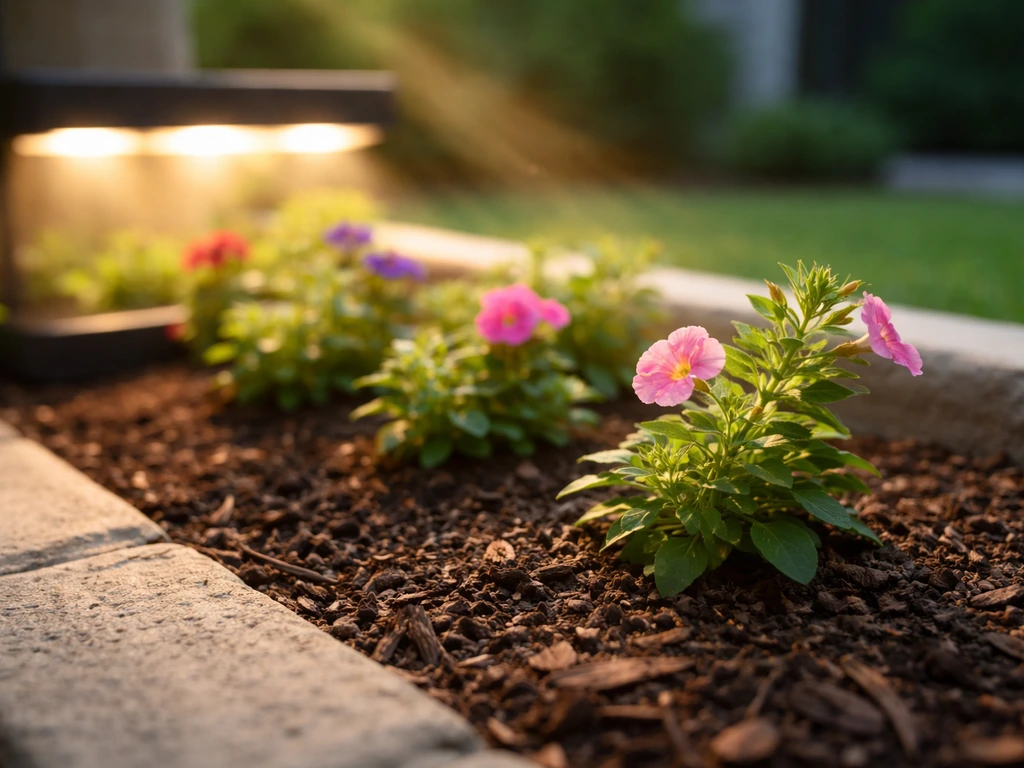
Light is probably the single fastest fix available to most gardeners. Clemson Extension recommends that most annuals get at least 4 to 6 hours of full sun daily for good flowering. If your plants are getting less than that, moving them to a sunnier spot is the highest-return action you can take today. Even shifting a container a few feet can make a real difference.
If you're growing indoors or supplementing natural light, spectrum and intensity both matter. Red wavelengths in the 600 to 700 nm range promote vegetative growth and can influence flowering in long-day plants, while far-red light works alongside red to push elongation and bloom initiation. MSU Extension research points out that at very low light intensities, blue and green wavelengths become largely ineffective at regulating flowering, so a dim grow light isn't just less useful, it can actually fail to trigger the responses you're after. Oklahoma State University Extension notes that light intensity and growing area together determine how many LED watts you need, so don't guess: check the manufacturer's PPFD (photosynthetic photon flux density) specs for your canopy area.
For day-length manipulation, adding a red-rich LED lamp in the evening to extend photoperiod can encourage long-day plants to flower sooner under naturally short-day conditions. This is a legitimate tool, not folklore. Just make sure you know whether your flower is a long-day, short-day, or day-neutral plant before you try it, because the same intervention that speeds one type can delay another.
Watering correctly (frequency, depth, moisture targets)
Inconsistent watering is one of the quietest growth killers in the garden. Plants under water stress slow everything down: cell expansion stops, nutrient uptake drops, and energy gets diverted to survival rather than growth. Oklahoma State University Extension describes the danger zone as depletion past field capacity in the root zone, which is the point at which available water starts running low enough to cause stress. You want to keep the root zone moist but not saturated, consistently.
For container plants, Illinois Extension recommends checking soil moisture by feel rather than guessing by schedule. Push your finger about an inch into the soil. If it feels dry at that depth, it's time to water. If it still feels moist, wait. This simple check accounts for variables like pot size, weather, and soil mix that no fixed schedule can capture. Oregon State University Extension adds that sandy or loose mixes drain and dry out faster than denser soils, so containers filled with a lighter mix may need water more often than you'd expect.
When you do water, water deeply. A shallow sprinkle encourages roots to stay near the surface where they're vulnerable to heat and drying. Deep watering pushes roots downward into more stable, moist soil. Utah State University Extension uses percentage of available water depletion as a scheduling target for drip irrigation, and while most home gardeners don't measure this precisely, the principle is practical: water thoroughly, let the top portion of the soil dry slightly, then water thoroughly again.
Soil and potting mix improvements for faster root growth
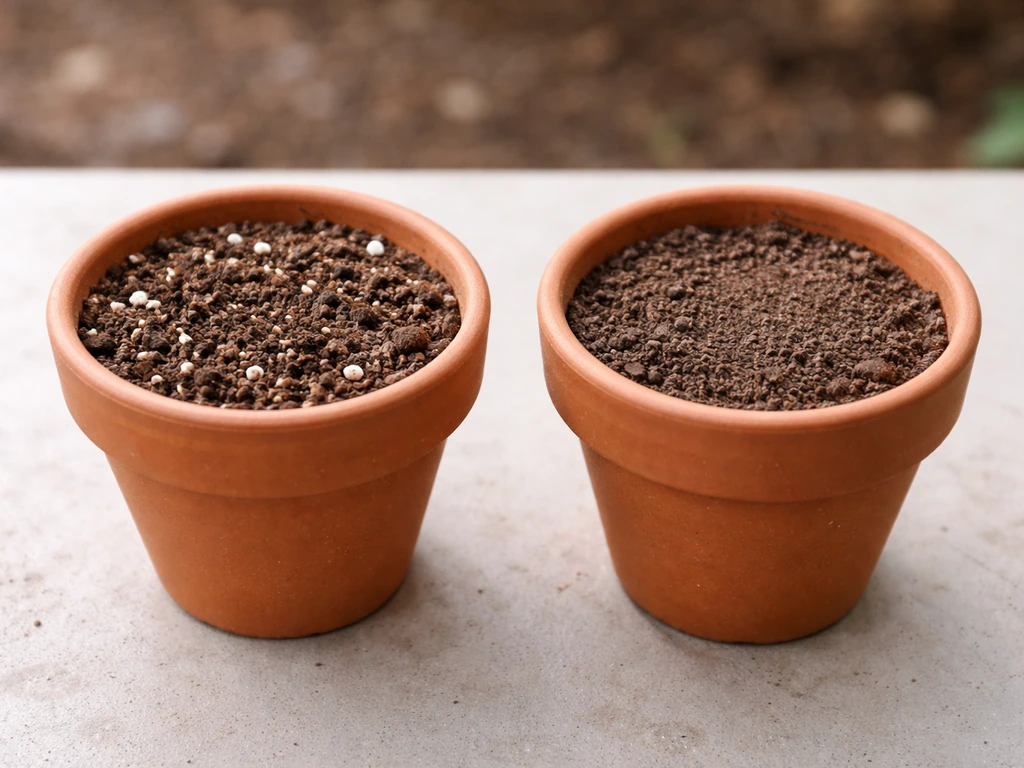
Roots drive everything above ground. A flower growing in compacted, poorly draining, or nutrient-locked soil is fighting the conditions instead of growing. Two of the most important variables you can control are soil structure and pH.
For most annuals and perennials, the target soil pH is roughly 6.0 to 7.0, according to Cornell Cooperative Extension. At that range, the major nutrients (nitrogen, phosphorus, potassium, and micronutrients) are all available to plant roots. Let pH drift above or below that window and nutrients get chemically locked up, meaning you can fertilize all you want and still see deficiency symptoms. If you haven't tested your soil, do it before adding any amendments. Oregon State University Extension provides pH targets for acid-loving ornamentals like azaleas and rhododendrons that sit well outside the standard range, so the right target depends on what you're growing.
Adding compost to your soil improves structure, water retention, and microbial activity, all of which support root exploration and expansion. Oregon State University Extension recommends incorporating compost before planting for the best establishment results. That said, compost is not a fertilizer replacement. University of Georgia research found it takes about 70 pounds of compost to deliver the equivalent nutrients of just 10 pounds of a balanced 10-10-10 fertilizer. Use compost to build your soil, and use fertilizer to feed your plants.
For containers, choose a potting mix designed for good drainage and aeration. Roots need oxygen as much as they need water. A mix that stays soggy compresses root growth and invites root rot, which will stop your plant cold.
Feeding and nutrients: what to use and when (N-P-K, compost, bloom boosters)
Nitrogen (N) drives leafy, vegetative growth. Phosphorus (P) supports root development and flowering. Potassium (K) contributes to overall plant health and stress tolerance. The ratio you want shifts depending on whether your plant is in vegetative or blooming mode.
For plants building size and structure before flowering, a balanced fertilizer (equal or near-equal N-P-K numbers) is appropriate. Once the plant is approaching bloom stage or you want to push it into flowering, shift toward a higher-phosphorus formula, often called a bloom booster. UConn Soil Testing Lab guidance recommends split fertilizer applications for flowering plants, with a mid-season follow-up at specified phosphate and potash rates, rather than a single heavy dose. Splitting applications reduces waste and avoids the salt burn that can occur when synthetic fertilizer concentrations spike around roots.
Timing the end of fertilizing matters as much as timing the start. Illinois Extension cautions that roses shouldn't be fertilized after around August 15, because late-season nitrogen pushes soft new growth that winter cold can easily damage. The same logic applies broadly: feeding for fast growth in the wrong season can actually set a plant back.
Compost contributes slow-release nutrients and biological activity that support long-term soil health and consistent nutrient availability. It's genuinely useful, and if you're curious about whether compost alone can help your flowers bloom better, the honest answer is that it helps the soil in ways that support flowering, but it's unlikely to be a fast-acting bloom trigger on its own.
Temperature, airflow, and seasonal timing to avoid slowing growth
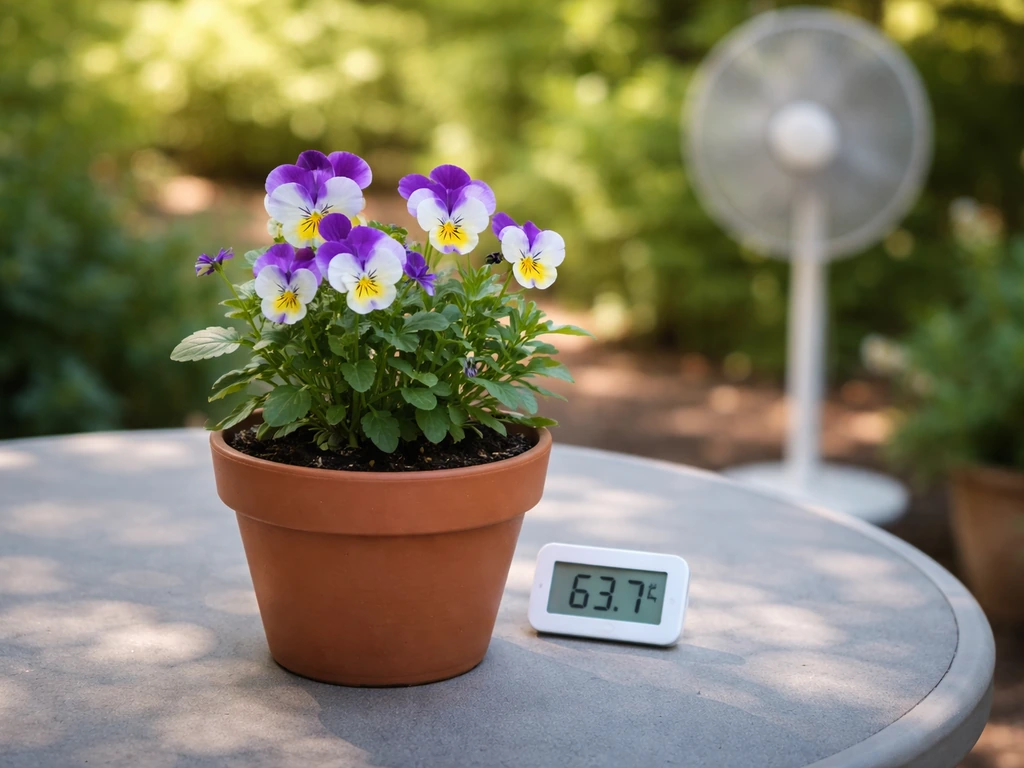
Temperature controls the speed of nearly every biological process in a plant. University of New Hampshire Extension illustrates this with seed germination: tomato seeds germinate between about 50°F and 95°F, with the sweet spot around 80°F. Stray far from optimal temperatures and development slows or stalls. This isn't unique to tomatoes. Every flower species has a temperature window where it grows most efficiently, and growing outside that window is a hidden drag on growth speed.
For cool-season flowers, pushing them into summer heat isn't just uncomfortable, it actively stops growth and can trigger dormancy or death. For warm-season tropicals, a cold snap at planting time delays establishment significantly. Matching your planting timing to your flower's preferred temperature range is one of the most impactful things you can do to ensure fast, healthy growth.
Airflow is frequently overlooked but genuinely important. UConn IPM Extension notes that high moisture and still air favor fungal pathogens like Botrytis and powdery mildew, both of which can devastate flower growth before you even notice them. Good airflow around leaves and stems reduces leaf wetness duration and humidity at the canopy level, cutting disease pressure without any chemicals. Space plants appropriately, avoid overhead watering late in the day, and if you're growing indoors or in a greenhouse, use a small fan to keep air moving.
Pruning, deadheading, and plant training to redirect energy
Plants allocate energy. Once a flower is pollinated and begins setting seed, the plant's priority shifts from making more flowers to developing that seed. Bees can also support vegetable growth by helping flowers get pollinated and improving fruit set Bees help vegetables grow. Butterflies also help plants by pollinating their flowers, which supports fruit and seed production. Deadheading, removing spent blooms before seeds form, breaks that cycle and tells the plant to keep producing flowers. Kansas State University Extension confirms that deadheading can help plants bloom more profusely and extend the blooming season by triggering another burst of flower production.
Mississippi State University Extension's guidance on petunias is a perfect practical example: removing wilted and dead blooms consistently keeps the plants flowering for several months longer than if you leave them alone. The key detail is removing the bloom below the seed structure at the base of the flower head, not just pinching off the petals. Get the whole spent flower, including the small green base where the seed would develop.
For woody flowering shrubs like rhododendrons, Missouri Extension recommends removing spent flower clusters after bloom finishes, which redirects the plant's resources away from seed production and toward setting next year's flower buds. The principle is the same: energy you let go into seeds is energy not going into new growth and blooms.
Pinching growing tips on young plants encourages branching, which means more stems and ultimately more flowers. Training sprawling plants onto supports keeps stems upright and well-lit rather than shaded by each other, improving light exposure across the whole plant. Neither of these is complicated, but both have a direct, measurable effect on how many flowers you get and how quickly the plant fills in.
Fast-start checklist for today (and how to measure progress)

Here's what you can actually do right now, in priority order. Work through the list and then give yourself a two-week window to observe results before layering in anything else.
- Check your light exposure. Count the actual hours of direct sun your plants are getting. If it's under 4 to 6 hours for sun-loving annuals, move containers to a better spot or clear overhanging branches. This is free and immediate.
- Do the finger test on your soil moisture. If soil is dry an inch down in a container, water deeply until water drains from the bottom. If it's still moist, leave it alone.
- Test your soil pH if you haven't in the past two years. Kits are inexpensive and results take minutes. Adjust if you're outside the 6.0 to 7.0 range for most annuals and perennials, or check the specific target for acid-loving plants.
- Apply a balanced or bloom-booster fertilizer appropriate to your plant's current growth stage, following label rates. If you're past mid-summer for cold-sensitive plants like roses, skip this step until next season.
- Deadhead every spent flower on your blooming plants today, removing the entire spent flower head including its base. Do this every few days going forward.
- Check plant spacing and airflow. If plants are crowded, thin them or move containers apart. If growing indoors, run a fan on low.
- Note your baseline today: count new leaf nodes on a stem, measure plant height, or mark when the first new bud appears. Take a photo with your phone.
To measure progress, check for new leaf nodes or bud sites every 7 days. A healthy, well-supported plant in active vegetative growth should show new nodes within a week of improved conditions. Bud set time (the days between appearance of a bud and it opening into a full flower) is another useful metric because it shortens when plants are well-fed and in good light. If after two weeks you're seeing no new growth at all, go back to the checklist and look at what you haven't addressed yet, most likely soil pH, watering consistency, or light.
One last thing worth saying directly: there's no magic shortcut. For ericaceous plants like azaleas and rhododendrons, Missouri Extension also stresses that pH matters, so if you don't know your soil pH, test it before fertilizing with general mixes that may be inappropriate [One last thing worth saying directly: there's no magic shortcut. ](https://extension. missouri.
edu/publications/g6825). Honey, for example, is sometimes suggested as a growth aid, but its effect on flowering is not supported by the same evidence base as light, water, and nutrients. Bees can also help plants grow by improving pollination, which supports fruit and seed development and can boost future flowering. The factors covered here are the ones with real, documented impact on how fast your flowers grow.
Bees also play an important role in fruit production by pollinating blossoms so fruit can set how do bees help fruit grow. Nail the basics, and you won't need to hunt for secret tricks.
FAQ
If my flowers are not growing fast, should I increase fertilizer first?
Start by confirming the light and temperature your specific flower needs right now. If it is missing light (for example, under 4 to 6 hours of sun for many annuals), fertilizer will not “make up” for that. Also check whether the plant is in a stage that should be building roots or vegetative growth, since pushing late nitrogen can speed soft growth but delay bud set.
What should I do if I fertilize but growth is still slow?
Use a soil test to rule out pH mismatch before you add amendments. Even with regular feeding, nutrient lock can keep growth slow if pH is outside the target range (about 6.0 to 7.0 for many plants). Once pH is corrected, then fertilize using the right N-P-K balance for the plant’s current stage.
How often should I water to make flowers grow faster?
Don’t assume “watering once a day” works. Containers dry at different rates based on pot size, drainage holes, and the specific mix, so check moisture at about 1 inch deep and water only when that zone feels dry. In hot or windy weather, you may need to water more frequently, even if you keep the same schedule all season.
Is shallow watering better than deep watering for faster blooms?
For faster results, water deeply so the whole root zone gets moisture, then let the top portion dry slightly before watering again. If you only wet the surface, roots stay shallow and growth can stall during heat or drying cycles.
Can grow lights really make flowers bloom faster, and when will they backfire?
Yes, but only if the plant type matches the photoperiod. Long-day plants may respond to evening red-rich light that extends day length, while short-day plants can be delayed or confused by the same treatment. If you cannot identify whether it is long-day, short-day, or day-neutral, focus first on natural light duration and temperature.
How do I know if my LED grow light is strong enough to help flowering?
Check your grow light output using PPFD for your canopy area. A light can look bright but be too weak at plant level, and very low intensity may not trigger the flowering response you are trying to influence. Also keep the light at the distance recommended by the manufacturer to avoid intensity drift as plants grow.
What temperature mistakes slow flower growth the most?
Match the plant to its temperature window, then avoid stress spikes. For cool-season flowers, letting them sit in summer heat can stop growth or push them into dormancy, which no fertilizer schedule can fix. For warm-season plants, a cold snap at establishment can slow rooting, so use timing or protection (like row covers) when needed.
My plants look “nutrient deficient” but they are watered, what else could be wrong?
Look for disease conditions, not just nutrient symptoms. If plants are staying wet with still air, fungal issues like powdery mildew or Botrytis can reduce flowering before you notice major leaf damage. Improve airflow, avoid overhead watering late in the day, and space plants so humidity does not linger at the canopy.
How do I deadhead correctly so it actually increases blooms?
Deadhead to the correct point. For many annuals, remove the entire spent flower including the small green base where the seed structure would form, not just the petals. This interrupts seed formation so the plant redirects energy back into new blooms.
When is the best time to prune dead blooms on shrubs?
Timing depends on whether the plant blooms on current-season growth or woody structures. For woody flowering shrubs, spent clusters are often removed after the main bloom period to redirect energy into next year’s bud development. If you deadhead at the wrong time for your shrub type, you can remove the parts that will flower later.
Should I use one big fertilizer dose or split it up?
Split applications reduce salt concentration around roots and lower the risk of burn. Instead of one heavy dose, apply fertilizer in smaller intervals based on the plant’s flowering timeline, and avoid late-season nitrogen that can promote tender growth vulnerable to winter damage.
Will compost alone make flowers bloom faster?
If you are chasing faster growth, add compost for soil structure and microbes, but do not expect it to act like a fast fertilizer. Compost is best as a buildup tool before planting, then use a targeted fertilizer program to provide nutrients during active growth and bloom initiation.
After two weeks of following the basics, nothing improved. What should I troubleshoot first?
If there is zero new leaf growth or bud initiation after two weeks of improved basics, treat it as a diagnostic problem. Re-check the biggest three constraints first: light level, watering consistency (avoid both drought stress and saturation), and soil pH. Then review whether the plant is in the wrong life stage or outside its temperature window.
Next Articles
Does Honey Help Plants Grow? What Works and What Doesn’t
Find out if honey boosts plant growth, when to try it, and the risks, plus better evidence-based alternatives.
How Do Butterflies Help Plants Grow: A Practical Guide
Discover how butterflies aid plant growth via pollination, host plants, and habitat setup plus a step-by-step plan.
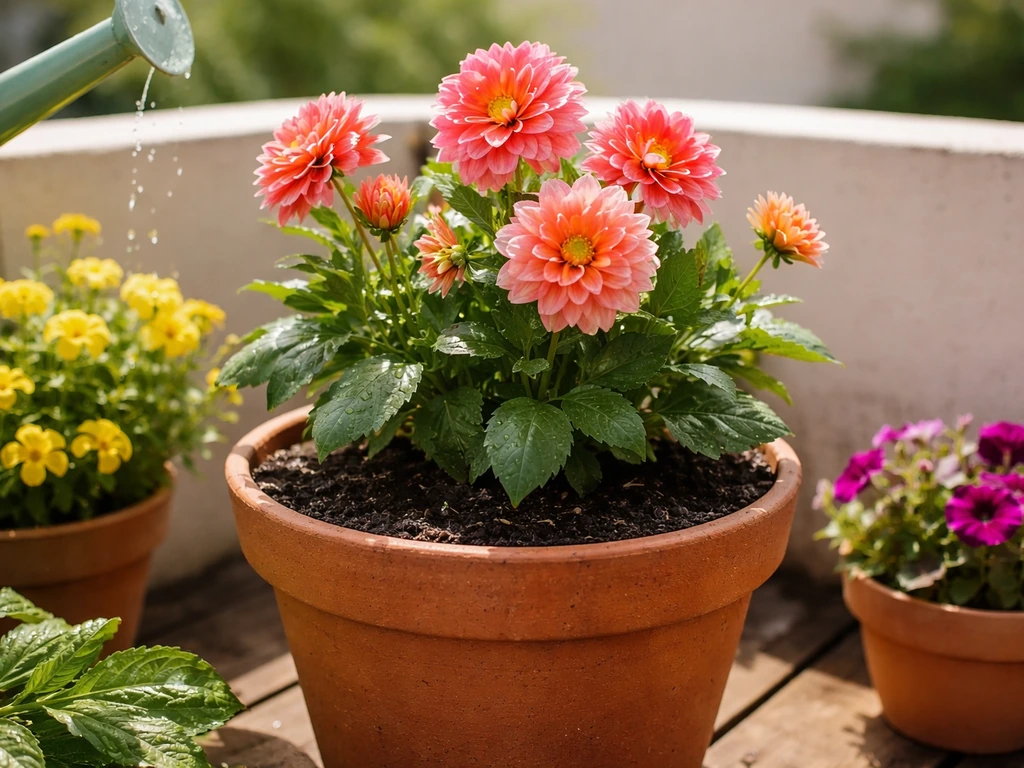
What Helps Flowers Grow: Light, Water, Soil, Fertilizer Tips
Boost flower growth with the right light, watering, drainage soil, fertilizer timing, and quick fixes for yellow leaves