Yes, compost genuinely helps flowers grow, and the science behind it is solid. It won't replace sunlight or proper watering, but added to soil before planting, compost improves the growing conditions in ways that directly translate into stronger plants and more blooms. The catch is that it works as a soil conditioner first and a fertilizer second, so how and when you apply it matters a lot. Bees can also support vegetable growth by helping flowers set fruit through pollination.
Does Compost Help Flowers Grow? How to Use It Right
Marcus Holloway
6 Jun 2026
What compost actually does for your soil
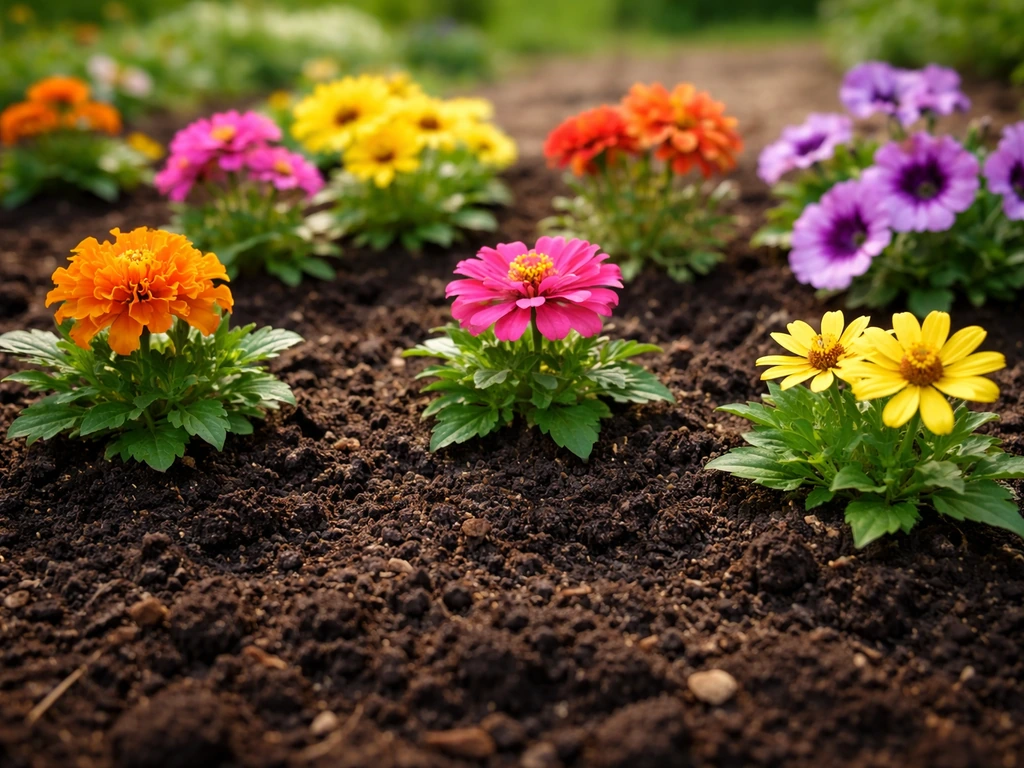
Compost's real power isn't in raw nutrient numbers. Extension services at Oregon State and Colorado State both point out that compost has relatively low fertilizer value compared with synthetic options. What it excels at is changing the physical and biological environment around your flower roots, and that's where the lasting benefit comes from.
Soil structure and aeration
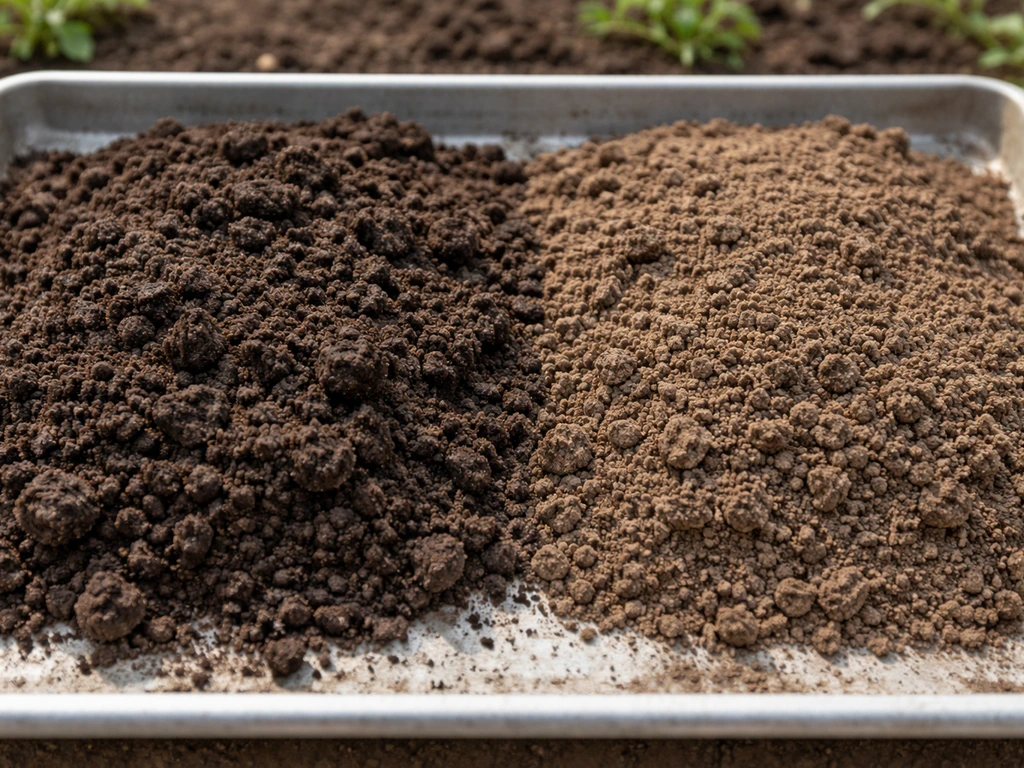
A review of 25 studies found that compost incorporation consistently reduced soil bulk density and improved water infiltration compared with unamended soil. In practical terms, that means roots can push through the soil more easily and oxygen reaches them more reliably. A global meta-analysis also identified compost as one of the most effective organic materials for increasing soil aggregation, which is the clumping of soil particles into stable crumbs. Good aggregation is what gives healthy garden soil that loose, spongy texture that flower roots love.
Water retention
The same research that showed improved infiltration also showed higher plant-available water in composted soils. Compost acts like a sponge: it holds moisture long enough for roots to absorb it, but because soil structure also improves, it doesn't turn waterlogged. For flowers, this buffer between drought stress and soggy roots is one of the most practical benefits you'll notice during dry spells. Butterflies and other pollinators benefit when flowers stay healthier, because well-watered plants produce more blooms for them to visit This buffer between drought stress and soggy roots.
Nutrients and microbial activity
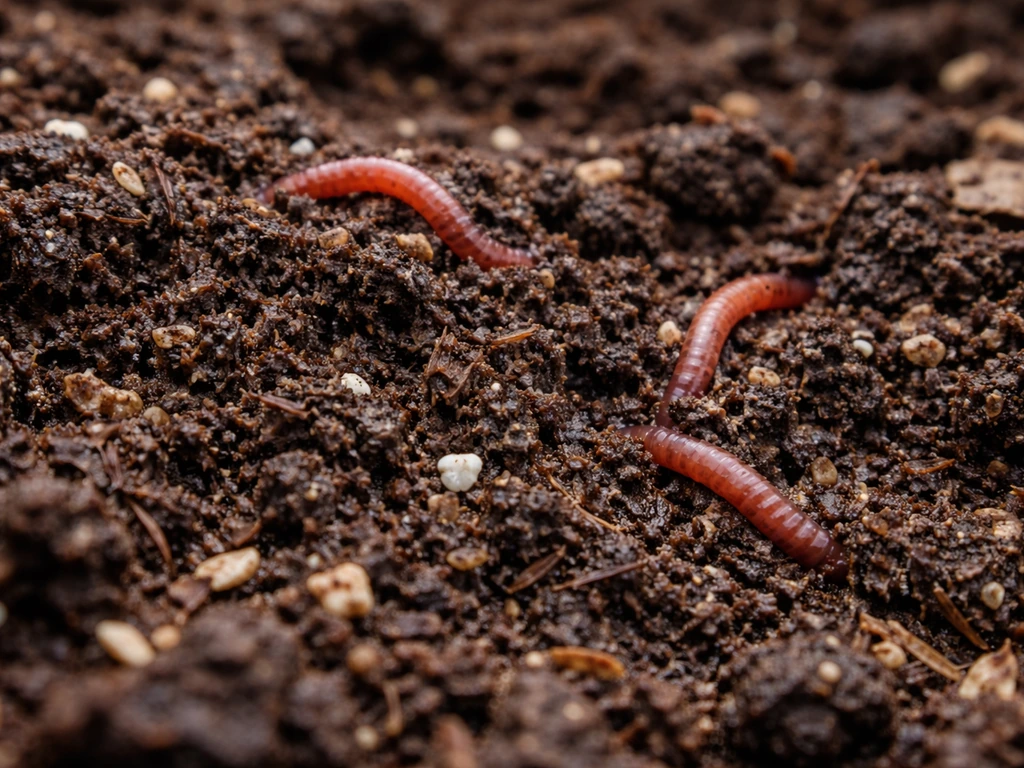
Compost releases nitrogen, phosphorus, potassium, and a range of micronutrients slowly as microbes break it down. Colorado State Extension notes that at moderate application rates, this mineralization can supply enough nitrogen for many plants without additional fertilizer, though that depends on your soil and what you're growing. Beyond the nutrients themselves, compost introduces and feeds beneficial soil microbes. Microbial activity helps aggregate soil particles, unlock nutrients, and protect roots from some pathogens. That biological layer is something no synthetic fertilizer provides.
Real flowering results
Controlled trials back this up for ornamental flowers specifically. A study on snapdragons found that compost amendments affected flowering parameters including days to first flower bud and the number of inflorescences per plant. blank" rel="noopener noreferrer">A zinnia study measured improvements in growth, flowering attributes, and vase life across varieties. These aren't just soil health numbers; they're measurable bloom outcomes, which is exactly what flower gardeners care about.
How to apply compost to flower beds
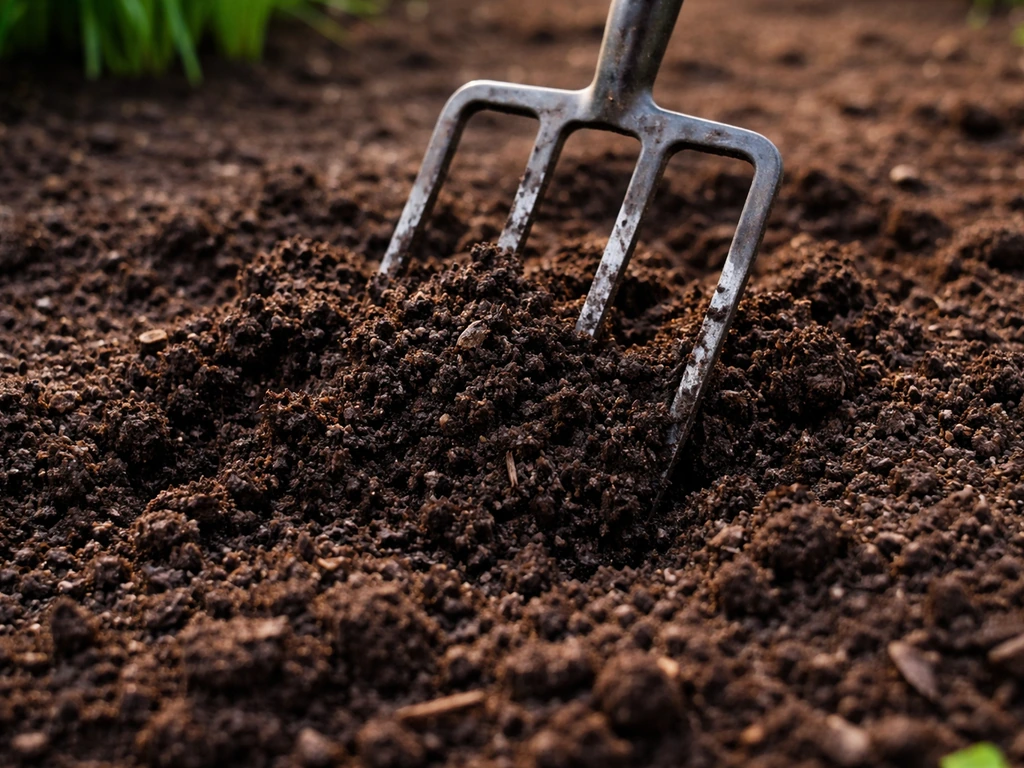
The method and timing matter as much as the compost itself. Here's a practical breakdown for the most common garden setups.
Timing: before planting beats everything else
Both OSU and University of Missouri Extension recommend adding compost before installing plants, not as a late-season rescue. Spring or fall soil prep is the ideal window. If you're putting in annuals this spring, work compost into the bed a week or two before planting. For perennials, fall incorporation gives soil microbes time to start breaking it down before plants go in. Compost improves the medium your plants grow in; it can't undo a whole season of poor conditions after the fact.
How much to use
Colorado State Extension's routine guidance for established annual flower gardens is to incorporate about a quarter-inch of compost per year, worked into the top 6 to 8 inches of soil. For new beds or beds you're building up over the first few years, you can go deeper and use more, but Penn State Extension specifically warns against over-application, particularly to avoid excess phosphorus accumulating in soil over time. A practical volume to keep in mind from WSU Extension: a 1-inch layer of compost over 100 square feet requires about 8 cubic feet of compost. OSU Extension also suggests 1 to 2 inches as a topdressing or mulch rate when you're not incorporating.
Application methods by garden type
| Garden Type | Best Method | Depth/Rate | Notes |
|---|---|---|---|
| In-ground beds | Till or fork into soil before planting | 6–8 inches deep, ~0.25 inch compost/year routine rate | Best done in fall or early spring |
| Raised beds | Mix into bed when building; top-dress annually | Full incorporation at setup; 0.5–1 inch top-dress each season | Raised beds lose organic matter faster, so refresh annually |
| Containers | Blend into potting mix at 20–30% by volume | Do not use compost alone; mix with perlite or coir | Pure compost in pots can compact and hold too much moisture |
| Established beds (topdressing) | Spread around plants without digging in | 1–2 inch layer around base, keep away from stems | Worms and rain incorporate it over time; doubles as mulch |
Flowers that benefit most, and when to be cautious
Heavy-feeding annuals like zinnias, marigolds, petunias, and snapdragons respond visibly to compost-improved soil. These plants push out lots of foliage and blooms through a single season and need steady nutrient and water access to do it. Roses and dahlias, which have significant nutrient demands, also respond well when compost is worked into beds before planting.
Native wildflowers and plants adapted to lean soils are a different story. Lavender, echinacea, and many Mediterranean species actually prefer low-fertility, well-drained soil. Heavy compost additions can make these plants push excess leafy growth at the expense of flowers, or cause root rot in drainage-sensitive species. If you're growing a mix of high-demand and low-demand flowers, use compost conservatively and pay attention to each plant's natural habitat preferences.
Compost also won't fix fundamental problems. If your flower bed gets fewer than four to six hours of sunlight, even perfect soil won't produce strong blooms, since photosynthesis drives flowering. Bees help fruit grow by improving pollination, which allows blossoms to set fruit. Bees and other pollinators help many flowering plants by moving pollen between blossoms, which supports fruit and seed production and improves the chance of repeat blooms pollinators help flowering plants. Similarly, if watering is wildly inconsistent or soil is severely compacted or alkaline, compost alone can't compensate. It improves conditions; it doesn't override them. Honey can help a plant only indirectly, if it supports beneficial microbes or provides tiny amounts of sugars, but it is not a reliable replacement for compost, proper nutrients, or sunlight. Think of it as part of a complete picture alongside light, water, and appropriate plant selection, all of which are covered in what helps flowers grow more broadly.
How to tell if your compost is working
Signs things are going right
- Soil in the bed feels noticeably looser and darker than before you amended it
- Water soaks in rather than pooling or running off
- Earthworm activity increases over a season or two
- Plants show steady, vigorous growth from early in the season
- Flowers appear on schedule or earlier than previous years without extra fertilizer
- Leaves are deep green without yellowing between veins (a common nitrogen deficiency sign)
When something still seems off
If growth is slow or blooms aren't coming despite good light and watering, get a soil test. Most state extension labs will test for pH, nitrogen, phosphorus, and potassium for under twenty dollars. It's the fastest way to find out whether compost has moved your soil in the right direction or whether you're dealing with a specific nutrient gap or pH problem compost alone can't solve. Yellowing older leaves often signals nitrogen deficiency; yellowing new leaves with green veins points to iron or manganese issues, often caused by high pH. Neither is fixed by more compost if the underlying problem isn't addressed.
If blooms are absent but plants look healthy and leafy, excessive nitrogen may be the culprit, whether from over-application of compost or from combining compost with a high-nitrogen fertilizer. Dialing back nitrogen and ensuring phosphorus levels are adequate (which a soil test will confirm) usually redirects the plant's energy toward flowering.
Common composting mistakes and myths worth ignoring
More is always better
This is the most common mistake in the garden. Penn State Extension's guidance on compost application specifically pushes back on this, because adding far more compost than plants can use builds up excess phosphorus in soil over time. Phosphorus doesn't leach away easily, so it accumulates and can eventually lock out other nutrients or contribute to runoff problems. Stick to the extension-recommended rates and let the soil guide you through testing rather than instinct.
Using raw or unfinished compost
Unfinished compost is genuinely harmful to plants. It's still decomposing, which means it competes with plant roots for nitrogen as microbes break down carbon-rich material. It may also contain pathogens. The EPA and US Composting Council both specify that proper compost must reach and hold temperatures above 55 degrees Celsius for enough time to destroy pathogens. Finished compost smells earthy, not sour or ammonia-like, and has a dark, uniform texture with no recognizable original materials. If it still smells or looks like a pile of yard clippings, it's not ready.
Composting weeds or diseased plants
Backyard compost piles rarely reach the sustained temperatures needed to kill weed seeds or plant disease pathogens reliably. Home piles heat up in the center but not the outer edges, so seeds and pathogens on the outside survive. Adding weeds that have gone to seed or plants with fungal disease to your pile is a fast way to spread both problems into your flower beds when you apply that compost. Keep those materials out of the pile.
Compost tea as a magic fix
Compost tea, made by steeping compost in aerated water, gets a lot of enthusiasm in gardening circles. WSU Extension reviewed the evidence and concluded that compost tea outcomes vary and are not guaranteed, and NC State frames it with similar caution. The theory is sound (you're trying to deliver soluble nutrients and microbes directly to roots or foliage), but results in practice are inconsistent. It's not harmful if made properly from finished compost and clean water, but don't rely on it as a substitute for solid soil preparation.
Compost replaces fertilizer completely
Compost is a slow, low-concentration nutrient source. For heavy-blooming annuals or flowers in their first season in a depleted bed, it may not provide nutrients fast enough to meet peak demand. OSU Extension is clear that compost functions best as a soil conditioner, not a primary fertilizer. A soil test will tell you whether your flowers need a targeted fertilizer boost in addition to compost, or whether compost alone will do the job.
Your next steps right now
If you haven't added compost to your flower beds yet this season, it's not too late for most of the growing season. For existing beds, spread 1 to 2 inches of finished compost around your plants as a topdress and let rain and earthworms work it in. For beds you're prepping for fall planting or next spring, fork or till 2 to 3 inches into the top 6 to 8 inches of soil now. Order a basic soil test if you haven't had one in three or more years; it costs less than a bag of fertilizer and tells you exactly what your soil needs. And if you're building a compost pile at home, take the time to get it to a finished state before you apply it. Patience there pays off directly in your flower beds.
FAQ
How can I tell if I should use compost as fertilizer too, or just as a soil amendment?
If you are seeing slow growth or pale color even after consistent watering, compost alone may be too slow. The best decision aid is a soil test, it checks nutrient levels and pH so you can tell whether you need a targeted fertilizer (for example a nitrogen boost) or you mainly need soil structure improvements.
Is more compost always better for flowers?
No. Over-application is a common mistake, especially because phosphorus can build up over time and become hard to reverse. Use extension-style rates (like about a quarter-inch per year for established beds) and increase only if your soil test shows it is appropriate.
Can I apply compost on top of established flowers instead of mixing it into the soil?
Yes, topdressing works best when you use finished compost and keep it shallow (often 1 to 2 inches). It may take longer to show results than incorporation, so plan for gradual improvement, and avoid burying the crown or stems.
What type of compost is safest to use around flower roots and seedlings?
Use fully finished compost. It should look dark and uniform and smell earthy. If it still looks like recognizable yard waste or smells sour or ammonia-like, it is not ready and can compete for nitrogen or introduce pathogens.
Does compost help with clay soil or compacted soil specifically?
It can. By improving soil aggregation and reducing bulk density, compost typically increases water infiltration and root penetration. For severe compaction, compost works best combined with loosening practices (like careful tilling or aeration), since you cannot fully fix a mechanically compacted bed with compost alone.
Will compost raise or lower soil pH, and could that affect flowering?
It depends on your starting material and your soil. Compost can shift pH slightly, but it is not a reliable pH correction tool. If your flowers show symptoms consistent with pH stress, use a soil test before adding more compost, because the wrong direction can worsen nutrient availability.
How long does compost take before I see more blooms?
Expect slow, cumulative changes. Incorporating compost before planting can improve conditions quickly over the season, but the biggest benefits, like improved structure and water holding, build over repeated applications. If you need fast flowering for heavy annuals, you may need an additional fertilizer plan based on a soil test.
Can compost reduce the need for watering for flowers?
Often, yes. Improved structure helps soil hold plant-available water, so the bed stays evenly moist longer and reduces drought stress. However, compost does not eliminate the need for irrigation, especially during heat waves or in sandy soils where drainage is very fast.
What if compost makes my flowers leafy but not blooming?
Excess nitrogen is a likely cause, either from too much compost or from combining compost with a high-nitrogen fertilizer. Confirm with a soil test if you can, then dial back nitrogen inputs and ensure phosphorus levels are adequate for your crop.
Is compost tea worth trying for flowering plants?
It can work in some situations, but results are inconsistent. If you try it, treat it as supplemental and not a replacement for proper soil preparation. Also, use clean water and finished compost, because poorly filtered or biologically risky batches can lead to problems.
If I have low light in my garden, can compost still help flowers grow?
Compost can improve root conditions, but it cannot overcome inadequate light for flowering. If you have fewer than about four to six hours of sun, focus on plant selection for shade and fix soil quality only as a supporting step, then adjust expectations for bloom.
What should I do if I already used unfinished compost?
Stop applying it and give the bed time to recover. Unfinished compost can temporarily tie up nitrogen as it continues decomposing, so watch for pale growth and consider a soil test before adding additional nutrients. In the worst cases, removing the problematic compost layer and replacing with finished compost can help.
How much compost should I use if I do not know my bed size?
Use a layer approach rather than guessing by weight. For example, a common guideline is about a 1-inch layer over 100 square feet, which corresponds to roughly 8 cubic feet of compost. Measure your bed area (length times width) and convert to volume using that rule of thumb.
Next Articles
What Helps Flowers Grow Faster: Actionable Science Steps
Boost flower growth fast with science steps: light, deep watering, healthy roots, smart feeding, and pruning, safely.
Does Honey Help Plants Grow? What Works and What Doesn’t
Find out if honey boosts plant growth, when to try it, and the risks, plus better evidence-based alternatives.
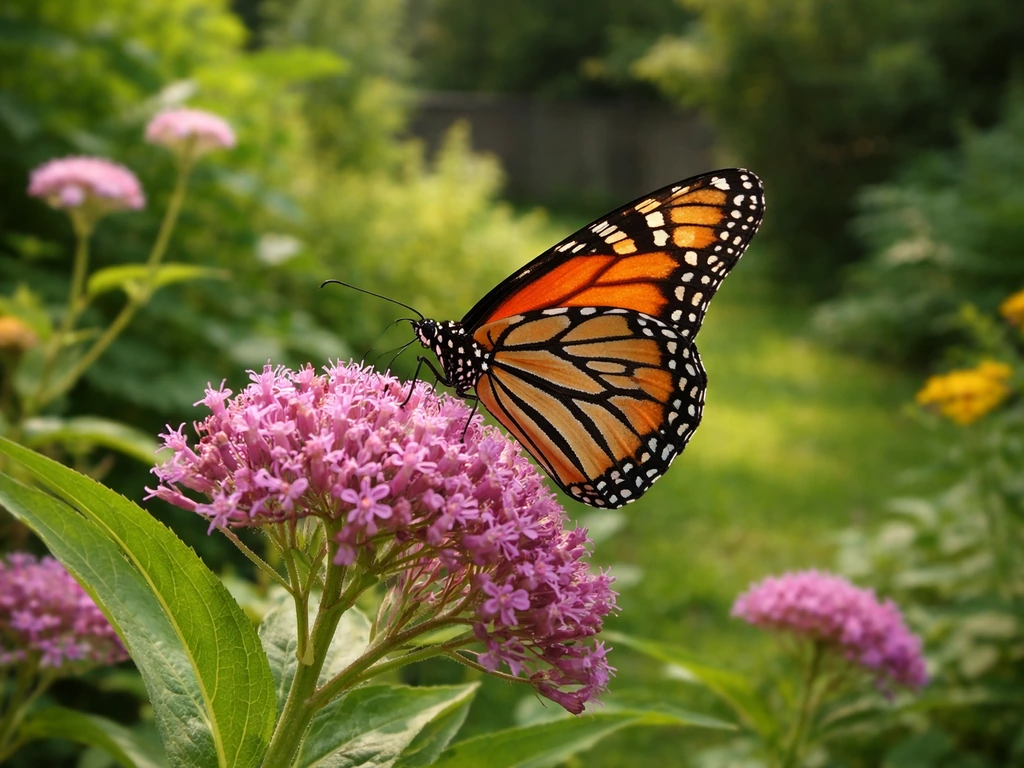
How Do Butterflies Help Plants Grow: A Practical Guide
Discover how butterflies aid plant growth via pollination, host plants, and habitat setup plus a step-by-step plan.