
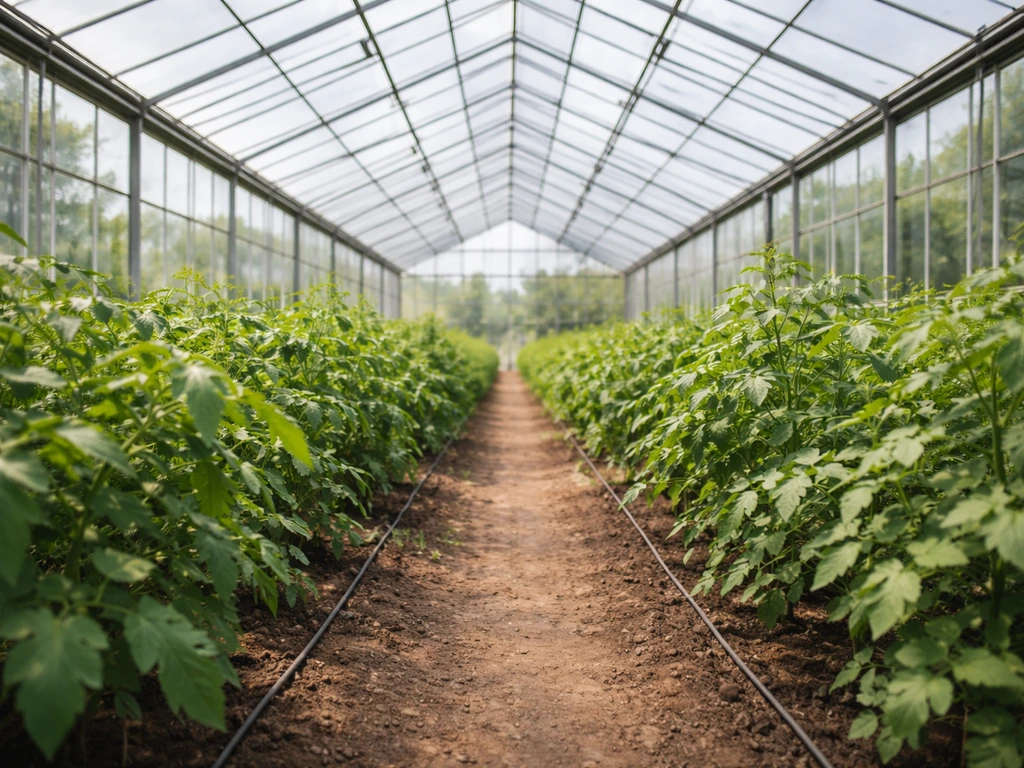
Yes, greenhouses genuinely can make plants grow faster, but not automatically. Understanding how greenhouses help plants grow also comes down to controlling temperature, light, humidity, and airflow inside the structure greenhouses genuinely can make plants grow faster. The speed-up happens when a greenhouse fixes the specific environmental factors that were limiting your plants outside: cold temperatures, wind stress, inconsistent warmth, or a short frost-free season. When those are the bottlenecks, a greenhouse can dramatically accelerate growth. But if your plants are already warm enough and are now being baked by trapped heat, shaded by condensation-fogged glazing, or sitting in stagnant humid air that invites fungal rot, a greenhouse will slow them down or kill them. The structure itself does nothing. The conditions inside are everything.
Do Greenhouses Make Plants Grow Faster? What to Adjust
How greenhouses can speed up growth (the science-backed reasons)
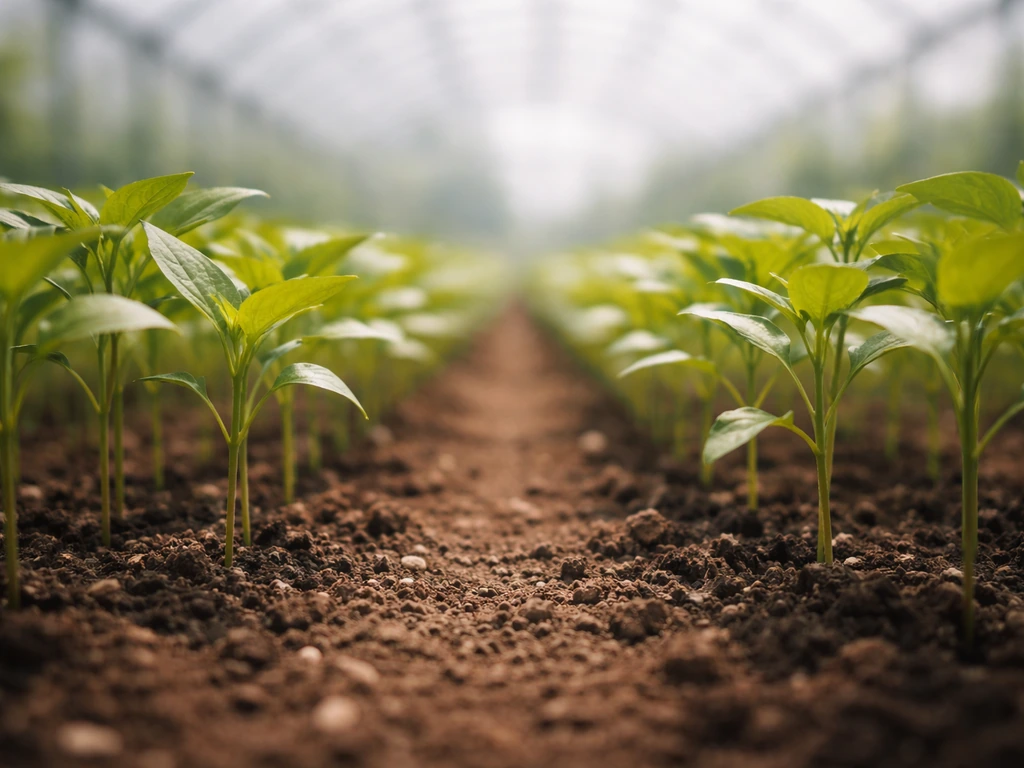
Plants grow faster when photosynthesis runs efficiently and cellular processes aren't being interrupted by stress. A greenhouse can support both of those goals in several concrete ways.
Temperature is the biggest lever. Most vegetables and flowering plants have a sweet spot for growth somewhere between 65°F and 85°F (18–29°C) depending on species. Outside that range, enzyme activity slows, nutrient uptake drops, and cell division decelerates. A greenhouse holds temperatures in that productive range for more hours per day and more months per year than your outdoor climate typically allows. That extra growing time compounds quickly: starting tomatoes six weeks earlier in a warm greenhouse versus waiting for frost-free outdoor conditions can mean full fruit production before outdoor plants have even set flowers.
Cold nights are a hidden growth suppressor even when days are warm. UC IPM research on chilling injury shows that temperatures above freezing but still cool enough to damage tropical and warm-season crops can impair growth depending on how cold the minimum temperature drops and how long it stays there. A greenhouse that keeps night temperatures at 55°F or above can prevent that subtle but persistent chilling stress, allowing consistent overnight growth instead of partial shutdown and recovery every morning.
Wind protection is underrated. Outside, wind increases transpiration, desiccates leaves, physically damages stems, and diverts energy from growth to structural repair. Inside a greenhouse, that mechanical and moisture stress is eliminated. Plants can direct more energy toward upward growth, root expansion, and reproduction.
CO2 concentration matters too. In a sealed or semi-sealed greenhouse, CO2 from soil respiration and decomposing organic matter can build up to slightly elevated levels, giving photosynthesis a small but real boost over outdoor ambient air, especially early in the morning before ventilation opens up.
When greenhouses DO make plants grow faster, and when they don't
A greenhouse accelerates growth most reliably in these situations: you're in a cold or short-season climate, you're growing warm-season crops outside their natural window, you want year-round production of crops that would otherwise go dormant, or you're starting seedlings weeks before outdoor conditions allow transplanting. In all of these cases, the greenhouse is solving a real temperature-based problem, and the plants respond with visibly faster development.
Growth does not automatically speed up in a greenhouse when the outdoor climate is already optimal for that plant, when the greenhouse lacks supplemental lighting in winter, when ventilation is poor and temperatures spike, or when humidity is high enough to promote disease. I've watched perfectly healthy tomato seedlings stall for three weeks inside a greenhouse in mid-July because interior temperatures were hitting 105°F every afternoon. The plants were technically alive but essentially paused. The outdoor plants I transplanted at the same time were growing faster in open air.
| Situation | Does the greenhouse speed up growth? | Why |
|---|---|---|
| Cold climate, cool-season crops | Yes, significantly | Extends season, prevents chilling injury |
| Warm-season crops in spring/fall | Yes | Maintains temps above cold-stress threshold |
| Mid-summer in hot climates | Often no, may slow growth | Overheating without adequate ventilation |
| Winter production without grow lights | Depends on latitude | Light becomes the limiting factor, not temperature |
| Tropical plants in temperate zones | Yes, year-round | Prevents cold damage that stops growth entirely |
| Already-optimal outdoor conditions | Minimal difference | No limiting factor is being removed |
Temperature, humidity, and ventilation settings that affect growth rate
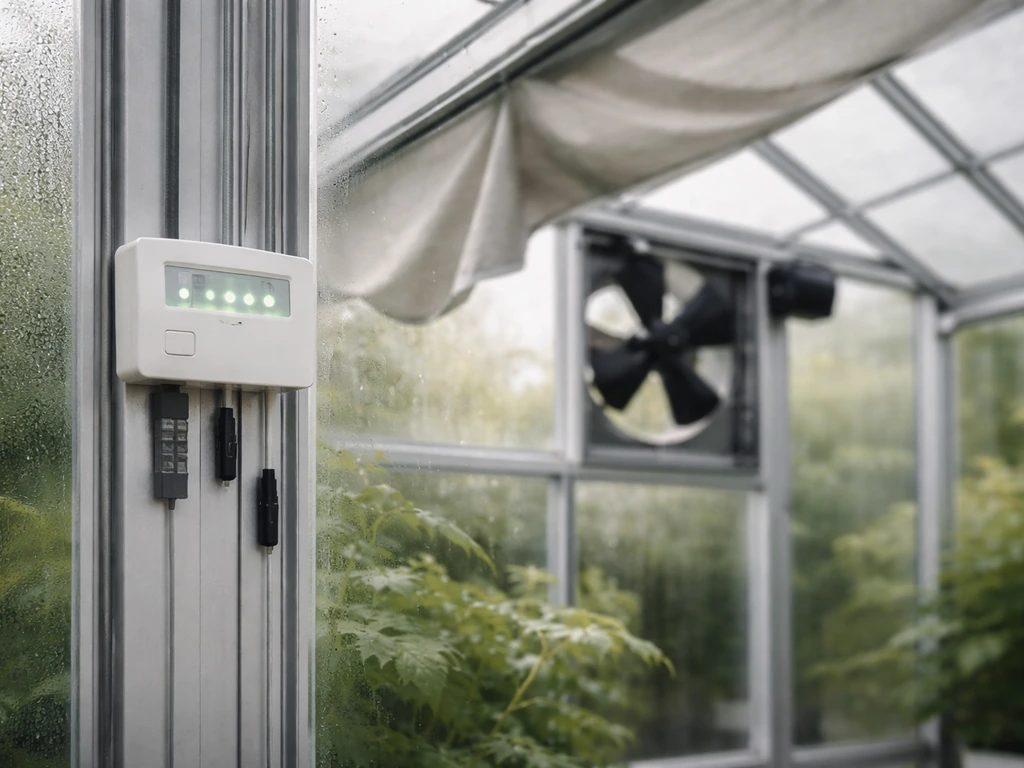
Getting these three variables right is the core of managing a productive greenhouse. Get any one of them wrong and growth stalls regardless of what the other two look like.
Temperature targets by plant type
| Plant Type | Ideal Daytime Temp | Ideal Night Temp | Growth-Slowing Threshold |
|---|---|---|---|
| Cool-season vegetables (lettuce, spinach, kale) | 55–70°F (13–21°C) | 45–55°F (7–13°C) | Above 80°F or below 40°F |
| Warm-season vegetables (tomatoes, peppers, cucumbers) | 70–85°F (21–29°C) | 60–70°F (16–21°C) | Above 95°F or below 55°F |
| Tropical plants (basil, eggplant, melons) | 75–90°F (24–32°C) | 65–75°F (18–24°C) | Below 60°F night temps |
| Herbs (general) | 65–80°F (18–27°C) | 55–65°F (13–18°C) | Above 90°F or below 45°F |
Humidity and ventilation
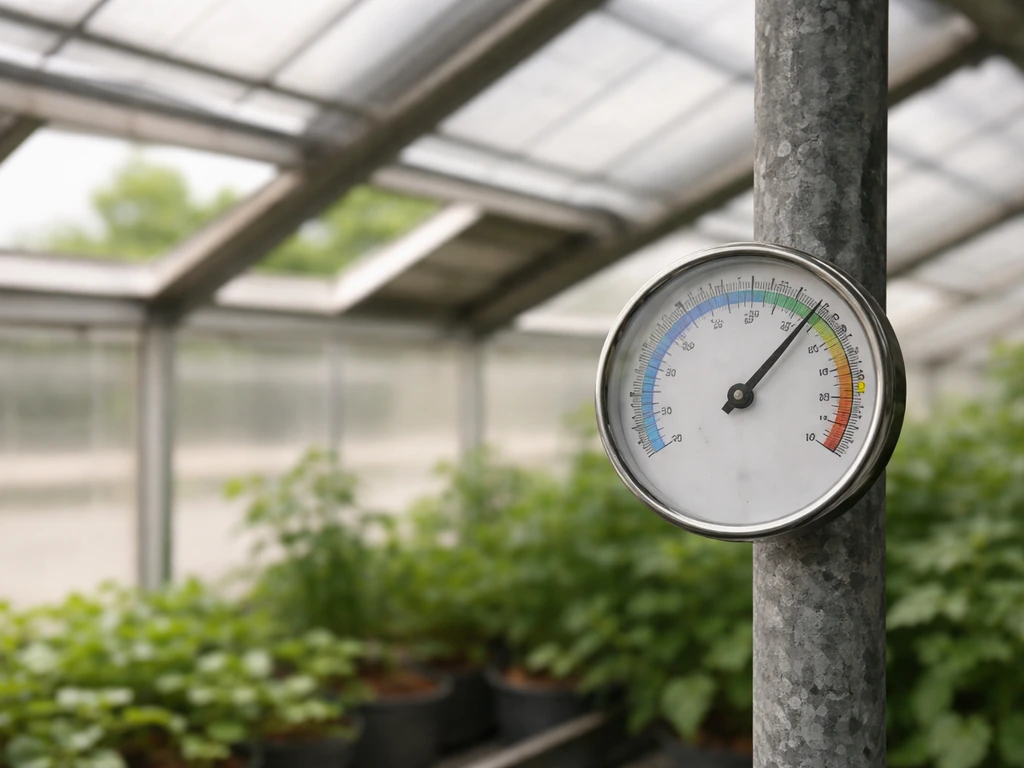
Relative humidity in the 50–70% range is a practical target for most greenhouse crops. Below 40% and plants transpire aggressively, potentially causing wilting and stress. Above 80% and you're creating conditions where moisture condenses on cooler leaf surfaces and glazing, exactly what the University of Alaska Fairbanks greenhouse management guide flags as a key driver of fungal pathogens. That condensation isn't just cosmetic: it's a direct growth penalty because plants fighting off gray mold or powdery mildew are not investing energy in new growth.
The UConn IPM research offers a useful humidity rule: for roughly every 20°F rise in air temperature, the air's capacity to hold water doubles and relative humidity drops by about half. This is why heating a cold, humid greenhouse in the morning drops the relative humidity quickly. You can use this relationship deliberately: slightly raising temperature through ventilation management helps dry the air without running a separate dehumidifier.
Ventilation is non-negotiable for growth. Stagnant air means humid air pooling around leaves, weak stems from lack of airflow resistance (which normally stimulates stem strength), and temperature stratification where plants at bench level sit in cool air while hot air collects at the ridge. The UMass greenhouse ventilation research makes an important point worth respecting: even a well-designed ventilation system can still leave interior temperatures 10–20°F above outdoor temperatures on extremely hot days. This means you need shade cloth as backup during heat waves, not just fans.
A practical ventilation benchmark: your total vent area (roof vents plus side vents) should equal roughly 15–20% of your floor area. Run a small horizontal airflow (HAF) fan continuously to keep air moving even when vents are closed. This alone reduces disease pressure noticeably and strengthens stems.
Light in a greenhouse: season, shading, and when to supplement
This is the variable most new greenhouse gardeners underestimate. Glass and polycarbonate glazing transmit roughly 70–90% of available light depending on age, cleanliness, and material. That reduction is manageable in summer but becomes a real constraint in winter when day length is already short. In northern latitudes above 40°N, winter light levels inside a greenhouse may only be 20–30% of what plants need for fast growth, even on clear days. Temperature is no longer the limiting factor at that point: light is. Keeping the greenhouse warm doesn't help if photosynthesis is running at a fraction of capacity.
In summer, the problem reverses. Direct summer sun through glazing can push leaf surface temperatures well above damaging thresholds, and bright sunlight combined with poor ventilation creates the overheating scenario I described earlier. Shade cloth rated at 30–50% is a simple fix for this. Apply it on the outside of the glazing if possible, since blocking heat before it enters is more effective than trying to vent it out after the fact.
Supplemental lighting pays off in winter, especially for fast-maturing crops or seedlings you want to grow on aggressively. Full-spectrum LED grow lights designed for horticulture are now affordable enough that a small greenhouse setup is practical. Target a daily light integral (DLI) of at least 12–17 mol/m²/day for most vegetable crops. A simple timer running grow lights for 14–16 hours per day in winter can double or triple growth rates compared to relying on natural light alone below latitude 45°N.
Water and nutrients: preventing common slowdown issues
Overwatering is the most common growth killer inside greenhouses, and it happens because the closed environment reduces transpiration rates compared to outdoors. A plant that needed watering every two days outside might need it every four to five days in a greenhouse with lower airflow and cooler nights. Wet soil in those conditions leads to oxygen-depleted root zones, root rot, and a plant that looks like it's growing slowly when it's actually slowly dying from the roots up. Before watering, push a finger 2 inches into the soil. If it's still damp, wait.
On the nutrient side, faster growth means faster depletion. If you're actually achieving accelerated growth through good temperature, light, and ventilation management, your plants will run through available nutrients faster than they would outdoors in a normal season. A balanced liquid fertilizer applied every 7–14 days during active growth periods keeps up with demand. Nitrogen drives vegetative growth, phosphorus supports root development and flowering, and potassium regulates water uptake and disease resistance. If growth suddenly stalls despite good conditions, check for yellowing patterns: yellowing from the bottom up usually signals nitrogen deficiency, while interveinal yellowing on newer leaves points toward iron or manganese issues, often caused by pH being too high.
Keep soil pH in the 6.0–6.8 range for most vegetables and herbs. Outside this range, nutrients become chemically unavailable even when they're physically present in the soil or feed. This is one of the most overlooked reasons greenhouse plants underperform despite regular fertilizing. Cheap pH meters and test strips make this easy to check. The right soil composition matters as much as any amendment you add on top of it.
Common greenhouse mistakes and quick troubleshooting checklist
Most greenhouse growth problems fall into a handful of repeating categories. Run through this checklist when your plants aren't performing the way you expect.
- Temperature too high in afternoon: Check for ventilation failure or missing shade cloth. Measure with a min/max thermometer at plant height, not just at the door.
- Temperature too low at night: Verify your heating source is sized for the coldest nights you expect, not average nights. Cold nights above freezing can still cause chilling injury in warm-season crops.
- High humidity and disease pressure: Improve airflow with an HAF fan, increase morning ventilation to drop humidity before plants are active, and avoid wetting foliage when watering.
- Slow growth in winter despite warmth: Light is almost certainly the limiting factor. Measure your DLI or simply note how many hours of direct sun your glazing receives. Add supplemental lighting if below 10 mol/m²/day.
- Yellowing leaves despite regular fertilizing: Check pH first. If pH is correct, identify the pattern of yellowing to diagnose the specific deficiency.
- Overwatering symptoms (wilting despite wet soil, brown lower leaves): Let the medium dry down more between waterings and check for root rot by gently pulling a plant from its pot.
- Leggy, weak stems: Usually a light deficiency, not a nutrient problem. Move plants closer to the glazing or add grow lights.
- Pests spreading faster than outdoors: The enclosed warm environment accelerates pest reproduction. Inspect weekly and introduce beneficial insects (like predatory mites) early rather than waiting for visible damage.
What to do next: a practical plan for faster growth today
If you already have a greenhouse and plants aren't growing as fast as you expected, the quickest diagnostic is to place a min/max thermometer at plant height and check it for three days. That single data point usually reveals the problem: temperatures spiking too high in the afternoon, dropping too low at night, or staying flat and perfect while the real issue is actually light or water. Once you know which factor is limiting, the fix is usually simple.
If you're setting up a greenhouse or planning one, build your management plan around the season you're trying to extend. For cool-climate spring and fall growing, your job is just to hold heat and keep light unobstructed. For year-round growing, budget for supplemental lighting from October through March if you're above 40°N latitude. For summer growing in a hot climate, your job is mostly ventilation and shading, and a greenhouse may offer you less benefit than in cooler months.
The most useful thing you can do right now is match your expectations to your conditions. A greenhouse genuinely does accelerate plant growth when temperature or seasonal length is the limiting factor. Do GMOs make plants grow faster, or are growth gains mostly about conditions like temperature, light, and nutrients? Hot water itself is usually not the key factor, but maintaining consistent warm temperatures within the greenhouse can help plants grow faster. It also pairs well with other science-backed growth boosters: the right soil composition, heat mats for germination and root zone warmth, and balanced nutrient programs. But the greenhouse is the environment, not the engine. Give your plants the right temperature range, adequate light, stable humidity, and steady nutrients, and faster growth follows as a natural consequence of removing the obstacles that were slowing it down outside.
FAQ
If I put my plants in a greenhouse, will they definitely grow faster than outdoors?
Not always. If your outside conditions already match a plant’s temperature and light needs, the greenhouse can only help as much as it avoids new problems like heat spikes (common on sunny afternoons) or stagnant humid air. In those cases, growth may be the same or slower due to stress rather than faster development.
How do I know if my greenhouse is speeding growth or just keeping plants alive?
Yes, if you manage temperature consistency. Even when average daytime temps look fine, night lows in the “cool-but-not-freezing” range can suppress growth, especially for warm-season crops. Using a min/max thermometer at plant height helps you see whether nights are limiting.
My seedlings grew faster at first, then slowed down. What should I check?
Watch for the timing mismatch: seedlings often stall when the greenhouse is too hot, even for short periods, and the plant pauses to avoid stress. A simple fix is to run ventilation earlier in the day and use shading before leaf surface temperatures climb, not after wilting or slow growth starts.
In winter, is heating a greenhouse enough to make plants grow faster?
Supplemental lighting is usually the deciding factor in winter, not extra warmth. If you do not add grow lights, indoor plants may be limited by light (photosynthesis) and heating only adds stress. A practical step is to measure whether the greenhouse stays in a workable temperature range while still getting enough light hours.
Can high humidity make greenhouse plants grow slower even if temperature is right?
Humidity swings can undo your temperature and light gains. If humidity stays too high, condensation forms on leaves and glazing, raising fungal risk and forcing the plant to spend energy on defense instead of growth. Aim for a moderate RH band and ensure airflow keeps surfaces from staying wet.
Why are my greenhouse plants not growing faster, and could watering be the reason?
Overwatering is more likely in a greenhouse because transpiration is reduced by the sheltered, calmer air. A good decision aid is to water based on soil moisture (for example, check depth and wait if still damp) rather than a fixed schedule like “every 3 days.”
Do I still need to fertilize in a greenhouse if plants are growing quickly?
Yes, nutrient buildup or deficiency can cap growth when everything else is optimized. Faster growth uses nutrients faster, and misbalanced feeding shows up as specific patterns, like bottom-up yellowing for nitrogen deficiency. Consider a soil or irrigation-water test if you see stalling plus no clear pest or disease signs.
Will adding CO2 to my greenhouse always make plants grow faster?
CO2 enrichment only helps when plants are not already limited by light, temperature, or ventilation. If ventilation must stay high to prevent overheating or humidity problems, CO2 gains may be minimal. If you pursue CO2, you’ll need to seal or semi-seal deliberately and monitor temperature and ventilation carefully to avoid creating other limits.
Does a greenhouse help more in spring, summer, or winter, and why?
If your goal is faster growth, choose greenhouse conditions around the plant’s true growth window, not the calendar. For heat-loving crops, the greenhouse can extend the season earlier by preventing chilling nights. For cool-season crops, overheating can have the opposite effect, especially in summer without shade and strong airflow.
What’s the best way to diagnose whether ventilation is the limiting factor?
Yes. Even with good climate control, poor airflow can weaken stems and increase disease pressure, and temperature stratification can leave plants at bench level cooler than the top. Use continuous low-level airflow (HAF) and confirm with a thermometer that temperatures are uniform across plant height, not just near vents.
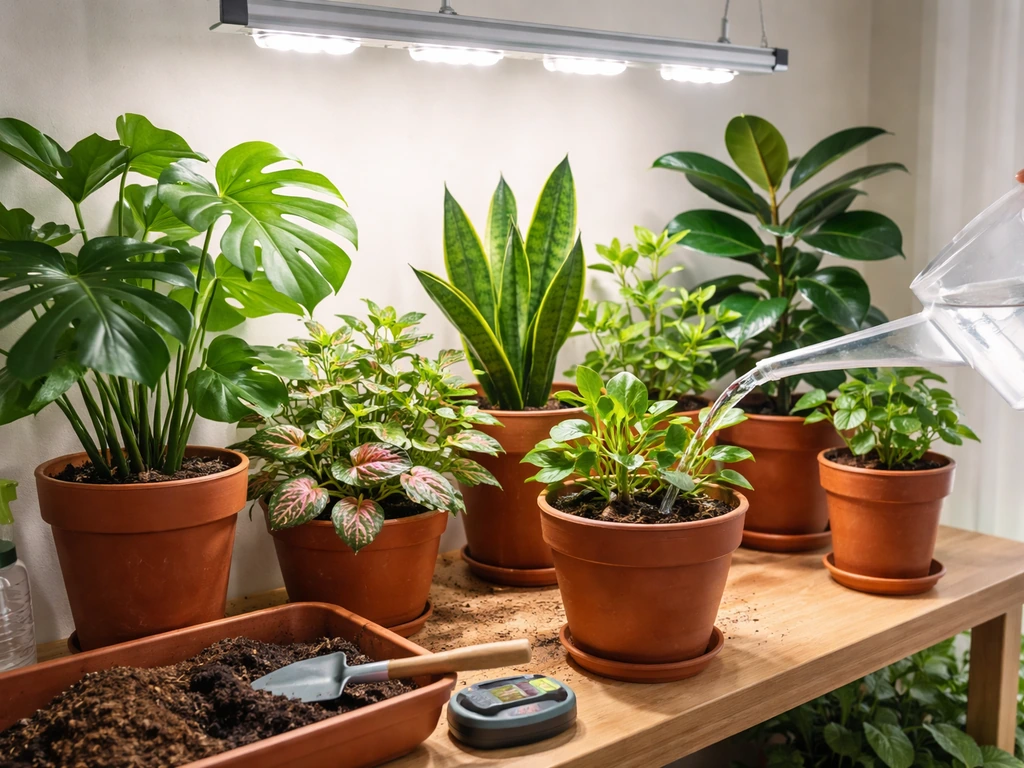
No magic charm speeds growth. Use light, watering, nutrients, soil, pH, temperature, humidity to boost plant growth fast
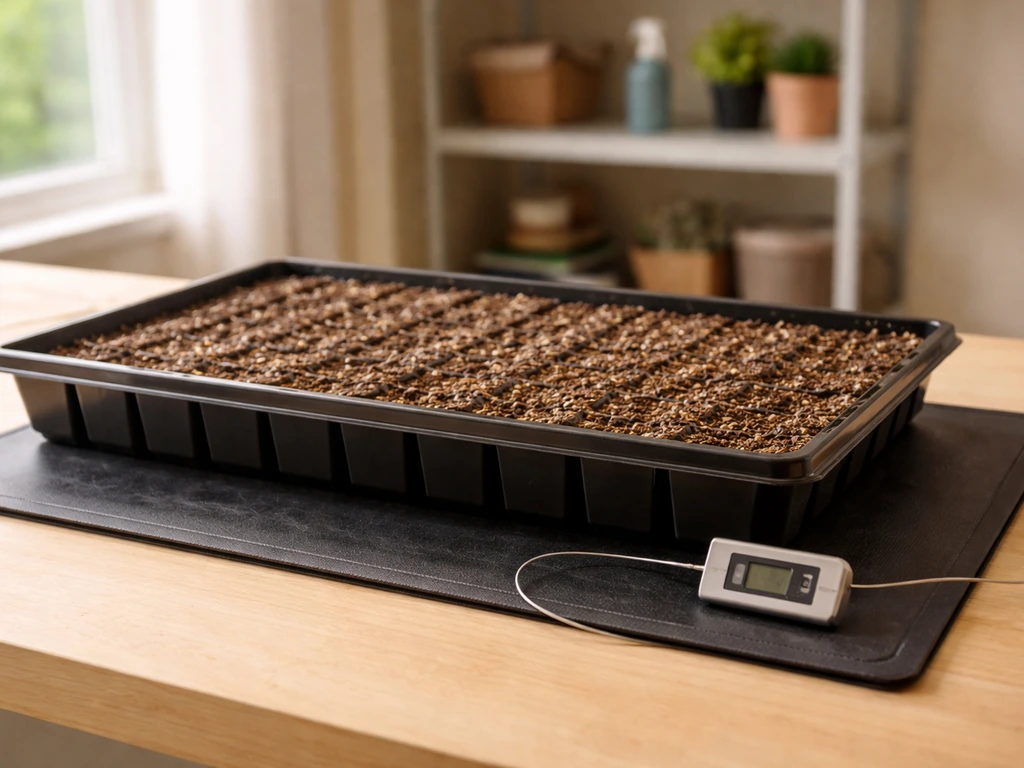
Do heat mats help plants grow? Get the practical when-and-how, temps, setup tips, and fixes for germination and cuttings
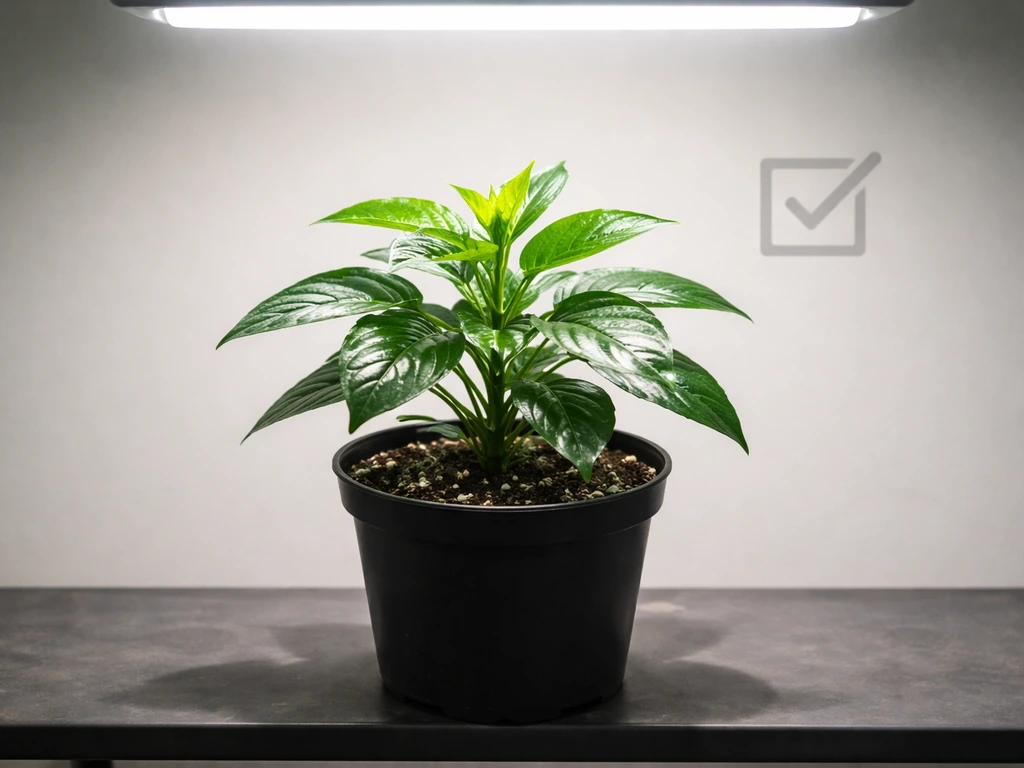
Myth vs evidence on whether GMOs speed plant growth, and how to boost faster growth using light, soil, and watering.