There is no charm, ritual, or magic word that makes plants grow faster. Not a single one. What actually speeds up plant growth is getting four things right at the same time: enough of the right light, consistent moisture in well-draining soil, the correct nutrients at the right pH, and temperatures that match your plant's natural range. Some gardeners also wonder whether GMOs make plants grow faster, but growth still depends on matching light, water, nutrients, pH, and temperature to the plant do GMOs make plants grow faster. Choosing the right soil can be one of the biggest reasons plants start growing faster, especially when it supports steady moisture and good root oxygen well-draining soil. Nail those four, and your plants will grow noticeably faster within days to weeks. Skip one, and even the other three won't fully compensate.
Which Charm Makes Plants Grow Quickly? The Real Fixes
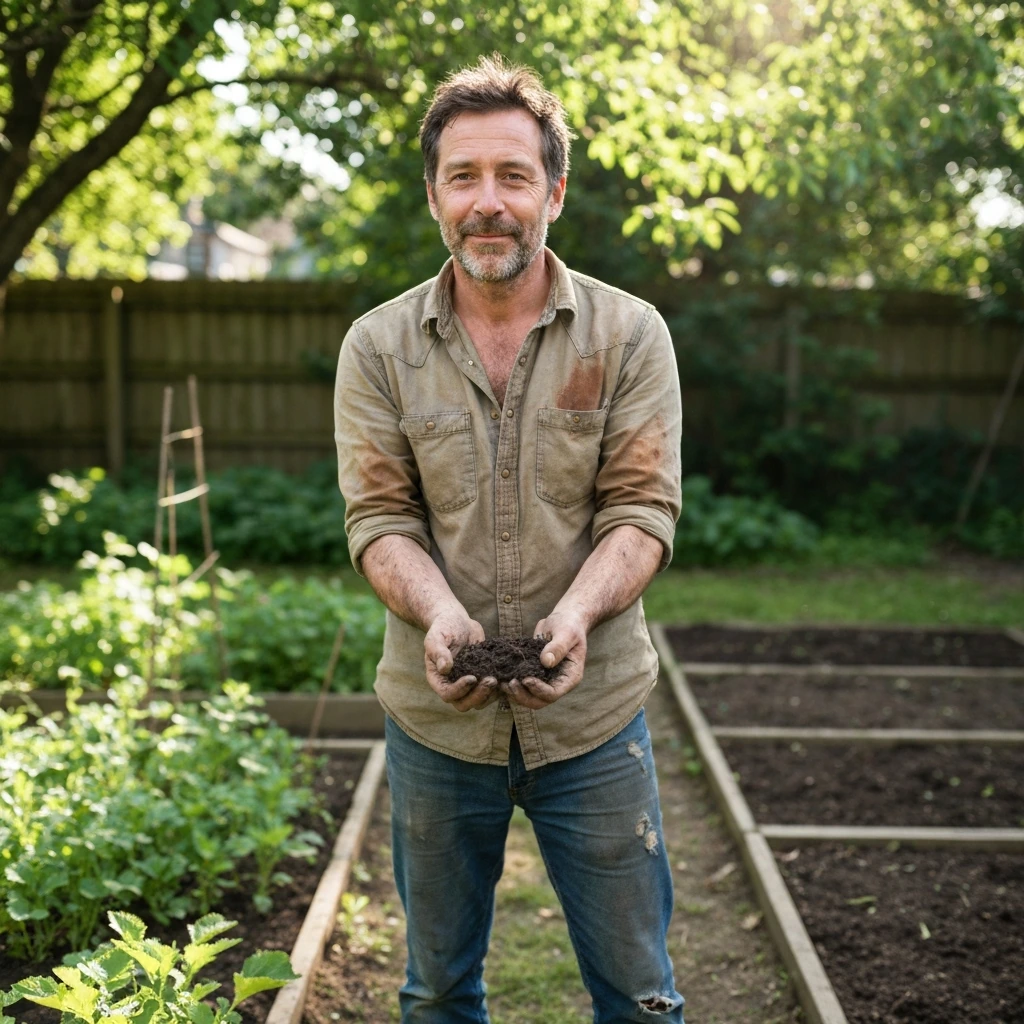
Let's bust the charm myth first
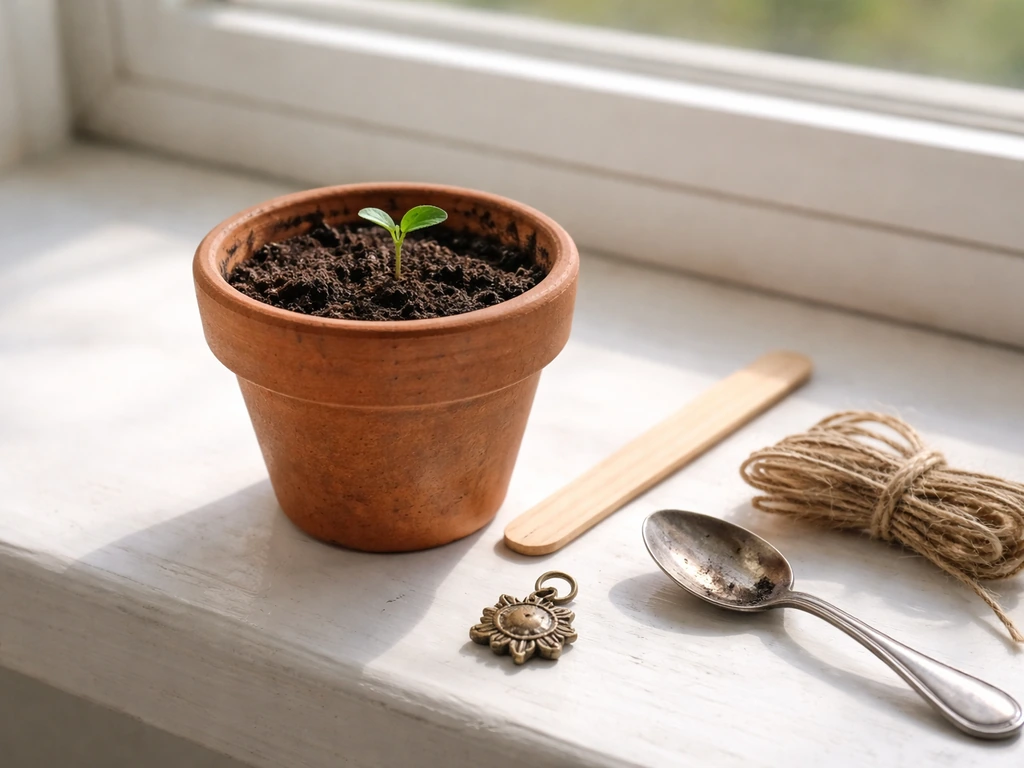
The idea that a charm, chant, or folk ritual can make plants grow quickly is a genuinely old belief, and I get why it persists. When you're frustrated watching a seedling sit there doing nothing for two weeks, the idea that you just need the right secret trick is appealing. But plant physiology is not waiting around for the right incantation.
Talking to your plants is one of the most popular gardening myths out there. Penn State researchers have looked into sound and plant response, and what the evidence actually shows is that mechanical stimuli like wind can trigger hormonal changes (via ethylene) in plants. That's not your voice encouraging growth. It's a stress adaptation. There's no credible body of research showing that speaking kindly to your tomatoes produces faster, healthier plants.
Lunar planting is another one. Gardening by moon phases has been part of agricultural folklore for centuries, but a review published in MDPI Plants found no reliable, science-based evidence that lunar phases have any meaningful relationship with plant physiology. A separate ScienceDirect review calls it outright controversial, with the moon-planting connection rooted in tradition rather than settled botanical science.
Epsom salt is probably the most persistent modern folk remedy. It sounds plausible because it contains magnesium, which plants do need. But North Dakota State University Extension horticulturist Tom Kalb has been clear on this: adding Epsom salt when there's no actual magnesium deficiency doesn't help and can actively cause problems, like blocking calcium uptake. Before you dose your plants with anything based on a viral gardening tip, check whether there's a real deficiency first.
The reason these myths keep circulating is partly because correlation feels like causation in the garden. You whisper encouragement to your fern, then it rebounds from transplant shock a week later, and the two events feel connected. They almost certainly aren't. What probably helped the fern was moving it to a spot with better indirect light and giving it consistent water after repotting.
Light is the biggest lever you have
If I had to pick one factor that makes the single biggest difference in plant growth speed, it's light. Plants convert light into energy through photosynthesis, and more usable light almost always equals faster growth, up to the plant's natural tolerance level.
Intensity matters more than you think
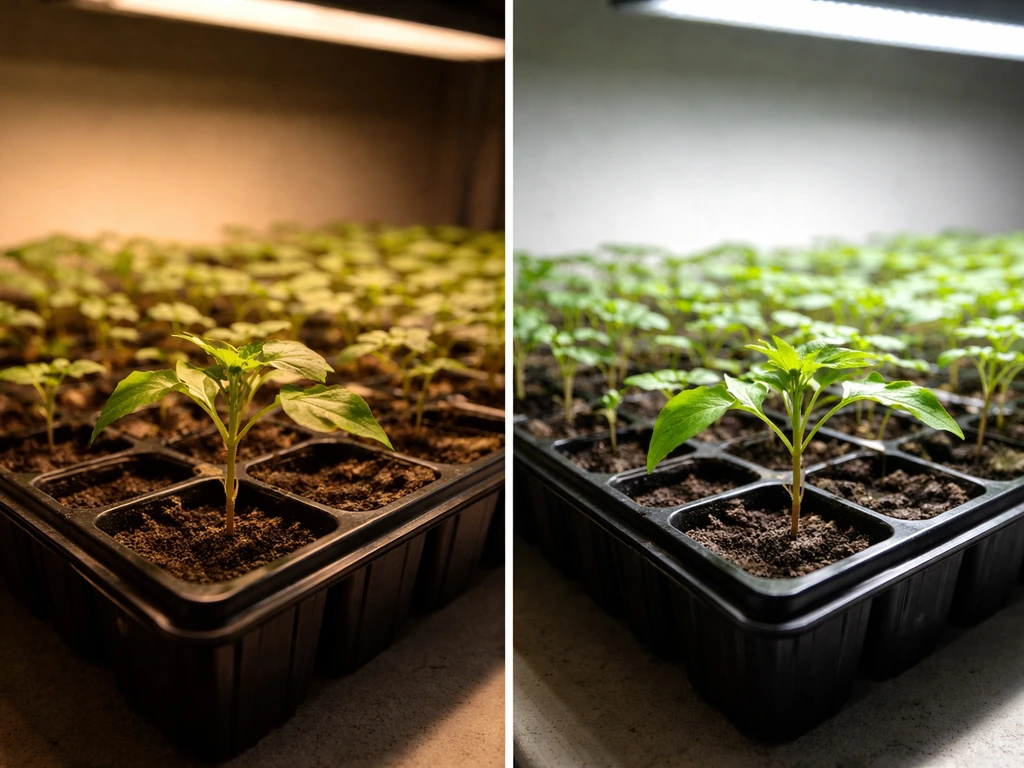
Light intensity is measured in foot-candles or lux for natural light, and in PPFD (micromoles per square meter per second) for grow lights. Most houseplants sold as "low light" still need at least 50 to 250 foot-candles to survive, but surviving is not growing. To actually push growth, most tropical houseplants want 1,000 to 2,000+ foot-candles of bright indirect light. Vegetable seedlings and fruiting plants typically want full sun, which is 5,000 to 10,000+ foot-candles outdoors.
Duration: photoperiod sets the pace
Plants also track how many hours of light they receive each day. Vegetative growth (stems, leaves) is generally fastest when plants get 14 to 18 hours of light daily, which is why summer gardens explode with growth. Indoors, most houseplants benefit from 12 to 14 hours of bright light. If you're using a grow light, set a timer so you're consistent, because irregular light schedules can stress plants and actually slow growth.
Spectrum: blue for leaves, red for fruiting
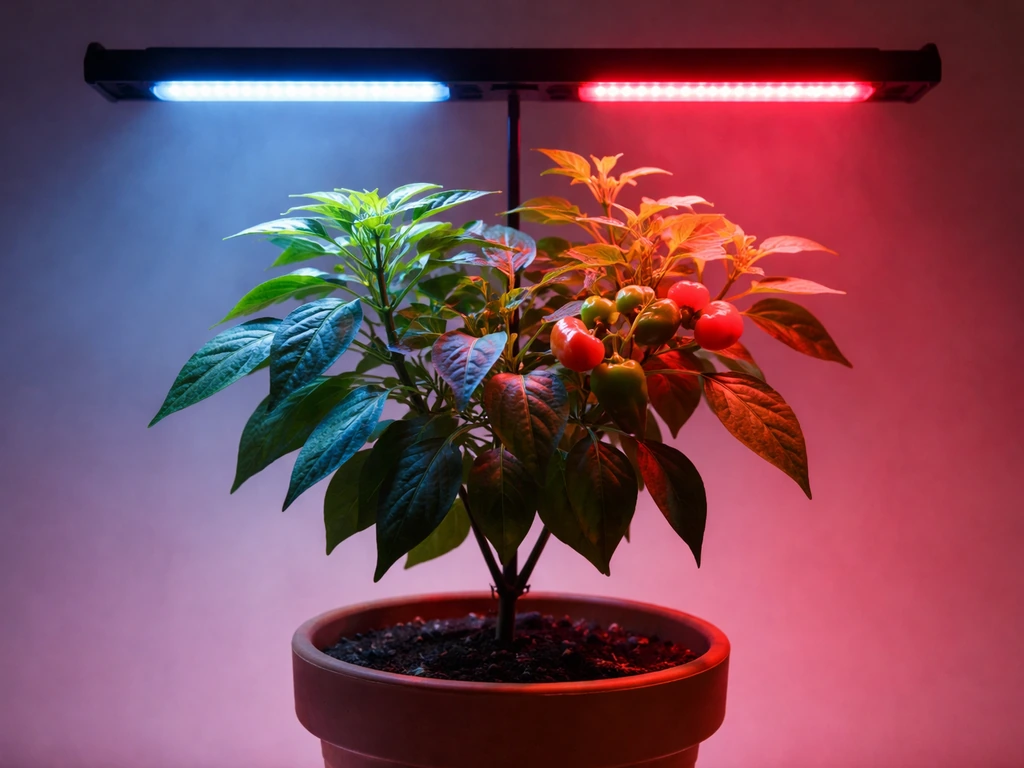
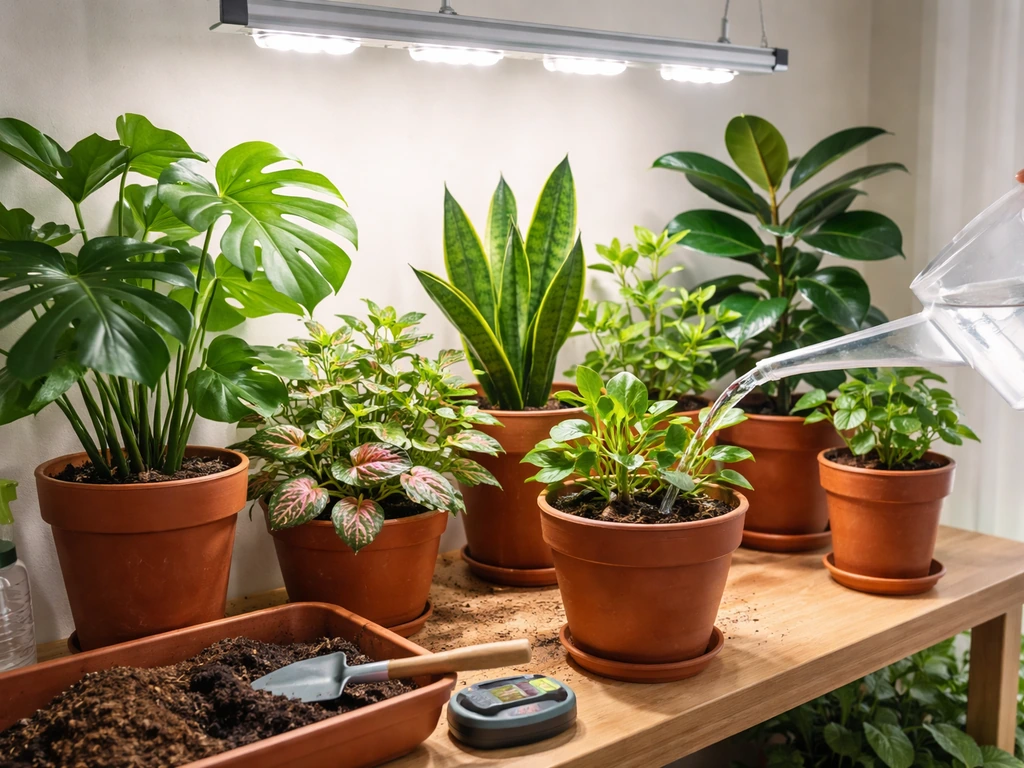
Not all light wavelengths do the same job. Blue light (around 400 to 500 nm) drives vegetative, leafy growth and is what most "daylight" bulbs and full-spectrum LEDs lean toward. Red light (around 620 to 700 nm) drives flowering and fruiting. If you're trying to grow seedlings or leafy greens faster indoors, a full-spectrum LED or one with a strong blue component will outperform a standard incandescent bulb significantly. Placing plants within 6 to 12 inches of a quality LED grow light makes a measurable difference in growth rate within a week.
Watering and soil: the root of fast growth
Roots are doing most of the invisible work in plant growth. They're absorbing water, oxygen, and nutrients, and the condition of the soil directly determines how well that happens. Poor watering habits and bad soil structure are the most common reasons plants stall.
Moisture: the 'finger test' still works
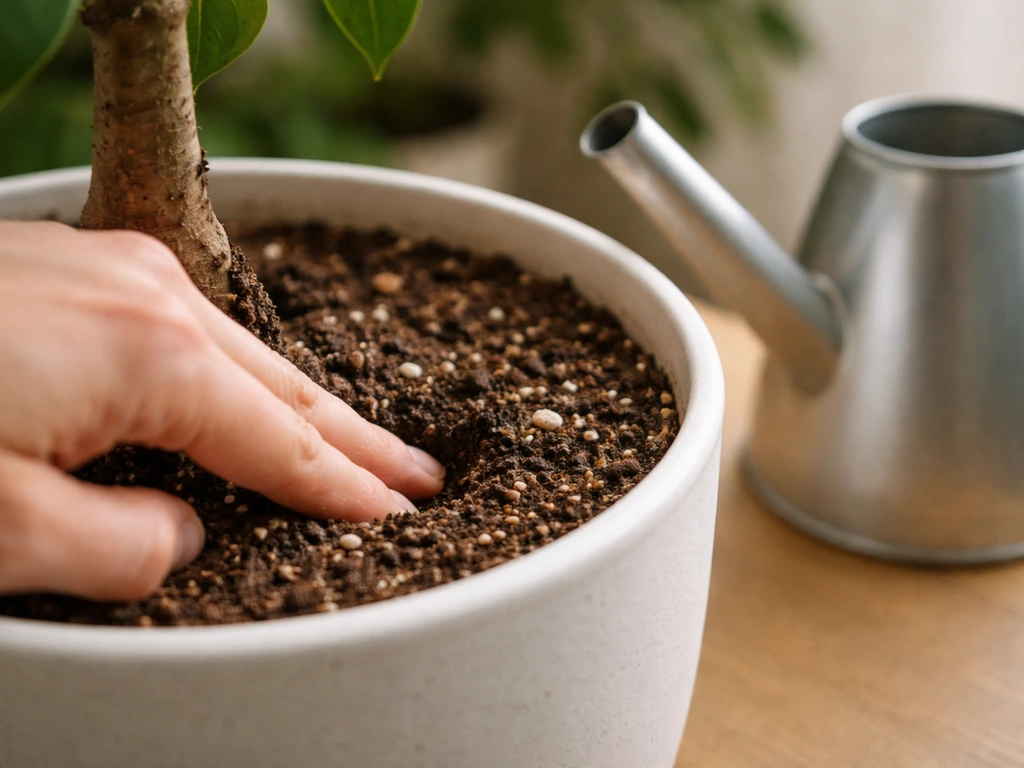
Most plants want their soil to be consistently moist but never waterlogged. Overwatering is far more common than underwatering among indoor gardeners, and it's more damaging because it suffocates roots and invites rot. The standard rule: push your finger about an inch into the soil. If it feels dry at that depth, water thoroughly until it drains from the bottom. If it still feels damp, wait another day. For succulents and cacti, let the soil dry out completely between waterings.
Drainage: roots need air, not just water
Roots need oxygen to function. Compacted or soggy soil prevents oxygen from reaching roots, which slows nutrient uptake and growth dramatically, even if water is present. For container plants, always use a pot with drainage holes and a well-aerated potting mix, not garden soil from outside. For in-ground beds, amending heavy clay with compost or perlite can transform a plant's growth rate. Good soil structure is a topic worth going deep on, and the type of soil you use really does make plants grow faster when you get it right.
Root health is a leading indicator
Healthy roots should be white or light tan and firm. Brown, mushy, or foul-smelling roots indicate rot, which means the plant is fighting for survival, not growing fast. If you suspect root rot, unpot the plant, trim the damaged roots with clean scissors, let them air out briefly, and repot into fresh, well-draining mix.
Feeding your plants for maximum speed
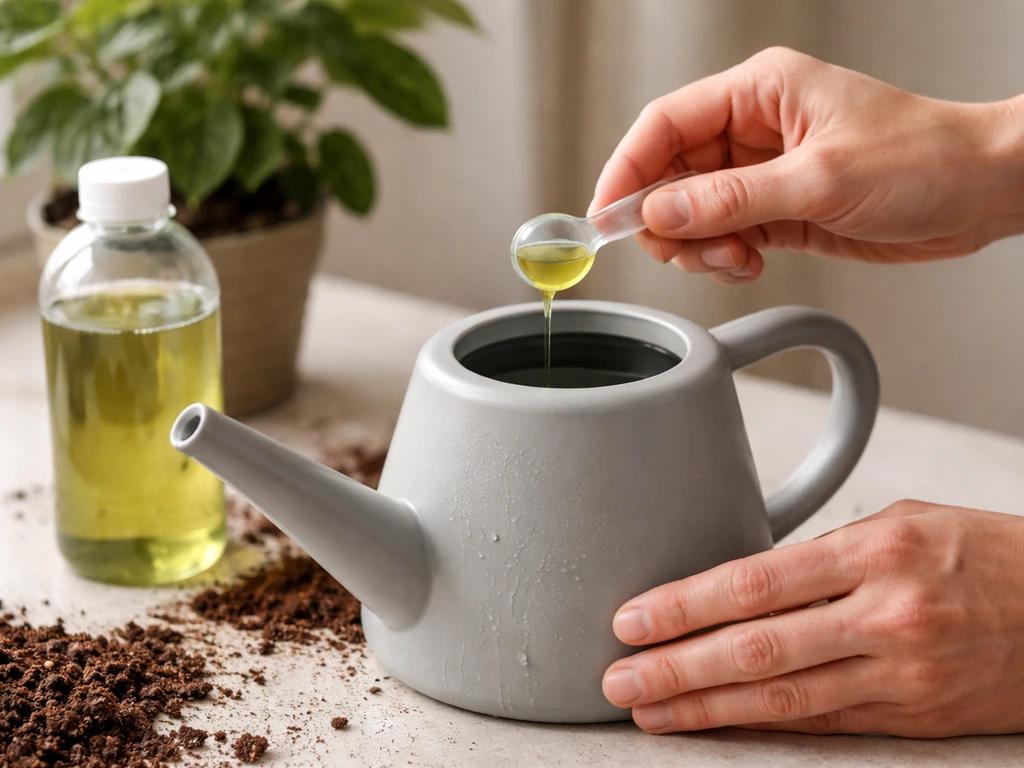
Nutrients are the building blocks plants use to make new cells, so getting fertilization right is directly tied to growth rate. But more is not always better, and timing matters.
The big three: N, P, K
Nitrogen (N) drives leafy, vegetative growth. Phosphorus (P) supports root development and flowering. Potassium (K) supports overall plant health and disease resistance. For plants you're trying to push into fast vegetative growth, like leafy greens, herbs, or young transplants, a fertilizer with a higher nitrogen ratio (like a 10-5-5 or similar) applied during the active growing season gives the fastest results. For flowering or fruiting plants, switch to a more balanced or phosphorus-forward mix once buds appear.
Fertilizer timing and form
Liquid fertilizers are the fastest-acting option because plants absorb them through roots within hours of application. Slow-release granular fertilizers are more hands-off but take weeks to fully activate. For a quick boost, a diluted liquid balanced fertilizer (half the label rate to avoid burn) applied every two weeks during peak growing season is a reliable approach. Never fertilize a stressed, dry, or root-damaged plant. Water it first, then fertilize once it's stable.
pH controls whether nutrients are even available
Here's something a lot of gardeners overlook: even if all the right nutrients are in your soil, the wrong pH locks them out. Most plants grow best in a pH range of 6.0 to 7.0. Below 6.0, micronutrients like manganese can become toxic while others become unavailable. Above 7.5, iron and manganese become hard to absorb, causing yellowing even in well-fertilized soil. A simple soil pH test (available at any garden center for under ten dollars) can tell you immediately if pH is the reason your plants aren't responding to feeding. Adjusting with garden lime (to raise pH) or sulfur (to lower it) is a straightforward fix.
Temperature and humidity: get these in range
Plants have a metabolic "sweet spot" for temperature, and growth essentially slows to a crawl outside that range. For most common houseplants and warm-season vegetables, the ideal daytime temperature is between 65°F and 80°F (18°C to 27°C). Below 55°F, tropical plants stop growing and may suffer cold damage even without frost. Above 90°F, many plants shift energy to survival and heat stress management rather than growth.
Nighttime temperatures also matter. A slight drop at night (10°F cooler than daytime) often supports faster daytime growth because it reduces nighttime respiration, leaving more energy reserves for building new tissue. This is one of the reasons greenhouses can accelerate growth so effectively, they let you control temperature precisely in a way outdoor gardens can't.
Humidity affects how hard a plant has to work to retain water. Tropical plants like pothos, monsteras, and most ferns prefer 50% to 70% relative humidity. When indoor humidity drops below 30% (common in winter), plants close their stomata to conserve water, which also slows CO2 intake and photosynthesis. A basic digital hygrometer (under $15) and a small humidifier or pebble tray with water can make a real difference for tropical houseplants. Do heat mats help plants grow? They can, mainly by warming the root zone to keep growth on track when temperatures are too cool. Heat mats serve a similar role for seedlings, keeping root-zone temperatures warm enough for rapid germination and early growth.
Why isn't my plant growing? Diagnose by symptoms
Slow growth almost always has a traceable cause. Here's how to read what your plant is telling you and what to do about it today.
| Symptom | Likely Cause | Quick Fix |
|---|---|---|
| Yellowing lower leaves | Nitrogen deficiency or overwatering | Check soil moisture first; if not soggy, apply diluted nitrogen-rich liquid fertilizer |
| Pale, washed-out leaves, leggy stems | Insufficient light | Move closer to window or add grow light within 6–12 inches |
| Brown leaf tips or edges | Low humidity, salt buildup, or underwatering | Mist plant, flush soil thoroughly, or boost ambient humidity |
| No growth for 4+ weeks, soil staying wet | Root rot or compacted soil | Unpot, inspect roots, trim rot, repot in fresh well-draining mix |
| Stunted growth despite good light and water | pH imbalance or nutrient lockout | Test soil pH and adjust; try a balanced liquid fertilizer |
| Wilting despite moist soil | Root damage, overwatering, or extreme heat | Check roots and drainage; move plant out of direct afternoon sun |
| Slow growth in winter indoors | Low light + cool temps + low humidity | Add grow light, raise temp above 65°F, increase humidity |
One thing I always tell people: diagnose before you treat. Throwing fertilizer at a plant that's struggling from overwatering will make things worse, not better. Start by checking the basics in order: light, then soil moisture and drainage, then nutrients and pH, then temperature and humidity.
Your action plan: what to actually do right now
Here's the honest truth: most slow-growing plants can be turned around within a week with a few targeted changes. If you are wondering what chemicals help plants grow faster, start with the nutrients and pH balance that let plants actually use what they need. The key is addressing the right limiting factor, not spraying something on the leaves and hoping for the best.
In the next 24 hours
- Check your light situation. Stand where your plant sits and look at the actual light intensity at different times of day. If the spot is dim or more than 4 feet from a window, that's almost certainly your biggest problem. Move it or set up a grow light today.
- Do the finger test on every plant you're concerned about. Dry an inch down? Water thoroughly. Still moist? Don't water yet. Soggy and the plant looks sad? Unpot and check roots.
- Check the temperature in your plant's location with a simple thermometer. If it's below 60°F or above 90°F, find a better spot.
- Pick up a soil pH test kit if you haven't tested in the past season. They're cheap, fast, and often reveal the hidden reason a plant won't respond to fertilizer.
- Look at your plant's leaves systematically and match symptoms to the table above. Identify the most likely single cause before you do anything else.
Over the next 2 to 4 weeks
- Establish a consistent watering schedule based on actual soil moisture, not a fixed calendar. Check every two to three days and water only when needed.
- Start a biweekly liquid fertilizer routine at half the recommended dose. Watch for response: new leaf growth, greener color, and increased stem length are all signs you're on the right track.
- If pH was off, apply your amendment (lime or sulfur) and retest in three to four weeks. Soil chemistry changes slowly.
- If light was the issue and you've added a grow light, track the growth rate of new leaves. A plant that was putting out one leaf per month often doubles or triples that rate under adequate light within three to four weeks.
- For seedlings, consider a heat mat to keep root-zone temps at 70°F to 75°F, which can cut germination time significantly and accelerate early growth.
- Reassess humidity for tropical plants if you're heading into a dry season or running air conditioning heavily. A $15 hygrometer pays for itself in plant health quickly.
- If you've corrected all four factors (light, water/soil, nutrients, temperature/humidity) and growth is still sluggish after four weeks, consider whether the plant is pot-bound and needs upsizing to a container one to two inches larger in diameter.
There's no charm that shortcuts any of this. But the good news is that plants respond fast when you remove their limiting factors. Get light, water, nutrients, and temperature right, and you'll see measurable growth within days on fast-growing species and within a few weeks on slower ones. Hot water can damage roots and disrupt growth, so focus on the right temperature range for your plant instead does hot water help plants grow. That's not folklore, that's plant biology working in your favor. You might be wondering whether greenhouse conditions are one of those factors that can speed plant growth do greenhouses make plants grow faster.
FAQ
If there is no charm, what should I check first when my plant suddenly slows down?
The fastest results usually come from fixing the single limiting factor, not stacking multiple changes at once. If the soil stays soggy or the light is too dim, added fertilizer and extra watering will not speed things up and can make stress worse.
Will warming my house (or moving the plant to a hotter spot) make it grow faster?
Yes, but only if the plant is already close to its ideal range. Temperature above the plant's comfort can trigger heat stress, where growth slows even if other conditions are perfect. Aim for the plant's normal daytime and night range, then adjust light and watering to match.
If I increase light with a grow light, how do I avoid overwatering?
For most indoor plants, the bigger risk is overwatering after increasing light. When light and temperature rise, plants use more water, so the soil dries faster. Recheck moisture depth every few days instead of keeping a fixed watering schedule.
How can I tell whether my plant is stalled from too much water versus too little water?
Use the water depth test in the article, then look for signs that watering is off: yellowing plus wet soil and a sour smell points to excess water, while dry, crispy leaf tips with light, pulling-dry soil points to underwatering. Also make sure the pot drains freely, because plants in decorative cachepots often stall.
Should I fertilize immediately if I think my plant has root rot or has been overwatered?
If you suspect root rot, do not fertilize right away. Damaged roots cannot absorb nutrients, and fertilizer can increase salt stress. After trimming and repotting into fresh mix, wait until you see new growth or the plant stabilizes.
Can I use the same fertilizer to speed up both leafy growth and flowering?
Yes, but look at what your plant needs during the current stage. High-nitrogen feedings can boost leaf growth for herbs and leafy greens, but for flowering plants they can delay buds. Switch ratios around bud formation, not weeks later than the visible change.
Why does my plant soil pH keep changing even after I adjust it?
pH swings are most likely when you use tap water with high alkalinity or when you repeatedly top-dress without flushing salts. If your test shows pH drift, consider testing water pH, then periodically leaching the pot (water until it drains fully) to reduce salt buildup.
How do I choose soil or potting mix for faster growth in containers?
Yes, you can make plants grow faster by selecting a potting mix that supports oxygen as well as moisture. For containers, avoid compacting by choosing a loose, breathable mix (not straight garden soil) and pair it with a pot that has drainage holes.
Can using a humidifier make my plant grow faster, or can it cause problems?
It can, but timing matters. If the plant is stressed, underwatered, cold, or recently repotted with damaged roots, humidity increases may slow drying too much and worsen rot risk. Raise humidity gradually and keep airflow reasonable so leaves dry between prolonged dampness.
How many hours of light per day is “too much” for speeding growth indoors?
Long photoperiods only help up to the point the plant can use it, and many plants need an actual dark period. If you run lights all day without rest, you may encourage weak growth or stress. Keep to the 12 to 14 hour pattern for most houseplants unless the plant is specifically adapted to longer day lengths.
Is repotting a good way to speed growth, and when should I do it?
Repotting can speed growth by improving root oxygen and fresh nutrients, but it can also set growth back due to root disruption. Do it when the plant is actively growing, not when it is cold, dry, or already stressed, and keep the new mix consistently moist but not waterlogged.
If I buy GMO seeds or plants, will they grow quickly regardless of my care?
“GMOs grow faster” is not a dependable shortcut. Even fast-growing genetic lines stall when light, temperature, moisture, soil oxygen, or pH are wrong. Treat it like any other plant, match the environment, then your genetics express themselves.
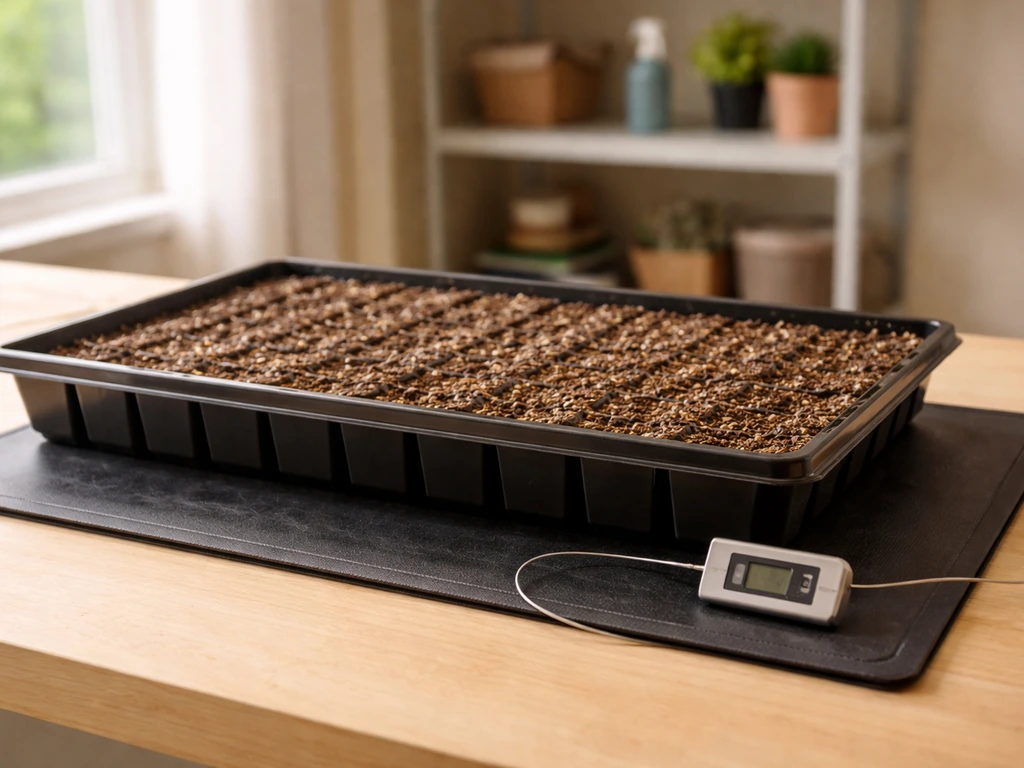
Do heat mats help plants grow? Get the practical when-and-how, temps, setup tips, and fixes for germination and cuttings
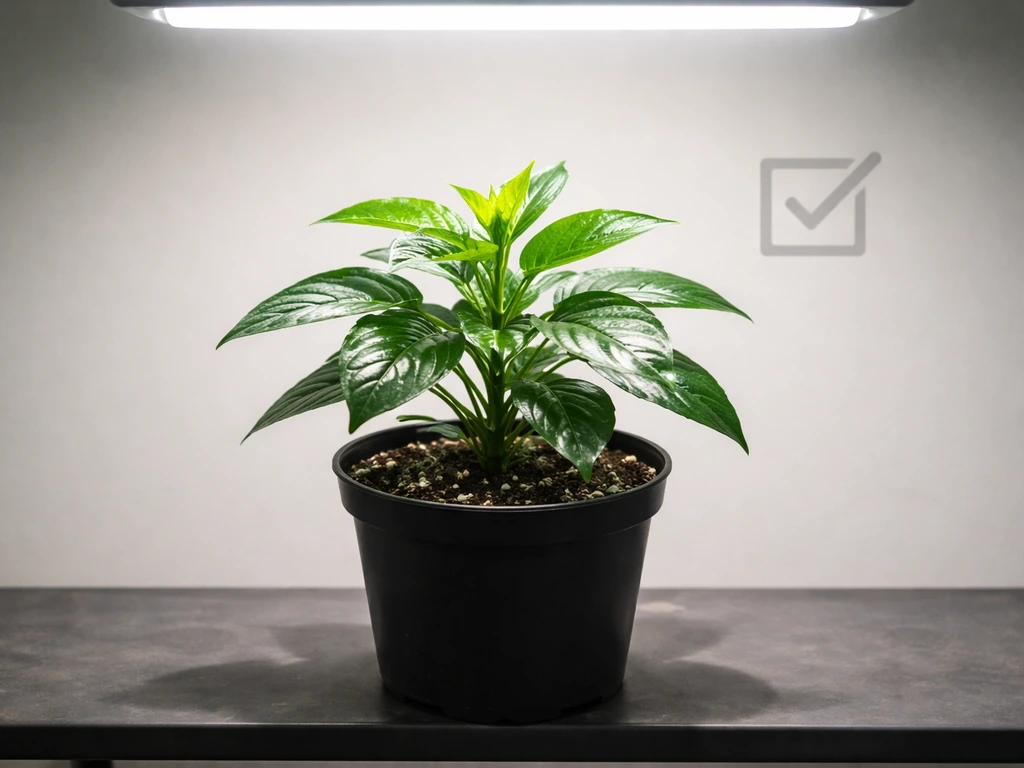
Myth vs evidence on whether GMOs speed plant growth, and how to boost faster growth using light, soil, and watering.
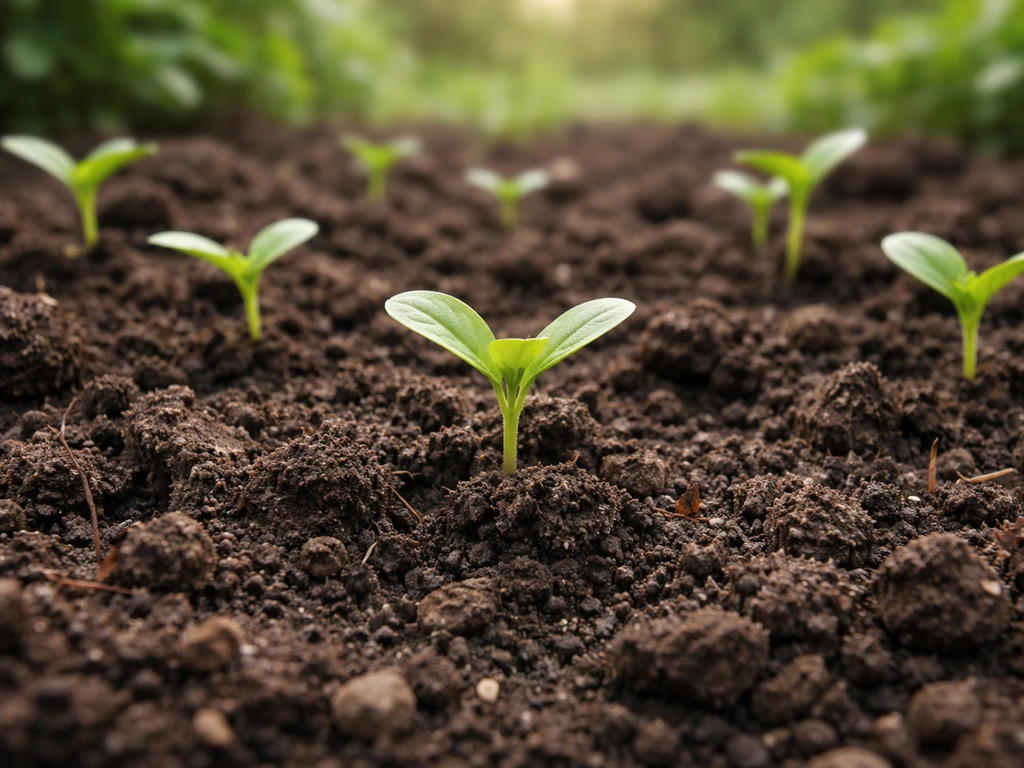
Discover which soil traits speed growth and how to test, amend, and fertilize for faster, healthier plants today