Talking nicely to your plants will not make them grow better. The kindness, encouragement, or tone of your voice has no measurable effect on plant growth. What science does show is that sound vibrations at specific frequencies can trigger subtle physiological changes in plants under tightly controlled lab conditions, but that has nothing to do with whether you say sweet things versus harsh things. In a real home garden, the variables that actually control whether your plant thrives are light, water, soil quality, nutrients, and temperature. If your plant is struggling, none of those problems will be fixed by a pep talk.
Does Talking Nicely to Plants Help Them Grow? What Science Says
Marcus Holloway
11 Jun 2026
What the science actually says about voice and plants
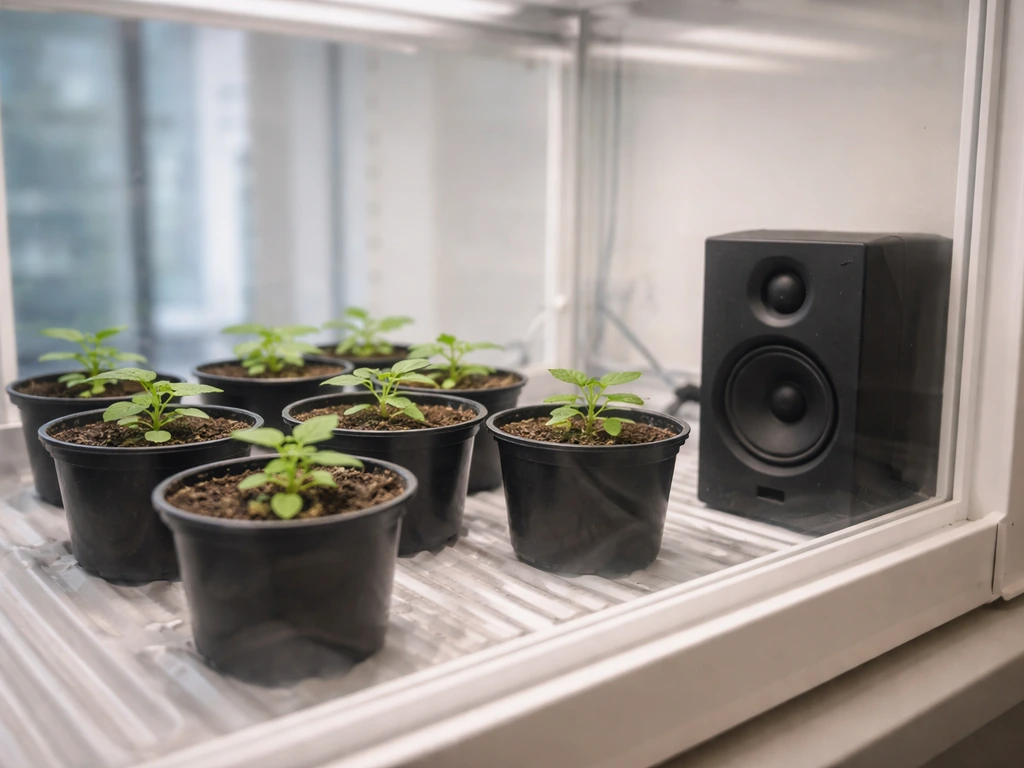
There is real research on plants and sound, but it gets misrepresented constantly. A 2016 study by Ghosh et al. exposed Arabidopsis (the workhorse lab plant) to 500 Hz sound waves and found measurable changes at the transcriptomic, proteomic, and hormonal levels. In plain terms: specific sound vibrations triggered gene expression changes and shifted how the plant was responding physiologically. That is genuinely interesting. But the critical detail is that the researchers used a controlled frequency, not speech, and the plant was not responding to meaning or mood, it was responding to physical vibration the way it might respond to wind or mechanical stress.
A 2017 study published in Oecologia (Gagliano et al.) found that young plant roots actually grew directionally toward a sound source that mimicked running water. Again, real and fascinating, but the driver was vibration as an environmental cue, not the content or emotional quality of what was being said. Plants have mechanosensitive responses because they evolved to detect physical signals in their environment: wind, touch, soil vibration. They did not evolve to parse human encouragement.
So the honest summary is: specific sound frequencies under controlled conditions can nudge plant physiology. Talking nicely to your tomatoes in a normal garden setting produces nothing remotely comparable to those experimental conditions, and absolutely no study has shown that kind words outperform neutral or negative words.
Vibration versus 'encouragement': why plants don't care what you say
Plants lack a nervous system, a brain, and any mechanism for interpreting semantic meaning. When a sound wave reaches a plant, the plant responds, if it responds at all, to the physical pressure of the wave, not to what the wave represents. A 500 Hz sine tone and a human voice produce very different and highly variable frequency profiles. Normal conversational speech is a messy mix of frequencies, inconsistent intensity, and irregular rhythm. It is not the kind of clean signal that lab experiments use. Even if you accept that controlled sound exposure can affect plants (which the evidence does support in narrow contexts), there is no pathway by which a plant distinguishes "I love you" from a random string of syllables.
The other variable people overlook is CO2. When you lean close and talk to a plant, you exhale carbon dioxide directly at it. Plants use CO2 for photosynthesis, so in a very enclosed space with still air, talking to a plant could theoretically provide a tiny local CO2 boost. But in any normally ventilated room or outdoor garden, this effect is negligible, it disperses immediately. It is not a meaningful growth driver.
This is the same principle that applies to other curious plant interventions. Whether you are wondering whether touching or shaking plants affects growth, or whether music makes a difference, the mechanism always comes back to physical stimulus, not meaning, not encouragement, not genre preference. If you mean physically touching plants, that can matter too, because many plant responses come from direct physical stimuli rather than the words or intention behind them. If you are testing a music idea for a science fair, focus on controlled factors like light, water, and sound frequency whether music makes a difference. If you are wondering whether shaking plants helps them grow, the same idea applies: any effect would have to come from physical vibration, not encouragement shaking plants help them grow. Mythbusters has also covered whether music or other audio can change plant growth, and the science doesn’t support big, reliable effects in normal home conditions music makes a difference.
What actually controls whether your plant grows
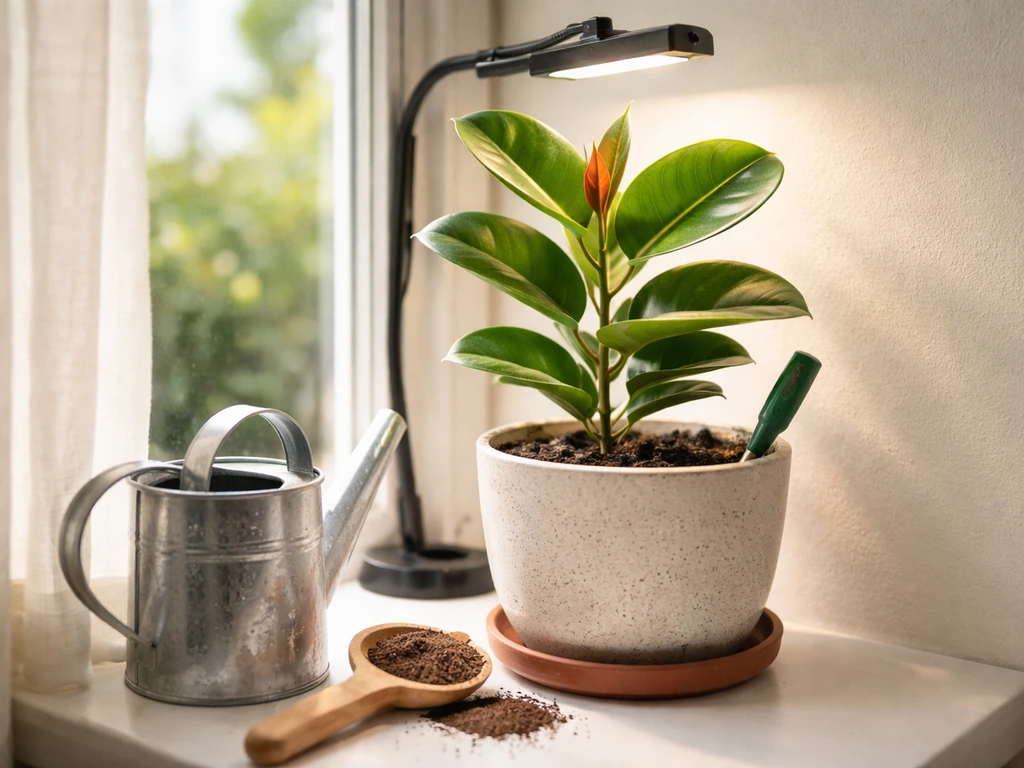
Every struggling plant has a limiting factor, and it is almost never a lack of positive affirmation. Here are the variables that actually move the needle, in rough order of how often they are the real culprit.
| Factor | Why it matters | Common mistake |
|---|---|---|
| Light (intensity + spectrum) | Drives photosynthesis; insufficient light stunts everything | Placing plants too far from windows or using wrong grow-light spectrum |
| Watering | Too much or too little both kill roots and block nutrient uptake | Watering on a schedule instead of checking soil moisture |
| Soil quality and aeration | Compacted or depleted soil suffocates roots and locks out nutrients | Using old potting mix or outdoor soil in containers |
| Nutrients | Nitrogen, phosphorus, potassium and micronutrients fuel growth, flowering, and root health | Expecting soil alone to feed plants indefinitely without feeding |
| Temperature and humidity | Most houseplants want 60–75°F and moderate humidity; drafts and heating vents cause stress | Placing plants near A/C vents or cold windows in winter |
| Pests and disease | Spider mites, root rot, and fungal issues quietly destroy growth before visible symptoms | Missing early signs because the plant 'looks okay from a distance' |
How to figure out what is limiting your plant right now
Before you adjust anything, spend five minutes doing a quick diagnostic. Most plant problems leave obvious clues once you know what to look for.
- Check the leaves first. Yellowing lower leaves usually mean overwatering or nitrogen deficiency. Pale, washed-out color across the whole plant points to insufficient light. Brown, crispy leaf edges suggest underwatering, low humidity, or salt buildup from over-fertilizing.
- Stick your finger 2 inches into the soil. If it feels wet or waterlogged more than a day or two after watering, you have a drainage or overwatering problem. If it is bone dry and pulling away from the pot edges, the plant is underwatered.
- Evaluate your light setup honestly. Hold your hand about a foot above the plant. A sharp, clear shadow means decent light. A faint or barely visible shadow means the light is too low for most plants to grow well. South-facing windows (in the northern hemisphere) provide the strongest natural light.
- Look under the leaves and along the stems with a hand lens or phone camera. Spider mites leave tiny webbing; fungus gnats hover at soil level; scale looks like small brown bumps on stems. Early detection changes the outcome completely.
- Think about the last time you fed the plant. If you have not fertilized a container plant in more than 8 to 10 weeks during the growing season, nutrient depletion is likely contributing to slow growth.
An action plan you can start today
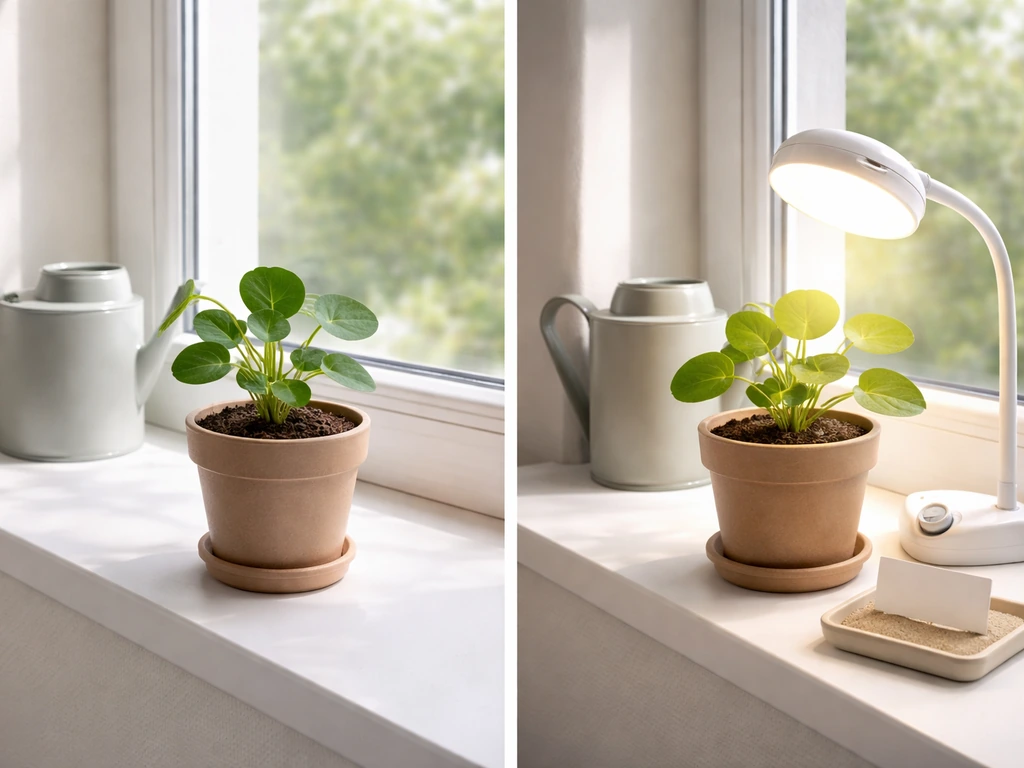
Once you know your limiting factor, fixing it is usually straightforward. Here is a practical sequence to work through.
- Move the plant closer to a light source or add a grow light. For most houseplants, this alone produces noticeable improvement within two to three weeks. Full-spectrum LED grow lights positioned 6 to 12 inches above foliage are effective and inexpensive. Outdoor plants that are getting leggy and pale often just need a spot with more direct sun.
- Recalibrate your watering. Ditch the schedule and water only when the top 1 to 2 inches of soil are dry (for most plants). For succulents and cacti, let it dry out completely. For moisture-loving tropicals, stay consistently moist but never waterlogged. Always water thoroughly until it drains from the bottom.
- Refresh the growing medium. If your potting mix is more than a year or two old in a container, it has likely compacted and lost structure. Repot into fresh, well-draining mix appropriate for the plant type. This alone can revive a struggling plant dramatically.
- Start a feeding routine. During spring and summer, most actively growing plants benefit from a balanced liquid fertilizer (such as a 10-10-10 or similar NPK ratio) every two to four weeks. Slow-release granular fertilizers are a lower-maintenance option.
- Correct the environment. Move plants away from heating vents, A/C units, and drafty windows. Group plants together to raise local humidity, or use a small humidifier for tropical species. Keep nighttime temperatures above 55°F for most common houseplants.
- Address any pests immediately. Treat identified pests with insecticidal soap, neem oil, or appropriate targeted treatments. Isolate affected plants from healthy ones.
Talking to your plants: harmless habit or wasted attention?
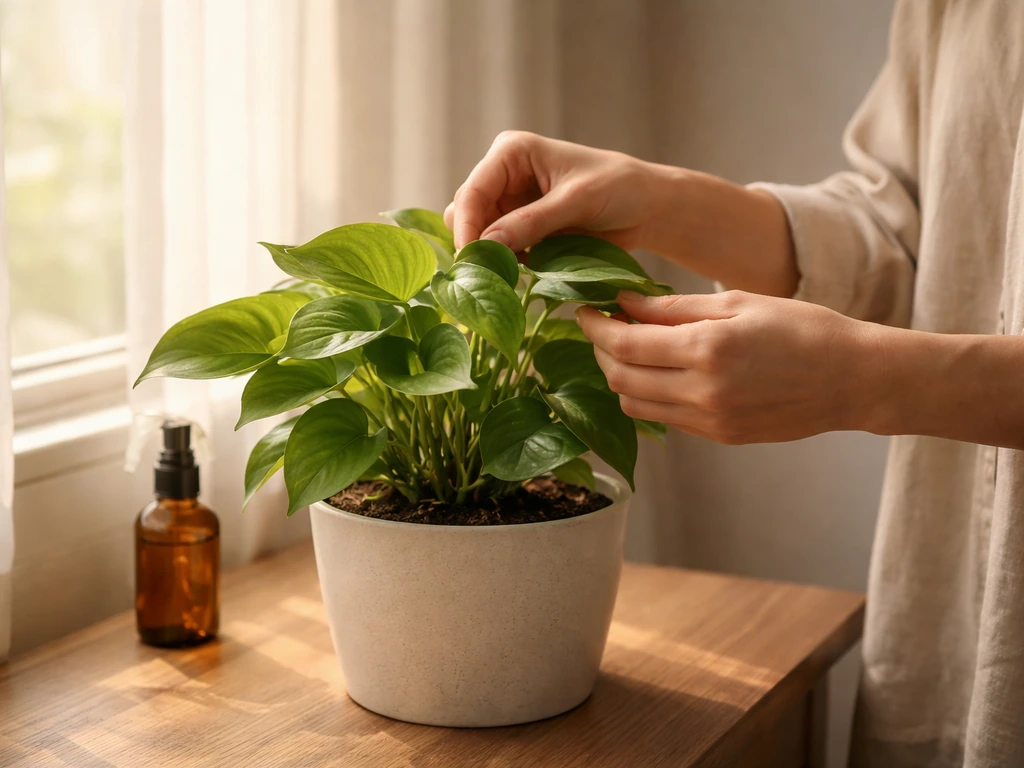
Here is where I will give talking to plants a fair shake. It is not harmful, and there is a real indirect benefit: the habit of visiting and speaking to your plants regularly means you are observing them regularly. You notice the first yellowing leaf, the early webbing from spider mites, the soil that has been dry for too long. Attentive gardeners grow healthier plants because they catch problems early, not because their encouragement works at a molecular level.
The risk is when talking to plants becomes a substitute for diagnosis and real care adjustments. If your pothos is yellowing and you keep talking nicely to it without checking the soil or the light situation, you are not helping it, you are just delaying the fix. Use the habit of checking in with your plants as a trigger for actual inspection, not just as a ritual.
Think of it this way: talking to plants is a fine reason to spend time near them, but the benefit flows from the time and attention, not the words. The same logic applies to other speculative interventions like using mirrors to reflect light toward plants or experimenting with whether music affects growth, in each case, the plant responds to physical conditions, not to human intention.
The bottom line
If you want your plants to grow better, fix the light, the water, the soil, and the nutrients. Do birds help plants grow, and how could they affect things like pollination and pest control? Those four variables account for the vast majority of plant health outcomes in a home garden. Controlled lab research does show that plants respond to sound vibrations at the cellular level, but that response has nothing to do with the emotional quality of human speech, and it does not translate into a practical technique you can use at home. A 2016 study by Ghosh et al. reported that exposing Arabidopsis to 500 Hz sound waves increased expression in mechanosensitive and defense-associated gene categories and showed measurable transcriptional changes under controlled conditions blank" rel="noopener noreferrer">sound vibrations at the cellular level. Do magnets help plants grow, too, or are they just another physical variable people try to use like a shortcut? Talk to your plants if you enjoy it; just make sure you are also looking closely at what they actually need while you do.
FAQ
If talking nicely does nothing, is it still safe to do in a home garden?
Yes, it is safe. The only realistic effects would come indirectly from you spending more time observing and adjusting care, such as noticing early pests or changing watering when the soil is dry.
Could my voice help if I whisper, sing, or play music close to the plant?
At home, conversational speech and most music are too variable in frequency, intensity, and timing to produce a reliable, lab-like vibration cue. If any effect happens, it would be inconsistent and far smaller than changes from light or watering.
What would a “sound vibration” effect look like in real plants, not labs?
It would typically show up as subtle, inconsistent growth or physiological changes, not a clear benefit tied to positive words. In practice, homeowners would still see normal outcomes dominated by light, nutrients, watering, and temperature.
Can I test this at home without wasting time and getting misleading results?
If you want to experiment, keep everything else identical and vary only one factor (for example, a specific tone at controlled volume and duration). Use multiple plants, randomize positions, and measure outcomes like new leaf count or soil moisture, because natural variation is large.
Does talking to plants CO2-boost the plant if I breathe on it?
In a closed, still-air setup it is possible to deliver a tiny local CO2 increase, but in normal outdoor or ventilated indoor conditions the gas disperses quickly. It will not override the main drivers like light and water.
Does talking to plants affect houseplants differently than outdoor plants?
The mechanism is still the same, physical sound pressure only. Differences mostly come from environment and ventilation, which change whether any incidental vibration or CO2 delivery could persist, not from whether words are “nice”.
What’s the best way to handle a struggling plant instead of focusing on words or tone?
Do a quick limiting-factor check: inspect roots if the plant is wilting or staying wet, check the light level (direct vs indirect), verify soil drainage and watering frequency, and rule out common issues like overwatering, underwatering, nutrient deficiency, or pests.
If I’m not seeing improvement, how long should I wait after adjusting care changes?
It depends on the plant type and the issue. Many problems show better signs within days to a couple of weeks if the limit is something like watering or light, while recovery from root damage or nutrient imbalance can take longer, so avoid changing multiple variables at once.
Could talking to plants delay noticing pests or diseases?
Yes. A common mistake is turning a soothing routine into a reason to postpone inspection. Yellowing, webbing, speckling, or stunted new growth usually need visual checks and specific interventions, not just more attention.
Do plants respond differently to gentle touch and conversation combined?
Touch can trigger real physical responses, but the “meaning” of the spoken part still should not matter. If you want a meaningful intervention, focus on the physical practice you can justify, like gentle inspection, correct repotting, or addressing a mechanical issue such as pests or root crowding.
Next Articles
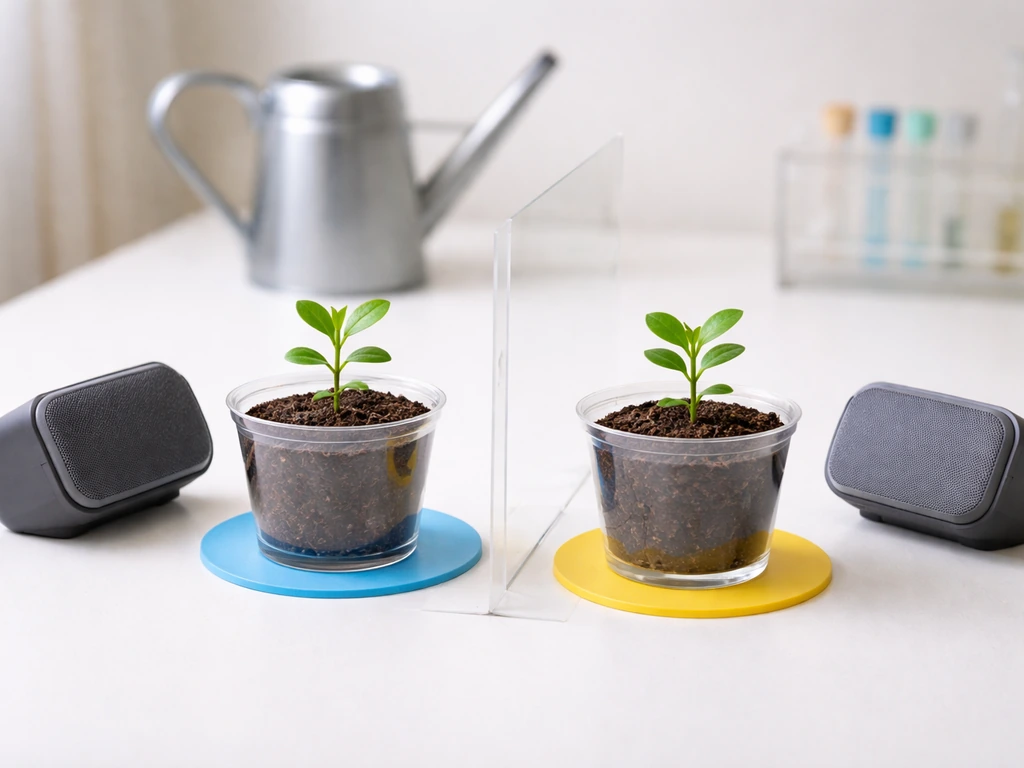
Does Music Help Plants Grow? Science Fair Project Guide
Test whether sound or music affects plant growth using controls, measurable data, and science fair steps.
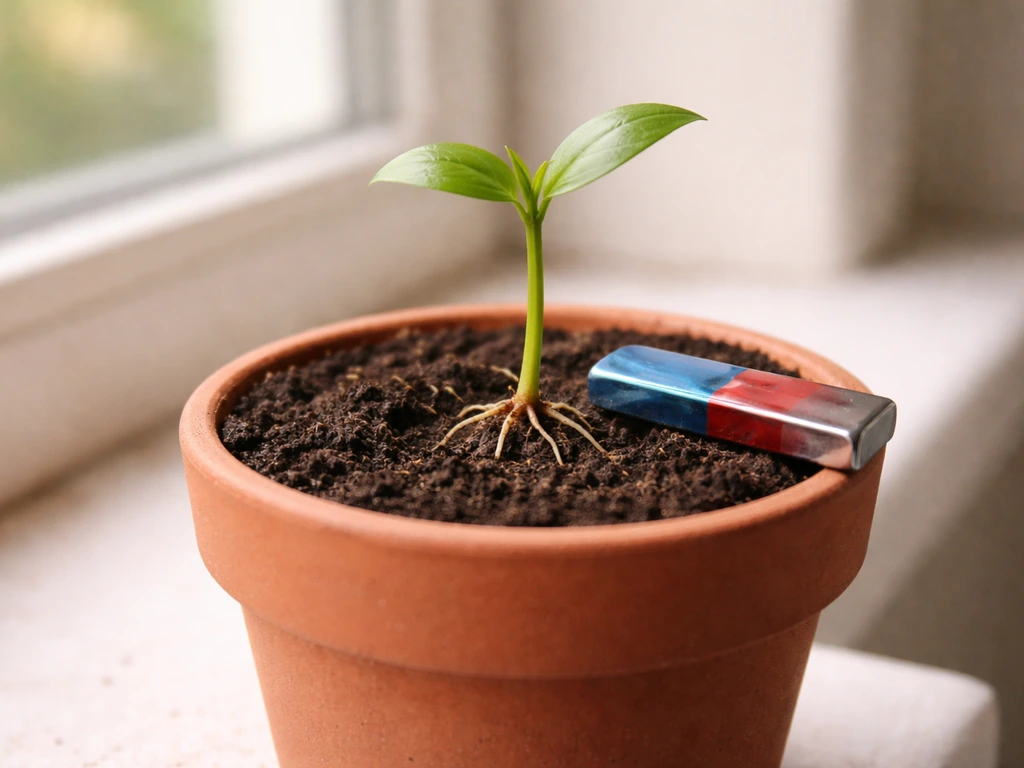
Do Magnets Help Plants Grow Faster? Evidence and Tests
Do magnets help plants grow faster? Evidence is mixed; use them as optional test, not a reliable growth hack.
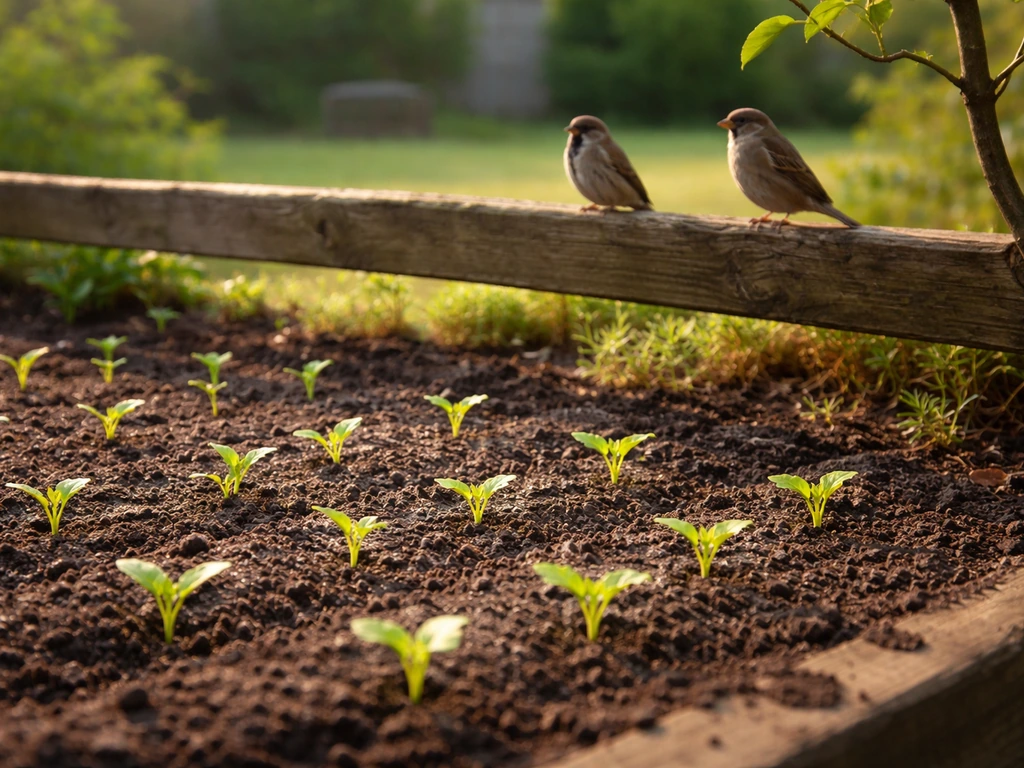
Do Birds Help Plants Grow? Real Benefits in New Gardens
Learn how birds boost new gardens through seed dispersal, pollination, nutrients and pest effects, plus what to avoid an