Shaking plants does not reliably make them grow more. In some narrow situations, movement can help indirectly, like vibrating tomato flowers to release pollen or knocking pests off leaves, but as a general growth strategy it ranges from useless to actively harmful. If your plant is struggling, shaking it is not the fix. The real drivers are light, water, soil quality, and nutrients, and getting those right will do more in a single week than a year of jostling ever could. Talking nicely to plants has not been shown to improve growth the way light, water, soil quality, and nutrients do talking nicely to plants help them grow.
Does Shaking Plants Help Them Grow? What to Do Instead
Marcus Holloway
15 Jun 2026
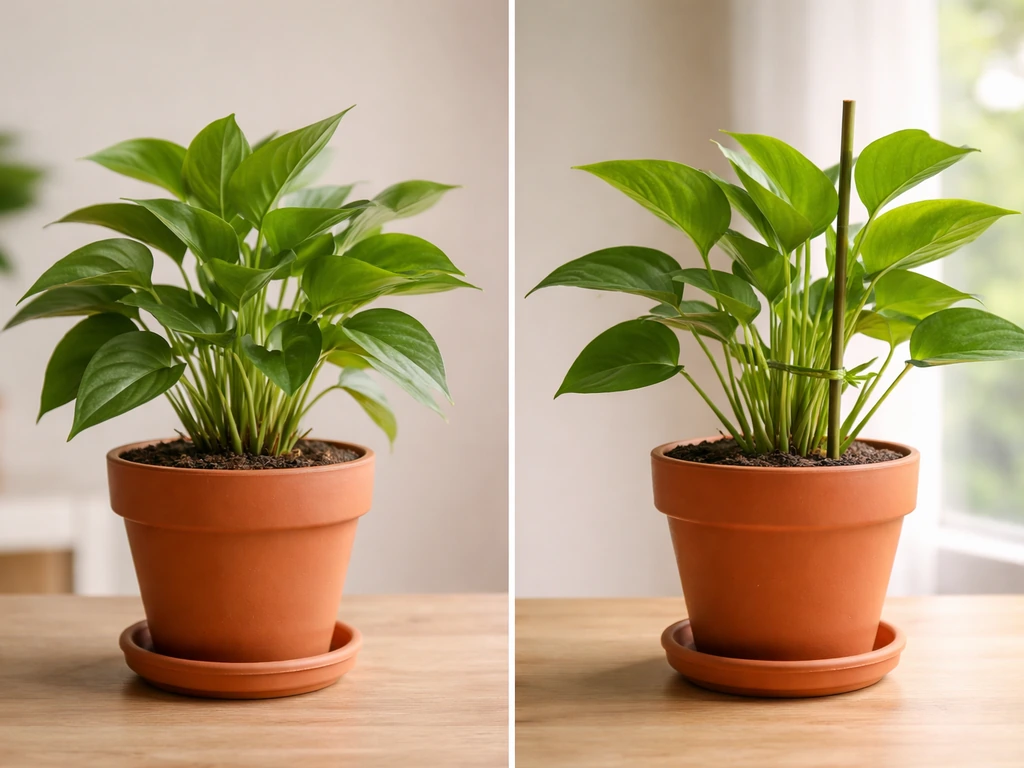
What shaking actually does to a plant
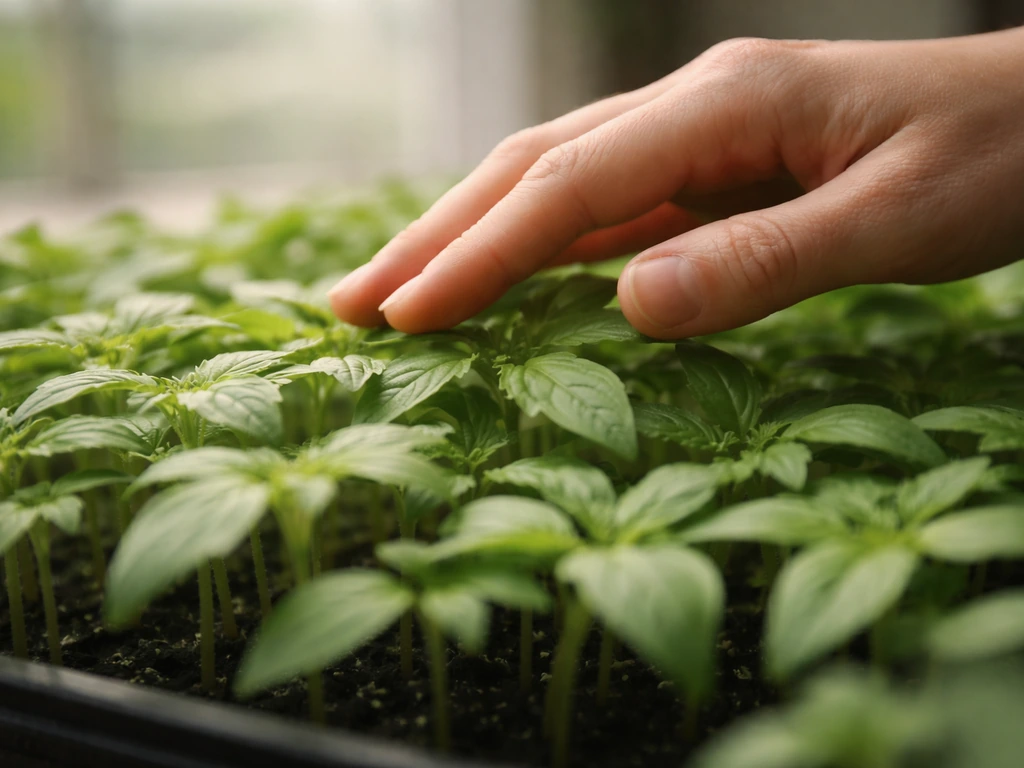
When you shake a plant, you're applying what plant scientists call mechanical stimulation. The plant does respond, just not usually in the way you'd hope. Research on brushing wheat daily found that mechanical stimulation changed tiller count, biomass distribution, and leaf length, but not in a uniformly positive way. The plant was essentially redirecting energy to cope with repeated physical stress rather than channeling it into straightforward growth. Studies on pansies showed that more brushing produced shorter petioles, a dose-dependent response where more stimulation meant smaller plants. These aren't plants thriving. They're plants adapting defensively.
Shaking also opens up stomata, the tiny pores on leaves that control gas exchange. Research on Arabidopsis found that physically disturbing leaf trichomes (the fine hairs on leaf surfaces) increased stomatal aperture, conductance, and transpiration. More open stomata means more water vapor escaping from the plant. That's fine if your plant is well-watered and the air isn't too dry, but if you're already fighting drought stress or growing in a warm, low-humidity space, shaking can accelerate water loss in a way that hurts rather than helps.
Then there's root and soil disturbance. Shaking a potted plant hard enough to visibly move the stem is also moving the root ball. Roots form contact points with soil particles that are essential for water and nutrient uptake. Disrupt those, especially in a recently repotted plant, and you're essentially inducing a mild version of transplant shock. The University of Maryland Extension notes that damaged roots typically produce whole-plant stress symptoms, not just localized ones. You'd see wilting, yellowing, and stunted new growth, exactly the opposite of what you're trying to achieve.
When shaking can genuinely help (and it's not about growth)
There are a few real, legitimate uses for plant shaking, but they're specific situations and none of them are about boosting growth directly.
Pollinating greenhouse tomatoes and other self-pollinators
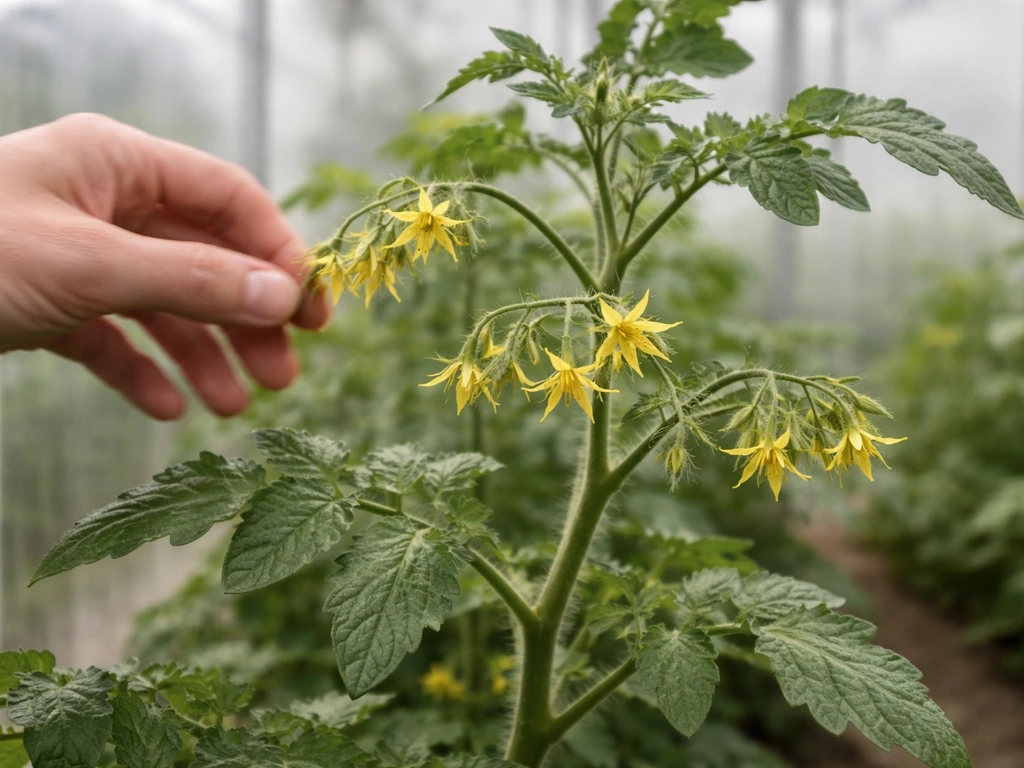
This is the most well-documented case. Tomatoes are self-pollinating, but in a greenhouse without wind or bees, pollen doesn't move on its own. LSU AgCenter and a range of horticultural research explicitly recommend using electric vibrators held near tomato flower trusses around midday to release pollen and improve fruit set. Research published in Acta Horticulturae confirmed that truss vibration is an efficient method for pollination and improving fruit set in greenhouse tomatoes. This is targeted vibration at a specific plant part for a specific reason, not random shaking. If you grow tomatoes, peppers, or squash indoors or in a polytunnel, this technique has solid science behind it.
Dislodging pests
A sharp but gentle shake can knock aphids, spider mites, or whiteflies off leaves, especially if you hold a piece of paper or a cloth underneath to catch them. This is a low-chemical way to manage a small infestation. It won't eliminate a serious pest problem, but it can reduce numbers enough to make other treatments more effective. Just don't shake the plant so hard that you snap stems or drop it.
Helping wet foliage dry faster
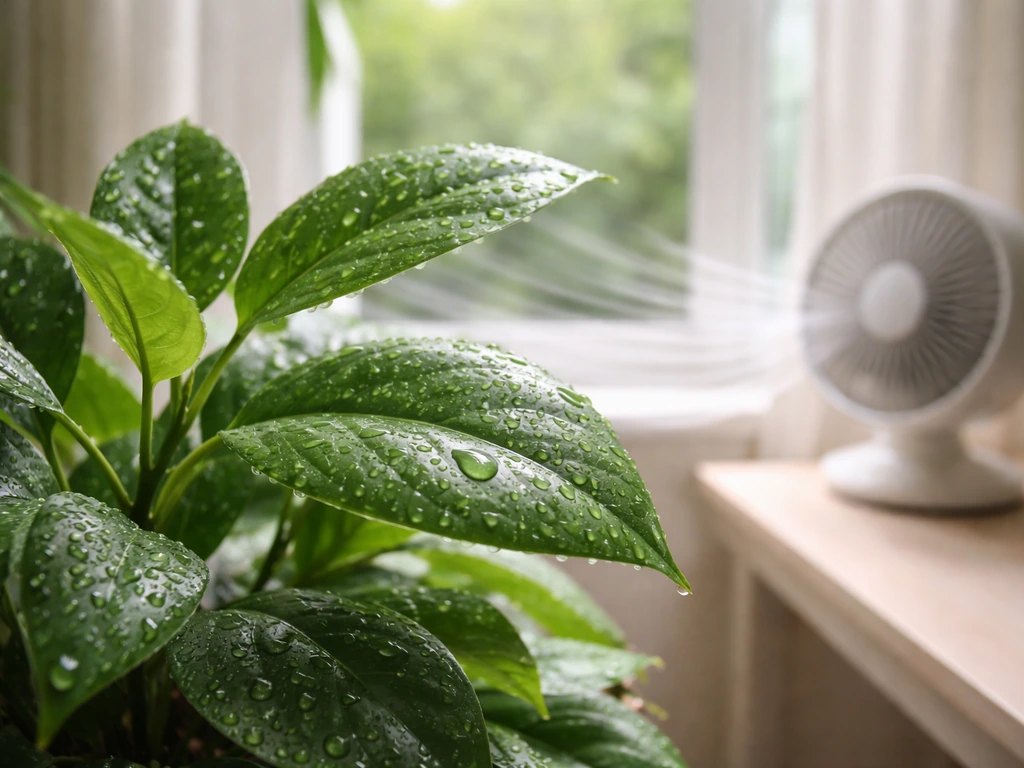
Multiple university extension programs emphasize that prolonged leaf wetness is one of the primary drivers of fungal disease. If you've accidentally soaked foliage or your plant got caught in a heavy downpour, a gentle shake to dislodge water droplets can reduce how long leaves stay wet. It's not a miracle move, but it's a legitimate reason to handle a plant with wet foliage, especially in humid conditions where disease pressure is already high.
When shaking hurts your plant
The damage scenarios are more numerous and more serious than the benefits.
- Stem breakage: Cornell's CALS extension explicitly notes that stems can bend and even snap from mechanical movement, particularly around establishment. Young shoots and flower stalks are especially vulnerable.
- Bruising and tissue damage: Even without visible breakage, physical impact bruises plant tissue. Research on tomato bruising links even minor mechanical impact to measurable biochemical damage that degrades fruit quality. The same principle applies to leaves and flower buds.
- Flower and bud drop: Many plants, including orchids, fuchsias, and gardenias, are prone to dropping buds when stressed. Repeated shaking is a reliable way to trigger this response.
- Accelerated water loss: As covered above, mechanical stimulation opens stomata and increases transpiration. In a dry or warm environment this compounds water stress, not relieves it.
- Root disturbance in containers: Shaking a potted plant disrupts the soil-root interface. Research on transplant shock consistently shows that root damage leads to whole-plant stress symptoms and a recovery period where the plant is spending energy on repair rather than growth.
- Energy diversion: Plants respond to mechanical stress by producing thigmomorphogenetic responses, essentially defensive changes in growth form. This energy comes from somewhere. A plant investing in stress responses is not investing in the flowering, fruiting, or foliage growth you actually want.
What actually makes plants grow better
If shaking isn't your answer, the good news is that the real answers are well understood and mostly simple to act on. Birds can help plants indirectly, mainly by spreading seeds and providing nutrients through droppings. Touching plants can be fine for routine care, but it generally does not help them grow the way good light, water, soil, and nutrients do If shaking isn't your answer. Here's how they stack up. If you are wondering whether a “myth” like does music help plants grow mythbusters could boost growth, this guide should clarify why the basics like light, water, and nutrients matter far more.
| Growth Factor | What to Do | Why It Works |
|---|---|---|
| Light (intensity and spectrum) | Move plants closer to a window or add a full-spectrum grow light; aim for the right duration for your species | Photosynthesis rate directly governs how much energy a plant produces; leggy, weak growth is almost always a light problem first |
| Watering practice | Water when the top few inches of soil are dry; water at the base, not overhead; ensure pots drain freely | Overwatering kills more houseplants than any other factor; wet roots suffocate and rot, cutting off nutrient uptake |
| Soil structure and drainage | Use a species-appropriate mix (gritty for succulents, moisture-retentive for tropicals); repot when rootbound | Compacted or waterlogged soil prevents roots from accessing oxygen; good structure supports microbial life that helps nutrient cycling |
| Balanced nutrients | Feed with a balanced fertilizer during active growing season; reduce or stop feeding in winter for most plants | Yellowing older leaves often means nitrogen deficiency; purple-tinged leaves often indicate phosphorus issues; these have specific fixes |
| Temperature and humidity | Keep most houseplants between 60-80°F; use a pebble tray or humidifier for tropical species | Temperature extremes and very low humidity cause stomatal stress and slowed growth; cold drafts are a common hidden stressor |
| Pruning | Remove dead, damaged, or crossing growth; pinch back leggy stems to encourage bushier growth | Pruning redirects energy from maintaining old growth to producing vigorous new shoots and stronger branching |
These factors work in a hierarchy. Light almost always comes first. A plant in poor light can't use extra nutrients effectively because photosynthesis is the engine that powers everything else. If you fix the light and the soil, you often solve the problem without needing to touch anything else. You may also wonder, for example, whether do magnets help plants grow, but the evidence does not support treating magnets as a reliable growth boost. This is the same framework worth applying whether you're wondering about shaking, or looking at other popular gardening claims like whether mirrors redirect useful light toward plants, or whether music or talking to plants makes a measurable difference in growth.
What to do today based on what you're seeing
The best move is to diagnose before you do anything. Colorado State University Extension specifically warns that vague symptom descriptions lead to wrong diagnoses and wrong fixes. Here's a quick triage guide based on the most common visible symptoms.
- Leggy, stretched growth with pale color: Almost certainly a light problem. Move the plant to a brighter spot or add a grow light. This is not a shaking issue.
- Yellowing leaves starting with older, lower leaves: Check for nitrogen deficiency first. Feed with a balanced liquid fertilizer. Also check that the pot is draining properly so roots can actually absorb nutrients.
- Yellowing or browning leaf tips, especially on tropical plants: Low humidity or fluoride/salt buildup in the soil. Flush the pot with water, increase humidity, and switch to filtered water if you've been using tap.
- Wilting despite moist soil: This is almost always root rot from overwatering. Unpot and check the roots. Trim any black, mushy roots, repot in fresh dry mix, and reduce watering frequency.
- No flowers on a plant that should be blooming: Check light first, then nutrient balance. Too much nitrogen produces lush foliage but suppresses flowering. Switch to a bloom-focused fertilizer with higher phosphorus. For greenhouse tomatoes or peppers, try the vibration pollination technique described above.
- Visible pests (sticky residue, tiny moving dots, distorted leaves): A gentle shake over paper can help dislodge soft-bodied pests. Follow up with insecticidal soap or neem oil for a more complete fix.
- Slow overall growth with healthy color: Check if the plant is rootbound. If roots are circling the inside of the pot or escaping drainage holes, repot up one container size in fresh mix.
- Drooping after recent repotting: This is transplant shock. Don't shake it. Keep it in stable, indirect light, water lightly, and give it two to four weeks to re-establish before expecting new growth.
The through line in all of these is that the fix is specific to the cause. Shaking doesn't address any of these root problems (literally or figuratively). It adds mechanical stress to a plant that's already dealing with something else. Spend your energy on a proper diagnosis, match the symptom to the cause, and apply the right correction. That's the approach that actually gets results.
FAQ
If I shake my plant lightly, will it be harmless and still help?
It might cause a short-term change (like leaf or stomatal response), but if you are hoping for noticeably faster growth, the odds are low. Use shaking only as a tool for specific tasks mentioned in the article (tomato flower vibration, dislodging pests, or removing droplets), otherwise treat it as stress rather than plant care.
Does shaking help any plants besides tomatoes?
Tomato flower vibration is the main scenario where “mechanical stimulation” is used for a growth-related outcome, because it targets pollen release at the flower truss. For other plants, random jostling tends to trigger defensive stress responses (energy rerouted to cope), not improved growth.
What should I do instead of shaking if my indoor plants aren’t setting fruit?
If your goal is pollination, shaking is usually not enough, especially indoors. For self-pollinating greenhouse plants, the effective method is targeted vibration of flower structures around midday, or you can use a small tool or gentle brushing to mimic pollen transfer rather than shaking the whole plant.
Will shaking a plant help during a hot, dry week?
Shaking can worsen drought stress by increasing transpiration (more water loss through more open stomata). If the soil is already dry, start by checking moisture and then watering deeply and thoroughly, then improve airflow or humidity as needed.
I just repotted, is it okay to shake the plant to “settle” it in?
Be careful with recently repotted plants. Hard shaking can disturb roots and contribute to transplant shock symptoms like wilting and slowed new growth. Wait until the plant shows stable recovery, then focus on correct light, watering, and soil before doing any handling beyond normal care.
How do I know if shaking is working for aphids or spider mites?
Catching pests under a paper or cloth can help knock them down, but you still need follow-up. Re-check leaves after 24 to 72 hours, and if pests persist, switch to an appropriate control method (like targeted sprays) rather than repeating shaking indefinitely.
Can I shake to prevent fungal diseases after watering or rain?
If leaves are wet from rain or overhead watering, a gentle shake to remove droplets can reduce the time foliage stays wet. However, it will not fix underlying disease drivers like poor spacing, low airflow, or watering habits that keep foliage damp.
What is the safest way to shake, and how do I avoid damaging stems?
Avoid shaking so hard that stems bend, crack, or leaves drop. If you see loose stems, brittle growth, or pots that rock excessively, stop and switch to safer adjustments, like improving light intensity, adjusting watering frequency, or using a support stake.
My plant looks weak, should I start with shaking or troubleshooting?
If symptoms are showing, shaking can mask or aggravate the underlying issue. Use diagnosis first by checking light (leaf color and legginess), watering (soil moisture, wilt pattern), and root health (odor, mushy roots in potted plants) before changing anything physical.
What’s the fastest practical plan if I want better growth this month?
If you are trying to “encourage growth,” the most reliable sequence is: confirm sufficient light first, then ensure correct watering schedule, then improve soil and nutrients (not extra amounts all at once). After that, do only targeted mechanical actions for the narrow cases the article calls out.
Citations
In wheat, mechanical stimulation via daily brushing (20 brushstrokes/day) caused significant changes in growth and development: the number of tillers/leaves/biomass measures increased, but the main tiller top leaf length was reduced; brushing also altered spike-related traits.
Mechanical stimulation in wheat triggers age- and dose-dependent alterations in growth, development and grain characteristics - https://pmc.ncbi.nlm.nih.gov/articles/PMC8422892/
A study on mechanical stimulation in bioregenerative life-support candidate crops reported effects on canopy architecture and volume utilization efficiency; the research evaluated multiple growth outcomes including shoot and root biomass and flower production.
Mechanical Stimulation Controls Canopy Architecture and Improves Volume Utilization Efficiency in Bioregenerative Life-Support Candidate Crops - https://pmc.ncbi.nlm.nih.gov/articles/PMC6839710/
A peach-tree study evaluated trunk electric vibration and reported effects on growth, yield, and fruit quality (i.e., controlled vibration can change horticultural performance rather than only acting as “damage”).
The effect of trunk electric vibration on the growth, yield and fruit quality of peach trees - https://www.sciencedirect.com/science/article/pii/S0304423806000987
A study using surface acoustic waves (a form of mechanical energy) found increased local transpiration/evaporation through the leaf compared with an untreated control; the effect changed where water evaporation occurred across the leaf surface.
Surface Acoustic Waves to Drive Plant Transpiration - https://www.nature.com/articles/srep45864
In Arabidopsis, brushing trichomes increased stomatal aperture, conductance, and transpiration; the paper reports these responses were absent in a trichome-deficient mutant, supporting a mechanosensory role for trichomes.
Mechanical disturbance of trichomes enhances Cd2+ accumulation via malate-mediated stomatal opening in Arabidopsis - https://www.sciencedirect.com/science/article/pii/S0168945226002712
In pansy transplants, daily brushing reduced final petiole length, with dose–response behavior (more brush strokes → smaller petioles), showing mechanical stimulation can shift growth allocation/distribution.
Brushing pansy (Viola tricolor L.) transplants: A flexible, effective method for controlling plant size - https://www.sciencedirect.com/science/article/pii/S030442389700023X
A sunflower study (ambient aerosols context) linked environmental changes with increased stomatal conductance and transpiration; while not “shaking,” it provides mechanistic framing that stomatal conductance strongly governs water loss and is sensitive to external physical environment.
Ambient aerosols increase stomatal transpiration and conductance of hydroponic sunflowers by extending the hydraulic system to the leaf surface - https://www.frontiersin.org/journals/plant-science/articles/10.3389/fpls.2023.1275358/pdf
University of Maryland Extension notes that plants with damaged roots generally show symptoms over the entire tree/shrub (unless damage was localized), indicating that root injury often translates into whole-plant stress symptoms.
Damaged Tree Roots - https://extension.umd.edu/resource/damaged-tree-roots/
Montana State University Extension describes transplant shock as a stress state associated with damaged roots; plants suffering from transplant shock can be more vulnerable to disease/insects, and it provides management context for recovery.
Transplant Shock - https://www.montana.edu/extension/Full_HTML_Pubs/a-guide-to-pests-problems-and-identification-of-ornamental-shrubs-and-trees-in-montana/abiotic-issues/transplant-shock.html
Cornell (CALS) recommends steps to minimize transplant shock and notes that stems can bend from wind and can even break, emphasizing that mechanical movement around establishment can cause breakage and setbacks.
Avoid Transplant Shock - https://cals.cornell.edu/school-integrative-plant-science/school-sections/horticulture-section/outreach-and-extension/pandemic-vegetable-gardening-2021-archive/avoid-transplant-shock
LSU AgCenter describes greenhouse tomato pollination using electric vibrators/air blowers (hand-held vibrators around noon) to vibrate flowers to release pollen, reporting its purpose as a method to achieve maximum fruit yield/size/profit for small greenhouse operations.
Pollinating Greenhouse Tomatoes with Vibrators, Blowers - https://www.lsuagcenter.com/portals/communications/publications/agmag/archive/2005/winter/pollinatinggreenhousetomatoeswithvibratorsblowers
An Acta Horticulturae paper investigated truss-vibration duration in greenhouse tomatoes and reports that truss-vibration is considered an efficient method for promoting pollen transfer and improving fruit set; the study tests different vibration durations.
THE EFFECTS OF DIFFERENT TRUSS-VIBRATION DURATIONS ON POLLINATION AND FRUIT SET OF GREENHOUSE GROWN TOMATOES - https://www.actahort.org/books/366/366_6.htm
A biophysical model for buzz pollination describes pollen expulsion upon bee or artificial vibration and explains that vibration amplitude/energy relates to pollen release mechanics.
A biophysical model for buzz pollination in angiosperms - https://www.sciencedirect.com/science/article/pii/0022519378902771
International Society for Horticultural Science (ISHS) notes tomato fruit quality is substantially reduced by bruise (impact) damage, linking mechanical impact to measurable quality loss mechanisms (even when pollination/flower vibration is intended).
THE PHENOMENON OF TOMATO BRUISING: WHERE BIOMECHANICS AND BIOCHEMISTRY MEET - https://www.ishs.org/ishs-article/682_120
A review/tech article on robotic supplemental pollination notes that physically-assisted pollination via vibrations can drive flower vibration to release pollen, but also warns that vibration methods can cause plant damage and potentially spread diseases through contact with crops.
Design and Experimental Investigation of a Non-Contact Tomato Pollination Device Based on Pulse Airflow - https://www.mdpi.com/2077-0472/15/13/1436
Mississippi State University Extension advises not to extend the period of leaf wetness by watering as dew begins to dry; reducing the time leaves stay wet reduces disease risk, and it recommends watering at the base when possible.
The Plant Doctor: Watering and Plant Disease - https://cerberus.ext.msstate.edu/publications/the-plant-doctor-watering-and-plant-disease
UConn Extension recommends watering at the base and avoiding watering leaves (and, if overhead irrigation is used, watering early in the morning) to keep foliage dry and reduce disease problems.
Plant Diseases & Sustainably Healthy Plants - https://extension.uconn.edu/2014/07/02/plant-diseases-sustainably-healthy-plants/
UF/IFAS Extension publication defines leaf wetness as the presence of free water on foliage and explains it can come from rainfall, dew, and overhead irrigation—framing why practices that reduce leaf wetness duration help disease management.
How to Avoid Common Problems with Leaf Wetne - https://edis.ifas.ufl.edu/publication/AE538/pdf
University of Minnesota Extension states that watering at the right time helps (e.g., watering when the top 6–9 inches of soil are dry) and notes cooling effects of transpiration; it also highlights that watering practices influence plant stress.
Watering established trees and shrubs - https://extension.umn.edu/planting-and-growing-guides/watering-established-trees-and-shrubs
Mississippi State University Extension’s “The Plant Doctor” advises managing leaf wetness—e.g., avoid extending how long leaves stay wet and address free moisture duration as a driver of fungal disease development risk.
The Plant Doctor (P3881_web) - https://extension.msstate.edu/sites/default/files/publications/P3881_web.pdf
University of Missouri Extension notes transplant/establishment recovery depends on time and conditions; it emphasizes transplants usually take time to recover once set, especially for more expensive investments like perennials.
University of Missouri Extension (master gardener publication on transplant/establishment) - https://extension.missouri.edu/sites/default/files/legacy_media/wysiwyg/Extensiondata/Pub/pdf/mastergardener/mg0009.pdf
South Carolina Forestry Commission states newly transplanted trees experience transplant shock and describes vulnerability to stress; it also links recovery time to root-system restoration (larger trees take longer).
Newly planted trees survival guide - https://www.scfc.gov/management/urban-forestry/urban-tree-care-resources/newly-planted-trees-survival-guide/
A professional guide to plant health care for woody ornamentals notes container-grown plants are transplanted and that recovery from transplant shock/extended periods can take time (sometimes long), reflecting that mechanical/root disturbance can have lasting impacts.
Plant health care for woody ornamentals: a professional's guide to preventing and managing environmental stresses and pests - https://www.ideals.illinois.edu/items/28514/bitstreams/96137/data.pdf
Colorado State University Extension emphasizes that symptom descriptions like “yellow leaves” or “poor growth” are often inadequate and recommends structured diagnosis using detailed symptom/conditions; it also distinguishes abiotic disorders that can predispose to insect/disease problems.
Diagnosing Plant Disorders - https://www.extension.colostate.edu/resource/diagnosing-plant-disorders/
University of Minnesota Extension’s diagnostic page for stunted sweet corn uses symptom-based branching (e.g., nitrogen deficiency vs potassium deficiency) and lists specific visible indicators tied to each nutrient problem.
What’s wrong with my plant? — Stunted plant (Sweet corn) - https://apps.extension.umn.edu/garden/diagnose/plant/vegetable/corn/plantstunted.html
University of Maryland Extension provides a symptom→cause mapping for indoor plants (e.g., wilting linked to overwatering or lack of water; leaf mottling tied to viruses), offering a decision-tree style troubleshooting approach.
Diagnose Indoor Plant Problems - https://extension.umd.edu/resource/diagnose-indoor-plant-problems
Penn State Extension’s “Diagnosing Poor Plant Health” provides a structured symptom framework (e.g., dead/yellow spots, virus infection possibilities) and highlights that accurate diagnosis often requires comparing symptom patterns to known causes.
Diagnosing Poor Plant Health - https://extension.psu.edu/diagnosing-poor-plant-health/
Penn State Extension explains how abnormal symptoms (yellow leaves, leaf spots, roots that disintegrate, etc.) are categorized as disease symptoms and advises contacting local extension offices for identification.
Your Plants Look Sick? Now What? - https://extension.psu.edu/your-plants-look-sick-now-what
Next Articles
Does Talking Nicely to Plants Help Them Grow? What Science Says
Science-based answer on whether talking nicely helps plants grow, and what actually improves growth: light, water, soil,
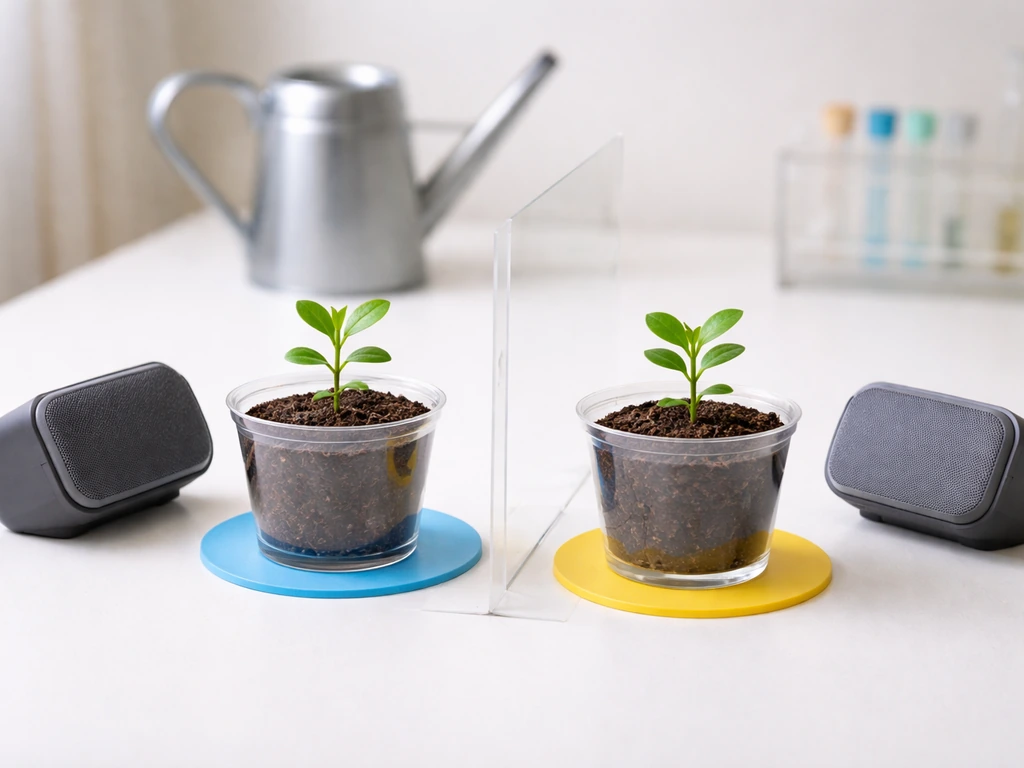
Does Music Help Plants Grow? Science Fair Project Guide
Test whether sound or music affects plant growth using controls, measurable data, and science fair steps.
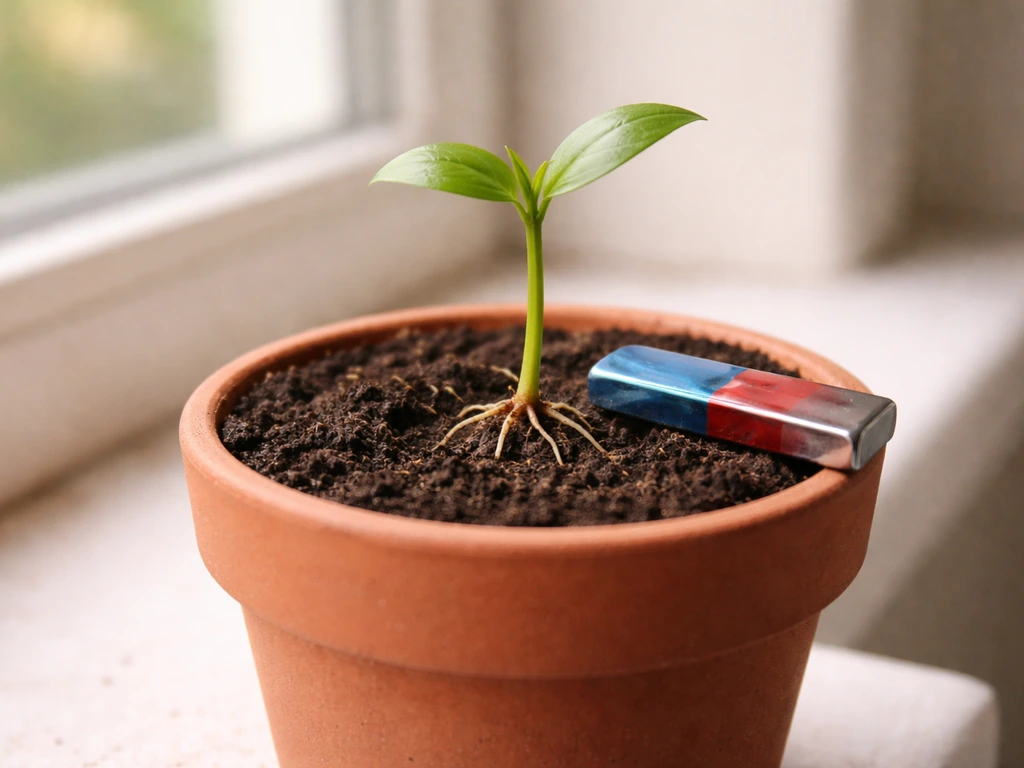
Do Magnets Help Plants Grow Faster? Evidence and Tests
Do magnets help plants grow faster? Evidence is mixed; use them as optional test, not a reliable growth hack.