Rocks can genuinely help plants grow, but only in specific situations and only for specific reasons. They are not fertilizers, they don't meaningfully change your soil chemistry just by sitting there, and piling gravel around a plant won't rescue poor drainage or bad soil. What rocks actually do well is manage moisture evaporation, regulate soil temperature, suppress weeds, and improve drainage in containers or raised beds. Get those factors right and rocks become a useful tool. Get them wrong and you'll cook roots, trap cold air, or slowly suffocate your plants.
Do Rocks Help Plants Grow? Benefits, Myths, and How-To
Marcus Holloway
14 May 2026
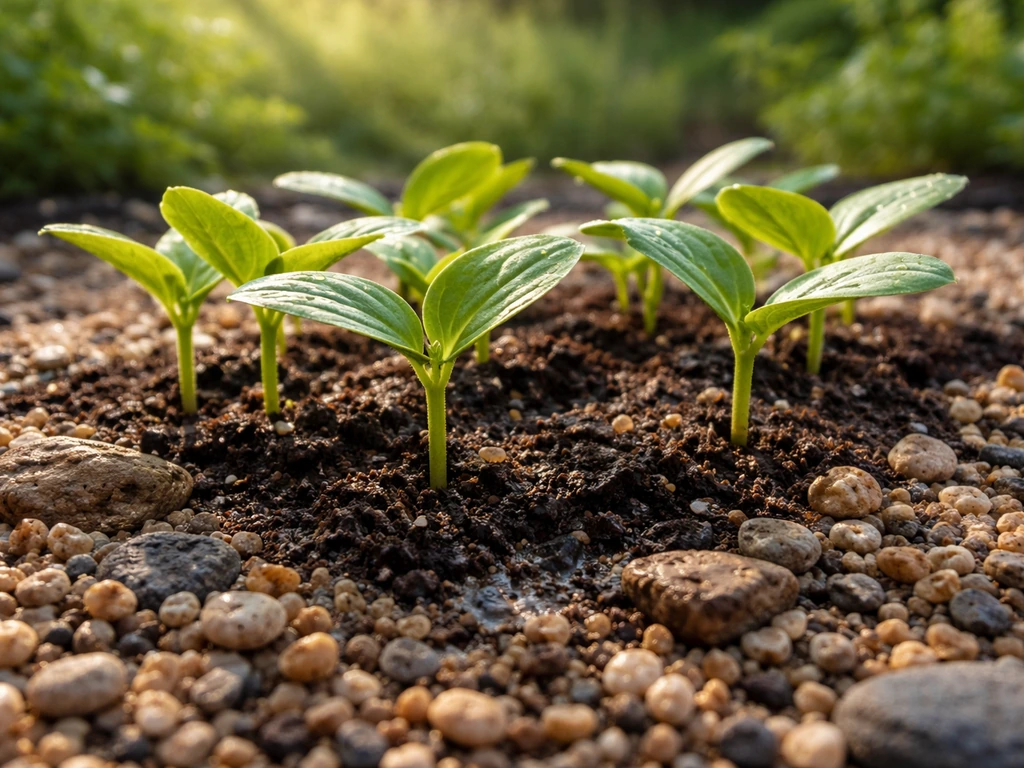
What rocks can do (and can't) for plant growth
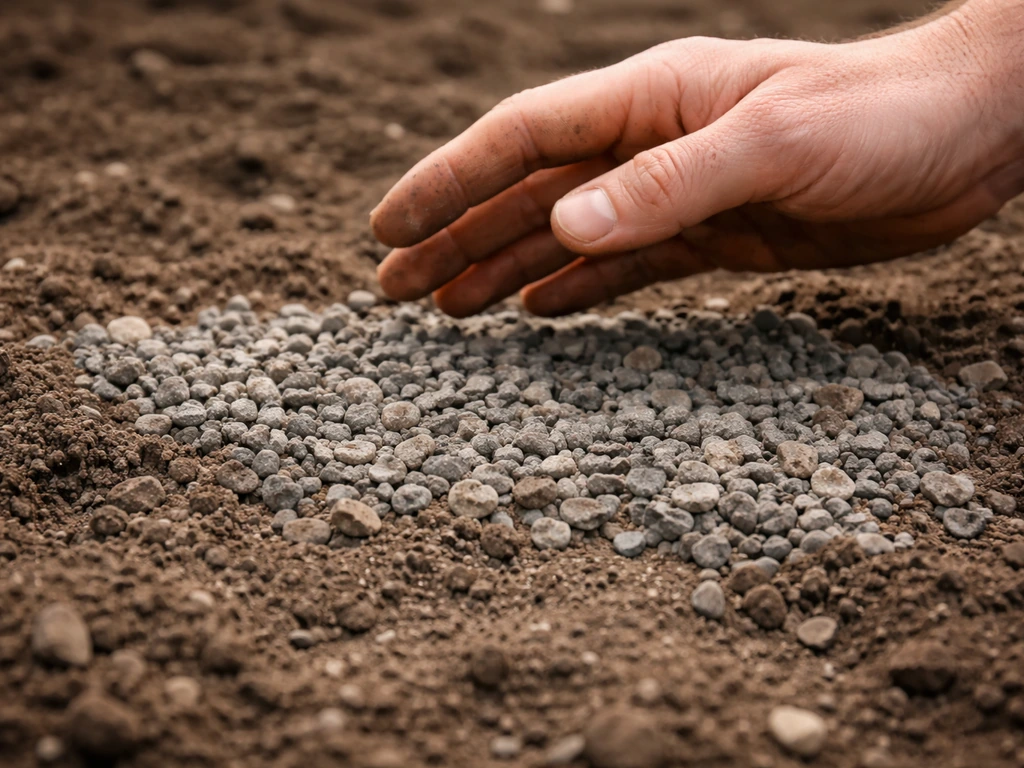
Let's get the myth out of the way first. Rocks sitting on top of or next to your soil are not feeding your plants. Nutrients locked inside rock minerals become plant-available only through a chemical process called weathering, where water and acids slowly break down the rock's crystal structure over years or decades. A handful of pea gravel placed around a tomato plant this spring is not releasing calcium, magnesium, or potassium into your soil in any meaningful amount by August. Research on crushed rock fertilizers confirms this clearly: even purpose-ground carbonate rocks like limestone must weather before their nutrients become accessible, and that process is far too slow to substitute for conventional fertilizing. So if someone tells you to add rocks for the nutrients, that's the gardening equivalent of an old wives' tale.
What rocks do offer is a set of purely physical benefits. They act as a surface barrier, a heat sink, a drainage medium, and a weed suppressor. Those are real, measurable effects that can meaningfully support plant health when matched to the right plant, climate, and soil type. The key is understanding which of those effects you actually need, because rocks that help a succulent in Arizona can harm a hydrangea in Georgia.
- Rocks CAN reduce surface evaporation and help retain soil moisture between waterings
- Rocks CAN improve drainage in containers and heavy-clay raised beds when used correctly
- Rocks CAN absorb and radiate heat, extending the growing season in cool climates
- Rocks CAN suppress weeds by blocking light at the soil surface
- Rocks CANNOT deliver meaningful nutrients to plant roots in a garden timeframe
- Rocks CANNOT fix compacted or nutrient-depleted soil on their own
- Rocks CANNOT substitute for organic mulch in most temperate garden beds
How rocks affect soil moisture and drainage
This is where rocks earn their keep in the right garden. A 2 to 3 inch layer of gravel or small stones on the soil surface acts as a physical barrier that slows evaporation, similar to the way organic mulch does. In hot, dry climates and for drought-tolerant plants like lavender, ornamental grasses, and most succulents and cacti, this is genuinely useful. Rainfall and irrigation water still pass through the rock layer into the soil below, so you're not blocking water from getting in, just slowing it from getting back out through evaporation.
Drainage is where rocks get more complicated. The old advice to put a layer of gravel at the bottom of a container for drainage is actually a myth that can make drainage worse. Water movement through soil follows what soil scientists call a perched water table: water won't move from a fine-textured medium (potting mix) into a coarser medium (gravel) until the finer layer is saturated. That means the gravel layer at the bottom of a pot simply raises the wet zone higher into the root area, not lower. For containers, the best approach is to use a well-draining potting mix throughout the entire pot with no gravel layer at the bottom, and make sure the drainage holes are actually open and unobstructed.
In-ground and raised beds tell a different story. If you're building a raised bed over heavy clay or compacted subsoil, incorporating coarse gravel into the lower portion of the bed mix genuinely improves drainage by creating larger pore spaces. Same principle applies to rock gardens: planting in a naturally rocky or deliberately rock-amended bed can provide the sharp drainage that Mediterranean plants, alpine species, and succulents need to thrive. In those setups, the rocks are part of the soil structure, not just sitting on top of it.
How rocks affect temperature around roots
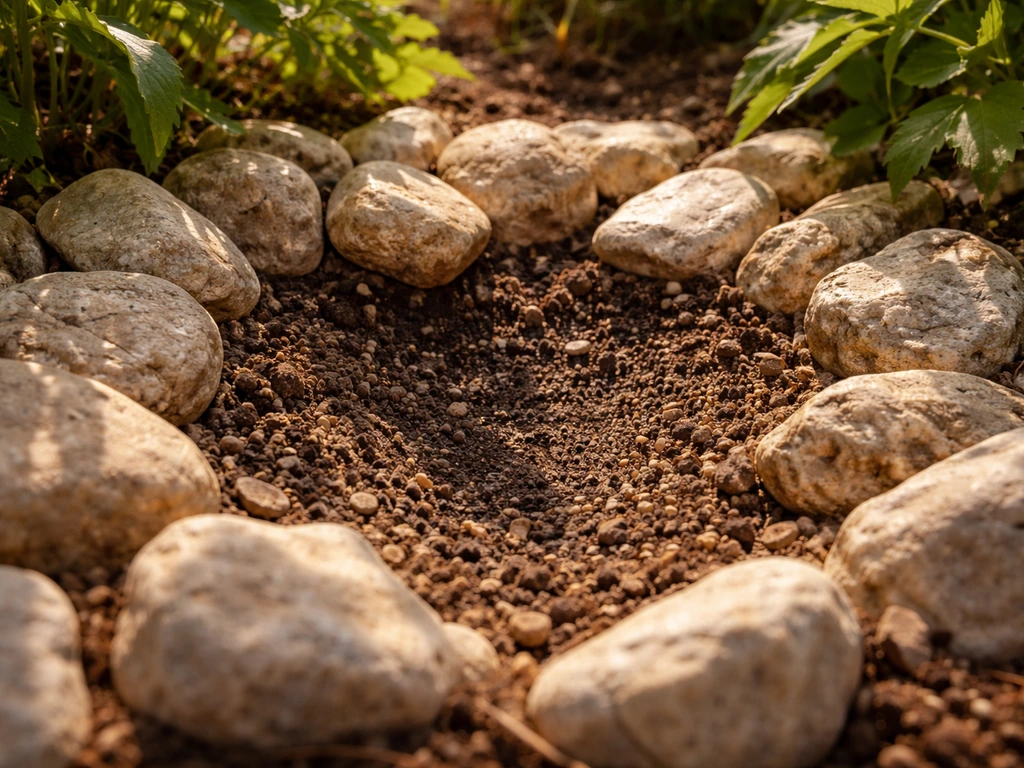
Rocks are excellent at absorbing heat during the day and releasing it slowly at night. This thermal mass effect is one of the most legitimate reasons to use rocks in a garden, especially in cooler climates or for heat-loving plants. Dark-colored stones placed around or behind plants like peppers, tomatoes, or eggplant can raise the ambient temperature around roots and stems by several degrees overnight. In short-season climates, that can meaningfully extend your productive growing window in both spring and fall.
The flip side is real and worth taking seriously. In hot climates, rocks (especially dark ones) can absorb so much heat that soil temperatures near the surface climb high enough to stress or kill shallow roots. Light-colored gravel reflects more heat and is a safer choice in USDA zones 9 and above or in areas with intense afternoon sun. Whatever rock color you choose, keep a 1 to 2 inch gap between rocks and plant stems so heat doesn't concentrate directly against the crown.
In winter, rocks retain cold as effectively as they retain heat, which is mostly a non-issue for established perennials but can matter for tender plants. A deep layer of rocks over root zones in a cold snap won't insulate the way an organic mulch layer would. If protecting roots from hard freezes is your goal, organic mulch like straw or shredded bark does a far better job.
Rocks and soil chemistry: minerals and pH myths
Here's where I see the most confusion, especially among gardeners who've read that limestone raises soil pH or that granite 'dust' adds minerals. Let me separate fact from fiction clearly.
Limestone (calcium carbonate) does raise soil pH, but the operative word is 'does,' not 'can.' Ground agricultural limestone applied to soil and watered in regularly does meaningfully shift pH over months of application. A chunk of limestone sitting as a decorative stone in your bed? Essentially inert in garden timescales. The surface area exposed to soil water is tiny, weathering is slow, and the pH effect on surrounding soil is negligible. If you need to raise soil pH, buy ground dolomitic lime and apply it intentionally. Don't expect a few decorative rocks to do the same job.
The exception worth noting: if you're using large quantities of a specific rock type in direct contact with soil over many years, there can be a slow drift in chemistry. Sandstone beds can very gradually acidify soil in wet climates. Marble chips used as mulch in large amounts can slowly raise pH near the surface. These are real effects but they operate on a scale of years, not a single growing season. For most home gardeners using rocks decoratively or as mulch in moderate quantities, soil chemistry stays essentially unchanged by the rocks themselves.
If soil nutrients are what you're after, rocks are the wrong tool. If you are wondering about egg shells specifically, they are usually too slow to break down to make a meaningful difference for plant growth. Minerals like potassium, phosphorus, and iron are best supplied through appropriate fertilizers, compost, or targeted soil amendments. Iron can help plants grow when they are iron-deficient, but rocks are usually not a reliable source of it. Phosphorus helps plants grow by supporting root development and energy transfer, but most gardens already have enough of it unless soil tests show a deficiency. Potassium can play an important role in plant growth because it supports processes like water regulation and enzyme activity. Rock-derived nutrient supply is genuinely complex, as blank" rel="noopener noreferrer">USGS research on plant responses across different bedrock geologies confirms: plants have sophisticated mechanisms to compensate for varying nutrient availability from parent rock material, but that compensation happens at an ecosystem level over geological time, not in your container garden this season.
Best ways to use rocks in your garden
Gravel mulch on top of soil
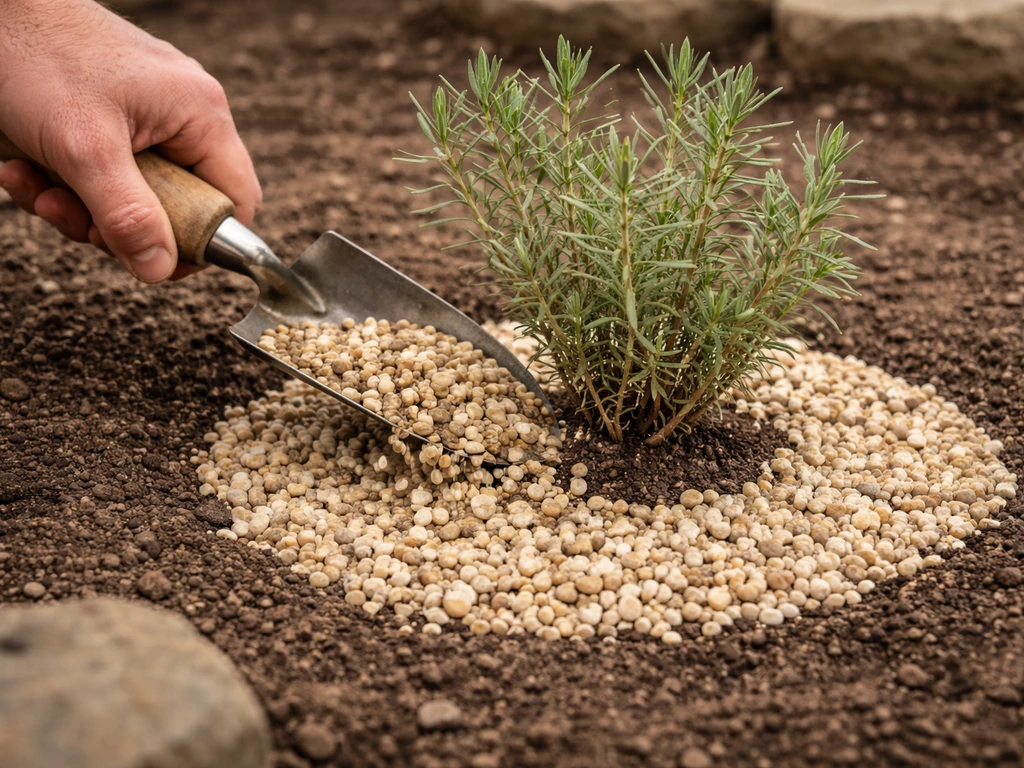
Use a 2 to 3 inch layer of pea gravel or crushed stone as mulch for drought-tolerant and Mediterranean plants. It reduces evaporation, suppresses weeds, and looks clean. Avoid it for moisture-loving plants like hostas, astilbes, or most annuals, where organic mulch does a much better job of moderating soil temperature and adding organic matter over time. Skip landscape fabric underneath if you want healthy soil biology; fabric blocks water movement and eventually turns into a weed-collecting mess. Instead, apply the gravel directly over bare, weed-free soil.
Rock gardens and alpine beds
A proper rock garden incorporates rocks into the soil structure, not just on the surface. Tuck large rocks at a slight angle so they direct rainfall down toward the root zone. Fill gaps with a lean, gritty mix: roughly 1 part native soil, 1 part coarse sand or fine grit, and 1 part small gravel. This creates the sharp drainage that alpine and Mediterranean plants evolved for. Plants like thyme, sedum, dianthus, and ice plant will genuinely thrive here where they'd struggle in a standard garden bed.
Rocks in containers (the right way)
Don't put rocks at the bottom of a container for drainage. Instead, use a high-quality, well-draining potting mix suited to your plant type (cactus mix for succulents, standard potting mix for most others), and make sure your drainage holes are clear. Decorative rocks on top of container soil can help reduce evaporation and prevent soil from splashing out during watering, which is fine as long as you keep the layer thin (1 inch or less) and leave space around the plant's base.
Using rocks as edging and barriers
Rocks work well as physical edging to define beds and keep lawn grass from creeping in. Just make sure they're not piled against plant stems or crowns, which traps moisture and invites rot and fungal issues. A clean border that sits at soil level rather than being heaped up is the right approach.
Common mistakes that hurt plants
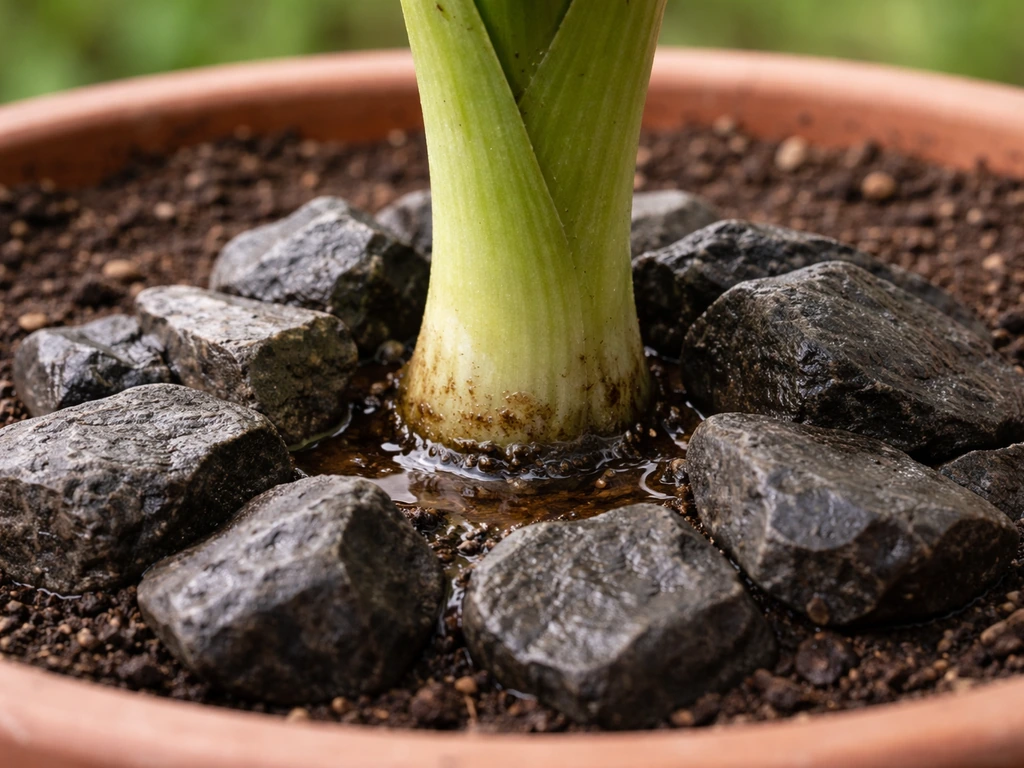
- Piling rocks against the base of stems or trunks, which traps moisture and causes crown rot
- Using dark rocks in full sun in hot climates, which can push soil temperatures high enough to stress or kill shallow feeder roots
- Placing gravel at the bottom of containers, which raises the wet zone into the root area instead of improving drainage
- Using rocks as mulch for moisture-loving plants that need soil temperature moderation and organic matter, not a heat-absorbing gravel layer
- Expecting rocks to replace fertilization or soil amendment, especially when plants show yellowing leaves or poor growth
- Covering the entire soil surface densely with rocks and landscape fabric, which restricts oxygen exchange and can suffocate soil biology over time
- Using very large, heavy rocks near shallow-rooted plants where compaction and root damage are risks during placement
Quick decision guide: when to use rocks vs skip them
| Situation | Use rocks? | Best approach |
|---|---|---|
| Succulent or cactus bed in dry climate | Yes | 2-3 inch gravel mulch, light color in hot zones |
| Mediterranean herbs (lavender, thyme, rosemary) | Yes | Gravel mulch or rock garden with gritty soil mix |
| Container drainage layer at bottom of pot | No | Use well-draining potting mix throughout; clear drainage holes |
| Moisture-loving perennials (hostas, ferns) | No | Use organic mulch: bark, shredded leaves, or straw |
| Cool-climate vegetable garden, extending season | Yes (selectively) | Dark rocks near heat-loving crops like peppers or tomatoes |
| Hot climate full-sun bed | Use light colors only | Light-colored gravel; keep rocks away from plant crowns |
| Raised bed over clay for drainage improvement | Yes | Incorporate coarse gravel into lower soil mix |
| Soil nutrition or pH correction needed | No | Use compost, fertilizer, or targeted lime/sulfur amendments |
| Winter root protection in cold climate | No | Use organic mulch: straw, bark, or shredded leaves |
The honest summary: rocks are a genuinely useful physical tool in specific scenarios, primarily drainage management, heat retention, moisture control, and weed suppression for the right plant types. They're not a growth booster, not a fertilizer, and not a universal mulch. Crystals are often discussed as a way to boost plant growth, but the evidence does not match the hype the way proper nutrients, light, and watering do do crystals help plants grow. If you're wondering whether egg shells or other egg-related products can help, check whether do eggs help plants grow before adding them to your beds. Epsom salt, in contrast, is not a rock-based approach to plant growth and it only helps in specific cases, such as correcting magnesium deficiency They're not a growth booster, not a fertilizer, and not a universal mulch.. If your plants are struggling, check soil quality, light, and watering first. Rocks are a supporting player in a healthy garden, not the main act. For nutrient questions, topics like how phosphorus, potassium, or iron affect plant growth are worth exploring separately, because those are the levers that actually move the needle on what your plants eat.
FAQ
How thick should the gravel or rock layer be if I want to reduce evaporation?
Start with a 2 to 3 inch layer for drought-tolerant plants, keep it off the crown (leave about 1 to 2 inches of clear space around stems), and avoid thick layers on young seedlings because they can keep soil too cool and slow emergence.
Will rocks stop weeds permanently, or do I still need to weed?
Rocks suppress many weeds by blocking light, but they do not stop seeds that land in the soil surface or enter through cracks. For best results, remove existing weeds first (or solarize) before applying the rock layer.
Can I use rocks as mulch on moisture-loving plants like hostas or ferns?
It’s usually a bad fit because rocks reduce evaporative buffering and can create hotter, drier surface conditions. If you try it anyway, use very light, reflective stone, keep the layer thin, and plan on more frequent irrigation and topping up organic matter.
What’s the safest rock color for hot climates?
Light-colored gravel or pale stones are generally safer in intense afternoon sun because they reflect more heat and lower surface soil temperatures. Dark stones can raise root-zone temperatures enough to stress shallow-rooted plants.
Do rocks make container plants easier or harder to grow?
Usually harder if you rely on the classic gravel-at-the-bottom idea, because it can worsen water distribution by creating a perched wet zone. Use a full pot of well-draining mix, confirm drainage holes are open, and consider adding a small amount of coarse material mixed into the potting medium if needed.
Should I mix gravel into soil or put it only on top?
Top dressing helps with evaporation control and weed suppression, mixing helps with drainage and pore space (especially in raised beds or gritty rock gardens). In containers, mixing coarse grit into the potting mix tends to work better than adding a separate rock layer.
Will landscape fabric under rocks ruin soil health?
It can, because it blocks water movement, prevents some natural soil wetting patterns, and tends to collect debris where weed seeds germinate. If you use fabric at all, avoid trapping it in a way that prevents drainage flow, and prioritize weed-free ground and proper rock depth.
Do rocks change soil pH if they’re decorative stones in the bed?
Usually no in home-garden timeframes, because most decorative stones have too little exposed surface area to meaningfully weather. If you specifically need to adjust pH, use ground agricultural lime, apply based on a soil test, and recheck after the recommended interval.
If I want nutrients, should I use crushed limestone, “rock dust,” or granite sand?
In most cases, it will not deliver nutrients quickly enough to substitute for fertilizer or compost. Nutrients from rock powders depend on weathering and exposure, so use soil testing to identify deficiencies and then choose targeted amendments.
Can rocks harm plants by trapping moisture or causing rot?
Yes, if rocks contact the crown or sit tightly against stems, they can trap moisture and reduce airflow. Keep a gap around the plant base, and for areas with frequent wetness, prioritize rock types that don’t retain water at the surface.
Will a rock garden insulate plants in winter like mulch does?
Not the same way. Rocks typically do not provide the insulating, moisture-stabilizing effect of organic mulch, so tender plants may still need additional protection during hard freezes (for example, straw mulch over root zones or protective coverings).
How can I tell whether my plant problem is due to soil moisture, not nutrients?
Look first at symptoms that match watering issues, such as persistent wilting despite wet soil, yellowing with slow growth, or root rot smells. Then check drainage by running water into the bed or pot and timing how quickly it drains, before adding any amendments.
Next Articles
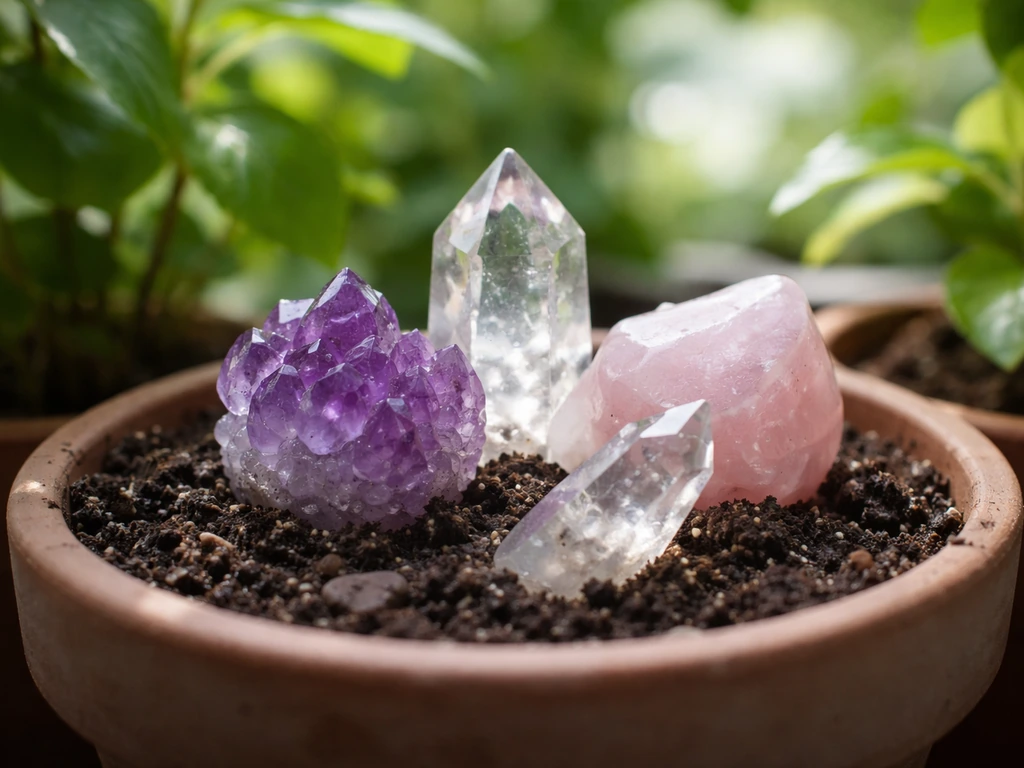
Do Crystals Help Plants Grow? Evidence and Practical Tests
Evidence-based answer on whether crystals help plants grow, plus safe tests, likely mechanisms, and real care priorities
Does Potassium Help Plants Grow? How to Tell and Apply It
Learn if potassium truly helps plants grow, spot real deficiency, and apply the right potash dose safely.
Do Eggs Help Plants Grow? What Works and How to Use It
Eggshells can add calcium and affect pH when used right, but whole eggs and egg water rarely fertilize. Learn how and ho